
Last updated November 18, 2026
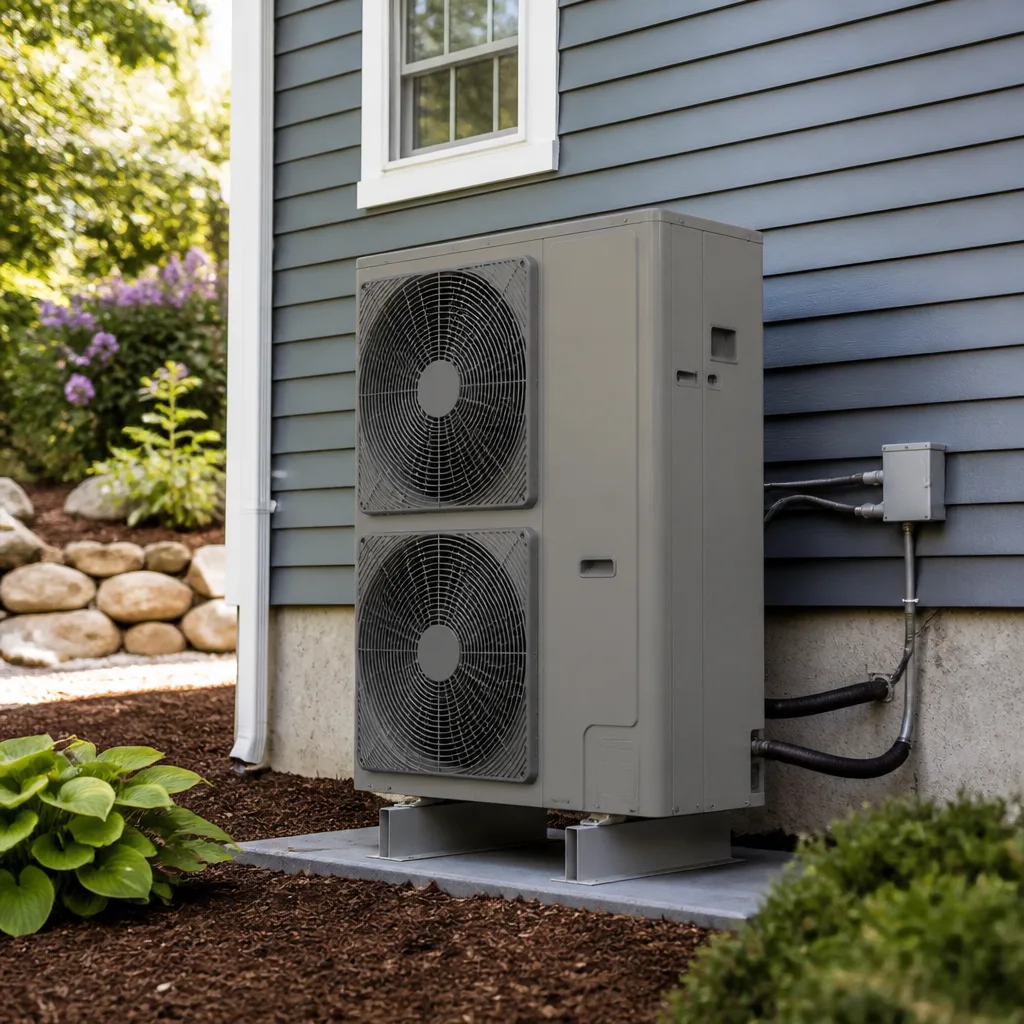 Heat pumps
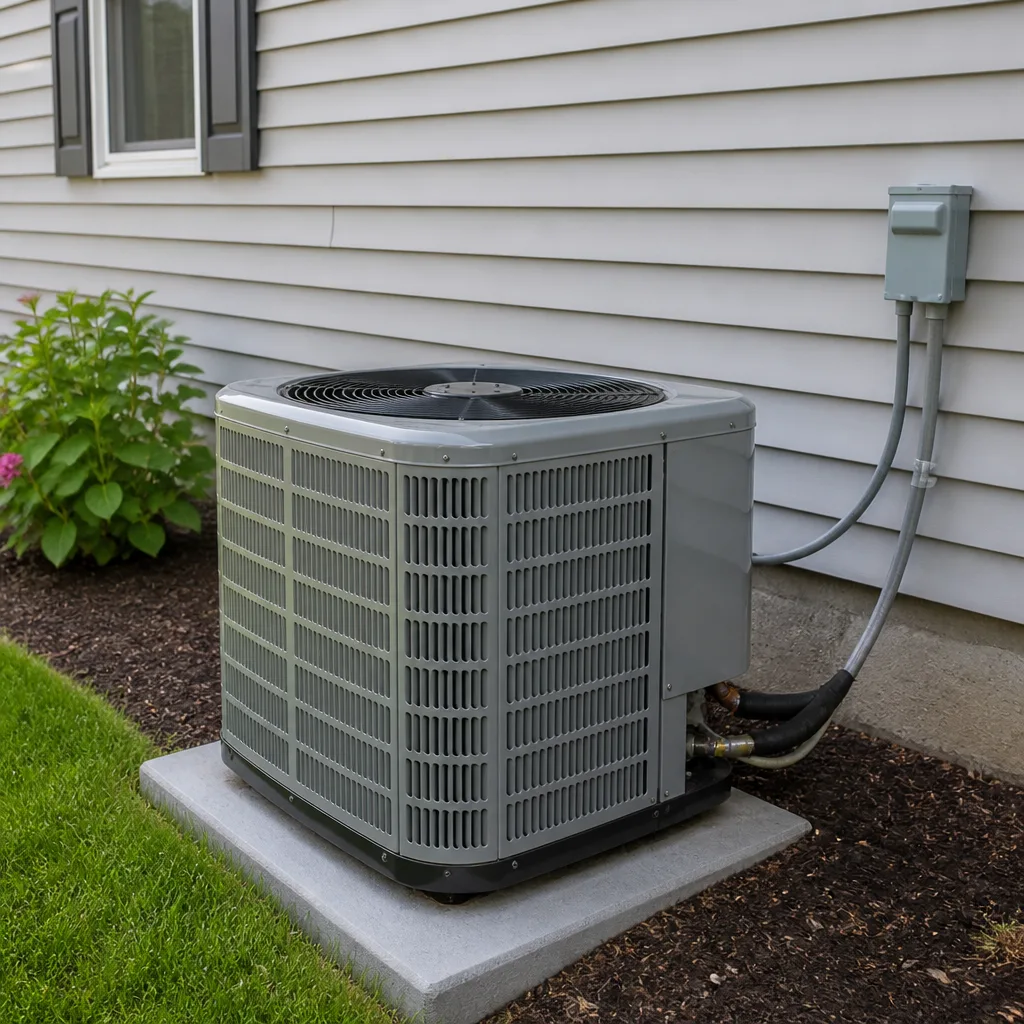 AC repair
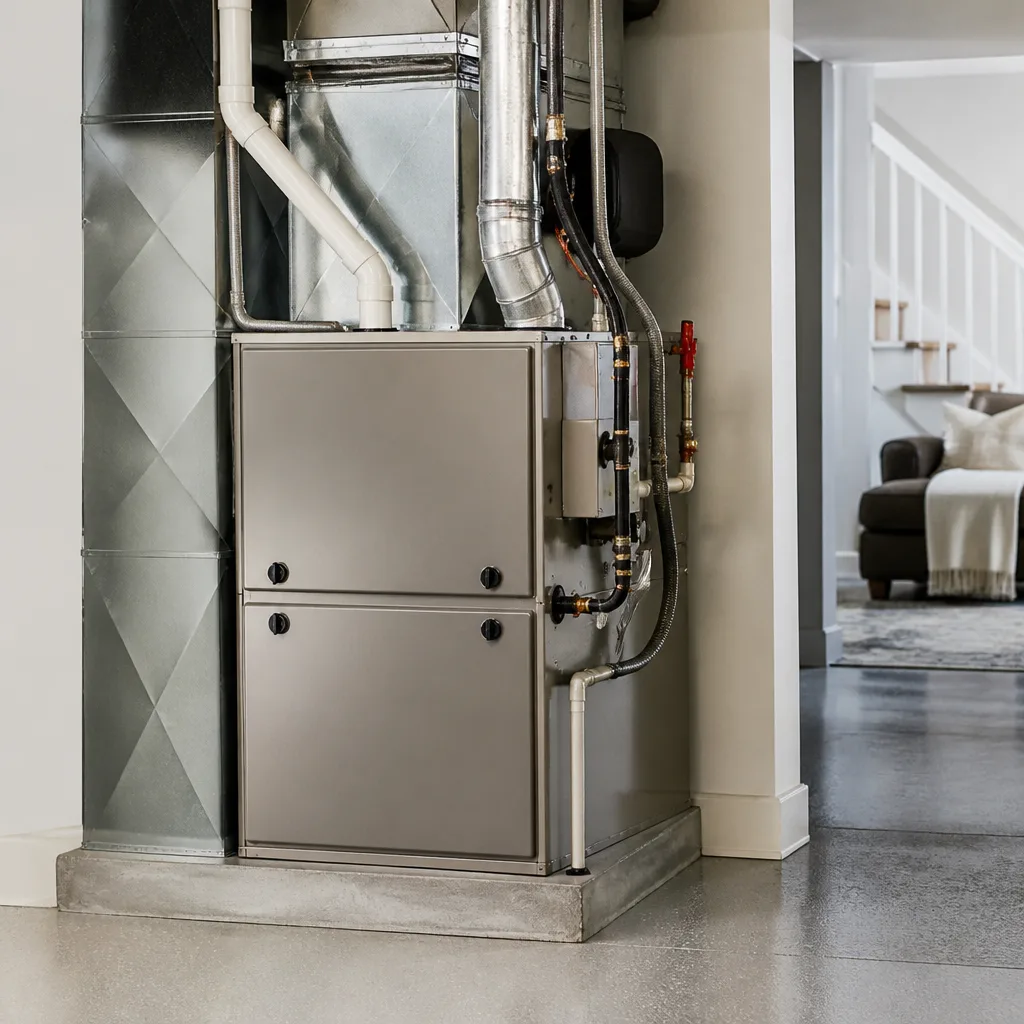 Furnace & heating
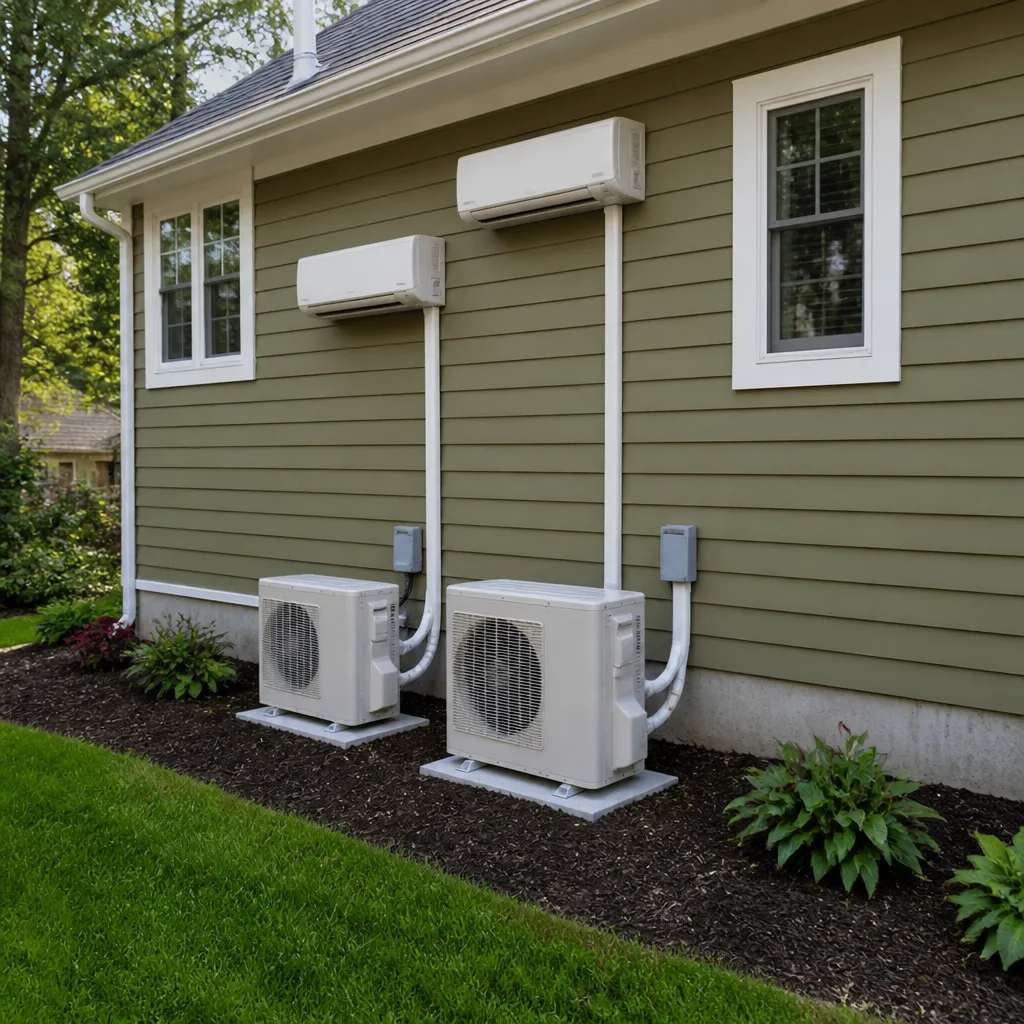 Ductless mini splits
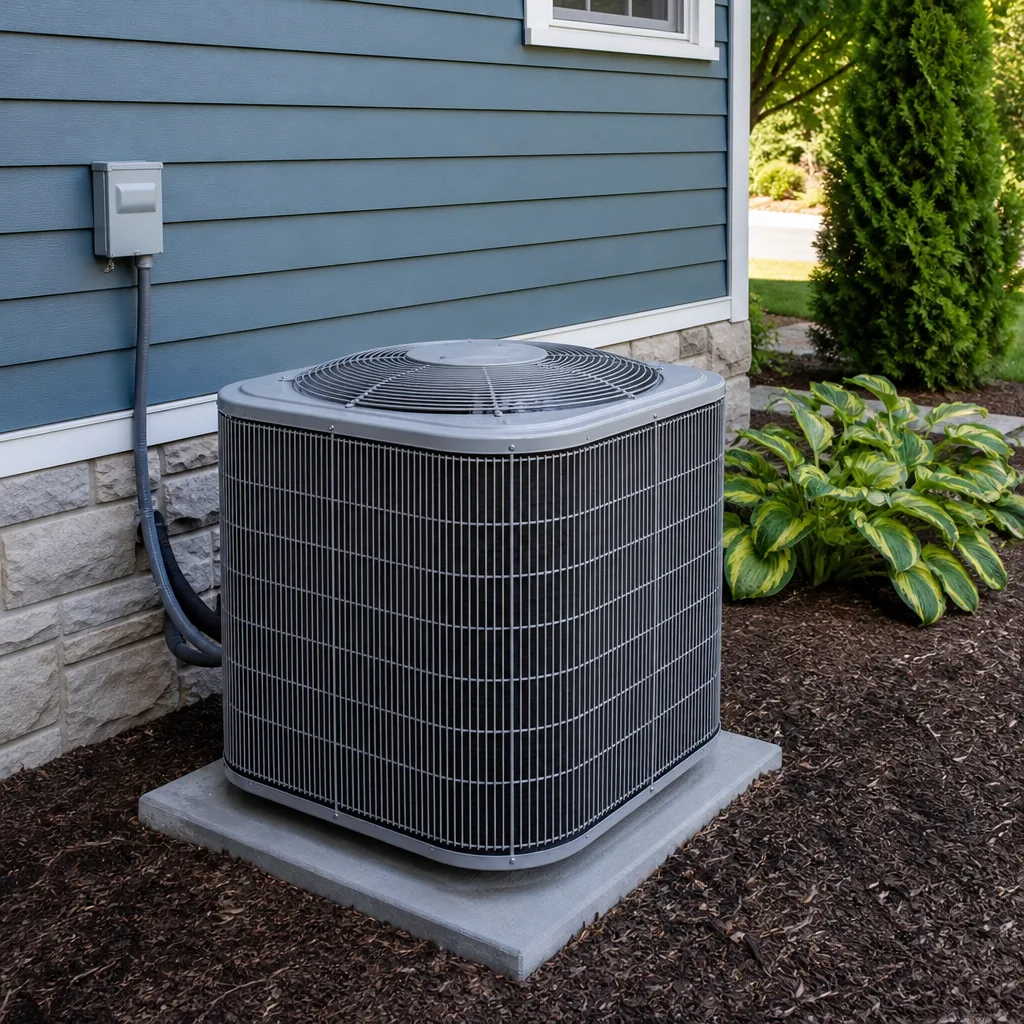 Carrier
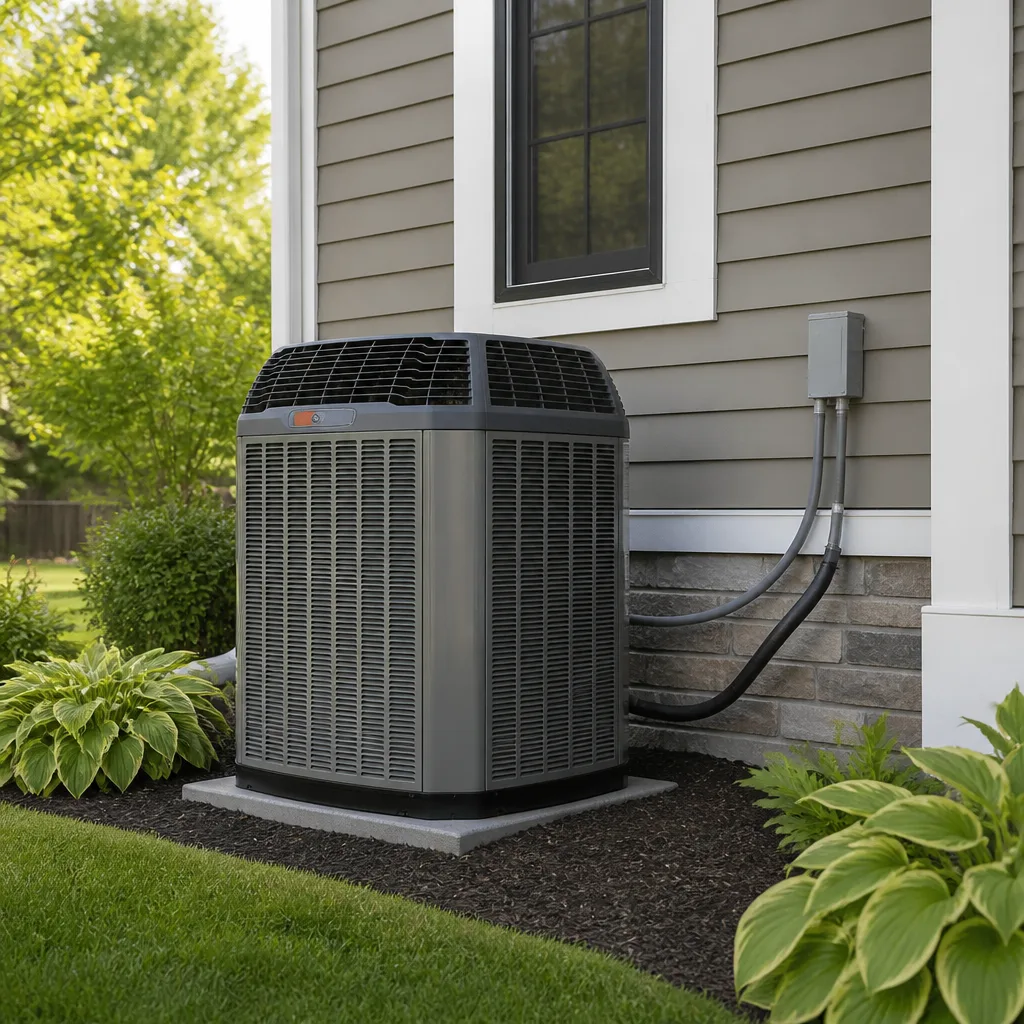 Trane
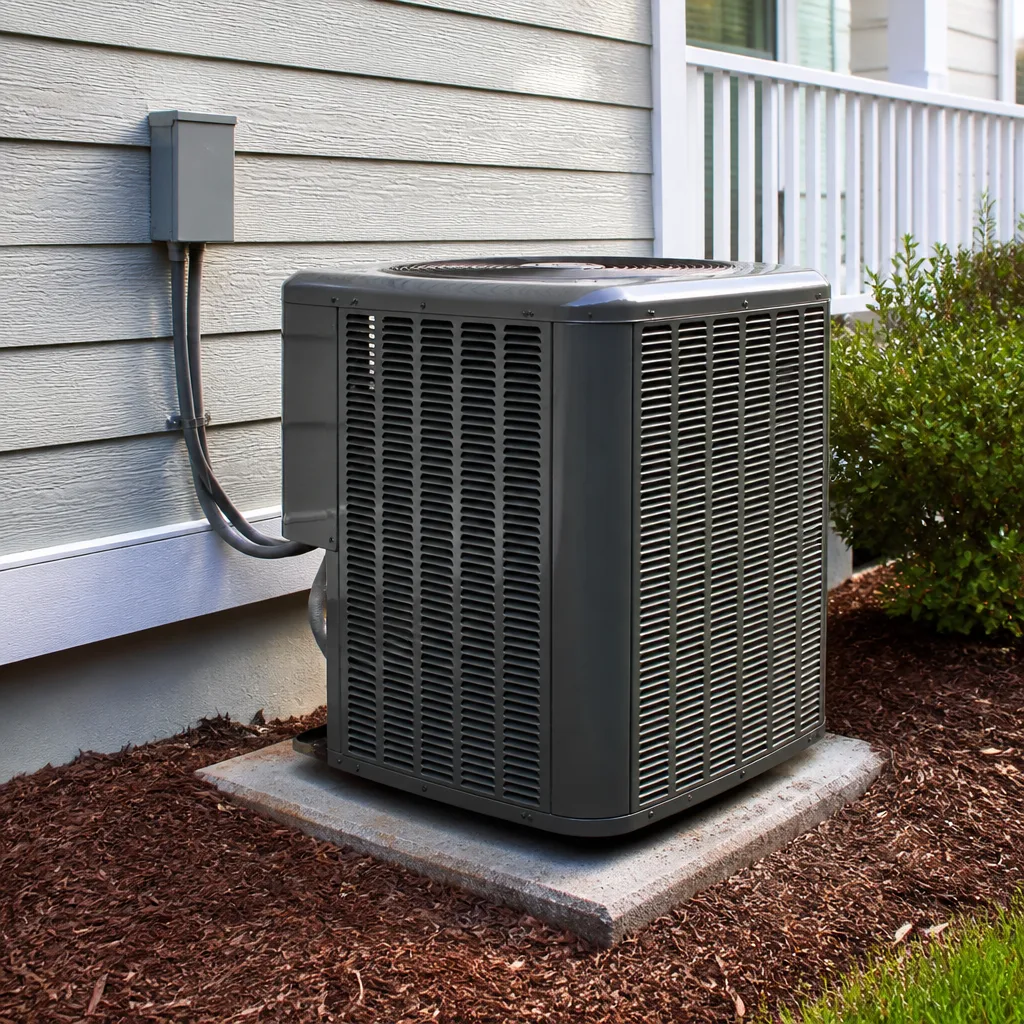 Goodman
Seasonal tune-up and full diagnostic on your Carrier, Trane, or Goodman system - readings shown to you before any repair is proposed
Diagnosis first, numbers second - you approve the repair price before a single part goes in.
Get your free estimateHeat Pump & Mini Split Warning Signs Every Homeowner Should Know
If your mini split puts out a wisp of white mist when it first kicks on, that’s usually condensation burning off the coil, and it’s nothing to worry about. If that same mist is rolling out after thirty minutes of straight running on a 108-degree July afternoon in Sunrise Manor, that is not normal. Knowing which is which is the whole game. Most of the mini split calls we get in Sunrise Manor fall into one of two buckets: something that was completely fine, or something that had been quietly tearing up the compressor for months. This guide walks through the warning signs, the lookalike symptoms that don’t mean anything, and the exact points where a Sunrise Manor homeowner should pick up the phone.
Quick Answer
The main mini split and heat pump warning signs are ice on the indoor coil, a bill spike of 20% or more against the same month last year, any grinding or high-pitched hissing sound, and cooling that never gets the room below your setpoint no matter how long it runs. Startup mist, winter defrost cycles, and the occasional drip from the drain line are normal and don’t need a service call on their own. If a symptom hangs around for more than a day or two in Sunrise Manor summer heat, get it looked at before the compressor pays for it.
Styles & brands we work with
- AC repair
- Furnace & heating
- Heat pumps
- Ductless mini splits
- Carrier
- Trane
- Goodman
Table of Contents
- Normal Mini Split Behavior vs. the Lookalikes
- Ice on the Indoor Unit: Which Causes You Can Fix and Which You Can’t
- “Cooling But Not Enough” in Sunrise Manor Summers
- Unusual Sounds by Type: Rattling, Gurgling, Grinding, Hissing
- The Electric Bill Spike as an Early Warning
- Heat Pump Defrost Cycles in Winter: Normal or Not
- The Maintenance Habits That Prevent Most Failures
- Common Mistakes to Avoid
Normal Mini Split Behavior vs. the Lookalikes
Mini splits do a few things that look alarming and aren’t. Before anyone tears into your system, check the list below against what you’re actually seeing. In our experience, at least a third of the “my mini split is broken” calls we get in Sunrise Manor end with a filter rinse and a five-minute conversation about how the unit is supposed to act.
Here’s what’s normal:
- A short burst of white mist at startup. This is moisture flashing off the indoor coil as it goes from cool to cold. It lasts a few seconds and stops. If the mist continues for thirty minutes or more, that’s a different story.
- A light drip from the drain line or a small puddle on the outdoor pad. Mini splits pull pints of water out of the air every day, and in Sunrise Manor summer humidity that number goes up fast. A steady trickle is normal. A puddle inside your house is not.
- A quiet gurgle or whoosh when the unit starts or stops. That’s refrigerant pressure equalizing, and every system does it. Continuous gurgling that never quits is the warning sign.
- Occasional short-cycling in mild weather. An inverter mini split throttles up and down to hold the setpoint. In spring and fall, it may cycle more than in summer.
- A defrost cycle in winter. The outdoor unit may steam, drip, and appear to shut off for a few minutes to melt frost off the coil. That’s the system doing its job. We cover this more below.
What’s not normal: mist that continues after the first minute, water dripping inside the wall or ceiling, gurgling that never stops, any grinding or high-pitched hiss, ice on the indoor coil, or a bill that climbs without you changing your habits. Those are the signals to act on. If you’re not sure which side of the line you’re on, that’s exactly the moment to call and describe what you’re seeing. We can usually tell you over the phone whether it’s a wait-and-see or a come-today.
Ice on the Indoor Unit: Which Causes You Can Fix and Which You Can’t
Ice forming on the indoor coil or the small copper lines behind the unit is the single most misread symptom in the mini split world. Some causes are a five-minute fix a homeowner can handle. Others require gauges and a refrigerant license, and no amount of turning the unit off and on is going to help. Here’s the breakdown.
Causes a homeowner can address:
- A clogged air filter. Restricted airflow drops the coil temperature below freezing. Pull the filter, rinse it in the sink, let it dry, put it back. If your filter hasn’t been cleaned since spring, this is your first suspect.
- A blocked return or a piece of furniture pushed against the intake. Same result as a dirty filter. Airflow is the whole game on a mini split.
- A dirty blower wheel or coil. This one is borderline. A shop-vac and a soft brush can knock down surface dust, but a packed coil usually needs a proper cleaning by someone who knows where the water goes.
Causes that need a technician:
- Low refrigerant from a leak. This is the most common serious cause. A system that’s low on charge runs cold, freezes the coil, and slowly starves the compressor of the oil it needs to survive. The compressor is the single most expensive part in your system, and once it’s gone you may as well be shopping for a new unit.
- A failing blower motor. If the blower isn’t pushing air, the coil freezes every time.
- A bad expansion valve or a restricted metering device. This is Daikin, Bryant, York, and American Standard territory all the same, and none of them fail politely.
One rule: if you clean the filter and the ice comes back within a day, stop thawing it yourself. Repeated freeze-thaw cycles stress the coil, and continuous running with a frozen coil is one of the fastest ways to cook a compressor. In Sunrise Manor, that matters more than most places because a unit that freezes up in July is running flat out in 108-degree heat the whole time it’s frozen. Get it diagnosed before the compressor pays the price.
“Cooling But Not Enough” in Sunrise Manor Summers
“It’s running, it’s just not keeping up” is the hardest call to diagnose over the phone, and in Sunrise Manor it’s usually one of three distinct problems. Getting these sorted out saves a lot of money on service calls that don’t fix anything.
Problem one: it’s a system problem. The unit is low on refrigerant, has a failing compressor, or a blower that’s moving less air than it should. Diagnosis is straightforward once we put gauges and a thermometer on it. Readings first, numbers second, and you’ll see both.
Problem two: it’s a load calculation problem. A mini split sized for a 300-square-foot bedroom in a Sunrise Manor house with west-facing windows and a 1990s build isn’t going to keep that room at 72 in August. A load calculation considers square footage, insulation, window orientation, ceiling height, and the heat gain from the slab and attic. We see it a lot in the older single-story homes around Sunrise Manor where a room got added onto a system that was never sized for it. No service call fixes undersizing. The fix is the right-sized equipment.
Problem three: it’s a maintenance problem. A dirty filter, a clogged drain, a condenser coil packed with cottonwood and fine desert dust. Sunrise Manor dust is fine and relentless. A mini split that hasn’t been cleaned since last summer is running at maybe 70% of the airflow it was designed for, and it’s working twice as hard to make the same setpoint.
There’s a fourth case we see: the room is being asked to hold a setpoint of 68 when the outdoor temp hits 108 and the unit is genuinely doing everything it can. Every system has a design limit, and if the room’s at 80 and the outdoor unit is flat out, the honest answer may be that you need a bigger system or a second head in that room. What you shouldn’t do is run it at 65 hoping for magic. You’ll just wear the compressor out watching it try.
Unusual Sounds by Type: Rattling, Gurgling, Grinding, Hissing
The sound tells you more than the thermometer sometimes. Here’s what each one usually means, and how urgently Sunrise Manor homeowners should act on it.
- Rattling. A loose panel, a fan blade that’s picked up debris, a vibration in the line set against a wall stud, or a compressor mounting bolt that’s walked out. Low to medium urgency. It’s rarely dangerous, but a rattling fan blade will eventually crack and take the motor with it. A quick look with a flashlight usually finds it.
- Gurgling. Mild gurgling when the unit starts or stops is refrigerant equalizing, and that’s normal. Continuous gurgling while the system runs usually means refrigerant moving where it shouldn’t, often a sign of low charge or air in the lines. Medium to high urgency. Get it checked.
- Grinding. This is the loud one, and it’s almost always the blower motor, the fan blade striking its housing, or a bearing failure. High urgency. Grinding doesn’t fix itself. It also tends to sound worse in a hurry, so don’t wait a week to see if it quiets down.
- High-pitched hissing. This is a refrigerant leak escaping at pressure, or a very restricted expansion valve. High urgency. Hissing plus a drop in cooling means you’re losing charge right now. Stop running the system and get someone out. Running a system on low charge is how you smoke a compressor.
- A clicking relay sound that repeats. That’s usually a control board or a contactor trying to start the unit against a fault. Don’t keep forcing it. If the unit clicks and doesn’t start after a few tries, that’s a stop and call.
What’s worth saying plainly: refrigerant diagnostics and sealed-system work are not homeowner jobs. Refrigerant is under high pressure and handling it without the right equipment and license is both illegal and dangerous. Turn the system off and call.
The Electric Bill Spike as an Early Warning
A climbing NV Energy bill is one of the earliest and most underrated mini split warning signs. Efficiency loss usually shows up on the bill before it shows up as a comfort problem. So here’s the metric to watch.
Pull last July’s bill and this July’s bill side by side, and compare the kilowatt-hours, not just the dollar amount. Rates change, but kWh hold steady. If this July runs 20% more kWh than last July with the same habits, same setpoints, and no new appliances, the odds are good that something in your system has lost efficiency. The most common culprits:
- A dirty indoor coil or blower. This is the single most common cause and the least expensive to fix. A coil that’s caked in dust can’t transfer heat, so the compressor runs longer for the same cooling.
- A dirty condenser coil on the outdoor unit. In Sunrise Manor, cottonwood fluff, fine dust, and the occasional plastic bag get sucked into the outdoor coil. It’s the same as wrapping a blanket around the thing.
- Low refrigerant. A unit that’s slowly leaking has to run longer to hit the same setpoint, and kWh climb while comfort drops. This one needs gauges and a leak check.
- A failing capacitor or a starting-hard compressor. A compressor that’s working to start each cycle pulls more current. We test the capacitor before anyone says the word “compressor” – it’s a cheap part that fails quietly and causes a lot of misdiagnosis.
On the real dollar side, a minisplit in a Sunrise Manor house can climb $40 to $90 a month on an NV Energy bill over the summer from efficiency loss alone. If you’re seeing more than that, it’s worth a diagnostic. We’d rather find a $30 capacitor than replace a compressor, and a spike on the bill is the cheapest warning you’ll ever get.
Heat Pump Defrost Cycles in Winter: Normal or Not
Sunrise Manor winters aren’t brutal, but they get cold enough for a heat pump to frost up, and that frost sends a lot of homeowners to the phone thinking something’s broken. Here’s what a defrost cycle looks like when it’s normal.
A heat pump in heating mode pulls heat out of the outdoor air, and the outdoor coil gets cold enough to frost. When frost builds up, the system flips into defrost: the outdoor fan stops, the unit steams or drips, and the indoor blower typically stops moving warm air for a few minutes. Then it flips back and resumes. That whole cycle usually runs three to ten minutes.
Normal defrost signals:
- Happens when outdoor temps drop toward freezing or below.
- Steam or water dripping off the outdoor unit.
- The indoor blower goes quiet for a few minutes, then resumes.
- Happens periodically, not constantly.
Not normal, and worth a call:
- A thick block of ice on the outdoor unit that doesn’t melt after a cycle. That’s often a defrost board that’s stopped working or a reversing valve issue.
- The system going into defrost every ten minutes. That’s usually a bad sensor or a defrost control board failure.
- No heat at all after the cycle finishes. That’s usually the reversing valve or the compressor.
- The outdoor unit steaming in June. That’s a refrigerant-side problem, not defrost.
If you’re seeing thick ice and the system is fighting itself, stop running it. Every failed defrost cycle is a compressor running under stress. For more depth on winter behavior, our heating and furnace service in Sunrise Manor page covers how heat pumps and gas furnaces differ in cold weather.
The Maintenance Habits That Prevent Most Failures
Most of the failures we see in Sunrise Manor are not mysteries. They’re the same handful of maintenance gaps, over and over. A little attention goes a long way.
- Clean or rinse the indoor filter once a month during cooling season. This is the single highest-return five minutes in HVAC. If you’ve got pets or you’re near a dirt road, do it every three weeks.
- Rinse the outdoor coil twice a summer, once in spring and once mid-July. Pull the disconnect or shut off the breaker first. Then a garden hose on low pressure, top to bottom, no high-pressure nozzle. In Sunrise Manor we recommend the mid-July rinse particularly – it’s when the coil is packed and the unit is working hardest.
- Keep the outdoor unit clear. Two feet of clear space around it on all sides, no shrubs, no stacked pallets, no patio furniture pushed against it.
- Schedule a maintenance visit before summer, not during. A spring tune-up on a mini split catches a failing capacitor, a restricted drain line, or a low charge before the first 110-degree week. Doing it in April is cheaper than doing it in July when the phone is ringing off the hook.
- Check the drain line once a month during cooling season. Mini splits pull a lot of water out of the air, and a clogged drain line in a Sunrise Manor attic is a ceiling repair waiting to happen.
- Watch your setpoints. Chasing a 65-degree room in August is hard on the compressor and hard on the bill. Keeping the system at a reasonable setpoint and letting it run steadily is easier on equipment than cranking it around.
If you’d like a real tune-up, our heat pump and mini split service in Sunrise Manor is the page to check. We charge a flat price for the maintenance visit and we hand you a written report of what we actually found. No upselling. You see the readings and the numbers before anything else happens.
Common Mistakes to Avoid
- Ignoring a filter that’s been in since spring. If it’s been in the unit since March, it’s costing you money right now. Pull it, rinse it, put it back, and don’t skip it this summer.
- Running the system with ice on the coil. A frozen coil with the compressor running is the fastest way to a compressor replacement. Shut the system off, thaw it, and figure out why it froze.
- Assuming the “bigger is better” rule applies to mini splits. An oversized system short-cycles, doesn’t dehumidify properly, and wears out faster. In Sunrise Manor, where every bedroom has a slightly different heat load, sizing matters more than brand.
- Forcing a unit that won’t start. If the breaker trips or the unit clicks and shuts down repeatedly, stop resetting it. You’re likely cycling a compressor against a fault that will only get worse.
- Taking the “free diagnostic” bait. A free diagnostic often just means the first hour of labor gets rolled into the repair quote. Upfront pricing means you see the readings before you make a decision.
- Waiting until a July heat wave to schedule maintenance. Every HVAC contractor in Sunrise Manor is buried from mid-June onward. Book in April, save a window, and avoid the emergency call.
- Running the setpoint down to 65 to “help it cool faster.” It doesn’t work. It just makes the compressor run longer. If the system is healthy, 78 cools you fine. If it’s not, 65 doesn’t fix it.
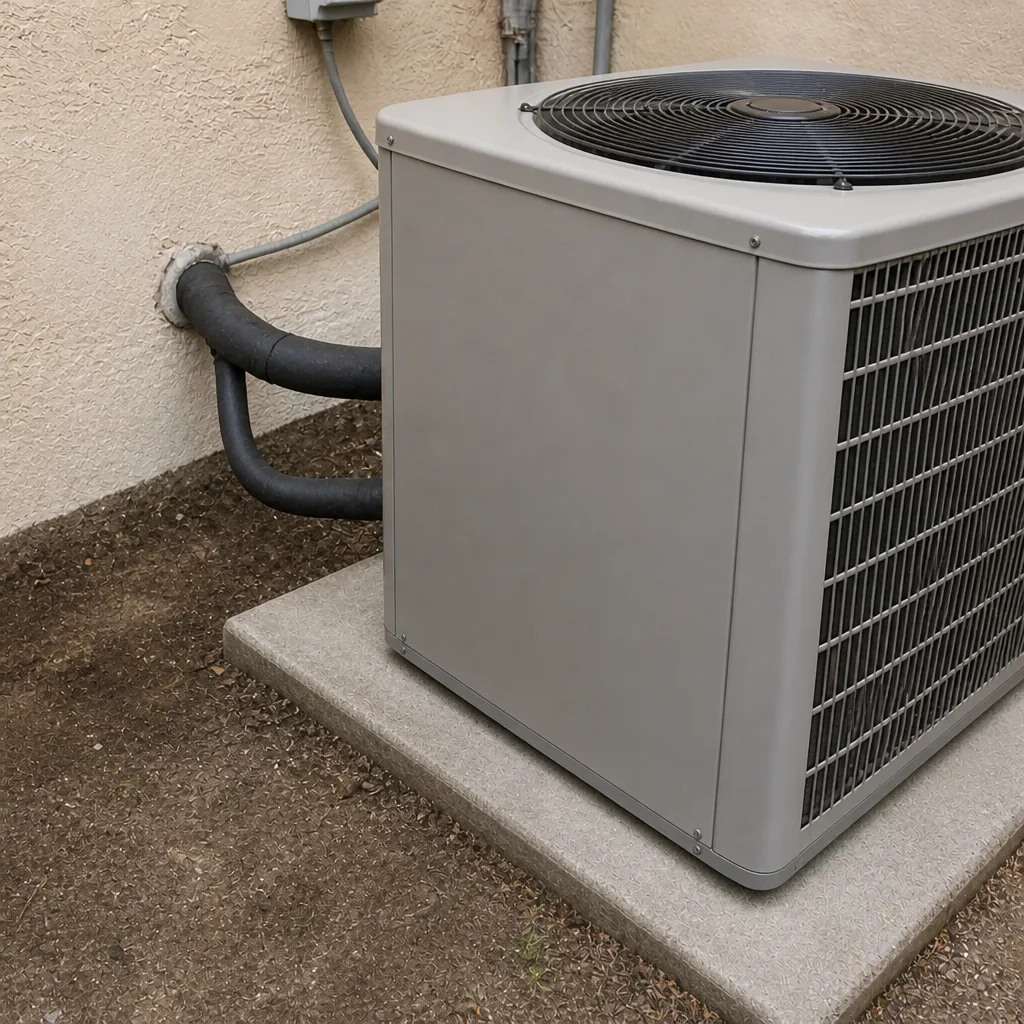
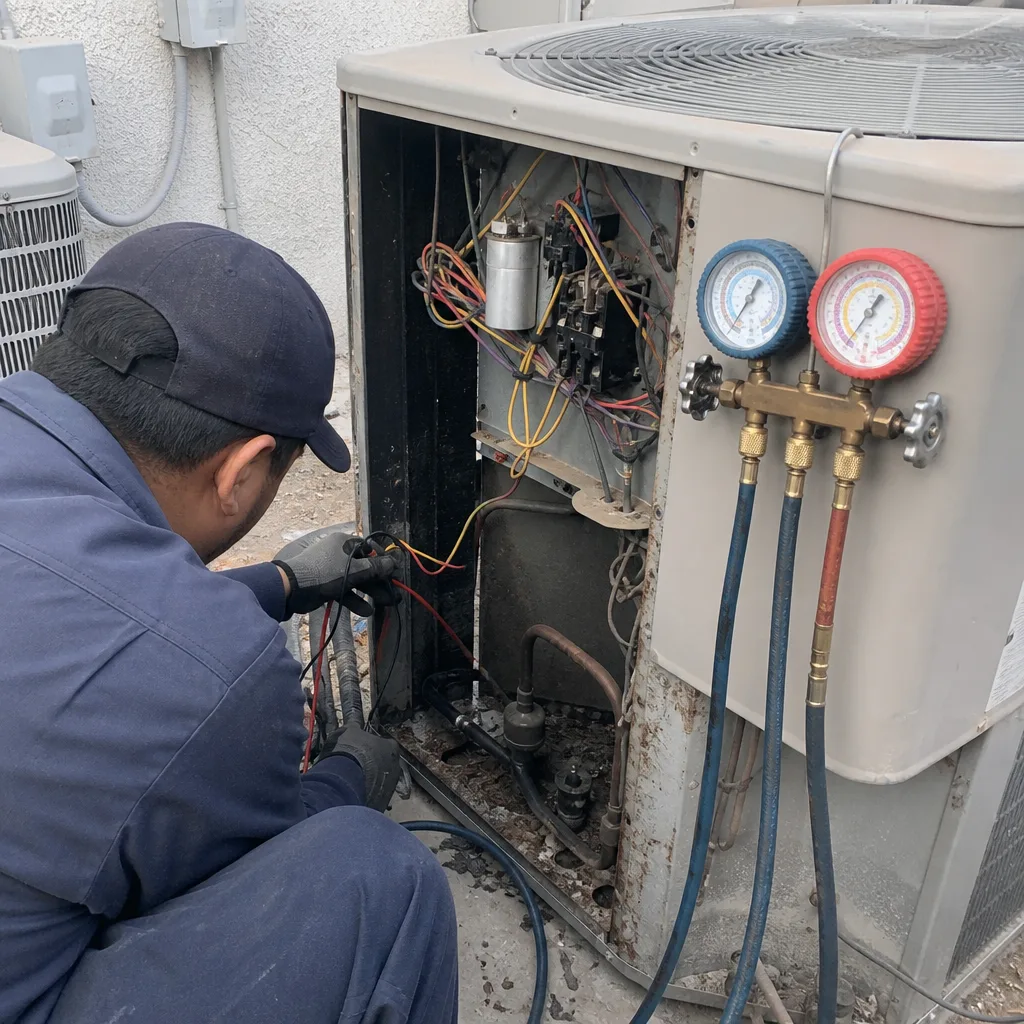
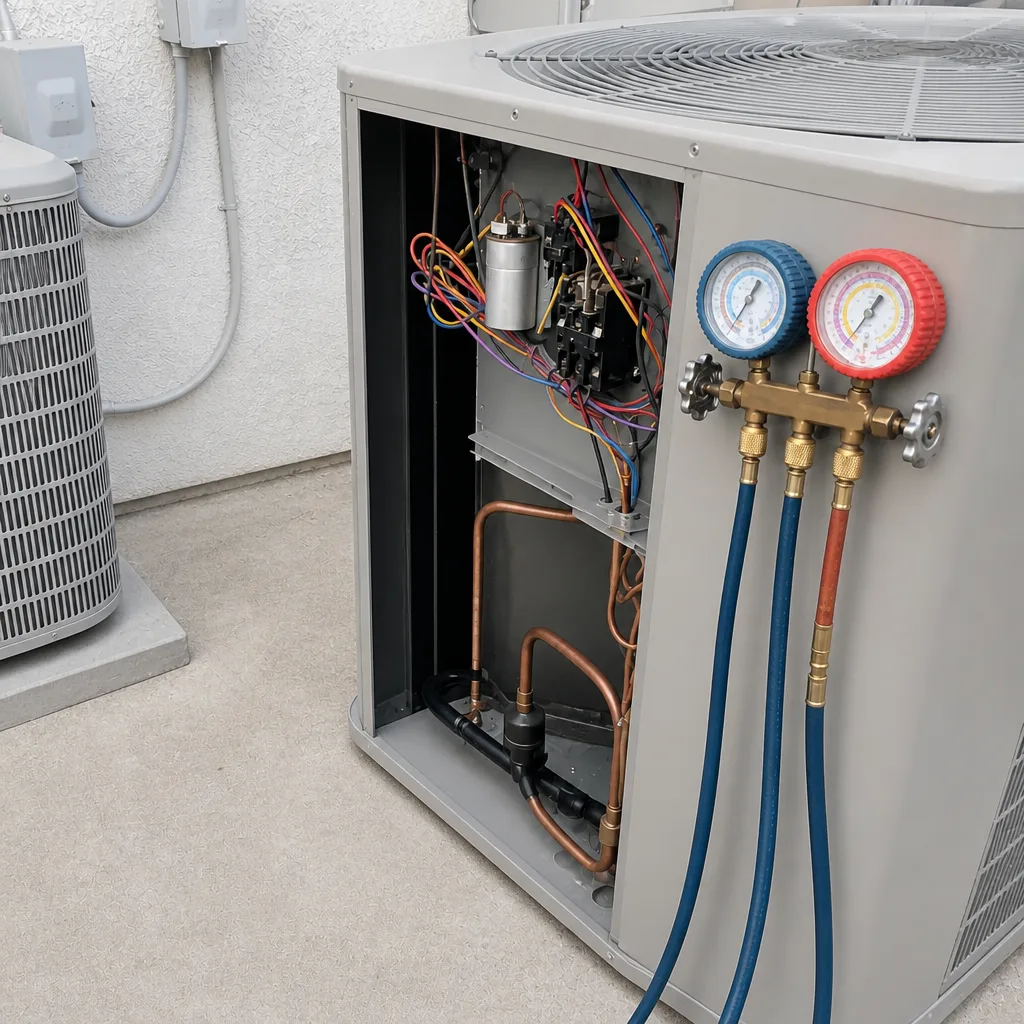
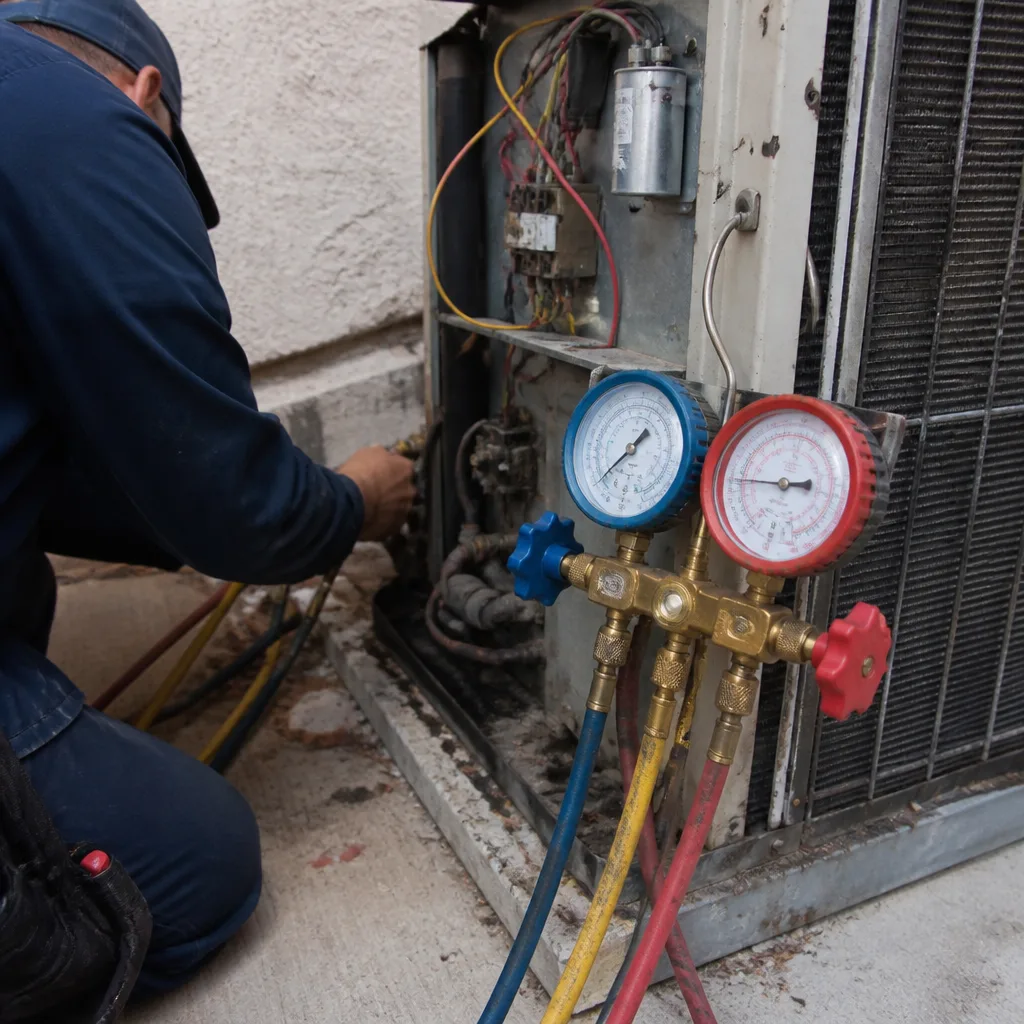
See the difference
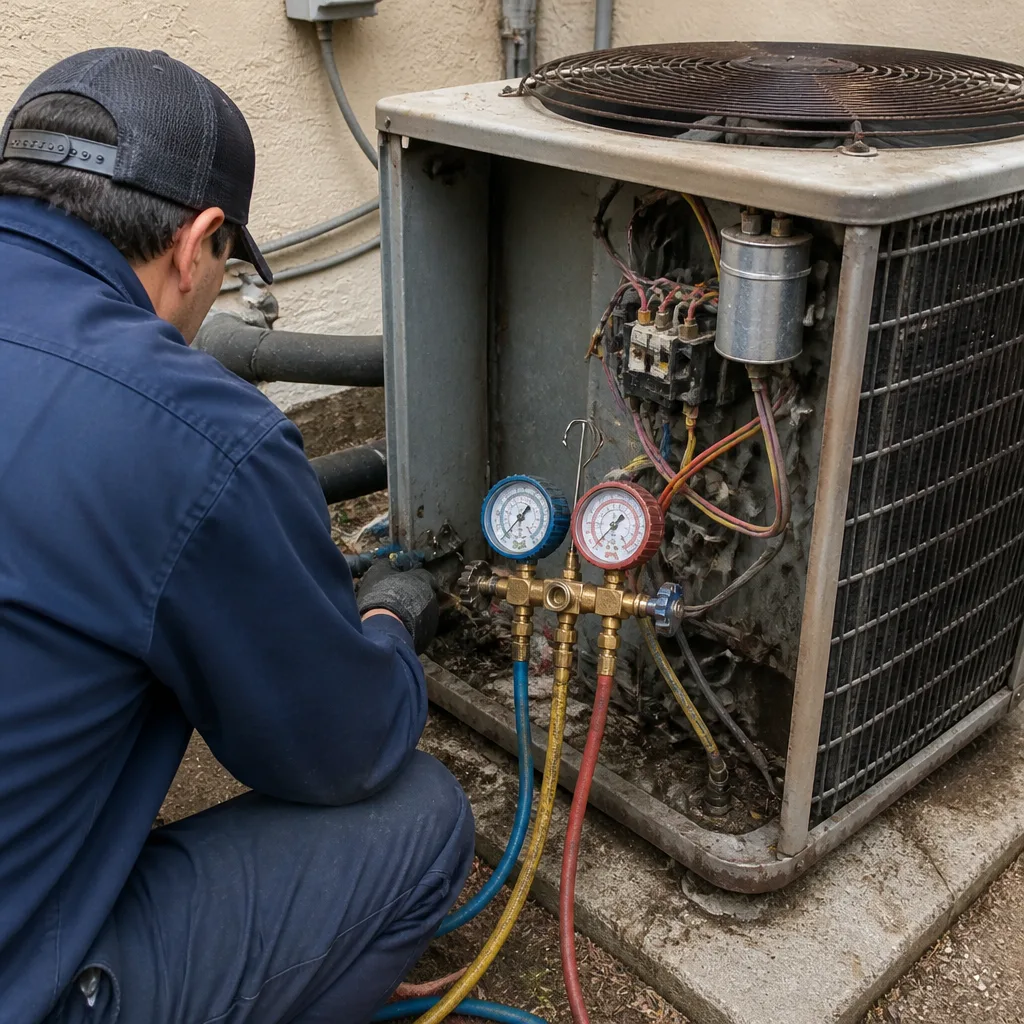 Before
 After
 Before
 After
 Before
 After
When to Call a Professional
If you’re seeing ice on the coil, high-pitched hissing, grinding, a frozen outdoor unit that won’t thaw, or a bill that’s up 20% with no change in habits, it’s time. The same goes for mist that won’t stop, water inside the house, or a system that won’t start after a reset. These are not the situations to push through another week “to see if it clears up.” In our experience, most of them don’t. Ray’s Heating & Air Sunrise Manor offers free estimates, and a live person answers the phone around the clock, including Ray himself at two in the morning. Call (877) 311-5951. If you’re near the southwest side, our AC repair and installation in Sunrise Manor page has more detail on repair turnarounds.
Frequently Asked Questions
Yes, if it’s a brief mist that appears when the unit first starts and disappears within a minute or so. That’s condensation burning off the indoor coil. If it continues after thirty minutes of running, especially in Sunrise Manor summer heat, it’s not normal and should be looked at before it does damage.
Most mini split repairs in Sunrise Manor run $180 to $450 for a capacitor, a filter or coil cleaning, a control board, or a drain line clear. A refrigerant leak diagnosis and recharge typically runs $350 to $800 depending on the leak location. A compressor replacement often approaches the price of a new system. Call (877) 311-5951 for an exact quote – estimates are free.
Nine times out of ten it’s restricted airflow from a dirty filter or coil, or a low refrigerant charge from a leak. Clean the filter first and see if the ice comes back. If it does, the system needs a technician to check refrigerant pressure and look for a leak. Don’t ignore it – a frozen coil with the compressor running cooks the compressor.
There are three real possibilities: the system has a mechanical problem like low refrigerant or a failing compressor, it’s undersized for the room, or it needs maintenance. Our experience in Sunrise Manor is that the “not keeping up” complaint lands in all three buckets roughly equally. A diagnostic visit will tell you which one you’re in before you spend a dime on repairs you don’t need.
Grinding is usually a blower motor, a fan blade hitting its housing, or a bearing. Hissing is usually a refrigerant leak. Both need prompt attention – grinding before it damages the motor, hissing before you run the system on low charge and cook the compressor.
If a dirty filter or a blocked return is the cause, yes. Clean the filter, clear the return, and thaw the coil by running the unit in fan-only mode or shutting it off and letting it melt. If the ice comes back after that, stop. The remaining causes need refrigerant gauges and a license, and running a system on low charge is dangerous for the equipment and for anyone without the right gear.
The Bottom Line
Most mini split and heat pump failures in Sunrise Manor announce themselves months before they die. Startup mist that becomes constant, ice on the coil, a grinding sound, a hiss on the line, or a 20% kWh jump on the NV Energy bill are your system’s way of asking for help. Watch for the lookalikes, clean the filter, rinse the outdoor coil, and schedule maintenance before summer. If something in this guide sounded like what you’re hearing in your house, don’t run it another week hoping it clears up. Call, describe what you see, get an honest read, and keep the compressor you’ve got. For a broader view of our work across town, our Sunrise Manor home base is a good place to start.
When you’re ready to have someone out, Ray’s Heating & Air Sunrise Manor answers every call with a live person, day or night. Readings first, numbers second, and no surprise invoices. You can reach us at (877) 311-5951 for a free estimate. If you’ve got a written quote from another outfit and want a second opinion, that’s free too.
Written by the team at Ray’s Heating & Air Sunrise Manor.