
Last updated November 18, 2026
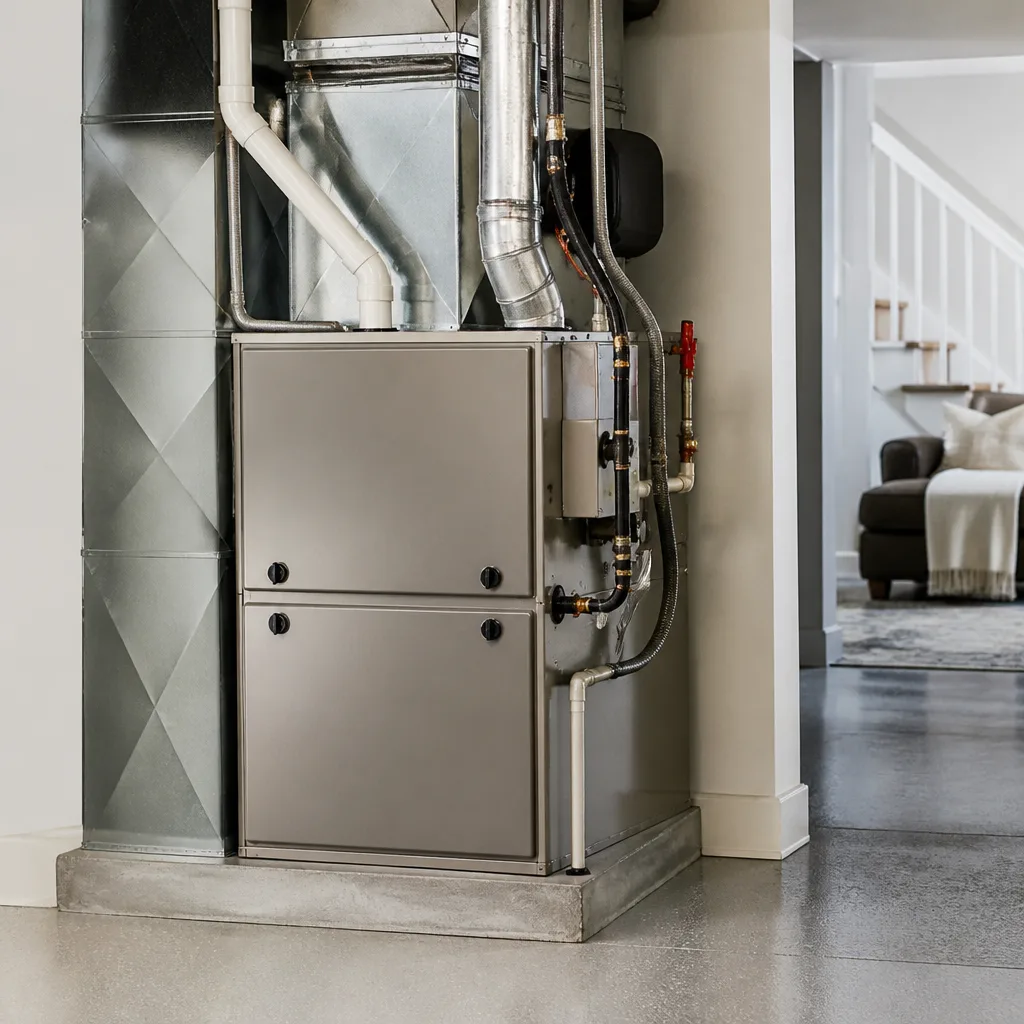 Furnace & heating
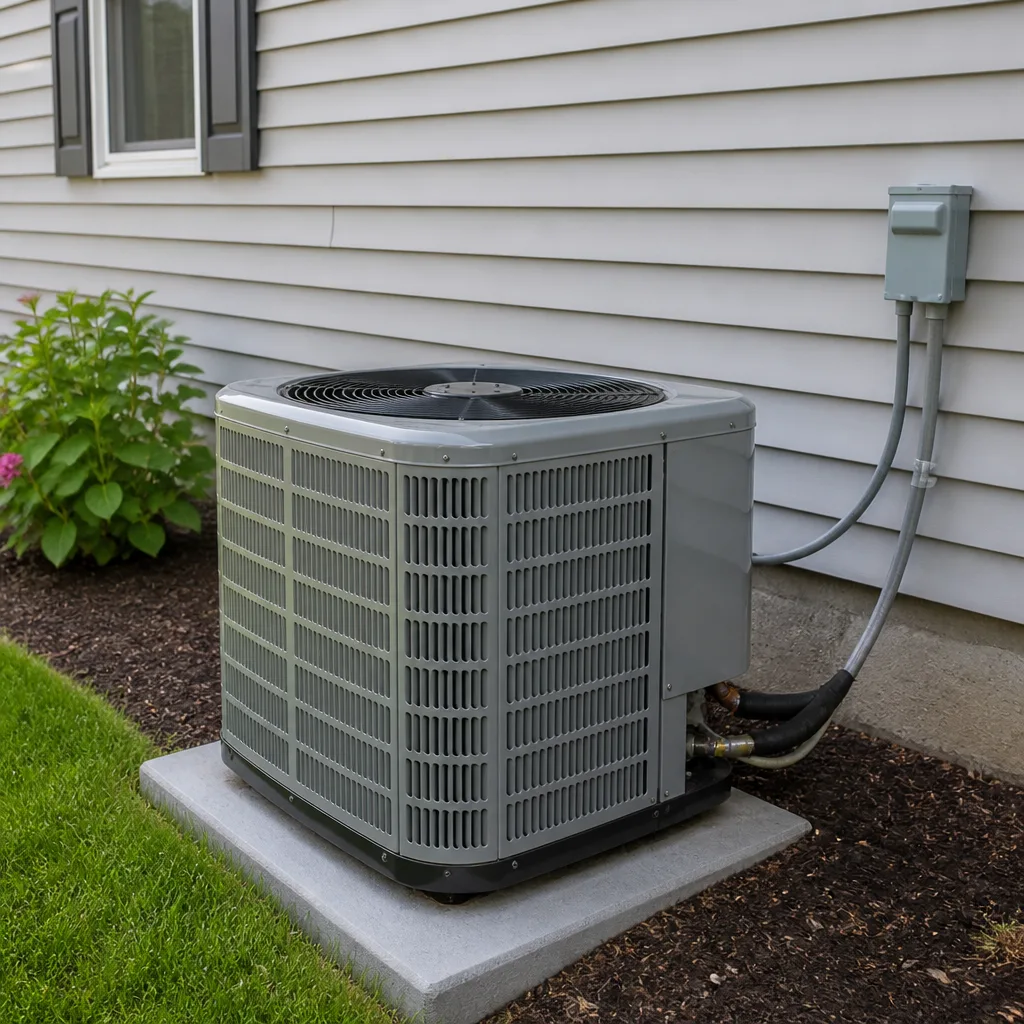 AC repair
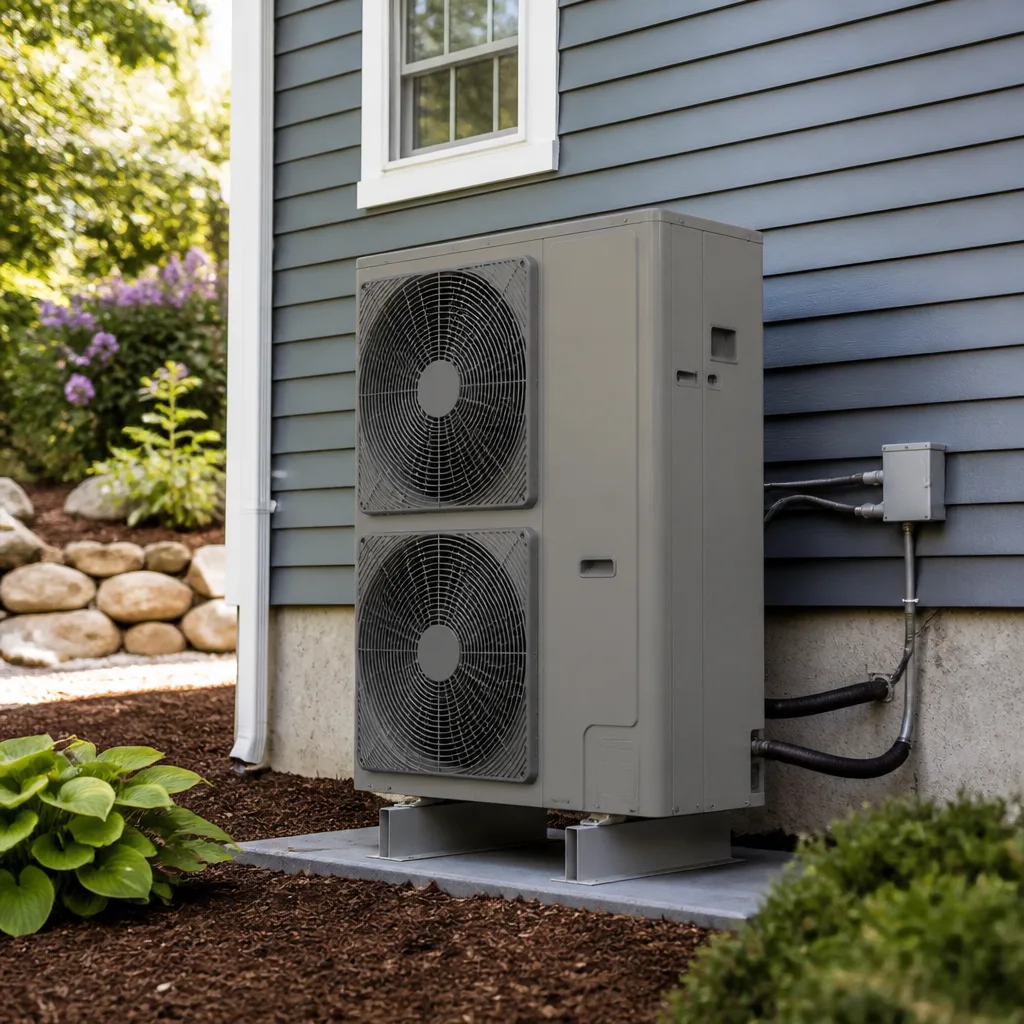 Heat pumps
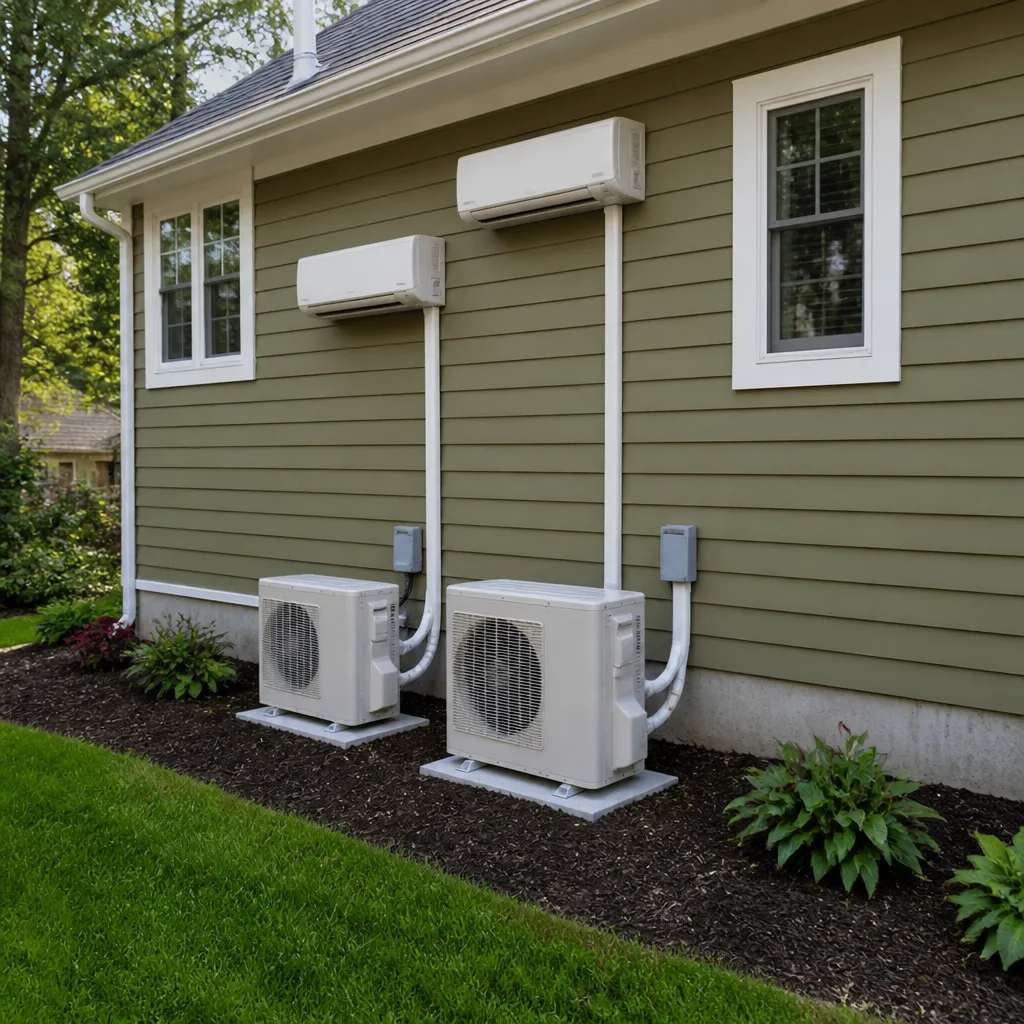 Ductless mini splits
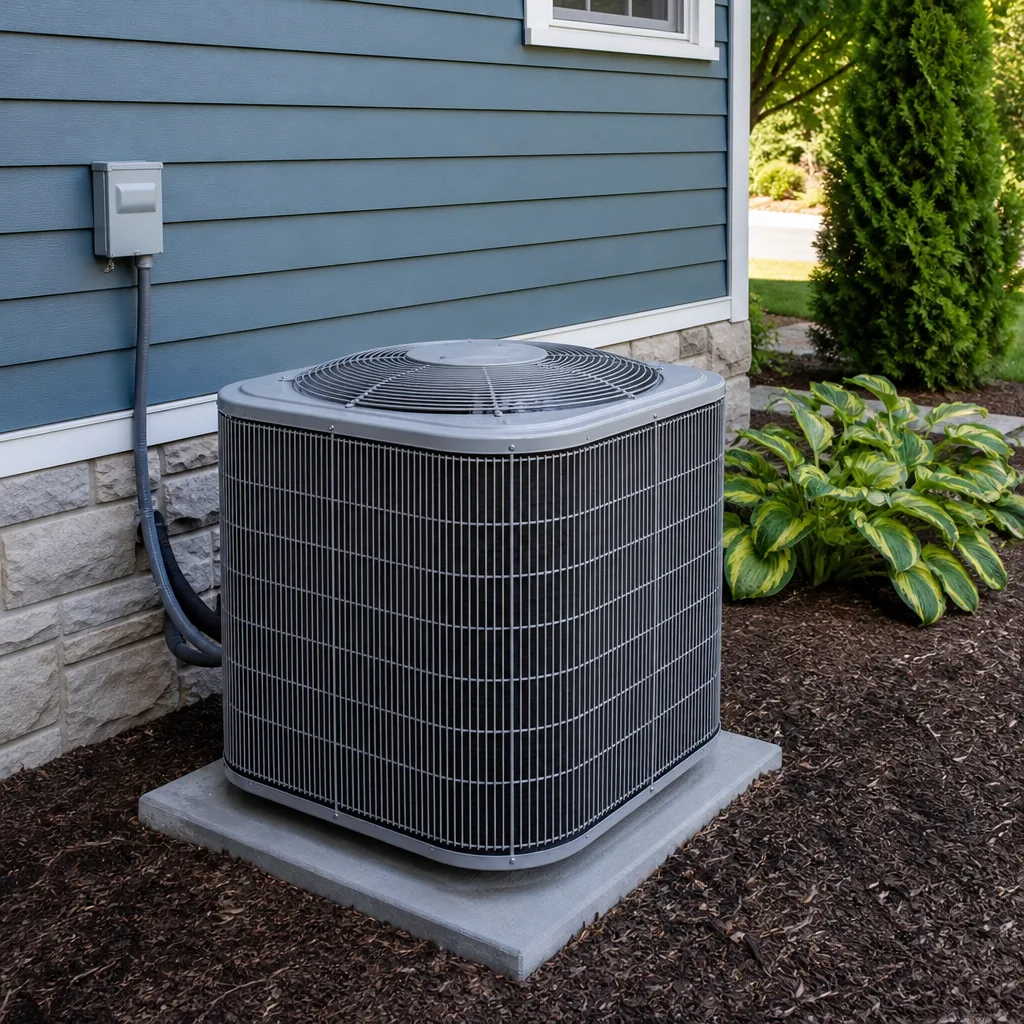 Carrier
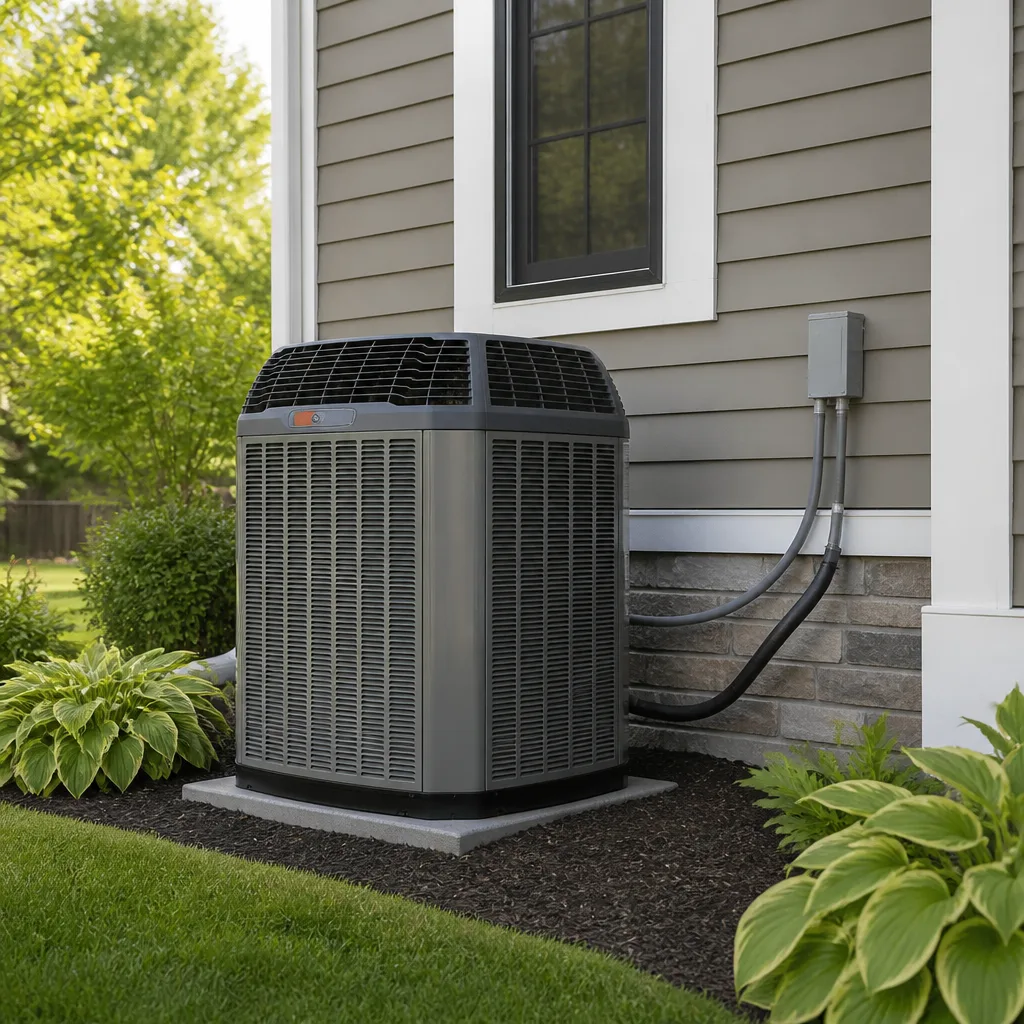 Trane
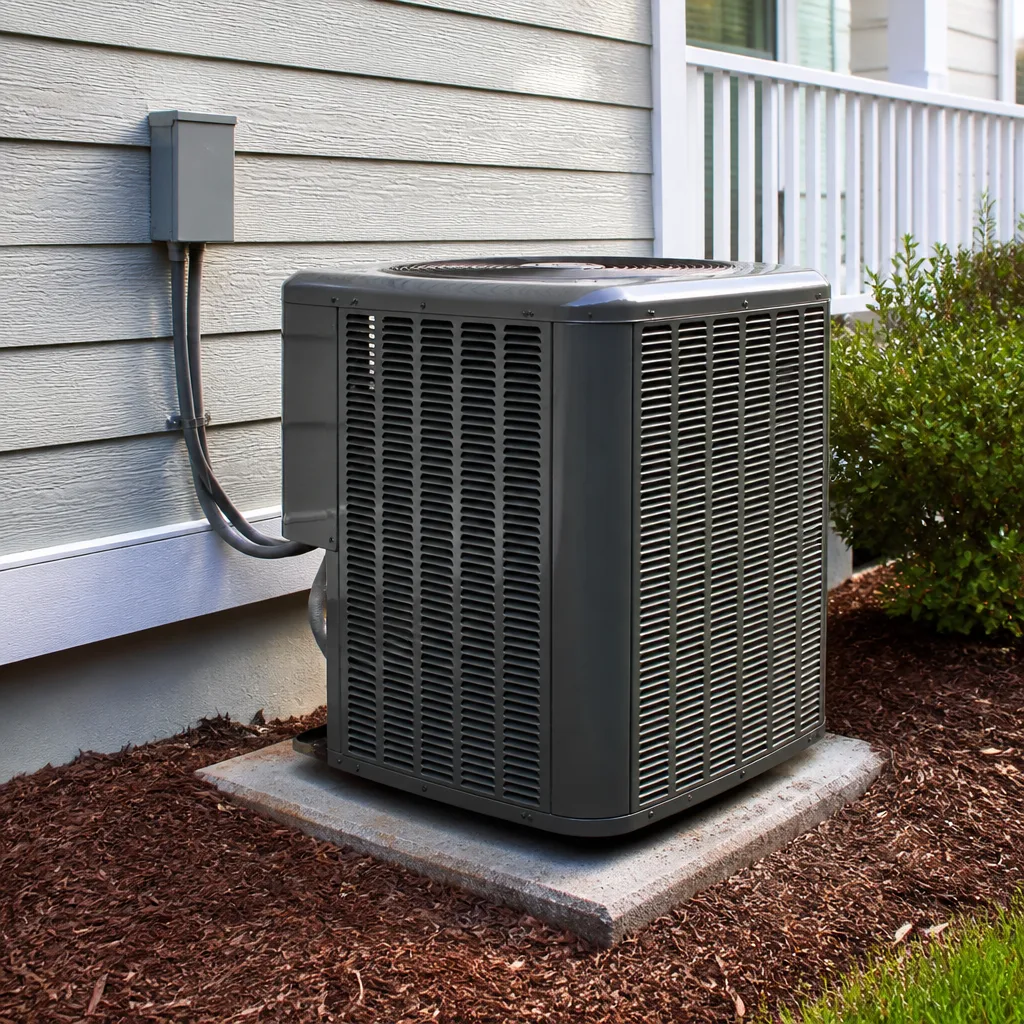 Goodman
Seasonal tune-up and full diagnostic on your Carrier, Trane, or Goodman system - readings shown to you before any repair is proposed
Diagnosis first, numbers second - you approve the repair price before a single part goes in.
Get your free estimateHeating & Furnace Maintenance Schedule: What to Do and When
Here’s the pattern we see in Sunrise Manor: nothing for three years, then a call at 11 p.m. on the coldest night of January, and the furnace is dead. That’s not a knock on anybody. It’s just how it goes when the maintenance advice you read online was written for Ohio. A heating and furnace maintenance schedule in Sunrise Manor needs to fit the desert, not a northern suburb. This guide gives you two honest tracks: the bare-minimum program done correctly, and the longer list for folks who want 20 years out of their equipment. You’ll get the tasks, the timing, the filter math, and what a real tune-up should include.
Quick Answer
Service your furnace or heat pump in September, before you need it, not in December when everyone else’s breaks. Do the small stuff monthly (filter check, clear the vents, listen for odd noises), have a technician do a full combustion and airflow tune-up every fall, and run a second check in spring if your heat pump also handles cooling. That’s the whole schedule. The rest of this guide is the detail.
Styles & brands we work with
- AC repair
- Furnace & heating
- Heat pumps
- Ductless mini splits
- Carrier
- Trane
- Goodman
Table of Contents
- Why September Is the Right Month in Sunrise Manor
- The Minimum Schedule for the Homeowner Who Does Almost Nothing
- The Extended Schedule for Maximum Equipment Life
- Filter Selection for Sunrise Manor’s Dust
- What a Real Furnace Tune-Up Includes
- Year-Round Care for a Heat Pump
- Common Mistakes to Avoid
- When to Call a Professional
Why September Is the Right Month in Sunrise Manor
Most national maintenance calendars say October or early November. That advice was built for places where the first hard freeze shows up like clockwork. Sunrise Manor doesn’t work that way. Our first genuinely cold stretch can hit in late November, and by then every HVAC calendar within 30 miles is stacked with emergency calls from people who waited.
September gives you room. The house is still cooling, the furnace hasn’t been asked to do anything yet, and a technician has time to actually look at your system instead of rushing to the next no-heat call. If something’s wrong, you find out while the weather is mild and the parts houses are stocked, not on a night when the low drops into the 30s and you’re bundled in a coat waiting on a truck.
There’s a second reason. Our summers are brutal on equipment. A furnace or heat pump that ran its blower hard through a Sunrise Manor July has accumulated a summer’s worth of dust on the burners, blower wheel, and coils. September service cleans that off before the heating season, which is exactly when a dirty system starts short-cycling or tripping the high-limit switch. Fall tune-up advice written for a northern state assumes the equipment sat mostly idle over the summer. Ours didn’t.
If your home has a heat pump instead of a gas furnace, September is still the right anchor point, but the rest of the schedule shifts. More on that below.
The Minimum Schedule for the Homeowner Who Does Almost Nothing
Be honest with yourself about which homeowner you are. Most people in Sunrise Manor are not going to climb into an attic and check the blower wheel. That’s fine. Here’s the minimum program that actually prevents the 11 p.m. January call, done correctly.
- Change or clean the filter every 60 to 90 days. In our dust, that’s a real number, not a marketing line. If you have pets or live near an unpaved lot, go closer to 45 days. Write the date on the filter with a marker so you don’t have to remember.
- Walk the house once a month and clear the return air grilles. Rugs, furniture, and dust bunnies. A blocked return starves the system, and a starved system overheats its own heat exchanger. This takes two minutes.
- Test the heat in early October. Turn the thermostat to heat on a mild afternoon. If it doesn’t fire or blows cold, you found the problem while you still had options.
- Replace the thermostat batteries once a year, same day you change the smoke detector batteries. Most “dead furnace” calls we run are a dead thermostat battery.
- Book one full fall tune-up and put it on your calendar for the same week every September.
- Keep the area around the furnace clear. Paint cans, boxes, holiday decorations stacked against the unit restrict airflow and are a fire hazard.
That’s it. Six things. Four of them are free, and the fifth is a phone call. For a homeowner in Sunrise Manor who wants to do the least and still avoid a no-heat emergency, this is the program. If your system is older or you’ve already had a repair, jump to the extended list.
The Extended Schedule for Maximum Equipment Life
If you bought a Rheem or Bryant system and you want to see two decades out of it, this is the longer list. In our experience, the difference between a furnace that dies at 12 years and one still running at 22 is mostly this stuff.
- Every fall: full technician tune-up – combustion analysis, burner cleaning, blower and airflow check, heat exchanger inspection, safety controls test.
- Every spring: cooling-side service – coil cleaning, refrigerant charge check, condensate drain flush.
- Every 30 days in summer, 60 in winter: filter swap or check. Sunrise Manor dust is heavy enough that “quarterly” is optimistic most of the year.
- Annually: inspect and clean the condensate drain line, otherwise a clogged drain shuts the system down in the middle of a hot week.
- Every two to three years: have the ductwork checked for leaks and disconnected runs, especially in older Sunrise Manor homes where attic duct insulation has baked for two decades.
- Annually: check the outdoor unit pad, clear debris, and confirm the unit is level.
- As needed: listen for new noises. A rattle or a click that wasn’t there last month is a symptom, not a personality.
This list costs more up front and a lot less over time. It’s also the difference between getting 22 years out of your system and getting 12 out of a good Rheem or Bryant.
Filter Selection for Sunrise Manor’s Dust
This is where a lot of Sunrise Manor homeowners get steered wrong, and it usually isn’t their fault. Someone at a big-box store sells them a nice, thick, high-MERV pleated filter because more filtration sounds better. Sometimes it is. Sometimes it quietly strangles an older furnace.
Here’s the plain-English version. Filters work by trapping particles. Any filter you put in adds resistance to the airflow. A thick, dense, high-MERV filter adds more resistance than a thin fiberglass one. That’s the trade. If your blower was sized for a light filter and you drop in a heavy one, you can drop your airflow below what the furnace needs. Then the heat exchanger overheats, the high-limit switch trips, and you get short cycles. That’s the whole mechanism.
The rough guide:
- Fiberglass, MERV 4 – 6: lowest restriction, decent for very old systems or tight blower cabinets. Traps the big stuff.
- Pleated, MERV 8 – 11: the sweet spot for most Sunrise Manor homes. Good dust capture without choking a standard blower.
- Pleated, MERV 13+: only if your system was designed for it or you’ve had a duct and blower check. Don’t assume.
- 1-inch vs. 4-inch media: the thicker media cabinets filter better with less pressure drop, but only if the return was built for them. A 4-inch filter stuffed into a 1-inch slot doesn’t work at all.
If you’re not sure your blower can handle a heavier filter, get somebody to check the static pressure before you change. It’s a reading, and a real reading is worth more than a MERV number on a box.
What a Real Furnace Tune-Up Includes
This is where the industry separates. A “tune-up” that’s really a visual inspection and a sales pitch is not a tune-up. Ask any company what they’ll actually do, and listen for these steps. If they can’t spell them out, keep calling.
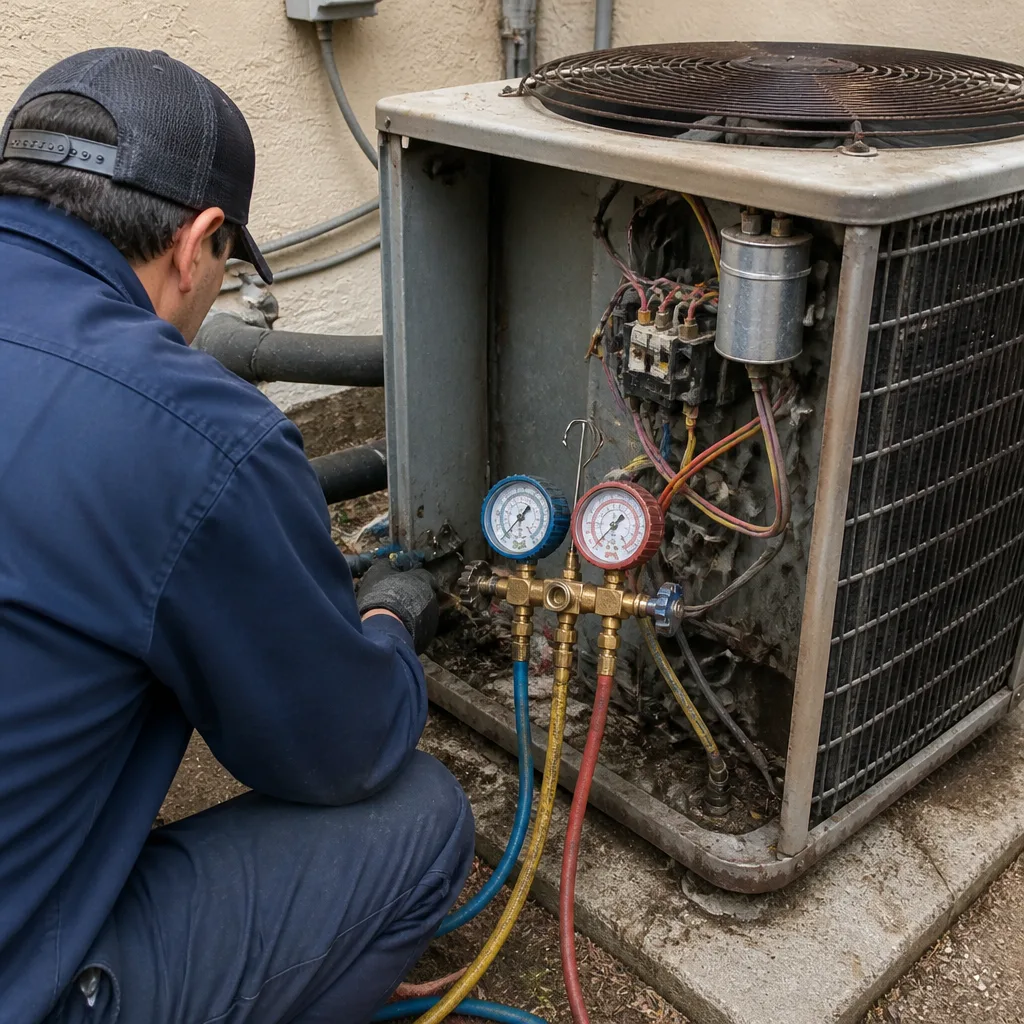
- Combustion analysis before and after. The technician should run the flue gas through an analyzer and record the numbers. Not a sniff test, an actual analyzer with readings.
- Burner inspection and cleaning, with flame color noted and documented.
- Heat exchanger inspection. Visual where accessible and documented, with photos if the tech has a camera.
- Blower wheel inspection and cleaning if it’s dirty. A caked blower wheel wastes more energy than most people realize.
- Static pressure reading to confirm airflow is in the manufacturer’s range.
- Safety control testing: flame sensor, pressure switch, limit switches, rollout switch.
- Gas pressure check at the manifold.
- Condensate trap and drain flush on high-efficiency units.
- Thermostat calibration and heat-cycle verification.
- A written report with the readings. Not a verbal “all good” – a sheet you can keep and compare next year.
What you should not see: a technician who walks in, glances at the unit, runs nothing, and then hands you a sales quote for a new system before he’s tightened the first panel screw. That’s not a tune-up, that’s an estimate disguised as service.
Year-Round Care for a Heat Pump
The standard northern advice – “furnace in fall, AC in spring” – doesn’t fit a heat pump. A heat pump is doing the same job 12 months a year in Sunrise Manor, just in two directions. Care needs to reflect that.
The single most important heat pump task is the coil and drain line, and it’s the one people skip. Heat pumps produce a lot of condensate. In our monsoon humidity, that drain line grows biological gunk fast. A clogged drain means water in the pan, a float switch trip, and a system that isn’t running when you need it.
Here’s a simple year-round rhythm for a Sunrise Manor heat pump:
- Every month: filter check, outdoor coil cleared of leaves and dust, listen for new noise.
- Every three months: flush the condensate drain with a capful of distilled vinegar. Cheap insurance.
- Every six months: a technician check – one in September before the heating season, one in April before cooling season. That’s the year-round rhythm.
- Annually: defrost cycle inspection and reversing valve test. If a heat pump won’t switch modes, the test catches it before the wrong season does.
- Every two to three years: duct and refrigerant charge check. A slightly low charge runs the compressor harder and shortens its life.
We’ve seen Daikin and York heat pumps that get this rhythm last 18 to 20 years in Sunrise Manor sun and dust. Same units with zero maintenance die closer to year 10.
Common Mistakes to Avoid
- Skipping September and calling in December. The part you need is in stock in September and gone in December. Booking late also means the emergency queue, not the scheduled queue.
- Putting in the highest-MERV filter you can find. More filtration isn’t automatically better if your blower wasn’t designed for the restriction. It can cost you efficiency and heat exchanger life.
- Blocking returns with furniture and boxes. A starved blower system overheats itself every cycle, and the damage compounds quietly.
- Letting a technician “tune up” without a written report. If you can’t compare this year’s readings to last year’s, you don’t know what changed.
- Treating a heat pump like a furnace. A heat pump needs cooling-side service in spring and heating-side in fall. The standard furnace schedule leaves half of it uncovered.
- Ignoring a small rattle or a new click. In our experience, a bearing noise in October becomes a motor replacement in January. Small symptoms are cheap to catch.
- Letting a sales pitch replace a tune-up. If the “service” call ends with a new system quote before any readings are taken, ask for the readings first. Numbers, then decisions.
When to Call a Professional
Some of this schedule you can do yourself – the filter, the monthly walk-around, the calendar reminders. Some of it you should never touch. Gas lines, burner components, and ignition controls are not DIY territory. A poorly set burner can produce carbon monoxide you won’t notice until someone gets sick. That’s the honest reason we tell Sunrise Manor homeowners to leave the insides alone.
Call a professional when you smell gas, hear anything that rattles, smell burning or hot metal, notice soot at the flue, see a yellow (rather than blue) burner flame, find water around the furnace, or get a no-heat or no-cool result when you test it. Also call if your system is 15 years or older and you can’t remember the last tune-up. That last one covers more Sunrise Manor homes than you’d think. Ray’s Heating & Air Sunrise Manor offers free estimates in Sunrise Manor – call (877) 311-5951.
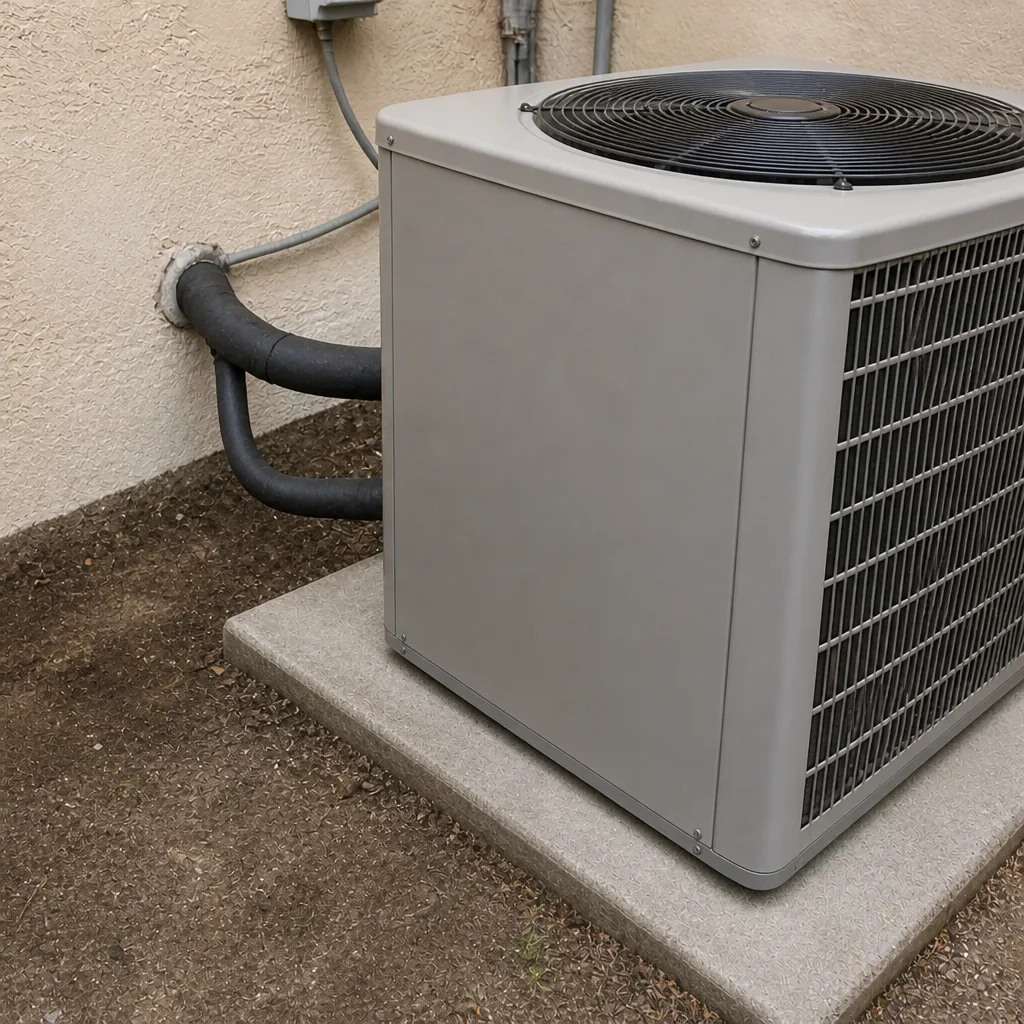
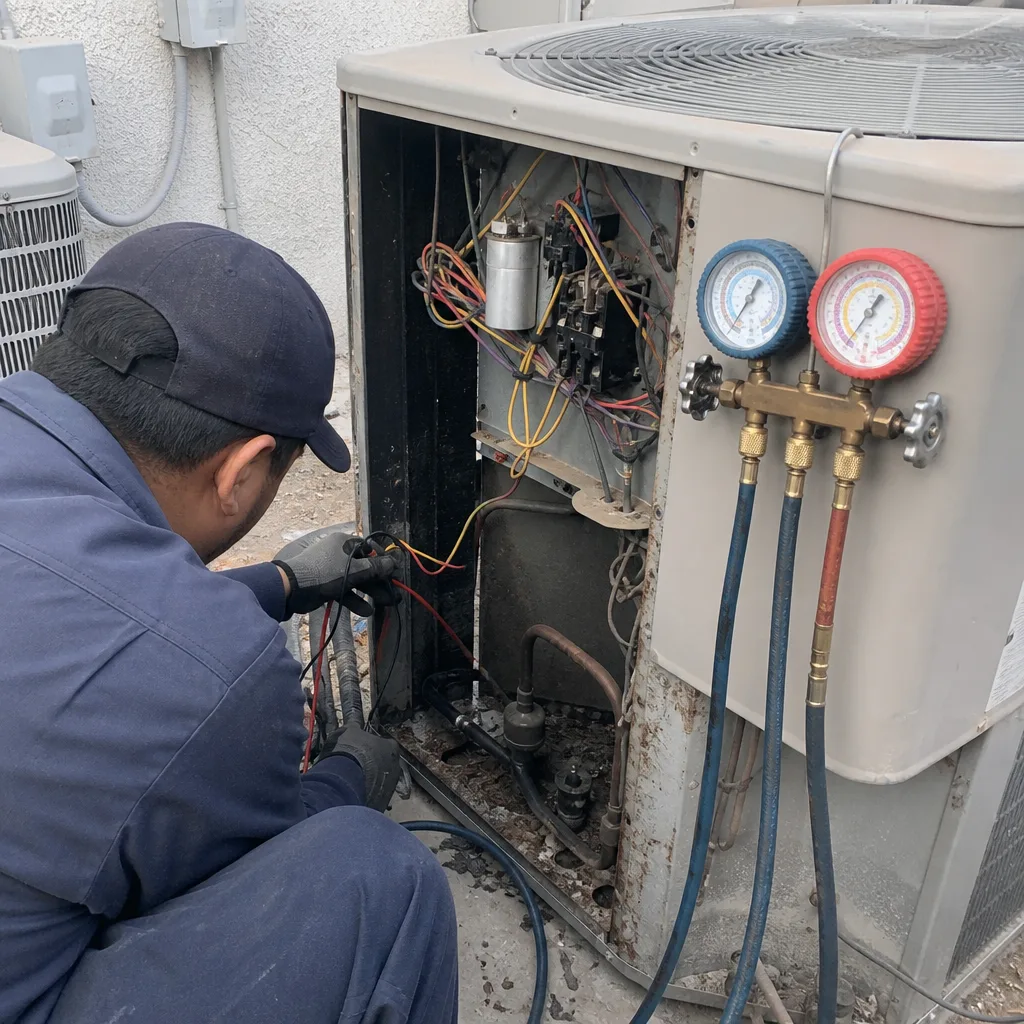
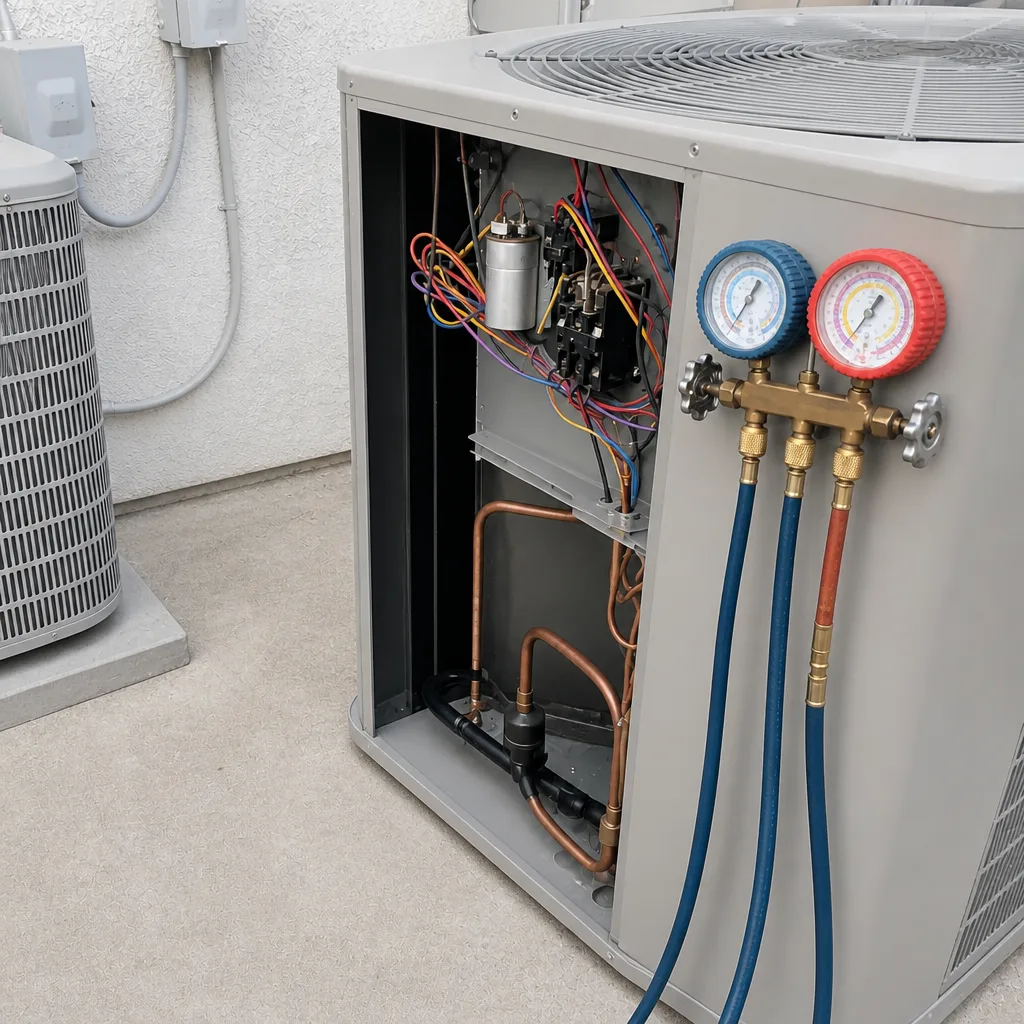
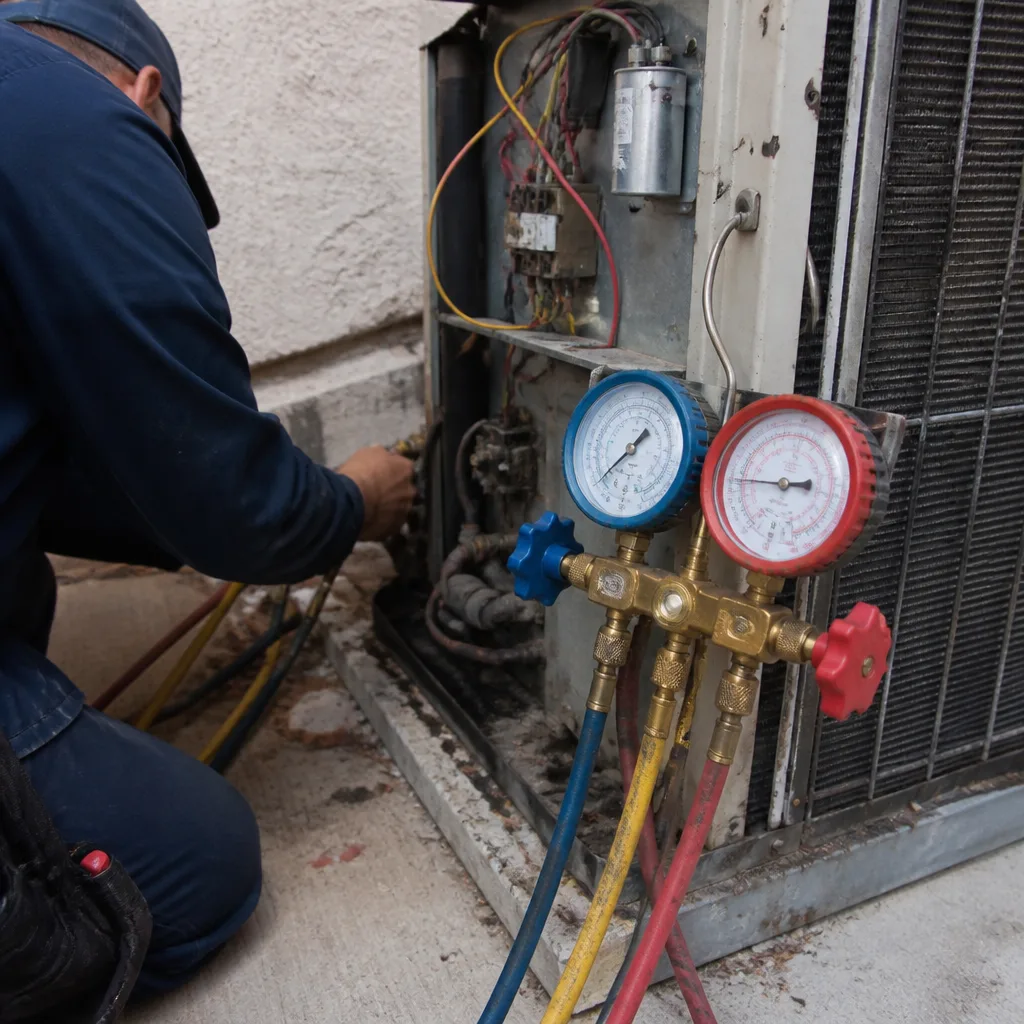
See the difference
 Before
 After
 Before
 After
 Before
 After
Frequently Asked Questions
Once a year, in September, before the heating season. If your home has a heat pump instead of a gas furnace, service it twice a year – once in September for heating and once in April for cooling. Sunrise Manor dust and long summers make the September timing more important here than in most places.
Most homes need it every 60 to 90 days. Sunset Manor dust, pets, and nearby unpaved lots push a lot of households toward every 45 days, especially in the summer months when the system runs the most. The 60-to-90-day window is the baseline, not a hard rule.
68 to 70 degrees during the day and a few degrees lower at night works for most Sunrise Manor homes. Every degree you lower it in a desert winter saves a small amount on the bill. The bigger win is setting it and leaving it alone, not bumping it around.
Yes, and not because of a sales pitch. A proper tune-up restores efficiency, catches safety issues like a cracked heat exchanger or a weak flame sensor before they become dangerous, and gets you more years out of the equipment. In our experience, the tune-up costs less than the emergency call it prevents, and it costs a lot less than an early system replacement.
You can safely do the filter, the return grilles, the thermostat batteries, and clear the area around the unit. You should not open the burner compartment or touch the gas valve, igniter, or flame sensor. Those need training and a combustion analyzer. We don’t walk homeowners through them, and no honest company should.
When it’s 15 to 20 years old, has needed more than one major repair in the past two years, or your utility bills keep climbing despite maintenance. At that point, the math usually turns. If your system is a Rheem or Daikin well under 15 years and just needs a tune-up, keep it running. Call (877) 311-5951 for a free estimate and second opinion if you’ve got a quote in hand – we’ll look at the readings before we recommend anything.
The Bottom Line
A furnace maintenance schedule in Sunrise Manor should be honest about how people actually use their systems. The realistic version: a filter every 60 days, a few minutes of monthly upkeep, one full fall tune-up in September, and a spring check if you run a heat pump. That’s the program that prevents the January 11 p.m. call. If you’d rather skip the guessing, we’re glad to put a system on a schedule and show you the readings every year. The check is free. Ray’s Heating & Air Sunrise Manor home is the place to start, and you can also reach us for AC Repair & Installation in Sunrise Manor, Heating & Furnace in Sunrise Manor, or Heat Pump & Mini Split in Sunrise Manor if a repair is already overdue.
Call (877) 311-5951 for a free estimate. We answer around the clock, and you’ll get a live person, not a voicemail maze. If a service is scheduled, you’ll know who’s coming and when. If it’s already gone wrong, we’ll get you on the calendar and get it handled. That’s the whole offer.
Key takeaways
- September is the right month to service a Sunrise Manor heating system. Do it before the December emergency rush.
- Minimum program: filter every 60 to 90 days, monthly return-grille check, October heat test, one fall tune-up.
- Heat pumps need two services a year, not one. Spring for cooling, fall for heating.
- MERV 8 to 11 pleated is the sweet spot for most Sunrise Manor homes. Higher isn’t better unless the blower was sized for it.
- A real tune-up includes combustion readings and a written report. Anything less is a visual inspection with a sales pitch.
Written by the team at Ray’s Heating & Air Sunrise Manor.