
Last updated November 18, 2026
 Heat pumps
 AC repair
 Furnace & heating
 Ductless mini splits
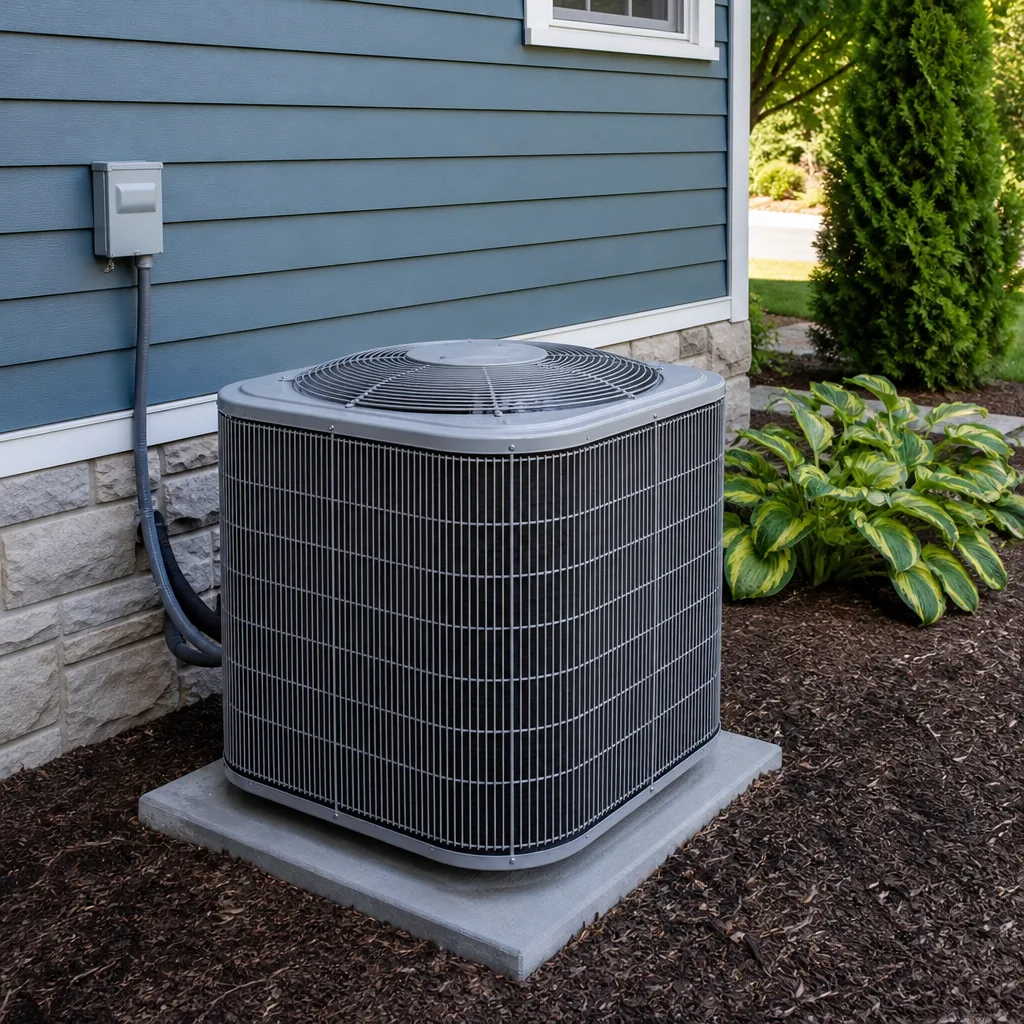 Carrier
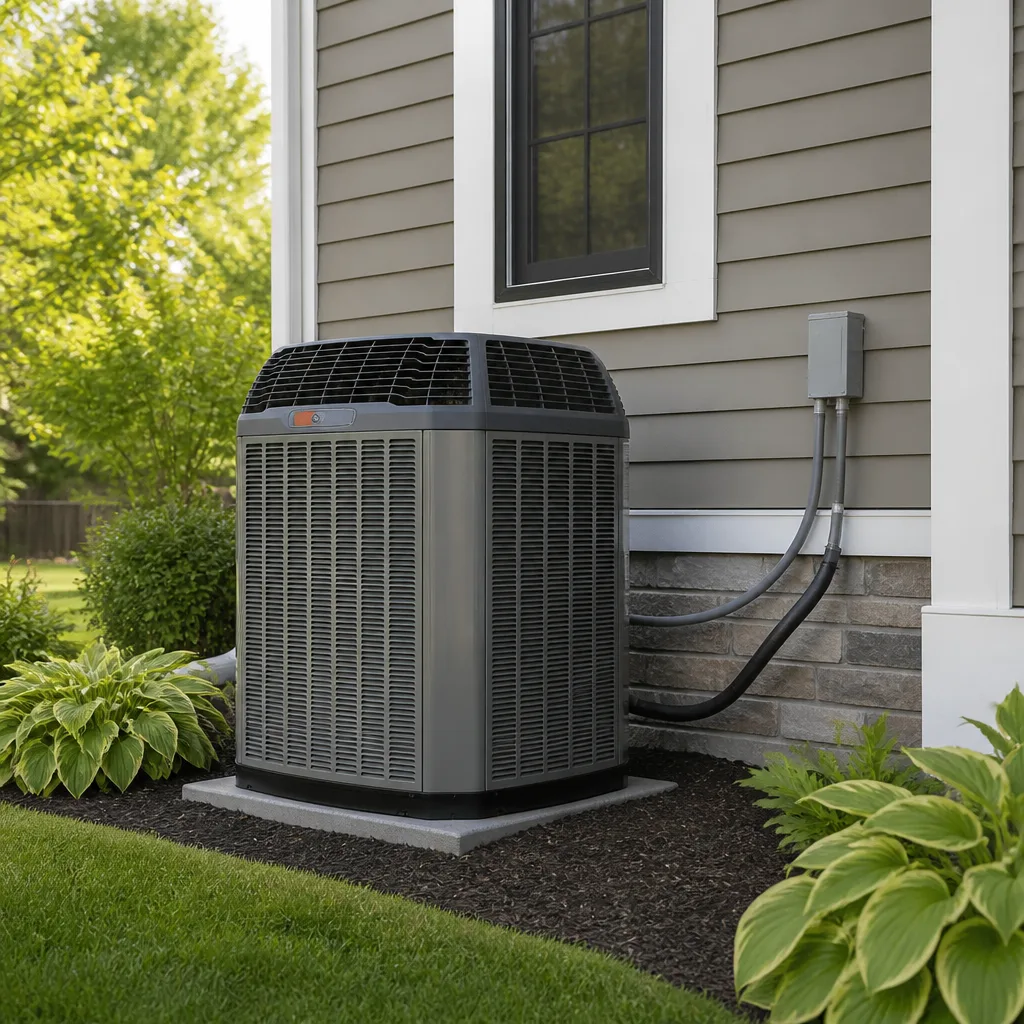 Trane
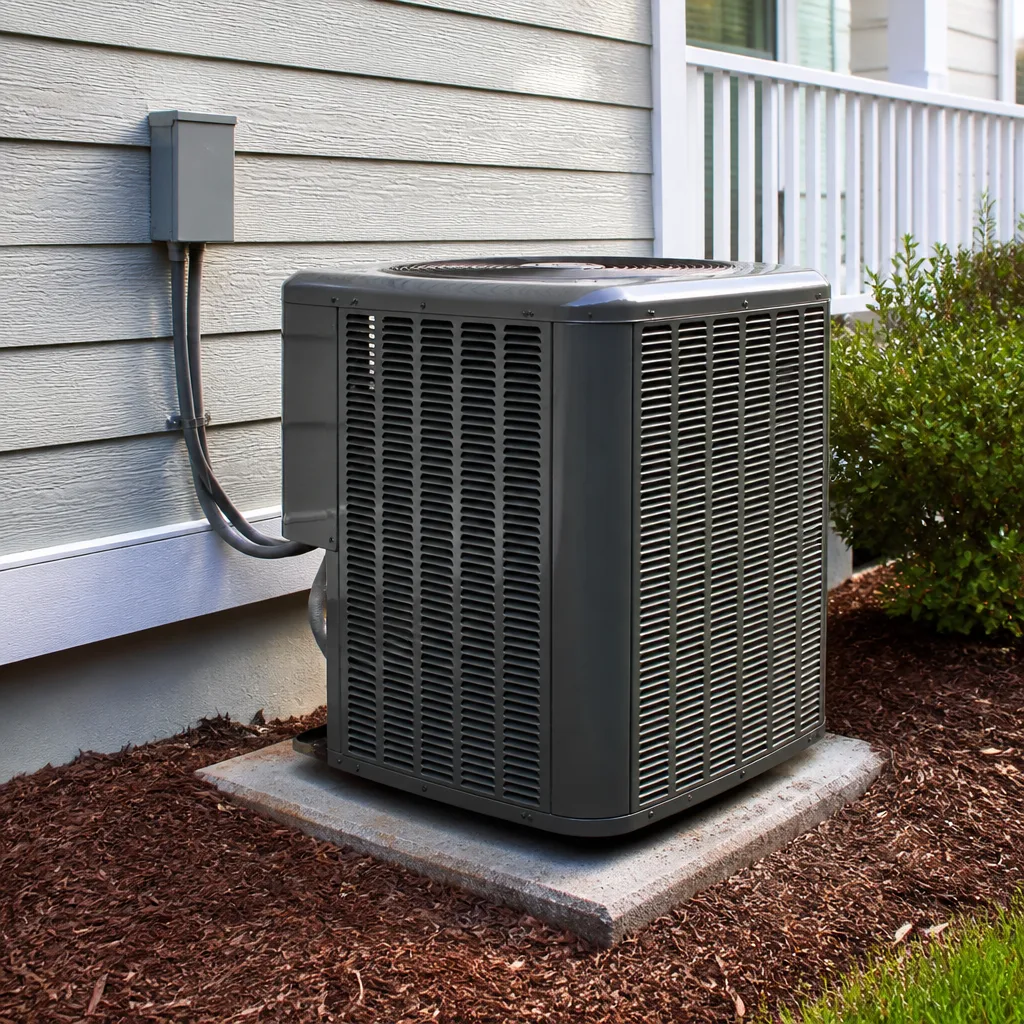 Goodman
Seasonal tune-up and full diagnostic on your Carrier, Trane, or Goodman system - readings shown to you before any repair is proposed
Diagnosis first, numbers second - you approve the repair price before a single part goes in.
Get your free estimateHeat Pump & Mini Split Troubleshooting: Common Problems and How to Fix Them
Your mini split is blinking an H6 or a P4, and you’re holding a 40-page manual in four-point font wondering whether this is a service call or a sensor you can clean yourself. Here’s the part the manufacturers don’t print in bold: error codes are written to get you to call somebody, not to help you solve anything. And a good third of the mini split calls we get around Sunrise Manor are things a homeowner could have cleared in ten minutes with the right information. This guide is that information. You’ll learn the five codes that cover most failures across the big brands, how to diagnose a clogged drain line, and exactly where the do-it-yourself line sits.
Quick Answer
Most mini split error codes point to a handful of real causes: a clogged condensate drain, a dirty filter or blower wheel, a loose sensor wire, low refrigerant from a slow leak, or a communication fault between indoor and outdoor units. You can safely reset the system, rinse filters, clear a drain line, and clean the indoor coil yourself. Anything involving refrigerant, capacitors, compressor windings, or wiring inside the outdoor unit needs a licensed technician, both for your safety and because poking at it can void the warranty.
Styles & brands we work with
- AC repair
- Furnace & heating
- Heat pumps
- Ductless mini splits
- Carrier
- Trane
- Goodman
Table of Contents
- What the Five Most Common Error Codes Actually Mean
- The Drain Line Clog: Number One Summer Call
- Blowing Air But Not Cooling? Rule Out These Three First
- Outdoor Fan Spinning, No Cold Air: Why It’s Usually Not the Compressor
- How to Reset Your System the Right Way
- The Line Between DIY and Licensed Work
- Common Mistakes to Avoid
- When to Call a Professional
What the Five Most Common Error Codes Actually Mean
Error codes differ brand to brand, but the underlying faults repeat. We work on Trane, Lennox, Goodman, and Rheem systems all over Sunrise Manor, and the same five failures show up again and again. Here’s the plain-language translation.
- H6 (or E6 on some brands): Indoor fan motor or its feedback signal. Often a stuck blower wheel from dust or a loose connector, not a dead motor. Check the filter first, then the wheel spins freely by hand.
- P4 (or F4): Outdoor unit temperature sensor fault. A disconnected or corroded sensor wire at the outdoor board is the usual culprit. This is a technician fix because the sensor sits behind the service panel.
- E1 / E2: Communication error between indoor and outdoor units. Could be as simple as a tripped breaker on the outdoor unit or a bad signal wire. We’ve seen a dozen E1 calls where a breaker had just been left off after a power blip.
- F0 / H0: Refrigerant system fault, typically low charge or high pressure. This one almost always means a leak. That’s licensed work.
- P1 / E5: High-pressure or overcurrent protection. A blocked outdoor coil full of spring dust, or a fan not spinning, will throw this. Clean the outdoor coil and confirm the fan turns freely.
Write your code down before you reset anything, because once the board clears, the code is gone. Brands hide the reset procedure, so check your model’s manual or the brand’s app. If the same code returns within a day, it isn’t a glitch. It’s a fault that needs eyes on it.
The Drain Line Clog: Number One Summer Call
This is the single most common mini split service call we get in Sunrise Manor in summer, and it’s almost always self-fixable. Your indoor unit pulls moisture out of the air, and that water has to leave through a thin drain line. In our dry climate the line can actually dry out and crust up during winter, then clog fast when the cooling season slams back in with a 105-degree day. When the line backs up, most units throw a water-full code and shut down.
Here’s the full diagnosis, in order:
- Look for water. Check the indoor unit for drips, and the wall or floor under it. A wet spot means the drain is backing up.
- Find the drain outlet. It usually exits outside near the outdoor unit or at a low point on the wall. Follow the line from the indoor head.
- Clear the outlet. A shop vac held against the exterior outlet for a minute pulls most clogs through. If you have a wet/dry vac, that’s your best tool.
- Flush it. Once it drains, pour a cup of distilled water through the indoor unit’s drain pan to confirm it moves freely.
- Reset the unit. The water-full code should clear. If water returns within a day or two, the line needs more than a flush.
If you’re not comfortable touching the indoor unit, or the water keeps coming back, that’s where we come in. It’s the kind of thing we can walk you through by phone in five minutes. For a deeper look at the systems themselves, see our Heat Pump & Mini Split in Sunrise Manor page.
Blowing Air But Not Cooling? Rule Out These Three First
A mini split that runs and blows air but doesn’t cool is not automatically a refrigerant leak. In our experience, three other causes come first, and each is cheap or free to check.
- Dirty filter and blower wheel. Dust cakes the indoor wheel and restricts airflow, so the unit moves air that’s barely cooled. Rinse the filter monthly in cooling season. If airflow feels weak, the wheel itself needs cleaning, which is a technician job on most setups.
- Outdoor coil packed with debris. Sunrise Manor sits where spring winds throw dust and cottonwood fluff into outdoor coils. A blocked coil can’t reject heat, so the unit runs cold air only at the indoor head and overheats outside.
- Thermostat or mode setting. We’ve driven to houses where the remote had been bumped to “fan only” or “heat.” Check the mode and setpoint before anything else.
Only after those three are ruled out does refrigerant become the suspect. If the unit also throws an F0 or low-pressure code, that points hard at a leak and licensed hands. If the unit runs fine but the house stays warm, the problem may be sizing or load, not the equipment. Call (877) 311-5951 and we’ll give you a straight answer on the phone before anyone rolls a truck.
Outdoor Fan Spinning, No Cold Air: Why It’s Usually Not the Compressor
This one gets misread constantly. You hear the outdoor fan running, feel no cool air inside, and someone says “sounds like the compressor.” That’s a guess, and an expensive one. Here’s what’s actually happening in most cases, and how we check it.
The outdoor fan and the compressor are separate circuits. The fan spinning tells you power reaches the outdoor unit and the board is alive. It does not tell you the compressor is dead. What it usually tells us is one of three things: the compressor is being held off by a safety (high or low pressure), the contactor isn’t pulling in, or the compressor has tripped its internal overload.
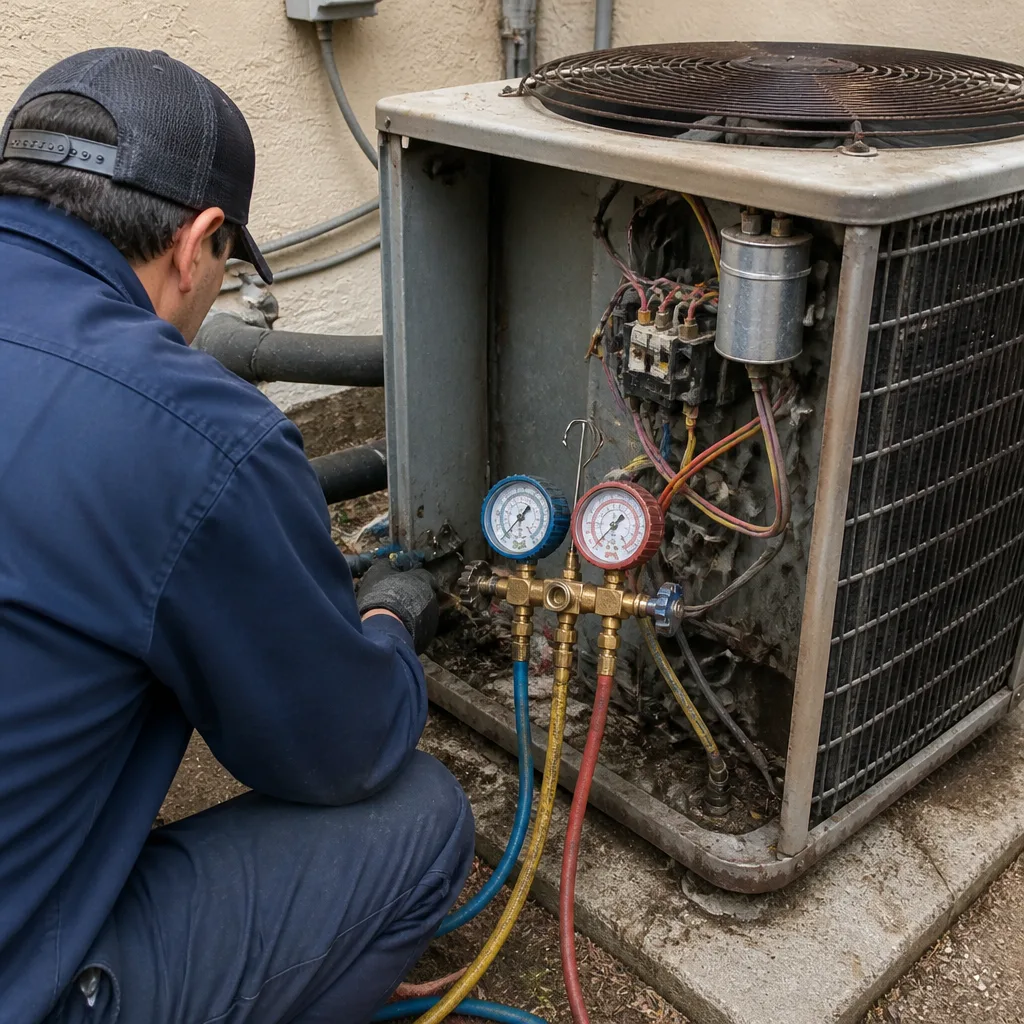
Before anyone says the word compressor, we test the capacitor. A weak run capacitor is a very common failure in our heat, and a $20 part gets the system running again. Readings first, numbers second. You’ll see the meter before you see a price.
If the compressor truly has failed, the conversation changes. And if it’s an older unit, repair vs. replace becomes real. Our AC Repair & Installation in Sunrise Manor page lays out how that call gets made. Don’t let a phone diagnosis turn a capacitor into a compressor.
How to Reset Your System the Right Way
A reset won’t fix a real fault, but it clears the board and tells you whether a code was a one-time glitch or something persistent. Done right, it’s safe and free. Here’s the sequence we recommend.
- Write down the code first. Once you cycle power, the code is gone.
- Turn the unit off at the remote. Give it a minute to finish any shutdown cycle.
- Kill power at the breaker. Indoor and outdoor breakers both, if they’re separate. Give it a full five minutes.
- Restore power and turn it back on. Set it to a normal cooling setpoint and wait ten minutes.
- Watch for the code. If it returns within a day, that’s a persistent fault. Note the code and the conditions when it appears.
If the breaker trips the moment you restore power, stop. Don’t reset it again. That’s a short or a grounded component, and it needs a licensed technician before it becomes a fire risk. This is one of the places where the do-it-yourself line is firm.
The Line Between DIY and Licensed Work
Here’s the honest split. Some things are yours to handle, and some are not, and it mostly comes down to refrigerant, electricity, and warranty.
Safe for you to do: rinse filters, clean the indoor coil face, vacuum the outdoor coil, clear a drain line, reset the breaker, check the mode setting.
Needs licensed hands: anything involving refrigerant (F0, low charge, leak search, recharge), the outdoor electrical panel and contactor, compressor testing, sensor replacement inside the outdoor unit, and any code that keeps returning after a reset.
Why the line matters: on most warranties, a homeowner opening the sealed refrigerant circuit or the outdoor electrical panel can void coverage. We’ve seen it happen. Our technicians have up to 24 years of experience, and every job carries our 90-Day Done Right Promise in writing. If it’s not done right, one call brings us back. If you want the full picture of your system, the Ray’s Heating & Air Sunrise Manor home page has it all.
Common Mistakes to Avoid
These are the ones we see most often, and every one of them costs somebody money.
- Resetting before writing down the code. Once the board clears, the evidence is gone. The code is your best diagnostic clue, so capture it first.
- Assuming a no-cool call means a refrigerant leak. Dirty coils and filters cause far more no-cool calls than leaks do. Check airflow before you check charge.
- Cleaning the wrong coil. Vacuuming the indoor coil does nothing if the outdoor coil is packed with dust and cottonwood fluff. You clean both.
- Paying a dispatch fee before asking questions. We’ve been to houses where the “broken” unit just needed a filter rinse. Ask the person on the phone what it might be. A straight shop will tell you.
- Ignoring a drain line drip. A little water under the indoor head becomes a ceiling stain fast. Handle it early.
- Letting someone talk compressor before testing the capacitor. Ask for the readings. A real technician tests before pointing at parts.
- Bumping the remote to “fan only” and calling it broken. It sounds silly, but it happens more than you’d think. Check the mode.
When to Call a Professional
Call a licensed technician when a refrigerant code (F0, low pressure) keeps returning, when a breaker trips as soon as power restores, when the outdoor unit won’t come on at all, when a code returns after a clean reset, or when you see ice on the indoor coil or refrigerant lines. Those are not filter issues. Ice means low charge or restricted airflow that’s beyond a rinse. If the mini split is more than a decade old and you’re facing a compressor, the repair-vs-replace call is genuinely difficult, and it deserves a second opinion.
Ray’s Heating & Air is locally owned and owner-operated, and our Heating & Furnace in Sunrise Manor team handles heat pumps and mini splits across all major brands. Call (877) 311-5951 for a free estimate. We offer a Free Second Opinion on any written estimate and No Trip Charge inside our own county. A live person answers every call, every day.
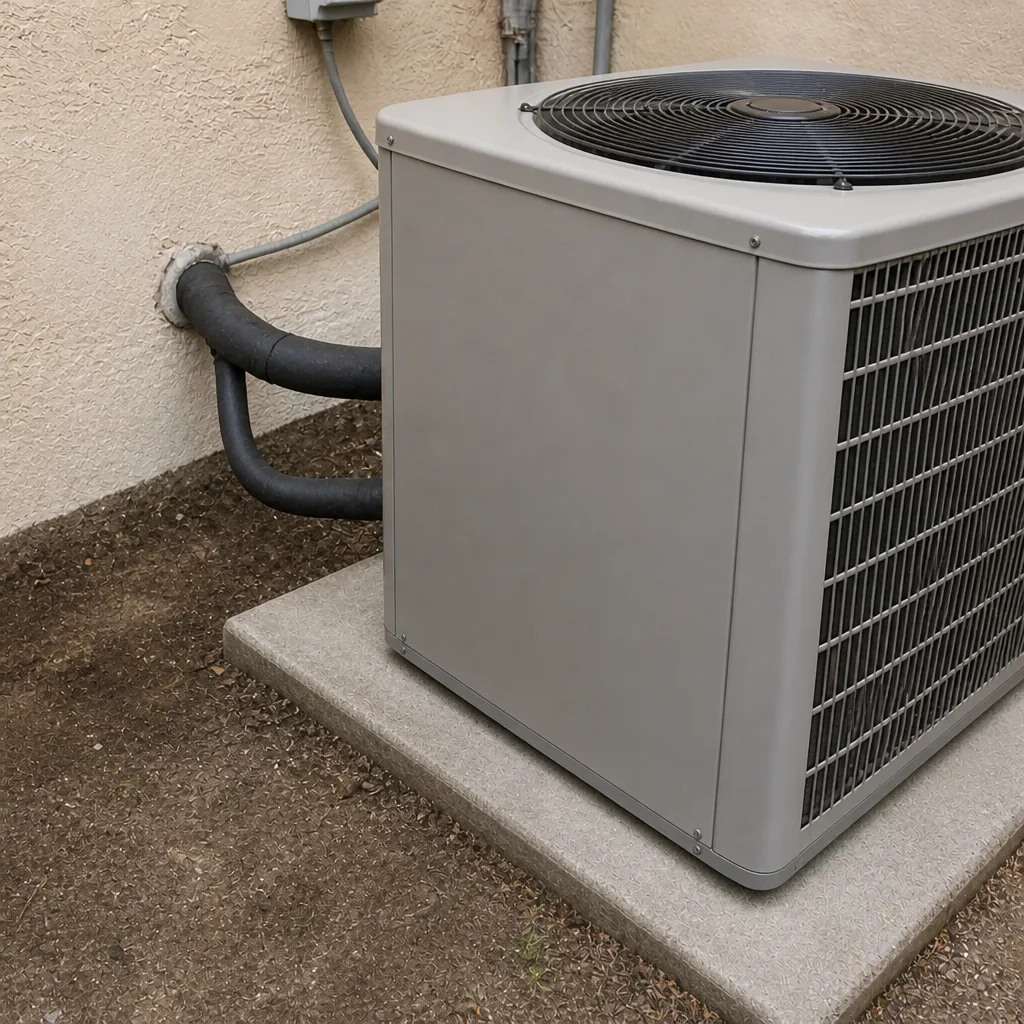
See the difference
 Before
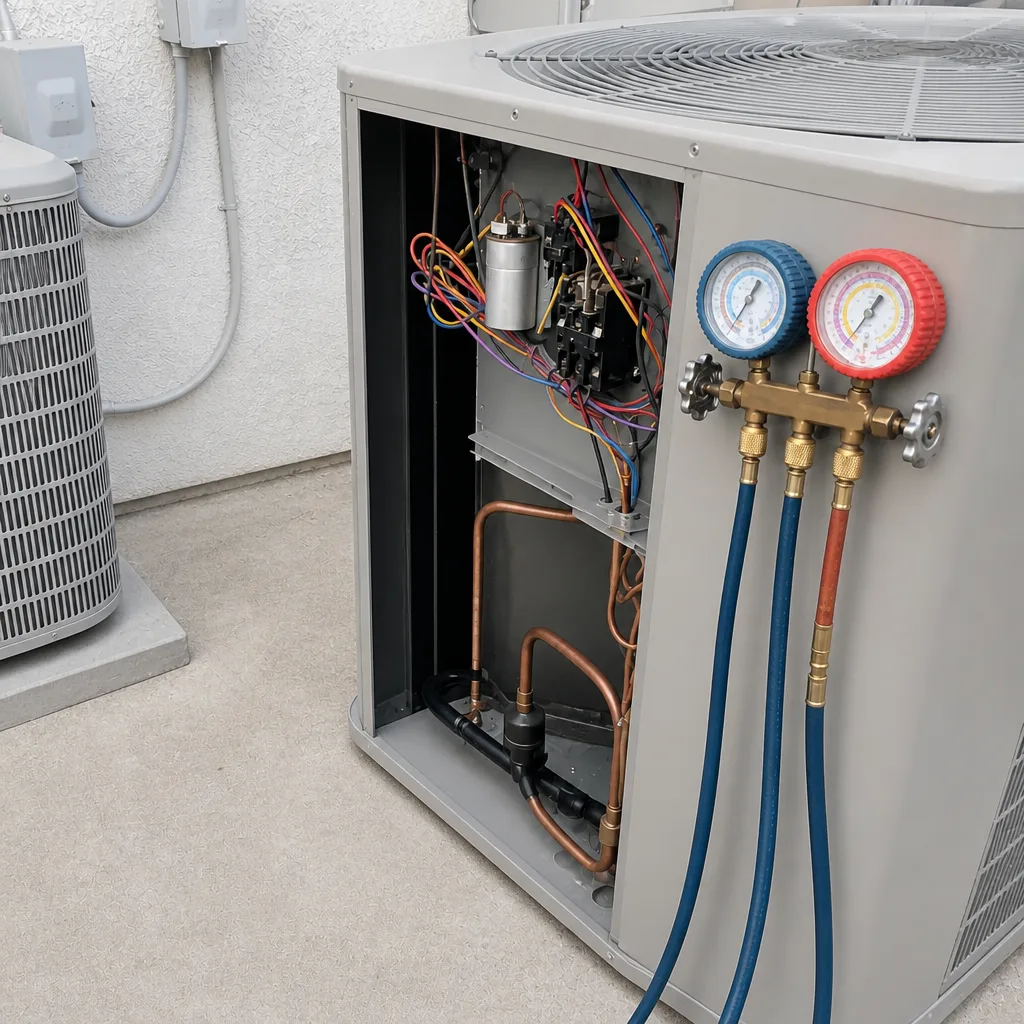
 After
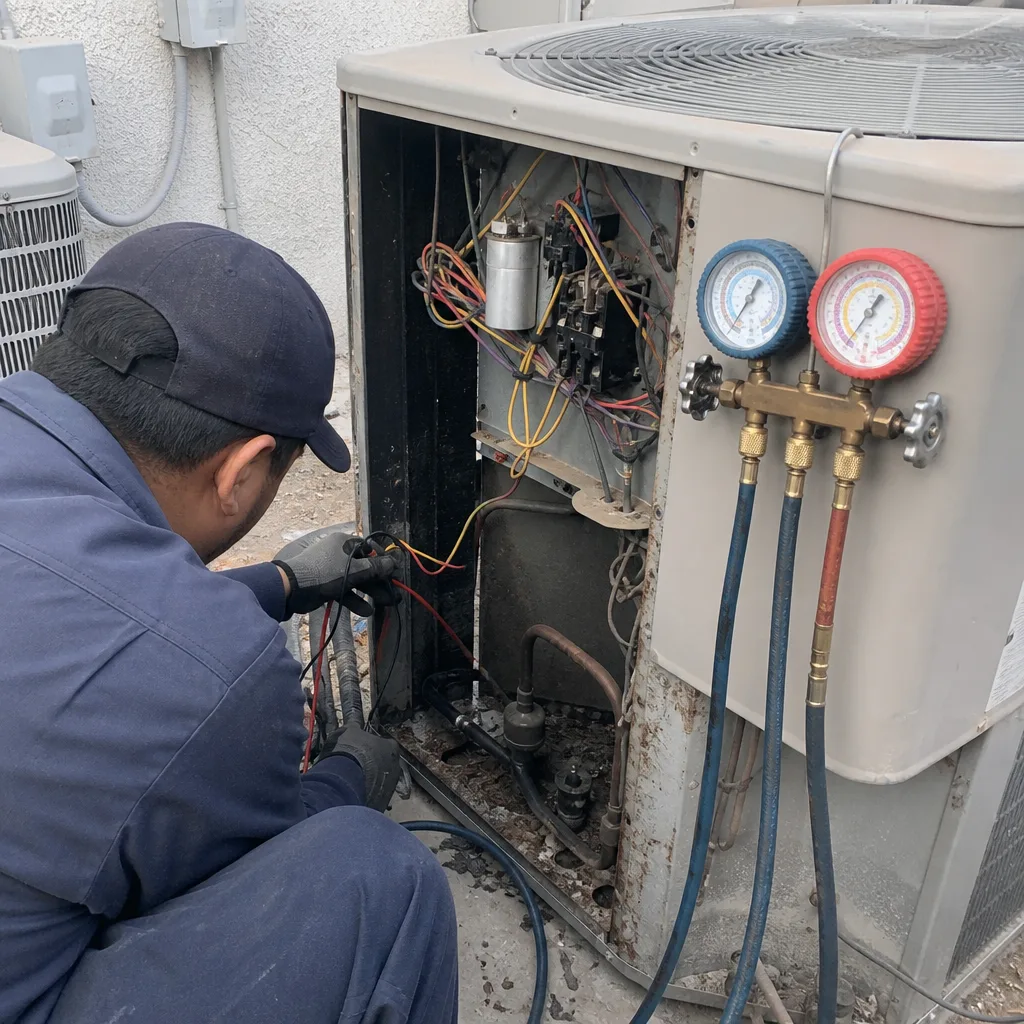 Before
 After
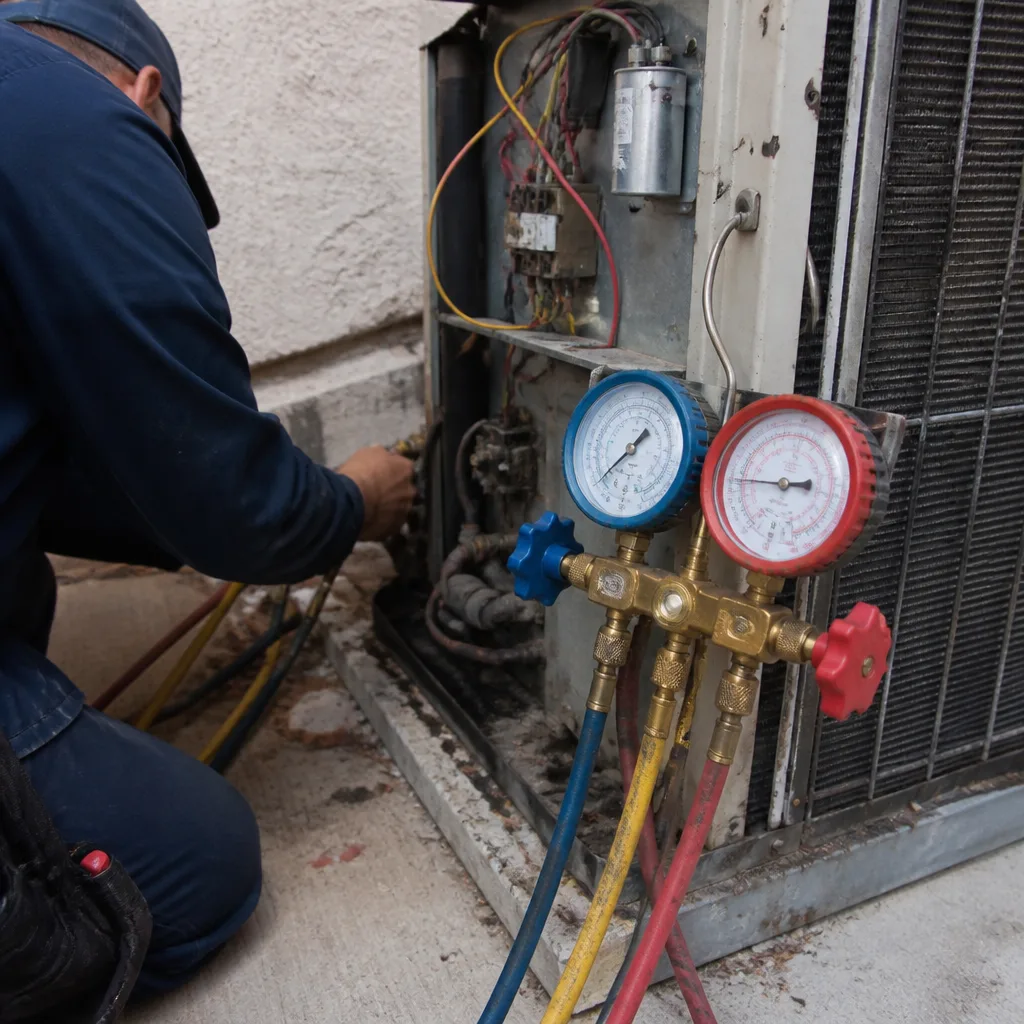 Before
 After
Frequently Asked Questions
H6 typically means the indoor fan motor isn’t reporting a proper signal. In most cases the blower wheel is stuck from dust buildup or a connector has worked loose, not that the motor has failed outright. Check the filter and whether the indoor fan spins freely by hand before assuming the motor is dead, then call (877) 311-5951 for an exact diagnosis.
Yes, in most cases. A shop vac against the exterior drain outlet for a minute clears the clog, and flushing distilled water through the indoor pan confirms it’s flowing. If water returns within a day or two, the line needs more than a flush and it’s time to call.
The most common cause is a dirty filter or blower wheel restricting airflow, followed by an outdoor coil packed with dust and cottonwood fluff. Refrigerant leaks cause fewer no-cool calls than people assume. Rule out airflow and settings first, then call (877) 311-5951 for a free estimate.
Usually not. The outdoor fan and compressor are on separate circuits, so the fan spinning only tells you power is present. The fault is often a failed run capacitor or a safety holding the compressor off, which is a much cheaper fix. Test the capacitor before anyone says the word compressor.
No. Turning off the breaker and cycling power is safe and does not affect your warranty. Opening the outdoor electrical panel or the sealed refrigerant circuit is what can void coverage on most brands. When in doubt, stop and call a licensed technician.
Cost depends on what’s actually wrong. A drain clear or capacitor replacement is a fraction of a compressor or refrigerant job, which is why diagnostics come first and numbers come second. You see the readings and the price before work begins. Call (877) 311-5951 for a free estimate.
The Bottom Line
Error codes are a starting point, not a verdict. Most mini split lockdowns come down to a clogged drain, a dusty filter or coil, or a capacitor, not a dead compressor. The safe moves are yours: rinse filters, clear drains, vacuum the outdoor coil, reset by the breaker, and write down the code. The licensed moves – refrigerant, outdoor wiring, compressor testing – are not, and skipping that line can void your warranty. Read the code, work the cheap fixes first, and let a straight shop finish the rest. Locally owned and owner-operated since 2002, Ray’s Heating & Air Sunrise Manor stands behind every job with the 90-Day Done Right Promise. Call (877) 311-5951 for a free estimate.
Written by the team at Ray’s Heating & Air Sunrise Manor.