
Last updated November 18, 2026
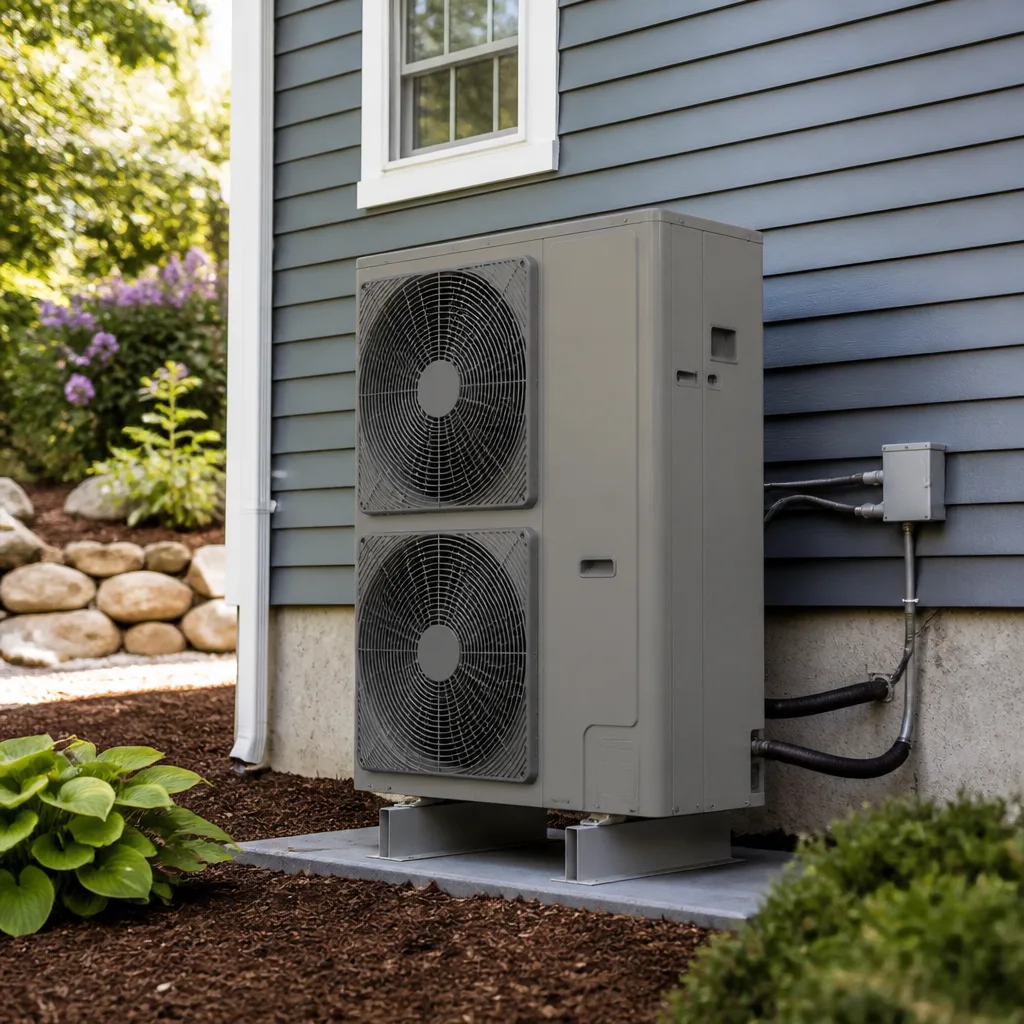 Heat pumps
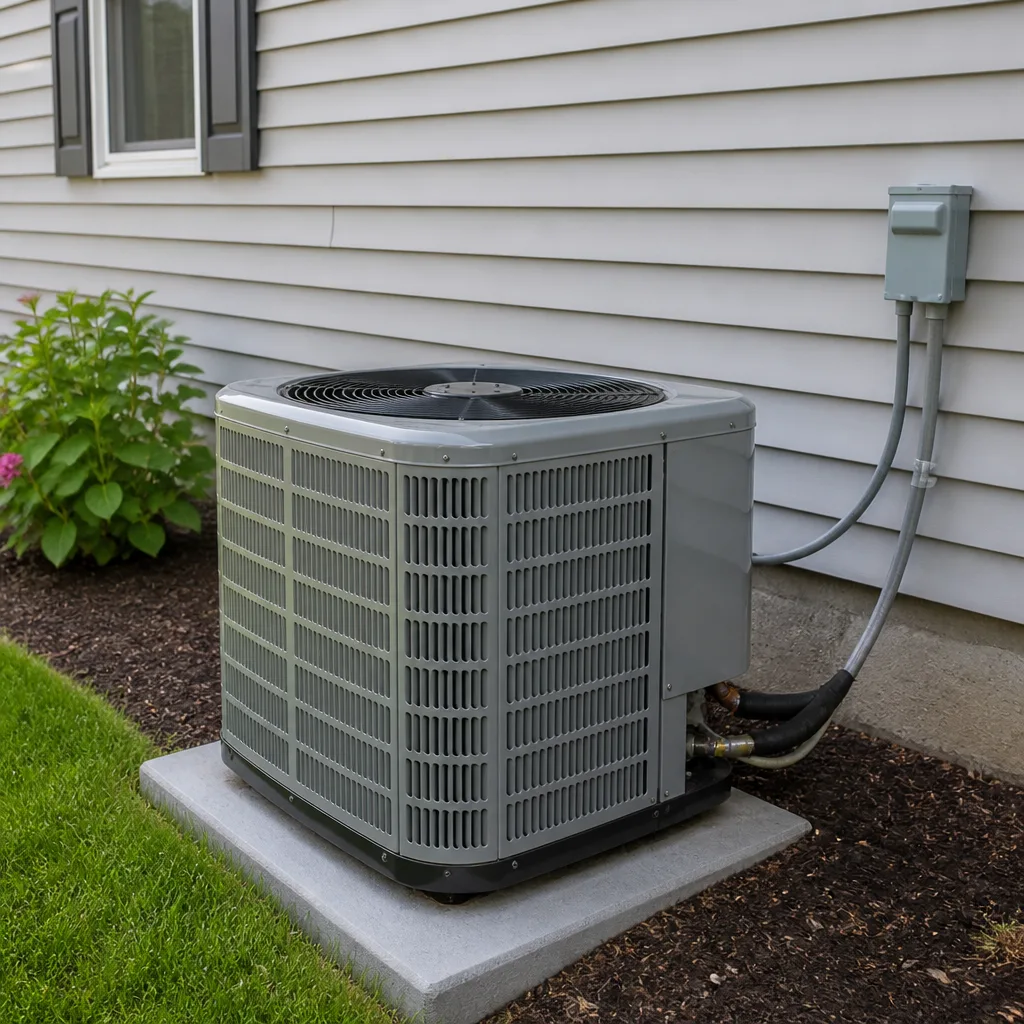 AC repair
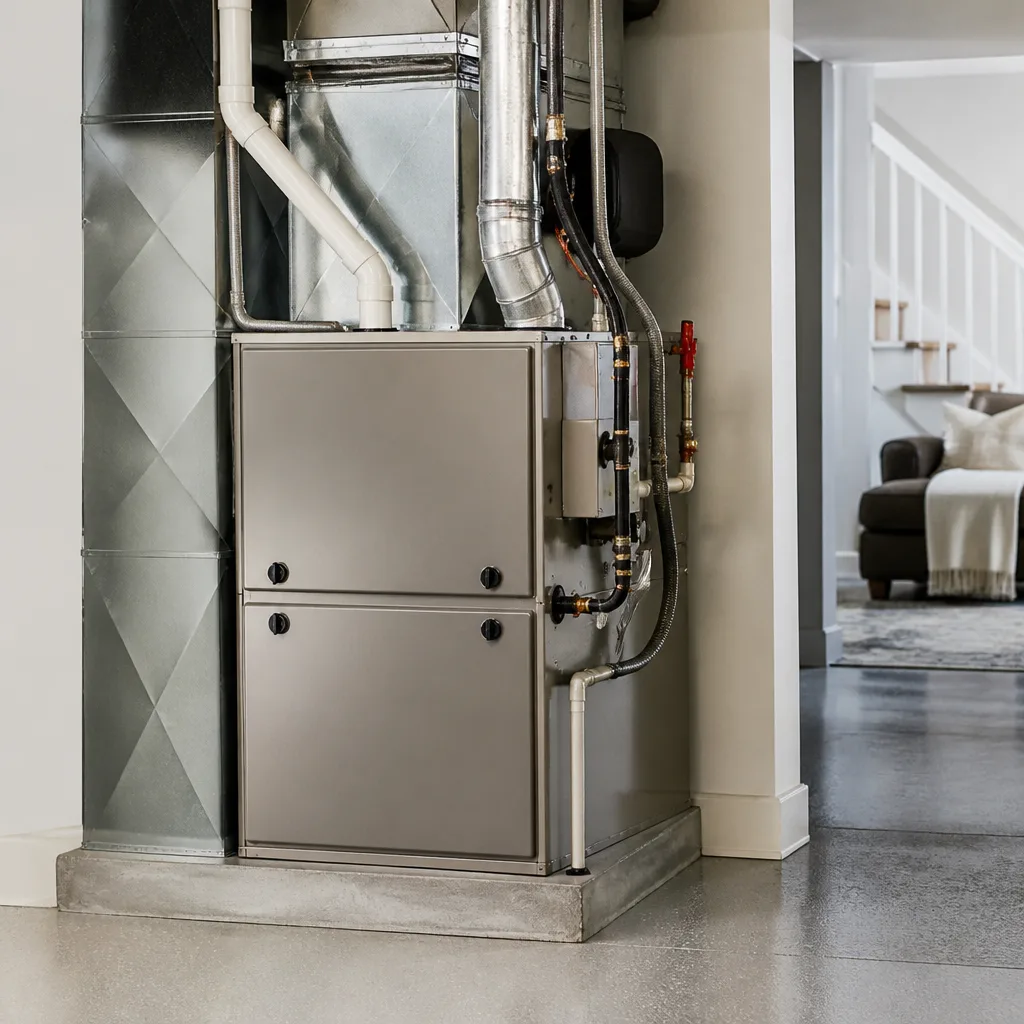 Furnace & heating
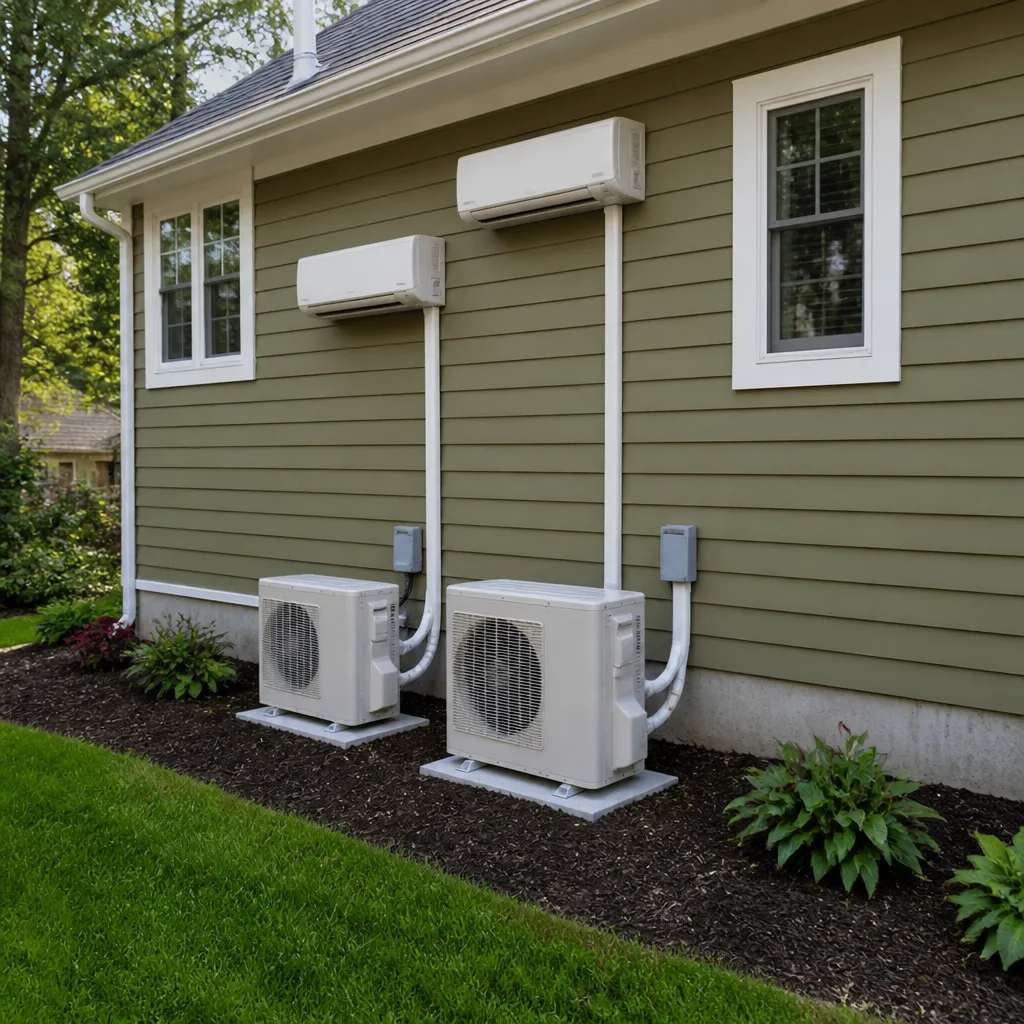 Ductless mini splits
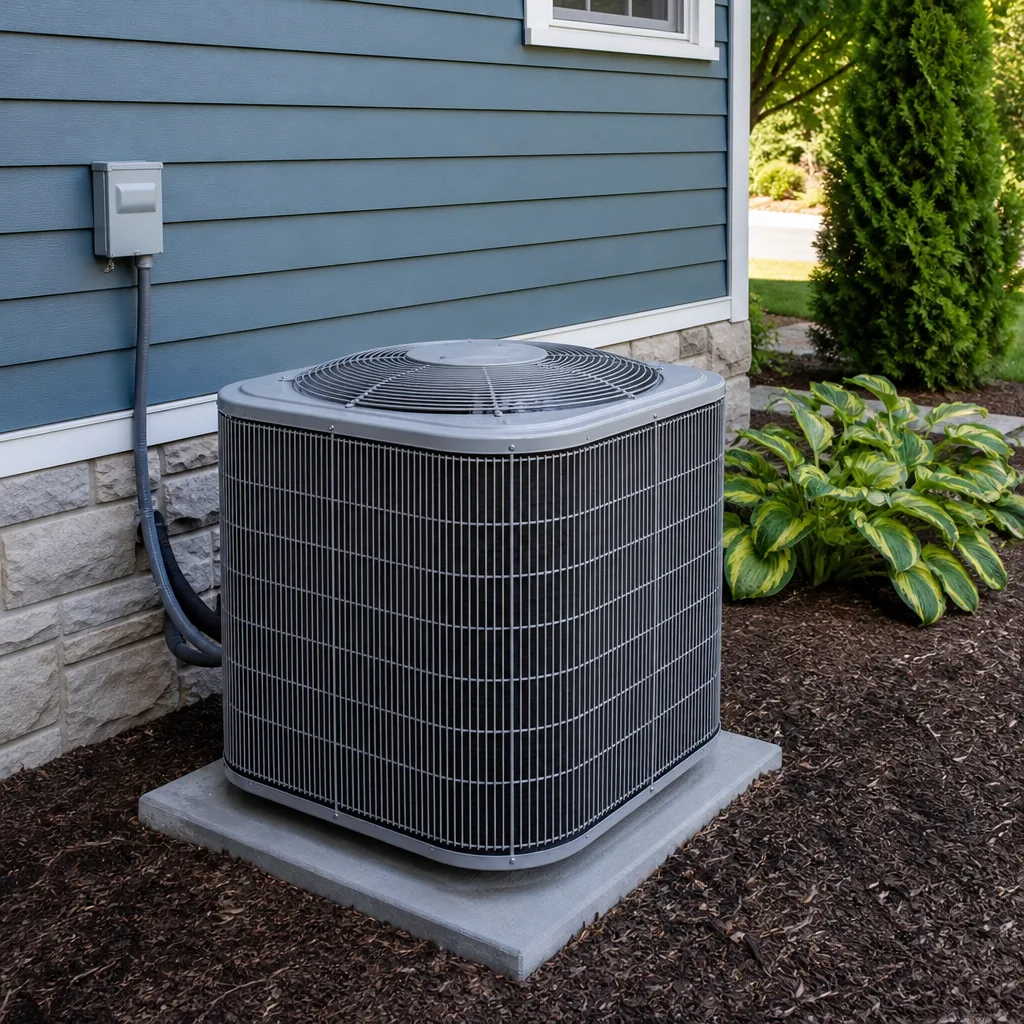 Carrier
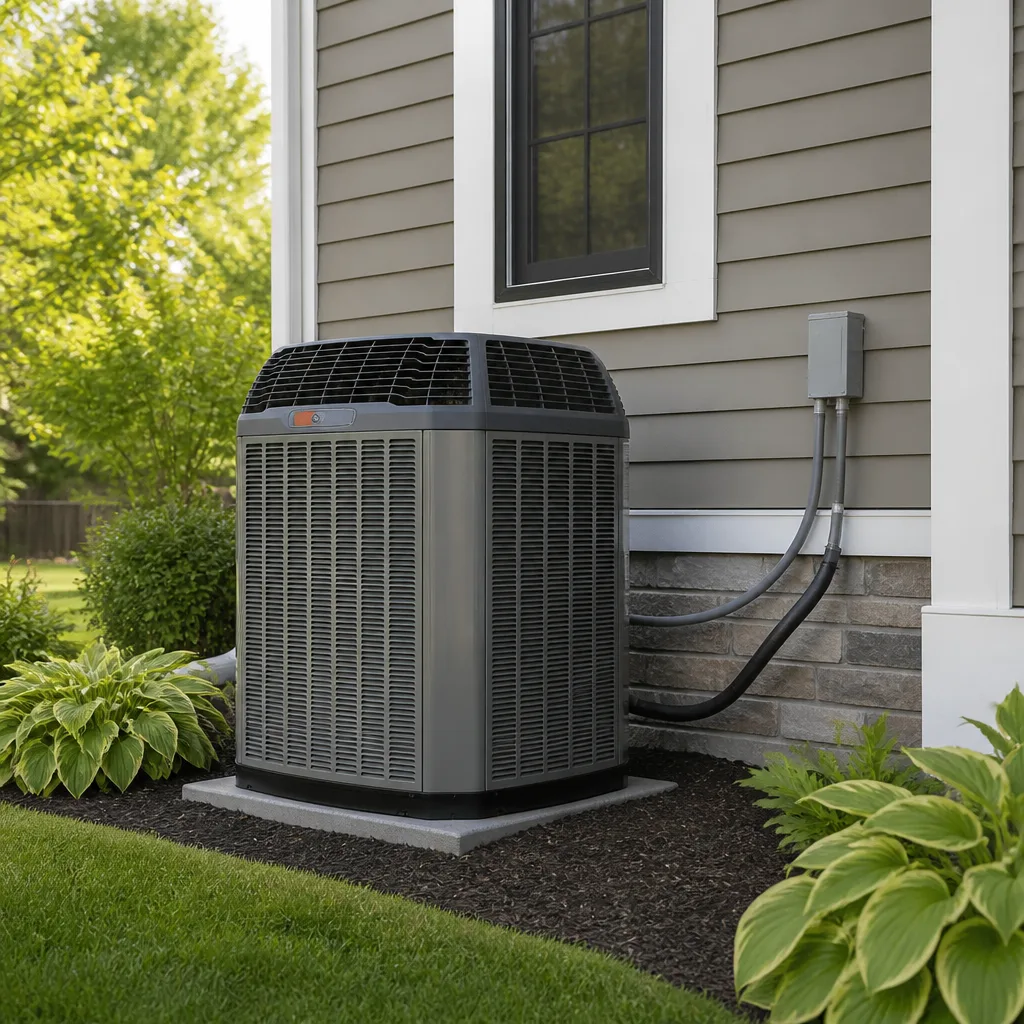 Trane
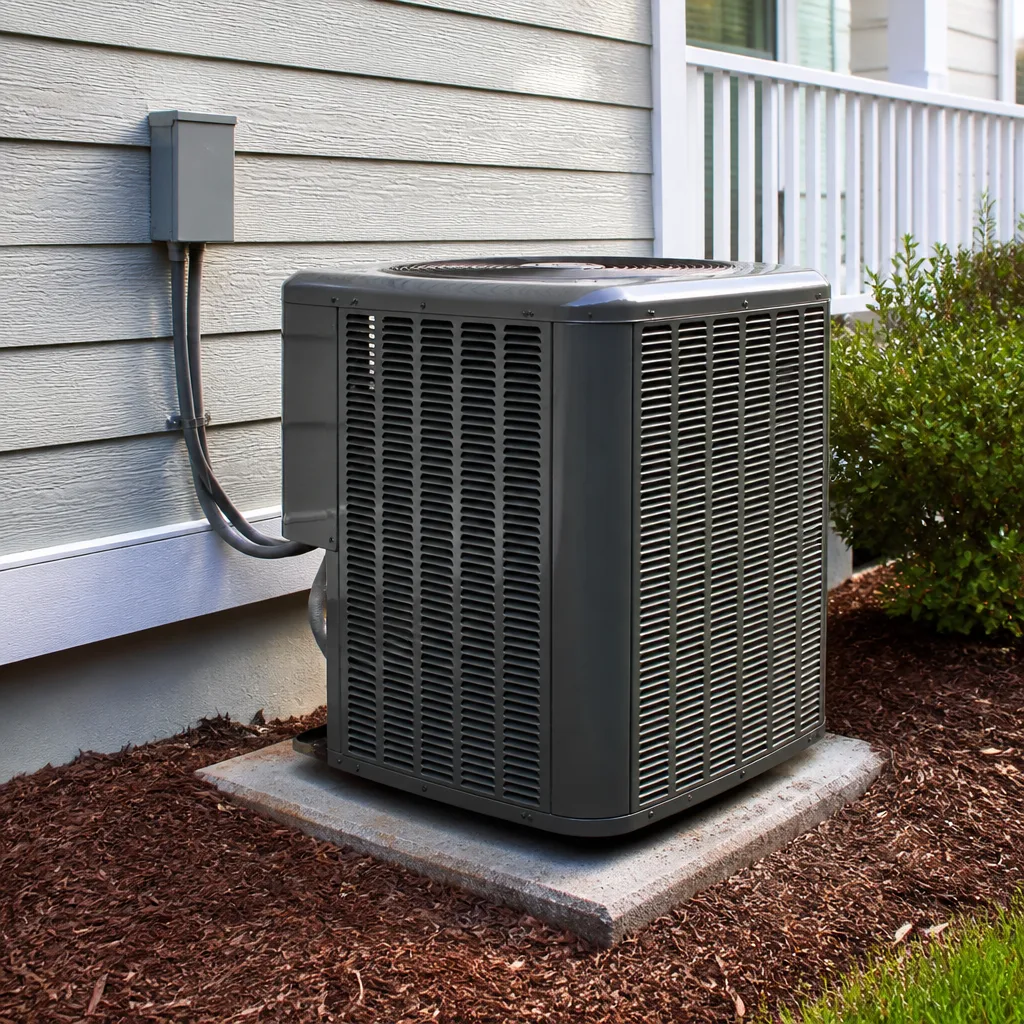 Goodman
Seasonal tune-up and full diagnostic on your Carrier, Trane, or Goodman system - readings shown to you before any repair is proposed
Diagnosis first, numbers second - you approve the repair price before a single part goes in.
Get your free estimateDIY vs Professional Heat Pump & Mini Split: What’s Safe to Do Yourself
You can legally buy a pre-charged mini split at a big-box store in Sunrise Manor, mount it to your wall, and have it blowing cold air by Saturday night. You can also void your manufacturer’s labor warranty, put your homeowner’s insurance claim at risk, and end up paying twice. The line between those two outcomes isn’t about how handy you are. It’s about Nevada’s refrigerant rules, the electrical work most people underestimate, and what happens when a compressor fails in year two and nobody documented the install. Here’s the honest breakdown: what you can safely do, what you shouldn’t touch, and the actual math on both paths.
Styles & brands we work with
- AC repair
- Furnace & heating
- Heat pumps
- Ductless mini splits
- Carrier
- Trane
- Goodman
Quick Answer
Mounting the indoor and outdoor units, running the line set, and doing the basic electrical hookup of a pre-charged mini split is within reach for a careful homeowner in Nevada. Anything that involves connecting, brazing, or charging refrigerant is not, because federal EPA Section 608 rules and Nevada contractor law require licensed handling of the refrigerant circuit, and most manufacturers will deny a labor warranty without documented professional installation. Heat pump work that touches the refrigerant loop or the 240V circuit should go to a licensed pro.
Table of Contents
- Quick Answer
- What Nevada Law Actually Says About Refrigerant Handling
- What “Pre-Charged” Mini Split Systems Really Include (And Exclude)
- The 240V Circuit: Where Most DIY Projects Stop
- The Warranty Reality Nobody Explains Before You Buy
- The Real Cost Comparison: DIY vs Professional in Sunrise Manor
- Why Sunrise Manor’s Climate Changes the Calculation
- What’s Actually Safe to Do Yourself
- Common Mistakes to Avoid
- When to Call a Professional
- Frequently Asked Questions
What Nevada Law Actually Says About Refrigerant Handling
Most DIY guides you’ll find online were written for a generic American audience, and they skip the one thing that matters most in Nevada: refrigerant is a regulated substance, and the person who handles it needs to be certified under EPA Section 608. That’s a federal rule, but Nevada enforces it on the contractor side through state licensing requirements for anyone who touches HVAC refrigerant as a paid service. You as the homeowner can buy the equipment. You cannot legally pay an unlicensed person to install it, and if you do the refrigerant work yourself and something fails, you own the entire problem.
Here’s the part the tutorials leave out. A modern mini split arrives factory-charged with R-410A or R-32 refrigerant sealed inside the outdoor unit. When you connect the pre-flared line set and open the service valves, you’re releasing refrigerant into the system. That connection is the refrigerant work. Doing it correctly requires a torque wrench set to the manufacturer’s spec (typically 25 to 45 foot-pounds depending on line size), a vacuum pump to evacuate the line set before opening the valves, and a micron gauge to confirm the vacuum holds. Skip the vacuum and moisture stays trapped in the lines, which is the number one cause of compressor failure we see on DIY installs in Sunrise Manor.
In our experience, roughly four out of five homeowner-installed mini splits we’re called out to look at have one of three problems: a leaking flare connection, moisture in the refrigerant circuit, or an undersized electrical feed. None of these show up on day one. They show up in month 14, usually right after the warranty window closes.
What “Pre-Charged” Mini Split Systems Really Include (And Exclude)
“Pre-charged” sounds like the hard part is done. It isn’t. It means the outdoor unit already holds enough refrigerant for a specific line length, usually 25 feet, and the line set comes pre-flared so you don’t have to flare copper yourself. That’s a genuine advantage. But the job still includes a lot more than hanging two boxes on a wall.
Here’s what’s actually in the box versus what’s still on you:
- Included: factory-charged outdoor unit, pre-flared line set, indoor head unit, mounting bracket, remote, drain hose, and basic installation hardware.
- Not included: the 240V dedicated circuit and disconnect (an electrician’s job), a line set cover kit to protect the copper from UV and weather, mounting pad or wall bracket for the outdoor unit, condensate pump if gravity drainage isn’t possible, and any additional refrigerant if your line run exceeds the factory charge length.
- Also not included: the vacuum pump, micron gauge, torque wrench, flaring tools, and nitrogen regulator that a proper install requires. Rentals run $80 to $150 per day at most equipment yards, and that’s before you learn to use them correctly.
For a Sunrise Manor homeowner looking at a 12,000 BTU Goodman or Rheem unit, that tool rental and the missed details add up fast. We’ve seen DIY installs where the line set ran 40 feet without added refrigerant, which starves the compressor and shortens its life. The math in the factory manual matters, and it’s in the manual for a reason.
The 240V Circuit: Where Most DIY Projects Stop
The single most common place a DIY mini split project stops is the electrical panel. A typical single-zone mini split pulls 15 to 25 amps on a dedicated 240V circuit, and most Sunrise Manor homes built before 1995 have a panel that’s already near capacity. Adding a new circuit means opening the panel, installing a double-pole breaker, running 10-gauge or 12-gauge wire through conduit to a disconnect box near the outdoor unit, and bonding the equipment ground correctly.
This is where a licensed electrician starts, and it’s not a step to shortcut. Nevada requires permits for new electrical circuits in most jurisdictions, and an unpermitted circuit is a real problem at resale and a real problem if there’s ever a fire. A licensed electrician in the Sunrise Manor area typically charges $400 to $900 for a dedicated mini split circuit depending on panel distance and whether a subpanel is needed. If your panel is full, add another $600 to $1,500 for a subpanel or service upgrade.
A few things we always check before quoting a mini split circuit: available breaker space, service amperage (100A vs 200A), whether the panel has been updated since the home was built, and whether the outdoor unit location has a code-compliant disconnect within sight. Undersized conductors and missing disconnects are the two most common code failures we find on DIY mini split installs around Sunrise Manor. An inspector will flag both.
The Warranty Reality Nobody Explains Before You Buy
Manufacturers like Trane, Lennox, Goodman, and Rheem almost universally require documented professional installation for their labor warranty to apply. The parts warranty (usually 5 to 10 years on the compressor) sometimes survives a DIY install if the unit was registered correctly after purchase, but the labor portion (which covers the technician’s time to actually replace the failed part) typically does not. That’s the piece most homeowners don’t understand until it matters.
What that costs you if the compressor fails at year two on a DIY install: the compressor itself may be covered, but a compressor swap runs $1,200 to $2,200 in labor, refrigerant recovery, and recharge in the Sunrise Manor market. On a professional install, that labor is covered. On a DIY install, you eat it. If the failure traces back to improper evacuation or a leaking flare, you may also be told the parts warranty doesn’t apply either, because improper installation is an exclusion.
Registration is the other gotcha. Many manufacturers require the unit to be registered online within 60 days of installation to get the full warranty term, and they want the installing contractor’s name and license number on that registration. Skip it and your 10-year compressor warranty drops to 5. Nobody reads that line in the manual. We do, every time, because it’s part of the job.
The Real Cost Comparison: DIY vs Professional in Sunrise Manor
This isn’t a piece designed to steer you toward hiring someone. It’s the actual math, including the parts most DIY budget spreadsheets forget. Here’s a realistic comparison for a single-zone 12,000 BTU mini split install in Sunrise Manor:
- DIY total:
- Equipment (Goodman or Rheem, 12K BTU): $900 to $1,400
- Electrical permit and licensed electrician for 240V circuit: $400 to $900
- Tool rental (vacuum pump, micron gauge, torque wrench): $80 to $150
- Line set cover, pad, mounting hardware, condensate pump: $100 to $250
- Installation permit (required in most Sunrise Manor-area jurisdictions): $75 to $200
- Your time: two weekends, minimum, if all goes right
- Total: $1,555 to $2,900, before any repair if something fails
- Professional total:
- Equipment plus licensed installation: $2,800 to $4,200 all-in for a single zone
- Includes documented evacuation, commissioned start-up, warranty registration, and the 90-Day Done Right Promise
- No tool rental, no permit paperwork, no second trip when something leaks
The gap is real, usually $1,200 to $1,400. What closes it is the warranty labor you don’t pay for at year two, the compressor life you extend by proper evacuation, the permit that keeps your insurance valid, and a written guarantee on the work. For a homeowner who plans to stay in the house past five years, the math usually tips toward professional. For a homeowner adding a single zone to a garage they’ll sell with the house in two years, DIY can work if the electrical is done by a licensed electrician and the refrigerant side is done by someone certified.
Our team will give you a written estimate with the exact line items before any work starts. If you’ve already got a quote from another company, we’ll do a free second opinion on any written estimate for heat pump and mini split work in Sunrise Manor. No trip charge inside the county.
Why Sunrise Manor’s Climate Changes the Calculation
Sunrise Manor runs hotter and drier than most of the country, and that changes what fails first on a mini split. Summer design temperatures here routinely hit 108 to 112 degrees, and the outdoor unit is running full-load for weeks at a time. Any small inefficiency from a DIY install (moisture in the lines, a slightly under-torqued flare, insufficient refrigerant for a long line set) that would be a slow problem in a mild climate becomes a compressor failure in three summers here.
Dust is the other factor. Sunrise Manor sees regular wind events that load the outdoor coil with fine desert dust, and a mini split that’s mounted too low or not pitched correctly for drainage will clog and ice up. We see this most often on installs where the outdoor unit was set on cinder blocks without a proper pad, or where the line set was run without a UV-rated cover and the insulation has baked off after two summers. Professional install specs in this climate call for the outdoor unit at least 12 inches off the ground, pitched for drainage, with a UV-rated line set cover.
If you’re comparing a heat pump system for the whole house rather than a single mini split zone, the same climate math applies but the stakes go up. You can see how we handle home comfort across Sunrise Manor for the broader picture, and our heating and furnace work in Sunrise Manor runs into the same dust and heat realities during shoulder season.
What’s Actually Safe to Do Yourself
There’s a real list of things you can do without breaking the law, voiding a warranty, or creating a hazard. Here’s the honest version:
- Site selection and mounting. Picking the wall for the indoor head (ideally 7 to 8 feet up, away from direct sun, in the room’s best air-mixing position) is a decision you’re qualified to make. Bolting the bracket to studs is too.
- Running the line set and drain hose through the wall. If you’ve got an accessible wall cavity, running the pre-flared line set and the condensate drain to the outdoor unit is standard carpentry-adjacent work. Protect the copper with a UV-rated cover.
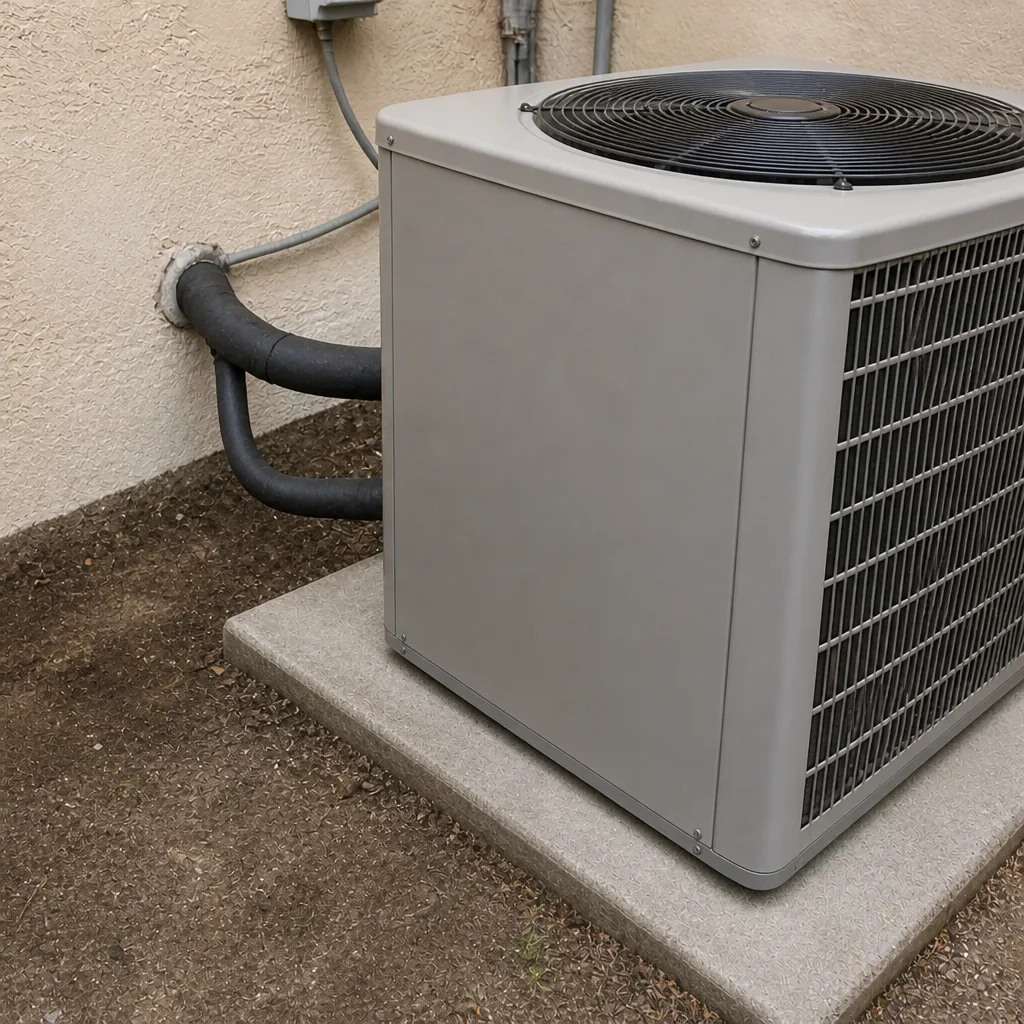
- Setting the outdoor unit on its pad. Level, 12 inches off the ground, away from recirculating exhaust, with proper clearance for airflow per the manufacturer’s manual. That’s a two-person weekend task.
- Hiring and coordinating the trades. You can absolutely manage the project: book the electrician, book the licensed HVAC technician for the refrigerant connection and commissioning, schedule the inspection. That’s project management, not unlicensed work.
- Post-install maintenance. Filter cleaning, coil rinsing, and clearing the drain line are yours to own forever. That’s true whether you install it or we do.
What you should not do yourself, no matter how many tutorials you watch: braze or flare refrigerant connections, evacuate the system, open the service valves, charge the system, or touch anything inside the electrical panel. Those are the four lines that separate a homeowner project from a licensed-trade job in Nevada.
Common Mistakes to Avoid
- Skipping the vacuum pump. Pulling a vacuum isn’t a formality. It’s how you remove moisture and non-condensables from the line set. In our experience, skipping this step is the most common cause of a mini split that cools great for 14 months and then stops. Desert humidity gets into the lines, combines with refrigerant oil, and destroys the compressor.
- Under-torquing or over-torquing the flare connections. Too loose and it leaks. Too tight and you crack the flare. Both fail quietly and both void the warranty. There’s a factory spec for each fitting and it’s measured, not eyeballed.
- Running the line set too long without adding refrigerant. Factory charge covers a specific length, usually 25 feet. Every foot beyond that needs additional refrigerant by weight, and a Sunrise Manor install that runs 40 feet without the add will starve the compressor. The manual has the math. Most people skip it.
- Ignoring the 240V circuit properly. Cutting into an existing circuit or plugging into a 120V outlet is a fast path to tripped breakers, cooked wiring, or a fire. A mini split needs its own circuit and its own disconnect at the outdoor unit. No exceptions.
- Mounting the outdoor unit at ground level in a dust-prone area. Sunrise Manor’s wind-driven dust is hard on coils. A unit sitting on bare ground pulls in grit, clogs the condenser fins, and loses capacity every summer. Set it on a proper pad, 12 inches up, with clear airflow.
- Forgetting to register the warranty. The manufacturer registration is due within 60 days of installation in most cases, and it asks for the installing contractor’s license number. Skip it and your 10-year compressor coverage drops to 5. That’s real money at year six.
- Doing the refrigerant side yourself because the box said “pre-charged.” The line set connection is the refrigerant work. Opening the service valves is releasing refrigerant. It’s regulated. If you do it and something fails, your insurance claim on the resulting damage is very likely to be denied. That’s not a scare tactic, it’s the actual coverage language.
When to Call a Professional
Call a professional the moment your project involves any of these: a refrigerant connection, a new electrical circuit, a brazed joint, a charge adjustment, a heat pump rather than a straight AC unit, a multi-zone system, or a home over 20 years old where the panel capacity is uncertain. Also call if you’re replacing an existing system rather than adding a first one, because the removal and recovery of the old refrigerant is regulated work. Any system where the compressor is over a certain size also typically requires a permit and inspection in Sunrise Manor and the surrounding county, and that inspection wants a licensed contractor’s signature.
If you’ve already got a DIY install that isn’t working right, or you’re weighing a professional quote against doing it yourself, reach out. Ray’s Heating & Air Sunrise Manor offers free estimates in Sunrise Manor. Call (877) 311-5951 and we’ll walk through the full picture, including a second opinion on any written quote you’re holding. Readings first, numbers second.
Frequently Asked Questions
You can install the mechanical parts (mounting, line set routing, setting the outdoor unit) yourself, but the refrigerant connection and evacuation require EPA Section 608 certification, and any paid installer must hold a Nevada contractor’s license. Most homeowners hire a licensed electrician for the 240V circuit and a certified HVAC technician for the refrigerant side and commissioning, then take on the mechanical work themselves. That’s a legal, warranty-safe middle path.
No. “Pre-charged” refers to the factory refrigerant already inside the outdoor unit, not to the connection work. When you connect the pre-flared line set and open the service valves, you’re releasing refrigerant into the circuit, and that’s the regulated step. Federal EPA rules apply to anyone handling refrigerant. Nevada adds licensing requirements for paid work. For an exact scope on your install, call (877) 311-5951 – estimates are free.
Partially. The parts warranty (compressor and major components) may survive a DIY install if the unit was registered correctly, but the labor warranty almost always requires documented professional installation. So if the compressor fails at year two, the part may be free and the $1,200 to $2,200 of labor to swap it is on you. Improper installation (bad evacuation, leaking flare, wrong charge) is often excluded entirely, which can void both coverages. Call us before you buy the box if you’re unsure – (877) 311-5951, free estimate.
Professional single-zone mini split installation in Sunrise Manor typically runs $2,800 to $4,200 all-in, including equipment, the electrical circuit, permit, and commissioning. Multi-zone systems run $6,000 to $11,000 depending on head count and line set complexity. DIY can trim the equipment cost but usually adds tool rental, electrician, and permit fees that close most of the gap. Call (877) 311-5951 for an exact written quote.
Skipping the vacuum pump. Evacuating the line set before opening the service valves is the step that removes moisture and non-condensables, and it’s the one DIY guides tend to gloss over because it requires a $300 tool. In our experience, moisture left in the circuit is the single most common cause of premature compressor failure on homeowner installs in Sunrise Manor. Fix it at install time and the system lasts a decade. Skip it and you may be looking at a compressor by year three.
Yes. We get calls like this regularly. If you’ve done the mechanical work and need the refrigerant connection, evacuation, and commissioning handled by someone certified, we can pick up there. If you’ve also got an electrical circuit we need to verify or an inspection sign-off, we can coordinate that too. Call (877) 311-5951 – the second opinion is free and the trip is free inside the county.
The Bottom Line
DIY mini split installation in Nevada is legal at the edges and risky in the middle. The mounting, the line set routing, the outdoor unit placement, the project management, all of that is genuinely within reach for a careful homeowner. The refrigerant side, the electrical panel side, and the warranty registration side are not, and the YouTube tutorials that skip those steps are the ones that leave people paying twice. Our recommendation for most Sunrise Manor homeowners: keep the mechanical work if you want to save money, but hire the electrician and the licensed technician for the refrigerant connection. Then register the warranty the same week and hold onto the paperwork. That combination is legal, insurable, and covered. Read more about our full AC repair and installation work in Sunrise Manor if you’re weighing the whole-home option alongside a mini split.
If you’re planning a heat pump or mini split install in Sunrise Manor or anywhere in the county, call us at (877) 311-5951 for a free estimate. We’ll show you the readings, we’ll walk you through the numbers before any work starts, and if it’s not done right, one call brings Ray back. Every job carries the 90-Day Done Right Promise in writing.
Written by the team at Ray’s Heating & Air Sunrise Manor.
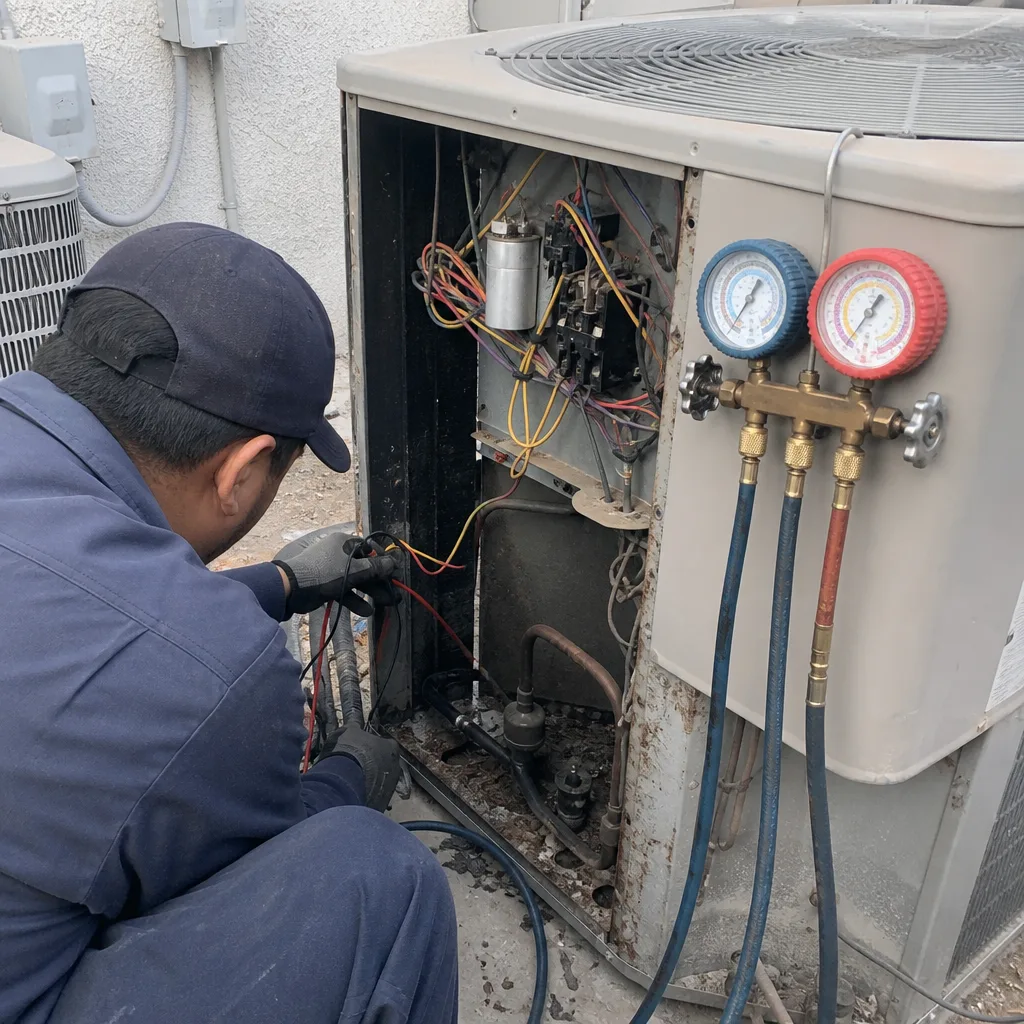
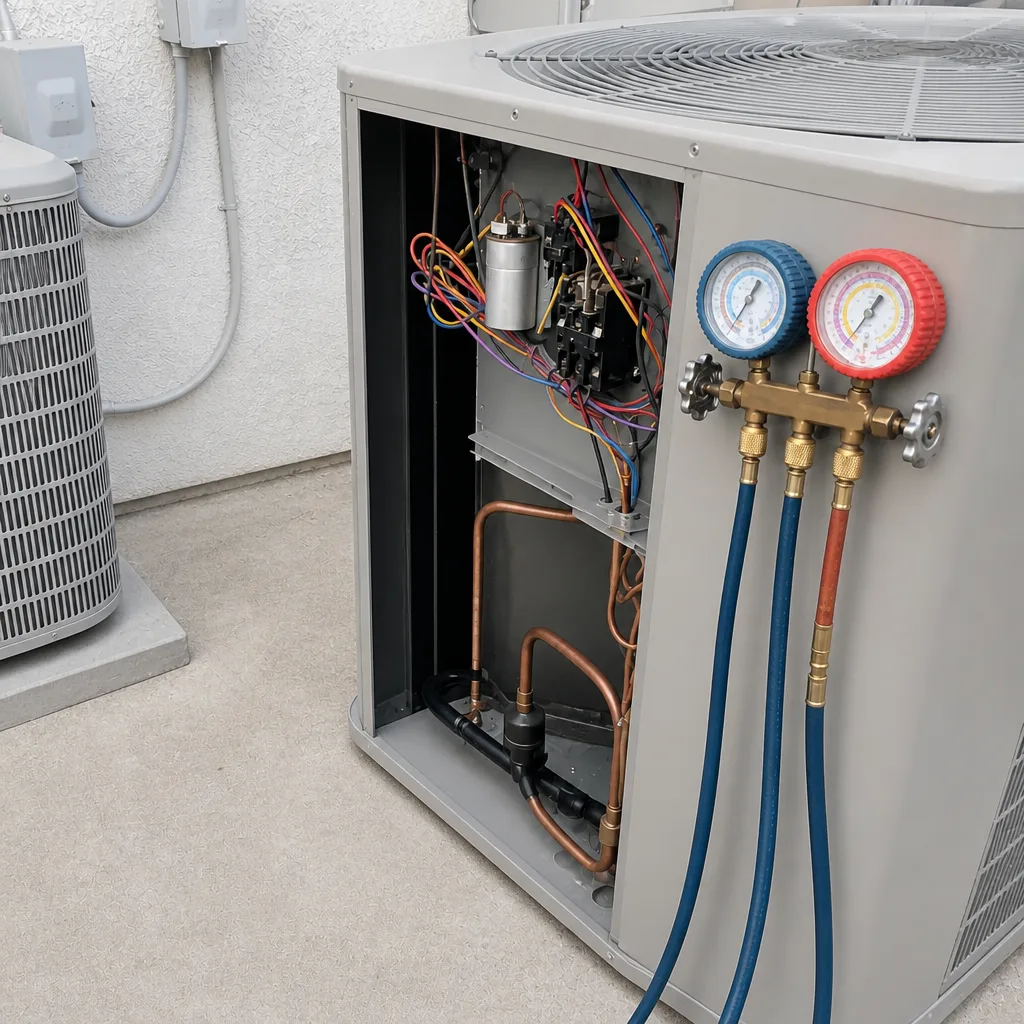
See the difference
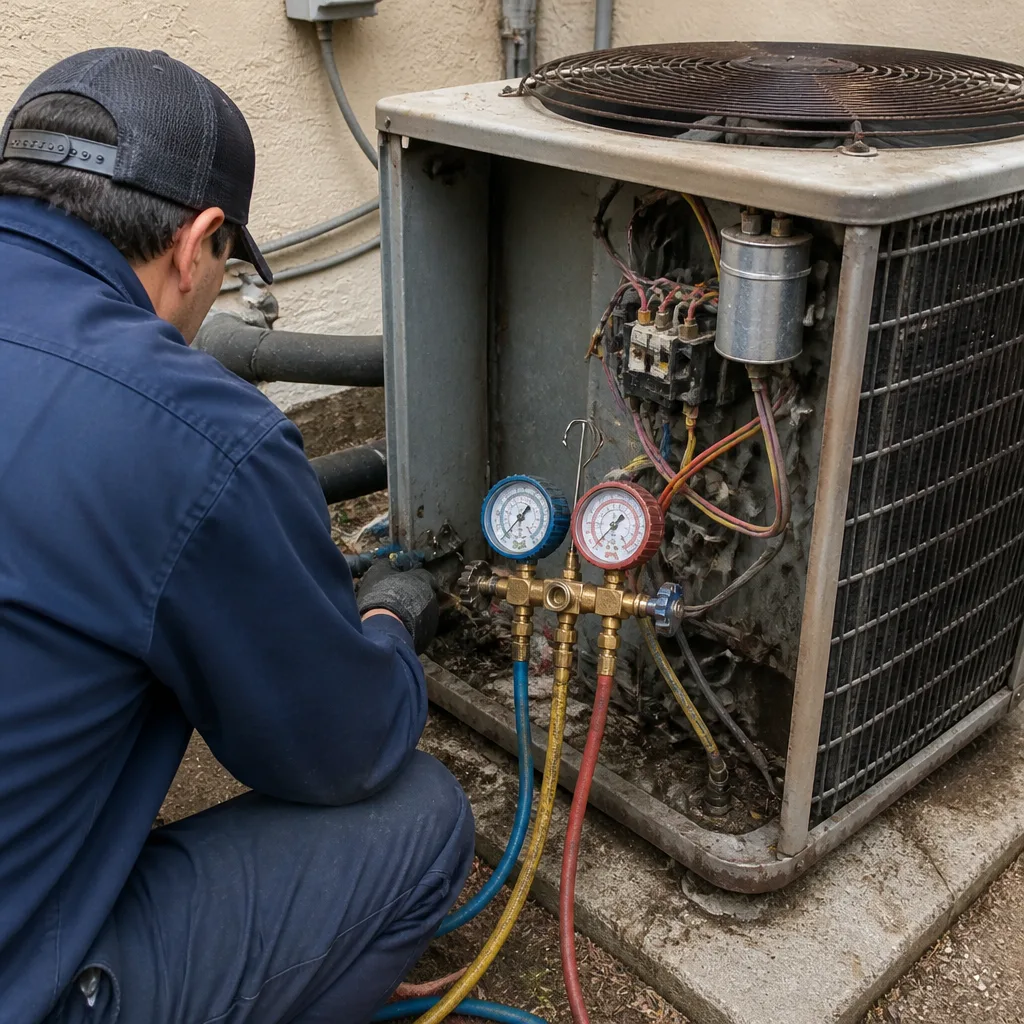 Before
 After
 Before
 After
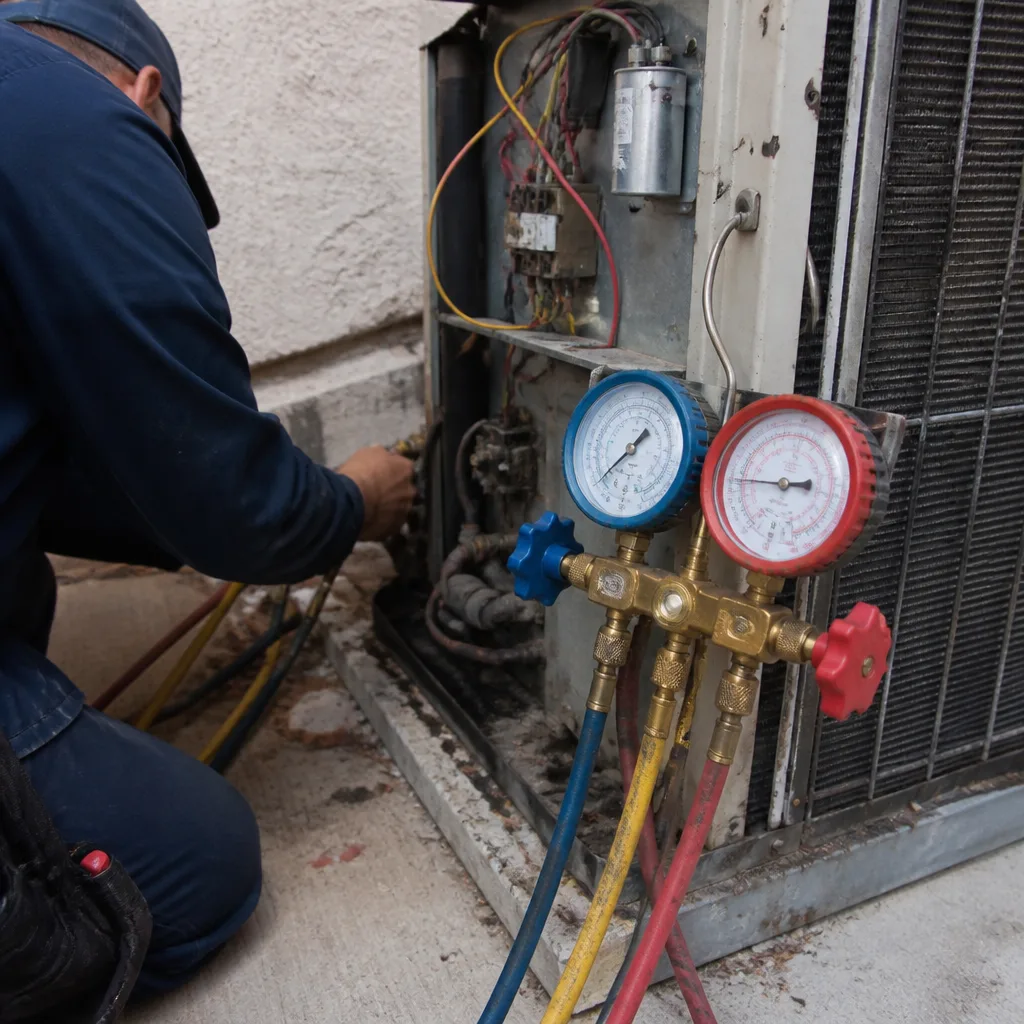 Before
 After