
Last updated November 18, 2026
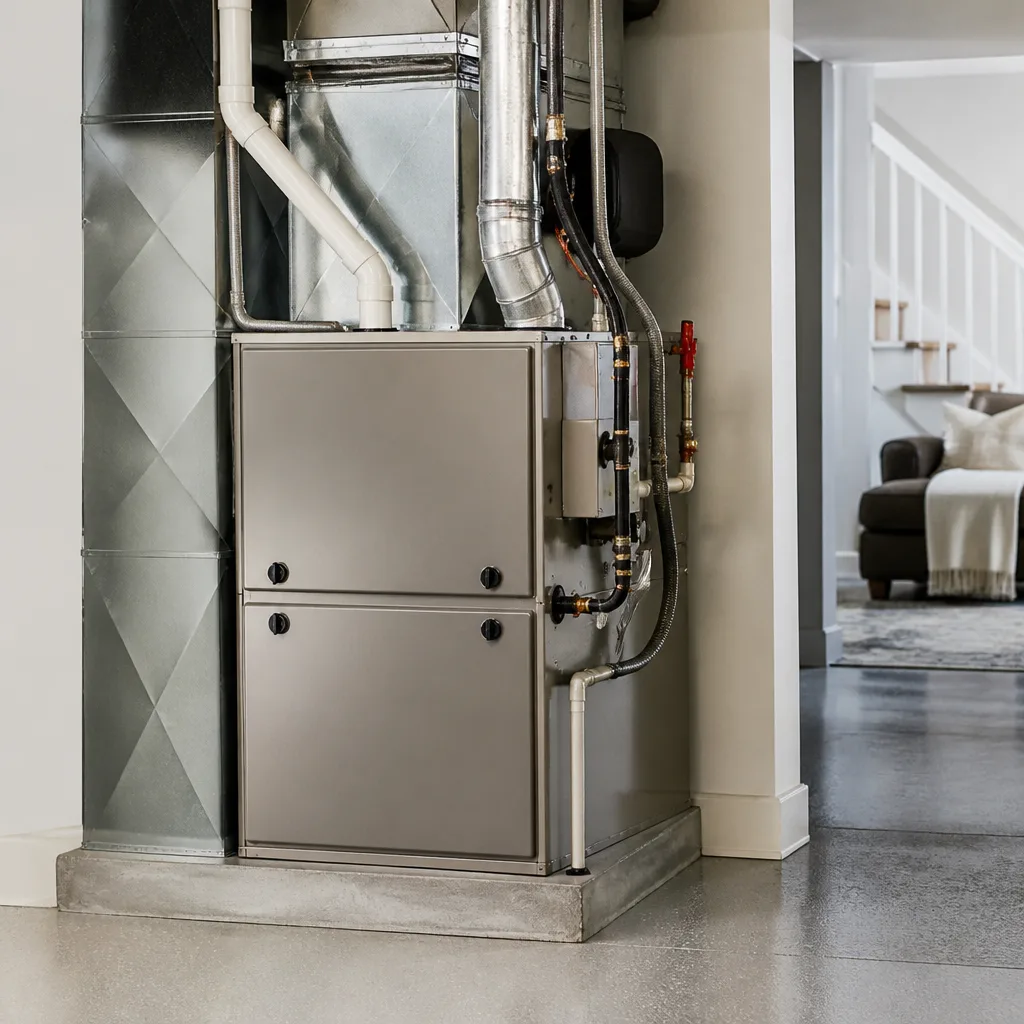 Furnace & heating
 AC repair
 Heat pumps
 Ductless mini splits
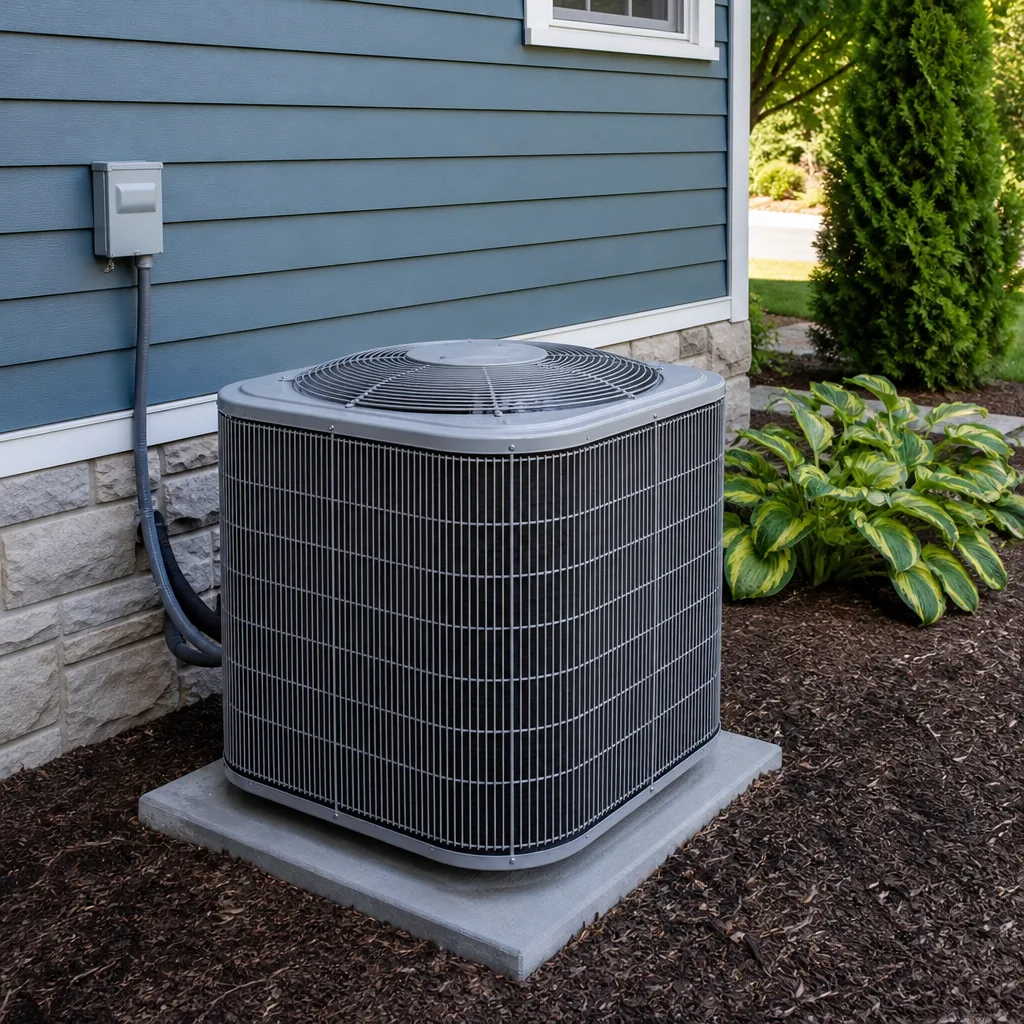 Carrier
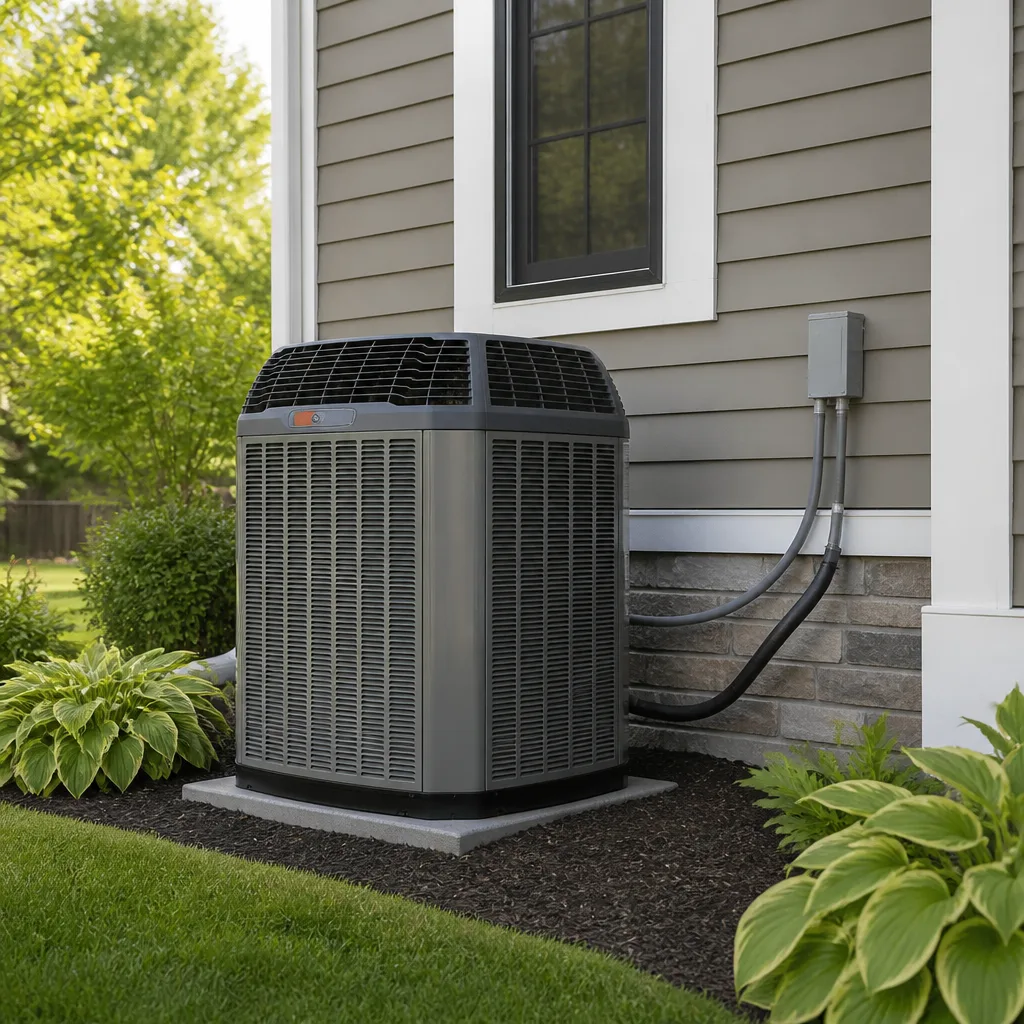 Trane
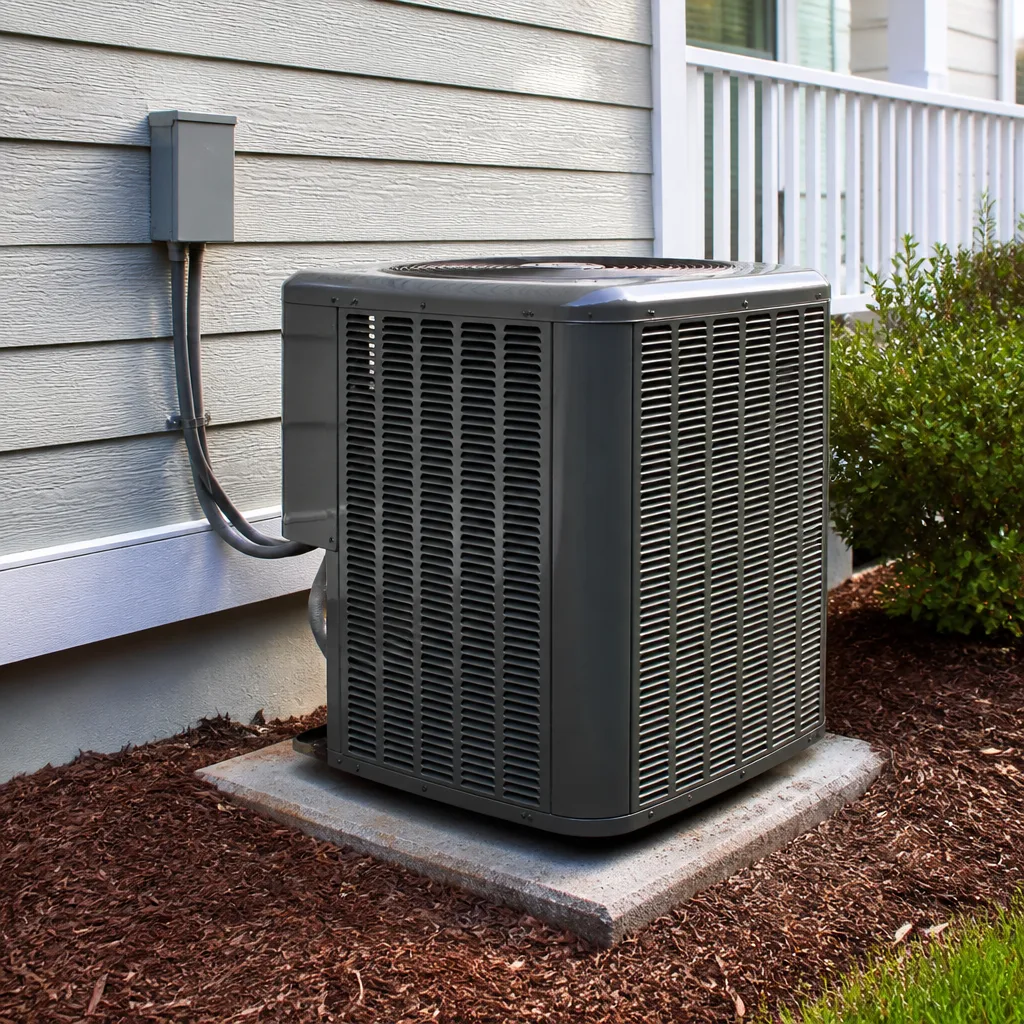 Goodman
Seasonal tune-up and full diagnostic on your Carrier, Trane, or Goodman system - readings shown to you before any repair is proposed
Diagnosis first, numbers second - you approve the repair price before a single part goes in.
Get your free estimateDIY vs Professional Heating & Furnace: What’s Safe to Do Yourself
Replacing a thermostat is a 20-minute job that saves you a service call. Replacing a gas valve without a license in Nevada is a crime and a potential house fire. The gap between those two tasks is not obvious from a YouTube thumbnail, and that gap is exactly where people get hurt or get cited. We’ve pulled into a lot of Sunrise Manor homes where a homeowner meant well and stopped halfway through a furnace repair, and the honest answer about DIY heat is more useful than a blanket “don’t touch it.” This guide draws a clear line: what you can legally and safely handle, what requires a licensed professional, and why the line sits where it does. You’ll leave knowing the six safe jobs, the three off-limits ones, the heat exchanger rule, and the repair-versus-replace formula we actually use.
Quick Answer
Safe DIY furnace tasks include replacing the air filter, swapping a thermostat, cleaning accessible burners, resetting the system after a lockout, and clearing debris from vents and the flue area. Anything involving the gas line, gas valve, or heat exchanger is not a DIY job in Nevada – gas work legally requires a licensed contractor, and a cracked heat exchanger can let combustion gases into your home. If you smell gas, hear a boom, or see a cracked exchanger, stop and call (877) 311-5951.
Styles & brands we work with
- AC repair
- Furnace & heating
- Heat pumps
- Ductless mini splits
- Carrier
- Trane
- Goodman
Table of Contents
- Where the DIY line sits: combustion changes everything
- What Nevada law actually allows homeowners to touch
- The safe DIY list for furnaces (with real procedures)
- Why cleaning a flame sensor is fine and touching a gas valve isn’t
- Cracked heat exchangers: the one repair that is never DIY
- Repair or replace? The age-and-cost formula we use
- Sunrise Manor specifics: dust, desert swings, and older equipment
- Common mistakes to avoid
Where the DIY line sits: combustion changes everything
Air conditioning and heating are not the same animal from a DIY standpoint. A failed AC capacitor might leave you hot and annoyed. A failed gas connection on a furnace can fill a closet with gas or push carbon monoxide into a bedroom. That’s why our answer to “can I do this myself?” starts with one question: does the task involve combustion, gas, or the heat exchanger? If no, you probably can. If yes, put the wrench down.
The three categories look like this:
- Safe for most homeowners: filters, thermostats, accessible burner cleaning, system resets, vent clearing.
- Gray zone – skilled but not deadly: flame sensor cleaning, blower cleaning if you’re comfortable around moving parts and can kill power correctly.
- Off-limits: gas valve work, gas line connections, heat exchanger inspection-and-repair, anything requiring you to break a gas union.
The gray-zone flame sensor is the one we get the most questions about, and it’s legitimate. The off-limits list is off-limits for reasons that have nothing to do with your skill level – mechanical and legal reasons we’ll get into. If your furnace is doing something strange and you’re not sure which bucket the job falls in, start with our Heating & Furnace service in Sunrise Manor page or just call and describe it.
What Nevada law actually allows homeowners to touch
Nevada regulates gas work for a reason. Under Nevada Revised Statutes, work on gas piping and gas appliances that connects to the gas supply is reserved for licensed contractors – a homeowner pulling a gas valve or re-piping a connection without the proper license is exposing themselves to citations and, worse, an unpermitted gas leak. A homeowner can service their own equipment in the sense of maintenance and non-gas components, but the moment the task requires breaking a gas connection, that’s licensed work.
Practically, that means:
- You can change filters, swap thermostats, clean accessible burners, reset the unit, and clear vents and registers.
- You can clean a flame sensor, because it doesn’t require touching the gas valve or gas line.
- You cannot legally replace or adjust a gas valve, reconnect a gas line after a move or remodel, or do anything that breaks the gas union – that requires a licensed contractor.
- You should never open the sealed combustion path or attempt a heat exchanger repair; beyond the safety issue, an improper repair can void insurance coverage on a gas appliance.
In Sunrise Manor we see a fair amount of older housing stock where previous owners did their own gas work, and we’ve opened panels on units where the connection wasn’t properly sealed or tested. It’s one of the reasons we insist on reading pressures and testing before we quote anything. If you’ve inherited a furnace with a suspicious history, the Ray’s Heating & Air Sunrise Manor home page is the place to start.
The safe DIY list for furnaces (with real procedures)
Here’s the list we actually hand people. Each of these is something you can do this weekend without special tools or a license.
- Replace the air filter. Kill the furnace at the thermostat or breaker. Find the filter slot (usually on the return duct or in a side panel). Note the size stamped on the old filter, slide it out, and slide the new one in with the airflow arrow pointing toward the furnace. In dusty Sunrise Manor summers, check monthly and change every 1-3 months.
- Swap a thermostat. Turn off the furnace breaker. Photograph the wire terminals before you disconnect anything. Label the wires with the terminal letters. Mount the new thermostat base level, reconnect wire-for-wire, and restore power. Program it and test heat and fan separately.
- Clean accessible burners. With power and gas off at the service switch, remove the burner access panel. Vacuum loose dust with a brush attachment; don’t scrub or bend the burner ports. Reassemble exactly as removed and restore gas and power. If you’re not sure the panel sealed correctly, get it checked.
- Reset the system after a lockout. Many furnaces lock out after several failed ignition attempts. Turn the thermostat to off, kill power at the switch for 30 seconds, restore power, and set to heat. If it locks out again, don’t keep resetting – that’s a symptom, not a fix.
- Clear vents and returns. Make sure no furniture, rugs, or storage blocks supply registers or the return grille. In closets, keep the furnace’s combustion air openings clear.
- Check the flue area for visible debris. Look (don’t disassemble) at the vent connector for rust flakes, bird nests, or sagging. If you see anything unusual, stop and call.
That’s six jobs you can own. Everything past that point is where the stakes change.
Why cleaning a flame sensor is fine and touching a gas valve isn’t
The flame sensor is a small metal rod that sits in the burner flame and tells the control board the burners lit. Over a season it collects a thin oxide film, which makes the board think the flame went out, which shuts the gas off – that’s the “furnace starts, runs 30 seconds, shuts off, repeats” behavior a lot of Sunrise Manor homeowners describe in the first cold snap. Cleaning it is legitimate DIY because it’s a low-voltage sensor, not part of the gas path. Procedure:
- Turn off the furnace at the thermostat and the power switch; shut the gas off at the appliance valve for safety.
- Remove the burner access panel and locate the flame sensor (a single rod near the burner, held by one screw and one wire).
- Disconnect the wire and remove the screw. Wipe the rod gently with a fine abrasive pad or a dollar bill – no sandpaper gouging.
- Reinstall, reconnect, restore gas and power, and test. If the furnace still short-cycles, the sensor isn’t the problem – call us.
Now the gas valve. The gas valve is an electromechanical device that opens and closes the flow of gas into the burner manifold. It’s threaded into the gas line, calibrated to specific pressures, and tested after installation. Touching it means breaking a gas connection, working with a component calibrated for your exact appliance, and possibly creating a leak path you can’t see or smell reliably. The mechanical reason the line exists isn’t snobbery: a gas valve you install wrong doesn’t fail politely – it leaks into a closet and finds an ignition source. And in Nevada, it’s not legal for you to do it. That’s why we test the capacitor before anyone says the word compressor on the AC side, and it’s why we don’t hand out gas valve tutorials on the heating side.
Cracked heat exchangers: the one repair that is never DIY
The heat exchanger is the metal chamber where combustion happens and the blower pushes room air around the outside. If it cracks, combustion gases – including carbon monoxide – can mix with the air going into your rooms. This is the single repair we will not walk a homeowner through regardless of how handy they are, because you can’t see a hairline crack without proper inspection tools and you can’t seal one safely once you find it.
What a cracked exchanger actually looks like: a hairline crack near a bend or weld, rust streaks and pitting along the seam, a flame that lifts or rolls when the blower kicks on, sooty deposits in the burner area. You might notice a combustion smell, headaches or nausea in the household, or a CO detector chirping. None of those are proof – only a trained inspection is.
If you suspect it, don’t run the furnace to “test” it. Shut it off, open a window, and call. In Sunrise Manor, where winter nights still drop into the 30s, people are tempted to run a furnace they aren’t sure about. Don’t. Our team at Heat Pump & Mini Split in Sunrise Manor can also talk through alternatives if your furnace is beyond repair.
Repair or replace? The age-and-cost formula we use
The honest formula we use is simpler than what a salesman’s chart produces. Take the age of the unit and multiply by the repair cost. If the product is more than $5,000, replacement starts to make sense. That’s it – but the input matters. A $450 repair on a 6-year-old Bryant unit is $2,700, well under the line; keep it. A $900 repair on a 14-year-old unit is $12,600, well over; replacement is the honest answer.
The salesman’s formula differs in two ways. First, it usually weights toward replacement regardless of the math. Second, it assumes a fixed efficiency gain that doesn’t always pencil out for a small house or a mild climate. When we run the numbers with you, we show you the readings and the dollar figures and let you decide, and we’ll tell you plainly when a repair is the better call. If you’ve already got a written estimate from someone else, our free second opinion on any written estimate exists for exactly that moment.
A few real-world notes specific to Sunrise Manor:
- Units in this area often run older equipment that has been repaired several times; at that point the age-times-cost line is usually telling you the truth.
- Dust and desert grit shorten blower and burner life here, so a unit may act older than its age.
- If the same part has failed twice in one season, a quote to “replace the same part again” is a red flag – ask why the root cause wasn’t found.
Sunrise Manor specifics: dust, desert swings, and older equipment
Sunrise Manor is high-desert country: dry, dusty, and prone to swings from 100-degree summers to sub-freezing winter nights. That climate puts specific stress on heating systems. The dust clogs flame sensors and burner ports faster than in milder, wetter climates. The wide swing means furnaces that sat idle all summer get fired up in the first cold snap with a season of dust and spider webs inside – which is why so many “no heat” calls come in during the first week of cold weather here. The dry air cracks and shrinks rubber components and vent connectors over time.
Older neighborhoods here also carry a mix of original equipment and prior-owner work. We’ve seen furnaces in Sunrise Manor where a gas line was reconnected by a previous homeowner without a permit, and that shows up as a pressure reading that’s out of spec. It also means the honest answer to “can I DIY this?” depends on what’s already been done to the system. If you’re dealing with an older unit and want someone to look at it rather than guess, that’s a free estimate call. And if summer has you thinking about the other system in the house, our AC Repair & Installation in Sunrise Manor page covers the same DIY line on the cooling side.
Common mistakes to avoid
- Resetting a lockout over and over. A furnace that locks out repeatedly is telling you something is wrong – gas pressure, flame sensor, or the heat exchanger. Resetting it three times a night isn’t a fix; it’s a symptom.
- Doing your own gas connection after a remodel. Even if it looks easy, Nevada requires a licensed contractor for gas line work. An unpermitted connection can fail an inspection, void insurance, and leak.
- Cleaning the flame sensor with the wrong abrasive. Sandpaper leaves grit and can scratch the rod; use a fine pad or a dollar bill, and never bend the rod out of position.
- Ignoring a combustion smell or headache. In Sunrise Manor’s dry winter air, a combustion smell in the closet is easy to write off as “dust burning off.” If it doesn’t clear on the first heat cycle, get it checked, and don’t run the furnace to test it.
- Skipping the filter in dusty season. Here, a filter that’s good for three months in a wet climate can clog in six weeks. Check it monthly from October through March.
- Replacing the thermostat without killing the breaker. It’s a common mistake that blows a low-voltage fuse or the board. Power off, photograph the wires, label them.
- Believing a phone quote is a final price. A number given over the phone without anyone reading your system isn’t a price; it’s a guess. Upfront pricing means readings first, numbers second – you see both.
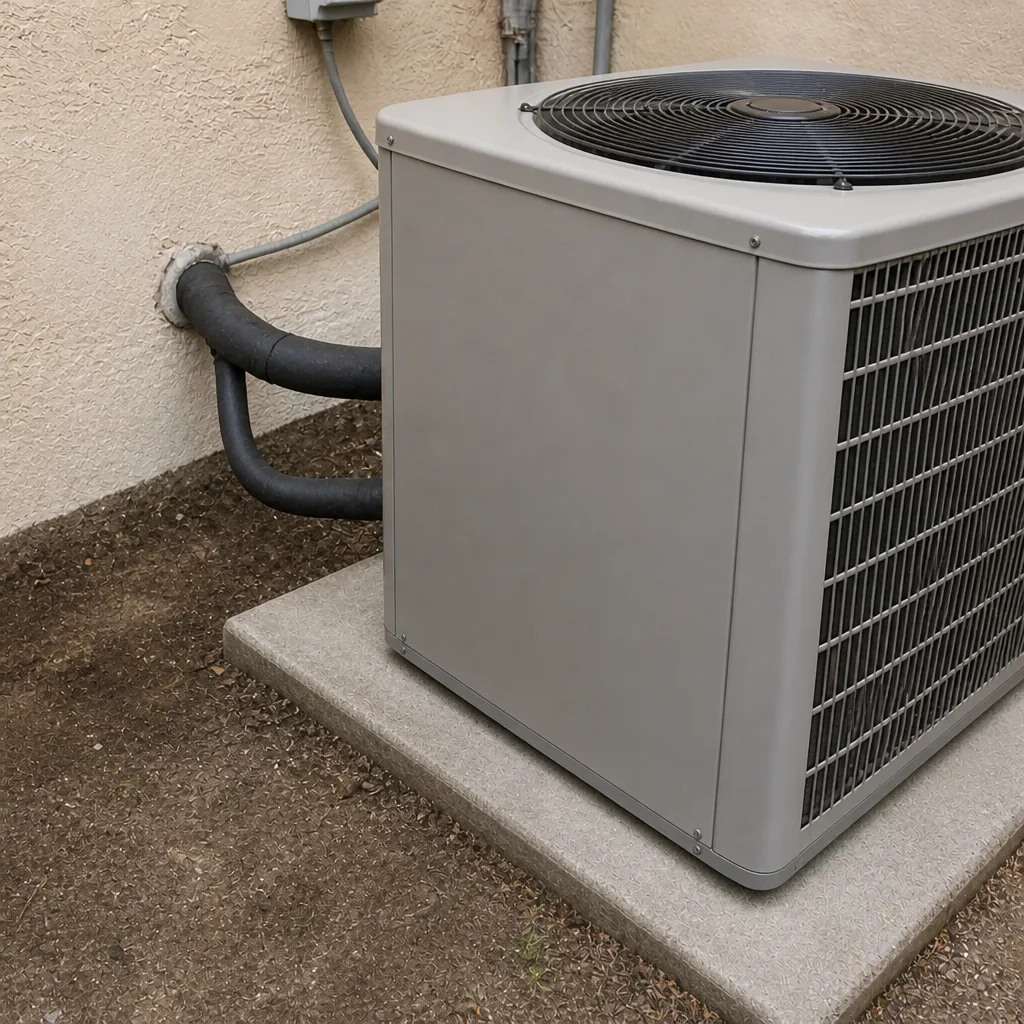
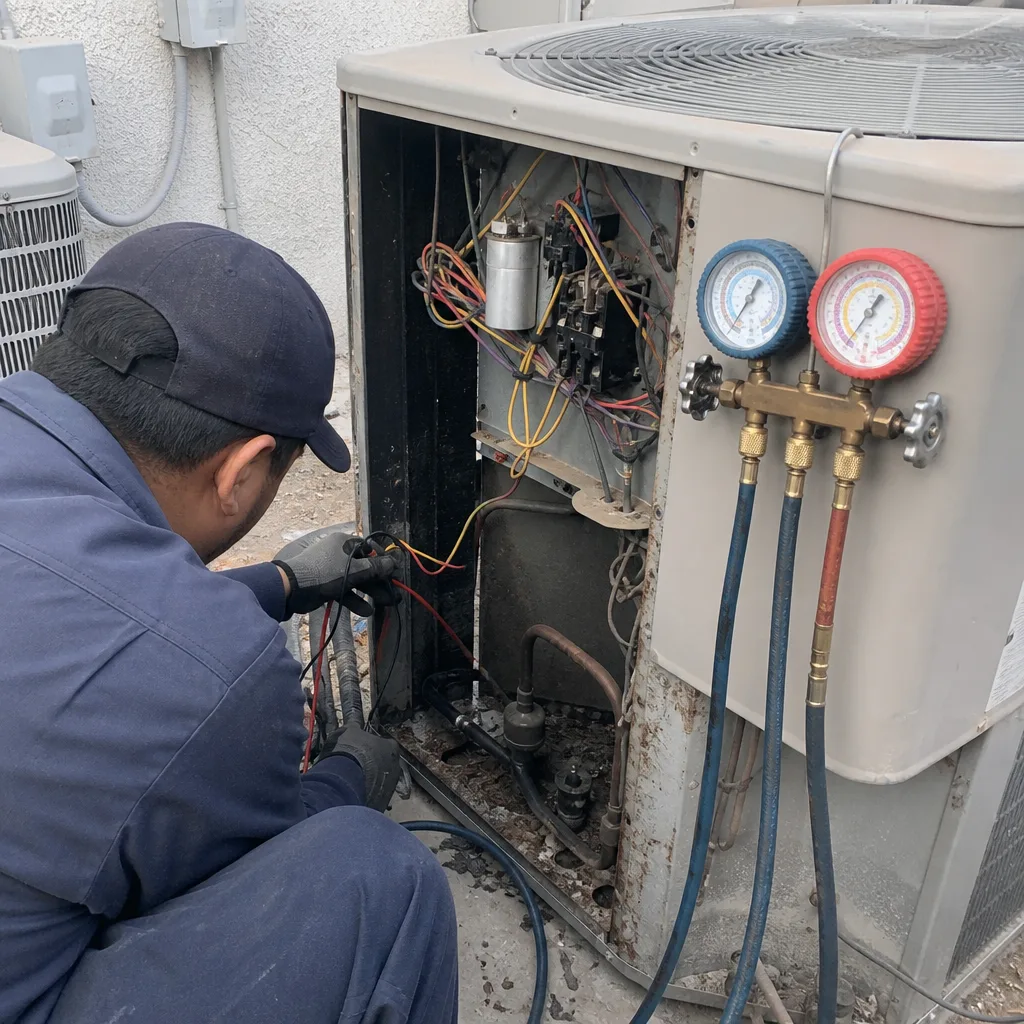
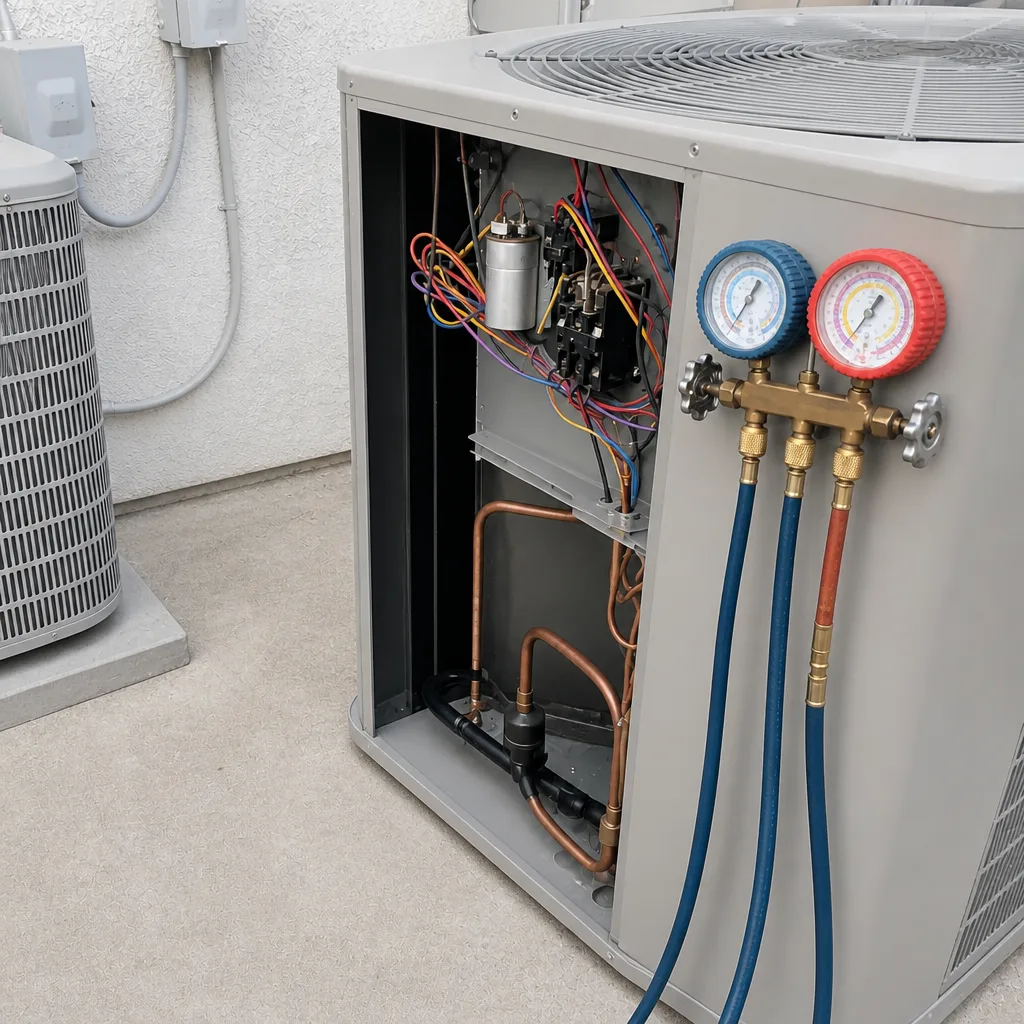
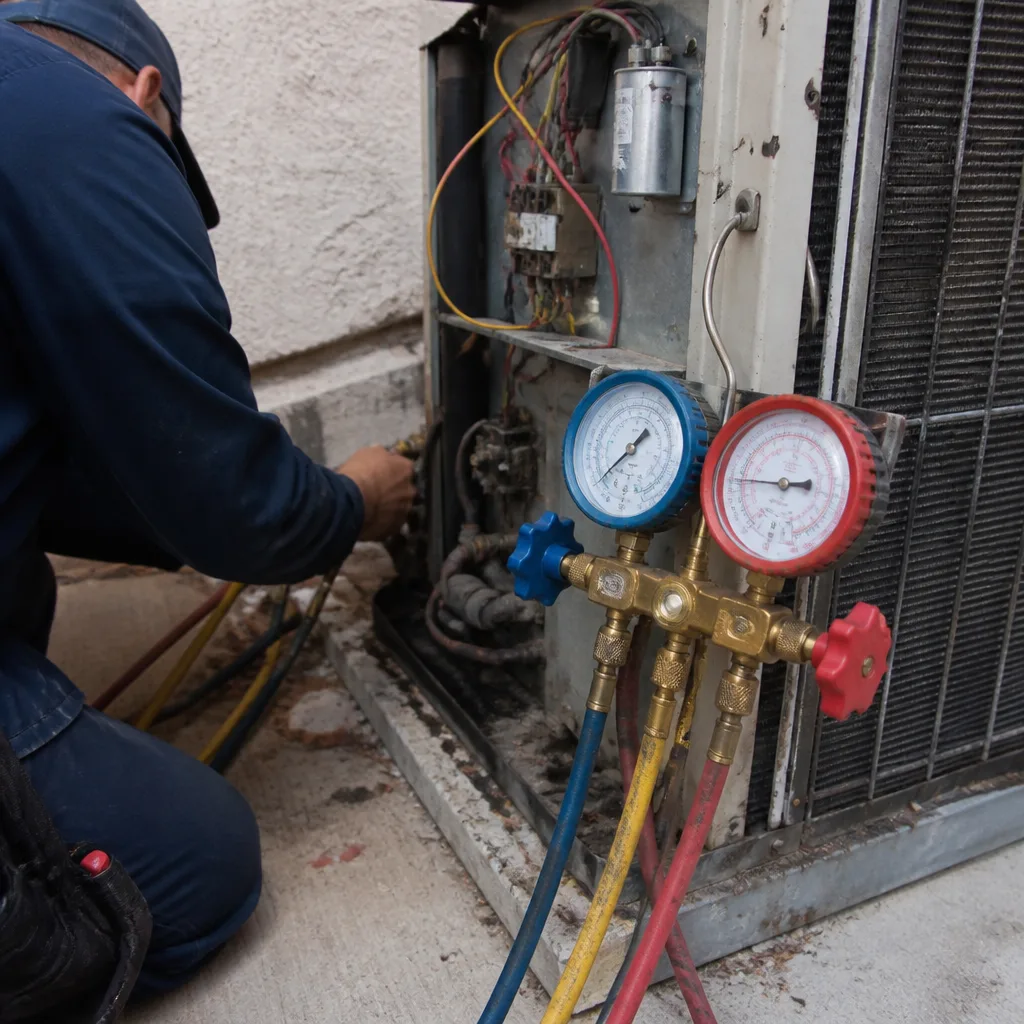
See the difference
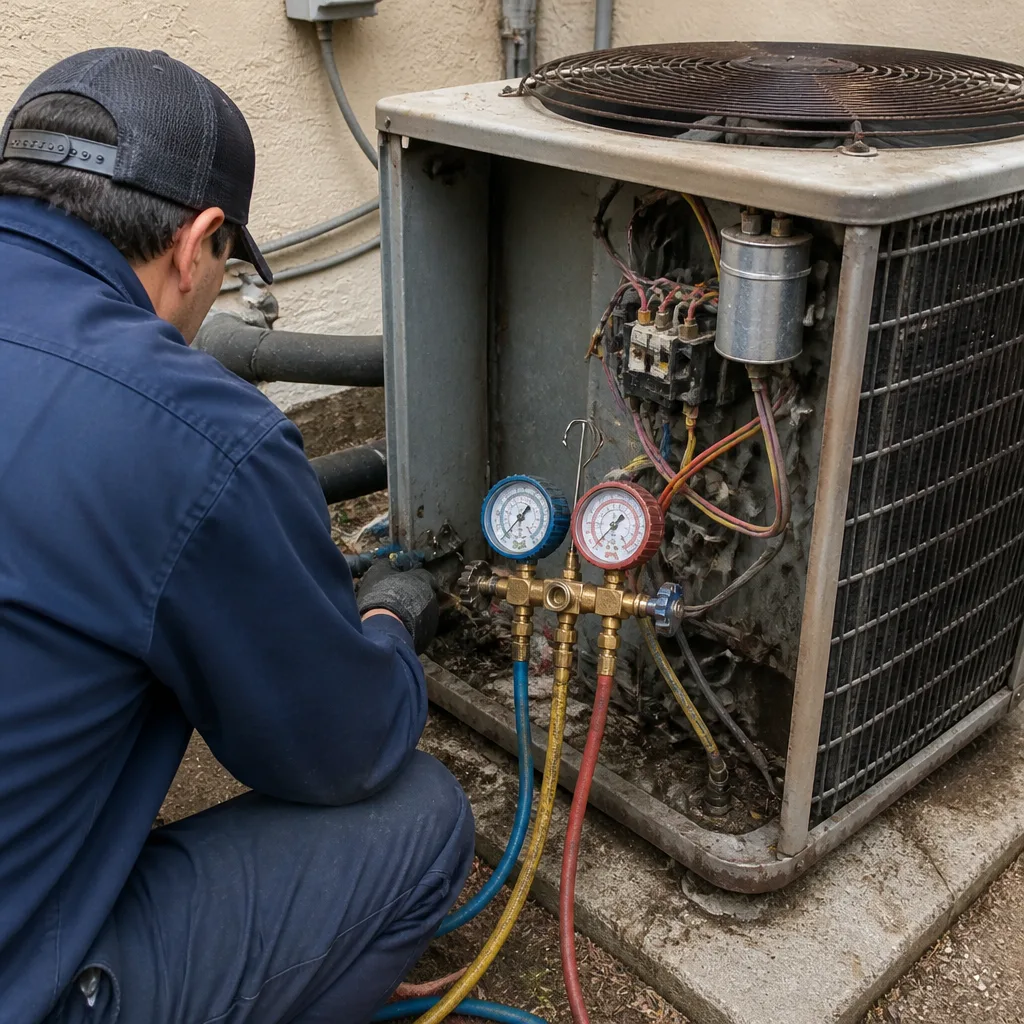 Before
 After
 Before
 After
 Before
 After
When to Call a Professional
Call us when any of the following is true: you smell gas or a combustion odor, your CO detector goes off, the furnace lockouts repeat, the flame looks lazy, lifting, or rolling, you see rust streaks or cracks in the exchanger area, the blower is noisy or seized, or you’re not sure which bucket your job falls in. Also call when the repair quote from someone else makes you uneasy – the free second opinion on any written estimate exists for exactly that moment. Ray’s Heating & Air Sunrise Manor offers free estimates in Sunrise Manor – call (877) 311-5951. A live person answers around the clock, including the owner, and there’s no trip charge inside the county. If it’s a “no heat” night, call now; the professional line is there precisely because combustion doesn’t wait.
Frequently Asked Questions
No. Gas valve replacement and gas line work require a licensed contractor under Nevada Revised Statutes, and it’s not legal for a homeowner to do it. Beyond the legal issue, an incorrectly installed gas valve can leak into a closet and find an ignition source, so this is one of the most dangerous DIY jobs on a furnace. Call (877) 311-5951 for a licensed estimate.
Yes, cleaning the flame sensor is one of the legitimate DIY tasks because it’s a low-voltage sensor, not part of the gas path. Turn off power and the gas appliance valve, remove the single screw, wipe the rod gently with a fine pad or a dollar bill, and reinstall. If short-cycling continues afterward, the sensor wasn’t the problem – call us.
You usually can’t, which is the point. Warning signs include rust streaks and pitting along seams, a flame that lifts or rolls when the blower starts, soot in the burner area, and unexplained headaches or a chirping CO detector. Don’t run the furnace to test it – shut it off, open a window, and call for an inspection.
Sometimes, and it’s worth trying once. Turn the thermostat to off, kill power at the switch for 30 seconds, restore it, and set to heat. If it locks out again, don’t keep resetting – repeated lockouts mean something is wrong, likely gas pressure, the flame sensor, or the exchanger. Call for a diagnosis.
Multiply the unit’s age by the repair cost, and if the product exceeds $5,000, replacement is worth considering. A $450 repair on a 6-year-old system is $2,700 (repair); a $900 repair on a 14-year-old system is $12,600 (replace). We’ll show you the math and the readings, and we’ll tell you when a repair is the honest call.
Yes, we work in Sunrise Manor and the surrounding area. There’s no trip charge inside the county, estimates are free, and we offer a free second opinion on any written estimate you’ve already received. Call (877) 311-5951 – a live person answers every call, day or night.
The Bottom Line
You can safely handle the six jobs on the DIY list for a furnace: filters, thermostats, accessible burner cleaning, system resets, vent clearing, and flame sensor cleaning. In Nevada you cannot legally touch gas valves or gas lines, and no one – regardless of skill – should attempt a heat exchanger repair. The line exists because combustion doesn’t forgive mistakes. For the gray zone and the off-limits jobs, the honest move is to call, get a reading-first diagnosis, and see both numbers before any work begins. Call (877) 311-5951 for a free estimate in Sunrise Manor.
Written by the team at Ray’s Heating & Air Sunrise Manor.