
Last updated November 18, 2026
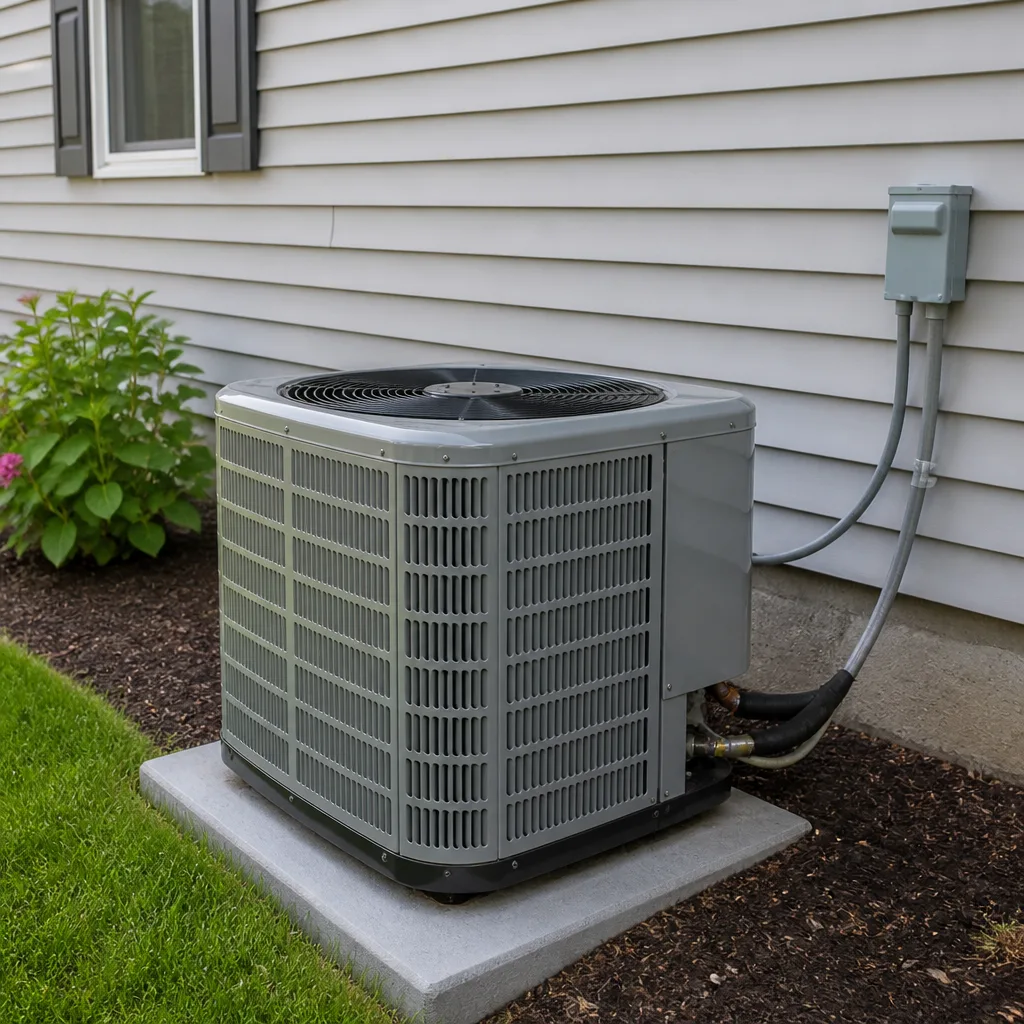 AC repair
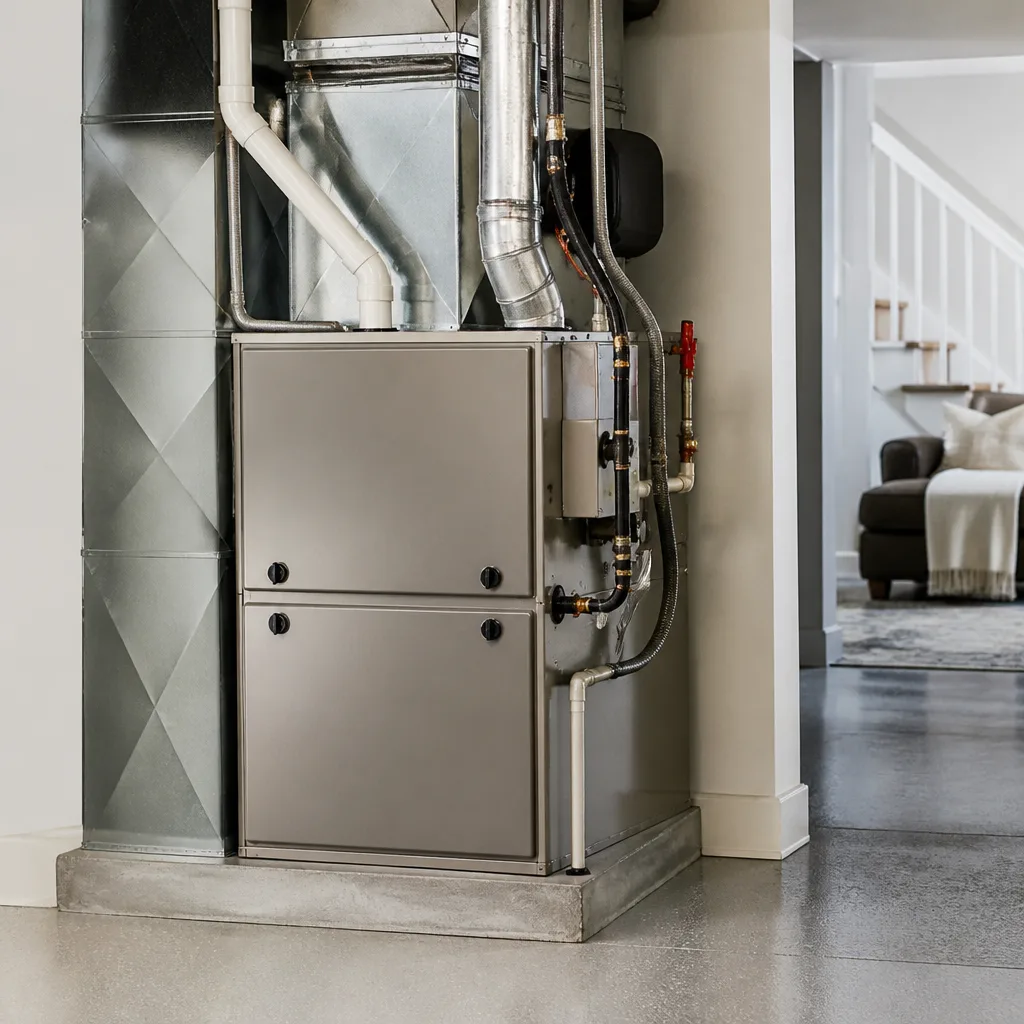 Furnace & heating
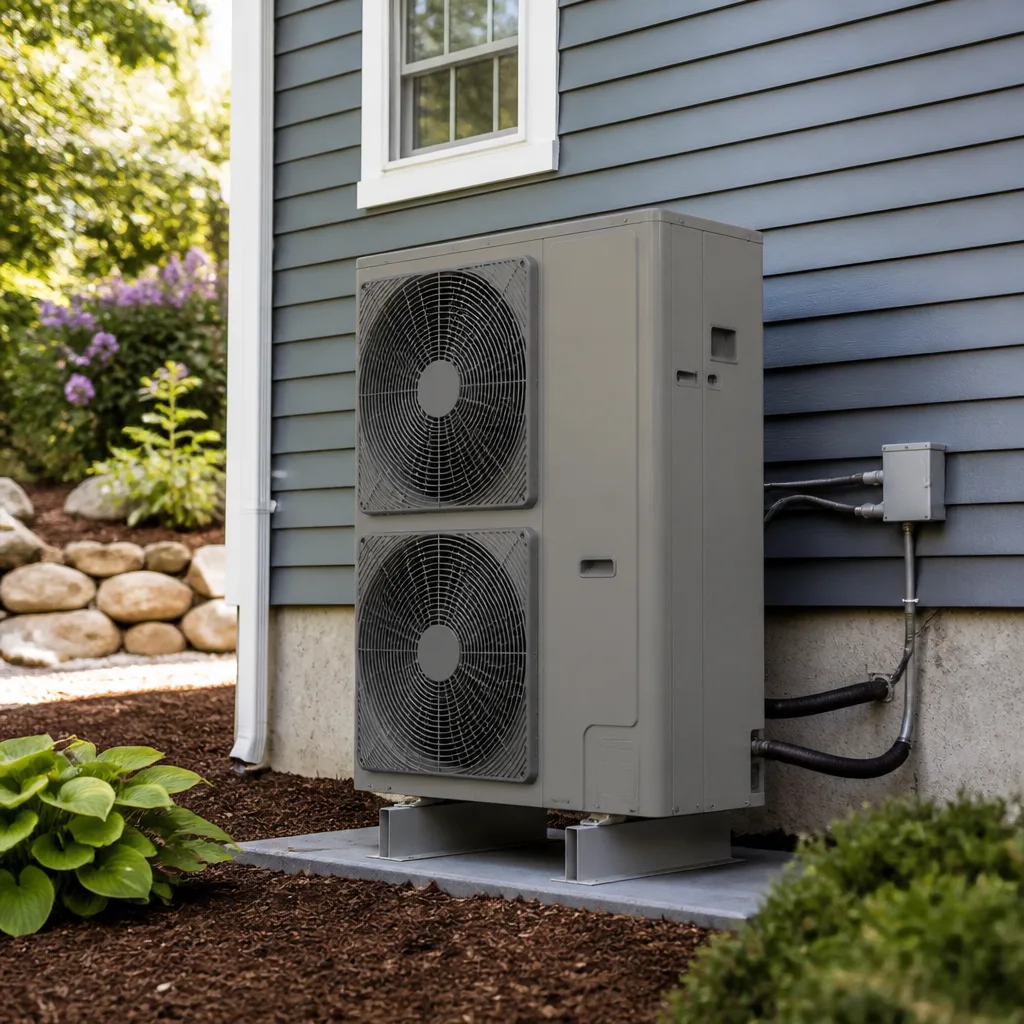 Heat pumps
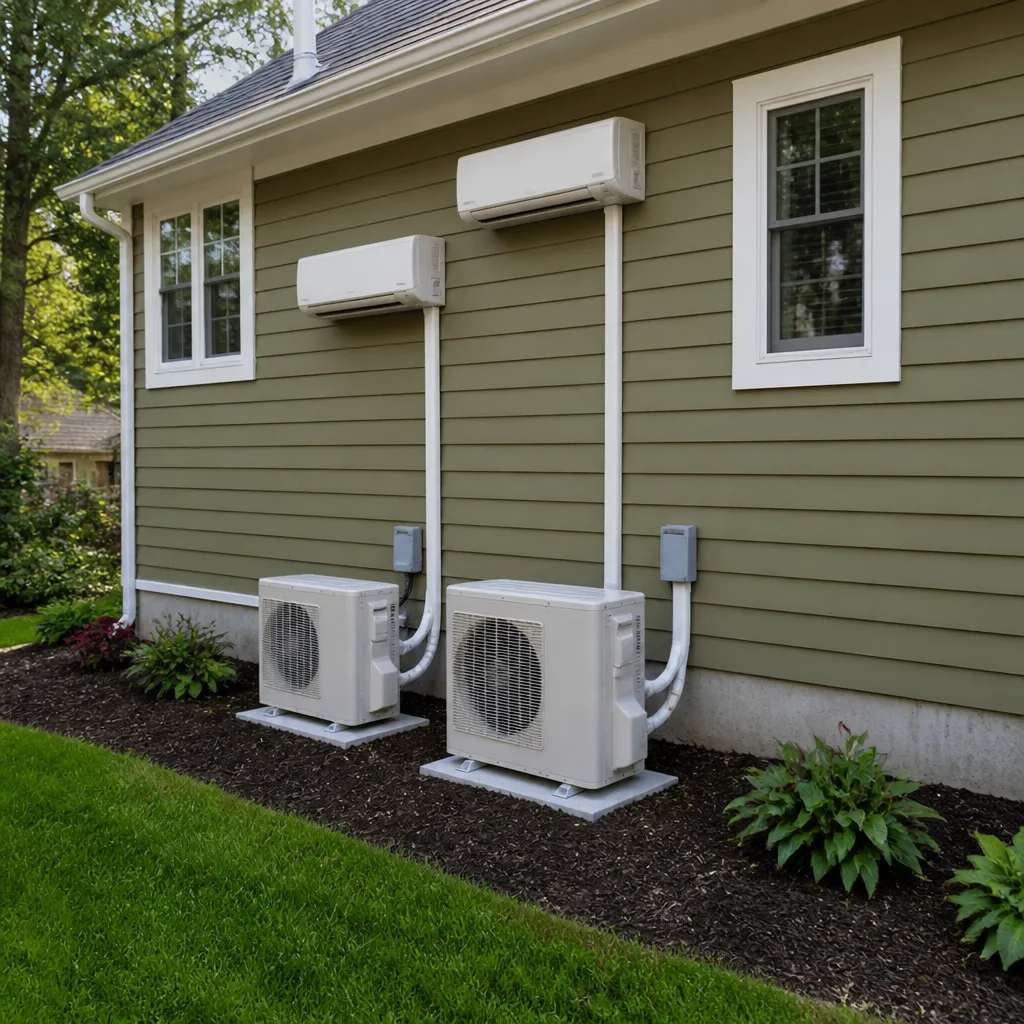 Ductless mini splits
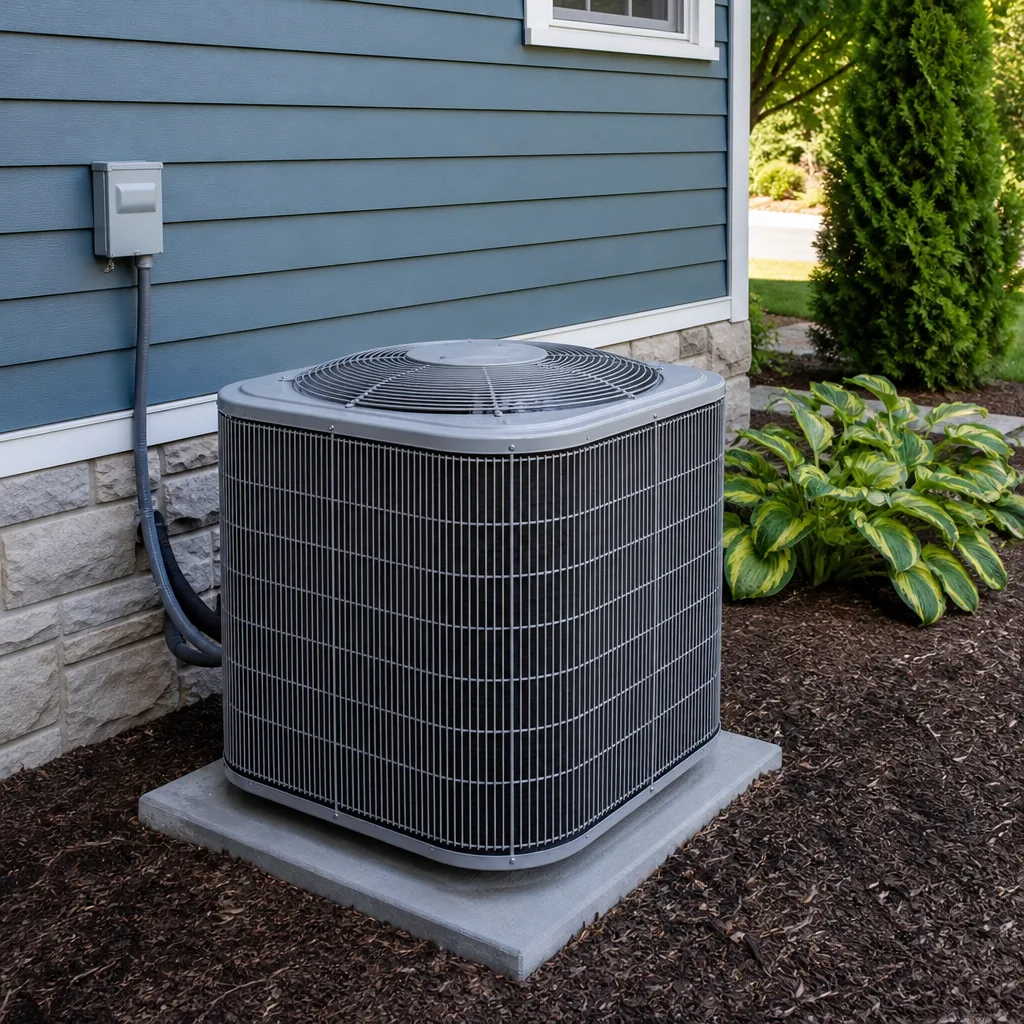 Carrier
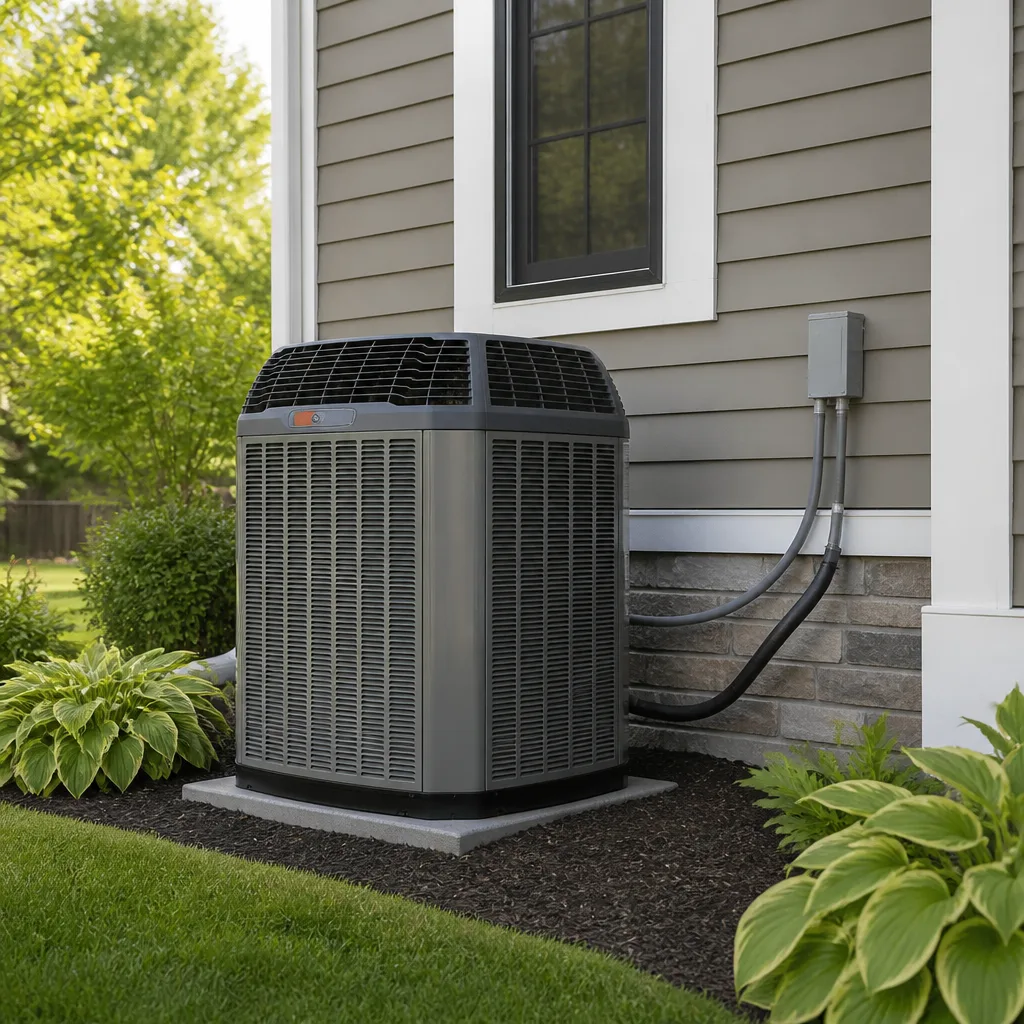 Trane
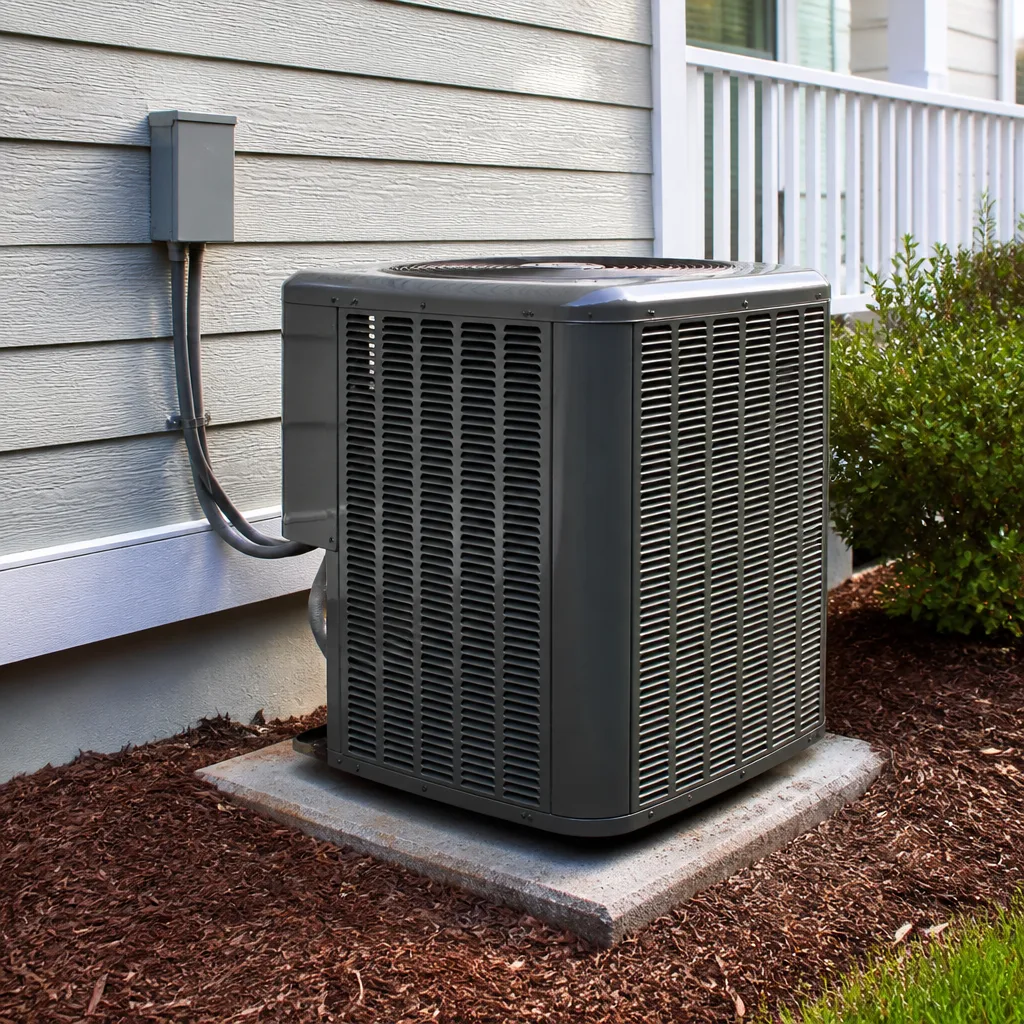 Goodman
Seasonal tune-up and full diagnostic on your Carrier, Trane, or Goodman system - readings shown to you before any repair is proposed
Diagnosis first, numbers second - you approve the repair price before a single part goes in.
Get your free estimateThe Complete Emergency & Commercial HVAC Guide for Sunrise Manor Homeowners
When it’s 112 degrees at 9 PM in Sunrise Manor and your unit goes down, the two-hour national dispatch window on your home warranty isn’t a minor inconvenience – it’s a medical risk. That’s the thing most HVAC guides never tell you, because they’re written for a temperate suburb somewhere back East, not for a stretch of east Las Vegas Valley where the asphalt holds heat past midnight and the indoor temperature climbs faster than the outdoor one once the system quits. This guide was written for that night. You’ll learn the real heat thresholds that turn a broken AC into an emergency, how the grid behaves in Sunrise Manor during a heat wave, why commercial rooftop units fail on a schedule here, and exactly who to call in what order.
Quick Answer
In Sunrise Manor, an AC failure becomes a genuine health emergency when indoor temperatures cross roughly 90°F with high humidity, and for residents over 65 or young children the danger point arrives sooner – often within two to three hours of a system quitting. The fastest path is to call a local outfit that answers with a live person around the clock, get readings and a price before any work starts, and document the unit with photos before anyone touches it. Ray’s Heating & Air has been owner-operated since 2002 and answers every call with a live person, day or night, including the man himself.
Styles & brands we work with
- AC repair
- Furnace & heating
- Heat pumps
- Ductless mini splits
- Carrier
- Trane
- Goodman
Table of Contents
- When Does Heat Indoors Get Dangerous?
- How Sunrise Manor’s Grid Affects Your Compressor
- Why Commercial Rooftop Units Fail in July and August
- Who to Call in What Order
- What Your Home Warranty Company Won’t Tell You
- Photos to Take Before Anyone Touches the Unit
- What the 90-Day Done Right Promise Covers in an Emergency
- Getting Ahead of the Next Failure
When Does Heat Indoors Get Dangerous?
Most people think of heat danger as an outdoor problem. In Sunrise Manor it isn’t. Once the outdoor temperature holds above 105°F for several hours, a home with no working cooling becomes an oven that soaks up heat from the walls, the attic, and the concrete slab. The indoor temperature can climb 10 to 15 degrees in the first two hours after a system fails and keep rising through the evening.
Here are the thresholds we watch for when a customer calls us in a panic:
- 80°F indoors: uncomfortable but not dangerous for healthy adults. Start mitigation now.
- 85°F indoors with an elderly or infant resident: this is where we start treating it as urgent. Older bodies lose the ability to regulate heat efficiently, and some blood pressure and heart medications make it worse.
- 90°F indoors and climbing: genuine emergency for anyone over 65, any child under 5, anyone with a heart condition, and anyone living alone without a way to leave.
- 95°F indoors or higher: evacuate. Call for help. Get to a cooling center, a neighbor’s house, or a casino lobby – anywhere with working air.
What to do in that window before help arrives: close blinds on the sunny side, run box fans to move air (moving air doesn’t cool it, but it speeds sweat evaporation), drink water on a schedule even if you don’t feel thirsty, and take cool showers. Do not run the oven or do laundry. If you don’t have a way to cool one room, close everyone into the coolest room of the house and wait there together where you can watch each other.
The Sunrise Manor specific problem
Sunrise Manor sits in one of the hottest urban heat pockets in Clark County. Pavement and rooftops raise overnight temperatures compared to outlying desert, which means a failed system here doesn’t get the nighttime relief a rural home would. This is why we tell homeowners to treat an after-6-PM failure as seriously as a daytime one. The house will not cool off by morning on its own.
How Sunrise Manor’s Grid Affects Your Compressor
During a July or August heat event, the power grid across the Las Vegas Valley runs near its limit. When everyone’s AC kicks on at the same time and voltage sags, the equipment on the receiving end feels it. Your compressor is the biggest electrical load in your house, and when voltage drops while it’s trying to start, the run capacitor takes the hit. That’s why August is our busiest month for capacitor replacements in Sunrise Manor.
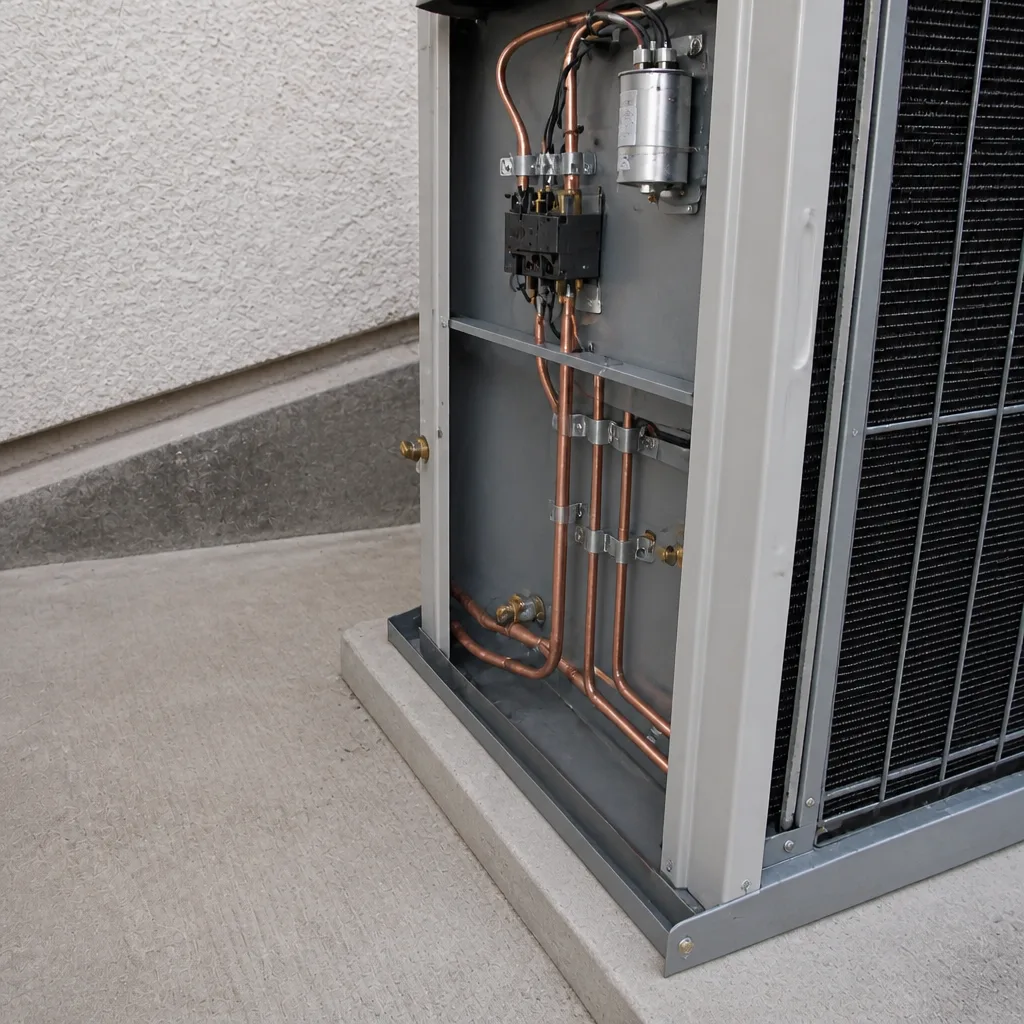
A failing capacitor is the most common reason a system stops cooling on a hot afternoon. It’s also one of the cheapest fixes – which is why Ray tests the capacitor before anyone says the word compressor. If a tech shows up, looks at the age of the unit, and immediately quotes you a full replacement without touching a meter, ask for numbers. Readings first, numbers second. You should see both.
What this means practically for Sunrise Manor homeowners:
- Limping along with a weak capacitor during heat waves is how compressors get destroyed. Fix it before the next big load event.
- If your lights flicker when the AC starts, that’s the warning sign. Get it checked.
- Older units with hard-start kits handle voltage sag better than units without them – worth asking about if your compressor sounds sick.
- If your system runs on a Carrier, Trane, or Lennox condenser more than a decade old, the capacitor may already be past its expected life.
The good news: the fix is a known part, we’ve seen it fail a thousand times in Sunrise Manor, and it doesn’t cost what a compressor does. That’s why it’s the first thing we look at.
Why Commercial Rooftop Units Fail in July and August
If you own or manage a commercial property in the Sunrise Manor commercial corridors, you already know the pattern: mid-July, the rooftop package units start dropping, and by early August you’re running window units in the stockroom. There’s a reason it happens on schedule.
Rooftop units in Sunrise Manor absorb more heat than rooftop units almost anywhere else in the country. A dark membrane roof at 2 PM in August can hit 160°F on the surface. The unit sitting on it is pulling in 100°F outdoor air and trying to cool it while the condenser coil bakes. Add the daily load cycle of a small business – doors open and closing all day, product coolers running, staff coming and going – and you’re asking a lot from a machine that hasn’t been serviced since last fall.
The predictable failure order looks like this:
- Dirty condenser coils in June. A coil that isn’t cleaned going into summer can’t reject heat efficiently, and everything downstream works harder.
- Capacitor and contactor failures in July. Same voltage sag issue as residential, only with bigger equipment and bigger failures.
- Refrigerant leaks in late July. Coils stressed by dirty air and high head pressure cry uncle.
- Compressor burnout in August if the earlier signs went unaddressed.
Getting ahead of it means one service visit in late spring that catches the coil, the capacitor, and the contactor before the July heat does. In our experience, a Sunrise Manor commercial customer who does that one visit spends a fraction of what a midsummer compressor swap would cost – and they don’t lose a week of business.
Who to Call in What Order
When the unit quits after hours, the order you make calls matters more than most people realize. Here’s the tree we walk people through when they call us in a panic at 11 PM:
- First, get your family safe. If indoor temperature is above 90°F and someone in the home is elderly or very young, get them somewhere cool before you make another call. A neighbor, family member, or cooling center.
- Second, call us – the local outfit – not your warranty company first. A warranty company starts a ticket that gets routed to whatever contractor is on their list. That can mean a two-hour window that becomes four hours in July.
- Third, if you have a warranty, call them after you’ve got help coming. Most warranty plans will reimburse an emergency call if you can show the emergency. Save the receipt and the technician’s paperwork.
- Fourth, if your installer has an after-hours line, call it too. You probably won’t get through, but if the unit is under a manufacturer warranty on parts, you want a record of the failure in writing.
- Fifth, document everything. Photos and video of the unit before anyone opens a panel. See the next section.
One more thing to know: in Sunrise Manor, most after-hours emergency calls go to voicemail systems at large outfits. Ours doesn’t. A live person answers every call, 24/7, including a man named Ray who answers his own phone at two in the morning because he knows a family sitting in a hot house isn’t a business problem.
What Your Home Warranty Company Won’t Tell You
Home warranty companies are in the business of managing costs, not emergencies. That’s not a scandal – it’s just how their model works. What it means for you in a Sunrise Manor heat emergency is this: the two-hour dispatch window you think you’re paying for often isn’t honored in July and August, because everyone with a broken unit in the valley is calling at once. Their network is stretched. Your house is hot.
What they also won’t tell you:
- Emergency exceptions exist in most contracts. Read the fine print for “life safety” or “health hazard” language. If your mother-in-law is 82 and living in that house, that’s a health hazard.
- You can often request reimbursement for an out-of-network emergency call. Save every receipt and get a written diagnosis with the failure documented.
- Your warranty may not cover the actual failure. A warranty that covers the compressor but not the refrigerant, the labor, or the diagnostic visit isn’t covering much.
- If you replace the system out-of-pocket, some warranty plans will let you cancel and refund the unused portion of the premium.
What we tell our customers in Sunrise Manor: call for the emergency first, sort out the warranty after. A cold house is not the time to be on hold.
Photos to Take Before Anyone Touches the Unit
Here’s the thing nobody tells you until it’s too late: once a technician opens your unit, the evidence of what was wrong from the start is gone. If there’s a warranty claim, an insurance question, or a disagreement about what caused the failure, those first photos matter.
Before anyone touches the unit, take these:
- The model and serial number plate on the outdoor condenser, in focus. This establishes the equipment.
- The install date stamp or sticker, if there is one.
- Wide shots of the outdoor unit in place – showing the surroundings, the disconnect box, and whether it’s on a pad or a stand.
- The indoor air handler or furnace – nameplate, filter slot, and filter condition.
- The thermostat display showing current temp and set temp.
- Any sprinkler heads, pool equipment, or landscape features within 6 feet of the outdoor unit – refrigerant lines route near these and this matters later.
No, this isn’t you being paranoid. This is you being a homeowner with documentation. Any honest outfit – including us – will thank you for it.
What the 90-Day Done Right Promise Covers in an Emergency
Every heating and cooling job Ray’s Heating & Air does is stamped with the 90-Day Done Right Promise. If it isn’t done right, Ray makes it right, and one call brings him back. In an emergency that means something specific:
- If the repair fails inside 90 days, you don’t pay for the return visit. Same equipment, same failure, same reason – Ray’s back.
- If a part you approved turns out to be the wrong call, we make it right. That’s what “readings first, numbers second” is designed to prevent in the first place – but if it happens, we fix it.
- You see the readings and the numbers before any work begins. Upfront pricing, no surprise invoices, no phone quote that becomes a different invoice at the door.
- You keep the paperwork. Written, stamped, and yours.
If the person at your door can’t show you a written promise and a published address and license number, that’s your signal to call someone else. Ray’s Heating & Air has been locally owned and owner-operated since 2002, and the name, address, and license number are all out where anyone can check them. Ask anyone on your street.
Getting Ahead of the Next Failure
The best emergency guide is the one you never have to use. In Sunrise Manor, that means a real service visit in spring, before the first 100°F day. Not a filter swap. An actual visit where the person at your door checks the capacitor, the contactor, the refrigerant charge, and the condenser coil, and writes down what they found.
Two additional habits that make a difference here:
- Change the filter every 60 days in summer, not 90. Sunrise Manor dust loads filters faster than a lot of the country. A clogged filter is the most common cause of a mid-summer freeze-up on a Carrier or Goodman system we see.
- Keep the outdoor unit clear. Two feet of clearance on all sides. No pool toys, no planters, no hose reels. The condenser has to breathe in August.
- Watch for early warning signs. Ice on the refrigerant line, weak airflow, higher bills, or a compressor that sounds tired. Any of those, call before the next heat wave.
Common Mistakes to Avoid
- Calling the national number on the sticker first. It routes to a dispatch center that then routes to whichever contractor is closest to you on their list. That’s how you get a two-hour window that becomes all day. Call the local line.
- Letting a technician quote a compressor swap without a capacitor test. In Sunrise Manor in August, a huge share of “the compressor is dead” diagnoses are actually a $40 part. Ask for readings.
- Running the system with a frozen coil. If you see ice on the refrigerant line, shut the system off at the thermostat and call. Running it while frozen can kill the compressor.
- Skipping the spring visit to save the cost of a service call. A missed service visit in April costs less than a single midsummer emergency repair, and it costs a lot less than a compressor.
- Trusting a phone quote on a job that hasn’t been looked at. Nobody can diagnose your system over the phone. Anyone who tries is guessing.
- Forgetting documentation. Photos of the unit before work begins, and a written estimate after. Same-day can’t become an invoice surprise if you took those two simple steps.
- Waiting until the house is 88°F to call. Call when the AC is struggling at 82°F. Nobody’s sitting in a hot house while a contractor tries to fit them in.
See the difference
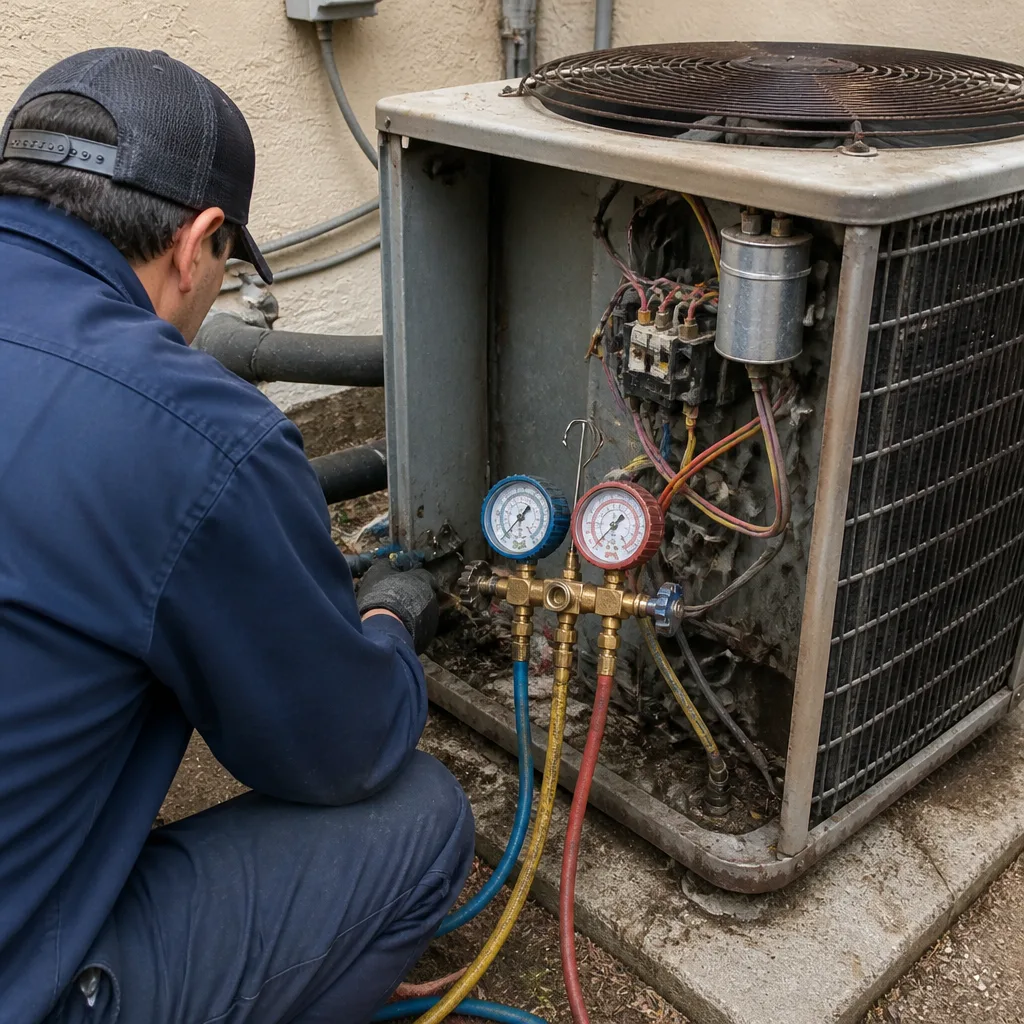 Before
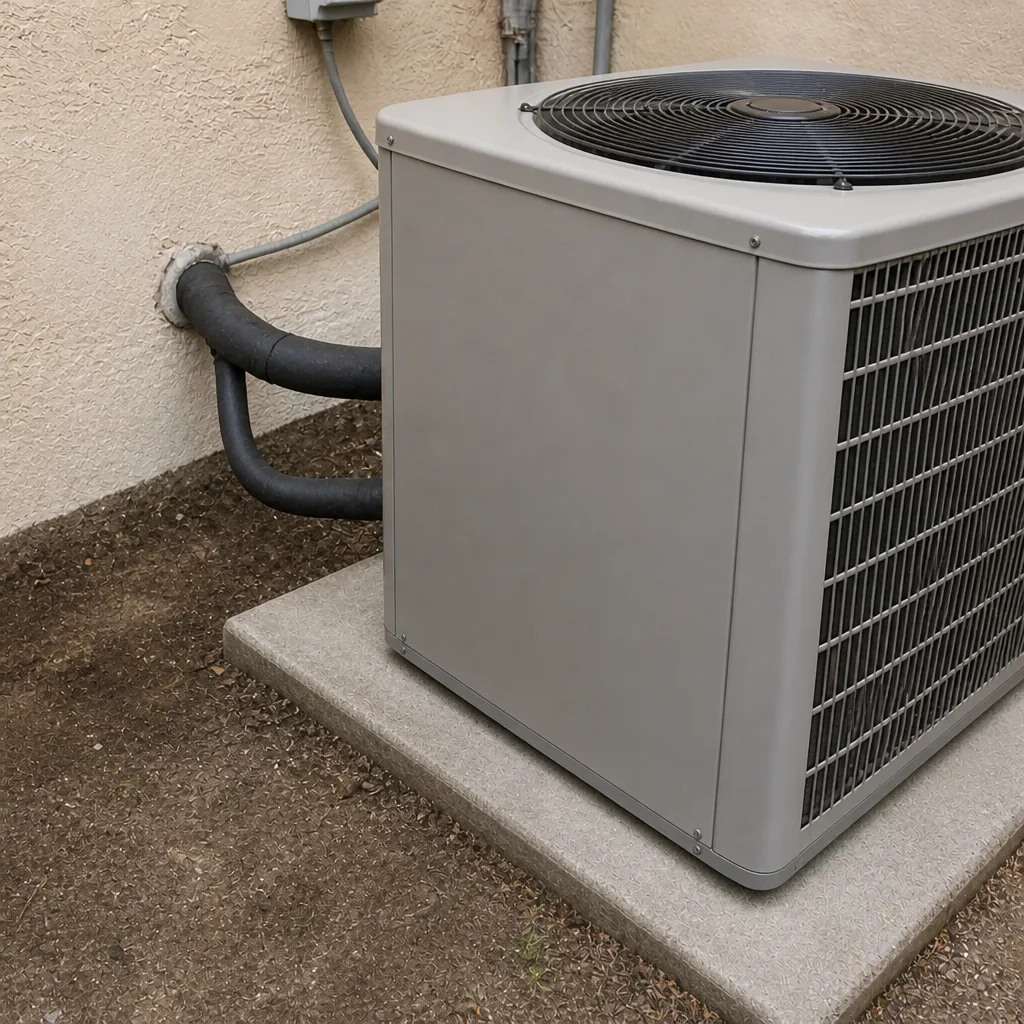 After
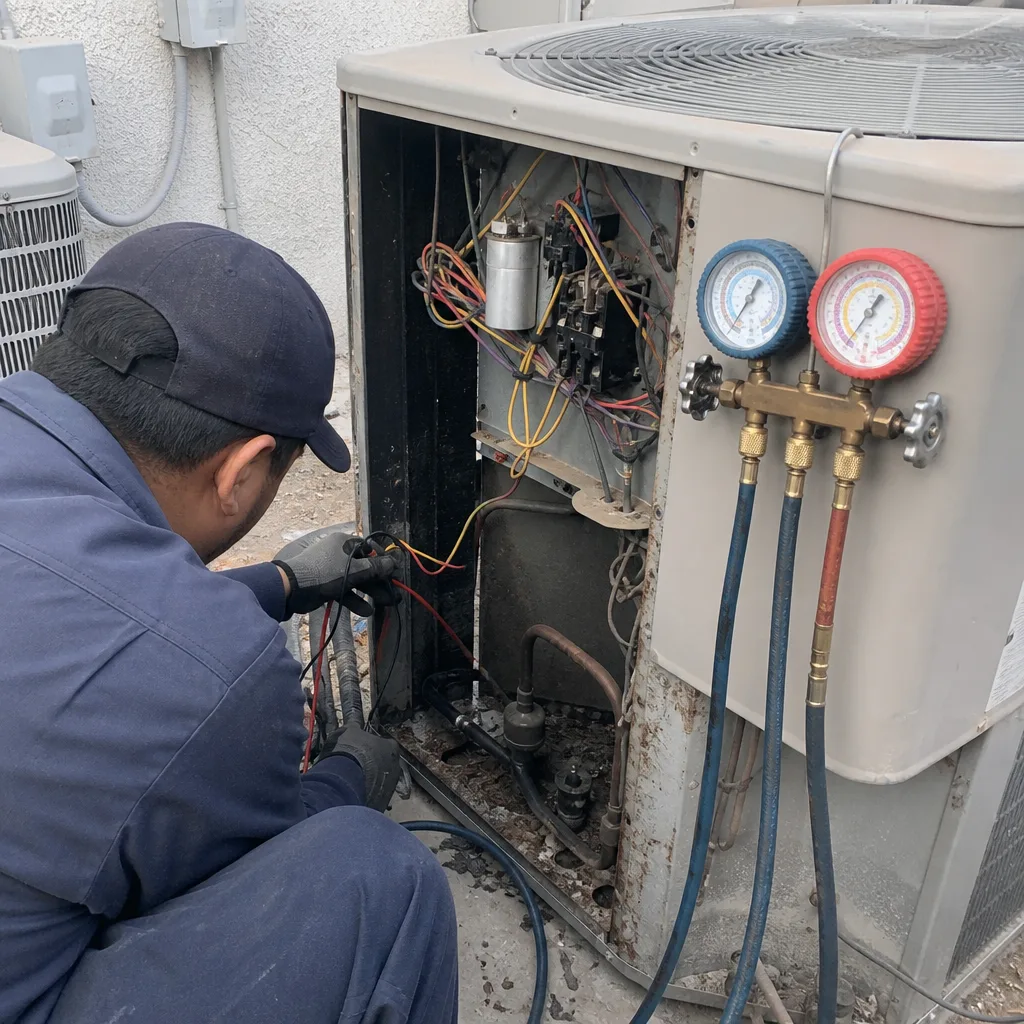 Before
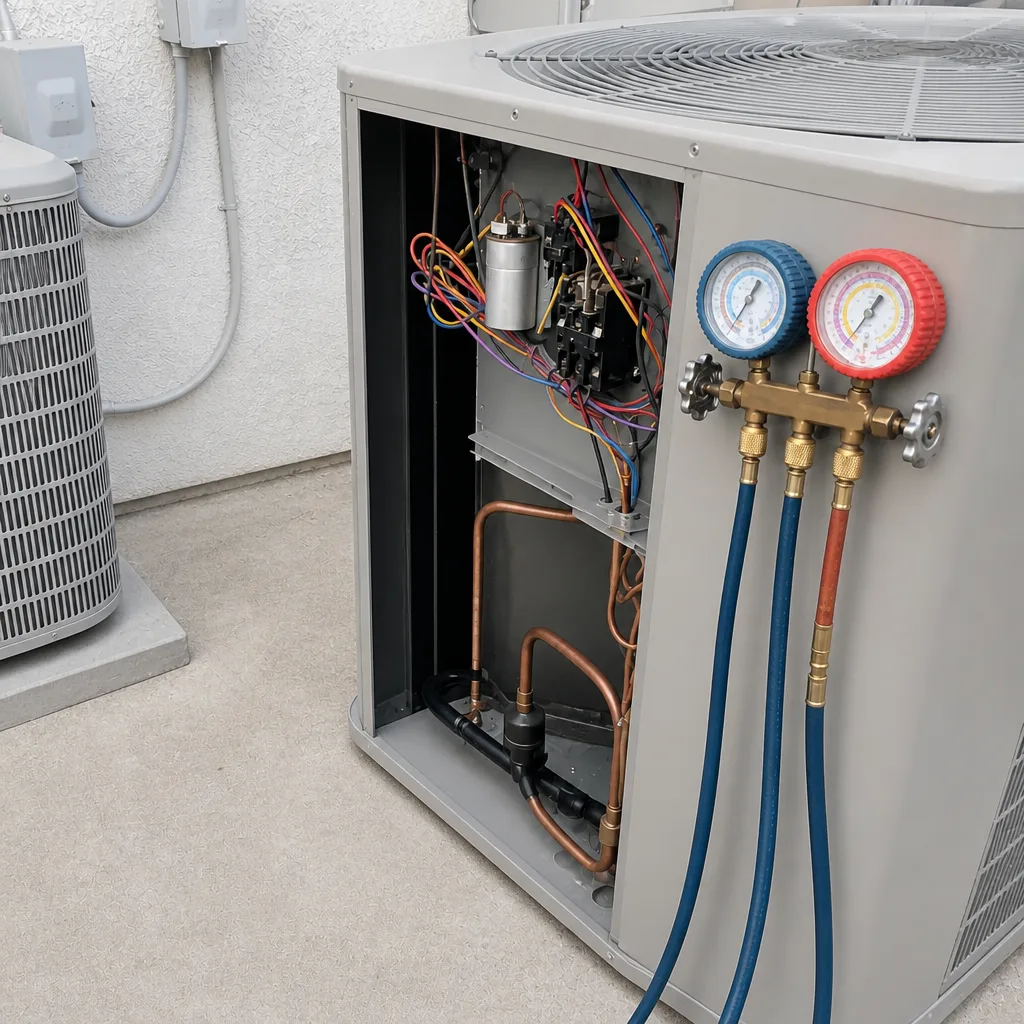 After
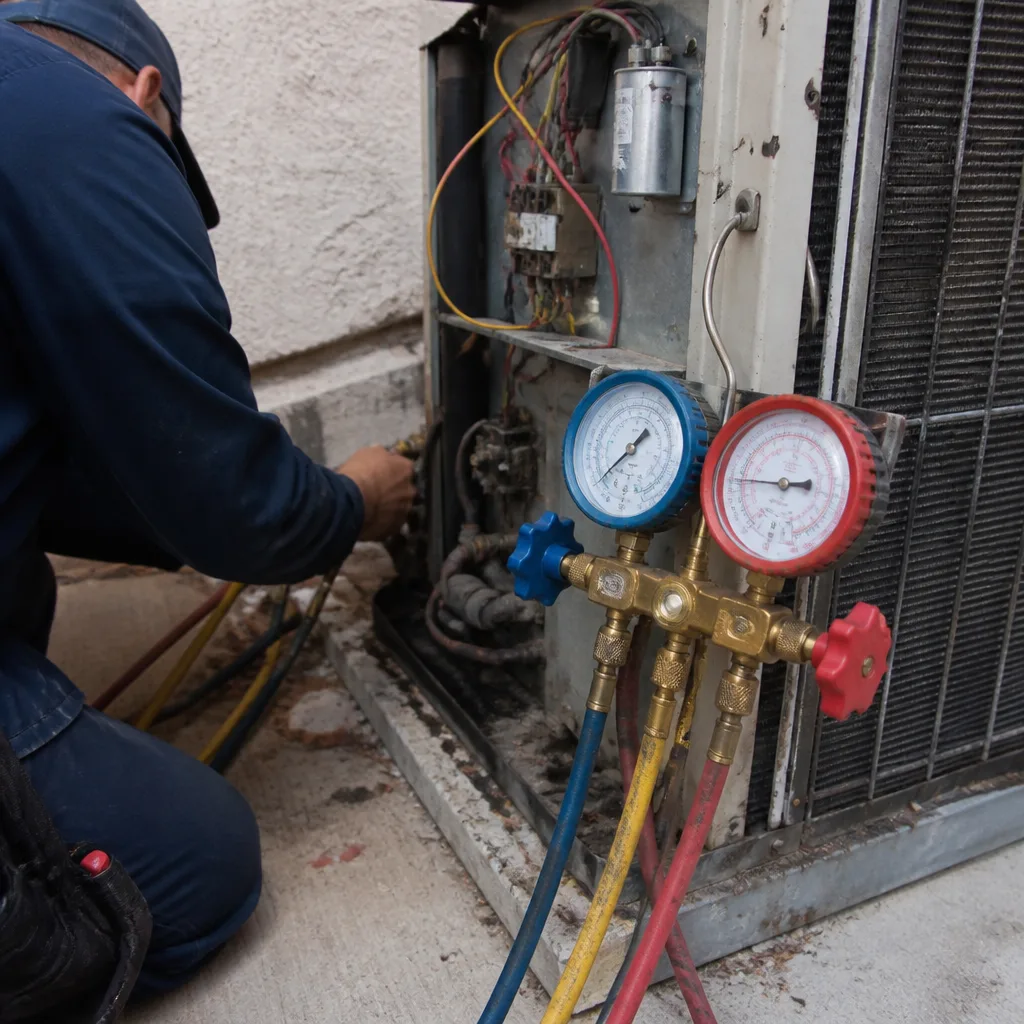 Before
 After
When to Call a Professional
Call when indoor temperature hits 85°F and there’s an elderly or very young family member in the house. Call when the outdoor unit hums but the fan won’t spin. Call when you see ice on the refrigerant line, oil on the outside of the unit, or a compressor that clicks off within seconds of starting. Call when the lights flicker on AC startup or the breaker trips. Call when the thermostat’s dead. In Sunrise Manor, Ray’s Heating & Air Sunrise Manor home offers free estimates, live calls answered 24/7, and no trip charge inside the county. Reach us at (877) 311-5951. If you’re weighing a bigger job, we also handle AC repair and installation in Sunrise Manor and heating and furnace work in Sunrise Manor when the season flips.
Frequently Asked Questions
In our experience, faster than the national dispatch number most people call first. We answer with a live person 24/7, and when it’s a genuine heat emergency we say so on the call and get someone scheduled with an honest window. For commercial rooftop units, a real schedule is set the same call. Call (877) 311-5951 for an exact quote and an honest arrival window – estimates are free.
Around 85°F indoors is where we start treating it as urgent for anyone over 65, and 90°F is a genuine health emergency. Get them to a cool room, cool showers, water on a schedule, and call us. If you can’t cool the room at all, get them out – to a neighbor’s, family, or a cooling center – before the house climbs higher.
Because those are the months the grid load and the outdoor temperature both peak, which is exactly when aging capacitors, dirty coils, and stressed contactors fail. It’s the same predictable pattern every year. The summer heat in one of Clark County’s hottest urban heat pockets stresses equipment beyond what it takes in spring or fall. Call (877) 311-5951 to schedule a spring tune-up before the next one.
Repair first if the failure is a capacitor, contactor, fan motor, or refrigerant leak and the unit is under roughly 12 years old. Replace if the compressor is truly dead, the refrigerant is R-22, or the unit is 15+ years old and has failed twice this year. Get the readings and a written estimate before you decide either way. Call (877) 311-5951 – we’ll put the numbers in writing.
Yes. Every heating and cooling job is stamped with the 90-Day Done Right Promise, including after-hours repairs. If the same failure comes back inside 90 days, one call brings Ray back and you don’t pay for the return visit. Call (877) 311-5951 for details on your specific job.
Yes. Commercial HVAC is a core part of what we do, and rooftop package units in the Sunrise Manor commercial corridors are among our most common summer calls. Live person answers any hour, upfront pricing, and the same 90-Day Done Right Promise on commercial work. For properties running heat pumps or mini-splits, see heat pump and mini split service in Sunrise Manor. Call (877) 311-5951 for a free estimate.
Sometimes, depending on the equipment and the current utility programs. We don’t invent numbers we haven’t verified against the current program – ask on the call and we’ll tell you what’s actually available right now. For a replacement quote, call (877) 311-5951 for a free estimate.
The Bottom Line
In Sunrise Manor, an HVAC failure is a health event faster than most guides will admit. The heat pocket here holds temperature overnight, which means the two-hour dispatch window you were promised isn’t just inconvenient – it’s the difference between a rough night and a medical emergency. Know the indoor thresholds. Test the capacitor before the compressor. Photograph the unit before anyone opens it. Call a local line first and the warranty company second. For commercial rooftops, get the springtune-up before July. And when something fails, call a number that answers with a live person, day or night, and get the readings and the price before anyone turns a wrench.
Call (877) 311-5951 for a free estimate. Ray’s Heating & Air has been locally owned and owner-operated since 2002, serving Sunrise Manor and the surrounding communities with the 90-Day Done Right Promise stamped on every heating and cooling job.
Written by the team at Ray’s Heating & Air Sunrise Manor.