
Last updated November 18, 2026
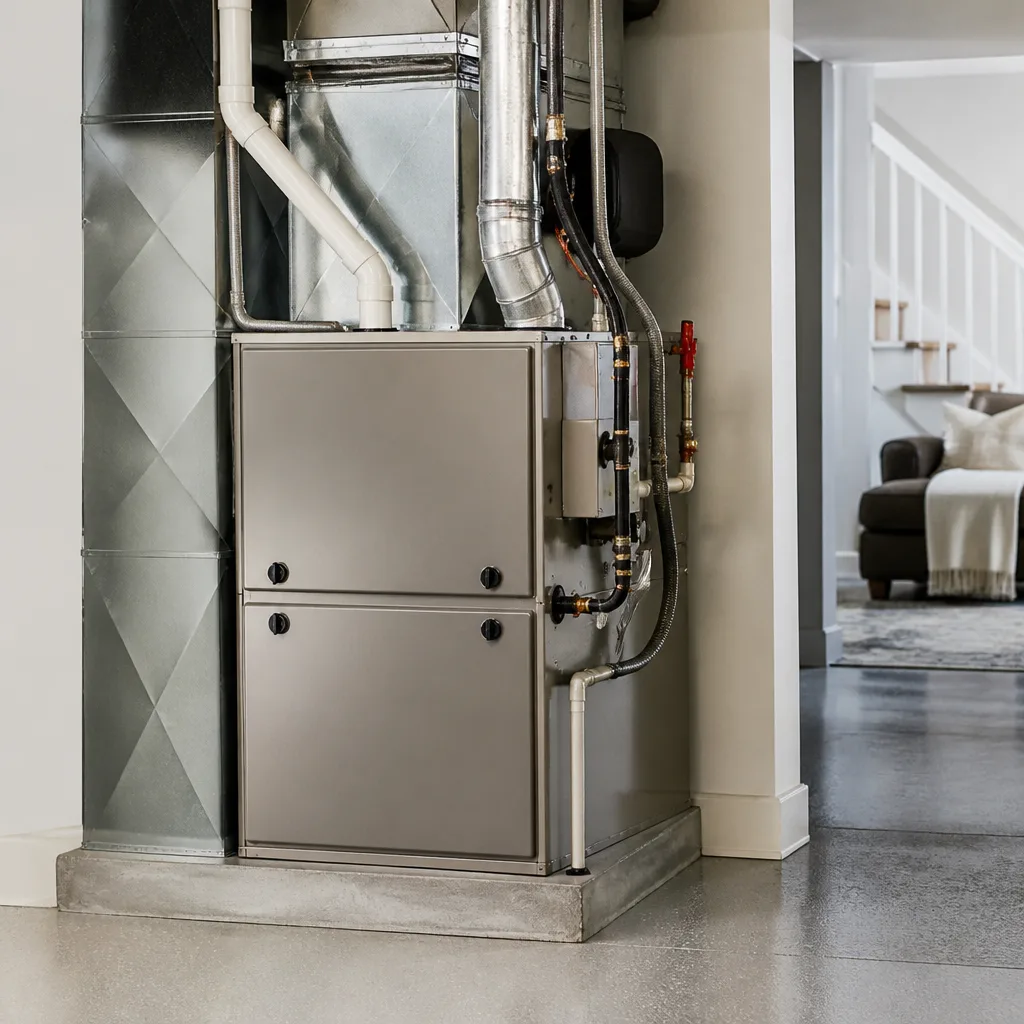 Furnace & heating
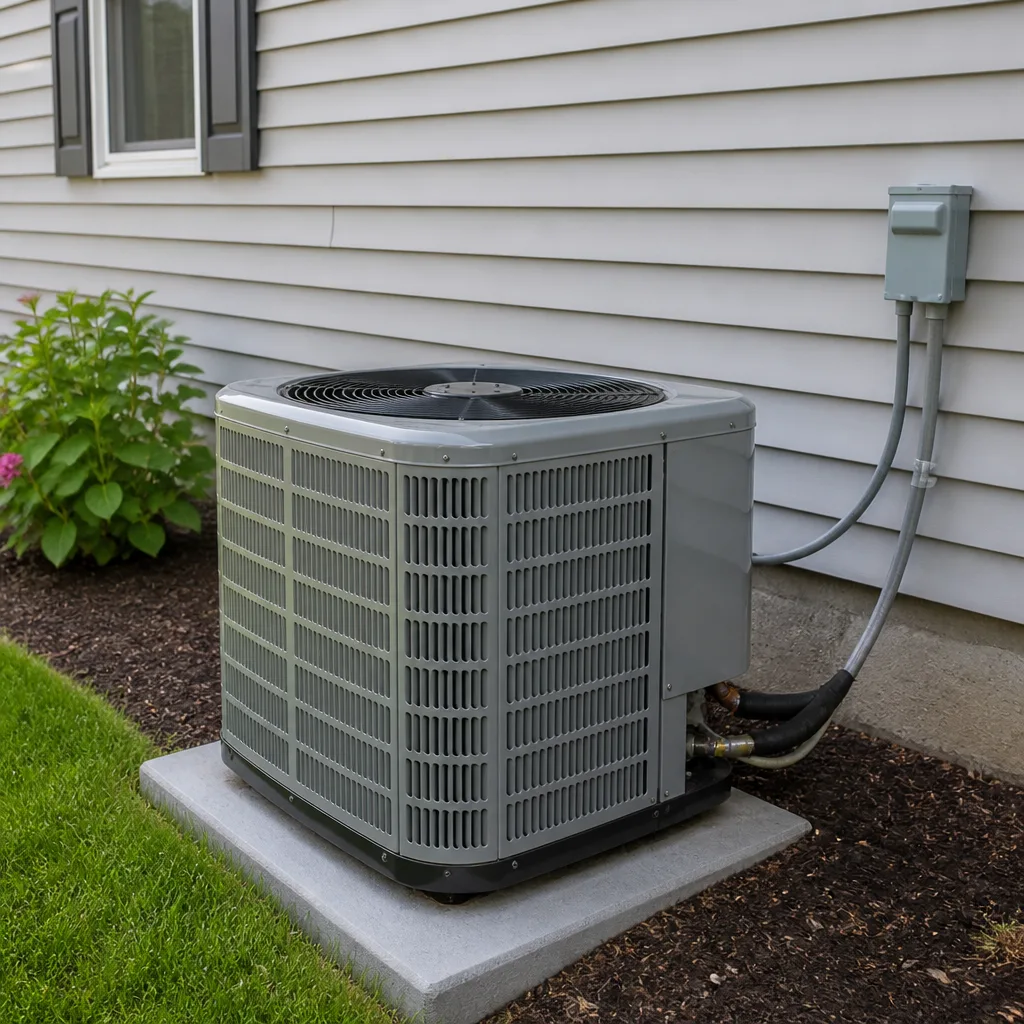 AC repair
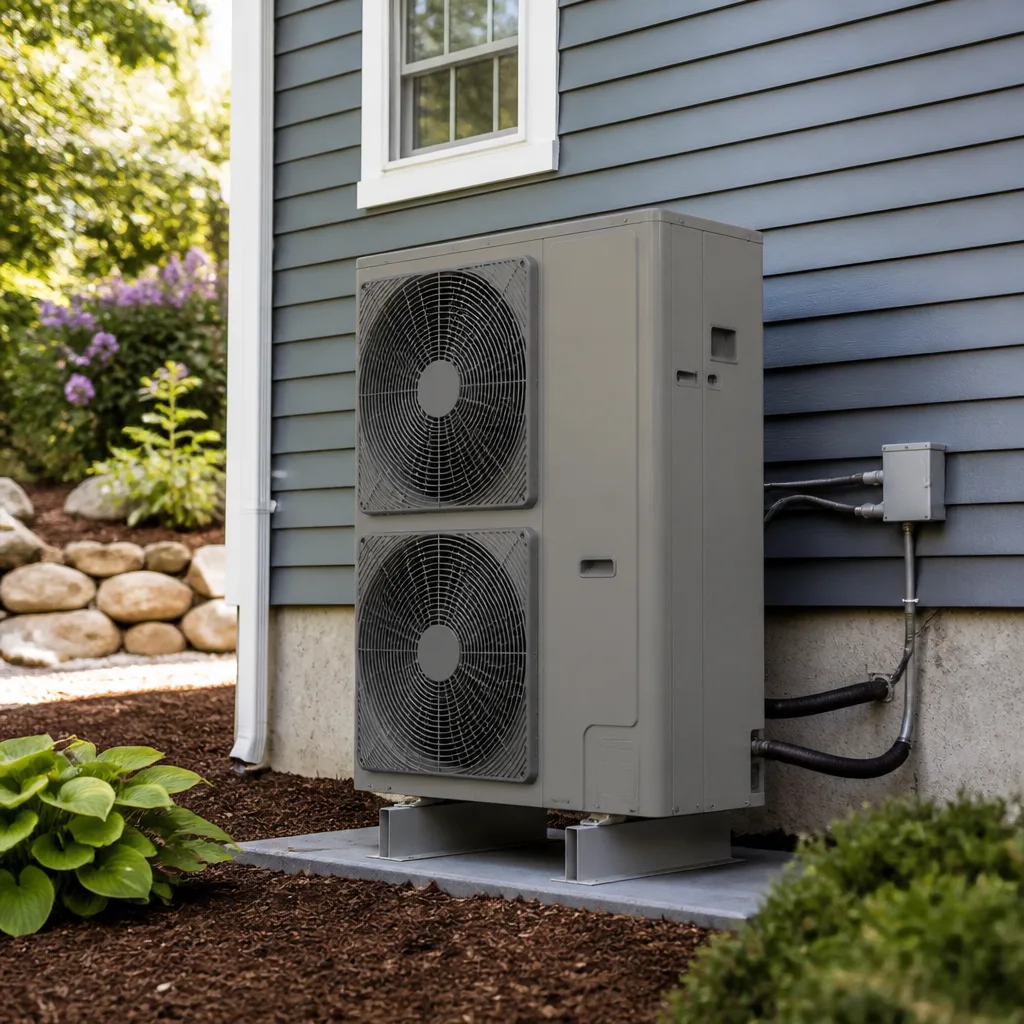 Heat pumps
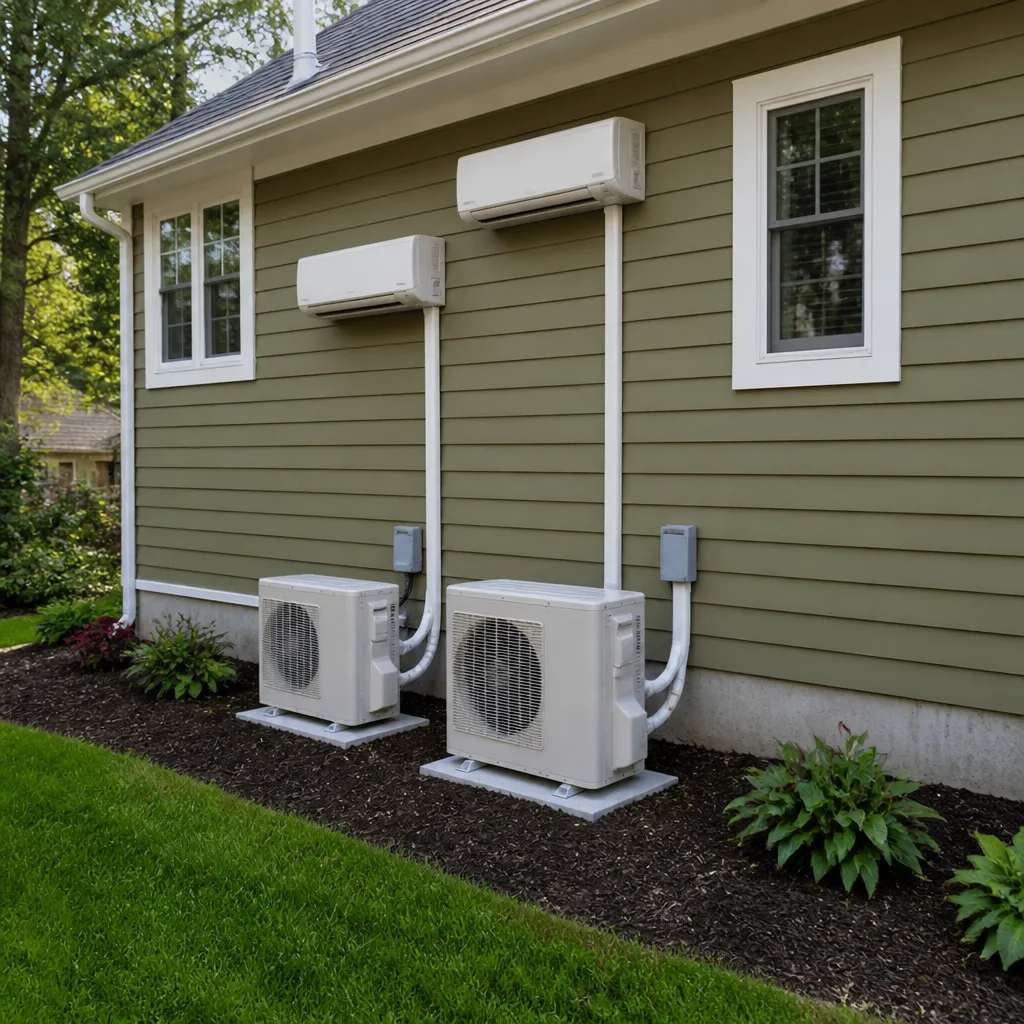 Ductless mini splits
 Carrier
 Trane
 Goodman
Seasonal tune-up and full diagnostic on your Carrier, Trane, or Goodman system - readings shown to you before any repair is proposed
Diagnosis first, numbers second - you approve the repair price before a single part goes in.
Get your free estimateThe Complete Heating & Furnace Guide for Sunrise Manor Homeowners
Sunrise Manor averages fewer than 20 nights a year below freezing. That means your furnace sits idle for roughly 340 days and then gets asked to perform on the coldest night of the year with zero warmup time. That’s a harder job than running every day. A furnace in Minneapolis runs constantly and stays limber; a furnace in Sunrise Manor sits in a closet, collects dust on the burners, and then has to fire on the one night in January when the whole neighborhood is calling for help at once. This guide covers why that happens, what it costs to fix, when a heat pump makes more sense than gas in the Clark County climate, and the one problem you can’t sleep on. It’s written from Sunrise Manor, for Sunrise Manor.
Quick Answer
Heating and furnace problems in Sunrise Manor usually trace back to months of inactivity, not hard use: dirty flame sensors, worn igniters, and cracked heat exchangers are the three failures we see most. Repair typically runs $180 to $650 depending on the part, a full gas furnace replacement generally lands between $4,200 and $8,900 installed, and any crack in a heat exchanger is a carbon monoxide emergency that means shutting the system off and calling the same day. Regular fall tune-ups and a working CO alarm are the two cheapest ways to avoid the worst outcomes.
Styles & brands we work with
- AC repair
- Furnace & heating
- Heat pumps
- Ductless mini splits
- Carrier
- Trane
- Goodman
Table of Contents
- Why a Furnace That Runs 20 Nights a Year Degrades Faster
- The Igniter and Heat Exchanger: Two Parts That Suffer Most
- Gas Furnace vs. Heat Pump in Clark County: Which Math Wins?
- Nevada Furnace Permits and Why Skipping Them Matters
- How Familiar Ductwork Changes a Furnace Installation
- Carbon Monoxide: The Risk Profile for Sunrise Manor Homes
- The Fall Tune-Up: What It Should Actually Include
- What Heating Repairs and Installations Cost in Sunrise Manor
Why a Furnace That Runs 20 Nights a Year Degrades Faster
A furnace is a mechanical system with moving parts and rubber seals and a flame sensor that reads a microamp signal. It does not enjoy sitting still. In a cold climate, a furnace runs most days from November through March, which keeps the burner assembly hot, keeps condensate burned off, keeps the blower lubricated, and burns off the dust that settles on the heat exchanger. In Sunrise Manor, the opposite happens: the system sits cold for months, dust and desert grit settle on the burners and the flame sensor, the rubber gaskets dry and stiffen, and the igniter accumulates a fine film that insulates it just enough to make it slow to light or fail entirely.
Then the first cold snap arrives. Every furnace on the block lights at once. The ones that have been sitting with a film on the flame sensor, or a hairline crack in the heat exchanger from years of thermal cycling, pick that night to quit. We hear the same story every January: “It worked fine last winter.” It did. It worked fine for 20 nights and then had 345 nights to slowly stop working fine.
That pattern is the core of the argument for a fall tune-up in Sunrise Manor. A $99 to $159 tune-up in October costs far less than an after-hours diagnostic on the coldest night of the year, when every other furnace in the valley is also broken.
The Igniter and Heat Exchanger: Two Parts That Suffer Most
Two components take the brunt of the idle-then-demand cycle, and they fail in different ways.
The Hot Surface Igniter
Most modern furnaces (Trane, Lennox, Goodman, Rheem, and the rest) use a silicon nitride or silicon carbide igniter that glows red hot to light the burners. It’s a small ceramic part, and it’s fragile. It also sits in the path of dust and moisture during long idle periods. When it gets coated, it takes longer to reach ignition temperature or fails outright.
- Cost to replace: typically $180 to $320 installed in Sunrise Manor.
- Typical failure window: 4 to 7 years in an idle-heavy climate, sometimes shorter.
- Tell-tale sign: the furnace clicks, the blower runs, but no heat, or it lights and shuts off after a few seconds.
The Heat Exchanger
The heat exchanger is the metal chamber that separates combustion gas from the air you breathe. It expands and contracts with every heating cycle. Over years of cycling from cold to hot to cold, the metal fatigues. In Sunrise Manor, that cycling is concentrated into short bursts, which means the metal sees the full temperature swing hundreds of times with long rest periods in between. Cracks start small and grow.
A cracked heat exchanger is a carbon monoxide risk and it’s the one furnace problem that cannot wait. We’ll come back to it below, but the short version: if a technician finds a crack, the system gets shut off until it’s repaired or replaced. No exceptions.
Gas Furnace vs. Heat Pump in Clark County: Which Math Wins?
Sunrise Manor sits in a climate that most HVAC guides were not written for: short, mild winters and long, brutal summers. That combination changes the gas-versus-heat-pump math in ways a national calculator won’t tell you.
The short answer: for most Sunrise Manor homes, a heat pump paired with a gas furnace (a dual-fuel system) or a standalone heat pump is often the better long-term call, because the same equipment that heats you in January cools you in July. Clark County has roughly 2,000 to 2,500 heating degree days a year, most of them mild, against well over 4,000 cooling degree days. You’re paying for summer performance either way, so a heat pump does double duty while a gas furnace sits idle eight months out of the year.
But it depends on a few things:
- Your current NV Energy rate and whether you’re on gas at all. If the house is all-electric, adding a gas line for a furnace is usually not worth it in this market. Run a heat pump.
- Your ductwork. A heat pump moves more air than a gas furnace at lower temperature rise, so undersized or leaky ducts in older Sunrise Manor homes can undercut performance. We measure static pressure before recommending one.
- How cold it actually gets. Sunrise Manor’s coldest nights land in the high 20s. Modern cold-climate heat pumps hold their rated capacity down to about 5°F, so in our climate they run on electric resistance heat backup only a handful of nights a year, often never.
- How long you’ll stay. A heat pump costs more up front, and the savings compound over 10 to 15 years. If you’re selling in three years, a straight gas furnace replacement is a simpler story for a buyer.
There’s no universal winner. Anyone who tells you otherwise without looking at your ducts and your panel is guessing. For a deeper look at the heat pump side, our Heat Pump & Mini Split in Sunrise Manor page goes further.
Nevada Furnace Permits and Why Skipping Them Matters
Replacing a furnace in Clark County requires a mechanical permit, an inspection, and in many cases a combination inspection that covers gas line work. That permit is not paperwork for its own sake. It’s the record that the work was done to code by someone the county can trace.
Here’s the scenario homeowners don’t think about until it’s too late: a fire or a carbon monoxide incident, an insurance adjuster asking who installed the furnace, and no permit on file. Unpermitted gas appliance work is one of the fastest ways to have a claim denied or reduced, and it can complicate a home sale years later when the buyer’s inspector flags the missing permit. The money you save skipping the permit is typically $150 to $400. The exposure isn’t worth it.
What the permit process looks like for a furnace replacement in Sunrise Manor:
- The installing contractor pulls the mechanical permit with Clark County before work begins.
- The old unit is removed and the new one set, gas line connected, venting run to code.
- Combustion analysis is performed and documented (this is the part that catches carbon monoxide problems).
- The county inspects the installation.
- You receive the signed-off permit, which becomes part of your home’s record.
If a contractor offers to skip the permit to save you money, that’s a red flag about everything else they do. Ask for the permit number in writing before work starts.
How Familiar Ductwork Changes a Furnace Installation
A furnace is a box that pushes air through a duct system. If the duct system is wrong, the new furnace inherits every problem the old one had. This is where a crew who has never seen your house, in a county where they’ve never worked, gets into trouble.
When the person at your door has been in Sunrise Manor homes before (the 1970s ranches off Lamb and Carey, the newer builds up near Nellis, the older masonry homes with flex duct run through a hot attic), they know what to check before the new unit goes in:
- Static pressure: if it’s too high, the blower works harder, the heat exchanger runs hotter, and the system wears faster.
- Duct sizing: a furnace sized for the old airflow may not match the new one, especially replacing a gas furnace with a heat pump.
- Attic duct condition: in Sunrise Manor, attic temps hit 150°F in summer. Flex duct that’s sagging, disconnected, or uninsulated leaks cold air into a hot attic and pushes the system to compensate.
- Return air path: undersized returns are common in older homes and cause the furnace to short-cycle.
A rotating crew following a checklist won’t measure static pressure. They’ll set the unit, hook it up, and leave. The furnace works, but it works harder than it should, and in five years you’re calling someone again. Our Heating & Furnace in Sunrise Manor page walks through what a full installation includes, including the combustion analysis.
Carbon Monoxide: The Risk Profile for Sunrise Manor Homes
Carbon monoxide kills quietly and it doesn’t care that the winters are mild. In Sunrise Manor, the risk profile has two distinct parts.
First, the furnace. A cracked heat exchanger lets combustion gas mix with the air moving through your ducts. The system still heats. It still turns on. But it’s pushing carbon monoxide into the living space. That’s the furnace problem that cannot wait, and it’s why any technician who finds a crack will shut the system down until it’s fixed or replaced.
Second, the things that make a small leak worse. A partially blocked flue, a backdrafting water heater, a fireplace used without proper venting, or a generator run in an attached garage. In this part of Clark County, most homes have at least one of those in play during a cold snap.
What to do about it:
- Put a working CO alarm on every level of the home and outside each sleeping area. Test it every spring. Replace the battery every fall when you change the clocks.
- Have the furnace combustion-tested during a fall tune-up. A draft gauge and a CO analyzer catch a cracked exchanger or a venting problem before it turns into an ER visit.
- Never run a generator or a gas grill in an attached garage or near a window.
- If your alarm sounds and you feel dizzy, nauseated, or headachy, get everyone outside and call 911. Do not go back in to “check.”
We take this seriously because the failure mode is invisible. A furnace that runs but is quietly venting combustion gas into the home is the worst kind of problem: it works, right up until it doesn’t.
The Fall Tune-Up: What It Should Actually Include
A tune-up is not a guy with a shop vac and a sticker. Here’s what a real heating tune-up in Sunrise Manor should cover, and what to ask for in writing:
- Combustion analysis. Measure CO, O2, and stack temperature. This is the test that catches heat exchanger problems.
- Flame sensor cleaning and testing. The single most common cause of a no-heat call.
- Igniter inspection. Visual check for cracking, coating, or worn electrodes.
- Burner cleaning. Desert dust settles on burners during idle months and can cause delayed ignition or flame rollout.
- Heat exchanger inspection. Visual and (where the design allows) camera inspection of the primary and secondary exchangers.
- Blower motor amp draw and wheel condition. A dirty blower wheel throws off airflow and stresses the motor.
- Duct static pressure check. Confirms the system is moving air the way it was designed to.
- Thermostat calibration and filter change.
Tune-ups here typically run $99 to $159 with a service visit and a written report of what was actually found. A real tune-up is worth the money because it catches the two failures that matter most: the flame sensor film and the early heat exchanger crack. If a technician finds nothing wrong and hands you a clean report, that’s a win. If they find a $200 part that’s about to fail, that’s a win too.
What Heating Repairs and Installations Cost in Sunrise Manor
Prices shift with the parts market and the season, but here’s what we see most often in this neighborhood. Diagnostic visits run $89 to $129 and are typically waived if the repair is done during the visit.
| Service | Typical Price Range (Sunrise Manor) |
|---|---|
| Flame sensor cleaning or replacement | $120 – $220 |
| Hot surface igniter replacement | $180 – $320 |
| Inducer motor replacement | $380 – $620 |
| Blower motor replacement | $450 – $850 |
| Circuit board replacement | $400 – $700 |
| Gas furnace replacement (80% AFUE) | $4,200 – $6,800 installed |
| Gas furnace replacement (high-efficiency, 90%+) | $6,200 – $8,900 installed |
| Heat pump installation (with existing ducts) | $5,800 – $9,500 installed |
| Annual heating tune-up | $99 – $159 |
| Combustion analysis and safety inspection | $89 – $149 |
A note on replacement: the big variable in a Sunrise Manor furnace replacement is not the furnace itself, it’s the ductwork. If the existing ducts are sized wrong or leaking badly, the numbers move up. A good contractor measures first, then quotes. Anyone who quotes a furnace replacement over the phone without seeing the attic and the static pressure is guessing, and you find out how wrong the guess was after the truck is in your driveway.
Common Mistakes to Avoid
- Skipping the fall tune-up because “it worked last year.” The furnace that worked last year is the one that sat idle for 345 days since then. A $99 tune-up is cheap insurance against an after-hours breakdown on the coldest night of the year.
- Running the furnace with a cracked heat exchanger “until it gets worse.” It doesn’t get better. It gets a crack in a different place. Shut it off and schedule the repair.
- Accepting an installation quote without a combustion analysis in writing. Combustion analysis is the test that proves the furnace is venting correctly and not producing dangerous CO. If it’s not in the scope of work, it’s not being done.
- Letting someone install a furnace without pulling the Clark County permit. A missing permit can complicate an insurance claim after a fire and can slow down a home sale years later. Ask for the permit number before work begins.
- Ignoring the CO alarm. If it beeps, get out. Most people who die from CO poisoning were asleep and never woke up. It’s not a “check it in the morning” problem.
- Buying a furnace based on efficiency rating alone. A 96% furnace in a house with leaky ducts and an undersized return will not perform like the brochure says. Measure the ducts first.
- Calling a national hotline and getting a different company at the door. The price on the phone and the price at the door are often two different numbers. A local company with a published address and a name you can verify is worth the small premium.
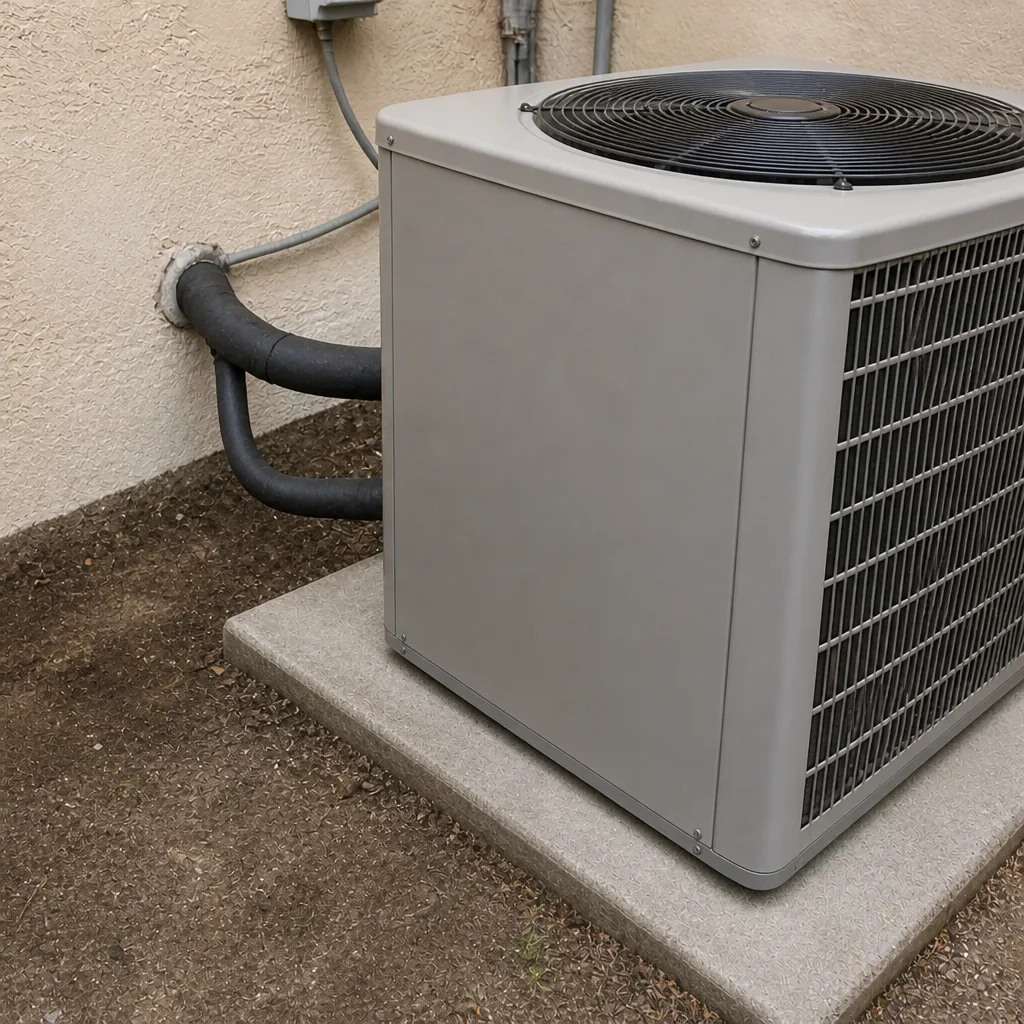
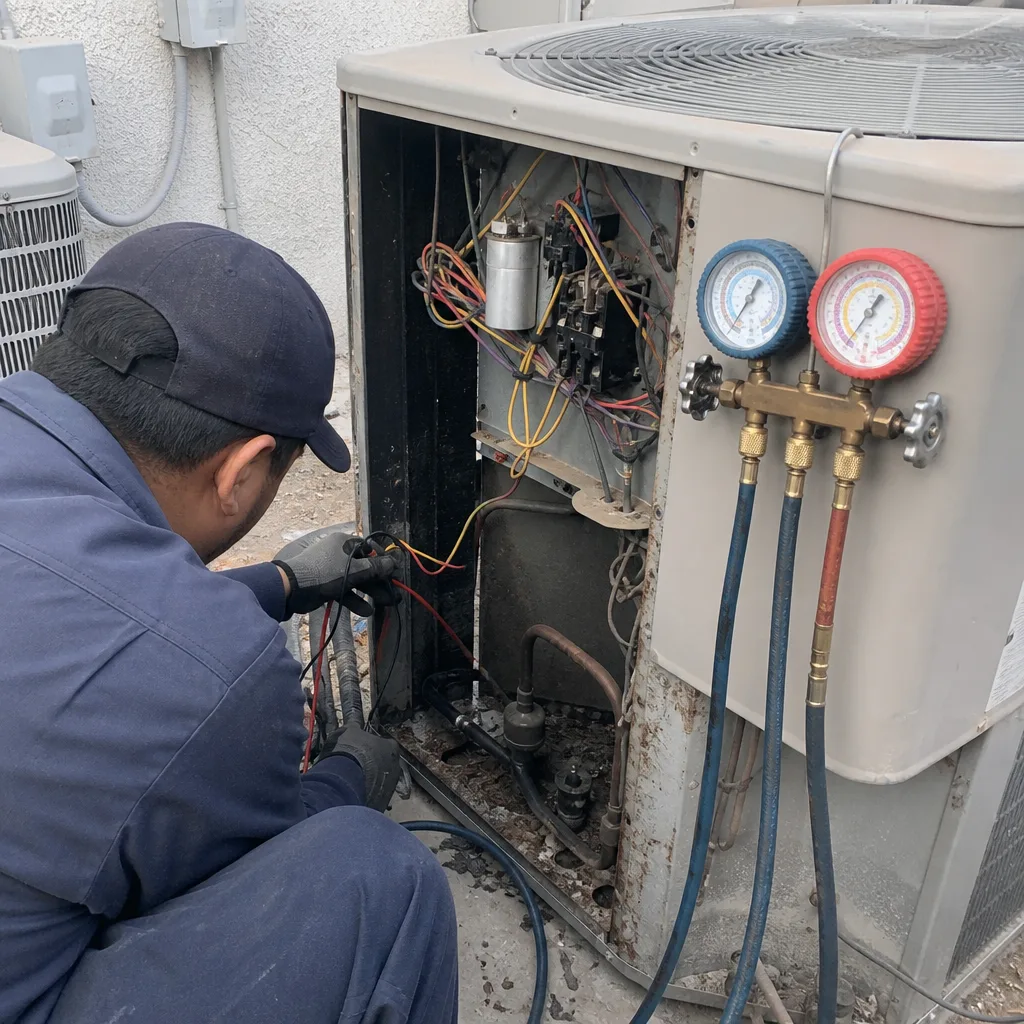
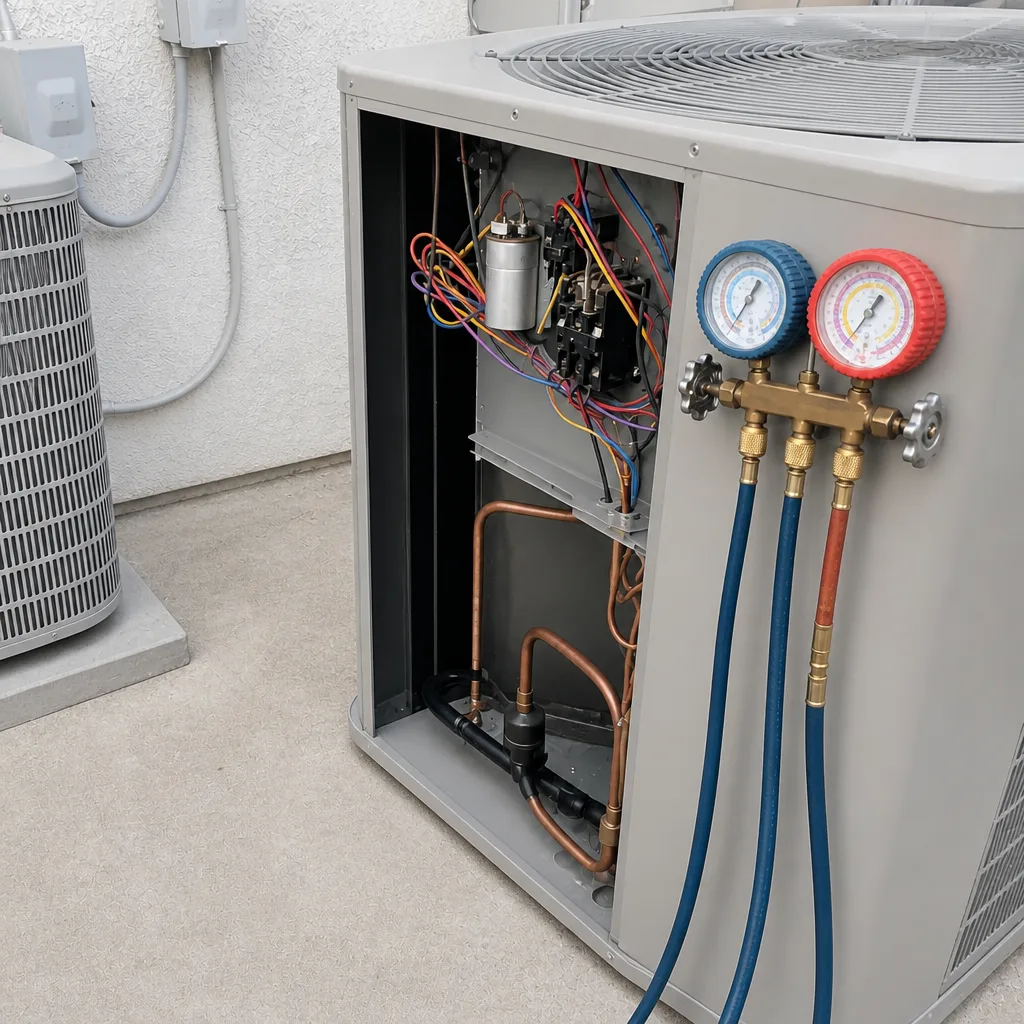
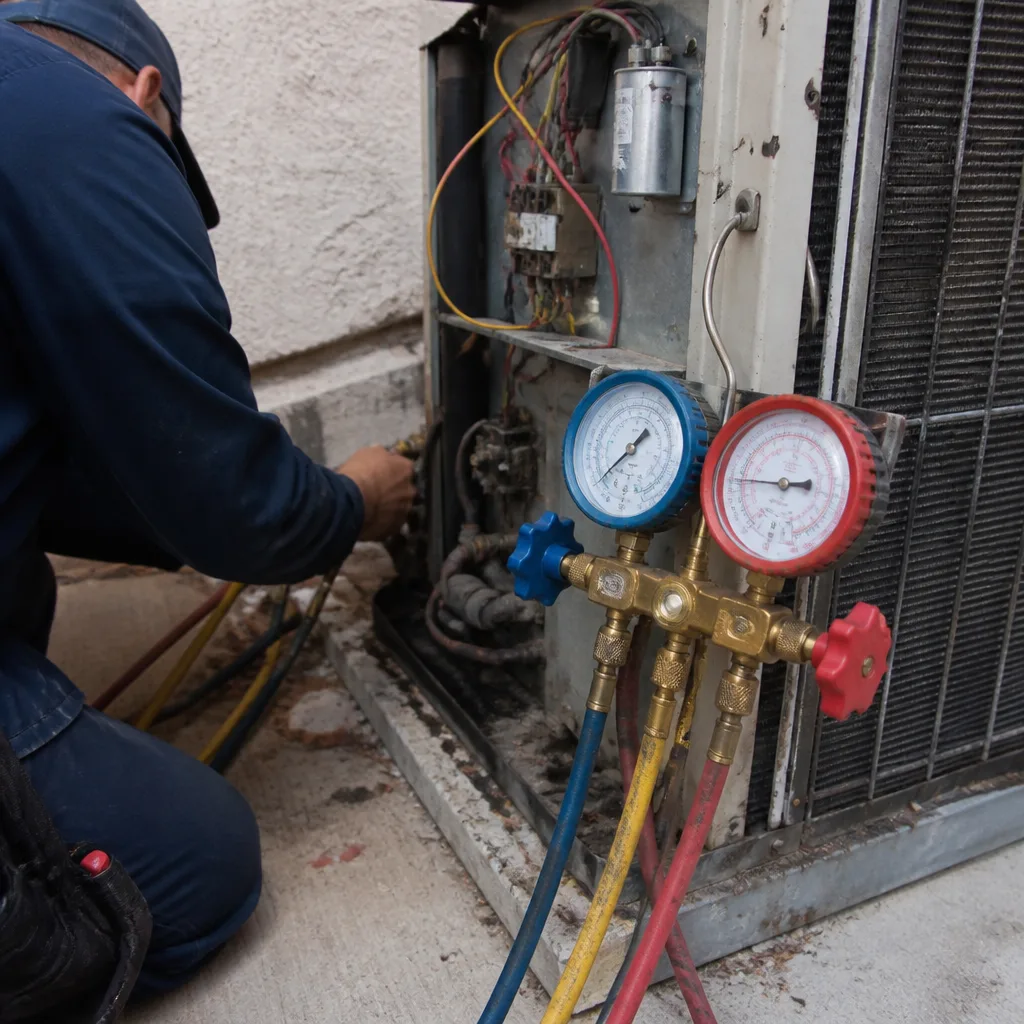
See the difference
 Before
 After
 Before
 After
 Before
 After
When to Call a Professional
Some furnace problems are safe to investigate yourself: a thermostat that’s not calling for heat, a filter that’s been in for two years, a furnace switch that got flipped during a remodel. Check the filter, check the breaker, check the thermostat. If it’s still not heating, call.
Some problems are not safe to poke at. Anything involving the gas valve, the burners, the flue, or the heat exchanger is a job for someone trained and insured, and in most cases, licensed. The risk of a DIY gas line or a heat exchanger “repair” is carbon monoxide poisoning or a fire. It’s not worth the money you save. If you smell gas or your CO alarm is going off, leave the house and call 911 first, then call us.
The middle ground is everything in between: a furnace that runs but blows cold, a furnace that short-cycles, a furnace that surges on and off every few minutes. That’s where a diagnostic visit pays for itself. Ray’s Heating & Air Sunrise Manor offers free estimates in Sunrise Manor, and we test the ignition components and the flame sensor before anyone says the word “compressor.” Call (877) 311-5951 for an exact quote.
Frequently Asked Questions
Most furnace repairs in Sunrise Manor run $180 to $650, with the average landing around $320. Flame sensor cleanings and igniter replacements are at the low end; inducer motors and circuit boards are at the high end. A diagnostic visit is typically $89 to $129 and is usually credited toward the repair if you proceed. Call (877) 311-5951 for an exact quote on your system.
The rule of thumb is replace if the repair costs more than 50% of the price of a new unit, or if the furnace is over 15 years old and the heat exchanger is suspect. In our climate, the calculation leans toward replacement more often than a cold-climate guide would suggest, because the furnace is working harder when it does run and has less total heating-duty life to give. Ask for a written comparison of both options with real numbers before you decide.
In most cases, yes. Furnace repairs for ignition, flame sensor, blower, and thermostat problems are usually handled on the same visit, and common parts for Trane, Lennox, Goodman, and Rheem are available same-day in the Las Vegas valley. Heat exchanger and control board jobs sometimes need a part ordered in, which typically adds a day. Call (877) 311-5951 and we’ll tell you straight what to expect.
For most homes here, yes, if the house is already all-electric or the ductwork is in good shape. Sunrise Manor’s mild winters mean a modern heat pump runs efficiently year-round and handles the handful of nights in the 20s without issue. The math changes if the home already has gas service and a working furnace, because the incremental cost of switching is higher. Get a duct and static pressure measurement before you decide.
A real tune-up includes combustion analysis, flame sensor cleaning, igniter inspection, burner cleaning, heat exchanger inspection, blower motor checks, and a static pressure reading, plus a written report of what was found. In Sunrise Manor, tune-ups typically run $99 to $159. If a company’s tune-up is just a filter change and a sticker, it’s not a tune-up.
Sometimes. NV Energy periodically offers heat pump and high-efficiency furnace incentives, and federal tax credits for qualifying heat pumps and high-efficiency equipment change year to year. We handle the paperwork and tell you what you qualify for in writing before installation. Call (877) 311-5951 and we’ll walk through the current programs with you.
The Bottom Line
Your furnace in Sunrise Manor sits idle most of the year and then gets asked to perform on the coldest night of the year with no warmup. That’s a harder job than running every day, and it’s why flame sensors, igniters, and heat exchangers fail here more than the climate would suggest. The two things that matter most are a real fall tune-up in October and a working CO alarm on every level. If your furnace is over 15 years old, get the heat exchanger inspected before winter, and if a technician finds a crack, shut it off. Everything else can be scheduled. That one can’t.
Whether you need a tune-up, a same-day repair, or a straight answer about whether to repair or replace, Ray’s Heating & Air Sunrise Manor home is here to help. We test the readings first and give you the numbers second, and every heating job carries our 90-Day Done Right Promise. For AC work in the summer months, see our AC Repair & Installation in Sunrise Manor page.
Call (877) 311-5951 for a free estimate. A live person answers, every time, day or night.
Written by the team at Ray’s Heating & Air Sunrise Manor.