
Last updated November 18, 2026
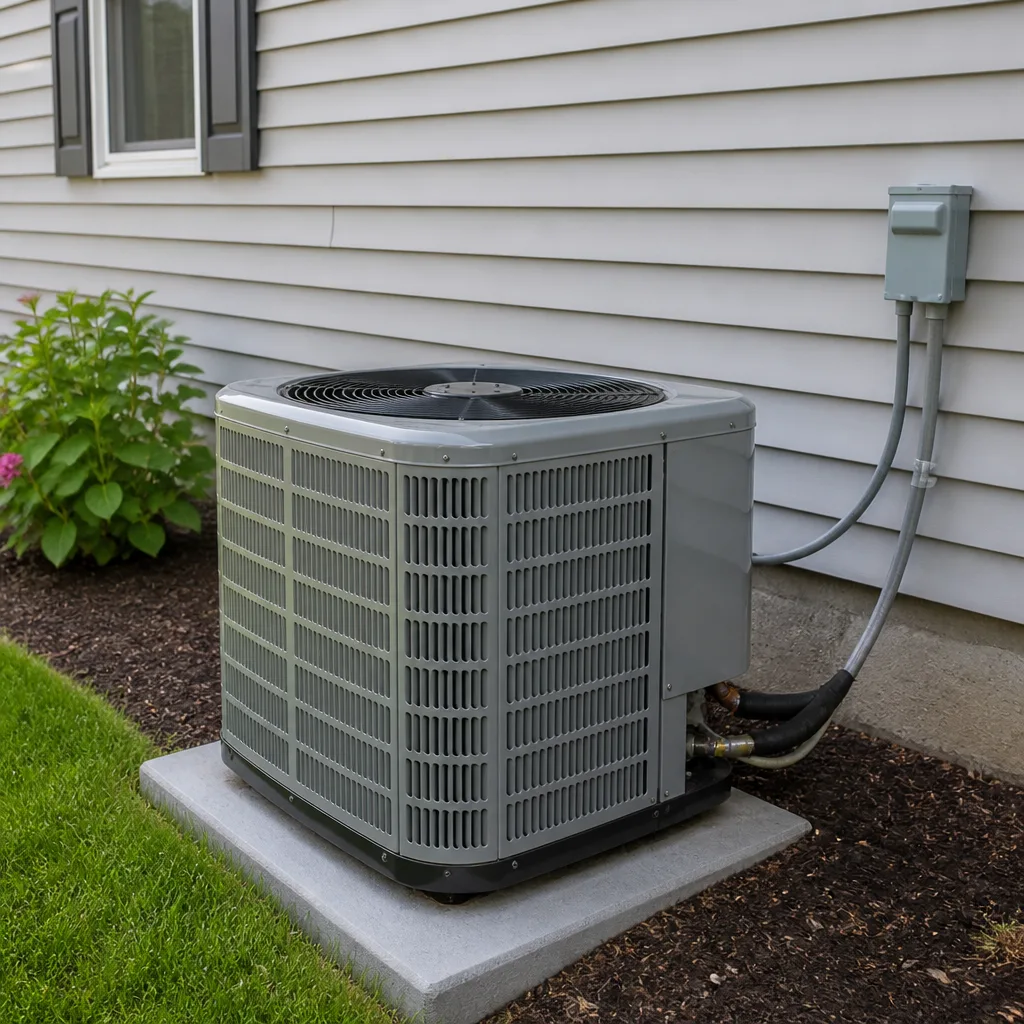 AC repair
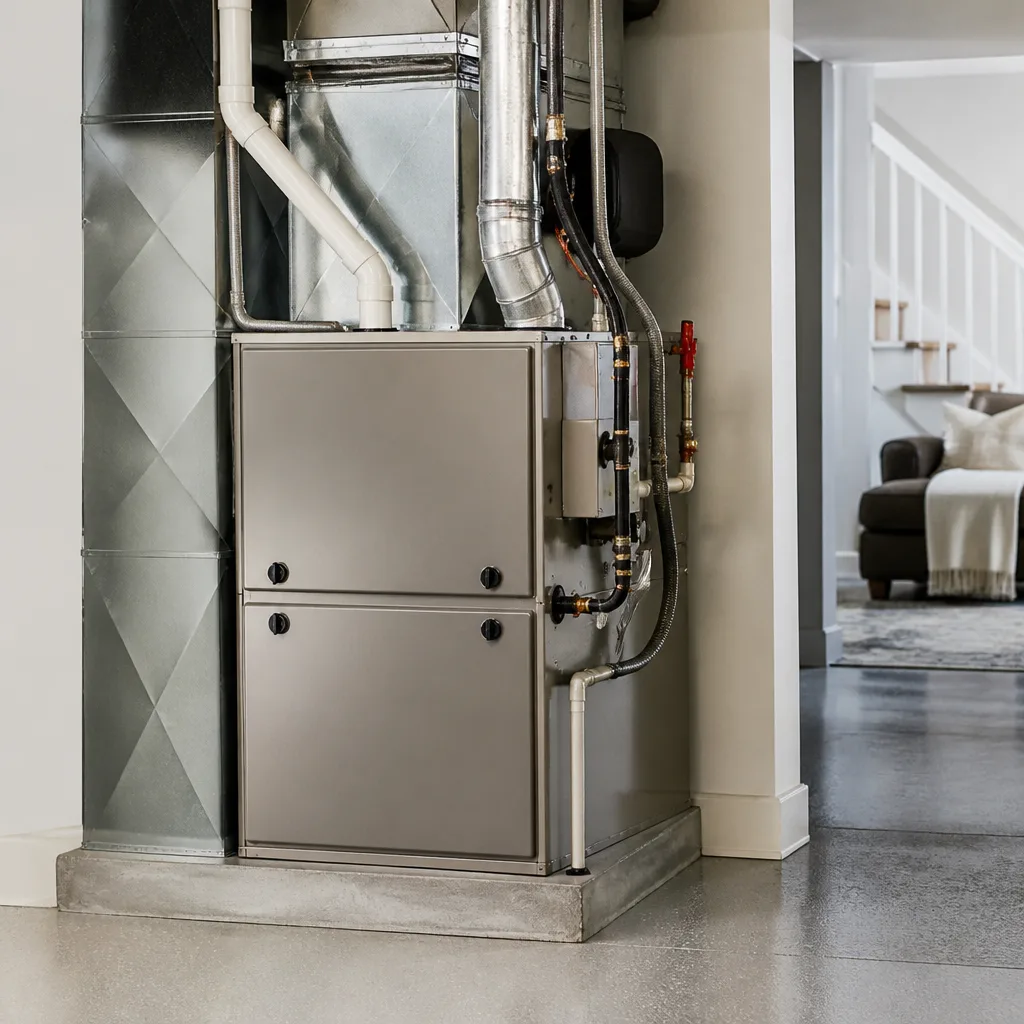 Furnace & heating
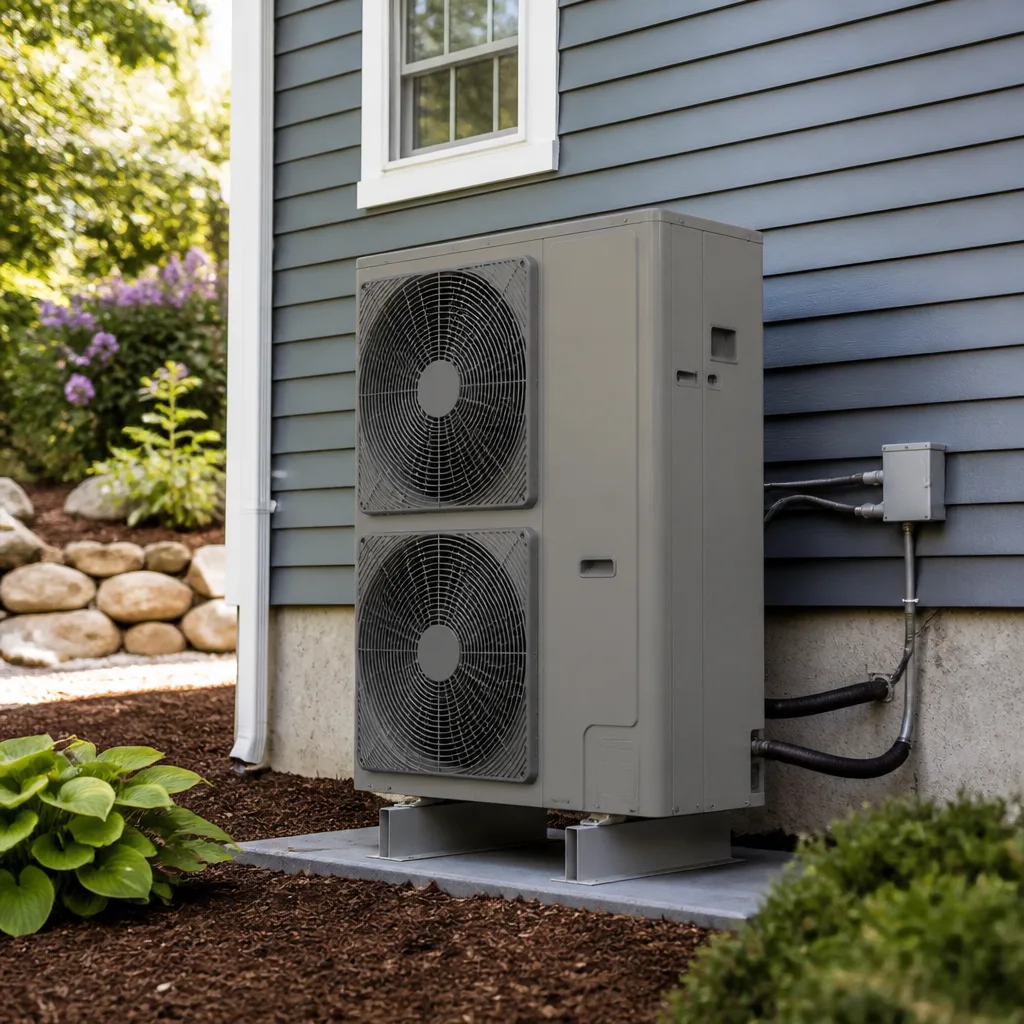 Heat pumps
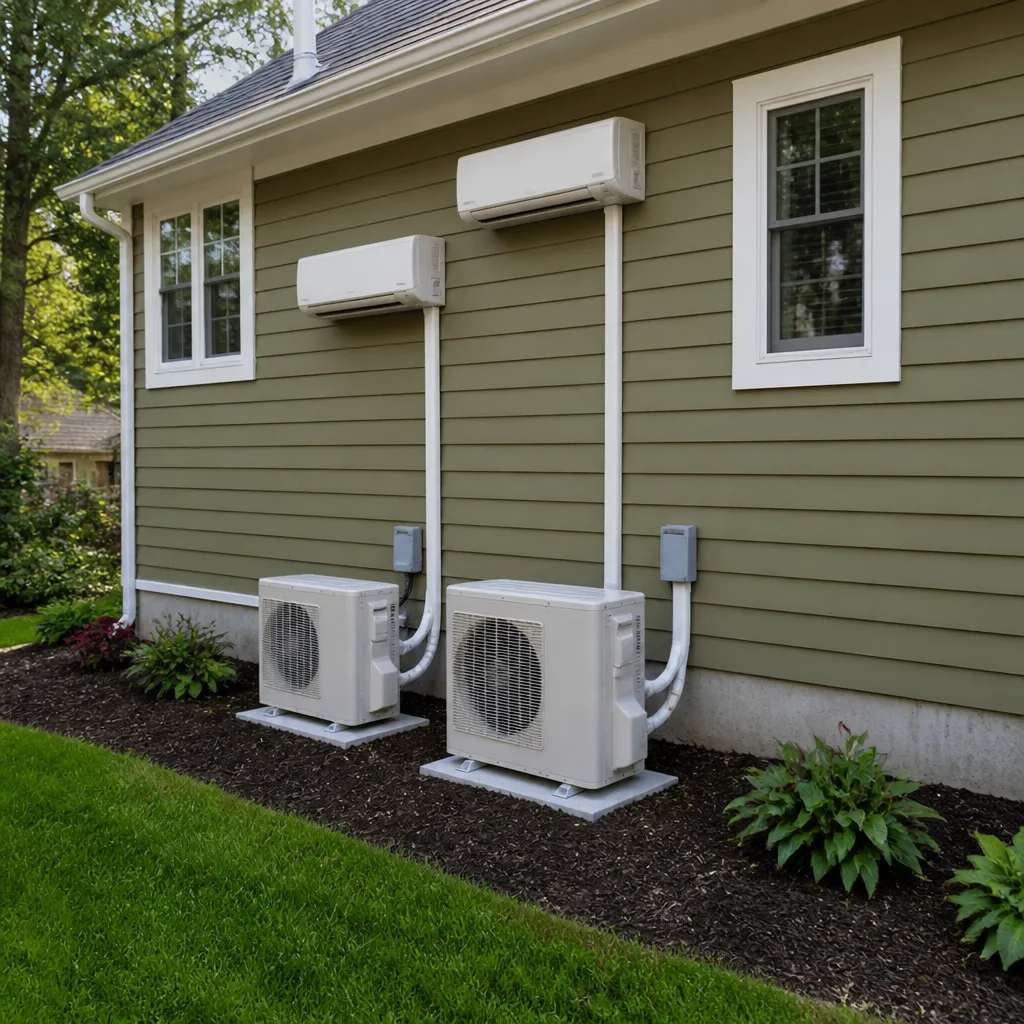 Ductless mini splits
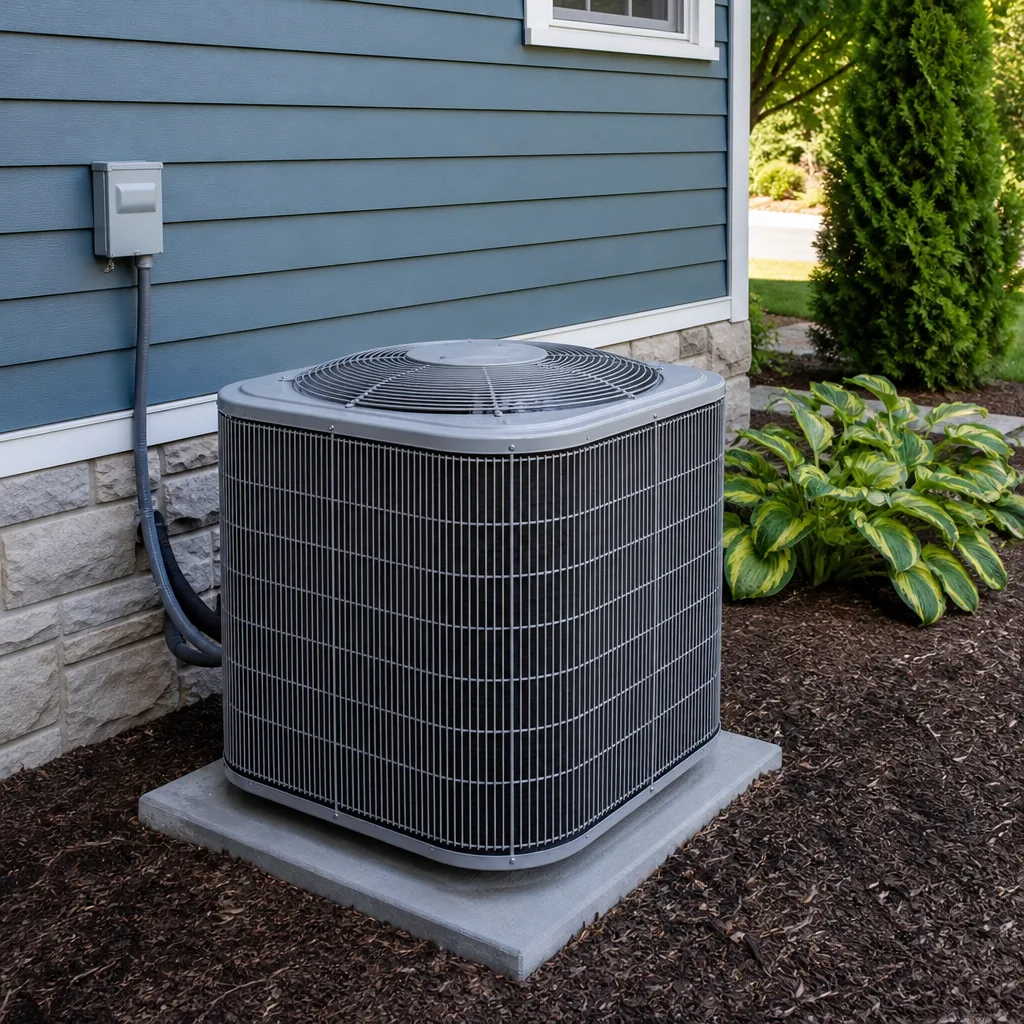 Carrier
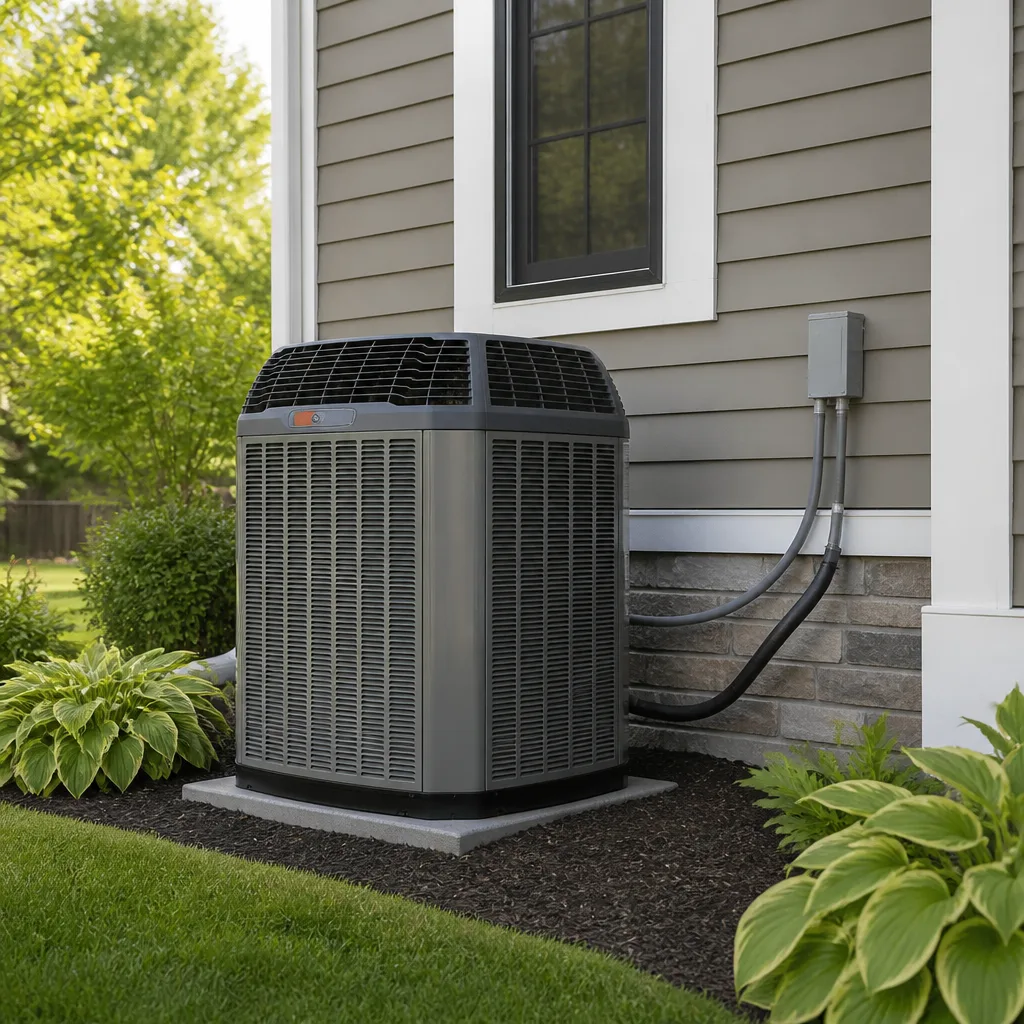 Trane
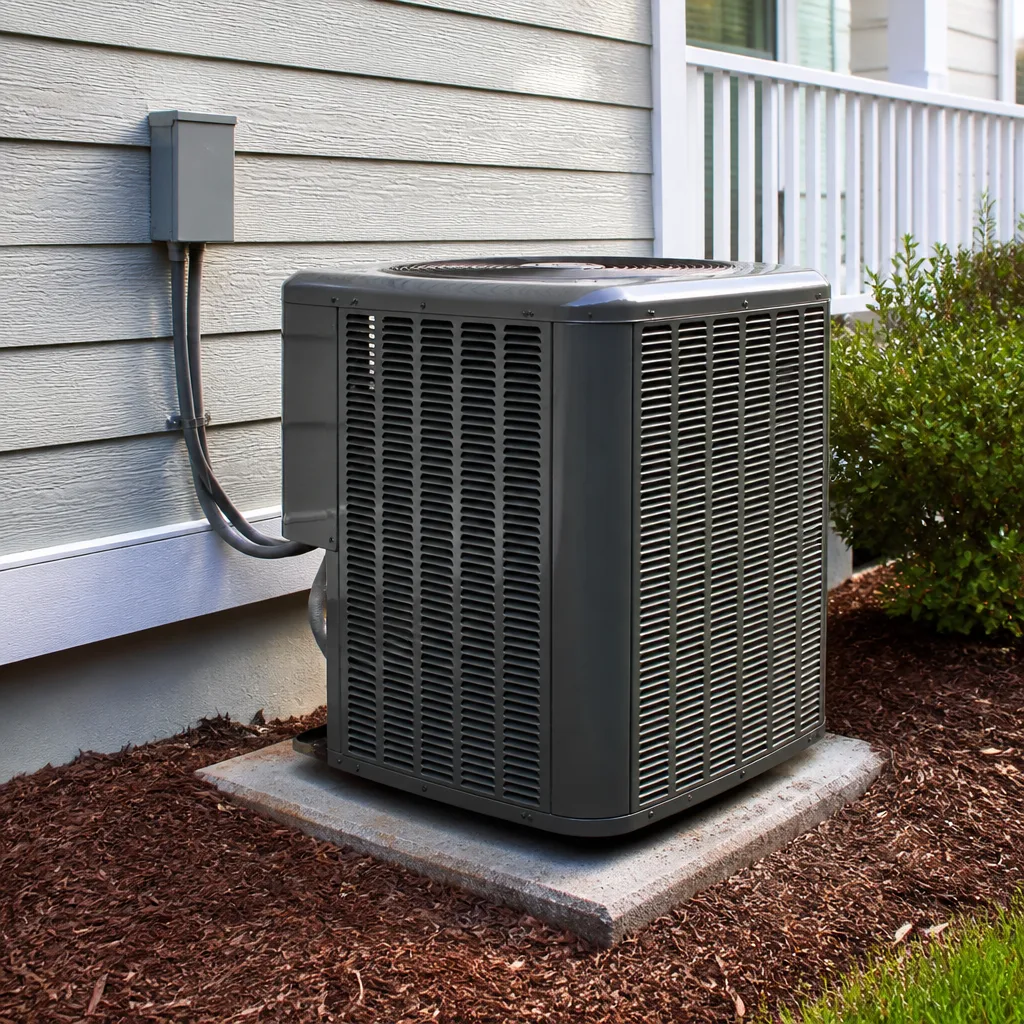 Goodman
Seasonal tune-up and full diagnostic on your Carrier, Trane, or Goodman system - readings shown to you before any repair is proposed
Diagnosis first, numbers second - you approve the repair price before a single part goes in.
Get your free estimateDIY vs Professional Air Quality & Ventilation: What’s Safe to Do Yourself
Last spring a homeowner called us after he’d “cleaned his own ductwork” with a shop vac. Halfway through the attic he caught a loose joint and pushed it apart. For three weeks he’d been cooling his own insulation. When we finally got up there, the fix ran him about four times what a professional cleaning would have cost from the start. That story is the whole reason this guide exists. There’s a real line between homeowner maintenance and licensed work, and it isn’t drawn where most YouTube tutorials pretend it is. Below is the honest version – what’s genuinely safe to handle yourself in Sunrise Manor, what isn’t, and how to tell the difference before you climb into an attic.
Quick Answer
You can safely change your own air filters, wipe down supply grilles, and pull the cover off an exhaust fan to clean the blades. You should not seal ductwork, adjust dampers, or mess with anything connected to gas appliances – those need an EPA-certified or state-licensed HVAC professional, and Nevada does levy real fines on unpermitted work. A $30 carbon monoxide and particulate monitor is the single best DIY tool you can own for deciding which side of that line you’re on.
Styles & brands we work with
- AC repair
- Furnace & heating
- Heat pumps
- Ductless mini splits
- Carrier
- Trane
- Goodman
Table of Contents
- What Air Quality Tasks Are Genuinely Safe to Do Yourself?
- Why Duct Sealing Looks Easy on Video (And Usually Isn’t)
- The Legal Line in Nevada: What Requires a License
- How to Run a Legitimate DIY Air Quality Check
- What “Balanced Ventilation” Means and Why Dampers Matter
- Combustion Appliances and Backdrafting: The Danger Nobody Talks About
- DIY vs Professional: A Side-by-Side Comparison
- What Professional Air Quality Work Costs in Sunrise Manor
What Air Quality Tasks Are Genuinely Safe to Do Yourself?
A real list, not a wish list. These are the jobs where the worst outcome is a slightly crooked filter or a dirty rag. Nothing here touches gas, electrical, or structural connections.
- Filter swaps. Once a month in summer, every three months otherwise if you have no pets. A MERV 8 to MERV 11 filter is right for most Sunrise Manor homes. Going higher than MERV 13 without checking your system’s static pressure can starve airflow and cost you more in energy than it saves in dust.
- Grille and register wipe-downs. Take a microfiber cloth to supply and return grilles monthly. Grilles are just dust collectors screwed to a wall; nothing behind them is fragile.
- Exhaust fan cover removal and cleaning. Bathroom and kitchen exhaust fans have a friction-fit cover or spring latch. Pop it off, soak it in warm soapy water, scrub the blades with a toothbrush, dry it fully, put it back. This is the single biggest air-quality win most homeowners skip, and it’s an easy 20-minute job.
- Condensate drain flush. A cup of white vinegar down the drain line once a season keeps algae from backing up your AC in July. It’s not technically air quality, but the mold that grows in a clogged pan absolutely is.
- Return-air grille vacuuming. A brush attachment on a shop vac on the return grille face removes loose dust before it goes downstream.
Notice what’s not on the list. Duct interiors, damper adjustments, and anything touching a gas appliance.
Why Duct Sealing Looks Easy on Video (And Usually Isn’t)
You’ve seen the videos. Tube of mastic, foam brush, fifteen minutes, better bills. That’s the sales pitch. Here’s what the video leaves out.
Not every gap in a duct system is a leak. Some joints are intentional – designed slip joints that allow for thermal expansion in an attic that hits 140°F in July in Sunrise Manor. If you mastic those shut, you create stress fractures three feet upstream the first hot week of summer. We’ve seen it happen in the older tract homes around the east side of Sunrise Manor where the duct runs are longer than the plan designer expected. The expansion has to go somewhere.
The other thing the video doesn’t mention: before you seal, you have to know where the ducts are leaking. That takes a blower-door test and a duct-leakage test, and those numbers tell you whether sealing the four accessible joints you can reach will move the needle by 2% or 20%. Sealing the wrong four joints is common. Sealing a joint that’s next to the air handler and forgetting the trunk lines running through a 130°F attic is more common.
Mastic and metal tape (not duct tape – the fabric kind fails in months) are the right materials. The problem isn’t the material, it’s the diagnosis. If you’ve never had a duct-leakage test, sealing is guesswork. The “professional” version costs a couple hundred dollars and starts with a reading, not a tube of mastic.
If you’re already seeing hot and cold rooms and high summer bills in Sunrise Manor, start with a proper AC repair and installation assessment before you seal anything.
The Legal Line in Nevada: What Requires a License
Nevada isn’t shy about this one. If you’re doing HVAC work on someone else’s property for compensation, you need a state HVAC contractor license through the Nevada State Contractors Board. If you’re touching refrigerant, federal EPA Section 608 certification is required regardless of whose house you’re working on – that includes your own if you’re working on the sealed refrigerant circuit. Do not vent refrigerant into the air. It’s a federal violation.
For homeowners doing work on your own residence, the picture is subtler. You can generally work on your own home without a contractor’s license. But you can lose your homeowner’s insurance coverage on the affected system if a fire or gas incident traces back to unpermitted work. And in Nevada, unpermitted work that a contractor later has to fix or inspect can trigger a stop-work order and a fine that runs into the hundreds of dollars per violation depending on the county. We’ve watched homeowners pay more in permitting catch-up than the original job would have cost.
The honest early-2026 rule: anything that touches a gas line, an electrical panel, the refrigerant circuit, or structural framing isn’t a homeowner job. Period. Changing a filter and cleaning a grille isn’t even in the same conversation.
How to Run a Legitimate DIY Air Quality Check
Before you decide you need professional work, get data. You can do this with two consumer tools that cost $30 to $100 combined. Here’s the sequence.
- Buy a carbon monoxide monitor – not the beeping alarm type, but a display unit that shows PPM. Place it near your furnace and water heater. Anything over 9 PPM at steady state after 15 minutes is a “call someone today” number.
- Buy a particulate monitor (PM2.5) – battery units run $30 to $70. Take readings in the bedroom, the living room, and near the return grille. Sunrise Manor sees windblown dust off the open desert east of town in spring, so outdoor PM2.5 can spike 30 to 60 µg/m³. Indoors should stay under 12 µg/m³ with the system running.
- Do the “shower test” on your exhaust fans. Turn the bathroom fan on with the door closed. Run the shower hot for 5 minutes. If the mirror fogs and stays fogged, your fan is moving almost no air. It should clear in under 5 minutes.
- Do the “tissue test” on returns. Hold a square of toilet paper against each return grille. If it doesn’t pull tight, that return is starved – a return-design problem you can’t fix yourself.
- Log it. Write the numbers down. When you call for a second opinion, you’ll be the rare homeowner with actual readings, and any honest contractor will respect that.
Now you know whether the air in your Sunrise Manor house is actually a problem, or just feels stuffy on a Tuesday. Most of the time it’s the second thing.
What “Balanced Ventilation” Means and Why Dampers Matter
A house is a pressure vessel. Every cubic foot of air your bathroom fan, kitchen hood, or dryer vents out has to come back in somewhere. In a tight, modern Sunrise Manor home – the newer builds on the north side of town are tighter than the 1970s stock by a factor of three or four – that makeup air comes through gaps you didn’t know existed, or through your combustion appliance flue.
“Balanced ventilation” means the air coming in matches the air going out. When it’s balanced, humidity stays controlled, exhaust fans actually exhaust, and combustion appliances draft properly. When it’s imbalanced – and this is what happens when a homeowner closes dampers they don’t understand – one room becomes a vacuum, the pressure in that room drops below the rest of the house, and combustion gases from a gas water heater or furnace can be pulled backward down the flue.
We’ve walked into Sunrise Manor homes where the homeowner “closed a couple dampers to push more air to the master bedroom” and unintentionally created a backdraft condition at the water heater. The CO monitor near the water heater read 40 PPM. Nobody was symptomatic yet, but they would have been.
Dampers exist for a reason: they balance static pressure across the trunk lines. If a room is too hot or too cold, closing a damper is almost never the fix. The fix is a static-pressure reading at the air handler, which tells you whether the whole system is pushing against a wall. That’s a professional measurement.
For homes in Sunrise Manor with heat pumps, the pressure balance is even more critical because the system runs year-round. That’s covered on our heat pump and mini-split page.
Combustion Appliances and Backdrafting: The Danger Nobody Talks About
This is the section we wish every homeowner read. A gas furnace or water heater exhausts carbon monoxide up a flue. The flue drafts upward because the hot exhaust is buoyant and the pressure inside the house is slightly negative relative to the flue. When the house pressure changes – because you turned on three exhaust fans at once, or you closed a damper, or the flue got blocked by a bird nest – that draft reverses. Exhaust comes back into the house.
Early-winter is when we see this most in Sunrise Manor. The first cold snap turns on furnaces that have been idle since March. If a flue has deteriorated over the summer (the desert heat and dust are hard on flue caps and masonry), the first time it runs you get a backdraft. The homeowner calls about “a weird smell” and we find 80 PPM CO in the utility room. This is why we recommend a CO monitor on every floor with a combustion appliance, and why we test draft on every furnace service call.
This is the part of air quality that YouTube can’t teach. You can’t “adjust a damper” your way out of a backdraft. You need a manometer reading and a combustion analyzer. That’s not a homeowner tool.
DIY vs Professional: A Side-by-Side Comparison
| Task | DIY Safe? | Why |
|---|---|---|
| Filter replacement | Yes | No tooling, no risk. Worst case: wrong MERV. |
| Grille wipe-down | Yes | Surface only. No connections. |
| Exhaust fan cover cleaning | Yes | Friction-fit cover. Unplug the fan if it has a visible switch. |
| Duct sealing | No | Requires leakage test to know where to seal. Wrong joints cause stress fractures. |
| Damper adjustment | No | Can depressurize a room and backdraft combustion gases. |
| Duct cleaning with a shop vac | No | Pushes joints apart. Requires negative-pressure containment. |
| Refrigerant work | No | EPA Section 608 certification required. Federal law. |
| Gas appliance servicing | No | State license, combustion analysis required. This is where CO kills people. |
| Ventilation balancing | No | Requires manometer and static-pressure readings. |
What Professional Air Quality Work Costs in Sunrise Manor
Numbers matter, so here are rough ranges for the Sunrise Manor market as of early 2026. Any honest contractor will tell you their range before they arrive, and you should expect to see the readings they took.
- Whole-home duct cleaning: $450 to $750 for a typical 1,800 sq ft Sunrise Manor house with one air handler. Add $150 if you have two systems.
- Duct leakage test: $150 to $250. A good starting point if you suspect leaks but haven’t sealed anything yet.
- Duct sealing (partial): $400 to $900 depending on attic accessibility. The older homes on the east side of town run higher because the flex runs are longer and harder to reach.
- Whole-home ventilation balancing: $200 to $400 including static-pressure readings and damper adjustment.
- CO and combustion safety inspection: $100 to $200 per gas appliance. This is the cheapest insurance against a bad night.
- Full IAQ assessment with blower door: $350 to $500. Comprehensive; finds air infiltration you didn’t know existed.
When you look at these prices against the $40 to $60 you’d spend on a filter and a shop-vac bag, it’s tempting to do everything yourself. But the duct cleaning cost above is the one that saves you money overall – the earlier story about the guy who pulled a joint apart with a shop vac, that popped a $450 job into a $1,800 repair. The math almost never favors DIY in the attic.
If it turns out your air quality problem is actually a system problem, you may be looking at more than ventilation. Our heating and furnace page covers what to check when the answer isn’t just air.
Common Mistakes to Avoid
- Using duct tape on duct seams. Fabric duct tape fails within months in a hot attic. Mastic or metal foil tape is correct, but only after you know which seams need it.
- Oversizing the filter MERV. MERV 16 feels “safer” but starves airflow. Sunrise Manor homes on older Carrier and York systems are particularly sensitive to pressure drop. Stick to MERV 11 unless a professional measures static pressure first.
- Closing dampers to “fix” a hot room. This is the fastest path to a backdraft we see. Ask for a static-pressure reading instead.
- Skipping the CO monitor. Under $30 and the single most valuable piece of kit in the house. Not optional if you have gas.
- Assuming a “professional” duct cleaning is all the same. Some outfits run a brush through and call it clean. Real cleaning uses negative pressure containment and a camera before-and-after.
- Ignoring the bathroom exhaust fan for years. In Sunrise Manor’s dust, the blades cake up in 18 months. A 20-minute cleaning keeps the fan moving 60% more air.
- Doing gas appliance work yourself because “it’s just a thermocouple.” The thermocouple is easy. The draft is not. We’ve seen homes go from fine to two deaths in a season because a homeowner replaced a part and never re-tested draft.
If you want a second set of eyes before you commit to any of this, our Sunrise Manor home page has the full picture of what we cover. And if you’re comparing written estimates, our free second opinion is a good starting point – no trip charge inside the county.
See the difference
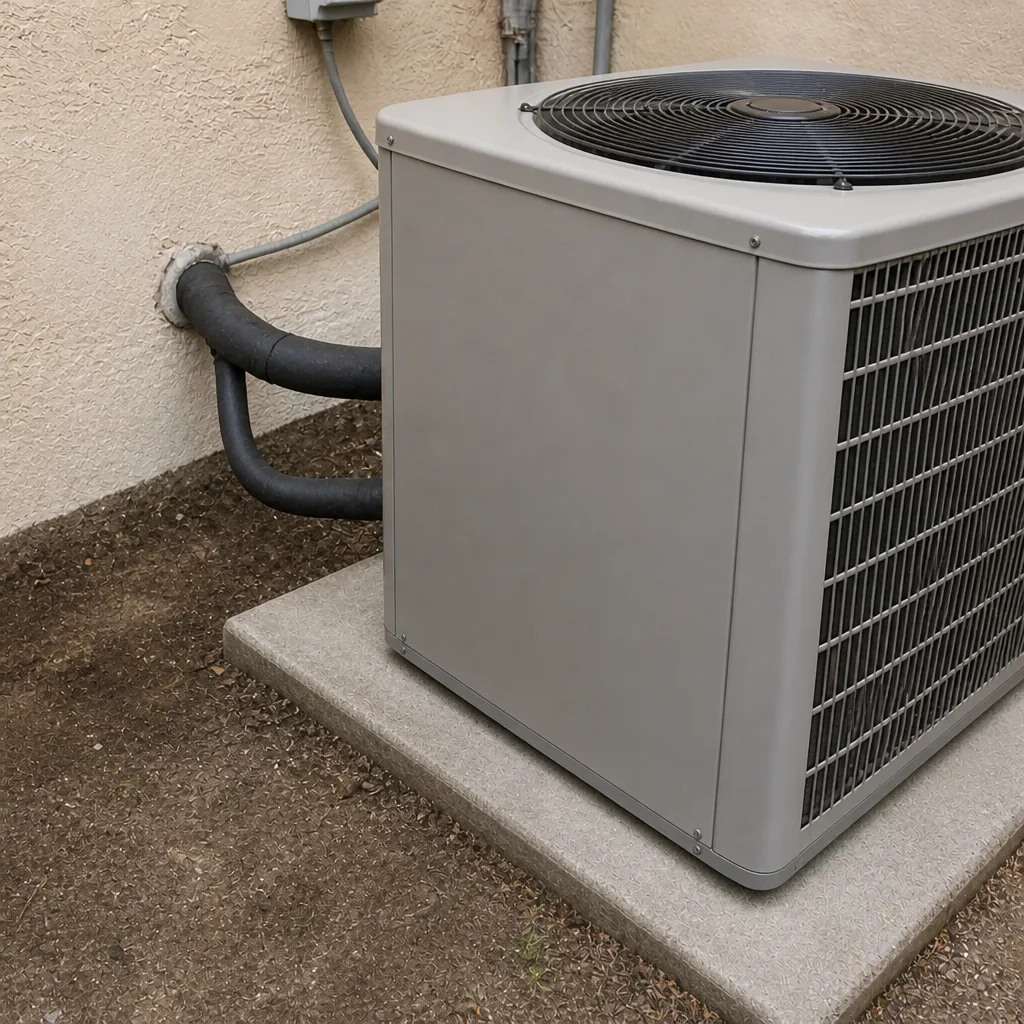
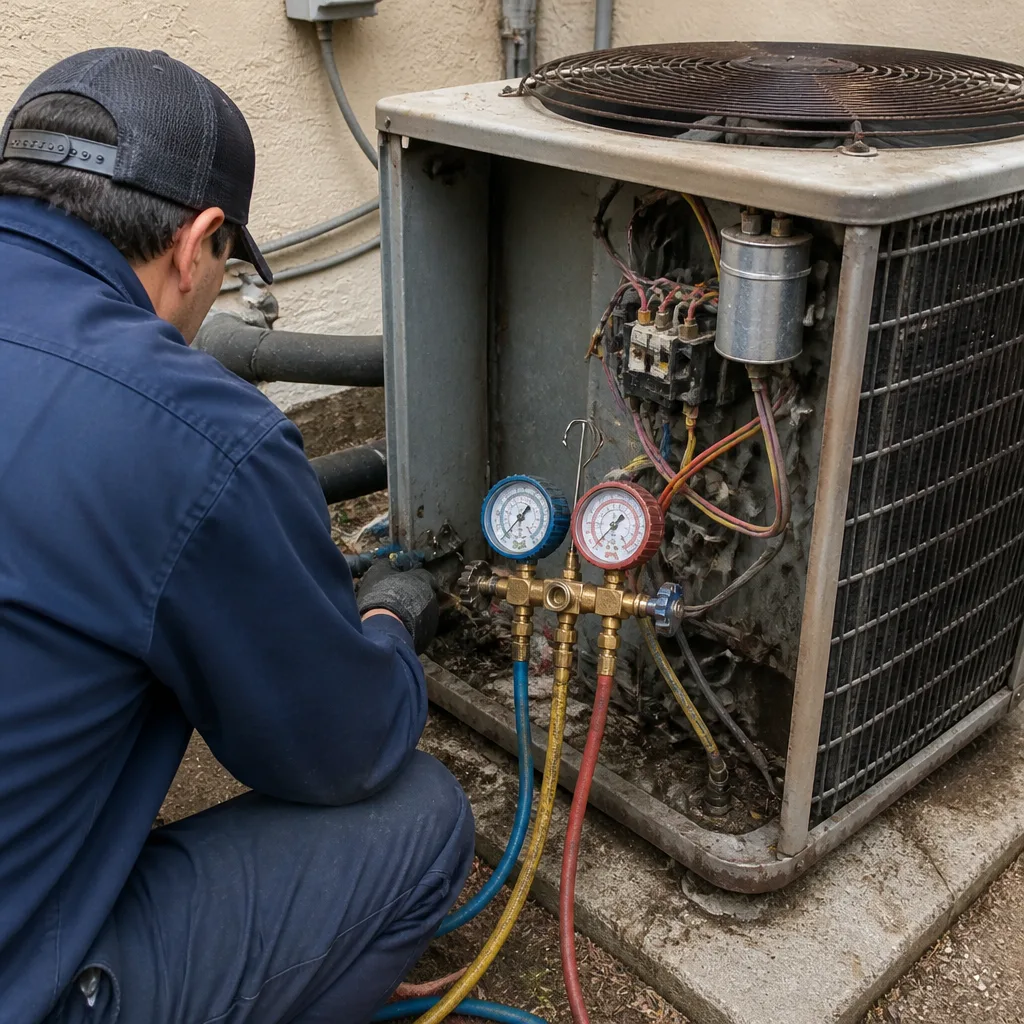 Before
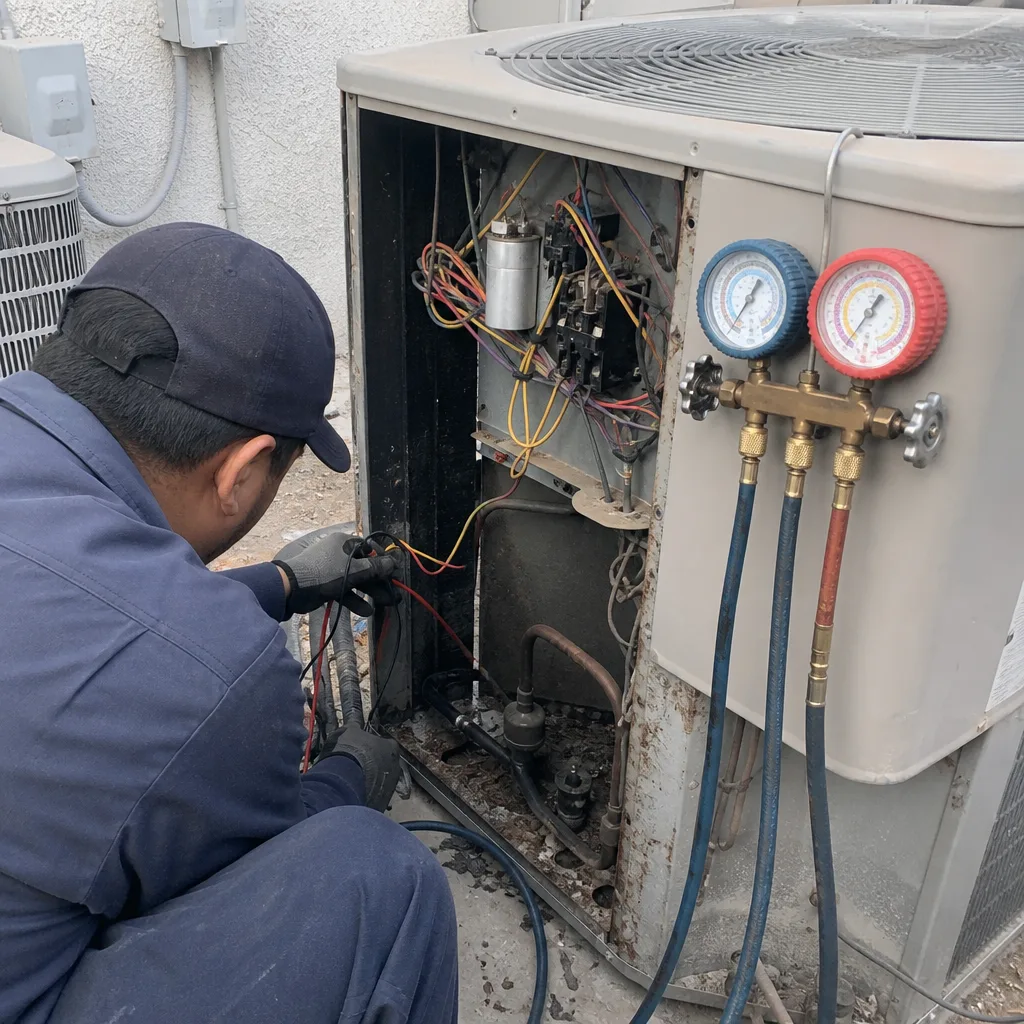
 After
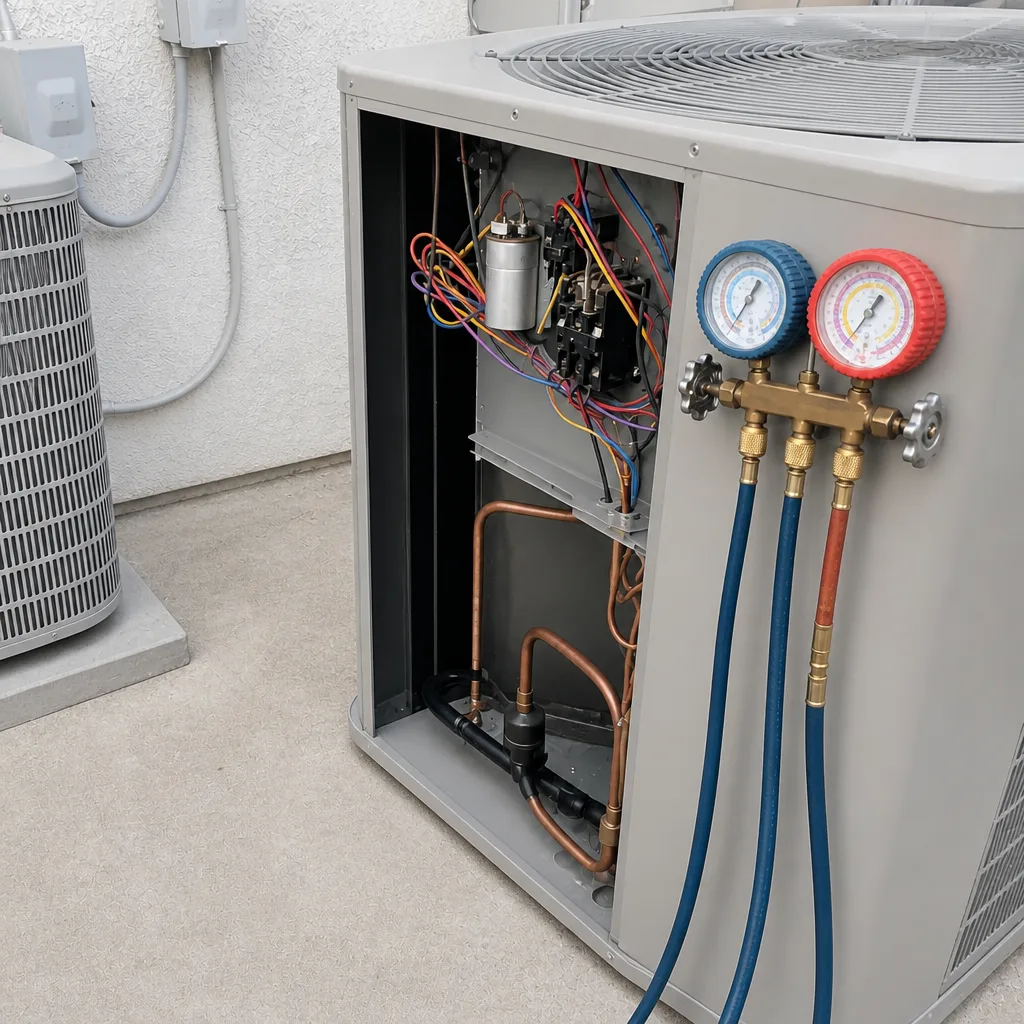
 Before
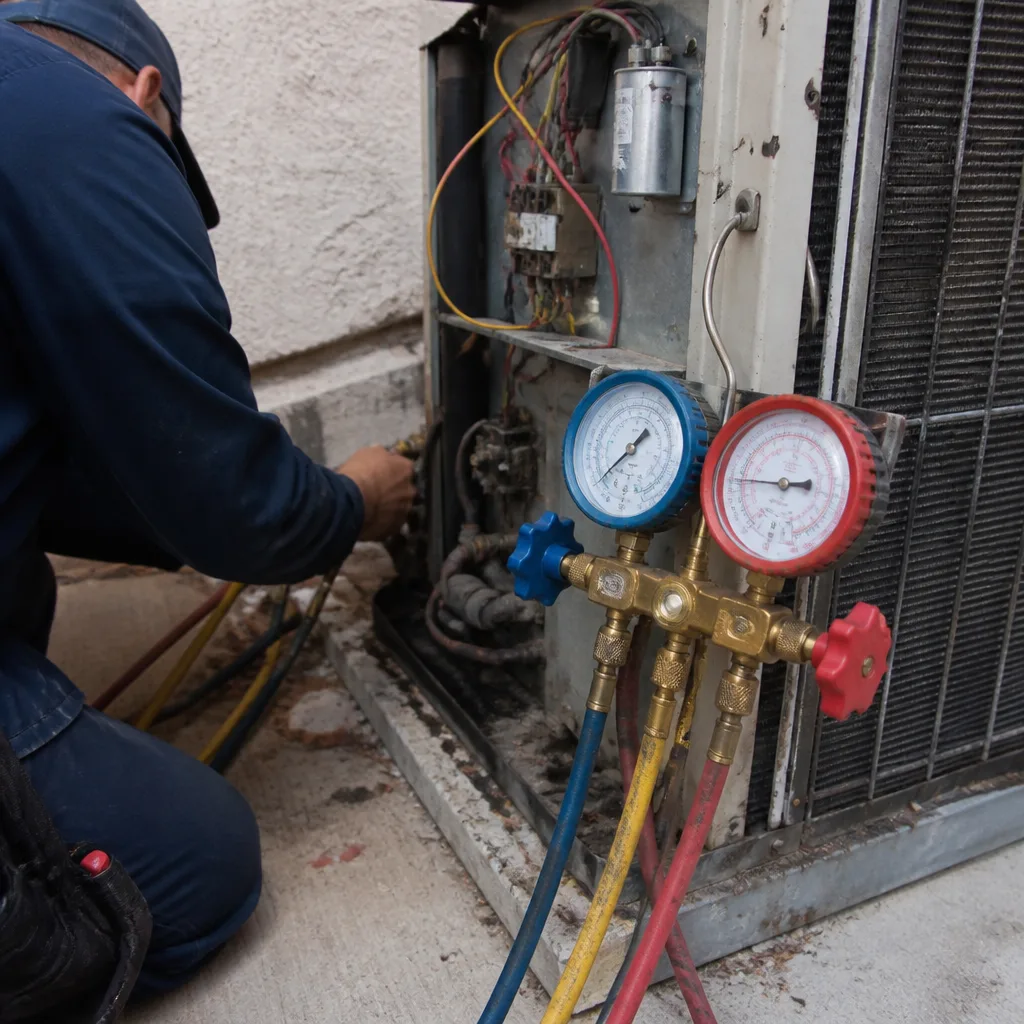
 After
 Before
 After
When to Call a Professional
Call for anything involving gas, refrigerant, electrical, duct sealing, or ventilation balancing. Call if your CO monitor shows any reading above 9 PPM. Call if your exhaust fans don’t clear a fogged mirror in under 5 minutes. Call if you’ve got hot-and-cold rooms and want to close a damper to fix it – that’s the moment before the mistake, not after. Call if you’re planning duct cleaning with a shop vac, because that’s the phone call that saves you the repair bill. Call if you’re not sure whether what you’re looking at is a filter or something else. A quick honest conversation now is cheaper than a Monday morning surprise. Ray’s Heating & Air Sunrise Manor offers free estimates in Sunrise Manor – call (877) 311-5951.
Frequently Asked Questions
No. A shop vac can’t build the negative pressure needed to actually evacuate dust, and the wand-and-hose routine routinely pushes flex duct joints apart in the attic – the exact failure we described at the top. Professional duct cleaning uses negative-pressure containment and before-and-after camera inspection. If your goal is cleaner air, change the filter and call for a duct leakage test instead.
You can legally seal your own ducts in Nevada on a home you own, but you shouldn’t, because sealing the wrong joints causes stress fractures and you won’t know which joints need it without a leakage test. Any gas appliance connected to a ducted system needs a licensed technician – and if you skip that, you can lose insurance coverage and face county permitting fines.
A carbon monoxide monitor (under $30) and a particulate monitor (under $70). Place the CO monitor near your furnace and water heater, and the PM2.5 monitor in your bedroom and living room. Read for 15 minutes with the system running. Over 9 PPM CO or 12 µg/m³ PM2.5 indoors means it’s time to call.
Balanced ventilation means the air going out (through exhaust fans and dryer vents) matches the air coming in. When it’s balanced, your gas appliances draft correctly. When it’s not, one room becomes a vacuum, and combustion gases can backdraft from the water heater or furnace. If a room feels stuffy, don’t close a damper – get a static-pressure reading.
They handle the routine dust load. They don’t handle the airflow measurement, the static-pressure reading, or the combustion safety inspection. What you’re giving up by sticking to DIY is the numbers – the readings that tell you whether your system is working or just running. Our technicians have up to 24 years of experience with exactly those readings, and the 90-Day Done Right Promise is on every job in writing.
Not on gas appliances. Replacing a thermocouple or igniter is the easy part; re-testing draft and combustion is the part that keeps you safe. A furnace that runs but backdrafts is worse than one that won’t start. If you’ve replaced a part, call for a combustion safety check before you run it for a full season.
The Bottom Line
The line between DIY and professional air quality work is real, and it’s not where the videos draw it. Filters, grilles, and exhaust fan covers are yours to handle forever – knock yourself out. Duct sealing, damper adjustments, gas work, and anything involving a shop vac in an attic belongs to a professional. Get a $30 CO monitor and start measuring before you decide anything. The best DIY move in a Sunrise Manor home isn’t the repair itself – it’s knowing which jobs you’re qualified to do. When you’re ready for the rest, call Ray’s Heating & Air Sunrise Manor at (877) 311-5951 for a free estimate.
Written by the team at Ray’s Heating & Air Sunrise Manor.