
Last updated November 18, 2026
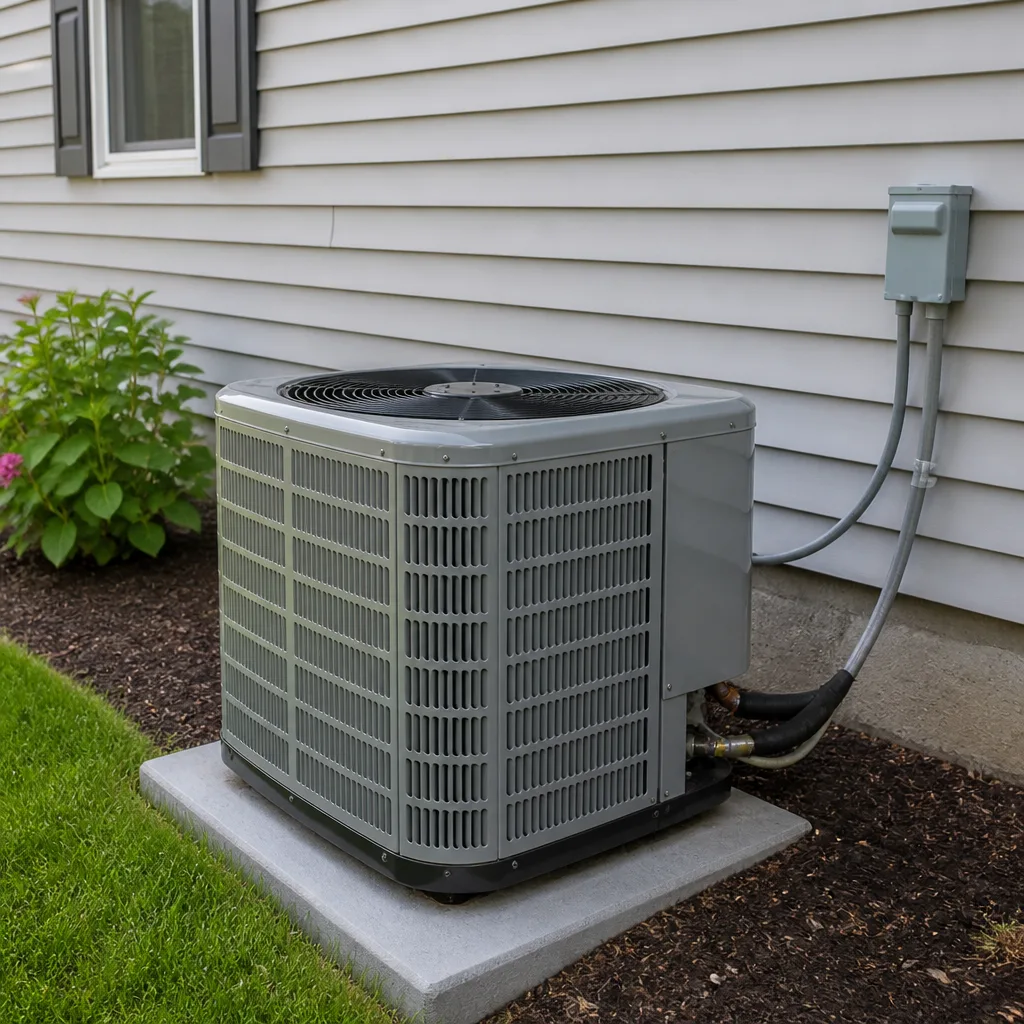 AC repair
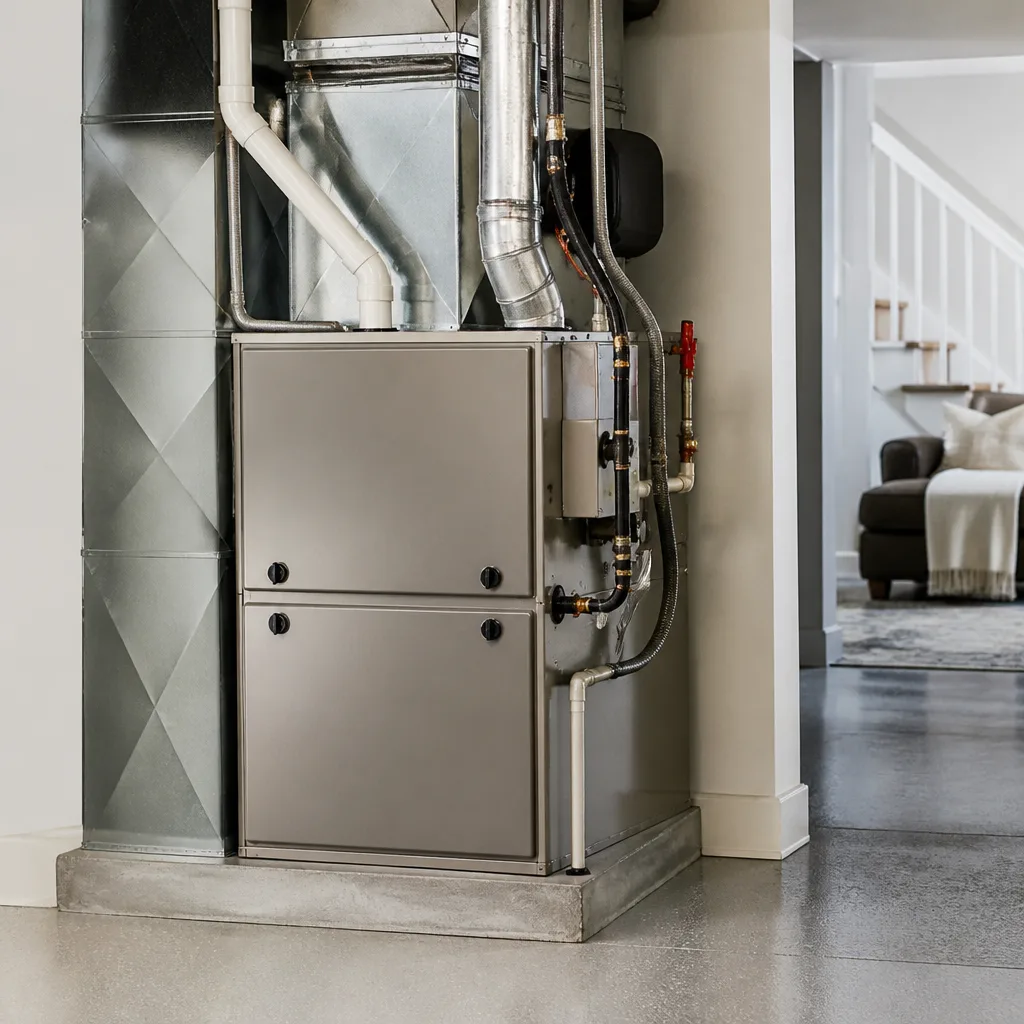 Furnace & heating
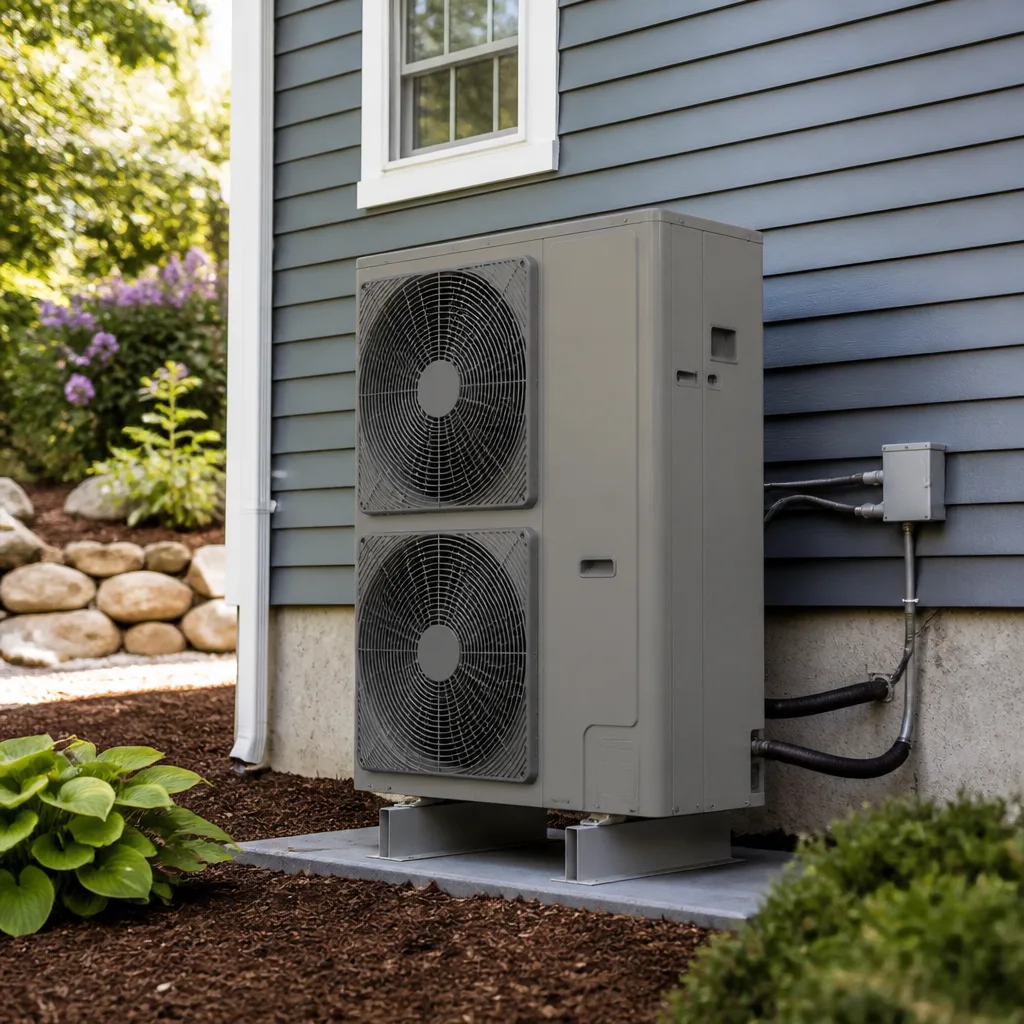 Heat pumps
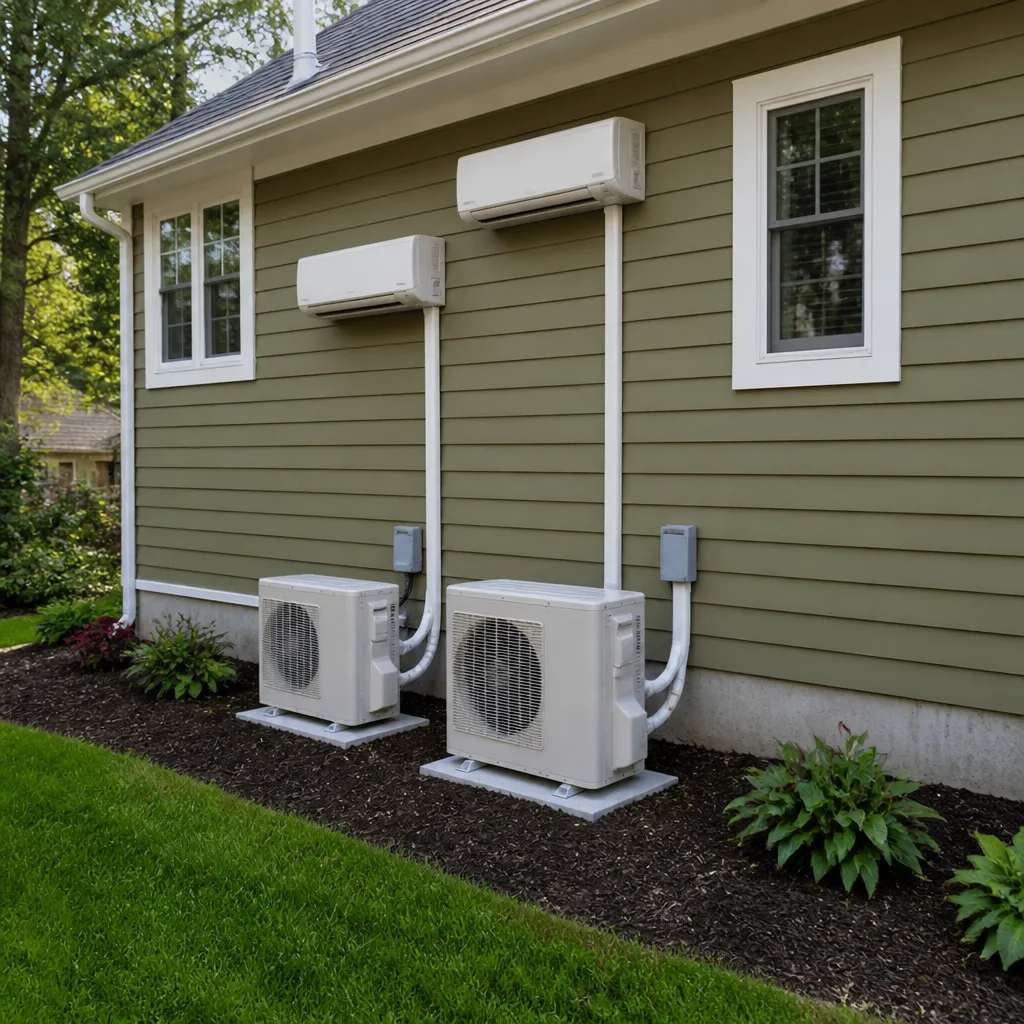 Ductless mini splits
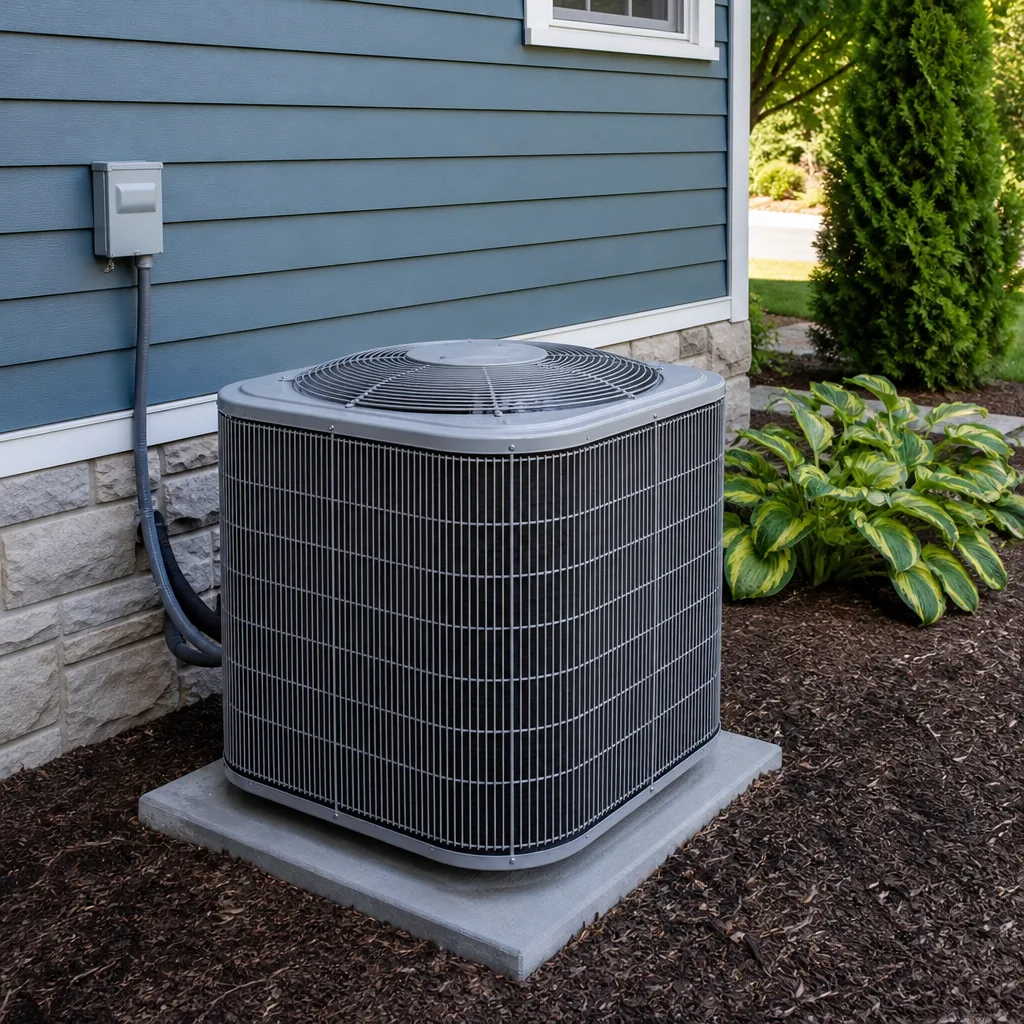 Carrier
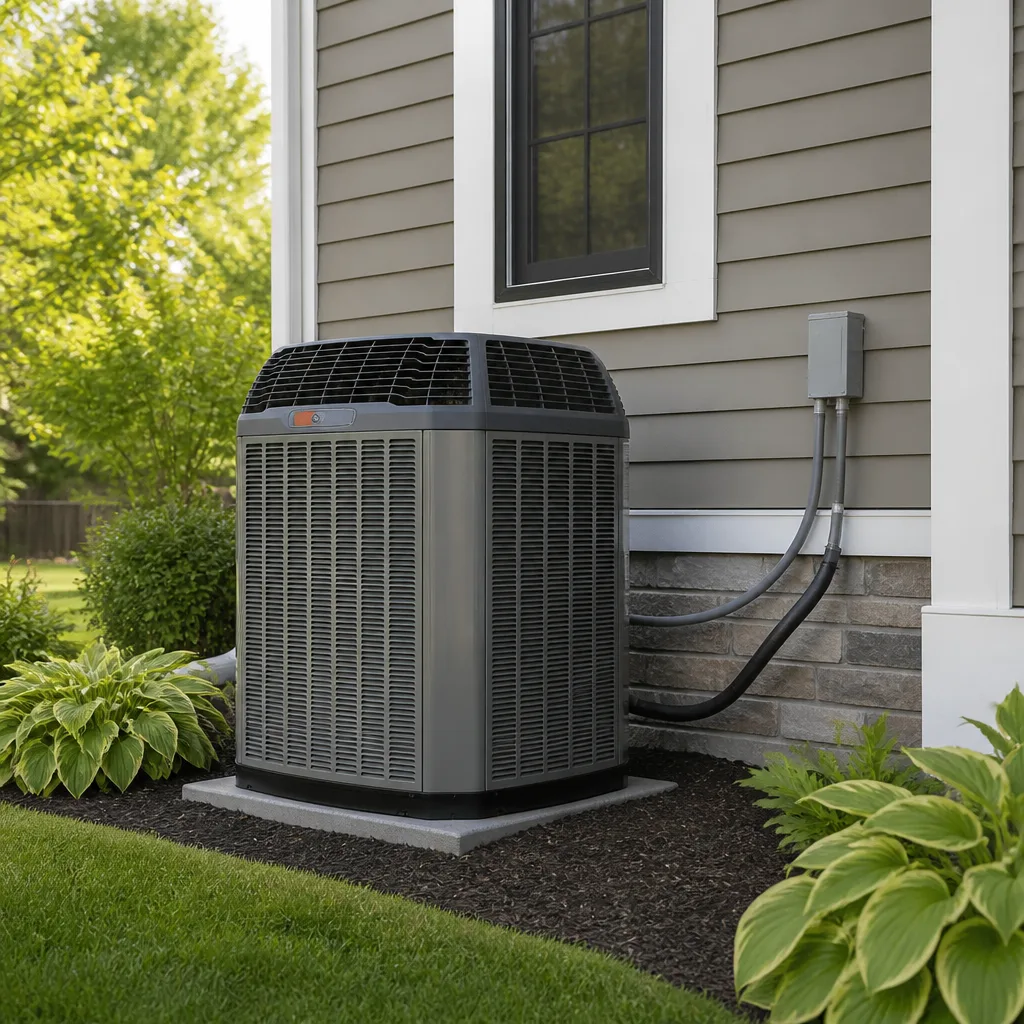 Trane
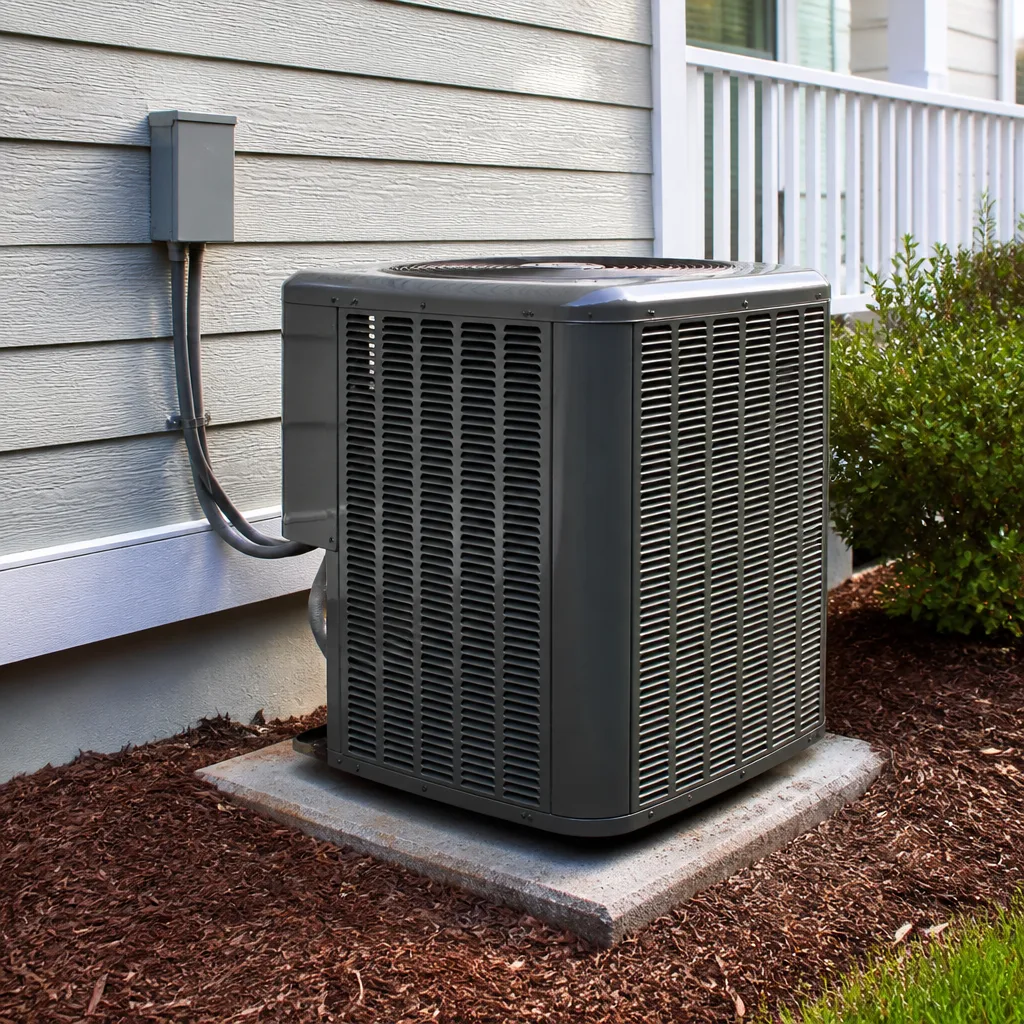 Goodman
Seasonal tune-up and full diagnostic on your Carrier, Trane, or Goodman system - readings shown to you before any repair is proposed
Diagnosis first, numbers second - you approve the repair price before a single part goes in.
Get your free estimateAC Repair & Installation Maintenance Checklist for Sunrise Manor Homeowners
A standard manufacturer maintenance schedule assumes your unit runs about 1,200 hours a year. In Sunrise Manor, you’re closer to 2,400. That’s not a footnote – it means every service interval they printed on that manual happens twice as fast for you. The filter that’s “good for three months” is done in six weeks. The coil cleaning that’s “annual” is a spring and fall job out here. This guide is sequenced by what actually fails first in Sunrise Manor’s heat and dust, in the order it fails, so you’re not reading a mild-climate checklist that leaves you with a dead coil in July.
Quick Answer
Sunrise Manor homeowners should service their AC twice a year, not once: a full spring tune-up before the first 100-degree day and a condenser coil cleaning again in early fall. The spring visit should include coil cleaning, a refrigerant charge check done with gauges and superheat/subcool readings, capacitor and contactor testing, and a drain line flush. If any of those get skipped, ask why before you pay.
Styles & brands we work with
- AC repair
- Furnace & heating
- Heat pumps
- Ductless mini splits
- Carrier
- Trane
- Goodman
Table of Contents
- The Spring Pre-Season Checklist: Before the First 100-Degree Day
- Why Coil Cleaning Is a Twice-a-Year Job in Sunrise Manor
- The Refrigerant Charge Check: What a Technician Should Actually Do
- Dust, Filters, and the Parts That Fail First Out Here
- Post-Installation Checkpoints at 30, 60, and 90 Days
- Three Things That Void Manufacturer Warranties in This Climate
- What You Can Check Yourself vs. What Needs a Pro
- Common Mistakes to Avoid
The Spring Pre-Season Checklist: Before the First 100-Degree Day
Our technicians have up to 24 years of experience, and the pattern in Sunrise Manor is always the same. The first real heat wave hits in late April or early May, and the phone starts ringing from homes where the system wasn’t touched all winter. A spring tune-up done in March or early April catches the failures before they strand you in a 108-degree afternoon. Here’s the sequence we run, and the sequence you should expect from anyone you hire for AC repair and installation in Sunrise Manor.
- Wash the condenser coil. The outdoor coil is a dust magnet in this valley. A dirty coil forces the compressor to run hotter and longer, and that’s the single biggest cause of mid-summer compressor failure we see.
- Test the capacitor and contactor. We test the capacitor before anyone says the word compressor. A weak capacitor is a $150-ish part and it kills compressors that cost ten times that. Read the microfarad rating against the label; don’t take “it looked fine” for an answer.
- Check the refrigerant charge with gauges. More on this in the charge section below, but the short version: it should be measured with superheat or subcool, not eyeballed.
- Flush the condensate drain. Clogs here cause water damage and shut off the system in the worst heat.
- Inspect and clean the evaporator coil if accessible, and verify the blower wheel is clean.
- Test the thermostat and verify run cycles. Confirm the system is reaching setpoint, not just turning on.
- Check duct connections and attic insulation where visible.
Do this in March if you can. Sunrise Manor systems that get a real spring service run cooler and last longer than ones serviced “sometime in June.”
Why Coil Cleaning Is a Twice-a-Year Job in Sunrise Manor
Most checklists online say clean your outdoor coil once a year. That advice is written for a climate with actual rain and normal dust levels. Sunrise Manor sits in the Mojave, and between the wind-blown dust, the spring pollen off the desert shrubs, and the cottonwood fluff that drifts through older neighborhoods near Nellis, your condenser coil loads up fast. Twice a year is the right interval here: once in spring before cooling season and once in early fall after the worst of the summer run.
Here’s what a dirty coil actually does to your bill and your equipment:
- It raises the head pressure, so the compressor works harder for every degree of cooling it delivers.
- It shortens compressor life. Heat is the killer, and a clogged coil traps heat around the compressor.
- It can freeze the indoor coil and drop your airflow to nothing on the hottest day of the year.
- It makes a marginal system fail first. Homes in Sunrise Manor with older Carrier or Goodman units are the ones we see go down in July.
Coil cleaning isn’t a $40 add-on. It’s the difference between a system that makes it to 15 years and one that dies at 9. If a company won’t wash the coil because “it’s included,” ask them to point to it on the invoice. For more on what full service looks like, see our Heat Pump & Mini Split in Sunrise Manor page if you’re running one of those, since the outdoor coil on a mini-split needs the same attention.
The Refrigerant Charge Check: What a Technician Should Actually Do
A refrigerant charge check is the task most often skipped or faked, and it’s the one that matters most for efficiency. Here’s how it should go, so you can watch for shortcuts if you’re the type who likes to be present.
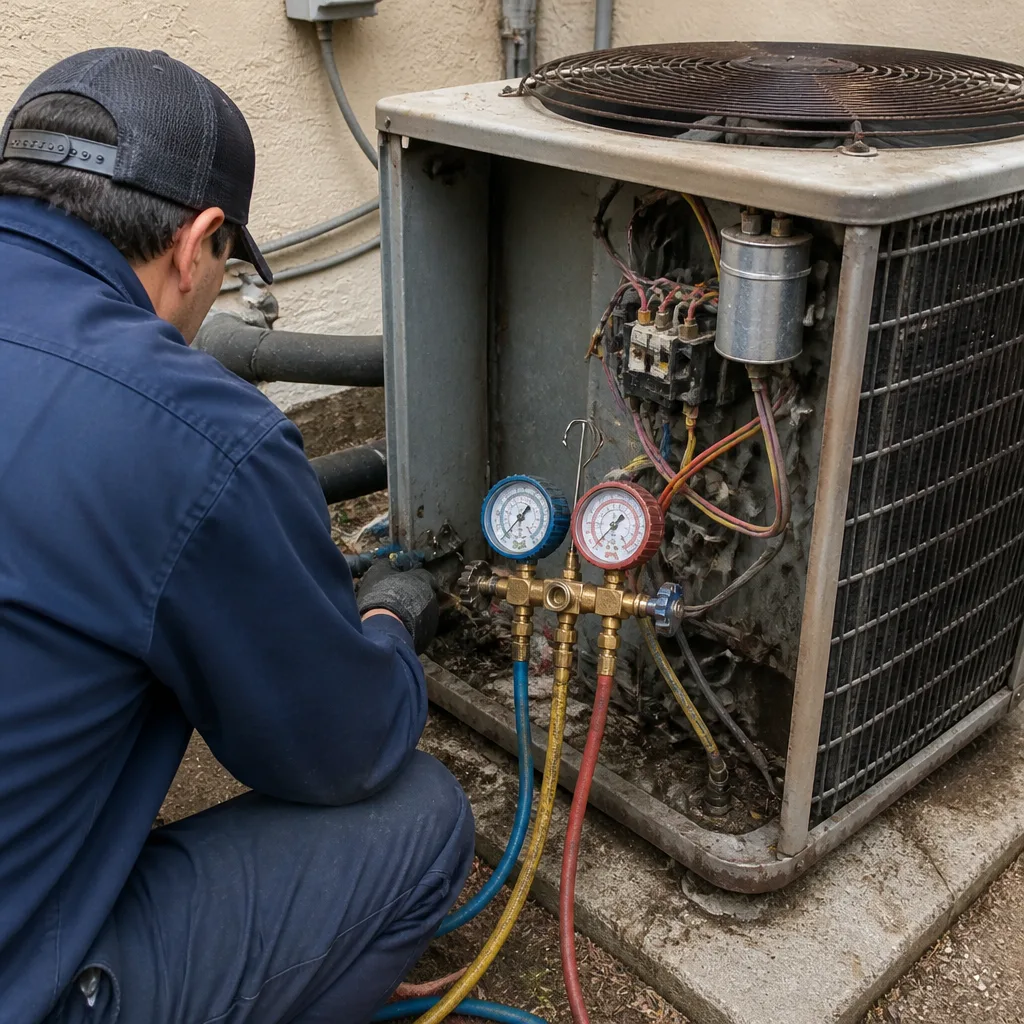
- Hook up gauges and measure both high and low side pressures. A tech who only looks at the low side isn’t checking the charge.
- Take indoor and outdoor ambient temperatures. Charge is measured against real conditions, not guessed.
- Measure superheat on a fixed-orifice system, or subcool on a TXV system. This is the number that tells you if the charge is right.
- Compare to the manufacturer’s charging chart. Carrier, Trane, Lennox, and Goodman all publish theirs.
- Look for leaks before adding refrigerant. If it’s low, refrigerant went somewhere. Adding gas without finding the leak is a bandage, and it’s how you end up paying for refrigerant every spring.
The thing installers and cut-rate tune-ups skip is step five. Topping off a system that’s leaking is like adding oil to a car that’s burning it – you’re not fixing anything. If a technician wants to add refrigerant without a leak search, ask why. In Sunrise Manor, the heat accelerates leak rates on older flares and joints, so leaks are more common than in cooler climates. That’s also why our Ray’s Heating & Air Sunrise Manor home page makes such a point of readings-first diagnostics.
Dust, Filters, and the Parts That Fail First Out Here
Dust is the villain in Sunrise Manor, and it hits your system in a specific order. Knowing the order saves you money because you fix the cheap stuff before it takes out the expensive stuff.
- Filter first. The 1-inch filter many homes have needs changing every 30 to 60 days here, not the 90 your package says. A clogged filter starves the system of airflow, ices the coil, and strains the blower.
- Blower motor and wheel second. Dust cakes on the squirrel cage and the motor runs hot. A dirty blower is a top cause of high electric bills and early motor failure.
- Capacitors and contactors third. These are the electrical weak links. In consistent triple-digit heat, a capacitor that’s on the edge fails without warning.
- Condenser fan motor fourth. Same dust story, and a seized fan motor means zero cooling.
- Compressor last. It’s the expensive part, and it fails only after everything upstream has been neglected. Cleaning the coil and changing the filter is how you protect it.
The filter you choose matters too. A high-MERV filter sounds good, but a 1-inch filter rated MERV 13 or higher can choke a residential system in this climate because it loads fast. If you want better filtration, look at a 4- or 5-inch media cabinet instead of a thick 1-inch filter. Ask anyone on your street who’s replaced a motor – the filter choice usually comes up.
Post-Installation Checkpoints at 30, 60, and 90 Days
When you get a new system installed in Sunrise Manor, the homeowner is the last quality check. Installers leave, and the first summer tells the truth. We suggest you verify these three checkpoints yourself – and if the installer’s paperwork didn’t spell out what to check, that’s a warning sign. For the bigger picture on what a clean install should include, see our AC Repair & Installation in Sunrise Manor page.
At 30 days:
- Check that the system is reaching setpoint within a reasonable time on a normal hot day, not just turning on.
- Look at the condensate drain for water where it shouldn’t be.
- Change the filter if it’s already loaded – new installs kick up construction and duct dust.
At 60 days:
- Confirm no ice on the indoor coil or the refrigerant lines.
- Listen for new rattles or a compressor that cycles too often.
- Compare your electric bill to the same month last year. A properly sized new system should show a difference; if it doesn’t, something’s off.
At 90 days:
- Schedule the first real check-in if your installer offered one, and make sure they re-check the charge and clean the coil if debris built up.
- Go over the warranty paperwork while it’s fresh. Note the registration date and any service intervals required to keep coverage.
If a new system isn’t cooling right at the 60-day mark, that’s not “breaking in.” Call the installer back. Our 90-Day Done Right Promise exists for exactly that window: if it isn’t done right, one call brings us back to make it right.
Three Things That Void Manufacturer Warranties in This Climate
Installers rarely explain this upfront, and it costs homeowners real money. Manufacturer warranties on Carrier, Trane, Lennox, Goodman, and the rest have conditions. In Sunrise Manor’s climate, three of them come up constantly.
- Skipped annual service with no records. Most manufacturer warranties require documented annual maintenance. If you can’t show a service history, a compressor failure claim can be denied. Keep your tune-up invoices.
- Improper installation or a mismatched system. A condenser paired with an air handler or coil it wasn’t rated for can void the warranty when the manufacturer checks the model numbers. This is why the AHRI match matters and why cheap installs bite later.
- Unregistered equipment. Many brands give a longer warranty only if the equipment is registered with the manufacturer within a set window after installation, often 60 days. Miss it and you fall back to the base term. Ask your installer to confirm the registration went through and get the confirmation.
The common thread is records. Keep your paperwork, keep your tune-up history, and confirm the registration. If you’re shopping installers and want a second set of eyes, that’s what our Free Second Opinion on any written estimate is for.
What You Can Check Yourself vs. What Needs a Pro
Plenty of the checklist is safe to handle yourself. Plenty of it is not. Here’s the honest split.
Safe for you:
- Changing the filter. This is the single most valuable thing you can do, and you can do it in five minutes.
- Rinsing off the outdoor unit’s exterior with a garden hose when it’s visibly dusty (power off first).
- Keeping debris away from the condenser – clear at least two feet around it.
- Checking the thermostat settings and the condensate drain for water.
Call a pro: anything involving refrigerant, electrical testing, or opening the equipment. Refrigerant handling requires licensing and training, and a mistake vents refrigerant, damages the compressor, or injures you. Electrical testing on a live system with capacitors that hold a charge is genuinely dangerous. We don’t walk anyone through that, and we’d rather you didn’t try. The same goes for the bigger jobs: if you’re getting a quote on a full replacement, that’s load-calculated work, not a make-it-up-on-the-truck job, so we write you a fixed price and a set install date before anything gets ordered.
Common Mistakes to Avoid
- Treating the annual tune-up as enough. Sunrise Manor runs its AC twice the manufacturer’s assumed hours, so an annual visit misses the fall coil cleaning that this climate needs. Schedule two.
- Buying the cheapest filter change and calling it maintenance. A filter and a visual aren’t a service. Ask for coil cleaning, a capacitor test, and a charge check on the invoice.
- Letting a tech add refrigerant without a leak search. Topping off a leaking system in this heat masks the problem and costs you every spring. Find the leak first.
- Replacing the whole system when it just needed a capacitor. We test the capacitor before anyone says compressor. Get the readings before you approve a big-ticket repair, and use a second opinion if a quote feels rushed.
- Ignoring the new-system checkpoints. Skipping the 30, 60, and 90-day checks lets a small install problem turn into a warranty fight. Verify it while the installer is still accountable.
- Losing the warranty paperwork. In this climate, the annual service records are what your future claim rides on. Keep them in one folder.
- Believing the dusty outdoor coil “looks fine.” The coil that looks fine from the top can be clogged inside. It needs washed, twice a year here, not inspected.
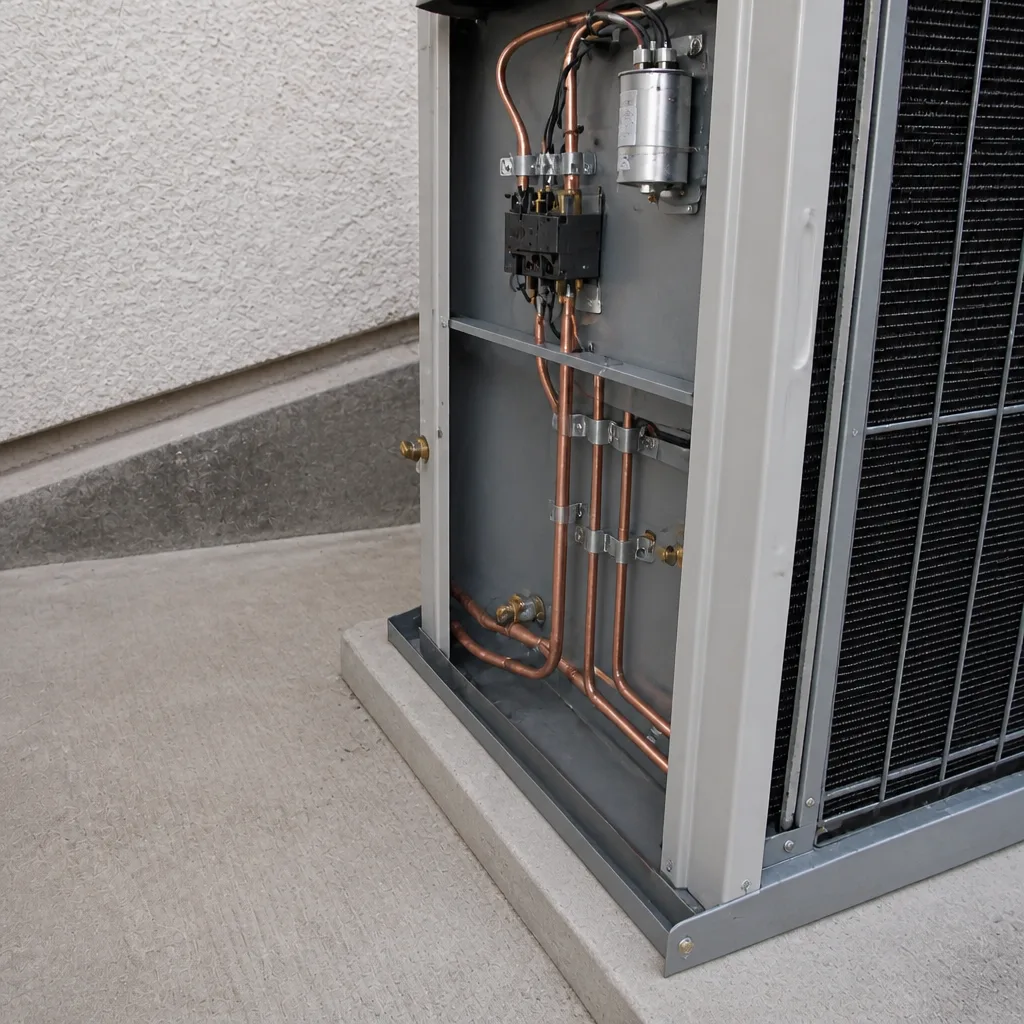
See the difference
 Before
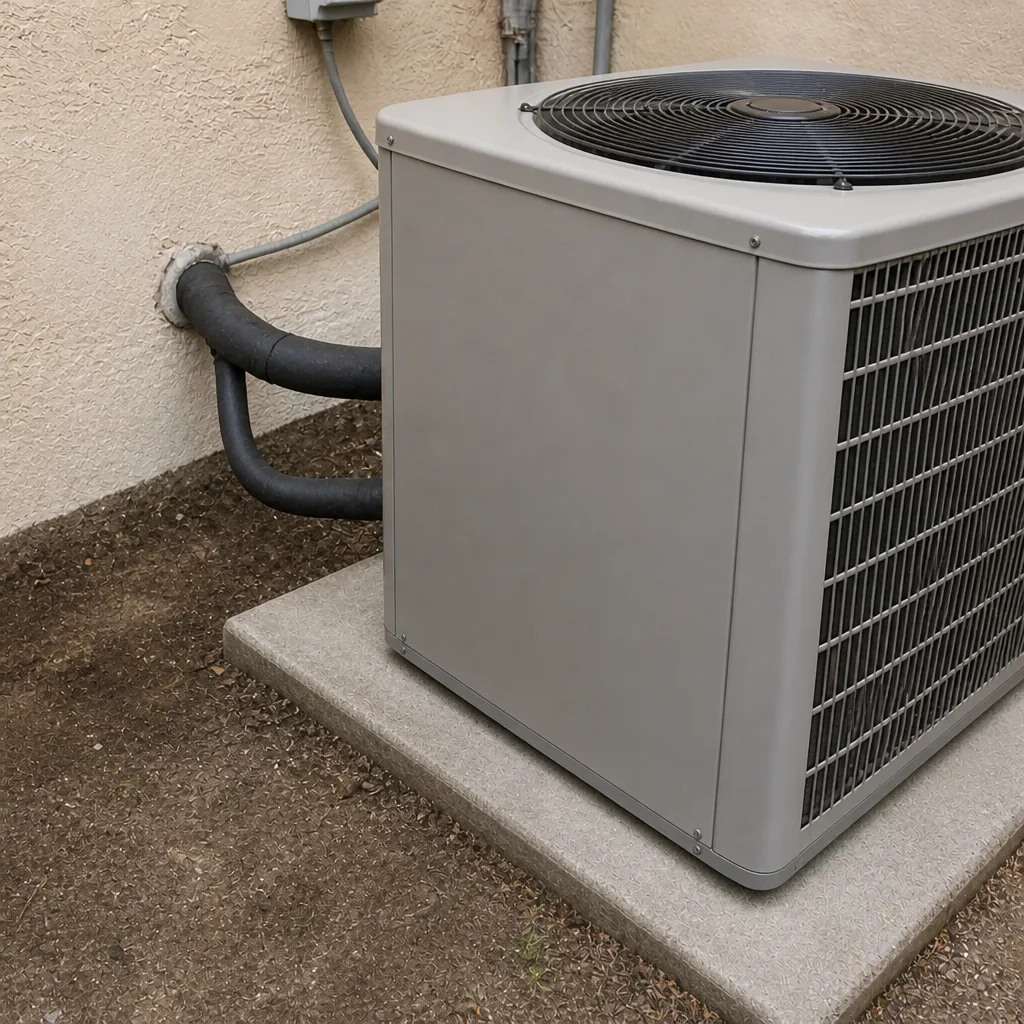 After
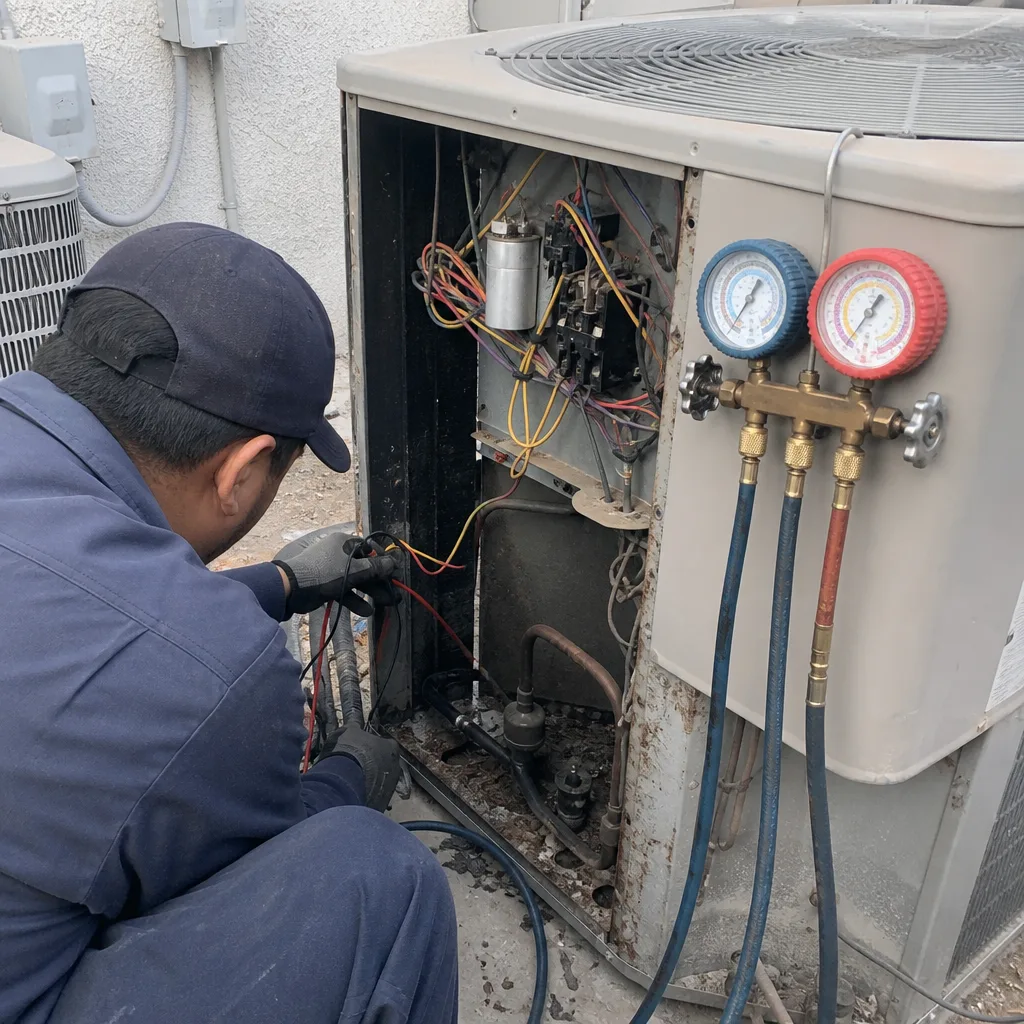 Before
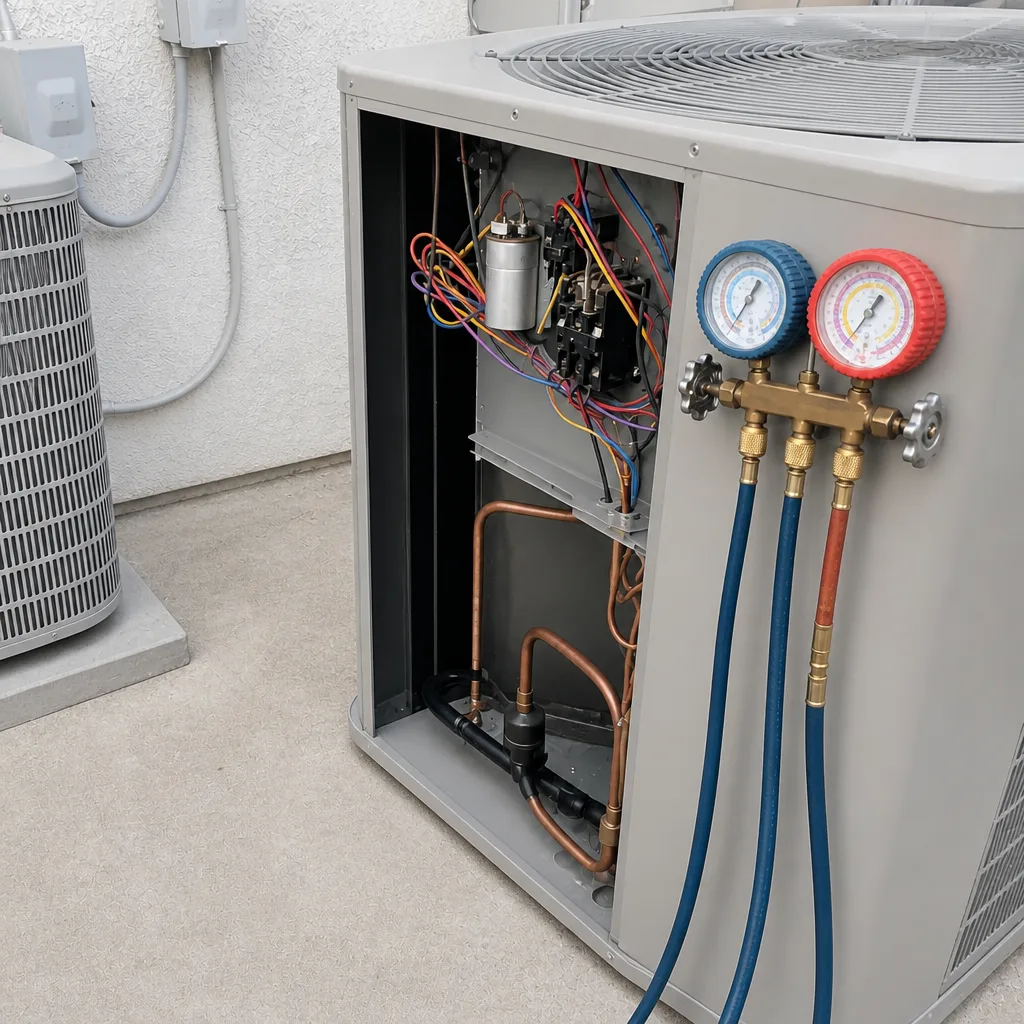 After
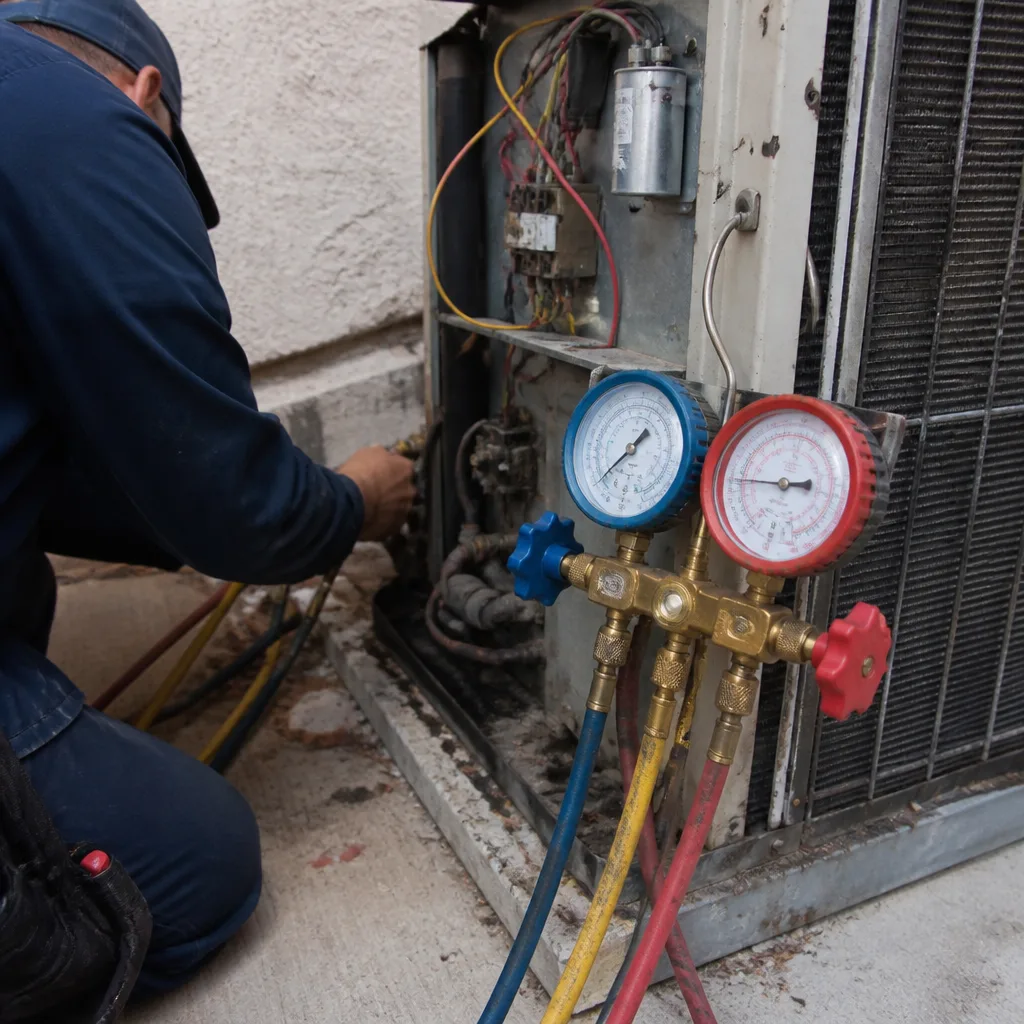 Before
 After
When to Call a Professional
Call the same day if your system is icing up, blowing warm air on a hot afternoon, tripping the breaker, leaking water from the indoor unit, or you smell burning at the equipment. Those aren’t wait-and-see problems, and in Sunrise Manor a failed system in 110-degree heat is a real health risk for older adults. It’s also time to call if you’ve changed the filter and the system still underperforms, if you’re hearing the compressor short-cycle, or if you’re seeing the same part fail twice. Ray’s Heating & Air Sunrise Manor offers free estimates in Sunrise Manor – call (877) 311-5951. A live person answers around the clock, and the person who shows up is the same one who answers at two in the morning. That continuity is how we diagnose instead of guess, and why our Heating & Furnace in Sunrise Manor work gets the same treatment in winter.
Frequently Asked Questions
Twice a year: a full spring tune-up before the first 100-degree day and a condenser coil cleaning in early fall. Sunrise Manor’s climate runs your system about twice the hours a standard maintenance schedule assumes, so a single annual visit leaves gaps that turn into summer failures.
Twice is right in Sunrise Manor because of the desert dust, pollen, and cottonwood fluff. A coil that loads up mid-summer raises your power bill and stresses the compressor. If a company calls one annual cleaning enough out here, ask them to explain the dust difference. Then call us for a free estimate at (877) 311-5951.
Coil cleaning (both indoor and outdoor if accessible), a capacitor and contactor test, a refrigerant charge check with gauges and superheat or subcool readings, a condensate drain flush, and a thermostat and run-cycle check. If those aren’t on the invoice, it wasn’t a real tune-up.
Yes. A clogged filter chokes airflow, which ices the indoor coil and overheats the blower motor, and in this heat that leads to compressor failure fast. Change 1-inch filters every 30 to 60 days in Sunrise Manor, not the 90 days on the package.
Usually one of three things: a filter loaded with install dust, a minor charge or airflow issue the installer missed, or a duct connection that worked loose. That’s why the 30, 60, and 90-day checkpoints matter. Your installer should come back within the 90-day warranty window and make it right at no charge. Ours does.
It can. Most manufacturers require documented annual maintenance and equipment registration within a set window, and a compressor claim can be denied without records. Keep your tune-up invoices and confirm the registration went through. Call (877) 311-5951 if you want help sorting out what your warranty needs.
The Bottom Line
Sunrise Manor’s heat and dust aren’t the conditions your manual was written for. Service twice a year, wash the coil each time, insist on a real charge check with gauges, test the capacitor before anyone reaches for the word compressor, and verify the 30, 60, and 90-day checkpoints after a new install. Keep your paperwork, because it’s what your warranty rides on. Do that and you’ll get more years and lower bills out of the equipment you already own. If part of this checklist needs a trained hand, that’s what we’re here for: readings first, numbers second, and a 90-Day Done Right Promise in writing on every job. Call (877) 311-5951 for a free estimate.
Written by the team at Ray’s Heating & Air Sunrise Manor.