
Last updated November 18, 2026
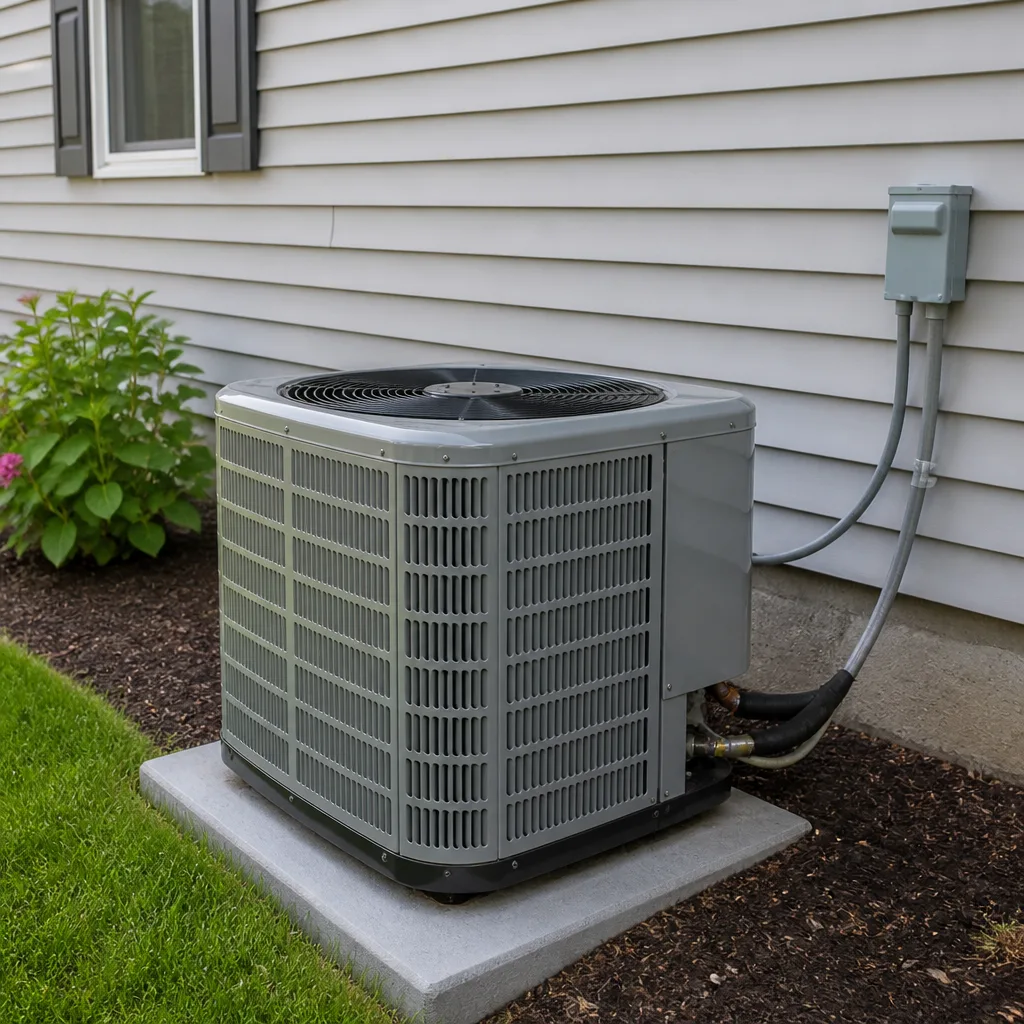 AC repair
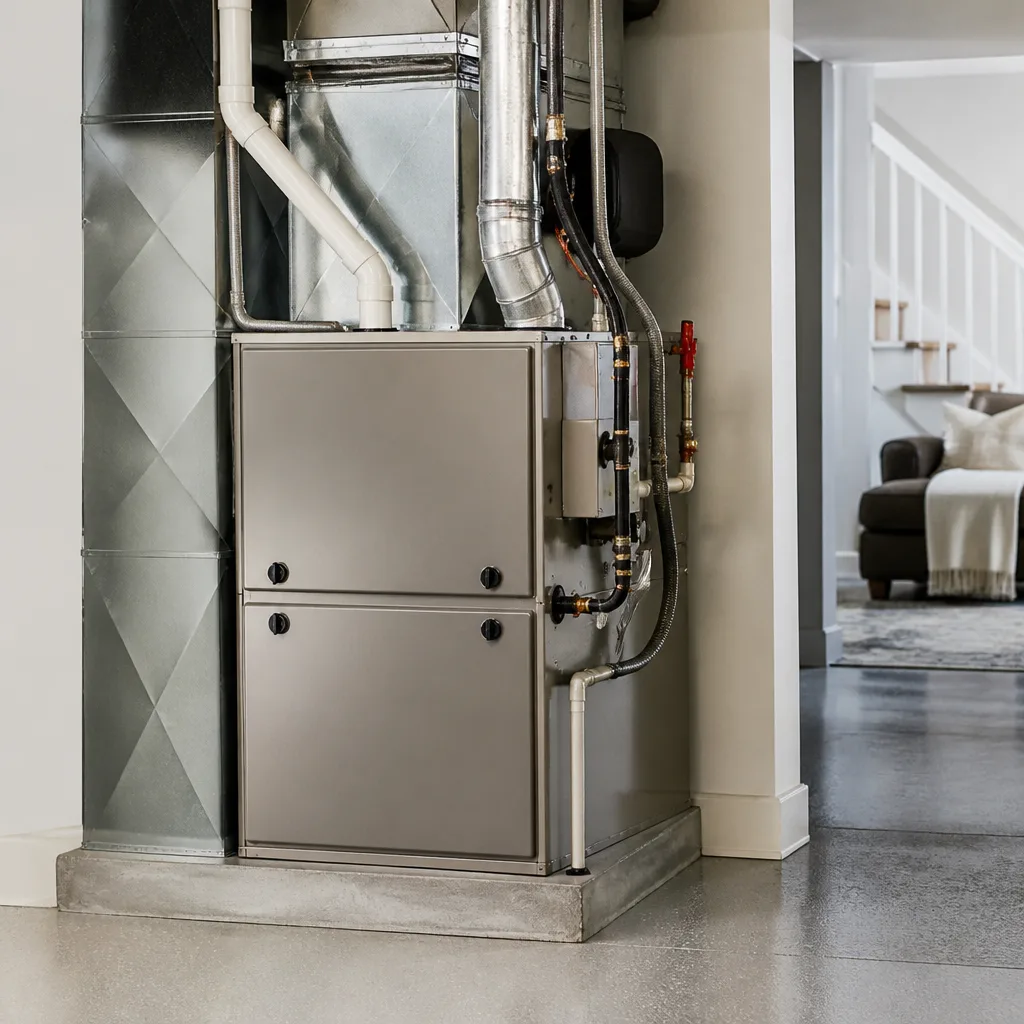 Furnace & heating
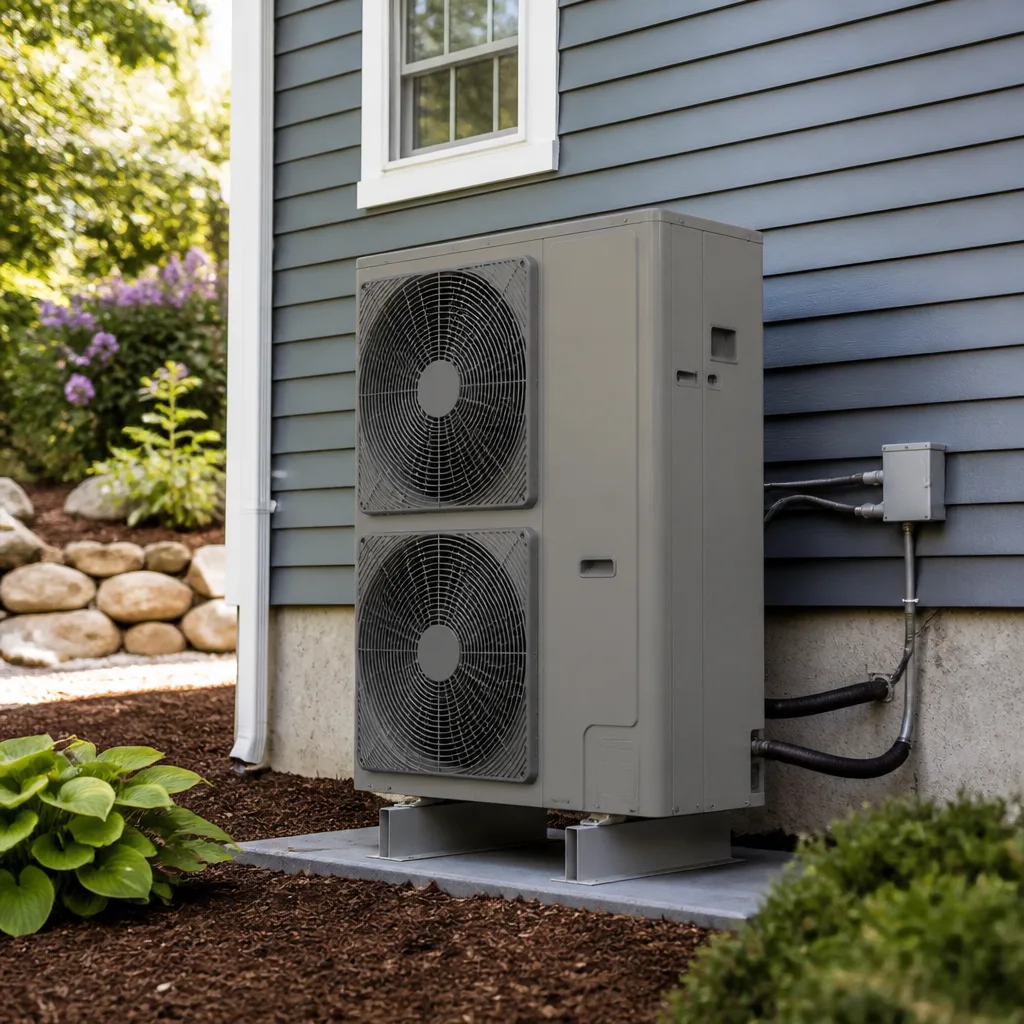 Heat pumps
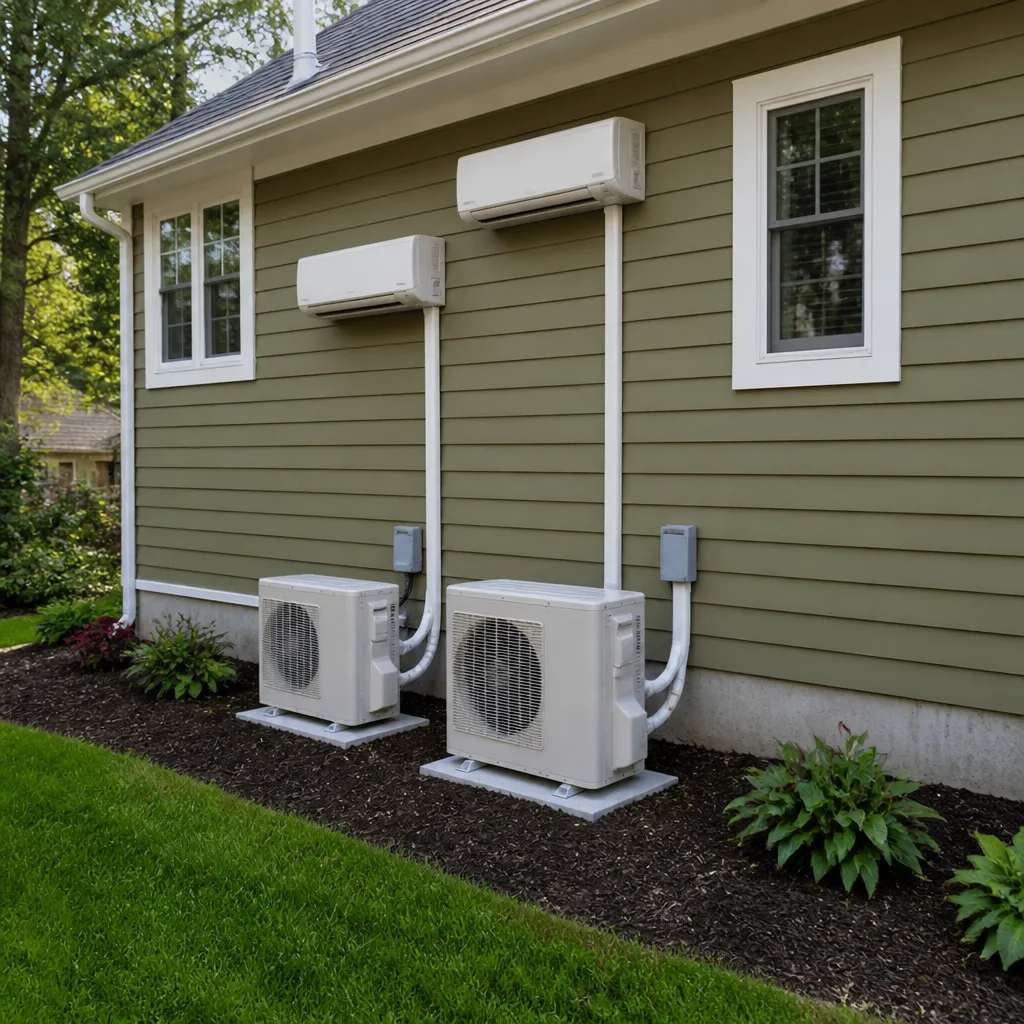 Ductless mini splits
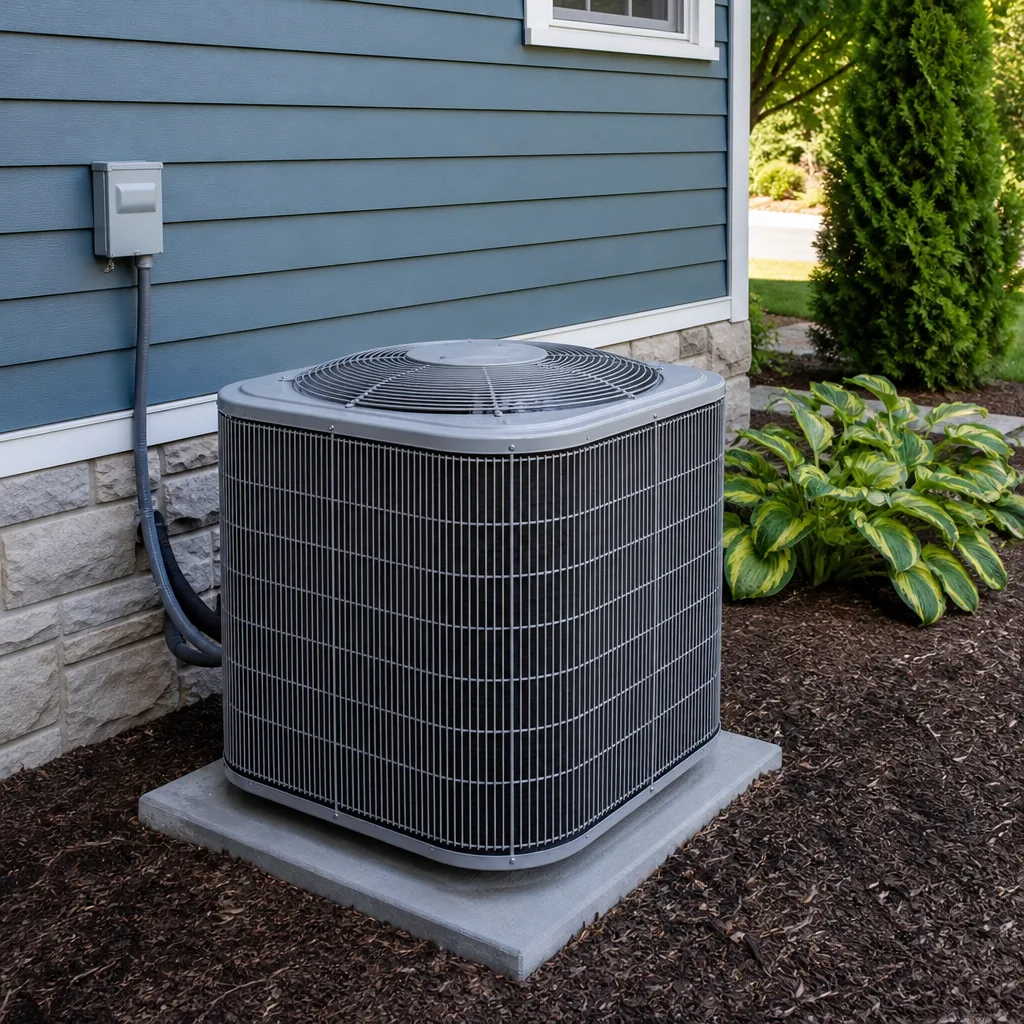 Carrier
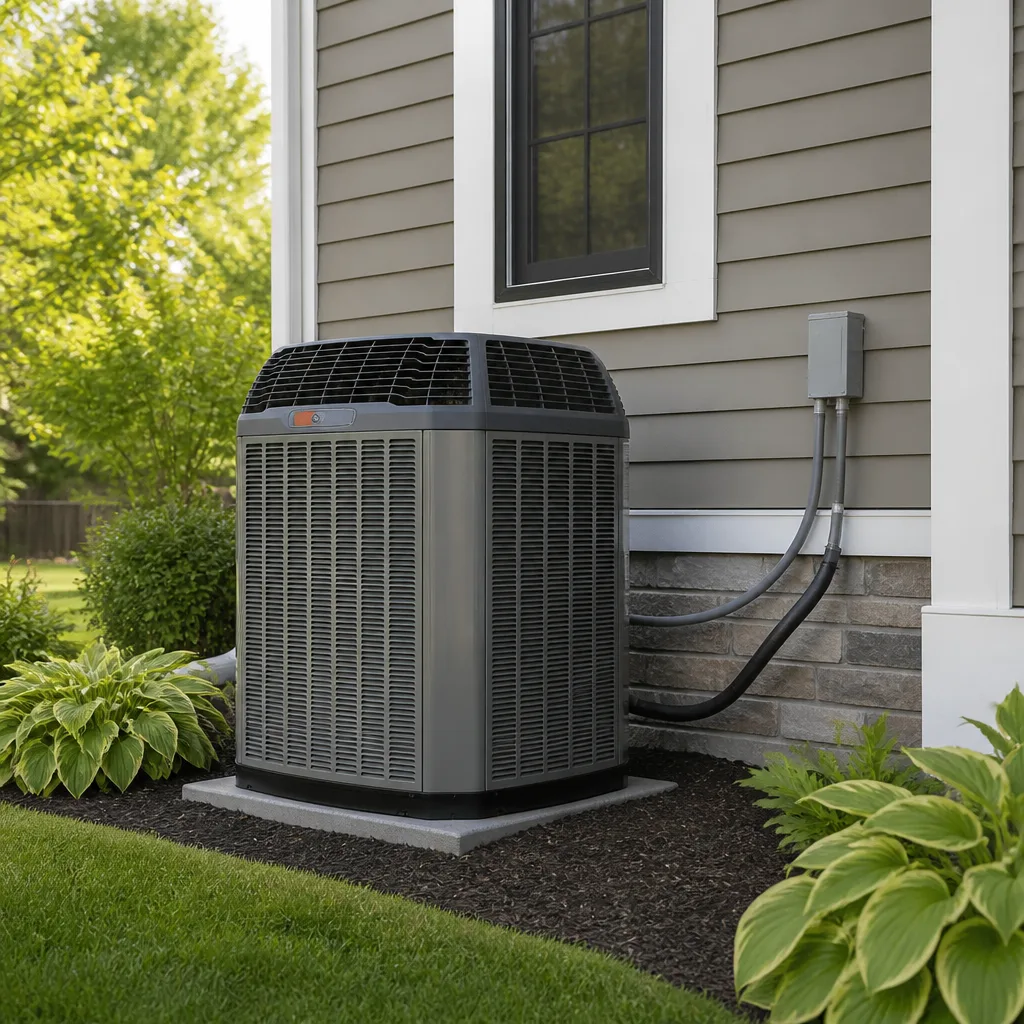 Trane
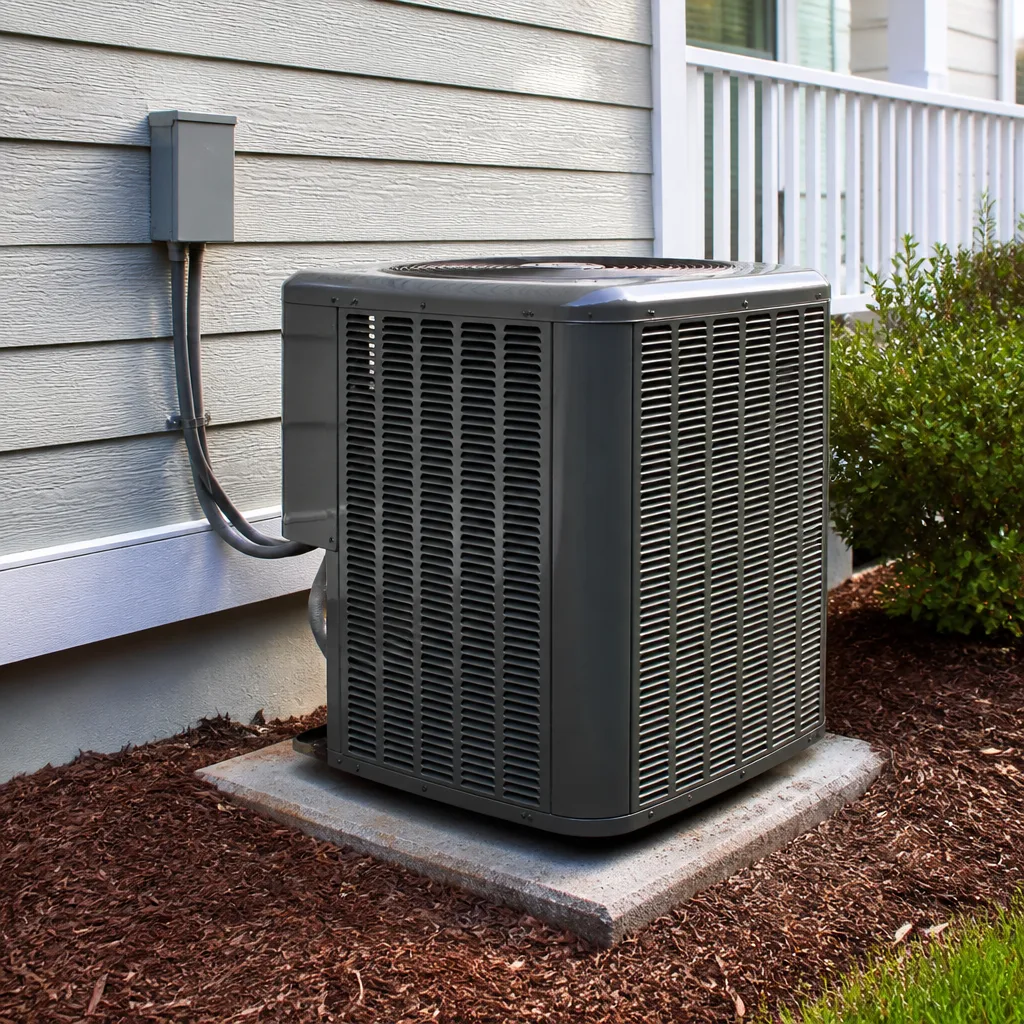 Goodman
Seasonal tune-up and full diagnostic on your Carrier, Trane, or Goodman system - readings shown to you before any repair is proposed
Diagnosis first, numbers second - you approve the repair price before a single part goes in.
Get your free estimateAC Repair & Installation Maintenance Schedule: What to Do and When
If you’re doing your AC maintenance in the spring like every generic checklist says, you’re already two months late. In Sunrise Manor, your unit starts working hard in March, and what you do in January is what actually keeps it alive. Most of the advice floating around online was written for a climate with four real seasons and a summer that lasts three months. Ours runs nine. This guide gives you a maintenance calendar built around hours of use, not calendar months, so you know what to do, when to do it, and how to tell a real inspection from an $89 handshake.
Quick Answer
In Sunrise Manor, AC maintenance should be scheduled by run hours, not seasons: a full professional inspection in late winter (February or early March) before the heavy cooling season, a mid-season coil and filter check in July, and a second look in October after the worst heat has passed. Filters need changing every 30 to 60 days for most homes here, and the condenser coil needs cleaning at least once a year because of the dust that blows in off unpaved lots and open desert.
Styles & brands we work with
- AC repair
- Furnace & heating
- Heat pumps
- Ductless mini splits
- Carrier
- Trane
- Goodman
Table of Contents
- Why a Minnesota Maintenance Schedule Fails in Sunrise Manor
- The Sunrise Manor Month-by-Month AC Calendar
- Filter Change Intervals: Why 90 Days Is a Minimum, Not a Standard
- Condenser Coil Cleaning: When the Garden Hose Is Enough
- A Real Inspection vs. a 20-Minute Tune-Up
- Timing a New Installation Around Sunrise Manor’s Heat
- How to Log Your Maintenance So Nobody Starts From Scratch
- Common Mistakes to Avoid
Why a Minnesota Maintenance Schedule Fails in Sunrise Manor
An air conditioner is a machine that wears out by the hour, not by the page on the calendar. A unit in Minneapolis might run 800 hours in a year. The same unit in Sunrise Manor can run 2,800 to 3,200 hours, depending on the summer and how tight the house is. That’s three to four years of wear for every calendar year. A schedule that says “service in spring” assumes the machine rested all winter. Yours didn’t. It ran through October and probably kicked on again in February.
Then there’s the dust. Sunrise Manor sits in the eastern valley where the wind moves fine alkaline dust off unpaved shoulders and vacant lots. That dust doesn’t just settle on your patio furniture. It packs into condenser coils, clogs return filters faster than any manufacturer’s chart predicts, and coats the outdoor fan blades until they’re off balance. In our experience, a coil that would stay clean for two years in a wet climate needs attention here every single year.
The third piece is the calendar itself. Sunrise Manor hits the mid-90s and higher from May through September, with plenty of triple-digit stretches in July and August. When a system fails on a 108-degree afternoon, the house doesn’t cool down overnight. That’s a health issue for older residents, not just an inconvenience. The whole point of a maintenance schedule is to catch the worn capacitor or the tired contactor in March, when the fix is a scheduled visit and not an emergency call at 2 a.m.
The Sunrise Manor Month-by-Month AC Calendar
Here’s the schedule we actually recommend to homeowners in Sunrise Manor. It’s built around what the equipment is doing each month, not what a national checklist says.
- January: Change the filter. Walk the outdoor unit and look for debris, rodent nests, or bent fins. This is the slow month, which makes it the best month for a full professional inspection if you can schedule one.
- February: Book your pre-season inspection. This is the ideal window. The system hasn’t been stressed yet, and any part that’s marginal can be replaced before the first hot week.
- March: The season starts. Verify the thermostat is calling correctly, listen for any new noise at startup, and confirm the condensate drain is flowing. Change the filter again if you have pets.
- April through June: Change the filter every 30 to 45 days. Check the outdoor coil for dust buildup after any wind event. Hose it down only if you know the safe method (see the coil section below).
- July and August: Peak load. Watch your electric bill for a jump that doesn’t match the weather. A clogged filter or a failing capacitor shows up as higher usage before it shows up as a breakdown.
- September: Change the filter. Clear any debris that blew into the condenser during monsoon season. This is a good month for a mid-season professional check if you didn’t do one in February.
- October and November: Post-season inspection. This is when we find the worn contactor, the pitted capacitor, and the fan motor that’s drawing more amps than it should. Fixing them now means the unit starts clean next March.
- December: Filter change. Cover the outdoor unit only if your manufacturer calls for it, and never wrap it tight enough to trap moisture.
If you’re running a heat pump for winter heating, add a November check on the reversing valve and defrost cycle. Our Heat Pump & Mini Split in Sunrise Manor guide covers the winter side of that schedule in detail.
Filter Change Intervals: Why 90 Days Is a Minimum, Not a Standard
The “change every 90 days” number printed on the filter box is a floor, not a target. It assumes an average house in an average climate. Sunrise Manor is neither. Here’s how to set your own interval based on what’s actually in your home:
- No pets, no unpaved lots nearby, no one with allergies: 60 to 90 days in the cooling season, longer in winter.
- One or two pets: 30 to 45 days. Pet hair loads a filter fast, and a loaded filter chokes airflow, which stresses the blower and the compressor.
- Near unpaved lots, open desert, or a construction site: 30 days, and check it at two weeks the first month to see how fast it’s loading up.
- Anyone in the house with asthma or allergies: 30 days, with a higher MERV rating. Don’t jump to the highest MERV you can find; too high a rating restricts airflow in some systems. Match the rating to what your equipment can handle.
One quick check beats any chart: hold the filter up to a window. If you can’t see daylight through it, it’s done, no matter what the calendar says. Our Ray’s Heating & Air Sunrise Manor home page has more on air quality and filtration if you want to go deeper.
Condenser Coil Cleaning: When the Garden Hose Is Enough
This is where we see the most well-intentioned damage. A homeowner reads “clean your coil” online, drags out the garden hose, and blasts the fins at full pressure. Those fins are thin aluminum and they bend flat in a second. Once they’re crushed, airflow drops and the unit runs hotter. You’ve made the problem worse with the best of intentions.
Here’s the honest split:
- The garden hose is fine when the coil has light surface dust and you use a gentle spray from the inside out, with the unit powered off at the breaker, at low pressure, straight-on rather than at an angle.
- Call a professional when the dust has caked into a mat, when you see cottonwood fluff packed into the fins, when the fins are already bent, when the coil is on the inside of the cabinet, or when you’re not sure which side is the “inside.” Coil cleaning chemicals and fin combs are tools, and using them wrong does real harm.
In Sunrise Manor, the dust load means most coils need a proper cleaning at least once a year and a light rinse in between. If you’re not sure which category you’re in, that’s the answer right there. Call us. Our AC Repair & Installation in Sunrise Manor team can tell you on the phone whether it’s a hose job or a service call.
A Real Inspection vs. a 20-Minute Tune-Up
You’ve seen the $89 tune-up coupon. Here’s what twenty minutes actually buys you, and what a real inspection should include. Ask any company what they do before you book, and see if their answer covers this list:
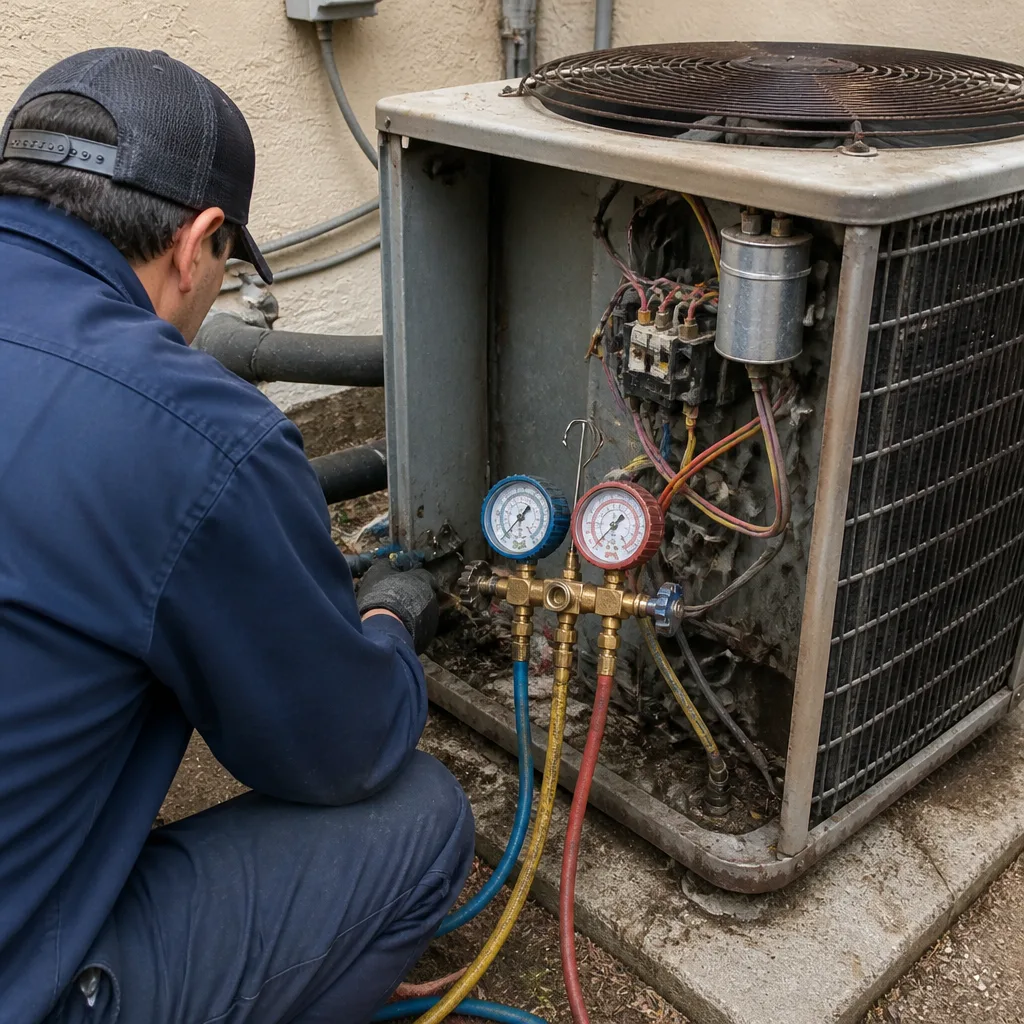
- Measure the temperature split across the evaporator coil with a set of gauges and thermometers, and write the numbers down.
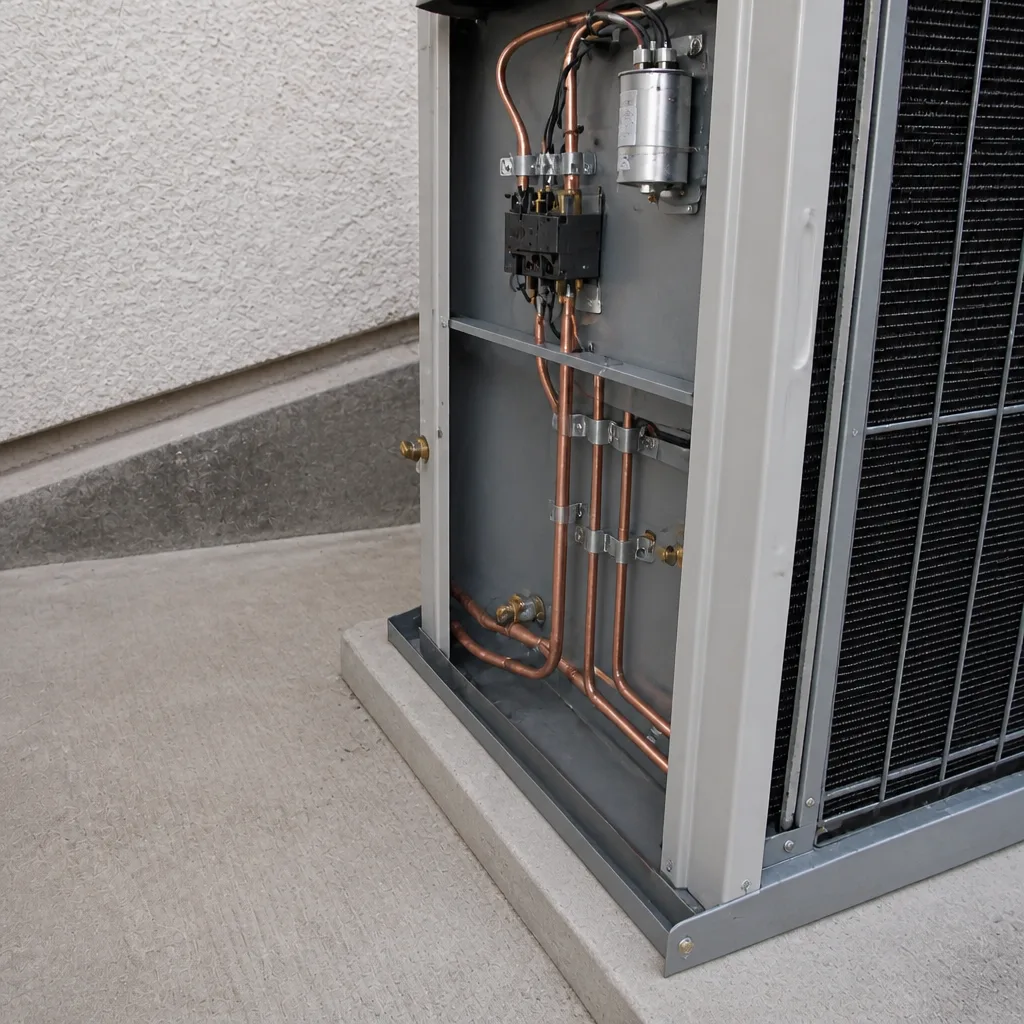
- Test the capacitor under load and compare it to its rated microfarad value. This is the single most common part to fail in Sunrise Manor heat, and a worn one drags the compressor down before it fails outright.
- Check the contactor points for pitting and the amp draw on the compressor and fan motors.
- Wash the condenser coil or at minimum inspect and report its condition.
- Check the condensate drain for flow and clear the trap.
- Inspect the blower wheel, the filter slot, and the return duct for dust buildup and gaps.
- Verify refrigerant charge by superheat and subcooling, not by “it feels cold.”
- Hand you a written report of what was found, with numbers, before any work is recommended.
Readings first, numbers second. If a technician shows up and starts talking about a compressor before anyone has tested the capacitor, that’s your signal to get a second opinion. We test the capacitor before anyone says the word compressor. And our written estimate comes with a free second opinion if you want to compare.
Timing a New Installation Around Sunrise Manor’s Heat
If your system is at the end of its life, when you replace it matters. In Sunrise Manor, the worst time to install is July and August, when every crew in the valley is buried in emergency calls and the equipment you want may be on a truck from out of state. The best time is February through April, before the season ramps up. You get a set installation date, a written fixed price agreed in advance, and the whole job done before the first triple-digit week.
Installation isn’t a same-day job, and anyone who tells you it is isn’t doing a load calculation. A proper install means a load calculation on your house, a duct check, a line-set and pad evaluation, and a start-up with measured readings. Whether you’re leaning toward a Bryant, an American Standard, or a Carrier system, the brand matters less than the sizing and the install. We work with all the major brands and we’ll tell you plainly which one fits your house.
Our Heating & Furnace in Sunrise Manor guide covers how to time a furnace replacement alongside the AC if you’re doing both in the same year, which often saves on labor and scheduling.
How to Log Your Maintenance So Nobody Starts From Scratch
The single most useful thing you can do for your system is keep a log. When a technician arrives for the first time, or comes back after two years, a good log turns a guessing game into a straight answer. Keep it simple: a notebook, a folder, or a note on your phone all work. Here’s what to record:
- Date and description of every service visit, with the readings the technician measured and any parts replaced.
- Filter changes, with the date and the MERV rating you used.
- Any noise, smell, or performance change you noticed, even if it went away. Intermittent problems are the hardest to diagnose, and a date and description help enormously.
- Your filter sizes and thermostat model, so nobody has to crawl behind the unit to check.
- Installation date and model/serial numbers of the outdoor and indoor units, on a sticker on the unit and in your file.
We’ve seen a homeowner in Sunrise Manor save a compressor because a log showed the unit was short-cycling every August for three years. The pattern was right there in the notes. Nobody had to start from scratch. Keep the log, and whoever shows up at your door will thank you.
Common Mistakes to Avoid
- Waiting for spring to service the AC. By the time spring arrives in Sunrise Manor, the unit has already been working for weeks. Service in late winter, before the load hits.
- Trusting the 90-day filter rule. In a dusty Sunrise Manor neighborhood or a home with pets, 90 days is far too long. A clogged filter runs the blower hot and the compressor harder.
- Blasting the coil with a pressure washer. The fins are thin and unforgiving. Gentle spray from the inside, unit off. Anything beyond light dust is a job for someone with the right tools.
- Buying the cheapest tune-up coupon. A $89 tune-up that skips the capacitor test and the written readings isn’t maintenance, it’s a sales call. Ask what’s included before you book.
- Covering the outdoor unit too tightly for winter. A snug cover traps moisture and invites corrosion. If you cover it at all, leave the bottom open and the top breathable.
- Ignoring a rising electric bill. A bill that climbs without a matching temperature climb is the earliest sign of a failing part. Don’t wait for the breakdown.
- Skipping the log. Two years of history in a notebook saves hours of diagnostic time and often saves a part that’s still good.
See the difference
 Before
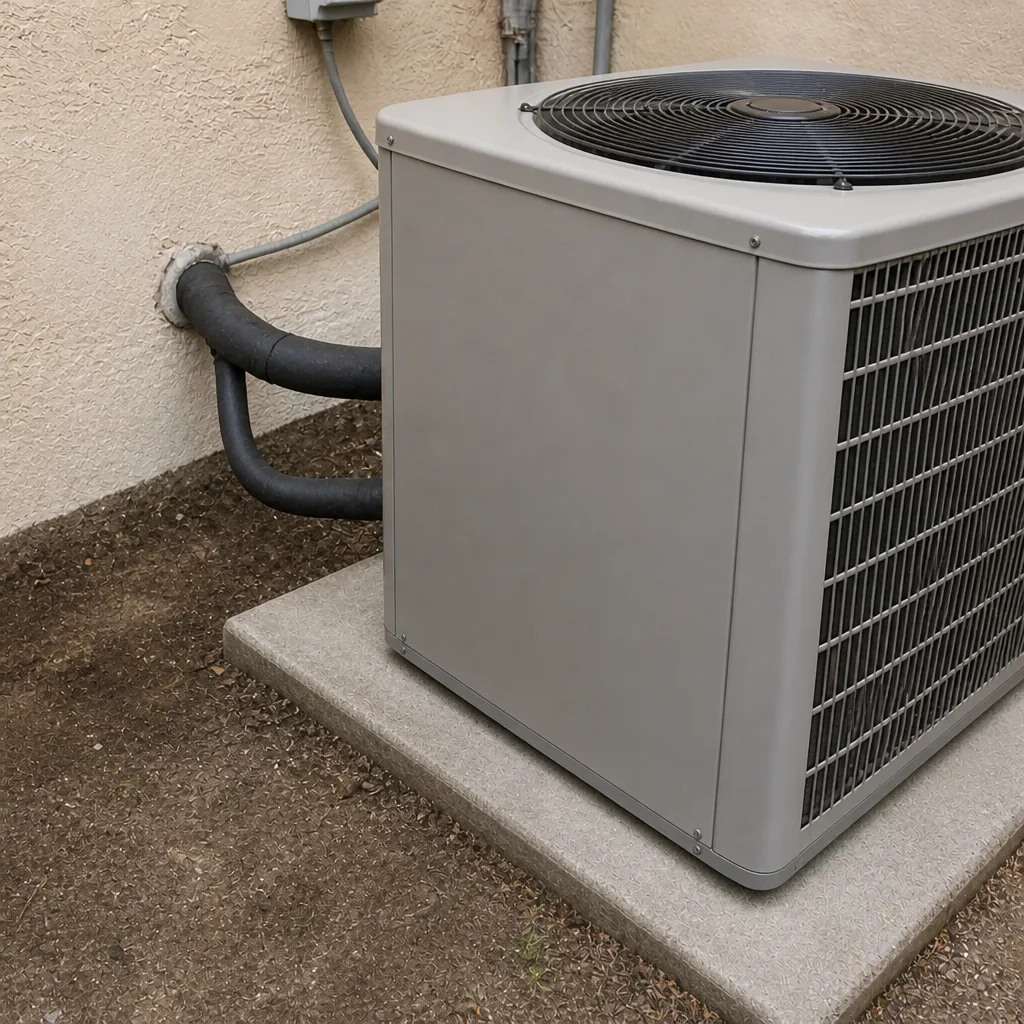 After
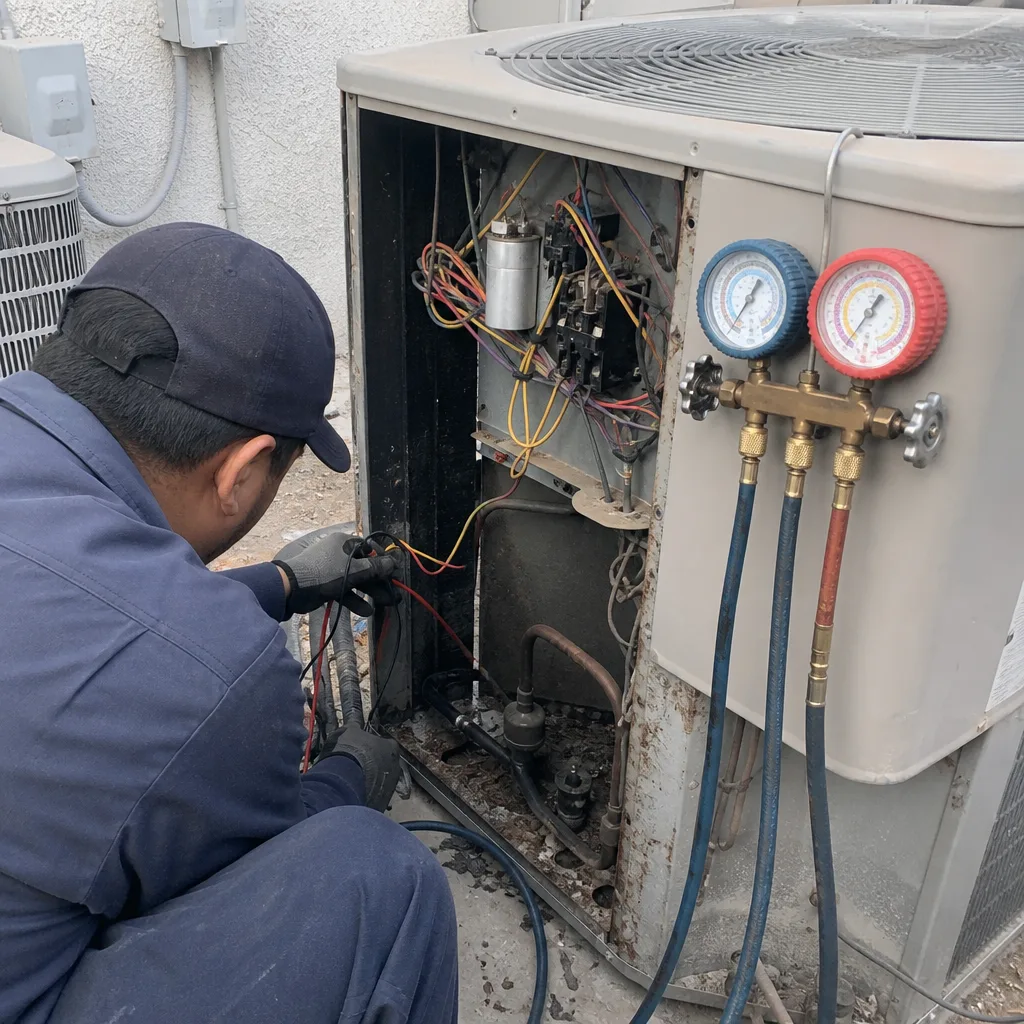 Before
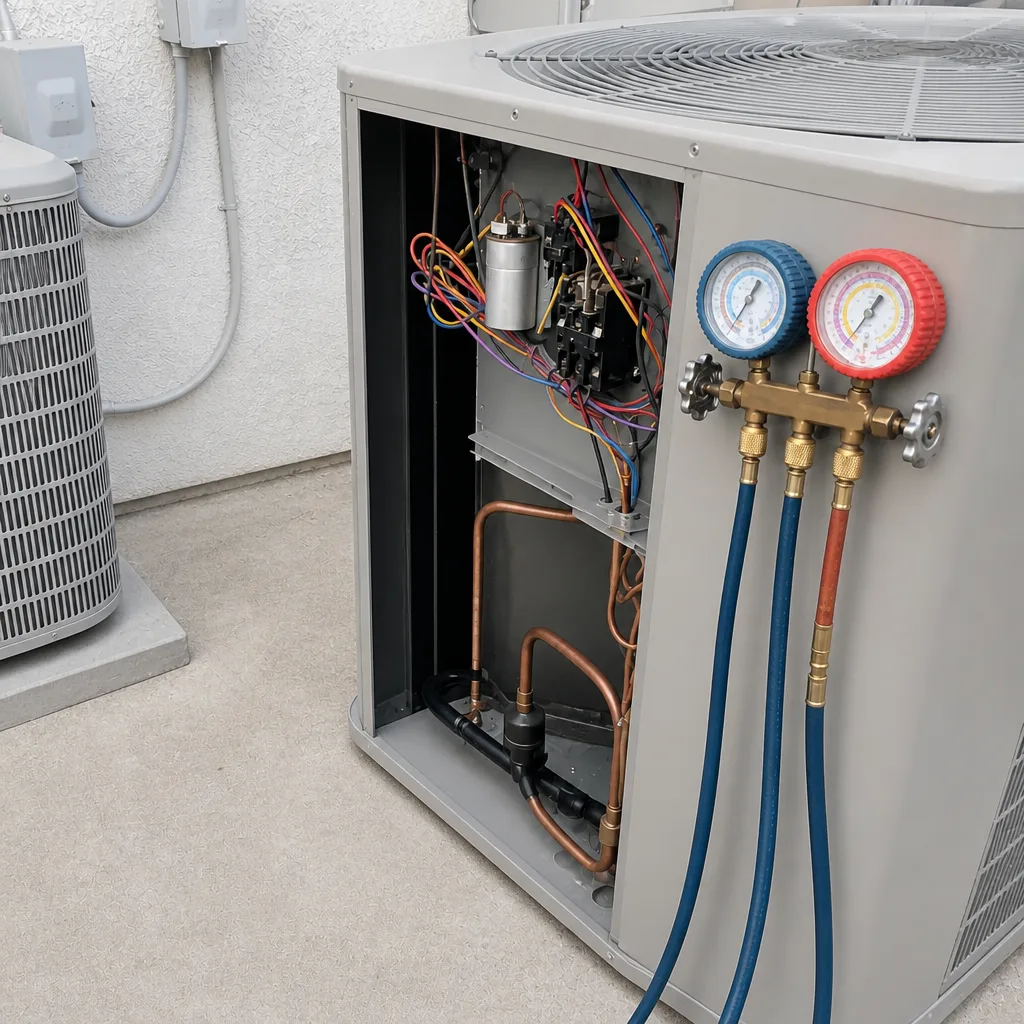 After
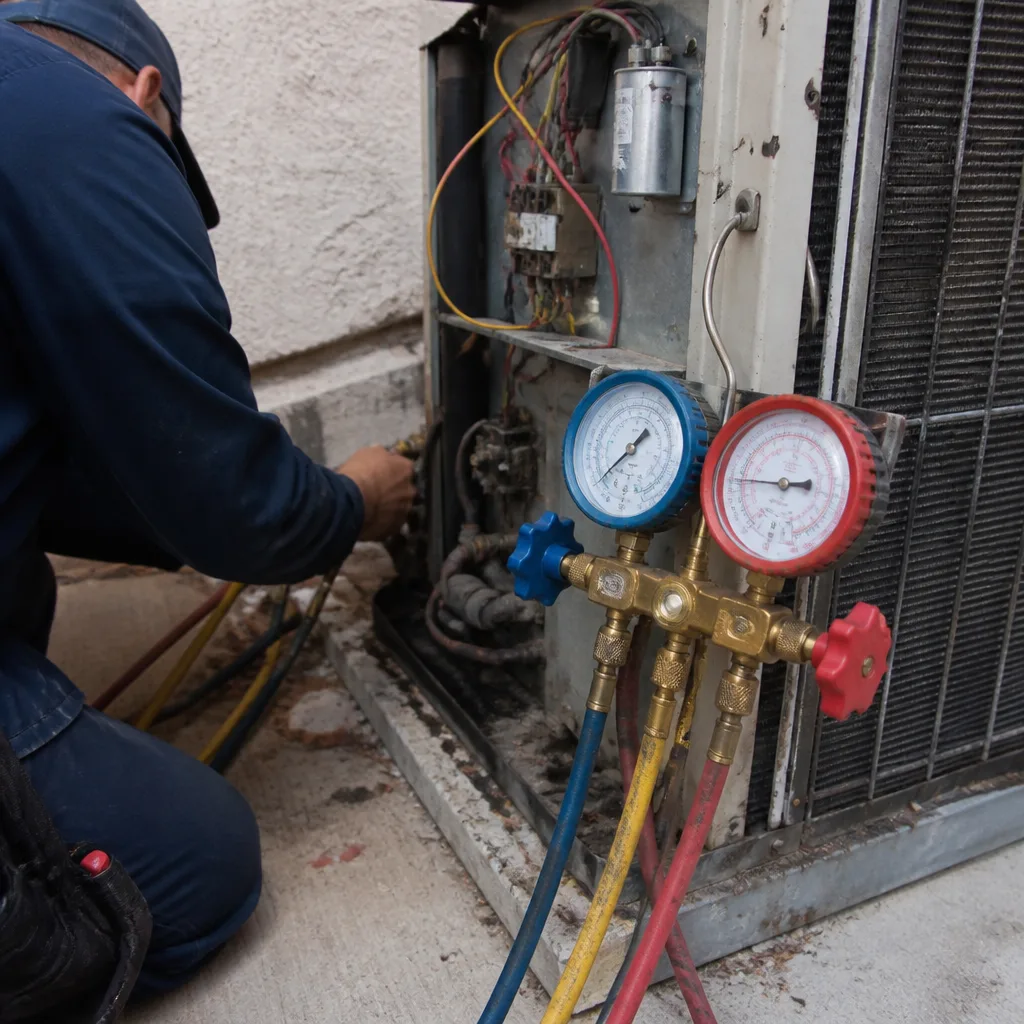 Before
 After
When to Call a Professional
Some maintenance is a homeowner’s job: filters, visual checks, the log. Some isn’t. Call a professional when you see ice on the indoor coil or the refrigerant lines, when the breaker trips more than once, when the unit makes a grinding or screeching noise, when you smell burning or a sweet chemical odor near the outdoor unit, when the electric bill jumps sharply, or when the system just isn’t cooling the way it used to. Capacitors, contactors, and compressors live behind a panel that holds live voltage even after the thermostat is off. That’s not a DIY job, and it’s not worth the risk. Ray’s Heating & Air Sunrise Manor offers free estimates in Sunrise Manor, with readings shown before any number is quoted. Call (877) 311-5951. Every job carries our 90-Day Done Right Promise in writing.
Frequently Asked Questions
At least twice a year: a full inspection in late winter (February or early March) before the heavy cooling season, and a post-season check in October or November. Because the unit runs nine months or more here, a once-a-year plan from a cooler climate leaves too much wear unchecked.
You can handle the safe parts: changing filters, keeping the outdoor unit clear of debris, checking the condensate drain, and keeping a log. Any work inside the electrical panel, on the refrigerant circuit, or on the coil beyond a light rinse belongs to a trained professional. The panel holds live voltage, and the wrong move there can hurt you.
Every 30 to 60 days for most homes here, and every 30 days if you have pets or live near unpaved lots. The 90-day rule on the box assumes an average climate. Sunrise Manor’s dust load makes 90 days too long for many houses. Hold the old filter up to a window and if you can’t see through it, it’s overdue.
As a rule of thumb, if the repair costs more than half the price of a new system, or the unit is past 12 to 15 years old and needs a major part like a compressor, replacement usually makes more sense. Get a written estimate with readings before deciding. We’ll give you a straight answer, not a sales pitch.
The range is wide, depending on size, brand, and whether ductwork needs work. A written fixed price is the only number that matters, and it should be based on a load calculation, not a phone guess. Call (877) 311-5951 for a free on-site estimate with the numbers in writing.
Yes. Phones are answered by a live person around the clock, including the owner. If your system fails on a 108-degree day, call (877) 311-5951. We’ll tell you honestly whether it’s an emergency or something that can wait for a scheduled visit.
The Bottom Line
The maintenance schedule that keeps your system alive in Sunrise Manor looks nothing like the generic spring-and-fall checklist. Build it around hours of use: a late-winter inspection before the load hits, a filter change every 30 to 60 days for most homes here, an annual coil cleaning because of the dust, and a post-season check in the fall to catch the worn parts before they fail in July. Keep a log so your next technician doesn’t start from scratch. And when you’re not sure, call. A free estimate and a written report of what was found beats guessing every time. Our heat pump and mini split and heating and furnace guides cover the winter side of your maintenance year.
Ready to get your system on a schedule that actually fits Sunrise Manor? Call Ray’s Heating & Air Sunrise Manor at (877) 311-5951 for a free estimate. We’ll show you the readings and the numbers before any work begins, and every job carries our 90-Day Done Right Promise in writing. Ask anyone on your street.
Written by the team at Ray’s Heating & Air Sunrise Manor.