
Last updated November 18, 2026
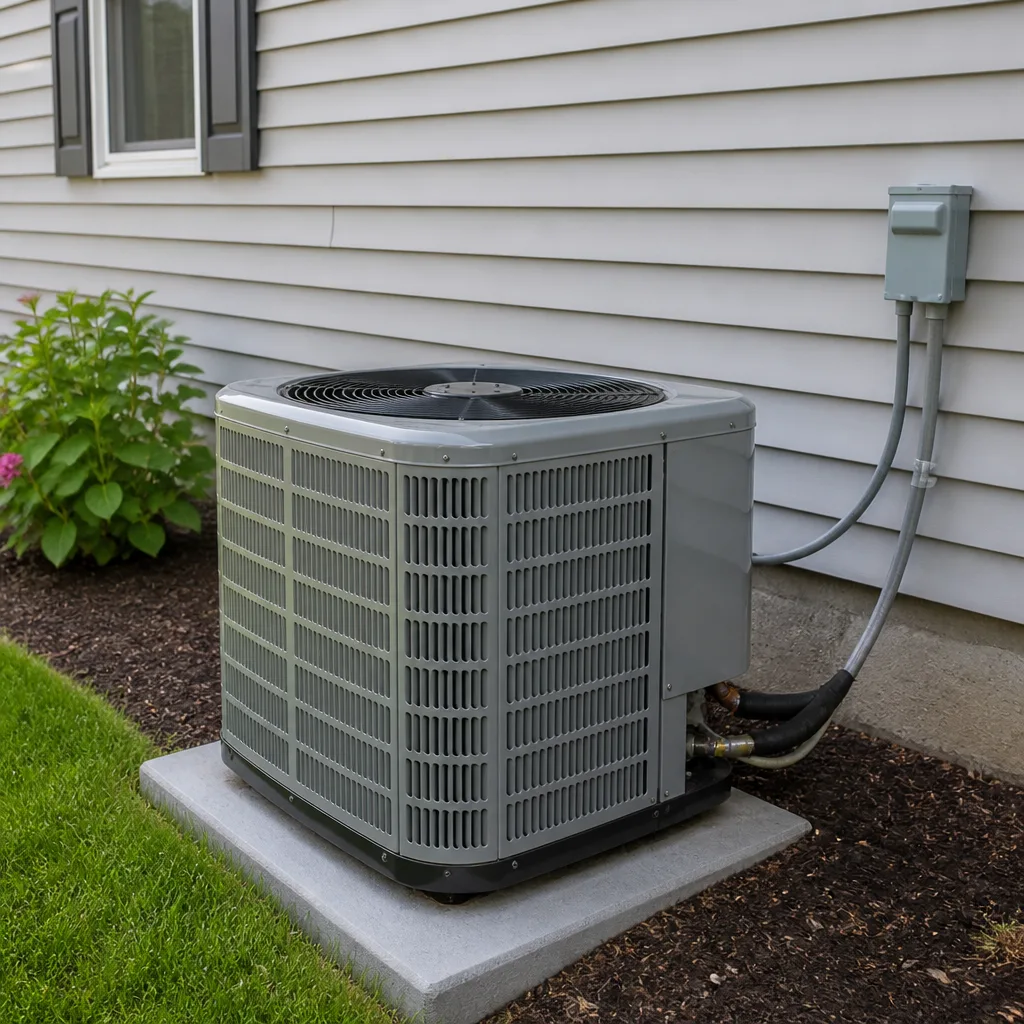 AC repair
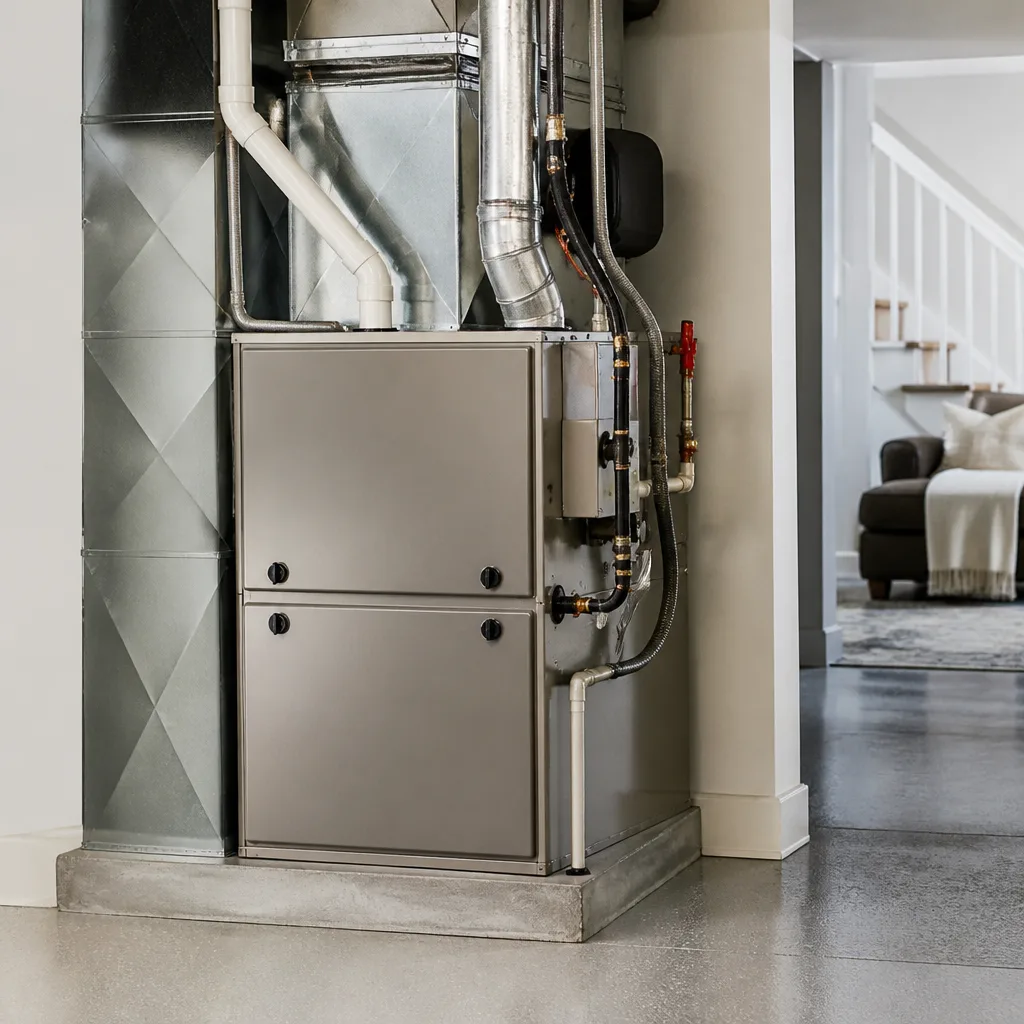 Furnace & heating
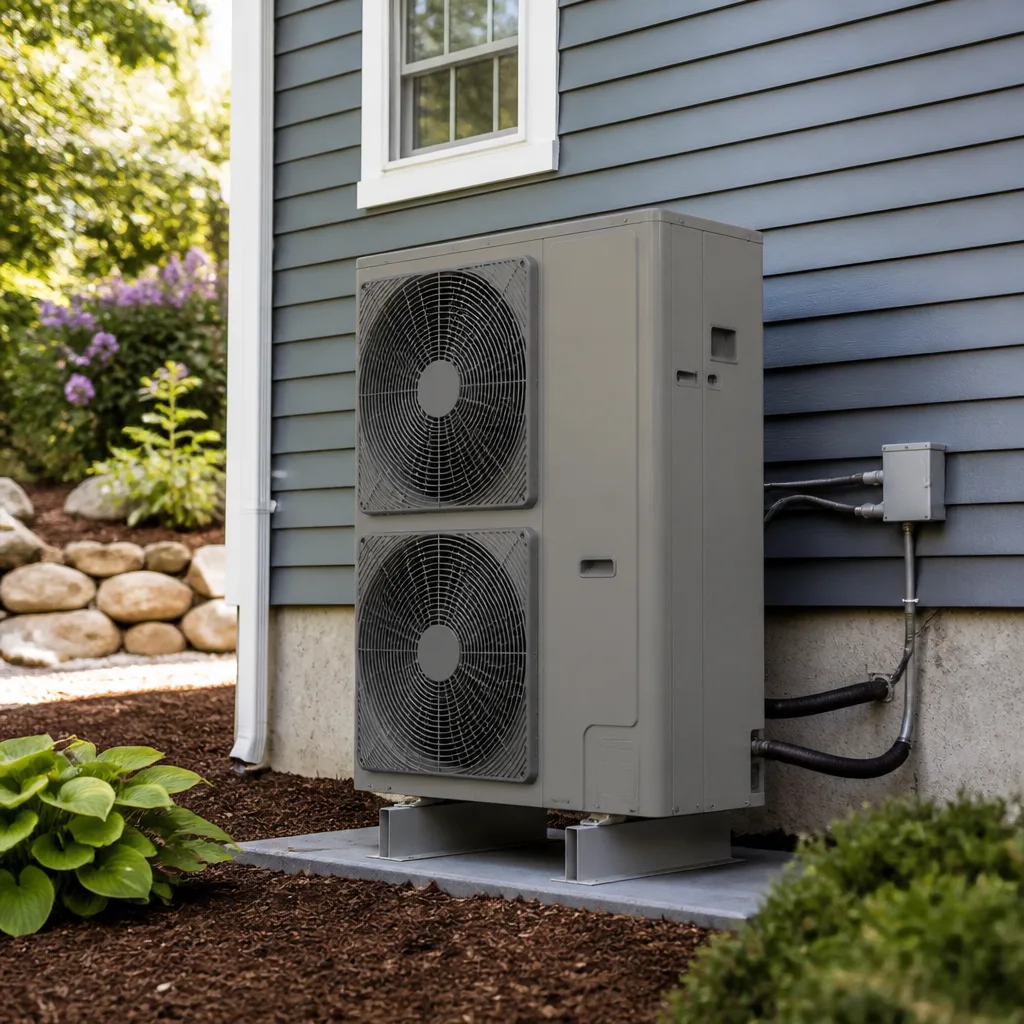 Heat pumps
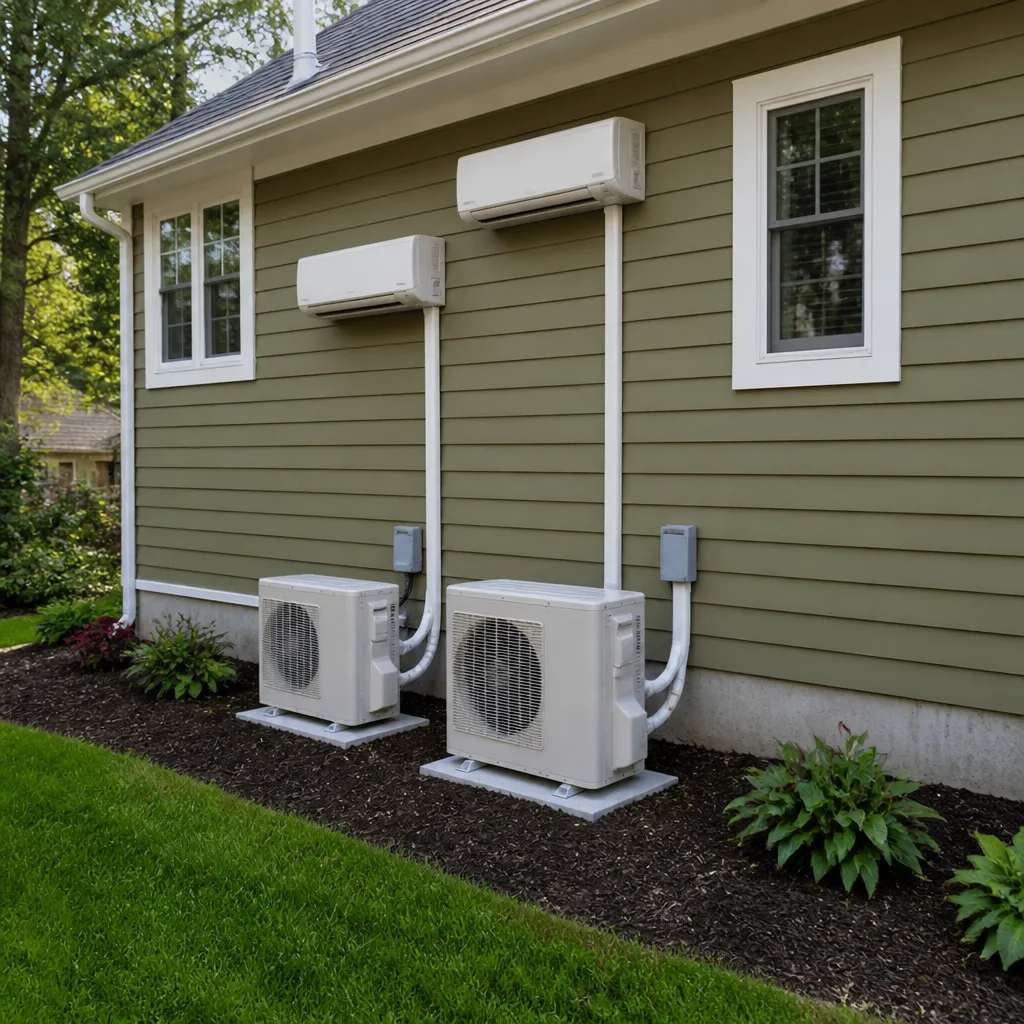 Ductless mini splits
 Carrier
 Trane
 Goodman
Seasonal tune-up and full diagnostic on your Carrier, Trane, or Goodman system - readings shown to you before any repair is proposed
Diagnosis first, numbers second - you approve the repair price before a single part goes in.
Get your free estimateAC Repair & Installation Warning Signs Every Homeowner Should Know
A unit that runs longer than it used to in order to hit the same temperature isn’t “getting old.” It’s telling you something specific is wrong, and that specific thing has a repair bill that roughly doubles for every 30 days you ignore it. Most homeowners in Sunrise Manor walk right past four or five of these signals in a single summer. This guide is about catching them early: the runtime test you can run with a phone stopwatch, the different smells that mean completely different problems, the humidity clue that has nothing to do with the desert, and how to tell a sign worth watching from one worth calling about tonight.
Quick Answer
The warning signs that actually matter are the quiet ones: longer runtimes, creeping utility bills, a house that feels sticky while the AC runs, faint smells from the vents, and short cycling. Each one shows up roughly four to six weeks before a real failure, and each has a $200-ish fix if you catch it early instead of a $5,000 replacement later. Dramatic symptoms get the attention. The quiet ones save the money.
Styles & brands we work with
- AC repair
- Furnace & heating
- Heat pumps
- Ductless mini splits
- Carrier
- Trane
- Goodman
Table of Contents
- The Runtime Test: Time Your AC With a Stopwatch
- What Each Smell From Your Vents Is Telling You
- The Humidity Warning Nobody Talks About
- Utility Bill Creep as a Diagnostic Tool
- Short Cycling and the Cycling Pattern to Watch
- The Sounds and Ice That Mean Stop Running It
- Watch It or Call Tonight: A Plain-Language Triage
- Warning Signs You’re Heading for Replacement, Not Repair
The Runtime Test: Time Your AC With a Stopwatch
Here’s the test nobody teaches homeowners, and it costs nothing. On a normal summer afternoon in Sunrise Manor, when the outdoor temperature sits in the mid-90s to low 100s, pull out your phone, open the stopwatch app, and time how long your system runs before it shuts off. Then time how long it stays off before it kicks back on. Do this on a day you’re home anyway and write the numbers down. Compare that running time to what you remember from last summer, or from the day you moved in. Once you have the numbers, here’s what they mean.
- A 10 to 15 minute run to reach your set temperature on a hot afternoon is normal for a properly sized, healthy system.
- 20 to 30 minutes of continuous run without reaching the set point points to low refrigerant charge, a dirty condenser coil, a failing capacitor, or a system that was undersized for the house.
- Running all afternoon and never quite hitting the number is the loudest version of this warning, and it usually ends in a compressor failure if ignored.
- Turning on and off every three to five minutes is called short cycling, and it has its own section below.
That second scenario is the one we see most in Sunrise Manor. A system that used to pull the house to 75 in twelve minutes now takes twenty-five. Nothing catastrophic has happened yet. What has happened is a capacitor drifting out of spec or a coil that’s lost efficiency, and either one is a modest repair right now. That same system left alone through one summer of chasing that temperature is a motor or compressor replacement instead. The runtime test doesn’t diagnose anything by itself, but it hands a professional real numbers to work from. It’s the difference between “it seems slow” and “it takes twenty-eight minutes and it used to take twelve.”
What Each Smell From Your Vents Is Telling You
Every smell from your vents is a message, and they are not the same message. The urgency changes completely depending on which one you’re smelling. This is the part where a lot of homeowners make a real mistake: they lump all “weird air smells” into one problem and either panic or shrug. Don’t. Match the smell to the list.
- Burnt plastic or electrical burning. Stop the system, turn it off at the thermostat and breaker, and call. This is a motor winding, a capacitor, a burnt wire, or a control board failing, and running it risks fire or a bigger failure. This is not one to watch.
- A musty, wet-basement smell. That’s biological growth in the ductwork, the evaporator coil, or the drain pan standing water issue. It’s an indoor air quality problem and often a drain problem. Less dangerous than electrical, but it doesn’t fix itself and it’s not good for your lungs.
- A sharp chemical or “sweet” smell. This can indicate refrigerant leaking, or in a rare worst case, a refrigerant leak that’s actively releasing. If you smell something chemical and the system is struggling, turn it off and get it looked at.
- A dusty, “first-week-of-summer” smell. Often just accumulated dust on the coil and ducts. Noticeable but not urgent. Worth mentioning on the next call.
Here in the Mojave summer, the musty smell is the sneaky one. Sunrise Manor homes run their AC nearly continuously from June through September, which means the evaporator coil stays wet for months. That coil is the perfect home for growth if the drain line is partially clogged or the system isn’t moving enough air. A faint musty smell in June is often a partially blocked condensate drain. Left alone, that same drain overflows later in the summer, and now you’ve got water damage under the unit. We’ve pulled the access panel on a Sunrise Manor system in August and found a drain pan full of standing water that had been smelling “slightly off” since early July.
The Humidity Warning Nobody Talks About
Here’s the counterintuitive one. Window down, doors closed, AC running, and the house still feels sticky. Your skin is clammy even though the thermostat says 74. A lot of homeowners in Sunrise Manor assume that’s just what a desert summer feels like, or that the AC “is working but there’s nothing to be done.” That’s a mistake. If your AC is running and the house still feels muggy, something is wrong with the dehumidification side of the system, and it’s usually one of three things.
- Refrigerant charge is low. When the system is undercharged, the evaporator coil runs cold but doesn’t get cold enough across the whole coil to pull moisture out of the air. The air gets cooled but not dried.
- The coil is dirty or iced over. Same effect. Restricted airflow means less moisture removal and less cooling capacity.
- The blower is moving too much air. An oversized blower or a fan set on “high” pushes air through the coil too fast to wring the humidity out. This is a setup problem, not a part failure, and it shows up most in the shoulder months.
In a house that’s been comfortable for years and suddenly feels clammy while the AC runs constantly, the first place a good technician looks is the charge and the coil. Readings first, numbers second. A set of gauges and a temperature split tell you which of the three problems above you’re actually dealing with before anyone starts talking about major repairs. If you’ve noticed this pattern, our team covers it in detail on the AC repair and installation page for Sunrise Manor.
Utility Bill Creep as a Diagnostic Tool
Your power bill is the world’s cheapest diagnostic tool and almost nobody uses it. Take last August’s bill. Compare it to this August’s bill. If it’s up 15% or more and nothing in your life changed, no new appliance, no teenagers leaving the fridge open, no extra people living in the house, then that increase is a warning sign. It’s measuring something. And a 15% jump almost always points to one of a few specific things.
- A failing capacitor. The most common culprit. A capacitor starting to drift makes the compressor work harder to start and run, and it shows up as a modest but consistent power draw increase before it fails outright. It’s the $200 fix we keep coming back to. We test the capacitor first, before anyone says the word compressor.
- A clogged air filter or restricted airflow. The blower runs longer to move the same air, and the meter spins the whole time.
- Low refrigerant. Longer runtimes, less capacity per minute, higher bills.
- A dirty condenser coil. Our desert dust settles into the outdoor coil. A dirty coil means less heat rejection, which means the compressor runs longer every cycle.
We’ve had more than one customer call in September and say “my bill was up a couple hundred dollars this summer and I didn’t think anything of it.” Six weeks later, their Rheem compressor is dead. The bill was the sign. A $30 filter change or a $200 capacitor would have answered it. Instead it was a $3,800 compressor. If you’ve seen that bill increase and want someone to look at the readings before the fall season, our heating and furnace service in Sunrise Manor handoff often catches these on the same visit.
Short Cycling and the Cycling Pattern to Watch
Short cycling means your system comes on, runs for three to five minutes, shuts off, and comes back on a few minutes later. It repeats. It’s exhausting for the equipment, and it’s one of the most common things we find on systems that are headed toward failure. The cause is almost always one of these four:
- An oversized system. It cools the house fast, hits the thermostat, shuts off, and starts the cycle again. It never runs long enough to dehumidify or settle into an efficient rhythm.
- A thermostat issue. A failing thermostat or one mounted near a heat source will bounce the system on and off.
- Low refrigerant. Cycling on a low-pressure switch.
- A clogged filter or restricted airflow. The coil ices, the system cuts off, thaws, and repeats.
There’s an important distinction here. Short cycling every few minutes is worth a call this week. Running long cycles in the summer and then hitting off periods is normal. Running hard, then never shutting off, is a different problem (that’s the runtime test from earlier). The pattern matters. If you can count the on/off cycles in an hour, you’ve already got your answer. In a Sunrise Manor home that used to hold temperature fine and is now cycling hard in late afternoon, the first thing to rule out is the filter and then the charge. Our write-up on heat pump and mini split service in Sunrise Manor covers the same cycling pattern from the heat-pump side, since the symptoms overlap more than people expect.
The Sounds and Ice That Mean Stop Running It
Most sounds are just normal operating noise. These aren’t. When you hear them, turn the system off and call, because running it is actively making the problem more expensive.
- A grinding or screeching from the outdoor unit. That’s a bearing or a motor on the way out. Keep running it and you’re buying a new motor, not a repair.
- A hard clicking that repeats. Could be a contactor or a compressor trying to start and failing. That’s an electrical issue.
- Ice on the outdoor unit or the indoor coil. Frost or ice on the refrigerant lines is a low-charge or airflow restriction symptom. Do not assume it’s fine because it’s “cooling well.” Ice on a coil means the coil is starved and no air is getting through.
Ice is the one that surprises people most. A perfectly frosted line set looks like the system is working hard to keep you cool. It isn’t. It’s failing quietly. This is exactly the kind of thing the runtime test catches a week or two before the ice shows up. Our Ray’s Heating & Air home page for Sunrise Manor covers the emergency line if you’ve got ice and a house that’s losing cool in the middle of July.
Watch It or Call Tonight: A Plain-Language Triage
Here’s the practical list. Match what you’re seeing to the column. When in doubt, call and describe it. A live person answers every call, around the clock, and a two-minute phone conversation will save you a service call.
- Call tonight: Burnt plastic smell, grinding outdoor unit, ice on the coil with no cooling, running all afternoon and losing ground, water on the floor near the air handler.
- Call this week: Short cycling, musty smell, bill up 15% or more with no behavior change, runtime doubled compared to last summer, weak airflow from the vents.
- Watch and re-test: Slightly longer runtimes in peak afternoon heat, faint dust smell at season start, one odd sound you can’t reproduce.
This is where the difference between a $200 repair and a $5,000 replacement lives. If you’re a homeowner in Sunrise Manor and you try the runtime test, write the number down on the calendar. Next June, do it again. The comparison is the diagnosis, and it’s more useful than any single symptom on a single day.
Warning Signs You’re Heading for Replacement, Not Repair
Repair versus replacement is a real fork in the road, and it’s worth knowing which side you’re on before the system fails and you’re under pressure. There are a few signs that point to replacement being the better use of money.
- Multiple major repairs in the last 24 months. Two compressors or a compressor plus an evaporator coil means you’re funding a system that’s already spent.
- The system is the wrong size for the house. Oversized systems short cycle, under-dehumidify, and burn out faster. A proper AC installation in Sunrise Manor starts with a load calculation, not a guess.
- Refrigerant type is obsolete. R-22 systems can’t get parts cheaply. If the system is R-22 and losing charge, replacement is usually the honest recommendation.
- Bill creep plus repair creep. You’re paying more per month to run it and more per year to fix it. That’s the point where the math flips.
- Comfort never got fixed. If your 20-year-old system was undersized, repairing it just returns you to the same house that was never quite cool. A load-calculated replacement with a Rheem or York unit, sized right, fixes the comfort problem too.
If any of these are familiar, ask for a load calculation and a written fixed price before anyone sells you a compressor. We install Carrier, Trane, Lennox, Goodman, Rheem, York, Daikin, Bryant, and American Standard, and the right one depends on your house and how you use it, not on what’s on the truck that day.
Common Mistakes to Avoid
- Ignoring the bill increase. A 15% jump with no behavior change is a diagnostic. Treat it like a check-engine light, not a billing complaint.
- Calling it “just old.” Age is not a diagnosis. Runtime, bill, smell, and cycling pattern are diagnoses. “It’s getting old” is how a $200 fix becomes a $5,000 replacement.
- Assuming the desert can’t be humid. A Sunrise Manor home that feels sticky while the AC runs is telling you about charge or coil, not the weather.
- Paying to fix a symptom without testing the cause. Replacing a capacitor without checking why it failed, or topping off refrigerant without finding the leak, just buys time you’ll pay for twice.
- Skipping the $30 filter. A restricted filter causes ice, weak airflow, and short cycling, and it’s the cheapest mistake on this list to avoid.
- Letting a lone voice steer a big decision. If one quote says “new system” with no readings behind it, ask for the gauge, split, and load numbers. Our free second opinion on any written estimate exists for exactly this reason – call and we’ll look at numbers from another shop with no charge.
- Running ice or smoke problems instead of shutting down. Turn it off first. Running a system with ice on the coil or a burnt smell is how a small fix becomes a fire risk or a dead compressor.
See the difference
 Before
 After
 Before
 After
 Before
 After
When to Call a Professional
Call us for anything in the “call tonight” column: burnt smells, grinding outdoor units, water on the floor, or ice on the coil with no cooling. Call this week for short cycling, musty smells, or a runtime that’s clearly drifted. Anything involving refrigerant lines, compressor testing, capacitor replacement, or electrical contactors is not a homeowner repair. Those parts are dangerous and the readings have to be measured, not guessed. Ray’s Heating & Air in Sunrise Manor offers free estimates and a no trip charge inside our county. Call (877) 311-5951 and a live person will answer, day or night. Our technicians have up to 24 years of experience and every job carries a written 90-Day Done Right Promise, plus a Senior and Veteran 10% discount and $40 off any repair over $200.
Frequently Asked Questions
The quiet ones: runtimes that have stretched past 20 to 30 minutes, a utility bill up 15% or more with no behavior change, short cycling every few minutes, faint musty or chemical smells, and a house that feels sticky while the AC runs. Any one of these is worth a call. Two together is worth calling today.
Time your AC on a normal mid-90s afternoon with a phone stopwatch. Note how long it runs before it shuts off, then how long it stays off. Ten to fifteen minutes of run per cycle is normal. Past twenty and you’ve caught the warning early. Call (877) 311-5951 for an exact quote once you have your numbers, free estimates.
Running AC that leaves the house sticky usually means low refrigerant charge, a dirty or iced coil, or a blower pushing too much air for the coil to dehumidify properly. That’s a real system problem, not a desert quirk. Get the readings checked before the compressor pays the price.
Yes. If nothing changed in your routine and your summer bill is up 15% or more, something on the system is drawing more power than it should. The most common culprit is a drifting capacitor, then a clogged filter or dirty coil. Worth a call to rule out the cheap fixes before they become expensive ones.
Burnt plastic or an electrical smell is unsafe, and you should cut power to the system and call. Musty smells are a growth and drainage issue, less dangerous but still worth fixing. Chemical or sweet smells can mean a refrigerant leak. Turn it off and get it looked at soon, not next week.
If you’ve had two or more major repairs in the last two years, or the system is R-22 and losing charge, or the bill and the repair costs are both climbing, replacement is usually the better use of money. Ask for a load calculation and a written fixed price before committing. Call (877) 311-5951 for a free estimate and a straight answer.
The Bottom Line
The warnings that matter aren’t the dramatic ones. They’re the runtime that drifted from twelve minutes to twenty-five, the bill that crept up 15%, the musty smell in June, the cycling every four minutes. Each one is a $200 repair if you catch it and a $5,000 replacement if you don’t. Time your system once this summer and write the number down. Compare it next June. Then call us, and a live person will pick up. Our team answers every call around the clock, and we’ll show you the readings before we show you the numbers.
Written by the team at Ray’s Heating & Air Sunrise Manor.