
Last updated November 18, 2026
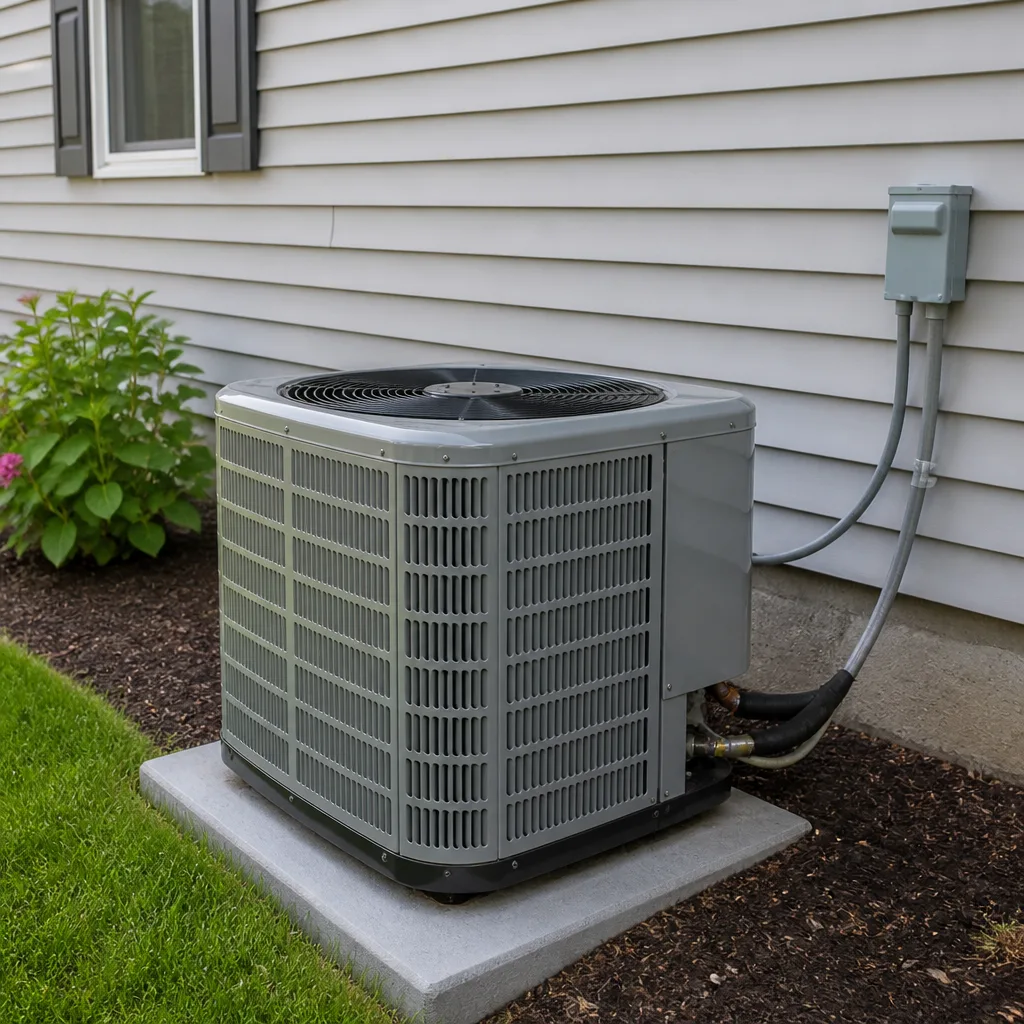 AC repair
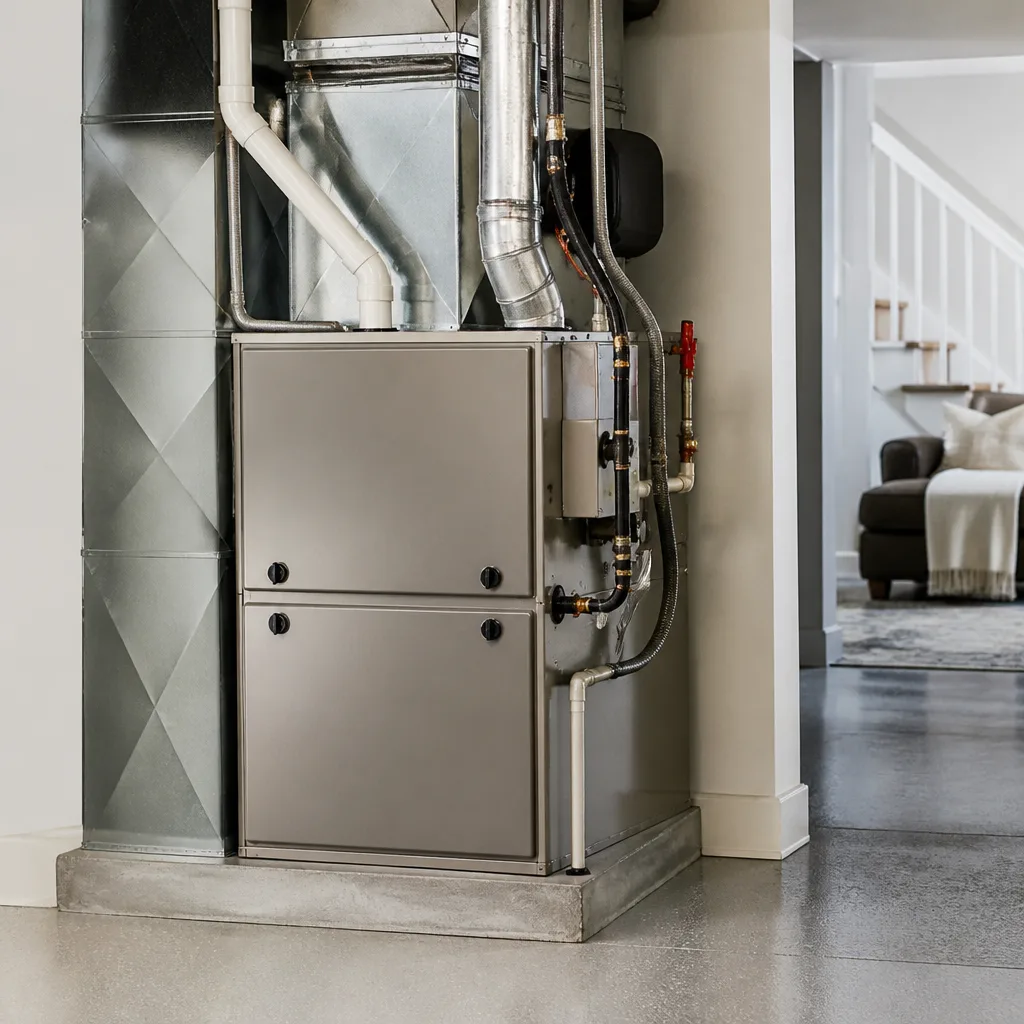 Furnace & heating
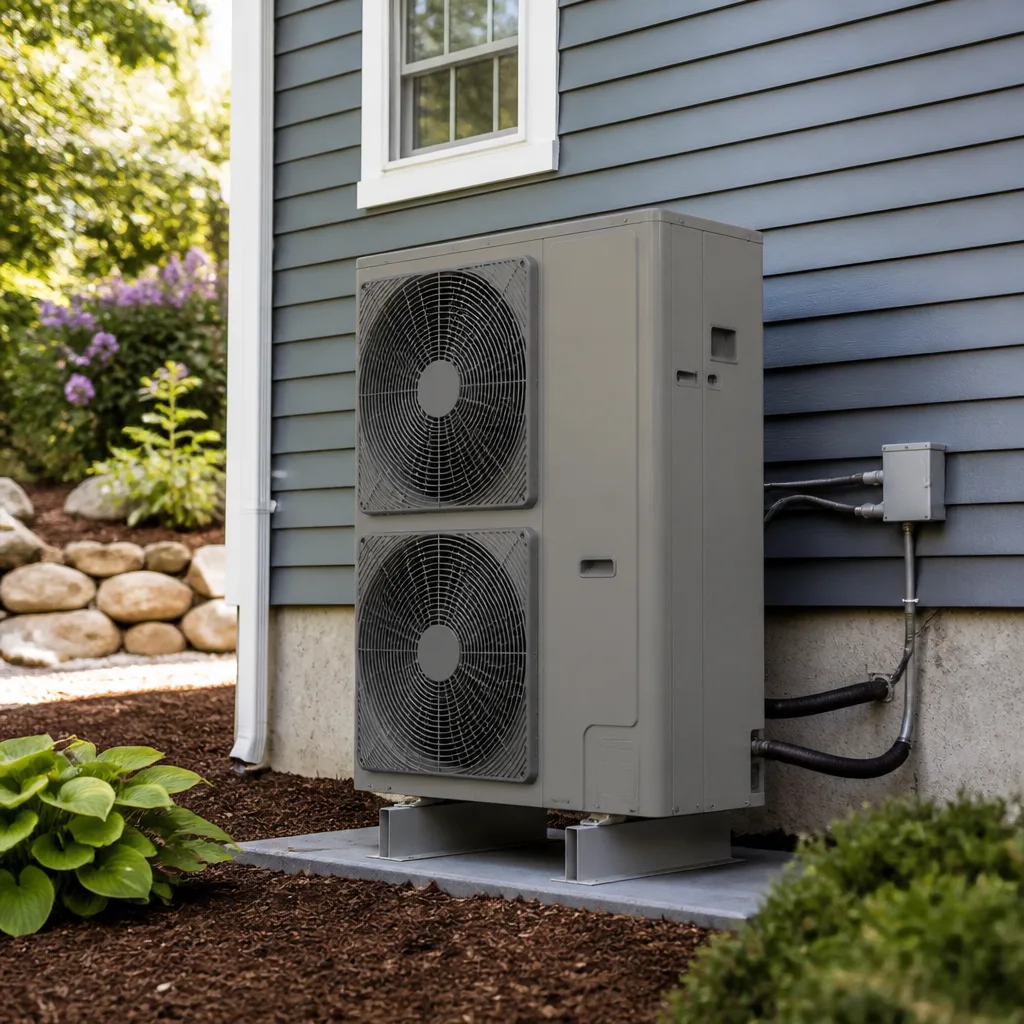 Heat pumps
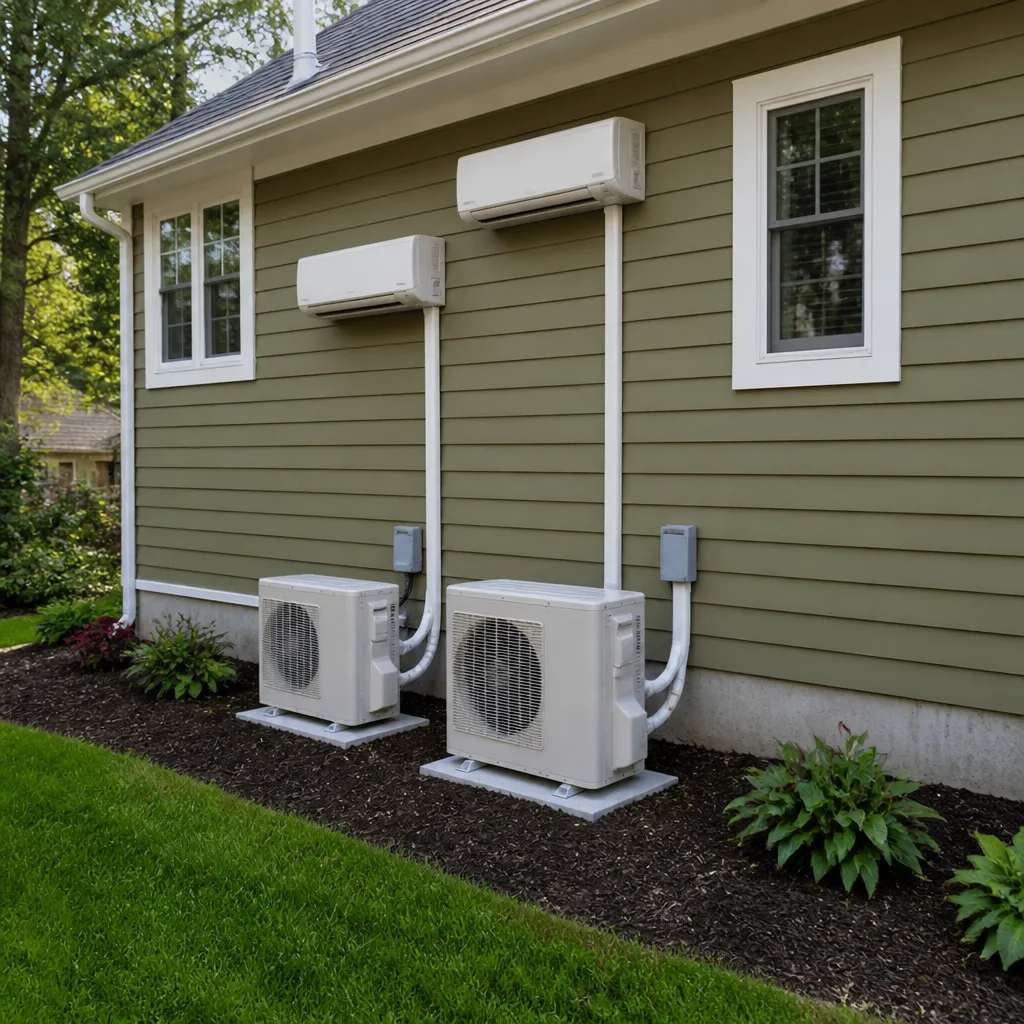 Ductless mini splits
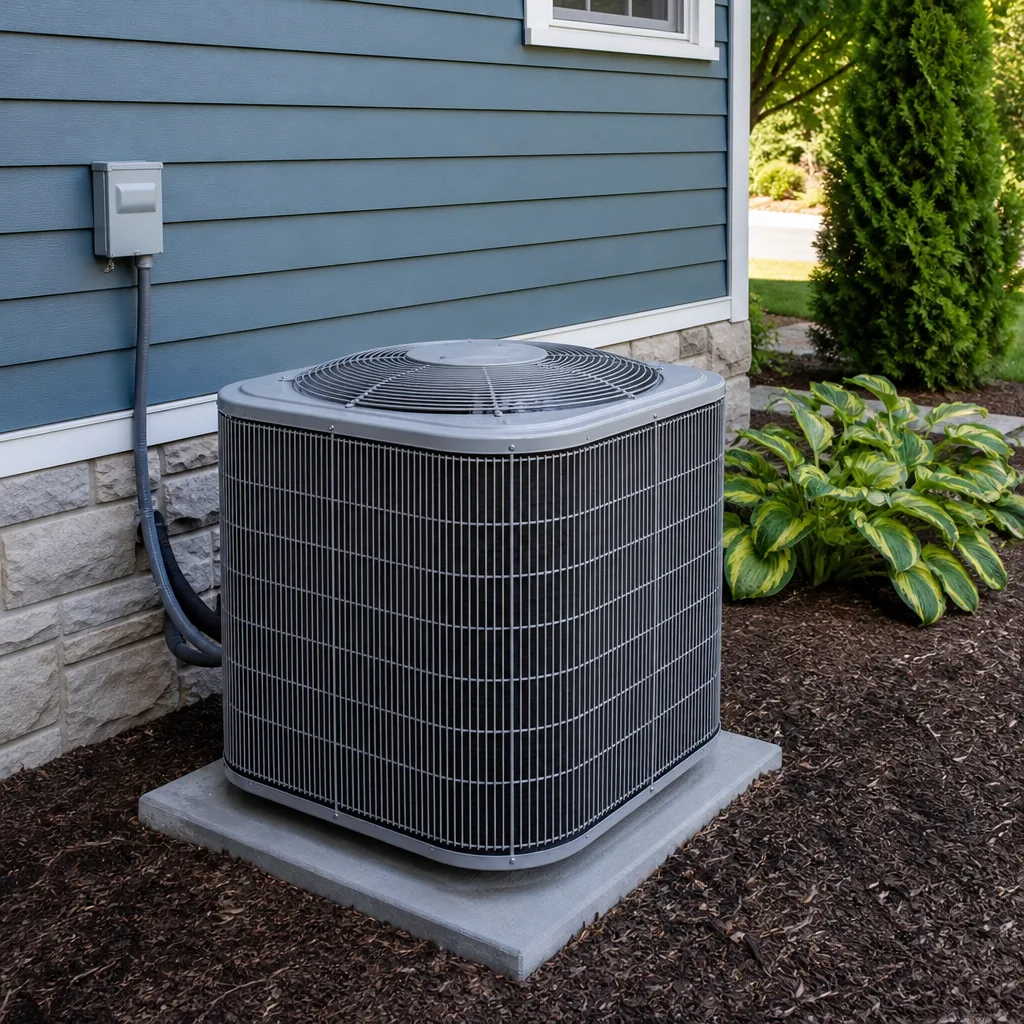 Carrier
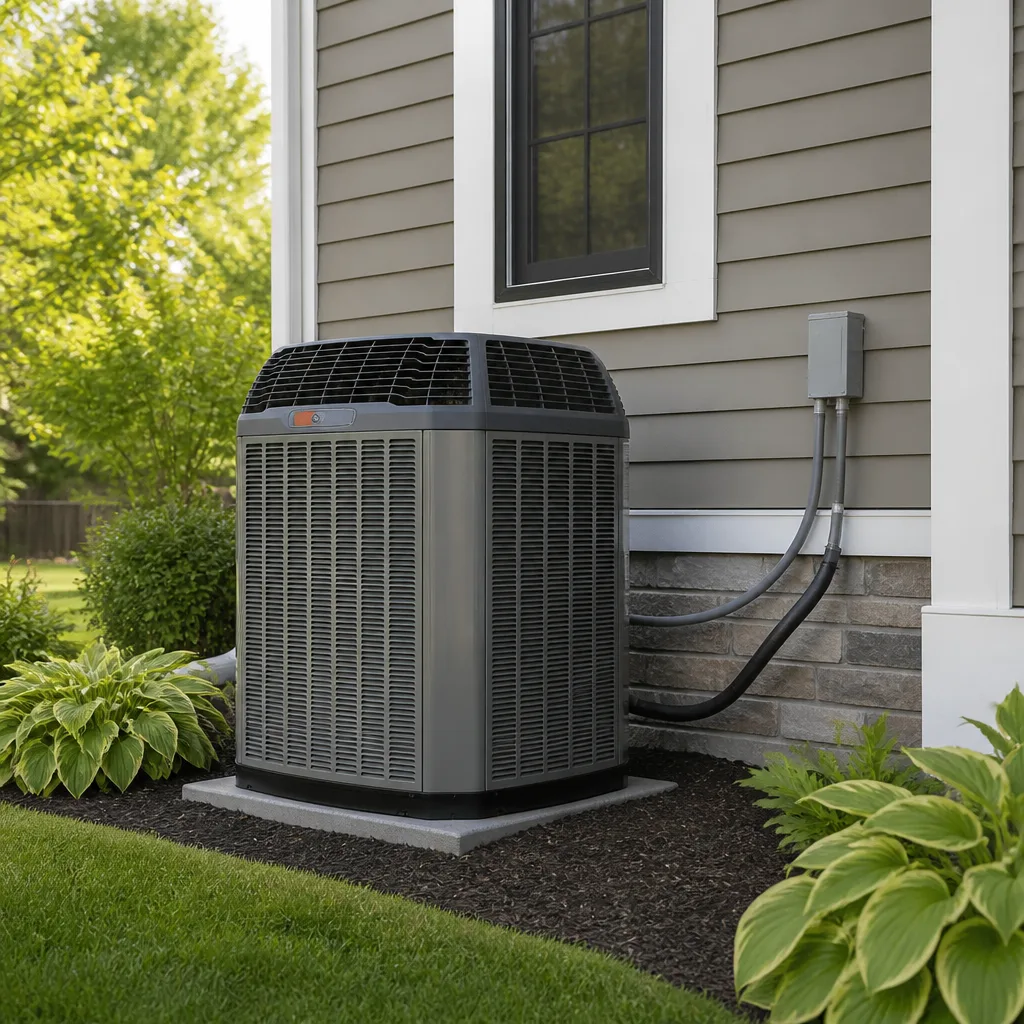 Trane
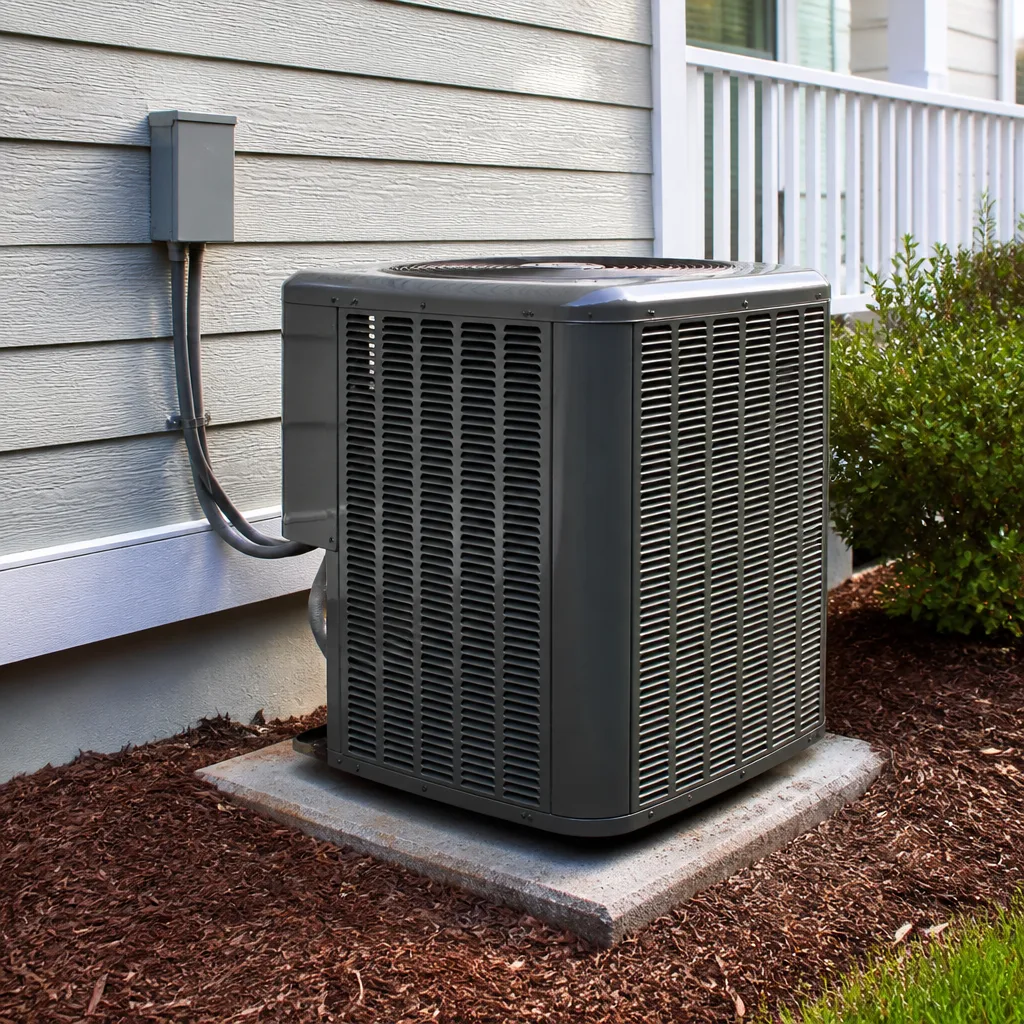 Goodman
Seasonal tune-up and full diagnostic on your Carrier, Trane, or Goodman system - readings shown to you before any repair is proposed
Diagnosis first, numbers second - you approve the repair price before a single part goes in.
Get your free estimateThe Complete Air Quality & Ventilation Guide for Sunrise Manor Homeowners
Standard ventilation advice says “bring in fresh outside air to dilute indoor pollutants.” That advice was written for climates where the outdoor air quality index isn’t routinely in the orange during dust events, and where opening a window in July doesn’t immediately spike your indoor humidity into the range where mold gets interested. Sunrise Manor doesn’t get that luxury. Here on the valley floor east of Las Vegas, the air outside is sometimes the problem, not the fix. This guide walks through what actually works in Sunrise Manor homes: caliche dust, cottonwood season, attic ducts, MERV ratings that matter, and when a purifier beats a window. We’ll tell you what we’ve seen in houses from Nellis to the far east side.
Quick Answer
In Sunrise Manor, indoor air quality usually gets worse, not better, when you ventilate with outside air during dust events, high-wind days, cottonwood season, or summer afternoons. The fix is filtration first, sealing second, and ventilation only when the outdoor air is genuinely cleaner than what’s already inside. Most Sunrise Manor homes need a MERV 11 to MERV 13 filter, sealed ducts through the attic, and a plan for when the windows stay closed. Whole-house systems win on cost over time; portables are a stopgap for one room.
Styles & brands we work with
- AC repair
- Furnace & heating
- Heat pumps
- Ductless mini splits
- Carrier
- Trane
- Goodman
Table of Contents
- The Four Sunrise Manor Air Quality Problems Nobody Warns You About
- The Ventilation Paradox: When Outside Air Helps and When It Hurts
- MERV Ratings in Plain English: What to Buy in Sunrise Manor
- Whole-House Filtration vs. Portable Purifiers vs. UV Systems
- Why Leaky Attic Ducts Are an Air Quality Problem, Not Just an Efficiency Problem
- A Sunrise Manor Seasonal Air Quality Calendar
- Seven Steps to Cleaner Air in Your Sunrise Manor Home
The Four Sunrise Manor Air Quality Problems Nobody Warns You About
Generic indoor air quality guides talk about VOCs, radon, and pet dander. All real. But Sunrise Manor homes deal with four local problems that most published advice never mentions, and each one changes what you should actually do.
Caliche particulate. Caliche is that hard, calcium-carbonate layer under so much of the ground east of the valley. When it’s disturbed by grading, trenching, or utility work, it doesn’t blow away as loose dust the way sand does. It breaks into fine, alkaline particulate that settles into window tracks, door sweeps, and return grilles. In our experience, homes within a half-mile of an active construction site on the east side see filter loading two to three times faster than homes with nothing being built nearby.
Construction dust from the east-side buildout. Sunrise Manor has absorbed an enormous amount of new construction over the past several years: slab prep, block walls, stucco, and roadwork. Every phase throws something different into the air. During a grading push, it’s mineral dust. After stucco starts, it’s fine cement particulate that loves to clog filter media.
Valley floor inversions. Sunrise Manor sits low in the valley. On still winter mornings, cooler air settles and traps whatever’s been emitted overnight near the ground. The result is a stretch of hours where outdoor AQI can run noticeably worse than the number you saw the evening before. Cold-morning ventilation is often the wrong move.
Cottonwood season. The cottonwoods along the washes and older neighborhoods release their fluff in late spring. It’s not pollen exactly, but it carries pollen and fine debris on it, and it collects on intake grilles and outdoor condenser coils. Spring filter life in Sunrise Manor often drops by a third compared with the rest of the year.
None of this means you should seal your house like a cooler. It means you need a strategy that accounts for outside air being a variable, not a constant. That’s the paradox we tackle next.
The Ventilation Paradox: When Outside Air Helps and When It Hurts
Here’s the piece most guides skip. Fresh air is only fresh when the outdoor AQI is lower than the indoor air you’re replacing. In Sunrise Manor, that’s not always true. Sometimes the outdoor air is cleaner. Sometimes it’s exactly what you’re trying to get away from. Reading the situation correctly is the whole game.
Open up when:
- Outdoor AQI is under 50 and it’s not a high-wind day.
- You’re cooking something smoky or painting, and indoor pollutant levels exceed what’s outside.
- The outdoor temperature is between roughly 65°F and 85°F, so you aren’t spiking indoor humidity or heating load.
- It’s a calm winter morning after an inversion has broken and the winds have cleared the valley.
Keep windows shut when:
- AQI is in the orange (55 and up) or worse, especially during dust events.
- Wind gusts are kicking up caliche and construction dust on the east side.
- It’s cottonwood season and you can see the fluff in the air.
- Outdoor humidity is above 40% and you’re in the middle of a monsoon push. Desert homes don’t tolerate indoor humidity above 55% well, and above 60% mold gets interested.
- It’s a July afternoon. The energy penalty alone isn’t worth it, and you’re not going to out-ventilate 110°F.
One practical callout: a $20 indoor air quality monitor that shows you PM2.5 and humidity is the single best investment for this. You stop guessing whether opening up helps or hurts, because the readings tell you. Readings first, numbers second, as we like to say. That principle runs through Ray’s Heating & Air Sunrise Manor home and every job we walk into.
MERV Ratings in Plain English: What to Buy in Sunrise Manor
MERV stands for Minimum Efficiency Reporting Value, on a scale from 1 to 16. Higher captures smaller particles. Lower keeps more airflow and costs less. Most guides stop at “buy MERV 13.” That’s a decent default, but it’s not the whole story, and it isn’t right for every Sunrise Manor home.
Here’s the plain-English breakdown:
- MERV 6-8: Captures dust, lint, and larger pollen. Cheap, airflow-friendly, and often what builders installed. It’s better than nothing, but it does not capture caliche particulate well. Not our recommendation for a Sunrise Manor home unless your system can’t handle more.
- MERV 11: Captures most fine particulate, pollen, mold spores, and a good chunk of the PM2.5 from dust events. Good airflow. This is the practical floor for Sunrise Manor homes in our book.
- MERV 13: Captures the smaller particulate that matters most during dust storms and construction season. It is our typical recommendation for Sunrise Manor homes with normal residential ductwork and 1-inch filter slots, provided the blower can handle the static pressure. Some older systems can’t, and the answer is a 4-inch media cabinet, not a higher-MERV filter stuffed into a 1-inch slot.
- MERV 14-16: Hospital-grade in most cases. It will choke a residential blower and burn up the motor if the system wasn’t designed for it. Don’t do this without a static pressure test.
Two things matter more than the number. First, fit: if the filter isn’t seated, it’s filtering nothing. Second, change interval: in Sunrise Manor, during cottonwood season and construction pushes, you’ll change a MERV 11 monthly, not quarterly. Keep a spare on the shelf and check it when the winds pick up. If you’re comparing system upgrades and want to know what your blower can actually handle, we walk through it inside AC Repair & Installation in Sunrise Manor.
Whole-House Filtration vs. Portable Purifiers vs. UV Systems
Homeowners ask us which of the three is worth paying for. The honest answer is that it depends on your home size, your occupant health factors, and your budget. Here’s the straight cost-benefit on each.
Whole-House Filtration
Installs in-line with your HVAC system, so it filters every bit of air that heats or cools your home. A 4-inch media cabinet runs in the mid-hundreds installed; a more advanced electronic option runs higher. The catch: it only works when the fan runs, so you need either continuous fan or a smart thermostat that cycles the fan. For a 2,000-square-foot Sunrise Manor home with two or more occupants, this is almost always the right first move. Cost per year in filters is low if you buy filters online and change on schedule.
Portable Air Purifiers
Great for a bedroom, an office, or one room where someone spends most of their day. A HEPA unit that’s correctly sized to the room runs from $150 to $400 to buy and $50 to $150 a year in replacement filters. The catch: you need one per room, so whole-house coverage gets expensive fast. If you have a single occupant with respiratory concerns and a smaller home, this is a reasonable move. If you’re trying to cover 2,400 square feet, it isn’t.
UV Systems
UV-C lights are often sold as a cure-all. They aren’t. A properly installed UV-C lamp in the coil housing helps keep the coil from growing biological material, which is real value for humid summer months. A UV light in the return duct or air handler to “sterilize the air” is far less effective because air moves too fast for meaningful dwell time. Treat it as coil hygiene, not air sterilization. In Sunrise Manor, a UV lamp in the coil cabinet is a reasonable add-on for homes with lung-sensitive occupants. We wouldn’t put it first.
Rank order for most Sunrise Manor homes: sealed ducts, then correct MERV, then whole-house filtration, then UV. Which brings us to the duct issue.
Why Leaky Attic Ducts Are an Air Quality Problem, Not Just an Efficiency Problem
Most HVAC framing treats duct leakage as a utility bill problem. In Sunrise Manor, it’s often an air quality problem first. Here’s why. Most homes here run their ductwork through unconditioned attic space, where summer attic temperatures routinely hit 140°F or higher. A supply duct with a 5% leak doesn’t just lose cooled air. It also draws in attic air to replace what leaked out, and that attic air carries fiberglass particulate, insulation dust, and whatever has been baking up there.
The return side is worse. Return ducts that run through the attic and leak under negative pressure pull attic air directly into the living space, unfiltered. That’s the caliche and insulation-dust pathway nobody talks about.
How to tell if this is happening in your Sunrise Manor home:
- Dust registers fastest on horizontal surfaces near supply registers.
- You can see dust streaks at the register boots or attic access panels.
- The house is dustier in summer than winter.
- Rooms far from the air handler are noticeably dustier than rooms close to it.
- Your filter loading looks heavier on one side of the media.
Fixing it is mechanical, not chemical. Mastic-seal every joint, boot, and takeoff, and add a duct blaster test to confirm leakage is under 10% before you spend money on filtration. Filtering clean air is easy. Filtering air that’s picking up attic dust on the way to your bedroom is not. We do a lot of this work; when we’re out, we check the seal at every joint before we ever quote a filter upgrade. It’s the same diagnostic-first approach as a compressor call: readings first, numbers second. If you’re wondering whether your system is losing air through the attic, that’s a good reason to look at Heating & Furnace in Sunrise Manor, where the same duct runs heat your home and carry the same dust in winter.
A Sunrise Manor Seasonal Air Quality Calendar
Sunrise Manor’s air quality story changes month to month. Planning around the calendar beats buying gadgets in a panic.
- January and February: Valley floor inversions peak. On cold, still mornings, outdoor AQI can be worse than indoor. Ventilate in the afternoon once the inversion burns off, not at dawn.
- March and April: Wind events. This is the caliche and dust season on the east side. Keep windows shut during gusts, run the fan with a fresh MERV 11 filter, and check the filter monthly.
- May and June: Cottonwood season and the first triple-digit stretch. Filter changes come more often; coil cleaning matters. New construction activity picks up speed, so east-side homes in buildout zones see dust pressure increase.
- July and August: Monsoon humidity risk. If outdoor humidity climbs and indoor humidity gets above 55%, don’t open up. Run the AC and monitor. A correct-size system dehumidifies naturally.
- September and October: The sweet spot. Outdoor AQI is often the best of the year and the temperature is workable. This is when you actually ventilate – do it deliberately.
- November and December: Fireplace smoke, holiday cooking, and the first inversion buildup. Running the fan continuously during cooking pays off.
One thing we’ve seen again and again: the homes with the cleanest indoor air in Sunrise Manor aren’t the ones with the fanciest equipment. They’re the ones whose owners know what season it is and change filters on schedule. Ask anyone on your street who keeps spare filters on the shelf. That’s usually the household that doesn’t complain about dust.
Seven Steps to Cleaner Air in Your Sunrise Manor Home
- Measure what you’ve got. Buy a $20-$40 indoor air quality monitor that tracks PM2.5 and humidity. Leave it in your main living area for a week. You’ll learn more from that than from any article, including this one.
- Get your ducts sealed and tested. Mastic-seal every joint, boot, and takeoff, then run a duct blaster test to confirm leakage is under 10%. This is the single highest-payoff fix in Sunrise Manor homes, and it’s a real fix, not a gadget.
- Install a MERV 11 or MERV 13 filter that fits correctly. If the filter slot is 1 inch and the fan struggles at MERV 13, upgrade to a 4-inch media cabinet. Don’t cram a high-MERV filter into a 1-inch slot on an old blower.
- Check your blower can handle the static pressure. A trained tech can read static pressure in five minutes. If it’s high with a MERV 13 loaded, the motor will burn out. Know that before you find out.
- Run the fan on a schedule. Continuous or program-fan operation pulls air through the filter and helps equalize indoor conditions. Set the thermostat to run the fan a portion of every hour rather than 24/7 to save on motor wear.
- Seal the envelope. Weatherstrip doors and windows, check the attic access for gaps, and seal any wiring or plumbing penetrations. This won’t stop every particle, but it stops the big ones.
- Fix the source before buying more equipment. A smoking cook, a wet crawlspace, or a bathroom exhaust that doesn’t go outside will defeat any filter you buy. Find the source first.
Common Mistakes to Avoid
- Opening windows because “fresh air is good.” During a dust event, a construction push, or cottonwood season on the east side, opening up is exactly the wrong move. Read the AQI first.
- Buying the highest-MERV filter you can find. A MERV 16 will choke a residential blower not designed for it. You’ll replace a motor for more than you would have spent on a proper filter setup.
- Assuming the duct system is fine because the house is only a few years old. New Sunrise Manor construction still often has duct leakage in the 15% to 30% range in the attic. Test before you trust.
- Installing a UV system as an “air sterilizer.” A properly installed UV-C lamp in the coil cabinet helps with coil hygiene. A UV lamp in the return duct is far less effective than the packaging implies.
- Running a portable purifier in one room and calling it done. For a 2,000-square-foot Sunrise Manor home, one purifier handles one room. Whole-house coverage requires a whole-house approach.
- Skipping the filter change during cottonwood and construction season. In Sunrise Manor, that’s monthly, not quarterly. Missing a month is the difference between clean and loaded.
- Ventilating when indoor humidity is climbing. Above 55% indoor humidity, mold gets interested. In summer, opening a window on a monsoon push is a mistake that costs a lot to un-make.
See the difference
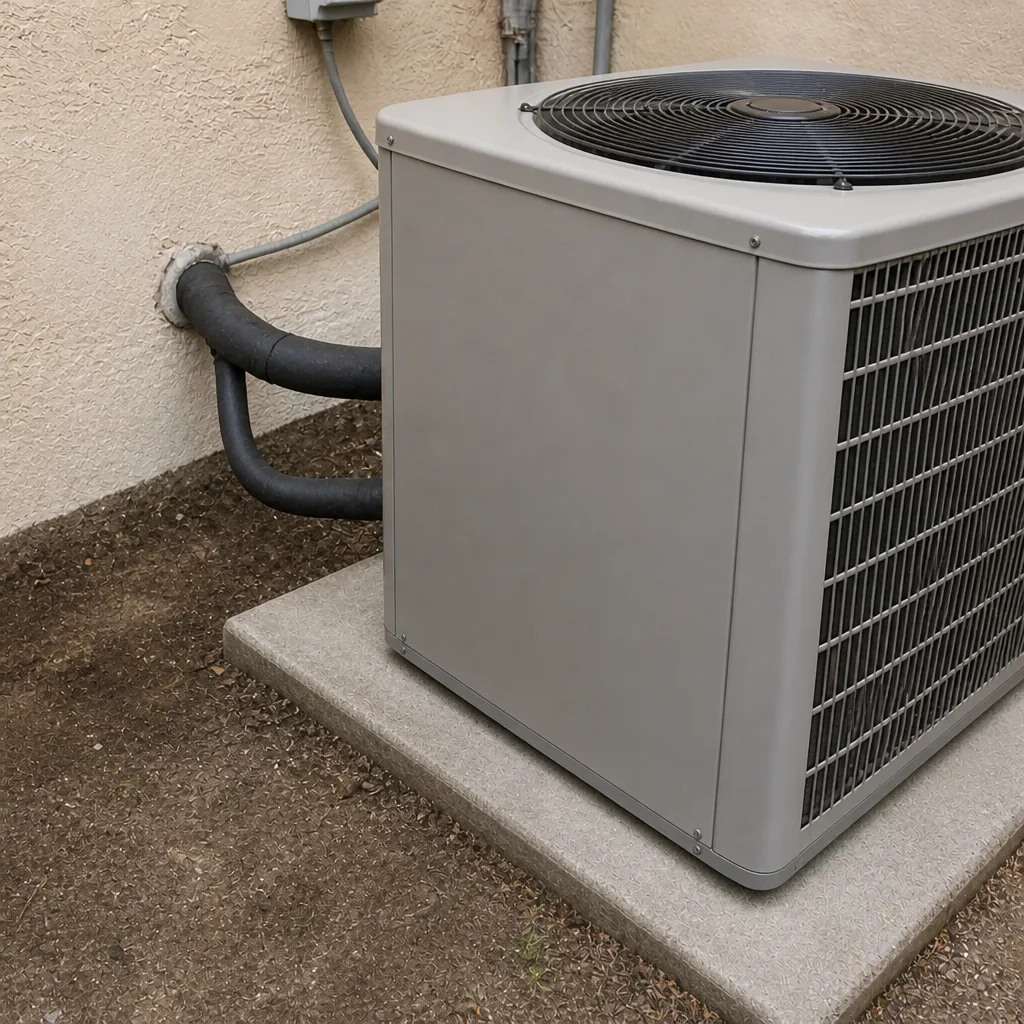
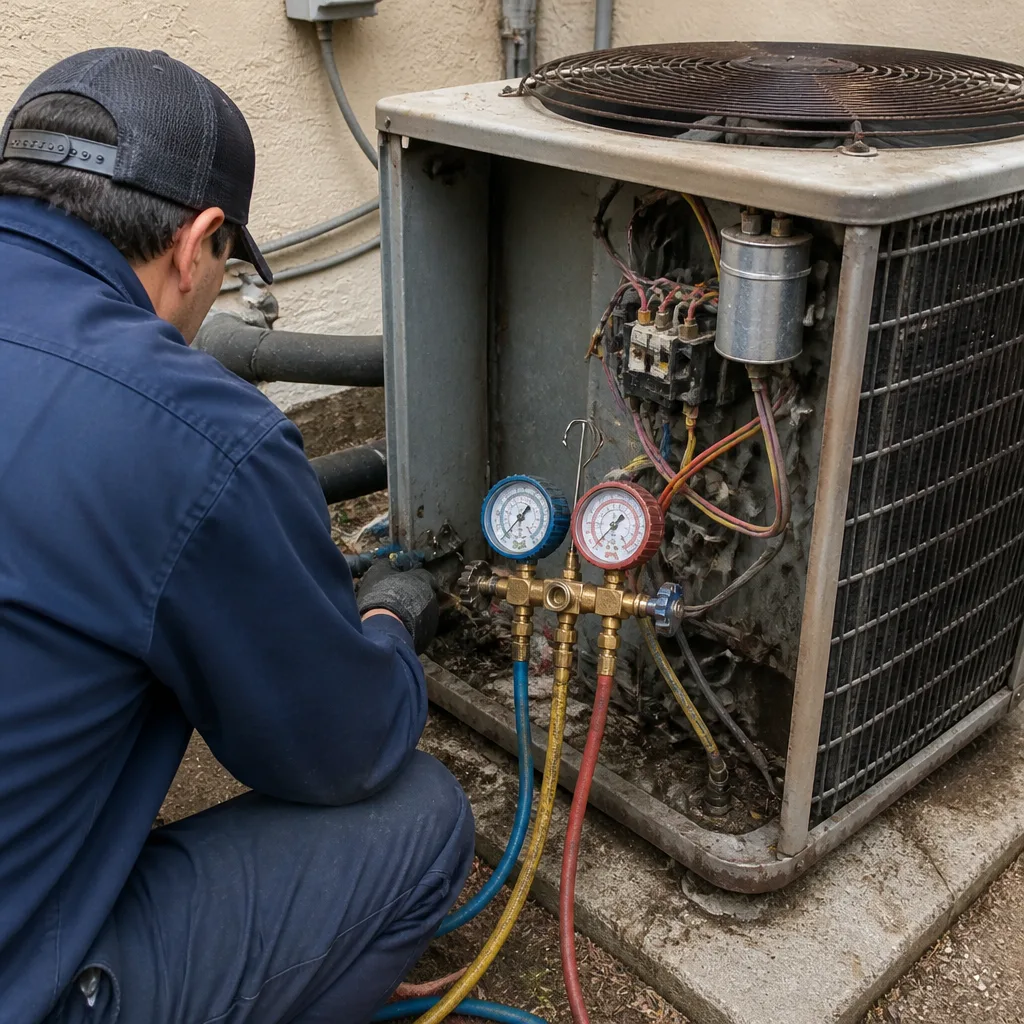 Before
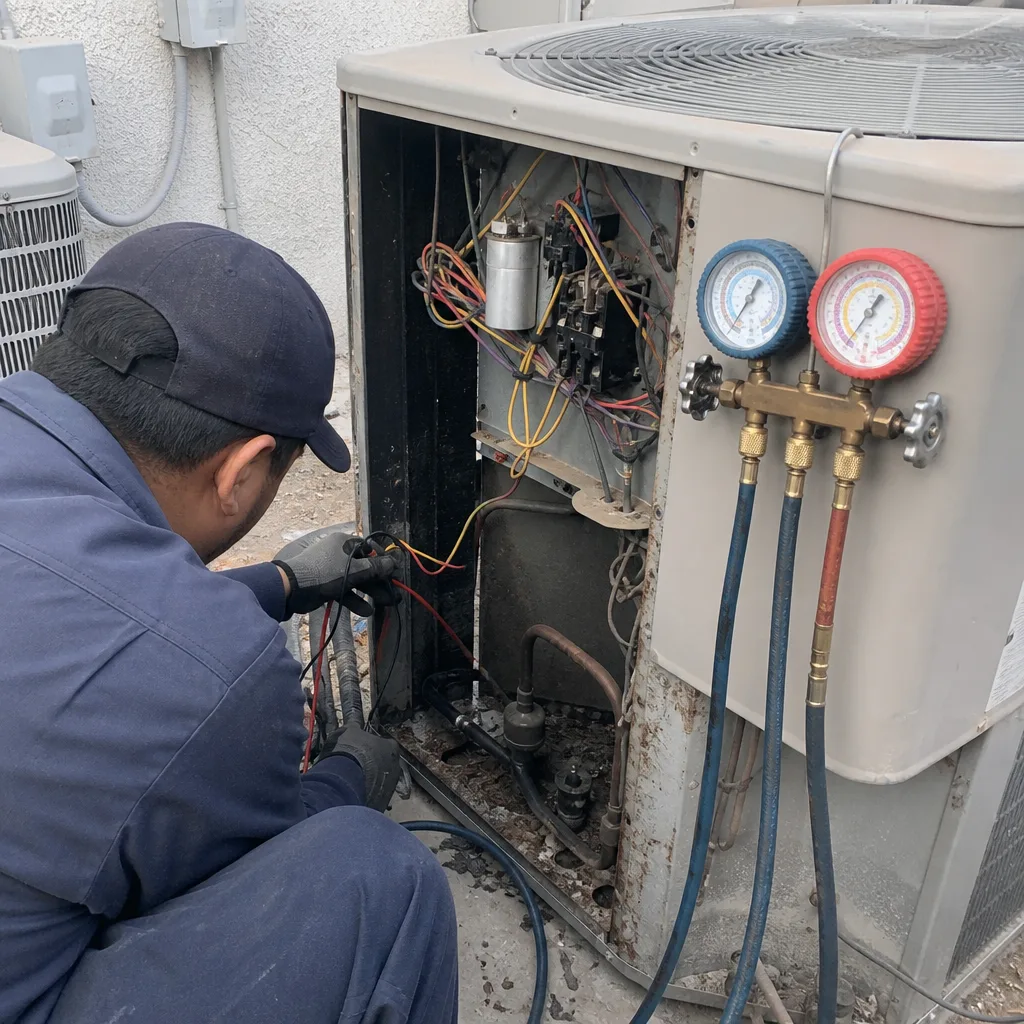
 After
 Before
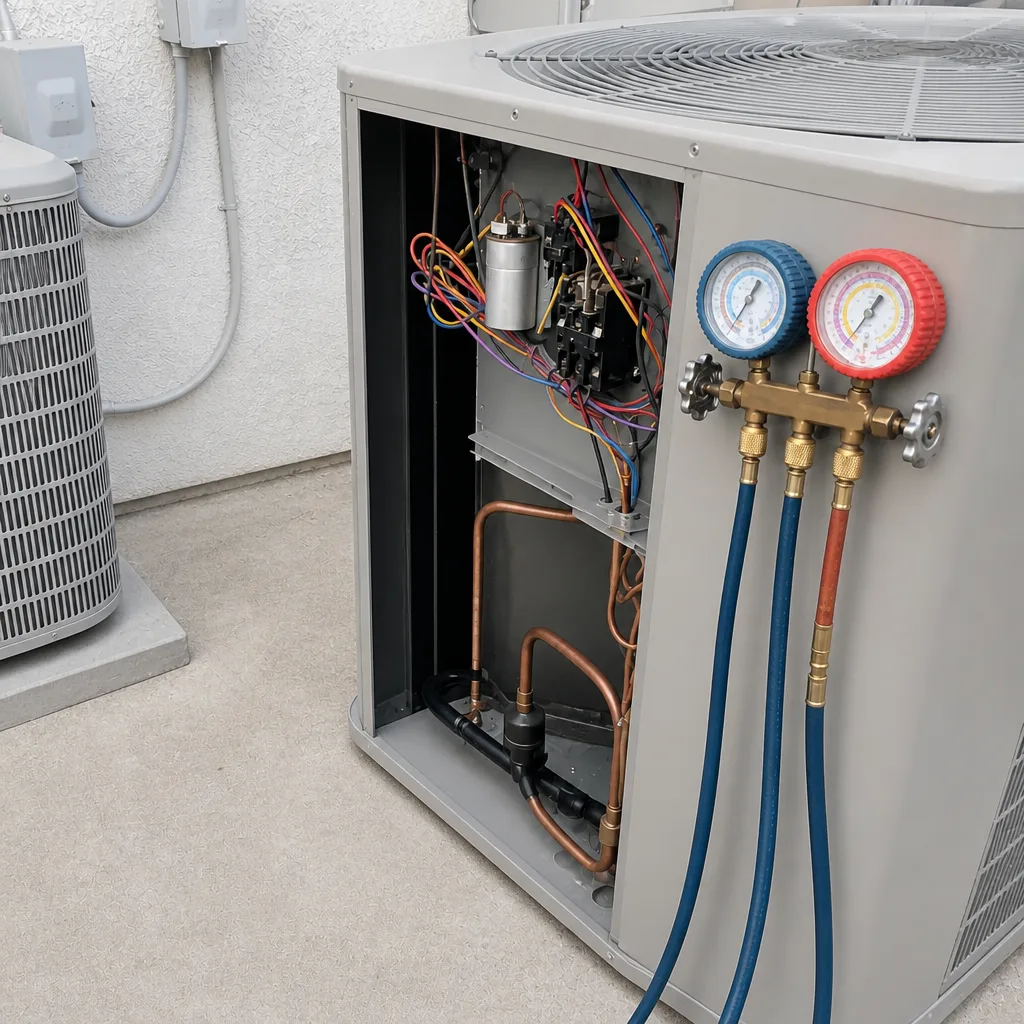 After
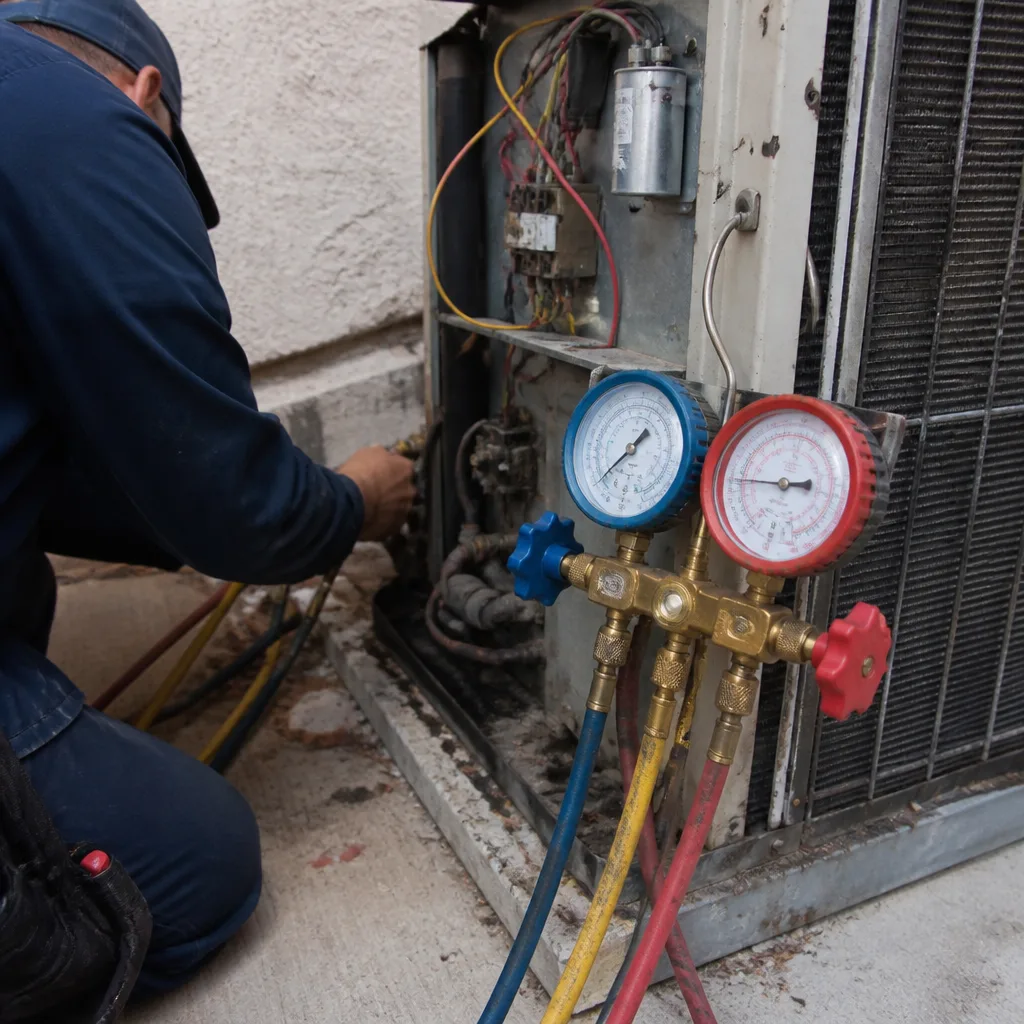 Before
 After
When to Call a Professional
Some of this you can do on a Saturday. Some of it you shouldn’t. Call a professional when you can’t tell whether the problem is filtration, duct leakage, or a system that’s short-cycling and pulling attic air through the return; when you’re considering a 4-inch media cabinet, a duct blaster test, or a UV install; when a filter upgrade trips the blower motor or your static pressure reading looks off; when annual cottonwood season coincides with a persistent dust problem you can’t trace; when your ducts run through unconditioned attic space and you need them sealed and tested. Ray’s Heating & Air Sunrise Manor offers free estimates in Sunrise Manor – call (877) 311-5951. Ray comes out, takes readings, and shows you the numbers before he quotes anything. If you’re weighing a bigger system decision, the same first-look logic applies to a heat pump or mini split – see Heat Pump & Mini Split in Sunrise Manor.
Frequently Asked Questions
A MERV 11 or MERV 13 is the right range for most Sunrise Manor homes, provided your blower can handle the pressure. If your filter slot is 1 inch and your system is older, upgrade to a 4-inch media cabinet before going to MERV 13. Have a technician read static pressure when the new filter is loaded before you commit. Call (877) 311-5951 for a free estimate.
No. During a dust event, the outdoor AQI is often in the orange or worse, and opening windows introduces exactly the particulate you’re trying to keep out. Keep windows shut, run the fan, check the filter. Wait for the wind to die and the AQI to come back down. Call us if you’re not sure what’s in the readings.
No. A portable purifier helps one room, sized correctly. For whole-house coverage in a typical 1,800 to 2,400-square-foot Sunrise Manor home, you’d need one per room, which costs more than a whole-house media cabinet installed. Go whole-house unless you have a single-room priority.
Always seal and test ducts first. A MERV 13 filter is doing half its job if the return duct is pulling attic air into the house past a leak. Duct sealing restores the filter’s value. We recommend a duct blaster test before spending on filtration. Call us for a free estimate on the test.
Signs include dust streaks at supply registers, horizontal surfaces that get dusty within days of cleaning, rooms far from the air handler that are dustier than close ones, and a filter that loads unevenly. The only way to confirm is a duct blaster test, which measures leakage directly. Ray’s Heating & Air Sunrise Manor runs them. Call (877) 311-5951 to schedule one.
Usually not as a first investment. A UV-C lamp in the coil cabinet helps with coil hygiene in humid months, which is worth something. A UV light sold as an air sterilizer is far less effective than the marketing claims. Seal ducts, correct MERV, and whole-house filtration in that order. Call (877) 311-5951 for a walk-through of what would actually help your home.
The Bottom Line
Indoor air quality in Sunrise Manor can’t be solved with generic advice, because the outside air here is a variable. Filtration first, sealing second, ventilation only when the outdoor air is genuinely cleaner. MERV 11 or MERV 13 with a properly sealed duct system does more good than any gadget sold to you at a home show. Attic duct leakage is an air quality problem, not just an efficiency problem, and in Sunrise Manor it’s often the culprit. Read the AQI, change the filter on the season, and fix the source before buying equipment. Your home’s air is fixable – it just needs a strategy built for this valley, not one imported from a milder climate. And when you want someone to actually look and give you the readings, we’d be glad to. Call (877) 311-5951 for a free estimate – Ray’s Heating & Air Sunrise Manor is here, we answer the phone around the clock, and the 90-Day Done Right Promise is in writing on every job.
Written by the team at Ray’s Heating & Air Sunrise Manor.