
Last updated November 18, 2026
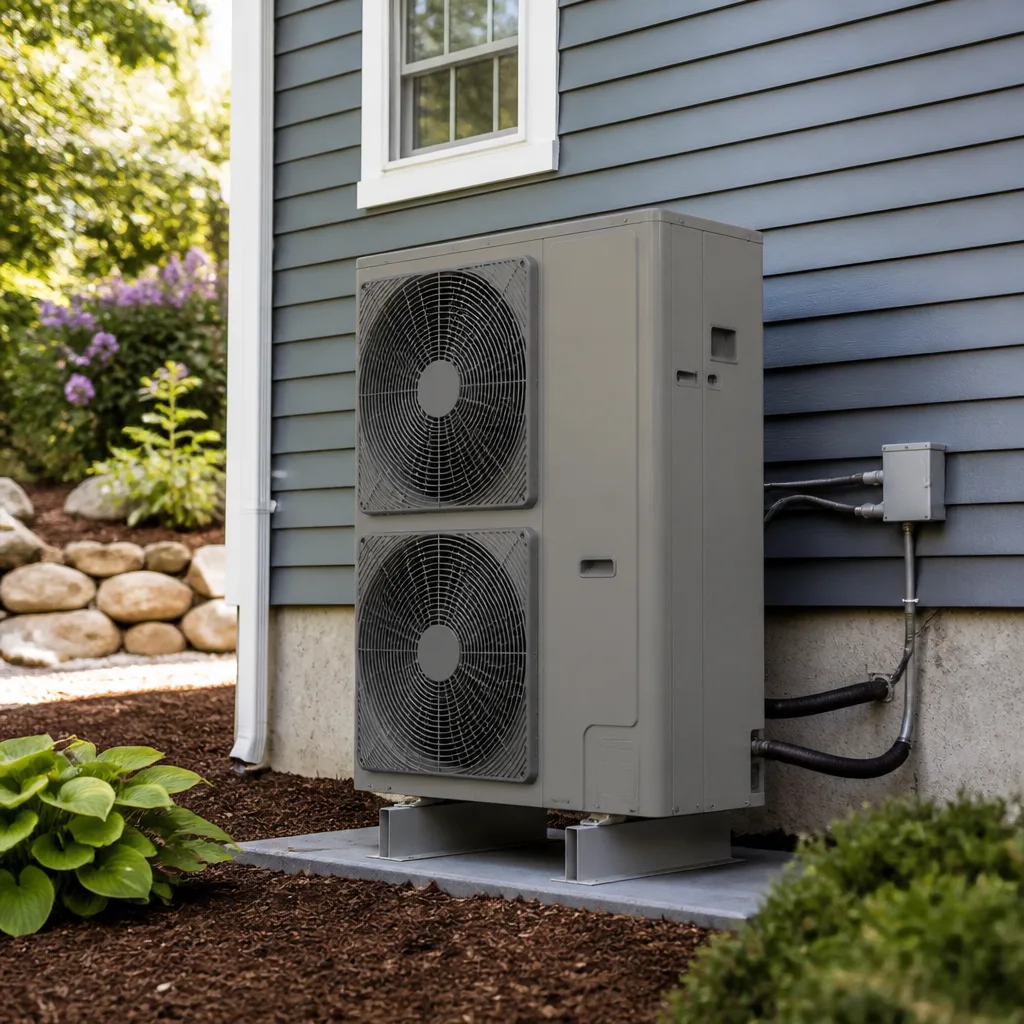 Heat pumps
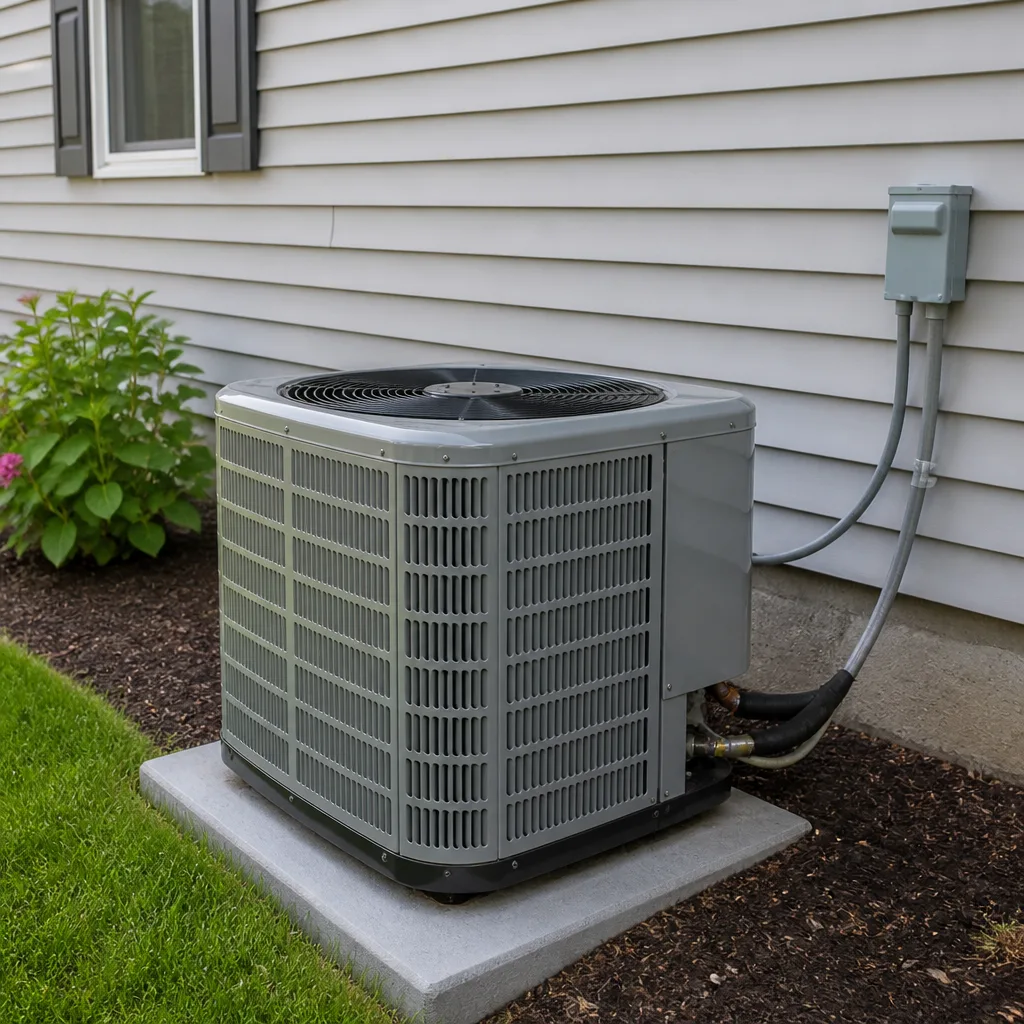 AC repair
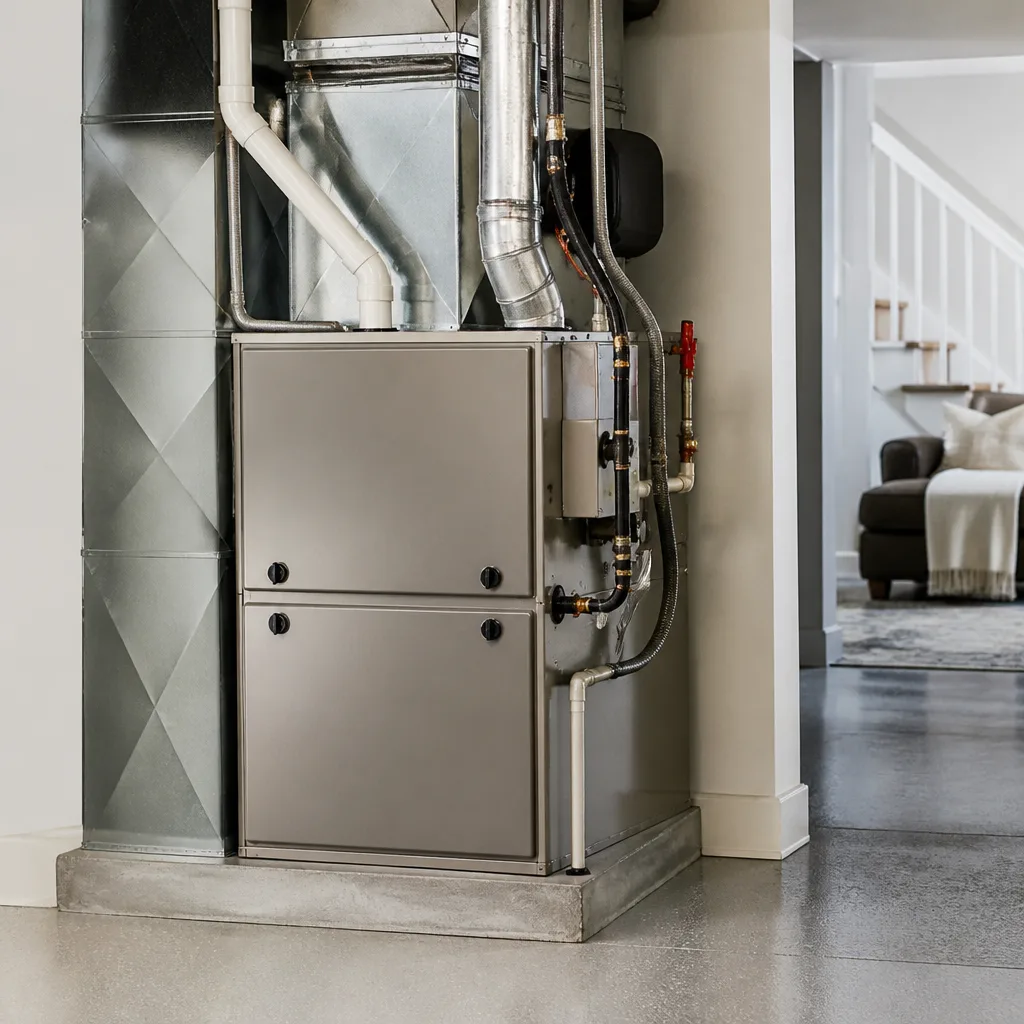 Furnace & heating
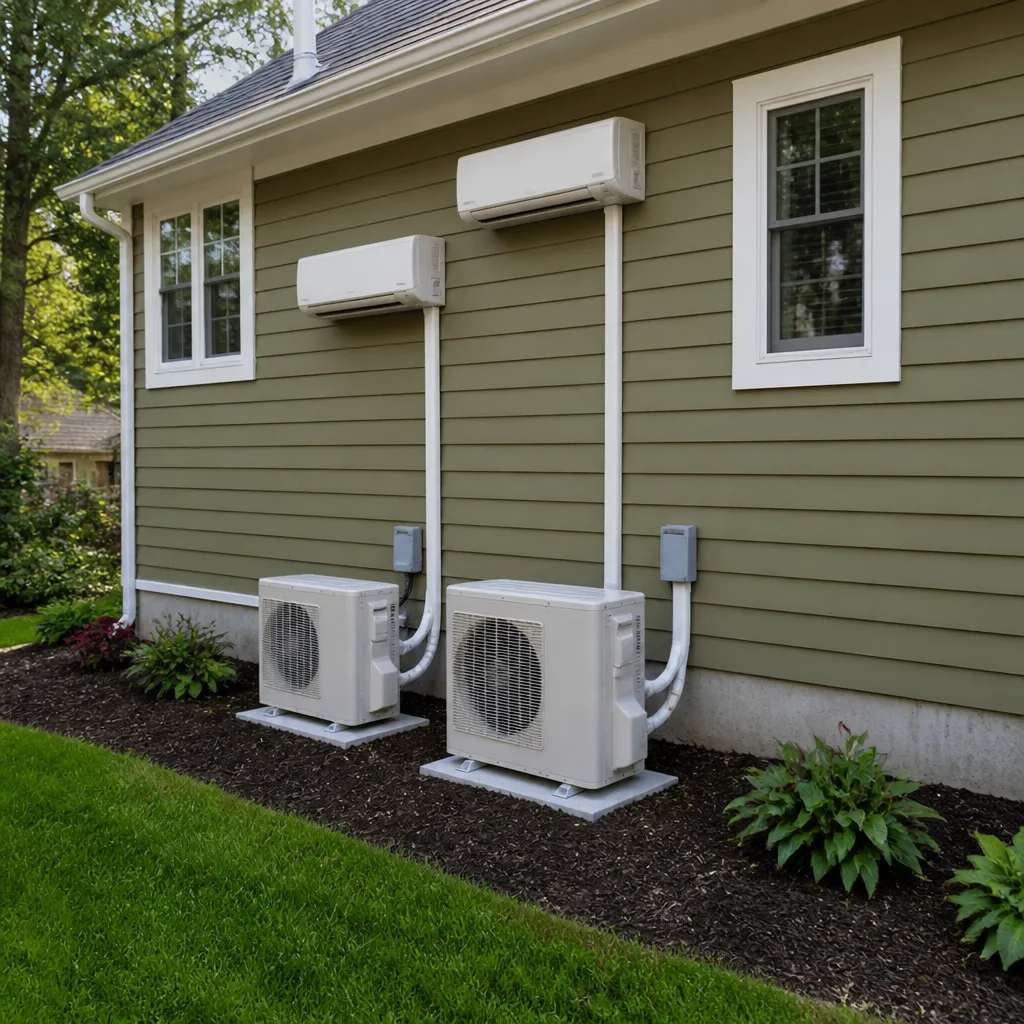 Ductless mini splits
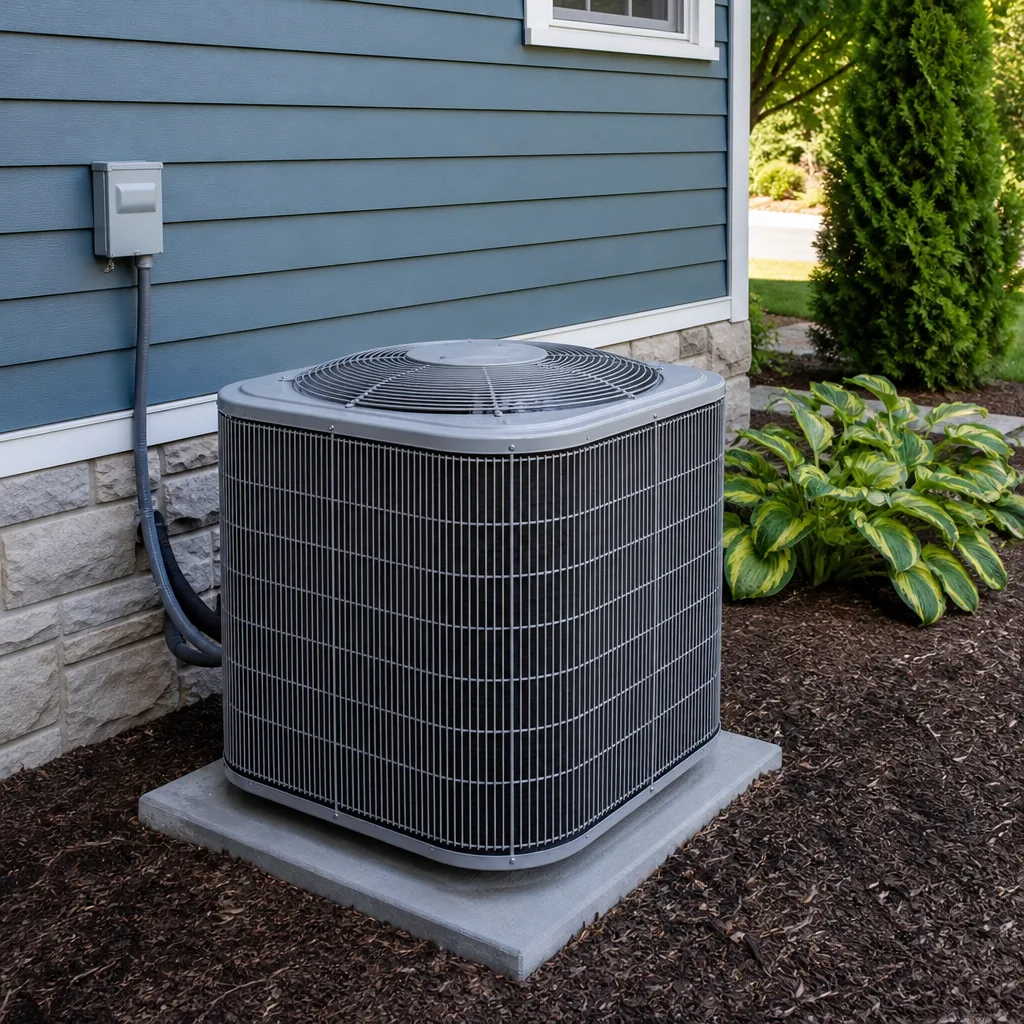 Carrier
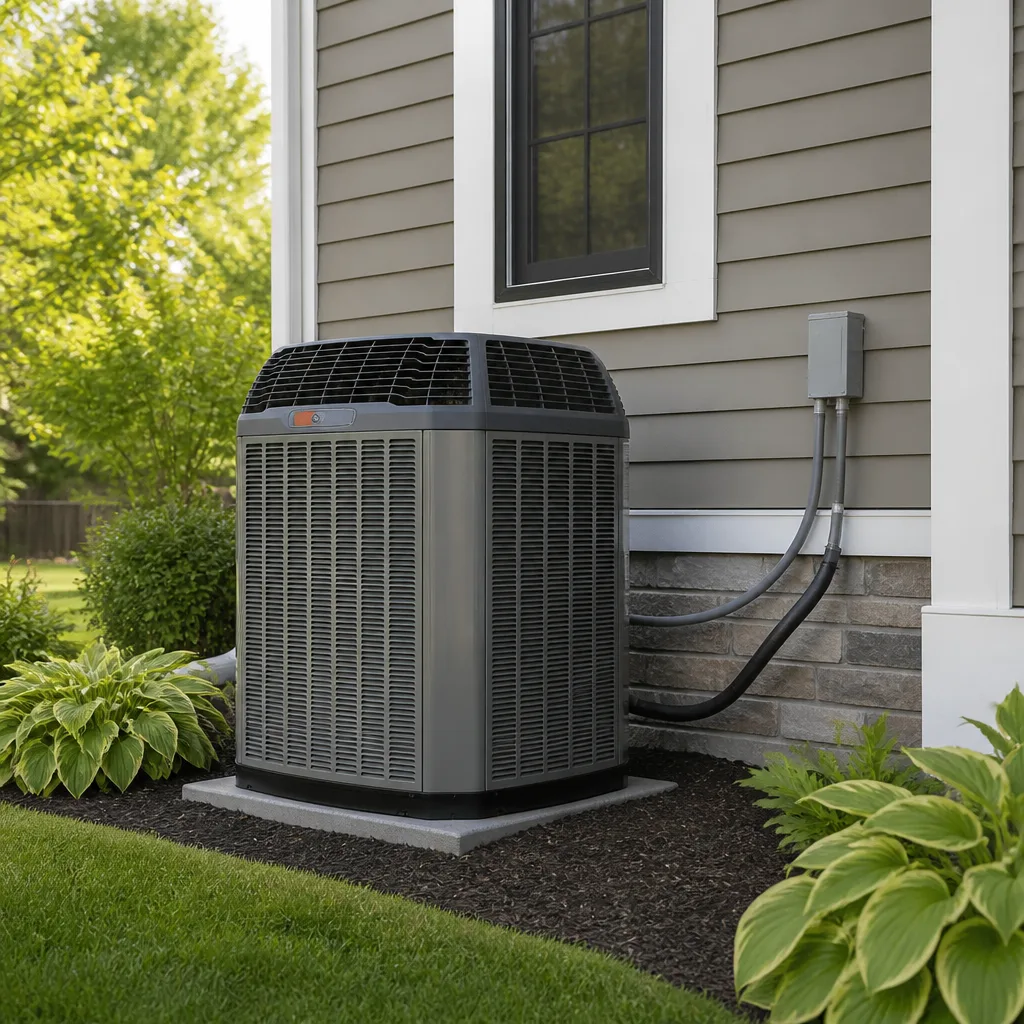 Trane
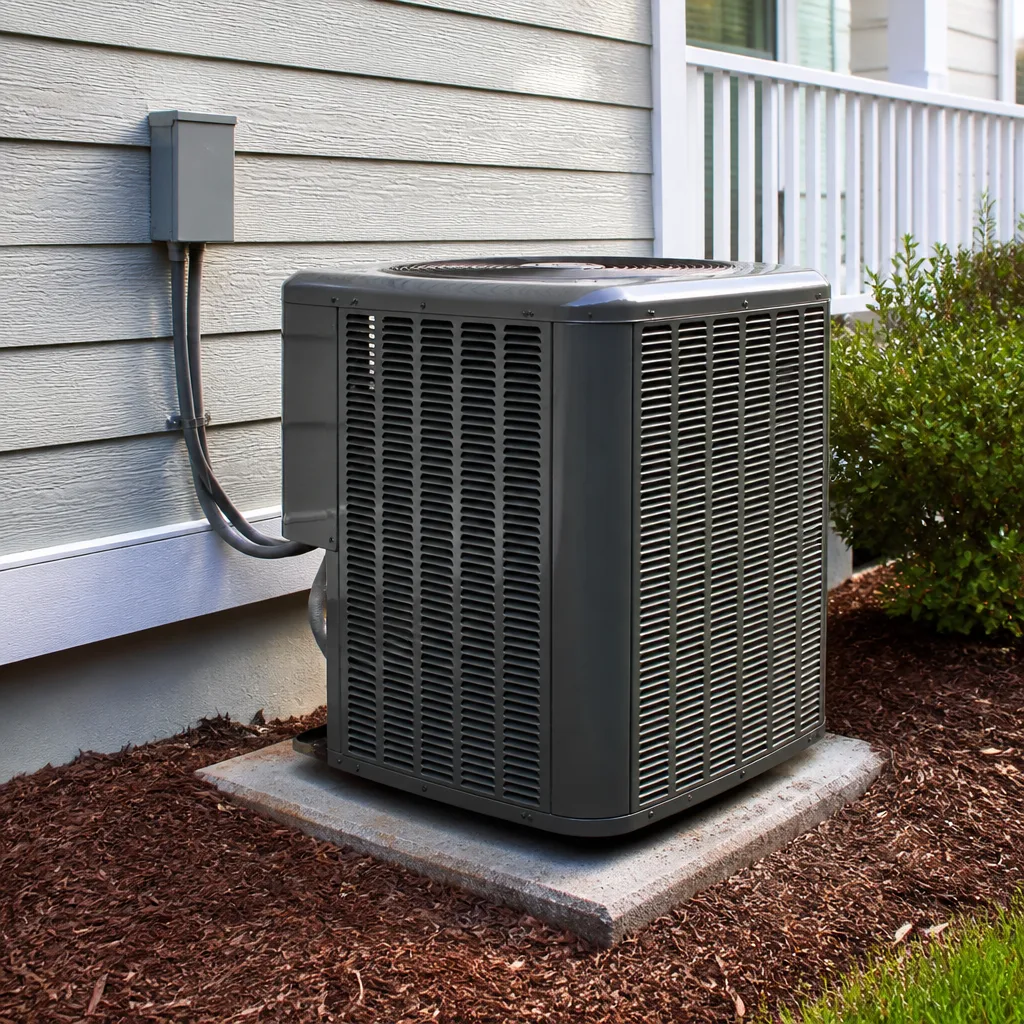 Goodman
Seasonal tune-up and full diagnostic on your Carrier, Trane, or Goodman system - readings shown to you before any repair is proposed
Diagnosis first, numbers second - you approve the repair price before a single part goes in.
Get your free estimateThe Complete Heat Pump & Mini Split Guide for Sunrise Manor Homeowners
Most heat pump guides are written for climates that see 20-degree winters. They spend half the article on heating capacity, cold-weather defrost cycles, and backup heat strips. That’s not Sunrise Manor. Here, a heat pump works about 80% of the year as a cooling machine, and that one fact changes what specs matter when you’re shopping. The HSPF2 rating that national articles obsess over is almost beside the point. You’re going to live with this system through August, not January.
This guide is what we’ve learned laying eyes on heat pumps and mini splits across Sunrise Manor: how the climate shifts which numbers actually matter, how to size zones for casitas and converted garages, how NV Energy rebates really work, and what stucco walls do to your install. Read it before you buy, not after.
Quick Answer
In Sunrise Manor, a heat pump or mini split should be chosen primarily on cooling efficiency (SEER2) and correct sizing, because the system will spend most of its life removing heat, not adding it. A ducted heat pump makes sense when your existing ducts are in good shape and you want whole-home coverage; a ductless mini split is the better fit for add-ons like casitas, converted garages, and single hot rooms. Verify NV Energy rebate eligibility on the exact model number before you sign anything.
Styles & brands we work with
- AC repair
- Furnace & heating
- Heat pumps
- Ductless mini splits
- Carrier
- Trane
- Goodman
Table of Contents
- Why the Heat Pump Rulebook Is Written for the Wrong Climate
- SEER2 vs HSPF2: What Number to Actually Optimize For Here
- Single-Zone vs Multi-Zone for Sunrise Manor Home Layouts
- NV Energy Rebates: Verify Before You Buy, Not After
- What a Mini Split Can and Can’t Replace
- Wall Penetrations and Line Set Routing in Stucco Construction
- Picking a Brand You Can Actually Get Serviced Here
Why the Heat Pump Rulebook Is Written for the Wrong Climate
Sunrise Manor runs hot. Summer highs push past 100 degrees for weeks, and the shoulder seasons are mild enough that a heat pump’s cooling side is running from roughly April through October. When a national guide tells you to weigh heating performance against cooling performance, it’s assuming a climate where both matter roughly equally. That’s not this valley.
Here’s what that means in practice. A heat pump is essentially one machine that does two jobs: it moves heat out of your house in summer and moves ambient heat in during winter. In a cold-winter climate, the heating side needs to keep working when outdoor air drops well below freezing, which is why those systems carry cold-climate ratings and often need a defrost cycle and a backup heat source. In Sunrise Manor, the heating side gets a break most winters – a few cold mornings, some desert nights, and that’s about it.
Flip that around and the cooling side is the one doing the heavy lifting. So the machine is sized, selected, and judged on how well it cools and how efficiently it cools. That’s the whole pivot point of this guide.
A few local realities that shape the decision:
- Long cooling season means compressor runtime adds up fast, and a slightly undersized or badly sized unit strains every summer.
- Dust and heat stress on the outdoor unit are real. Coil cleaning and clear airflow around the condenser matter more here than in mild climates.
- Winter heating rarely demands a cold-climate-rated system, so you shouldn’t pay extra for a spec you won’t use.
We see this play out in Sunrise Manor every year – people buy for winter and live through summer. Shop for the summer.
SEER2 vs HSPF2: What Number to Actually Optimize For Here
SEER2 measures cooling efficiency. HSPF2 measures heating efficiency. In a climate that asks both to work equally hard, you’d weigh them together. In Sunrise Manor, cooling wins by a landslide, so SEER2 is the number to spend on.
The history here matters. Both ratings were updated from the older SEER and HSPF standards to better reflect real-world operating conditions. SEER2 tests under conditions closer to actual installed performance, which is why the numbers run a bit lower than the old SEER figures – a 15 SEER2 unit may look “worse” than an old 16 SEER label, but it isn’t.
What to optimize for in Sunrise Manor:
- SEER2 first. Higher is better for cooling cost, and it’s the spec that frames your summer bills. A step up in SEER2 pays back faster here than almost anywhere because the cooling hours are so long.
- Correct sizing before efficiency. An oversized high-SEER2 unit short-cycles and struggles to pull humidity; a right-sized mid-SEER2 unit runs smoothly. Get the load done right first.
- HSPF2 last. Make sure it’s reasonable, but don’t pay a premium for cold-climate heating performance you’ll use for a few weeks a year.
One nuance people miss: mini splits are rated on similar efficiency scales but the number is often shown per zone. A multi-zone system’s real efficiency depends on how many zones run at once. When you’re shopping Sunrise Manor systems, ask for the configuration-specific rating, not just the headline single-zone figure. If a dealer won’t show you how a unit is rated in the setup you’re actually installing, that’s a flag.
We test and size before we ever quote a model. Readings first, numbers second. That’s the only way SEER2 actually means something at your address. When you’re ready to talk specifics, our Heat Pump & Mini Split in Sunrise Manor page covers how we scope a job.
Single-Zone vs Multi-Zone for Sunrise Manor Home Layouts
The single-zone versus multi-zone question usually comes down to the house, not the budget. In Sunrise Manor we see the same handful of layouts over and over, and each one nudges you toward a different answer.
Casitas and converted garages. This is the classic mini split case. One room, one wall, one zone. A single-zone ductless head is cheap to install, cheap to run, and gives you independent control over a space that your main central air was never going to reach well. Running a zone from the main house is usually more trouble than it’s worth.
Older tract homes with one return air. Many Sunrise Manor homes were built with a single return and ductwork sized for the era they were built in. If the ducts are decent, a ducted heat pump or central mini split can serve the whole house and you fix hot/cold room complaints with zoning, not new machines.
Additions and bonus rooms. If an addition was tacked on without extending the ducts, a single head in that space solves it without touching the rest of the system.
When to consider multi-zone:
- You have two to four rooms that need independent control and no shared return path.
- Rooms are used at different times – a casita for guests, an office in the day, bedrooms at night.
- The main system is aging and you’d rather spread load across zones than replace the whole thing at once.
A word of caution: multi-zone systems only deliver rated efficiency when the zones are set up to match real usage. If every room runs all day, you’ve essentially built a distributed single-zone system with extra moving parts. Match the zones to how you actually live.
NV Energy Rebates: Verify Before You Buy, Not After
Rebates on heat pumps and mini splits are real, and Sunrise Manor homeowners miss out on them all the time because they shop first and ask about qualifications second. The order should be the reverse. Rebate programs are tied to specific efficiency thresholds and specific equipment, and the requirements change. A model that qualified last year may not this year.
Here’s the process that keeps your money intact:
- Get the exact model number you’re considering, not just the brand name. Rebates are tied to that number.
- Check current NV Energy program rules for heat pump and mini split equipment – the offered amount and the minimum efficiency threshold both move over time.
- Confirm the model number is on the qualifying list before you sign a contract or order equipment.
- Ask your installer for the paperwork path – what documentation they provide and how the rebate gets submitted.
- Hold onto the invoice and equipment documentation; without them, the rebate doesn’t happen regardless of eligibility.
The single most common mistake we see in Sunrise Manor: buying a system that just misses the threshold, or buying through a channel that doesn’t help with the paperwork. Either one can leave a few hundred dollars on the table.
Before you commit to anything, get the numbers in writing. If you’re going to compare installers, ask for the exact model and the current rebate amount side by side, and get a Free Second Opinion on any written estimate you’ve been handed. We’d rather you buy the right thing once.
What a Mini Split Can and Can’t Replace
The honest answer: a mini split is a great addition and a poor drop-in replacement for a house with decent ducts. Here’s why that distinction matters.
If your home already has a central duct system that works, a ducted heat pump or a ducted mini split is usually the simpler, cheaper move for whole-home comfort. You’re reusing a distribution system that’s already there. A single ductless head can’t cover a whole house – it cools the room it’s in and maybe the adjacent space if the layout is open. Reach too far and you get a hot bedroom and a cold hallway.
Where a ductless mini split makes the most sense:
- A room or addition your ducts don’t reach well.
- A casita or converted garage that needs its own control.
- A sunroom or enclosed patio that’s unbearable in July.
- A backup or supplemental zone when the main system is older but not yet due for replacement.
Where a mini split does not replace your central system:
- A whole home with working ducts and reasonable comfort.
- A house where you want one thermostat and one filter to maintain.
- A layout with lots of closed doors between rooms.
Running both is a legitimate option. Plenty of Sunrise Manor homes end up with central comfort for the main living space and one ductless head in a problem room. That’s not a failure of planning – it’s often the correct solution. The trick is to plan it as one system, not two separate purchases that fight each other. If you’re weighing a repair against a new path, our AC Repair & Installation in Sunrise Manor page walks through that call in more detail.
Wall Penetrations and Line Set Routing in Stucco Construction
This surprises people. A mini split install has to get a line set (the refrigerant and drain lines) and a control wire from the outdoor unit to the indoor head. On a lot of homes that’s a quick job through a wall. On stucco, it’s a different afternoon.
Sunrise Manor has a lot of stucco. That means the installer has to cut through a cement-based exterior finish and the layers behind it to route the line set cleanly, then seal and weatherproof the penetration so water and desert dust can’t get in. Done badly, this is the single most common source of leaks and callbacks on a mini split job. Done right, you never think about it again.
What to expect and what to check:
- Route first, quote second. A good installer walks the wall and picks the route before giving you a final number. Surprise stucco cutting is surprise cost.
- Minimize the run. Shorter line sets mean less refrigerant, less loss, and cleaner looks. Longer runs are sometimes unavoidable – ask how the line set will be supported and covered.
- Seal the penetration properly. The hole needs weatherproofing on the exterior, not just a bead of caulk. Sun and monsoon rain will find every gap.
- Plan the drain. Condensate has to go somewhere, and in a hot climate it produces a lot of it. Route it so it doesn’t stain the stucco or pool at the foundation.
We’ve had homeowners in Sunrise Manor tell us a previous installer punched through their wall and left an unsealed hole that showed up as a leak only after the first big rain. The fix is simple if it’s caught early, expensive if it isn’t. Ask, before install, how the line set and drain will be routed and sealed on your specific walls. If you like the answer, that’s a good sign about the rest of the job.
Picking a Brand You Can Actually Get Serviced Here
A heat pump is a machine that will need parts, filters, and eventually a technician. Brand matters less than whether a qualified person in Sunrise Manor can get the manufacturer to honor a warranty and can put the right part in your hands without a two-week wait.
Names like Carrier, Bryant, and American Standard are common for a reason: they’re installed widely, parts are available, and technicians know them. Daikin is well represented in the mini split world too. None of these are magic. What matters is that the model has a solid service footprint where you live.
A few questions worth asking before you buy:
- What’s the manufacturer’s warranty on parts and on the compressor, and does the installer’s labor warranty cover it separately?
- If a part fails, how long is the typical wait for that brand in this area?
- Does the installer support the brand’s service process, or do they hand you off to the manufacturer?
We work with all the majors because we don’t think brand should be the thing that decides your comfort. The person at your door and the warranty paperwork should. If the manufacturer won’t stand behind the part, no brand name saves the day.
Common Mistakes to Avoid
- Buying for winter in a summer climate. Paying extra for cold-climate heating specs is money sunk in a machine that runs as a cooler most of the year. Spend the upgrade on SEER2 and sizing instead.
- Skipping the room-by-room load calculation. A square-footage guess is not a load calc. Oversized units short-cycle, undersized ones struggle, and either one wastes money in Sunrise Manor’s long cooling season.
- Buying equipment before checking the rebate list. The exact model number may or may not qualify. Verify first; the order on the invoice matters.
- Assuming a mini split replaces central air. It’s an addition for casitas, garages, and problem rooms. For a whole home with good ducts, start with the ducted option.
- Getting the stucco penetration wrong. An unsealed line set hole leads to water damage that shows up months later. Ask about the route and sealing before the truck rolls.
- Letting a phone quote stand. A quote given before anyone looks at the ducts, the walls, and the panel isn’t a quote, it’s a guess. Get it in writing from someone who’s stood in your home.
- Ignoring the condensate drain. In a hot, dry climate, drain placement matters. Get it routed away from the foundation and off the stucco.
See the difference
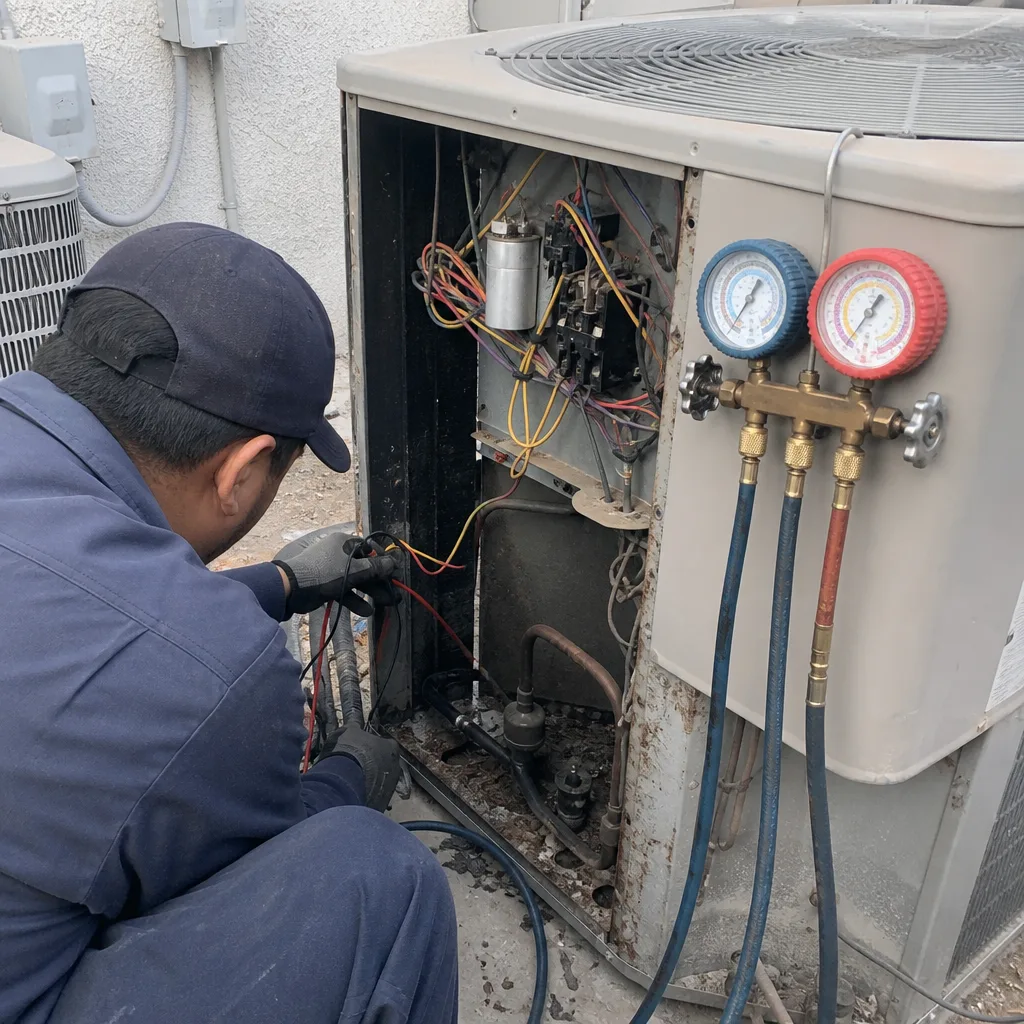
 Before
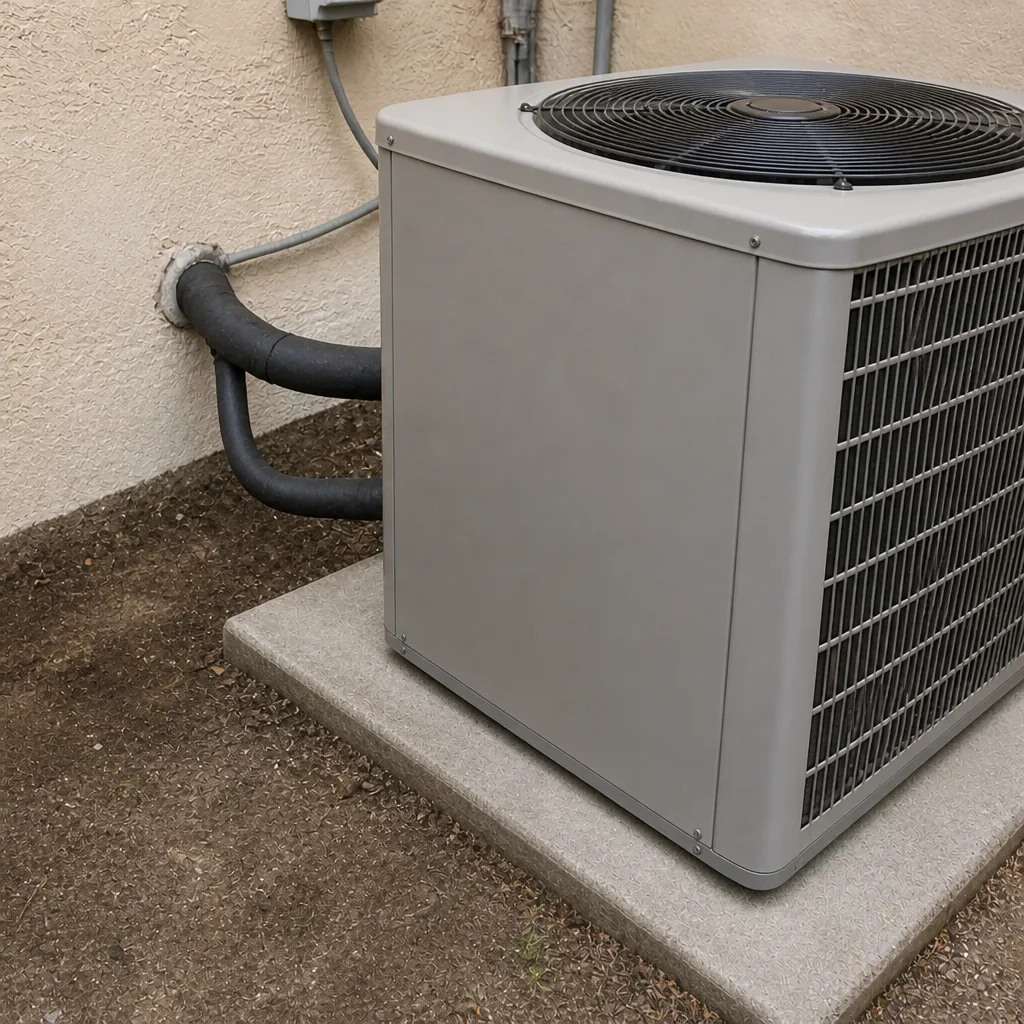 After
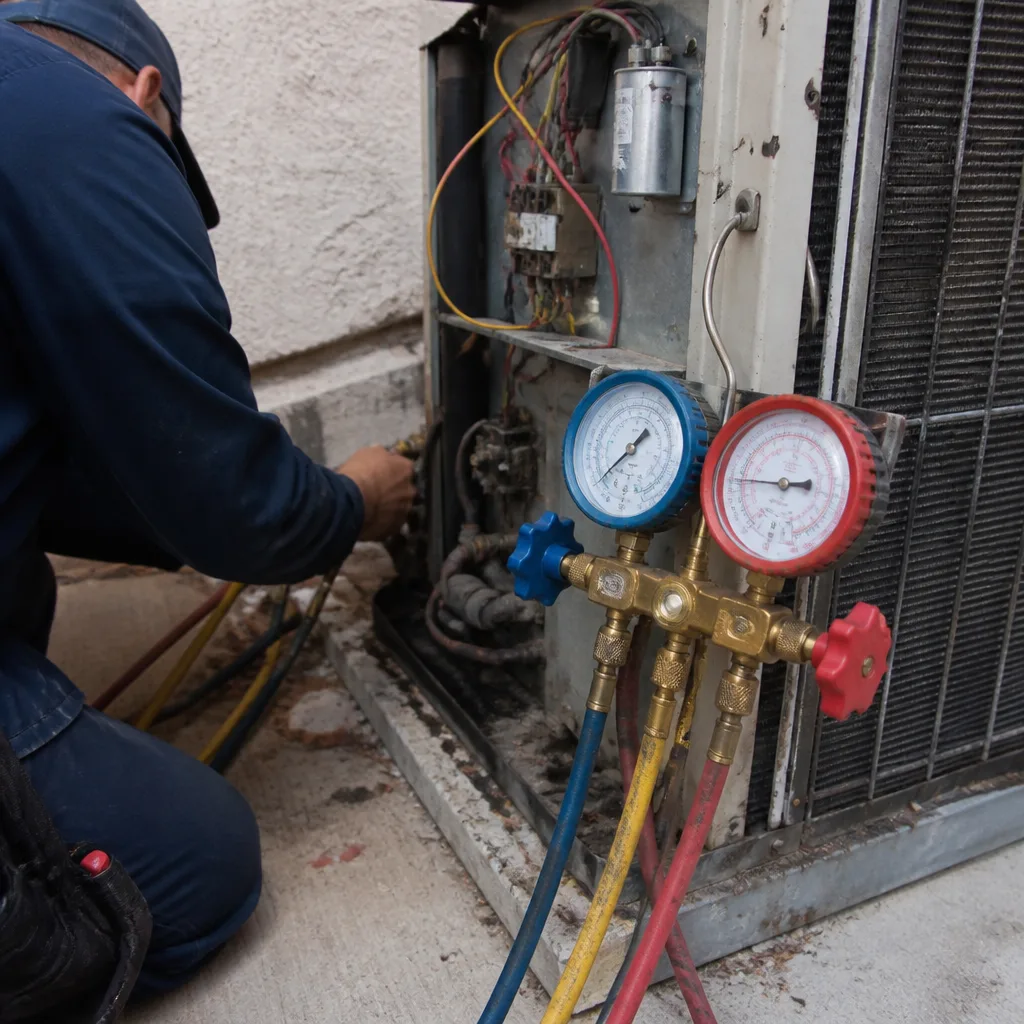
 Before
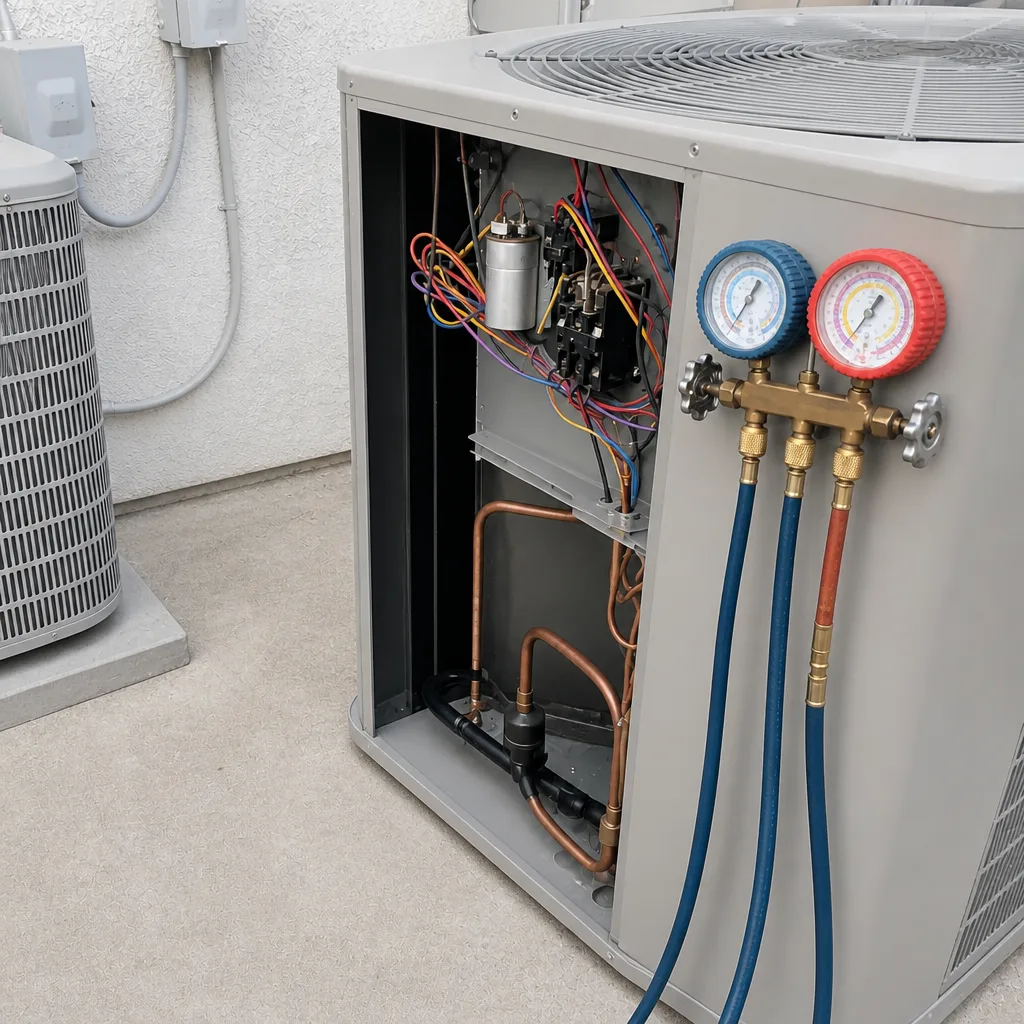 After
 Before
 After
When to Call a Professional
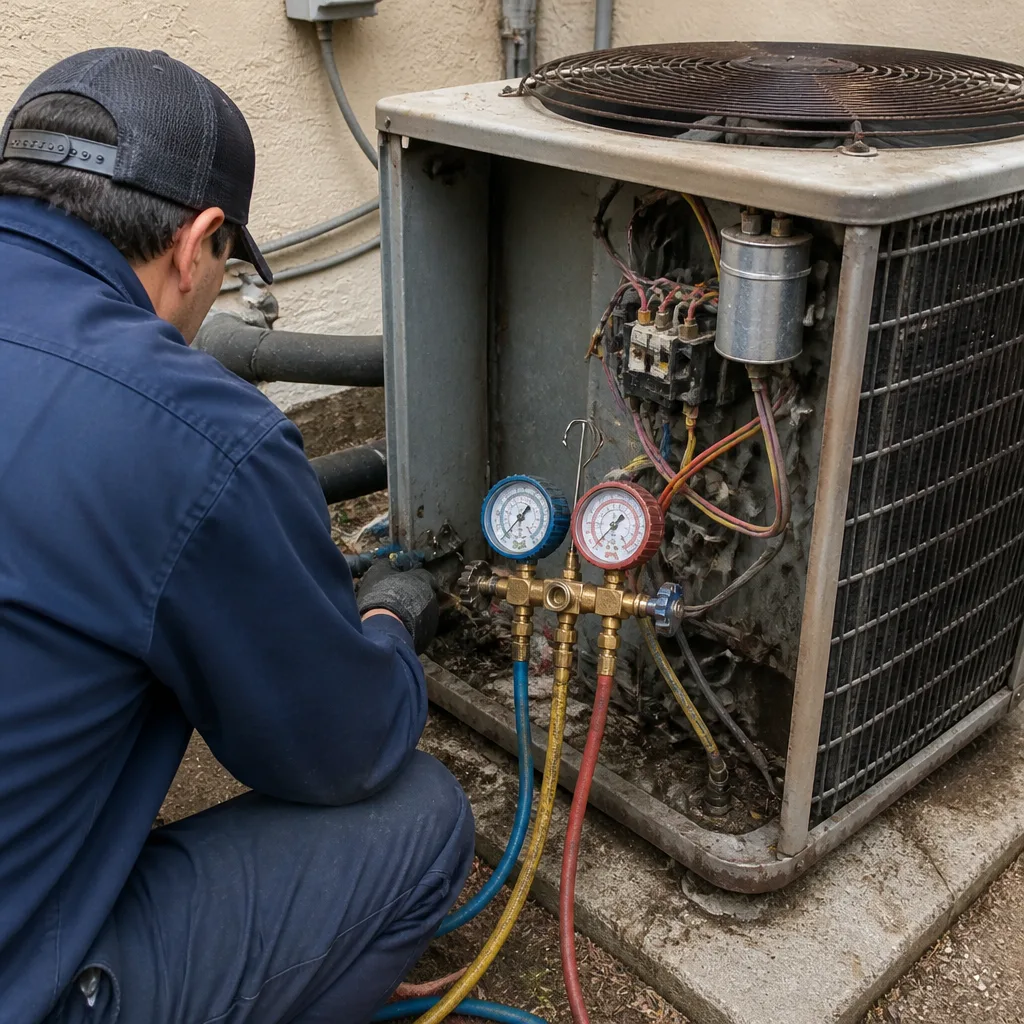
Some of this guide is honestly about knowing when to stop reading and get eyes on your house. Call a pro when your heat pump runs constantly and won’t hold temperature, when you hear the system cycle on and off every few minutes, when your electric bills climb without an obvious reason, or when you’re ready to add a zone and aren’t sure it’ll tie into the existing system. Heat pump and mini split work involves high-voltage electrical connections, refrigerant handling, and equipment that runs live voltage at the compressor. That’s not a job for a Saturday afternoon, and it shouldn’t be. If a system isn’t cooling, isn’t switching between modes, or is icing up, get it looked at before a small fault becomes a compressor. Ray’s Heating & Air Sunrise Manor offers free estimates in Sunrise Manor – call (877) 311-5951. We’ll come out, take readings, and show you the numbers before anything gets swapped.
Frequently Asked Questions
Yes, and for different reasons depending on the house. In a climate this cooling-dominant, a heat pump gives you efficient cooling through a long season and enough heating for mild winters. A mini split is a strong fit for casitas, converted garages, and problem rooms. The equipment is only worth it if it’s sized and installed correctly for your specific layout.
Higher is better, and because you’re cooling most of the year, a step up in SEER2 usually pays back faster here than national guides suggest. The exact number that makes sense for you depends on your load, your home’s envelope, and your budget. Get the room-by-room load done first, then compare SEER2 on correctly sized units. Call (877) 311-5951 for an exact quote – estimates are free.
Usually no. A single ductless head cools the room it’s in and maybe an adjacent open space, not a whole house. If your home has working ducts and reasonable comfort, a ducted heat pump is usually the simpler replacement. Mini splits are best used as additions – casitas, converted garages, sunrooms, and rooms your ducts don’t reach well. Running both systems is common and often the right call.
Get the exact model number from your installer, then check the current NV Energy program rules and qualifying list before you sign. Rebate amounts and efficiency thresholds change, so verify against today’s rules, not last year’s. Keep the invoice and equipment documentation saved; without them the rebate doesn’t happen.
It varies too much by house to quote a single number you could trust – the number of zones, whether it’s ducted or ductless, and the line set route all move the price. A single-zone ductless install is generally the lower end; a whole-home ducted heat pump with zoning is higher. Ray’s gives an upfront quote from real readings, and the Free Second Opinion offer lets you compare any written estimate against ours. Call (877) 311-5951 for specific numbers.
Yes. Sunrise Manor winters are mild, which is exactly the point of this guide. Standard heat pumps handle moderate cold fine, and the cold-climate heating upgrades sold in colder states are usually unnecessary here. Pay attention to the heating side only enough to be sure it’s not an obvious weak point; don’t pay a premium for a problem your climate doesn’t have.
The Bottom Line
The standard heat pump playbook was written for places that freeze hard all winter. Sunrise Manor doesn’t, and that flips the decision. Buy for cooling efficiency and correct sizing, not cold-climate heating specs. If you have good ducts, a ducted heat pump is usually the right whole-home move; if you have a casita, a converted garage, or a room your ducts can’t reach, a mini split is the right add-on. Verify the NV Energy rebate on the exact model number before you buy. Expect the stucco penetration to matter, because in Sunrise Manor it does. And get it all in writing from someone who’s actually stood in your house.
If you’d like a straight answer on which system fits your home, our team at Ray’s Heating & Air Sunrise Manor home is here to talk through it. For heating-side questions, the Heating & Furnace in Sunrise Manor page covers the winter side of the house. And when your heat pump needs work, you know who to call.
Call us at (877) 311-5951 for a free estimate. We answer our own phone around the clock, and every job comes with our 90-Day Done Right Promise – if it’s not done right, we make it right.
Written by the team at Ray’s Heating & Air Sunrise Manor.