
Last updated November 18, 2026
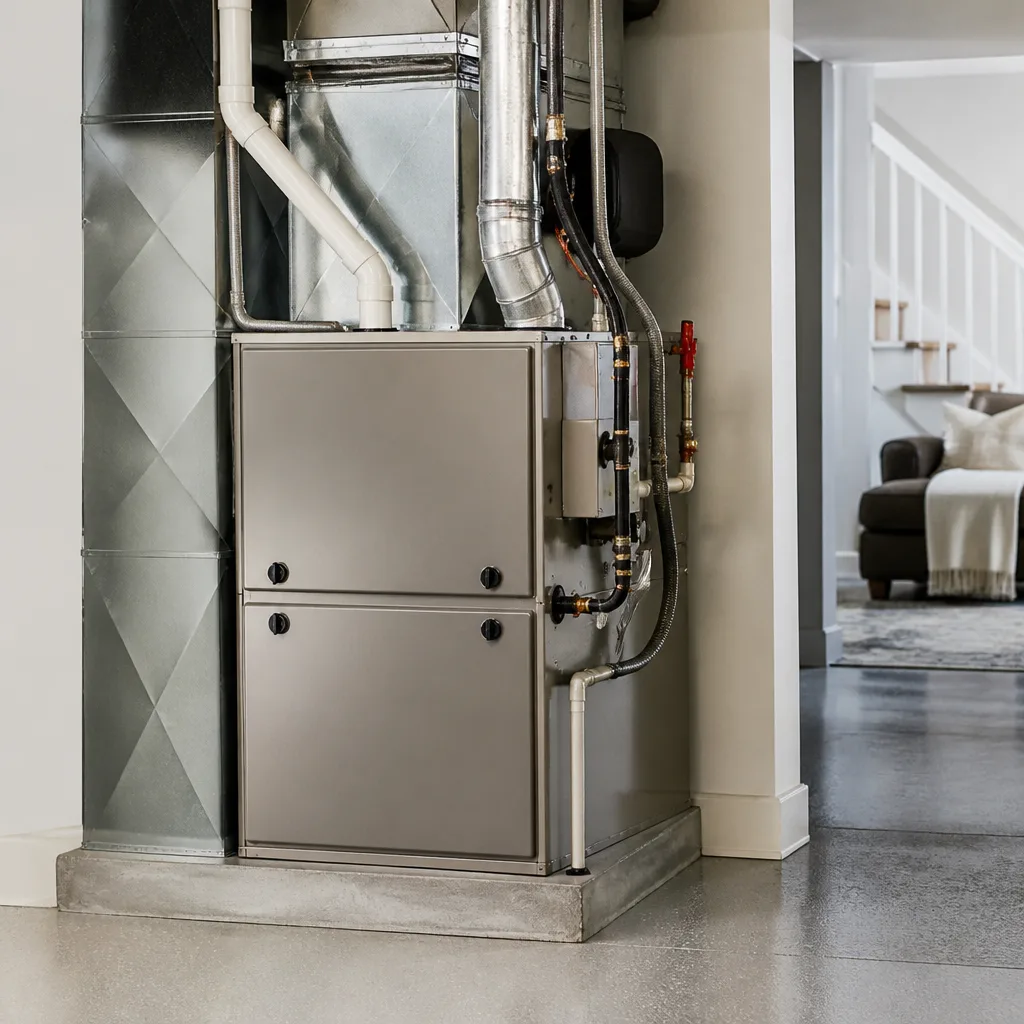 Furnace & heating
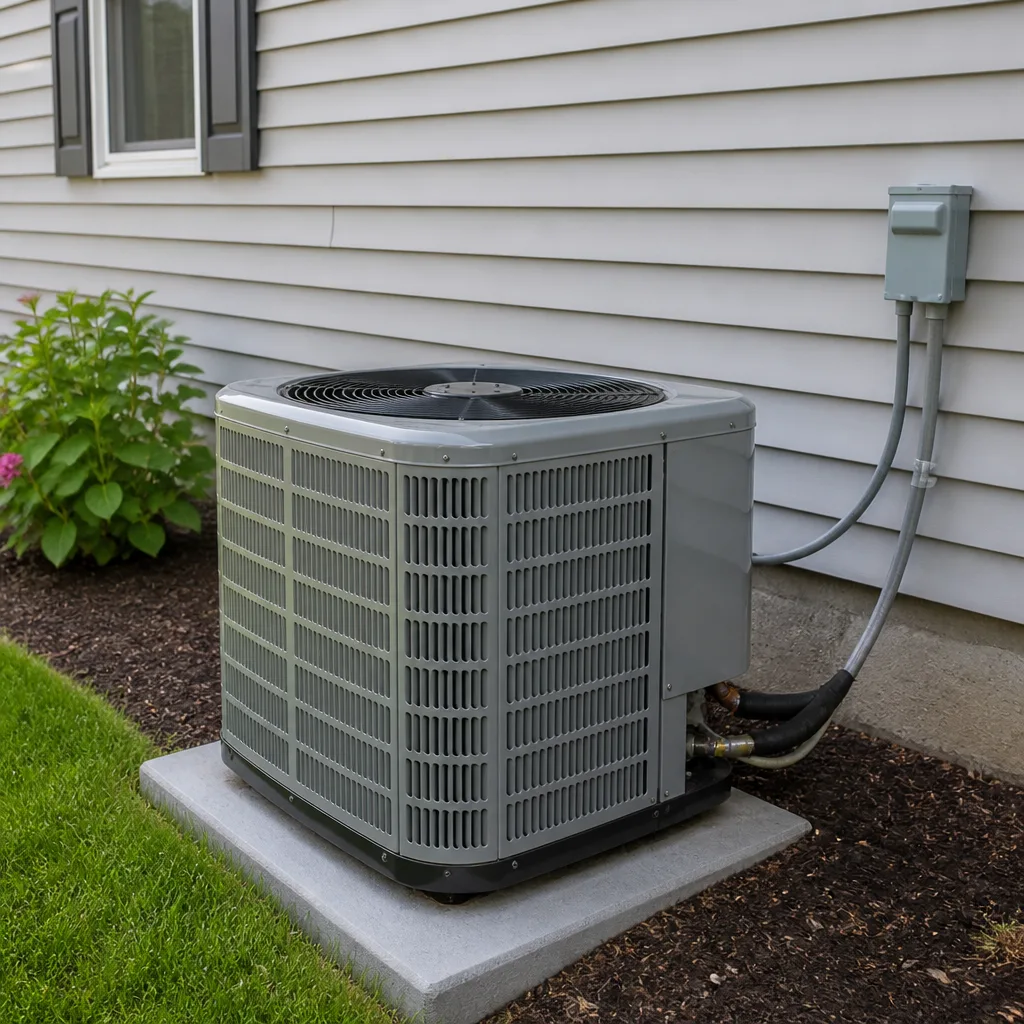 AC repair
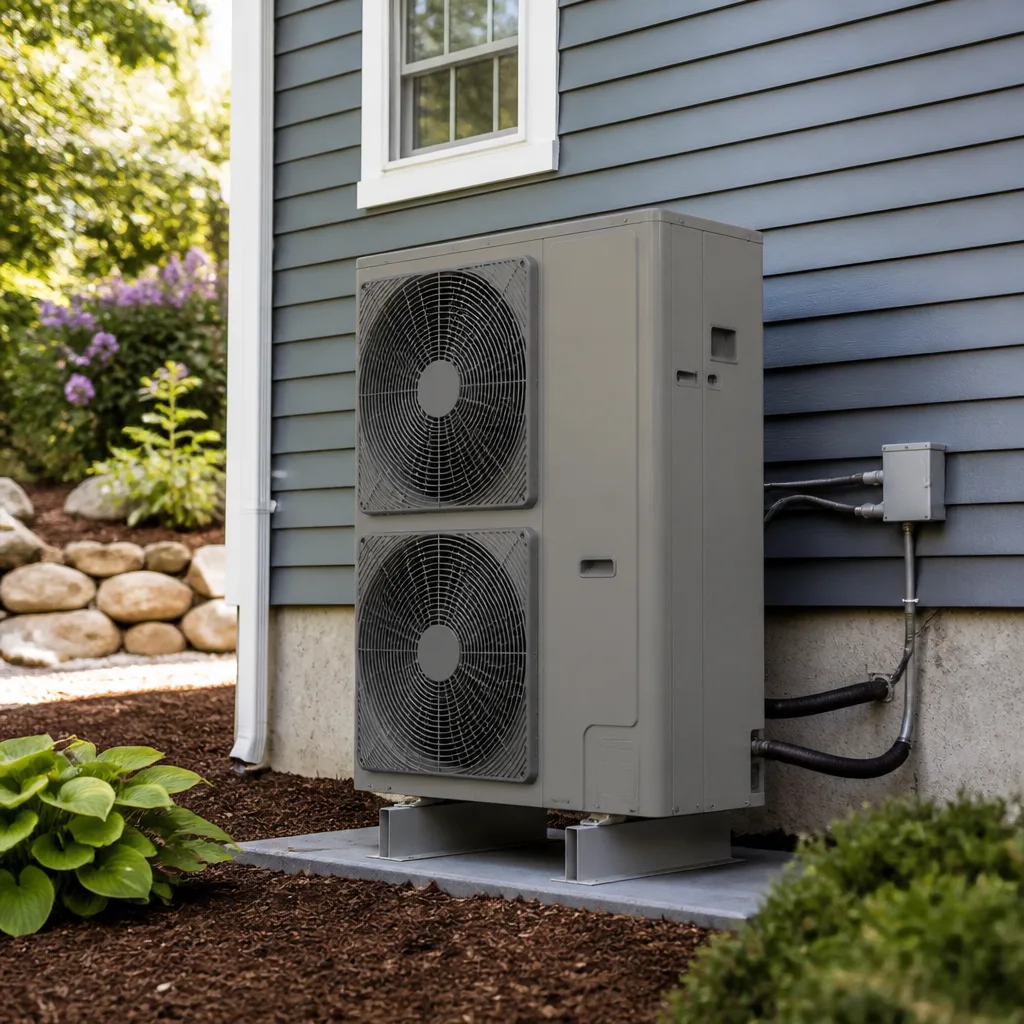 Heat pumps
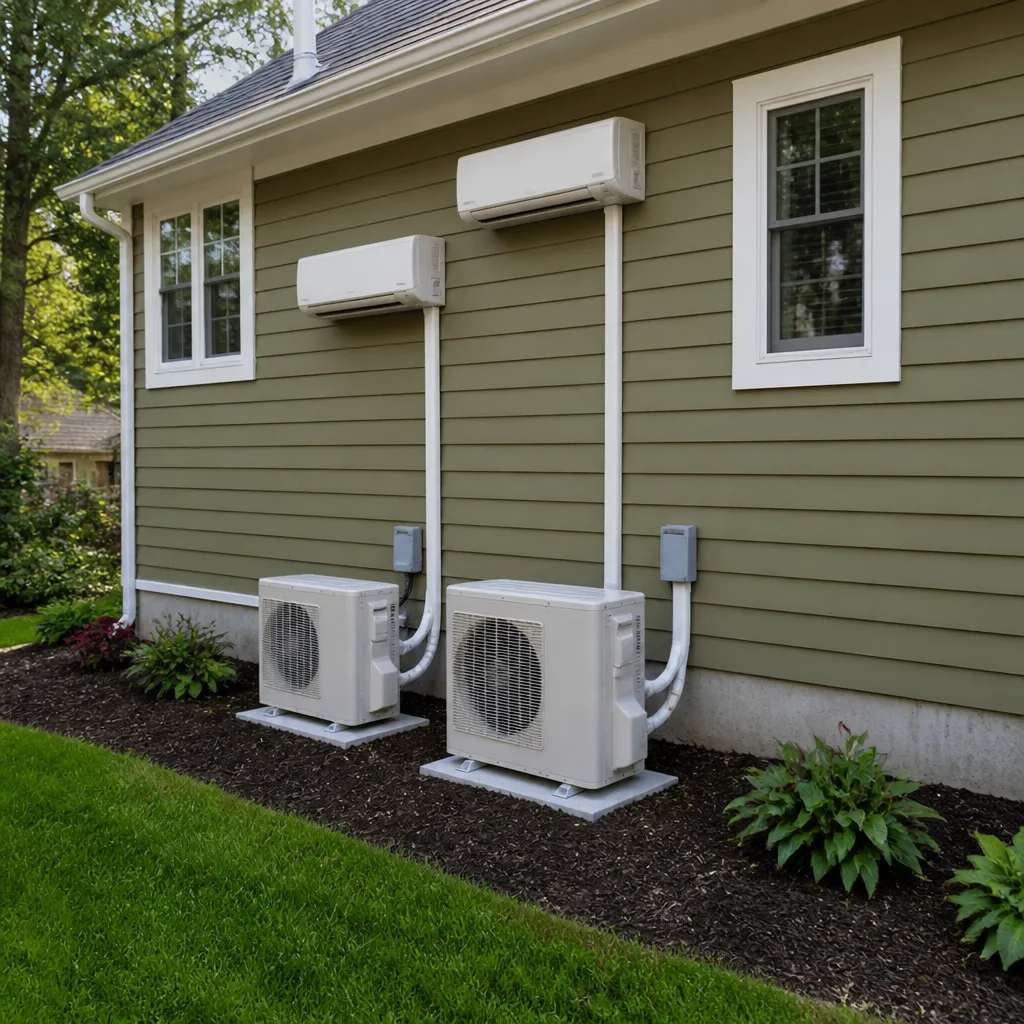 Ductless mini splits
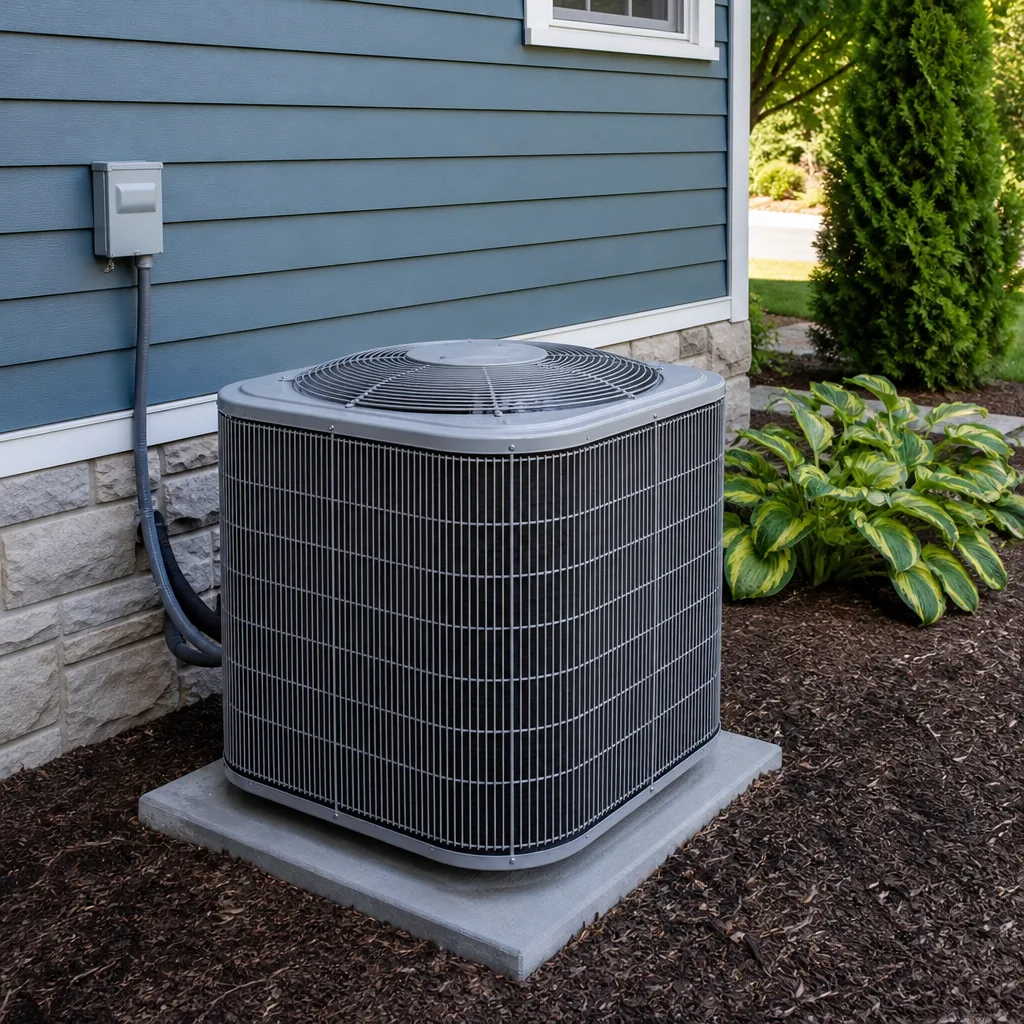 Carrier
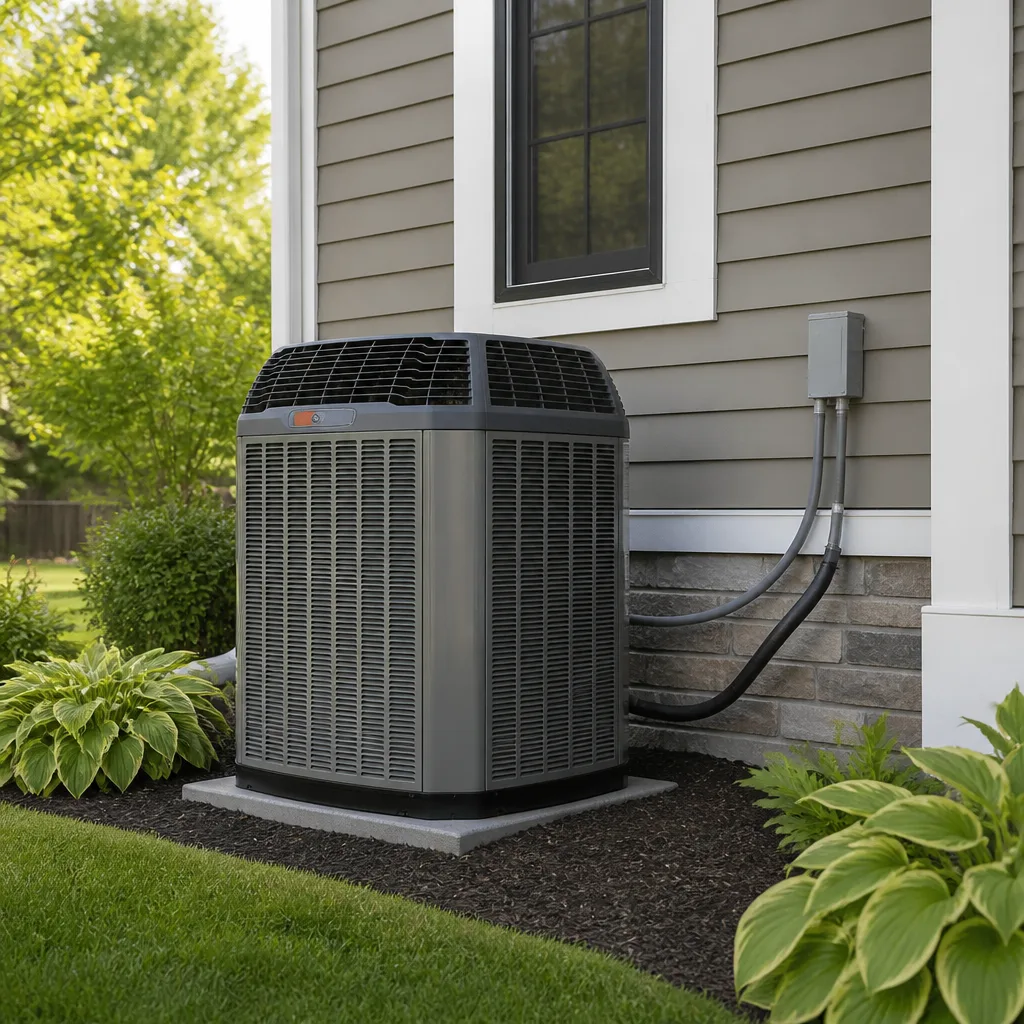 Trane
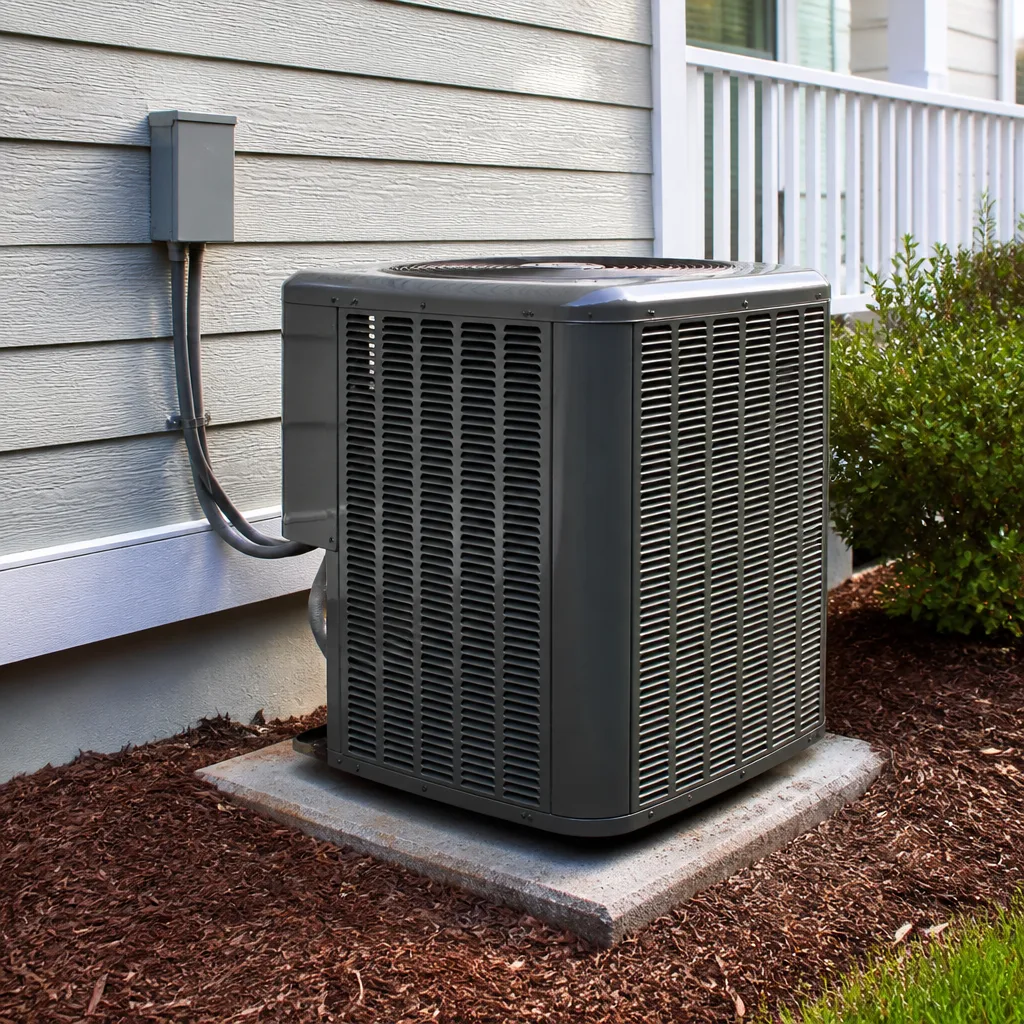 Goodman
Seasonal tune-up and full diagnostic on your Carrier, Trane, or Goodman system - readings shown to you before any repair is proposed
Diagnosis first, numbers second - you approve the repair price before a single part goes in.
Get your free estimateHeating & Furnace Troubleshooting: Common Problems and How to Fix Them
Roughly six out of ten “no heat” calls we get in early November are a dirty flame sensor. That’s it. A two-inch steel rod coated in a thin film of dust, and the furnace shuts itself down to be safe. The fix is a few minutes with steel wool. But that exact same symptom – blower running, air blowing cold – can also come from a cracked heat exchanger, and that one can put carbon monoxide into your house. Knowing which is which is the whole job. This guide walks through what actually fails on furnaces in Sunrise Manor, why it fails here more than most places, and how to read your own system before you spend a dime.
Quick Answer
Most furnace failures in Sunrise Manor fall into three groups: a component that died during the long summer idle (flame sensor, igniter, inducer motor), a pressure switch that won’t close because of a clogged drain or intake, or a thermostat and filter problem that’s not the furnace at all. Check your filter, check the breaker, and read the LED blink code on the control board first. Anything involving the heat exchanger, gas valve, or the combustion chamber itself belongs to a trained professional, not a homeowner with a screwdriver.
Styles & brands we work with
- AC repair
- Furnace & heating
- Heat pumps
- Ductless mini splits
- Carrier
- Trane
- Goodman
Table of Contents
- Why Furnaces Fail Differently in Sunrise Manor
- The Startup Failure Tree: What Breaks After Nine Months Asleep
- Blower Runs But No Heat: Narrowing It to One of Three Parts
- Pilot Light vs. Electronic Ignition: What Age Is Your Furnace?
- How to Read Your Furnace’s Blink Codes
- Heat Exchanger Warning Signs You’ll Notice Before Carbon Monoxide
- Common Mistakes to Avoid
- When to Call a Professional
Why Furnaces Fail Differently in Sunrise Manor
Most furnace troubleshooting content is written for places where a furnace runs eight or nine months a year. That’s not Sunrise Manor. Here, the furnace sits off from roughly March through October while the AC carries the load. Then the first cold night hits, the thermostat kicks over, and a machine that hasn’t run since last winter gets asked to light. That idle stretch is where most of your problems are born.
Two things happen during the idle. First, dust. Sunrise Manor sits in the Mojave, and the desert air is dry and full of fine particulate. That dust settles on the flame sensor, the burners, and the inducer fan blades. Second, moisture and insects. A furnace closet that stays warm and dry during the summer is a great place for a spider to build a web in the intake or the pressure switch tubing. We’ve pulled mud dauber nests out of furnace venting in Sunrise Manor more than once, and it’s a call that comes in every fall like clockwork.
The third factor is the temperature swing itself. A Sunrise Manor furnace that sat in a garage or closet at 100°F all summer can cycle down to the 40s on a December night. Thermal contraction on old flue connections and gaskets shows up as a draft or a pressure switch fault, not a mechanical breakdown. That’s why the failure list here looks different from what a homeowner in Ohio would read on the same Google search. Heating & furnace service in Sunrise Manor is not the same job as a furnace in a cold climate, and the diagnostics follow the local climate.
The Startup Failure Tree: What Breaks After Nine Months Asleep
When we walk up to a furnace that won’t start for the first time in the season, we work a specific order. That order is based on failure frequency and what each repair runs, so you can follow it yourself and know roughly what you’re in for.
- Flame sensor (most common, cheapest fix). The sensor is a short metal rod in front of the burner. Its job is to tell the board there’s actually a flame. When it gets coated with dust and oxidation, it can’t read the flame, so the board shuts the gas off after a few seconds. You’ll see the burners light, run for ten seconds, and go out, and the blower may keep running on a call. A technician cleans it with steel wool or replaces it. This is the $3 piece of steel wool story, and it’s the textbook Sunrise Manor November call.
- Hot surface igniter. A ceramic element that glows orange and lights the gas. These get brittle with age and with heat cycling, and they crack. A cracked igniter won’t glow, so the furnace won’t light at all. Replacing one is straightforward but the part itself runs $60 to $200 depending on the model, and the ceramic is fragile enough that you don’t want to manhandle it.
- Pressure switch. The switch confirms the inducer is moving air and the vent is clear. If the switch won’t close, the furnace won’t fire at all. Common culprits here are a clogged drain line, a blocked flue, a stuck port, or a spider web in the hose. On high-efficiency furnaces, a clogged condensate trap does this in Sunrise Manor neighborhood after neighborhood because the same trap collects dust and air. The part is inexpensive; finding the clog is where the labor goes.
- Inducer motor. The little fan that pulls combustion air through the flue. It runs in a hot, dusty space and freezes up over time. This is the most expensive of the four, since it’s a part replacement and a labor job. If the inducer is noisy or slow, don’t wait for it to lock up.
If you’re calling about a system that just won’t fire at all, Ray’s Heating & Air Sunrise Manor home is the best place to start and we’ll walk you through what to expect. If the furnace is lighting and going out immediately, start with the flame sensor and igniter before you assume the worst.
Blower Runs But No Heat: Narrowing It to One of Three Parts
This is the call that scares people, and it shouldn’t. You get cold air from the vents, the blower is running, and the house isn’t warming up. That combination narrows down to three things in almost every case.
One: the flame sensor. The blower runs because the board thinks it’s in a heat cycle. The burners light, the sensor doesn’t read the flame within a few seconds, and the board shuts the gas off but keeps the fan moving air to protect the heat exchanger. You end up with cold air and a furnace that’s alive but not heating. That’s the most common explanation for the exact symptom.
Two: the igniter. If the burners never light at all, the igniter isn’t glowing. Cap it earlier in the cycle than the flame sensor and you get the same result – blower on, no heat.
Three: the pressure switch or inducer. If the board never gets the “air is moving” signal, it won’t even try to light the gas. The blower can still be called by the thermostat. This one is common after a summer of sitting, especially if the intake is blocked by debris, a bird, or a mud nest.
To narrow it down before you pick up the phone, stand near the furnace and listen on a heat call. You should hear the inducer fan start, then the igniter glowing up (a soft click and a hum), then the burners, then the blower pressing into the duct. If you hear the fan, then a pause, then the burners go out and the blower runs cold, that’s the flame sensor. If you never hear the burners at all, look at the igniter and the pressure switch. That’s a diagnostic path you can do with your own ears. What you shouldn’t do is take the burner cover off and start reaching in with a tool.
We’ve seen the same three-part pattern across Sunrise Manor over and over, from the older tract homes off Nellis to newer builds near the east edge. The pattern doesn’t change much. What changes is the age of the parts and whether they’ve been on a maintenance schedule. AC Repair & Installation in Sunrise Manor is the summer-side companion to this piece, and the same dust that kills a furnace flame sensor in November is what clogs an AC condenser coil in July.
Pilot Light vs. Electronic Ignition: What Age Is Your Furnace?
The single most useful thing to know going in is what kind of ignition your furnace has. That answer decides the entire troubleshooting path.
Sunrise Manor has a real mix of housing stock, and that mix tells you what you’re likely to encounter. The heavy construction boom here ran through the 1980s and 1990s, so a lot of the furnaces we see in the neighborhood are electronic ignition. Standing-pilot furnaces exist too, mostly in older homes that have never been replaced. Starting somewhere in the mid-1980s, most manufacturers moved the majority of residential furnaces to hot surface ignition, and the industry largely finished the switch by the 1990s. If your furnace has an electronic igniter, you won’t see a pilot flame at all.
The practical difference:
- Pilot light furnace. A small standing flame burns continuously. If it’s out, the thermocouple or thermopile is usually the reason – the flame is too weak to keep the safety valve open, or the pilot tube is clogged. If you smell gas, do not relight it. Call for help and don’t flip switches.
- Electronic ignition furnace. No standing flame. The igniter only lights when there’s a call for heat. A failed igniter or dirty flame sensor is your culprit, and the thermocouple is not part of the picture.
Open the door on an older furnace in Sunrise Manor and the answer is obvious in about ten seconds. Look for a small blue flame that’s always on. If there isn’t one, you have electronic ignition and the pilot light troubleshooting you found online doesn’t apply.
How to Read Your Furnace’s Blink Codes
Most homeowners don’t know their furnace has a way of telling them what’s wrong. It does. The control board on nearly every modern furnace has a small LED that blinks in a pattern when it detects a fault. That pattern is a code, and it tells you which part the board thinks is failing.
Here’s how to read it:
- Take the furnace cover off (the one over the control board, not the burner door).
- Find the small LED light on the board.
- Watch it during a heat call – after the thermostat calls for heat and the system tries to start.
- Count the blinks before the pause. A three-blink code followed by a pause is a different fault than a two-blink code.
- Look at the sticker on the blower door or the inside of the access panel. Every furnace has a legend that translates the codes for your specific model.
A two-blink code on many Trane and Lennox boards is a pressure switch or inducer issue. A three-blink on a Goodman or Rheem frequently points to a pressure switch not closing. This varies by model and by year, which is why the sticker matters more than the internet. If the chart says “flame sensed when no flame present” or “rollout switch open,” that’s a stop-and-call situation, not a homeowner repair. On our own calls, we read the code before we touch anything. Readings first, numbers second.
Heat Exchanger Warning Signs You’ll Notice Before Carbon Monoxide
This is the part of the guide that matters most, and it’s the part most troubleshooting content skips. A cracked heat exchanger is a carbon monoxide risk. It’s also one of the leading reasons a furnace gets red-tagged and shut off. The signs are there before a CO alarm goes off, but they’re subtle.
Watch for these:
- Soot marks. Black streaks on the outside of the furnace cabinet, near the flue connection, or around the burner compartment. Soot means incomplete combustion, and a furnace that burns dirty is a furnace you should stop running.
- Inconsistent flame color. A healthy gas flame is crisp blue. A lazy yellow or orange flame with visible flicker suggests a combustion problem that a heat exchanger crack can cause. Some yellow at start-up is normal; a flame that stays yellow is not.
- Strange smells. A metallic or chemical smell near the furnace, or any combustion smell in the house, deserves a call.
- Headaches or flu-like symptoms in the household. CO poisoning gets dismissed as coincidence all the time. If you notice headaches that get better when you’re out of the house, take it seriously. A CO detector on every level is not overkill.
- Visible cracks or rust-through on the exchanger. On many furnaces, you can’t see the exchanger without removing the burner assembly. What you can often see is rust flaking or a warped surface at the edges. If it’s visible, it’s already failed.
None of this is a homeowner repair. A cracked heat exchanger means the furnace is off until a technician verifies it. We’ve walked into Sunrise Manor homes where the furnace had been running with a compromised exchanger and the family thought the headaches were seasonal. That call is why the free CO check is part of the diagnostic whenever we’re out on a heat call.
Common Mistakes to Avoid
- Relighting a pilot without reading the smell. If you smell gas at the furnace, stop. Don’t flip a light switch, don’t try to relight, don’t assume it’s the igniter. That’s a call, not a DIY job, and in Sunrise Manor the gas service is no joke.
- Putting off the filter. A dirty filter is the most common reason a furnace runs hot, cycles short, or overheats the limit switch. Change it at the start of the season, and check it every two months during heavy use. In the desert, the dust loads a filter fast.
- Reaching into the burner compartment. The flame sensor can be cleaned, but the burners, gas valve, and heat exchanger should not be. If your hand is inside the furnace beyond the sensor, you’re outside the safe zone.
- Trusting a phone quote. Nobody can accurately price a furnace repair without standing in front of it and reading the code. If a company quotes you a firm number over the phone before seeing the unit, that’s a hint they haven’t seen the problem.
- Skipping the fall check. A furnace that sat unused for nine months needs a startup inspection. In Sunrise Manor, we see far fewer winter breakdowns on units that got a pre-season check than on the ones that waited for the first cold night.
- Ignoring a yellow flame or a CO detector beep. A CO detector that goes off shouldn’t be reset and forgotten. Get everyone out, call for help, and let a technician find the source. That’s the one mistake that can cost a family far more than a repair bill.
- Assuming a new furnace is the answer. Plenty of burned-out furnaces are one part away from another decade. Get a diagnostic before you start pricing a replacement, and get a second opinion on any written estimate that recommends one.
When to Call a Professional
Here’s where we draw the line. Call a professional if the burners won’t light after a clean filter and a reset breaker, if the board is throwing the same code twice, if you see soot or a yellow flame, if you smell gas or combustion, or if you’re unsure whether the heat exchanger is intact. Also call if the furnace is old enough that nobody has looked at it in years. Call before you try to remove the burner assembly or the gas valve.
Ray’s Heating & Air Sunrise Manor offers free estimates in Sunrise Manor – call (877) 311-5951. We answer live, day or night, including on the cold nights when the whole block seems to lose heat at once. If you’re not sure whether the problem needs a visit at all, call us and we’ll tell you straight. Your system tells us what’s wrong. We just listen first.
See the difference
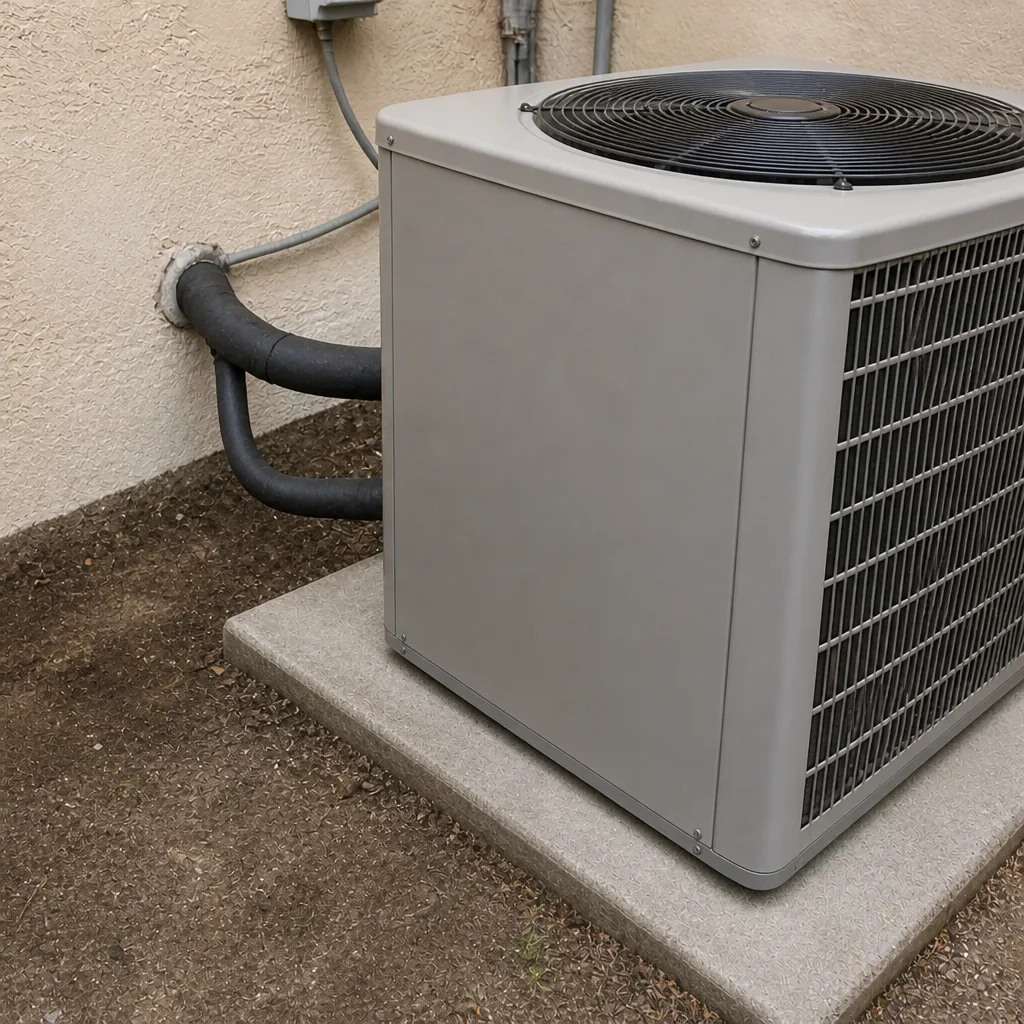
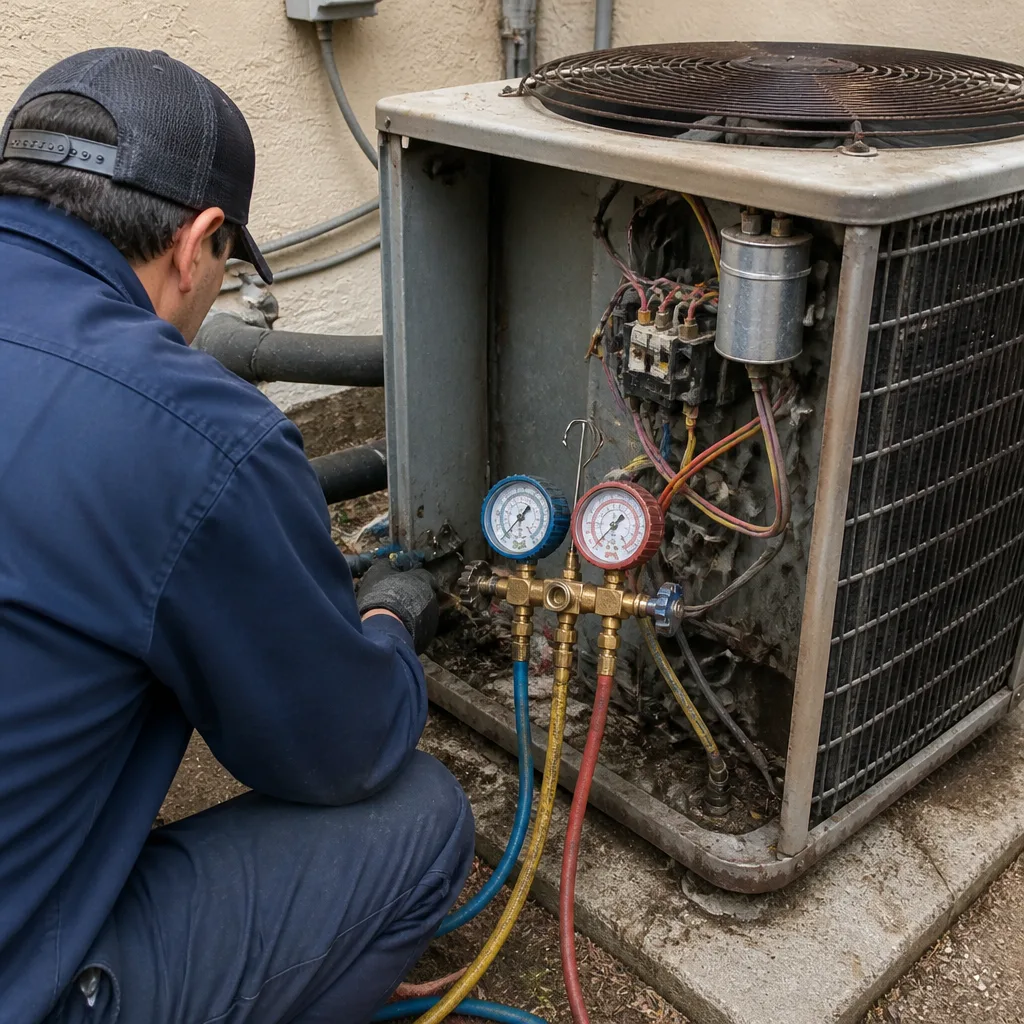 Before
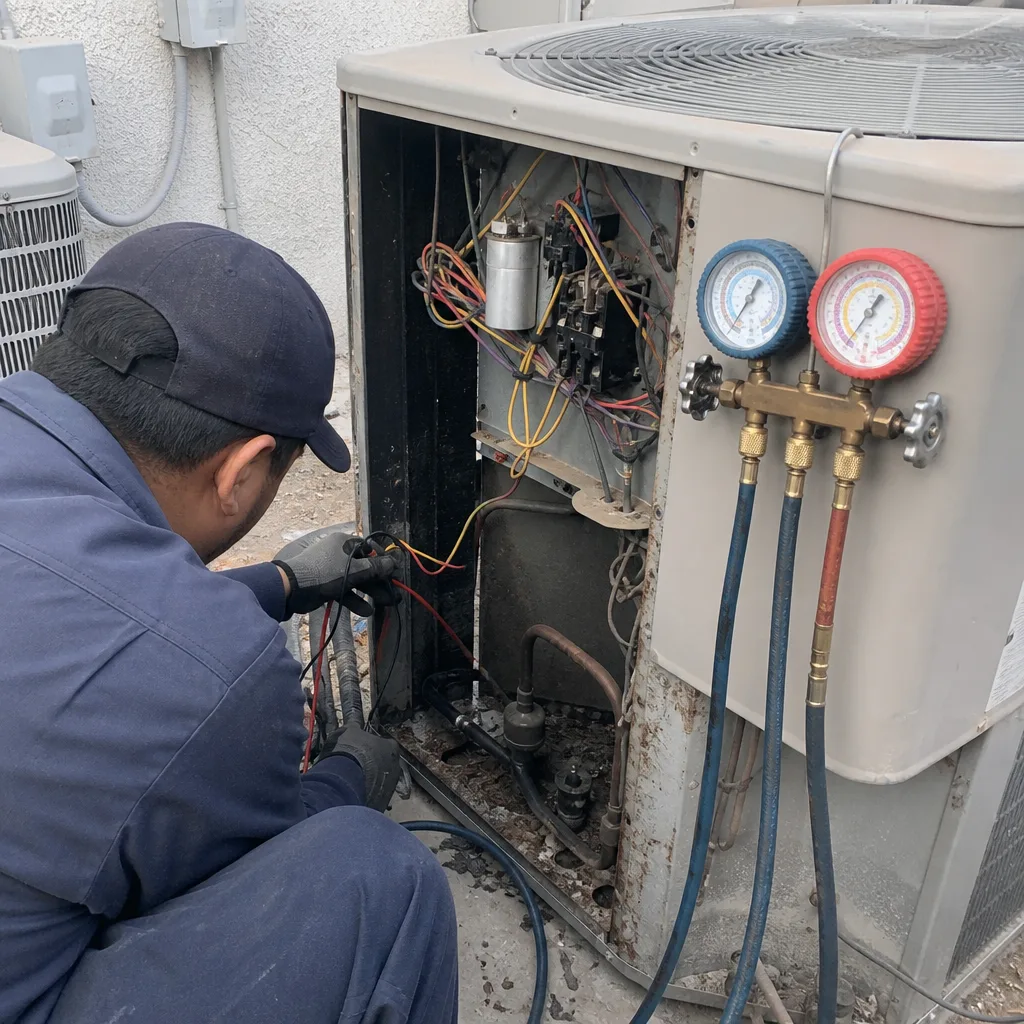
 After
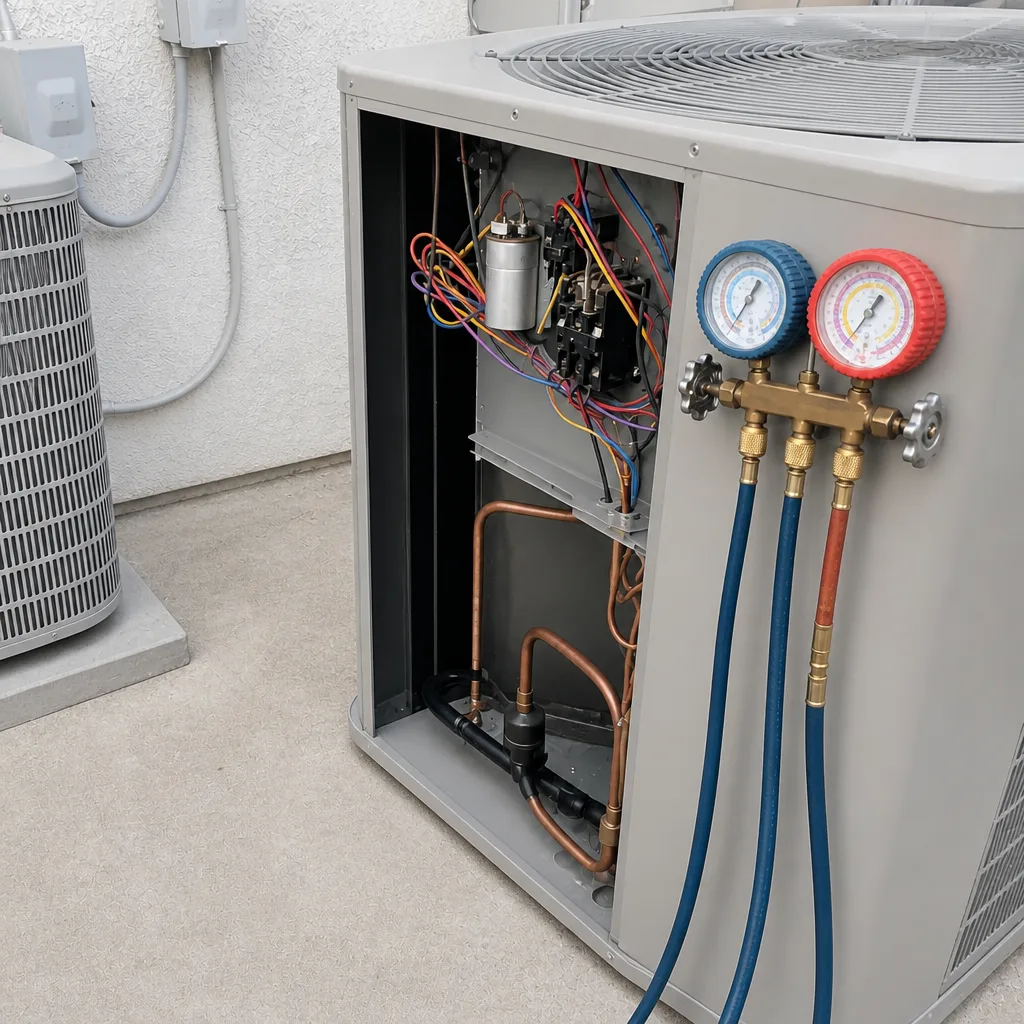
 Before
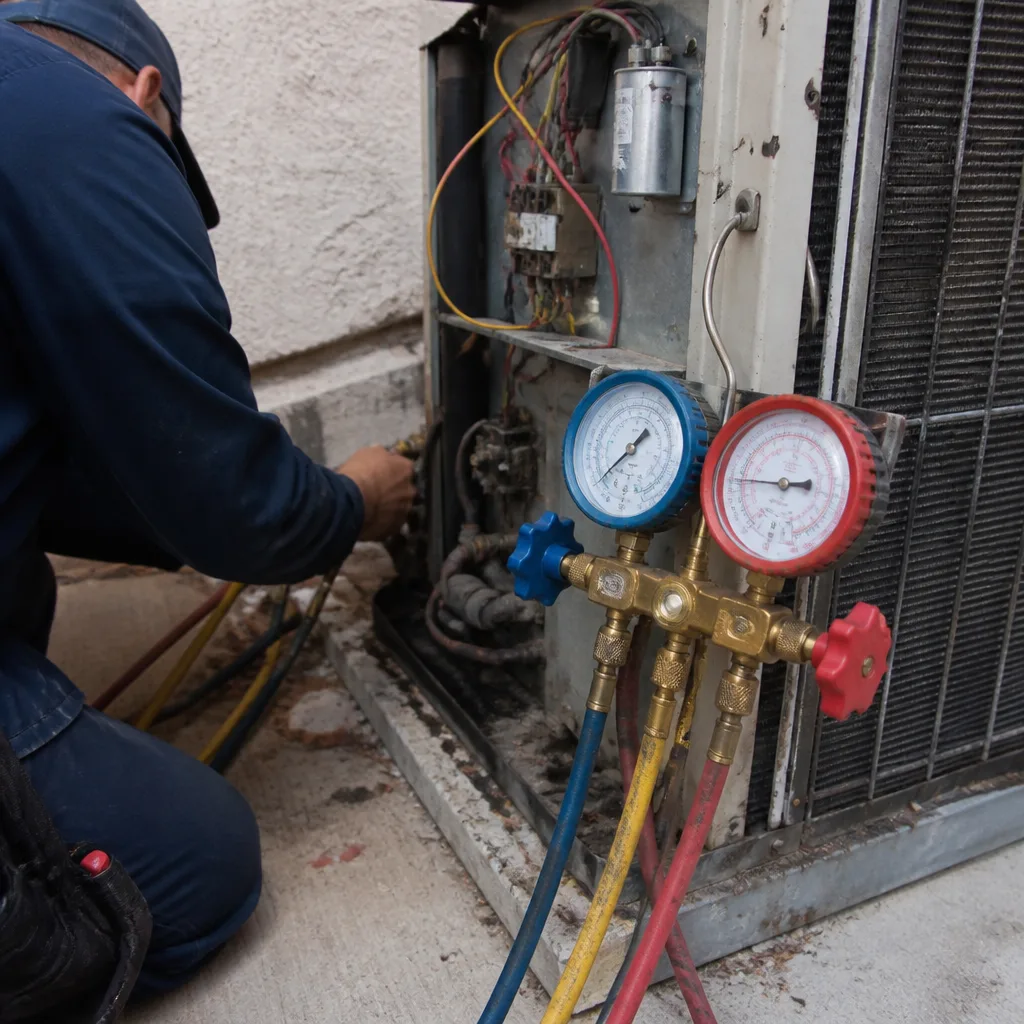
 After
 Before
 After
Frequently Asked Questions
That almost always means the burners are lighting and then going out because the flame sensor can’t read the flame, or the igniter is failing and the burners never light. Both leave the blower running to protect the heat exchanger. A dirty flame sensor is the most common cause, but a pressure switch that won’t close can also produce cold air with the blower running. Call (877) 311-5951 for a diagnostic if the symptom repeats after a filter change.
Once a year, in the fall, before the first cold night. Sunrise Manor furnaces sit off for roughly nine months, so dust, insects, and dried-out gaskets pile up during the off-season. A pre-season check catches the flame sensor and inducer issues before you need heat at two in the morning.
Often yes, if the heat exchanger is intact and the failed part is a sensor, igniter, or pressure switch. A forty-year-old furnace that needs a $200 sensor repair is a better bet than a replacement, and a cracked heat exchanger changes the math entirely. We diagnose the part before anyone talks about the unit. Call (877) 311-5951 to have it checked.
The LED is your furnace’s fault code. Count the blinks, pause, and look at the legend on the blower door or the access panel. Two blinks, three blinks, and four blinks each point at different components, and the chart on your unit is more accurate than anything online. If the code reads “rollout” or “flame sensed with no flame,” stop using the furnace and call for help.
Cleaning the flame sensor is a low-risk task many homeowners do with a piece of steel wool, but knowing that it’s the sensor and not the heat exchanger is the safe route. If you’re not certain, call us. We test the readings before we touch a part. Call (877) 311-5951 for a free estimate on a diagnostic.
Yes, and it’s the reason we check the heat exchanger on every heat call. A cracked exchanger can put CO into the house before any alarm sounds, and the symptoms (headaches, fatigue, a flu that won’t quit) get dismissed as coincidence. A CO detector on every floor and an annual inspection are the two things that catch it early.
The Bottom Line
Most furnace failures in Sunrise Manor come down to dust and a long summer idle, not exotic mechanical breakdown. Start with the filter and the breaker. Listen for the inducer fan, the igniter, and the burners in sequence. Read the blink code on the control board and compare it to the sticker on your unit. If the code points at the flame sensor or the igniter, you’re likely looking at a simple repair. If it points at the pressure switch, check the drain and the intake for debris before anything else. And if you see soot, a yellow flame, or a code that reads “rollout,” turn it off and call. For a furnace that needs a trained hand, Heat Pump & Mini Split in Sunrise Manor is a good read if you’re weighing a heat pump against a gas furnace for the long run.
When you’re ready, call (877) 311-5951 for a free estimate. The person at your door will be the one who answers the phone, and you’ll see the readings before anyone quotes a number.
Written by the team at Ray’s Heating & Air Sunrise Manor.