
Last updated November 18, 2026
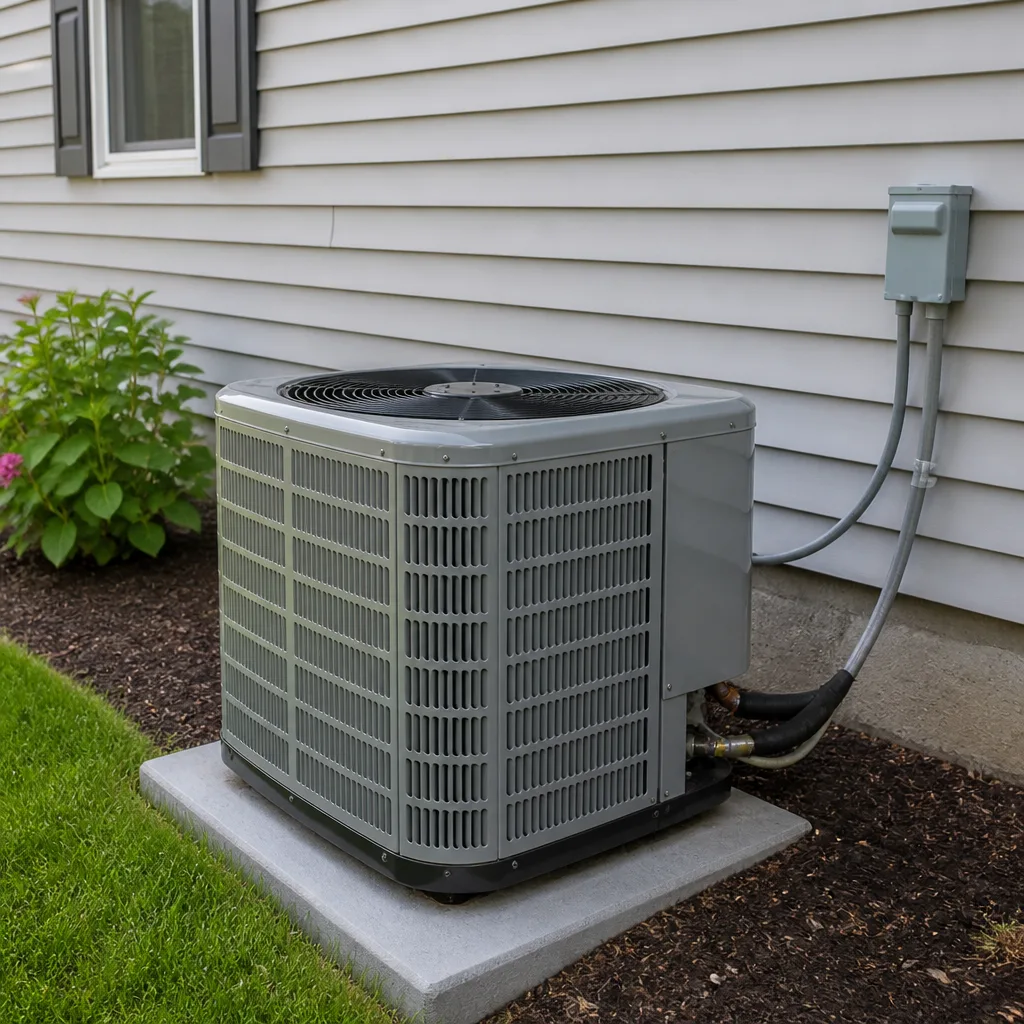 AC repair
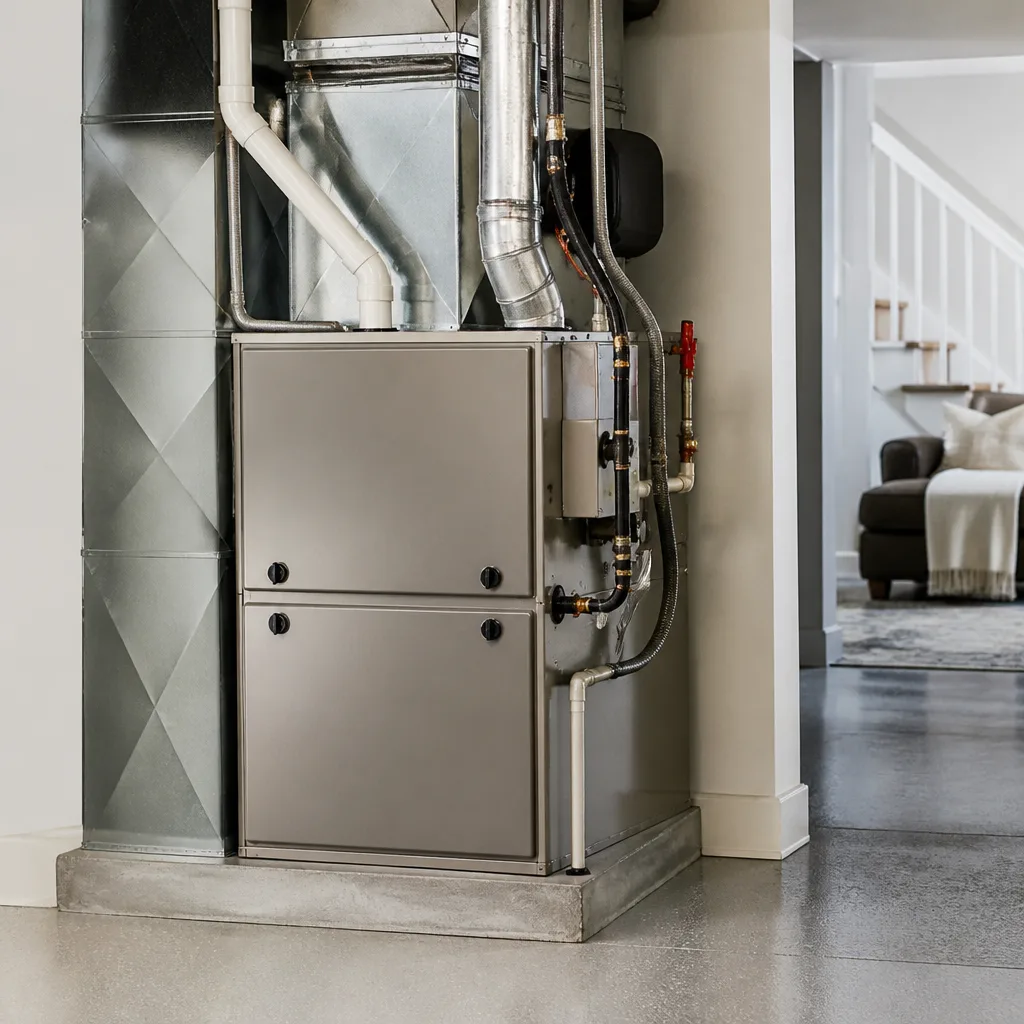 Furnace & heating
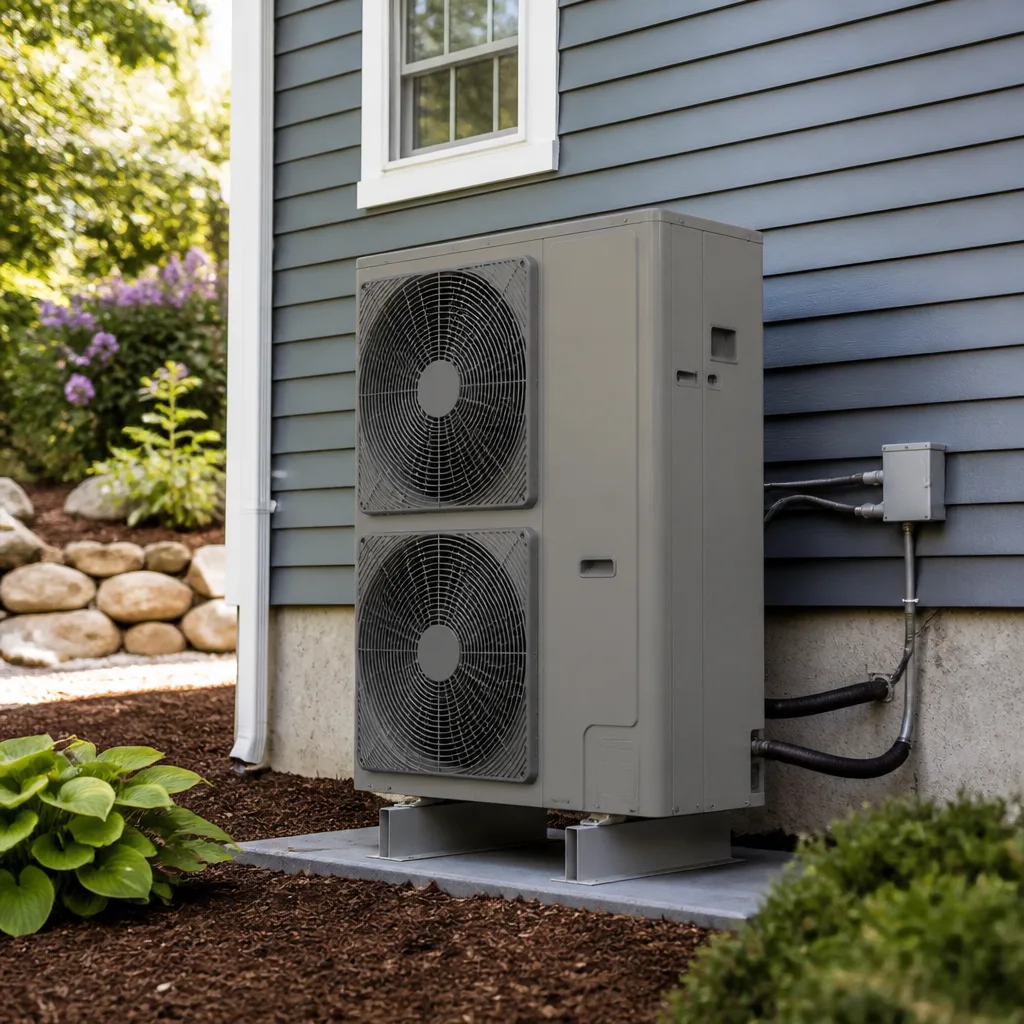 Heat pumps
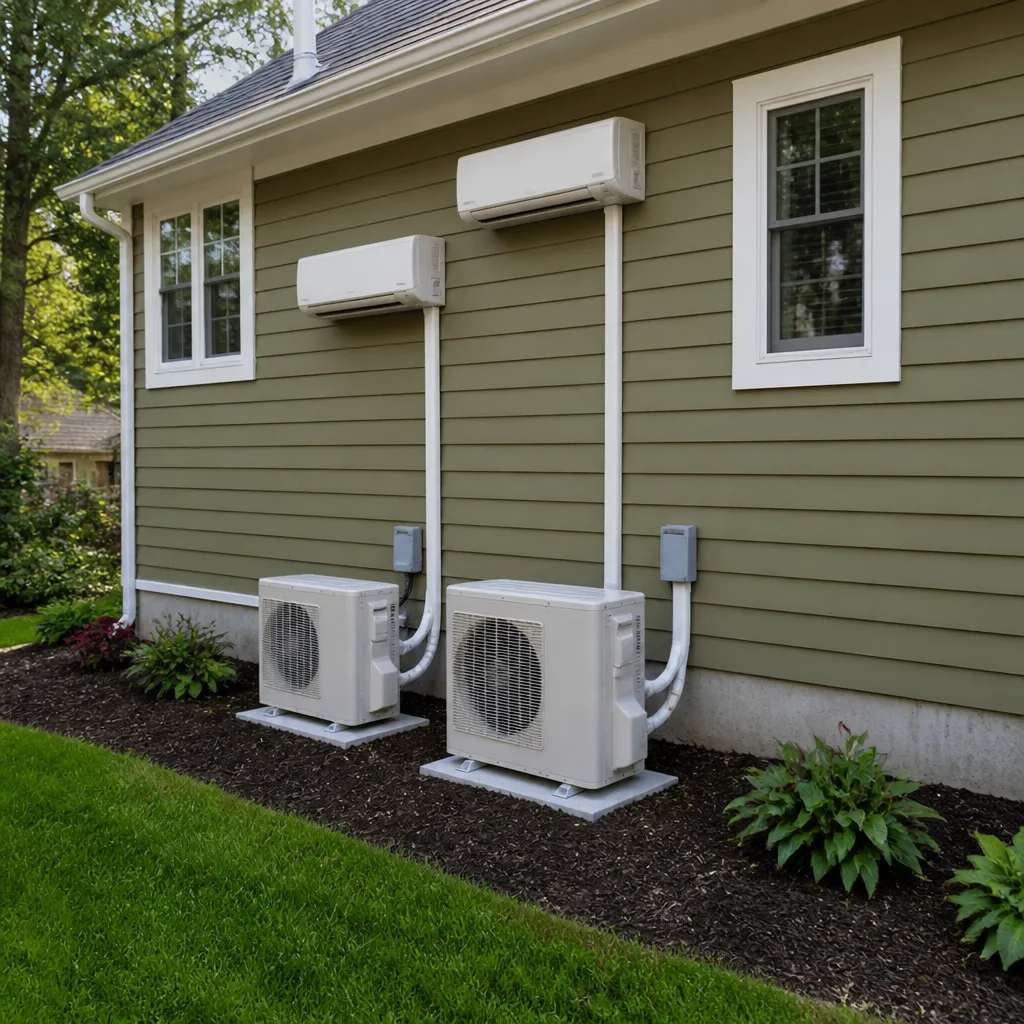 Ductless mini splits
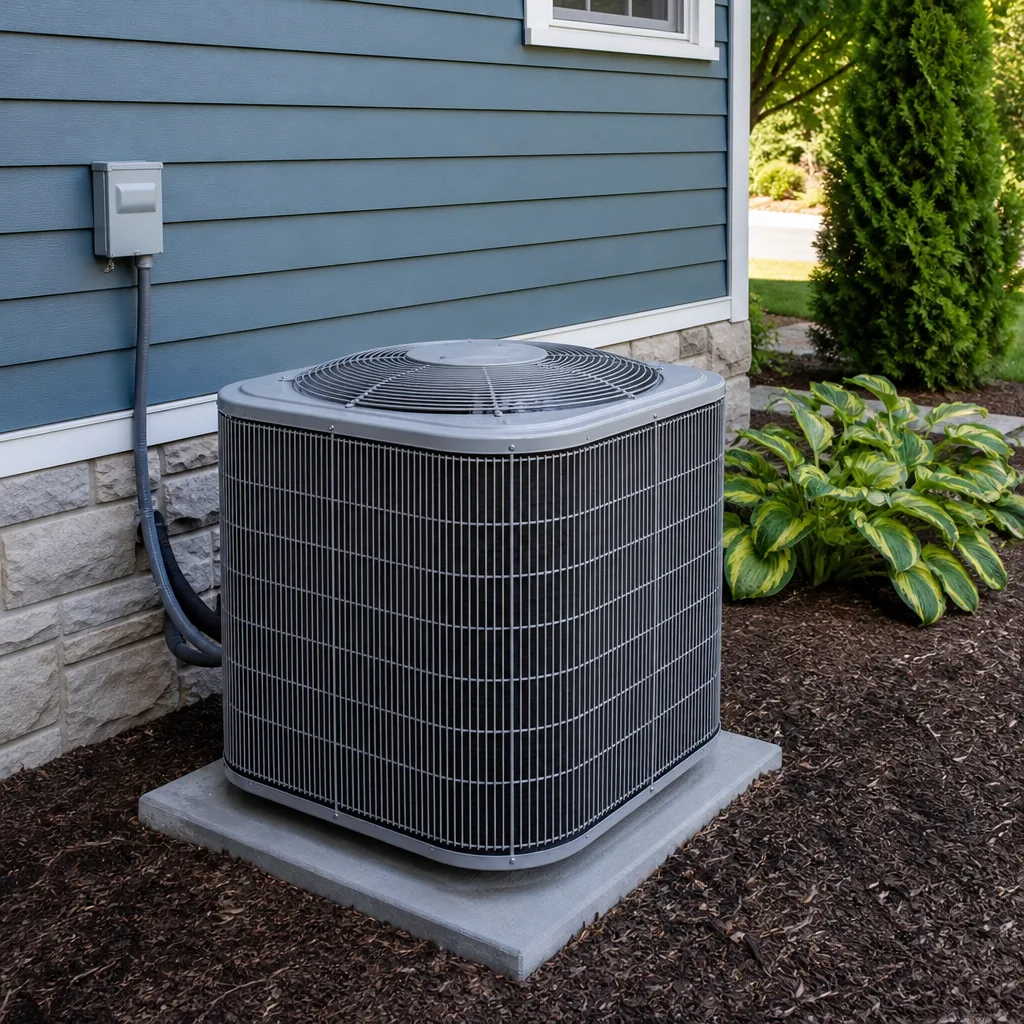 Carrier
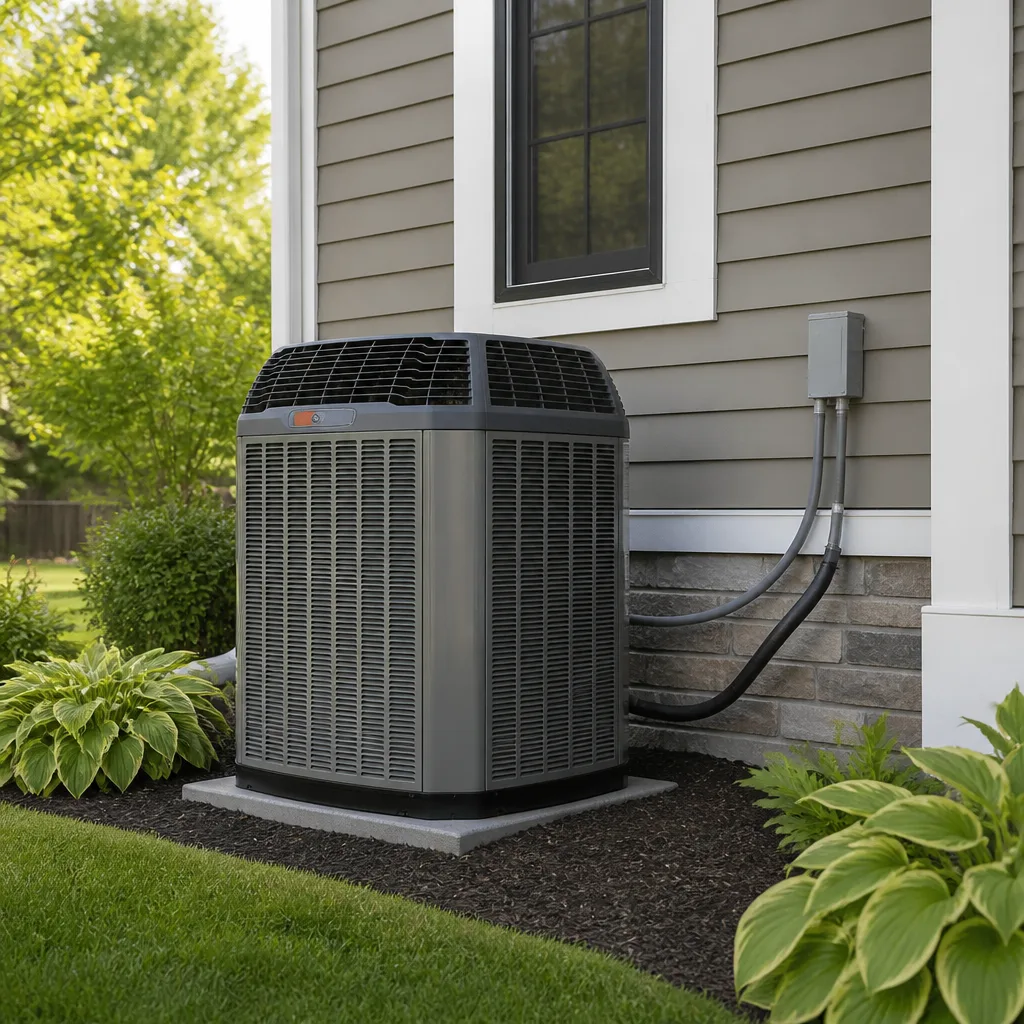 Trane
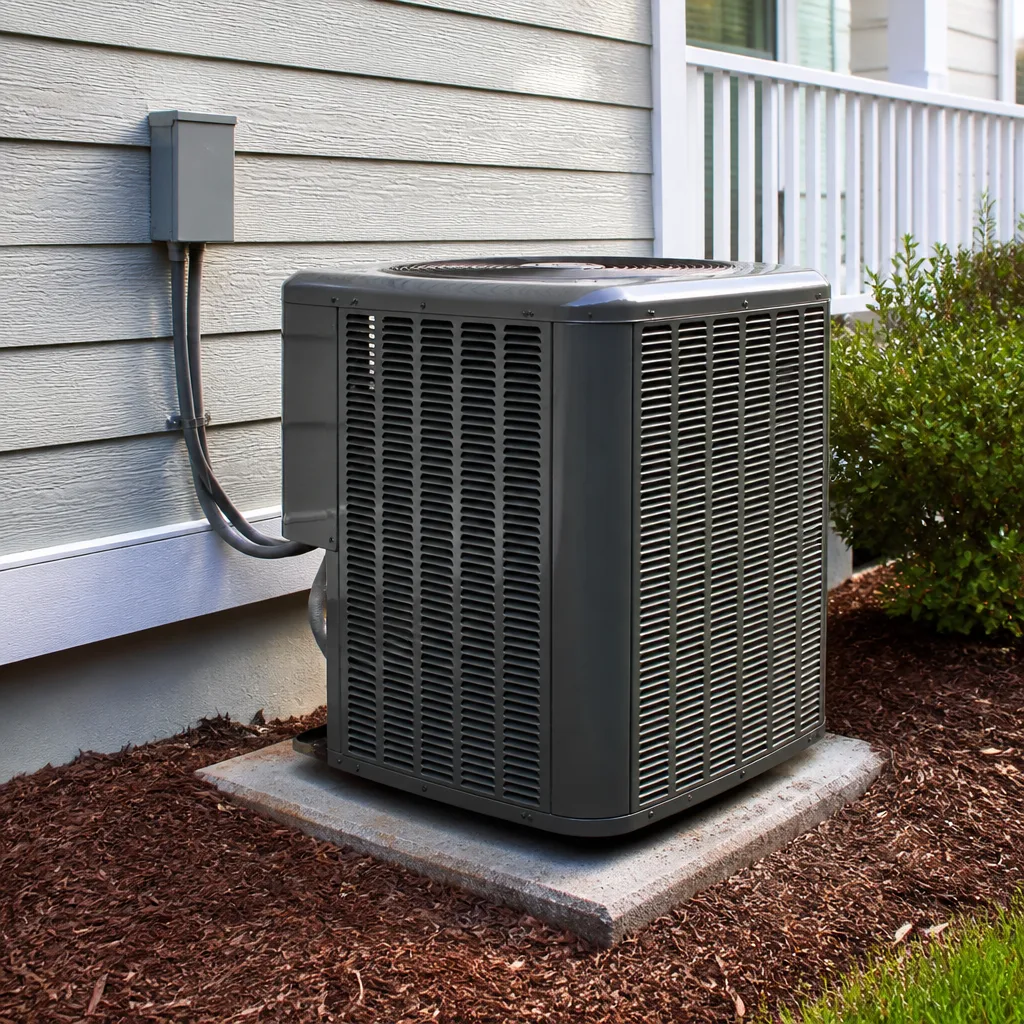 Goodman
Seasonal tune-up and full diagnostic on your Carrier, Trane, or Goodman system - readings shown to you before any repair is proposed
Diagnosis first, numbers second - you approve the repair price before a single part goes in.
Get your free estimateAC Repair & Installation Troubleshooting: Common Problems and How to Fix Them
The number-one misdiagnosed AC problem we see in Sunrise Manor is a “refrigerant leak” that’s actually a frozen evaporator coil caused by a dirty filter the homeowner swears they changed. The fix costs $0. The wrong diagnosis costs $400 or more. That gap is what this guide is about. Most troubleshooting pages tell you to check the thermostat and swap the filter, which isn’t troubleshooting at all – it’s stalling while your house heats up. We’re going to start where the real problems begin: the symptoms that look like one thing but are almost always something else in a Sunrise Manor home.
Quick Answer
Most AC problems that look like refrigerant leaks or compressor failures are actually airflow problems – a clogged filter, a dirty coil, or a blocked return – and cost little or nothing to fix. In Sunrise Manor, dust and caliche particulate clog outdoor coils faster than in most climates, so airflow issues show up here more than true mechanical failures. Test the cheap causes first, document your symptoms carefully, and get a technician who shows you readings before quoting a repair.
Styles & brands we work with
- AC repair
- Furnace & heating
- Heat pumps
- Ductless mini splits
- Carrier
- Trane
- Goodman
Table of Contents
- A Symptom-First Diagnostic Tree
- Blowing Warm Air: What It Usually Means
- Short Cycling and What’s Behind It
- Loud Banging, Rattling, and Clicking
- Ice on the Unit: The Frozen Coil Problem
- Why Sunrise Manor Dust Clogs Coils Faster
- Three Refrigerant Myths That Cost You Money
- How to Document Symptoms Before the Tech Arrives
- Common Mistakes to Avoid
- When to Call a Professional
A Symptom-First Diagnostic Tree
Start with the symptom, not the part. A system that blows warm air is telling you something different than a system that short cycles, and treating them the same wastes money. Run through this order, cheapest cause first.
- Breaker and disconnect. Check the indoor breaker and the outdoor disconnect. A tripped breaker resets in seconds. That’s free.
- Filter condition. Pull the filter and look at it against a light. If you can’t see through it, that’s your problem until proven otherwise. A clogged filter is the single most common cause of weak cooling in Sunrise Manor, especially during the June wind and dust season.
- Return-air blockage. Make sure furniture, drapes, and boxes aren’t covering return grilles. A closed-off return starves the system and freezes the coil.
- Thermostat setting and battery. Confirm it’s set to COOL, the fan is on AUTO, and the batteries aren’t dead. A blank screen isn’t always a broken thermostat.
- Outdoor unit airflow. Look at the outdoor coil. If it’s packed with dust, lint, or cottonwood fluff, wash it off with a garden hose on low pressure.
- Then, and only then, suspect refrigerant or a mechanical failure. Those are the expensive calls, and they should be the last thing on the list, not the first.
If steps one through five don’t restore cooling, you’ve got a real repair on your hands. That’s when a proper diagnostic pays for itself. If your system is beyond a quick fix, our AC repair and installation in Sunrise Manor page covers what a full repair or replacement visit looks like.
Blowing Warm Air: What It Usually Means
Warm air from the vents is the most common complaint we get, and it’s almost never the compressor. Here’s what warm air actually points to, ranked by how often we find it.
- Dirty filter or blocked return. Restricted airflow means the coil can’t absorb heat, and the air coming out feels lukewarm. This is the majority of warm-air calls.
- Frozen evaporator coil. A coil iced over passes almost no air. You’ll feel warm air at the vents and see frost on the indoor coil or the refrigerant line. The cause is usually restricted airflow, not low refrigerant.
- Outdoor unit not running. The indoor blower runs, but the condenser outside is silent. That’s a capacitor, contactor, or disconnect issue much of the time – a technician tests the capacitor before anyone says the word compressor.
- Tripped breaker or blown fuse. Common after a monsoon-season surge in Sunrise Manor.
- Low refrigerant from a true leak. Real, but less common than the four above. Frost on the lines plus warm air plus a clean filter and clear coil is when we start looking at charge.
Notice the pattern. Four of five warm-air causes are airflow or electrical, not refrigerant. That’s the sequence a good technician follows, and it’s the one that saves you money.
Short Cycling and What’s Behind It
Short cycling means the system turns on, runs briefly, and shuts off, then repeats. It never satisfies the thermostat and it wears out the compressor over time. In small Sunrise Manor homes with single-zone systems, we see it most often from oversized equipment or a thermostat placed on a sun-baked west wall.
Common causes, cheapest first:
- A thermostat in direct afternoon sun or near a lamp – it reads hot, calls for cooling, then reads cool once the air moves.
- A dirty filter causing the system to overheat and trip its internal safety.
- An undersized or partially clogged return duct starving the blower.
- A failing capacitor or a condenser coil packed with dust, making the compressor work too hard and cut out on overload.
- Refrigerant overcharge or undercharge, which is a technician-level diagnosis.
Short cycling in the middle of a July afternoon in Sunrise Manor is urgent – a system that can’t keep up when it’s 112 outside is a health concern for older homeowners and anyone with breathing issues. If your system is cycling and the house is climbing, don’t wait it out. Ask anyone on your street who they call.
Loud Banging, Rattling, and Clicking
Sounds are the system’s way of telling you what’s wrong before it quits. Each sound points somewhere specific.
- Banging or clanking inside the outdoor unit often means a loose fan blade or debris in the cabinet. That’s a mechanical issue that gets worse fast.
- Rattling is usually a loose panel, an unbalanced fan, or a compressor mount wearing out. Sometimes it’s just a screw.
- Clicking that repeats points to a failing contactor or capacitor – the components that should be tested before any compressor talk.
- Hissing or bubbling at the indoor coil can mean a refrigerant leak at a joint. That one warrants a prompt call, not a band-aid.
- Squealing from the indoor blower often means a bearing or belt on the way out.
One caution here: high-voltage capacitors hold a charge even after the power is off, and the contactor and compressor wiring carry lethal current. If you’ve heard a component clunking, don’t open the cabinet to poke at it. That’s work for someone with a meter and training. Our Sunrise Manor home services overview explains how we schedule a diagnostic that starts with readings, not guesses.
Ice on the Unit: The Frozen Coil Problem
Ice on the indoor coil or the refrigerant line is the classic confusing symptom. Homeowners see ice and think “the AC is too cold” or “it’s low on Freon.” Both are usually wrong. A frozen coil almost always means poor airflow – the coil gets cold, can’t move enough air across it, and frost builds up. The culprit is typically a filter that wasn’t changed as often as the homeowner believes, or a return that’s blocked.
Here’s the order a technician uses, and what you can safely check first:
- Turn the system OFF at the thermostat and switch the fan to ON to help thaw the coil. Don’t run cooling with a block of ice on the coil.
- Replace the filter, even if you think it’s fine. Look at it against a light. Cards on the table: most “it was just changed” filters are dirtier than the homeowner remembers.
- Clear any blocked returns – furniture, rugs, drapes, boxes in front of grilles.
- Check the outdoor coil for dust and debris, and rinse gently if it’s packed.
- If it refreezes after a clean filter and clear returns, you’ve got a technician issue – a slow refrigerant leak, a failing blower, or a metering device problem.
That first step is the $0 fix the opening mentioned. The wrong diagnosis – a $400 recharge that does nothing because the real problem was a filter – is what happens when the cheap cause gets skipped.
Why Sunrise Manor Dust Clogs Coils Faster
If you’ve lived in Sunrise Manor for a few years, you know the dust. Caliche particulate, construction dust from the east side, and spring wind all send fine grit into the air, and that grit is what packs into outdoor coils and filter media faster than in coastal or northern climates. A filter that lasts three months in a humid climate may need attention in six weeks out here during the windy months.
This matters for diagnosis because it changes the odds. In Sunrise Manor, a dirty coil is far more likely to be the cause of weak cooling than a mechanical failure. And it matters for telling the difference between a dirty coil and a failing compressor:
- Dirty coil: the unit runs, feels hot, moves some air, but can’t reject heat. Cleaning restores performance over a few days.
- Failing compressor: the unit pulls high or low amps, the coil may be clean, and cleaning does nothing. That’s a meter-and-readings diagnosis, not a visual guess.
We’ve seen Sunrise Manor homeowners pay for a compressor quote when the actual fix was a coil wash and a filter. A technician who puts a gauge on the system before talking about replacement is the one who’ll find the difference. If your system is a heat pump, the same dust logic applies, and our heat pump and mini-split page for Sunrise Manor covers the coil-care side of those systems.
Three Refrigerant Myths That Cost You Money
Refrigerant is where homeowners get talked into the most expensive wrong answers. Three myths do the most damage.
Myth 1: “Low refrigerant means you just need a top-off.” A sealed system doesn’t burn refrigerant. If it’s low, there’s a leak, and a recharge without finding the leak is money down the drain. The right move is a leak search, then a repair, then a recharge.
Myth 2: “If the line is cold and sweating, the charge is fine.” A frosted or sweating line can mean a clean system running normally, or a restricted airflow problem, or an overcharge. You can’t tell from the outside. Pressures and superheat tell the story.
Myth 3: “The AC stopped cooling, so it must need Freon.” Nine times out of ten the real problem is airflow – a filter, a coil, a duct, a blower. Refrigerant is the last thing to check, not the first. Anyone who quotes a recharge before testing airflow and pressures is guessing with your money.
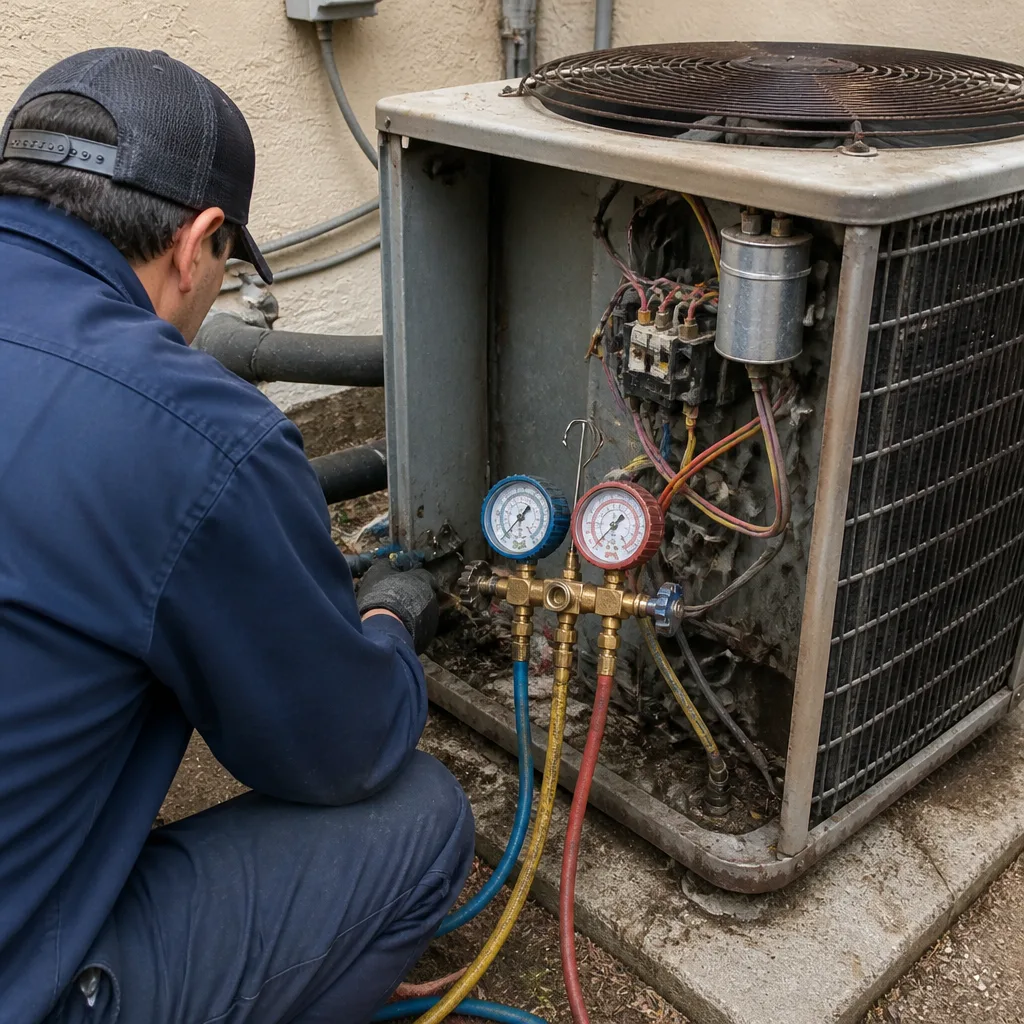
Readings first, numbers second. You should see the before-and-after pressures and temperatures, not just a number written on an invoice.
How to Document Symptoms Before the Tech Arrives
This is where you cut a two-hour service call down to forty minutes. A technician who walks into a house with a clear symptom record finds the problem faster – and that’s time you’re not paying for.
- Time of day. Is it worse in the late afternoon when the sun is on the west wall? That points at thermostat placement or heat gain, not the compressor.
- Outdoor temperature. Note it. A system that holds 75 inside at 95 outside but climbs to 80 at 110 outside is telling a different story than one that fails at 85 outside.
- Thermostat setting, and what the house actually reads. “Set to 72, house at 82” is a fact a technician can use. “It’s not cooling” is not.
- Runtime pattern. Does it run constantly, cycle every few minutes, or run and quit? Each points at a different system.
- Sounds, and which unit they come from. Indoor versus outdoor matters.
- What you already checked. Filter change date, breaker reset, thermostat batteries. Write it down. This saves duplicate work.
- Any recent changes. New furniture blocking a return, a room addition, a new appliance, a recent power surge.
Hand that list to the technician at the door. It’s the difference between a focused diagnosis and an hour of searching.
Common Mistakes to Avoid
- Assuming it’s the compressor before testing the capacitor. A bad capacitor is a fraction of the cost of a compressor and mimics a compressor failure. No one should say the word compressor until the capacitor is tested.
- Topping off refrigerant without finding the leak. You’ll pay for a recharge now and again next summer. Find the leak, fix it, then charge once.
- Skipping the filter because you “just changed it.” In Sunrise Manor’s dust, look at it against a light before assuming. This single step prevents more wasted service calls than any other.
- Blaming the thermostat when the return is blocked. A sun-baked thermostat on a west wall in Sunrise Manor will short cycle even on a perfectly good system.
- Oversizing a replacement system. Bigger isn’t better. An oversized unit short cycles, doesn’t dehumidify, and wears out faster. A load calculation comes first, every time.
- Opening the outdoor cabinet yourself. Capacitors hold a lethal charge. Once the diagnosis points inside the cabinet, stop and call.
- Accepting a phone quote on a replacement. A real price comes from a load calculation and an on-site look, not a phone call. Get it in writing.
When to Call a Professional
Some problems are safe to check yourself: the filter, the return grilles, the breaker, the thermostat setting. Some are not. Call a professional when you see refrigerant frost or ice that won’t stay gone after a filter change, when the outdoor unit is silent or clicking, when you hear banging inside the cabinet, or when the house is climbing in extreme heat and you’ve got family or a senior in the house. Those are the situations where waiting costs more than calling. High-voltage components and refrigerant circuits are not do-it-yourself territory – they can injure or kill, and they need a trained hand with the right tools.
Ray’s Heating & Air Sunrise Manor offers free estimates in Sunrise Manor – call (877) 311-5951. We answer the phone live, day or night, and you’ll see the readings before you see a number. If your written estimate from another company feels off, our free second opinion is standing – no trip charge inside the county.
See the difference
 Before
 After
 Before
 After
 Before
 After
Frequently Asked Questions
Most warm-air calls come down to restricted airflow – a dirty filter, a blocked return, or a dirty outdoor coil – not a refrigerant leak. Check the filter against a light, clear your returns, and look at the outdoor coil before assuming it’s mechanical. Frost on the indoor coil or refrigerant line points to a frozen coil, which is usually an airflow fix. If the outdoor unit is silent, that’s an electrical issue worth a call. Call (877) 311-5951 for an exact diagnosis – estimates are free.
Usually not. Ice on the indoor coil or refrigerant line is most often airflow – a filter that’s dirtier than expected, or a blocked return. Turn the system off, switch the fan to ON to thaw the coil, replace the filter, and clear the returns. If it refreezes after that, it’s time for a technician to check for a slow leak or a blower problem.
It depends on age, refrigerant type, and how often it’s failing. A system under 10 years old with a single failed component is usually worth repairing. A system over 15 years old that’s needed three or more repairs in two years is usually a better candidate for replacement, especially with the dust wear we see here. Get a written diagnosis with readings either way, and get a second opinion free if you’re not sure. Call (877) 311-5951.
Replacement pricing depends on tonnage, efficiency, and how much duct work the house needs, so a real number comes from a load calculation and an on-site look. Phone quotes for replacement are guesses. We’ll do the load calc, quote it in writing, and hold the price. Call (877) 311-5951 to schedule – estimates are free, and paperwork for rebates and financing gets handled for you.
Usually yes. We answer the phone live around the clock, and on a no-cooling call in extreme heat we treat it as urgent – a failed system when it’s over 110 outside is a health concern. No overtime charge, and no trip charge inside the county. Call (877) 311-5951 and we’ll get you on the schedule.
There often are, for higher-efficiency equipment and for heat pump conversions, and the amounts change. We handle the rebate and financing paperwork for you so you’re not chasing forms after the install. Ask for the current list when we quote – the number depends on the equipment you choose. Call (877) 311-5951 for details.
The Bottom Line
The system tells you what’s wrong – you just have to listen in the right order. Start with the cheap causes: filter, returns, coil, breaker. Those four fix more Sunrise Manor cooling calls than every refrigerant recharge combined. When it’s a real mechanical problem, demand readings before numbers and get the diagnosis in writing. And for anything involving refrigerant lines or high-voltage components, stop and call. We’ll show you what we find before we quote a repair, back every job with our 90-Day Done Right Promise in writing, and give you a free second opinion on any estimate that doesn’t feel right. Heating season is the same story on the other side of the system, so if your furnace is acting up, our heating and furnace page for Sunrise Manor walks through the same symptom-first method.
Contact Us
If your system isn’t cooling, isn’t heating, or is doing something you can’t put a name to, call us. Ray’s Heating & Air Sunrise Manor gives free estimates and answers the phone live, day or night – never a voicemail maze. Call (877) 311-5951 for a free estimate and we’ll tell you what the readings show before anyone writes up a price.
Written by the team at Ray’s Heating & Air Sunrise Manor.