
Last updated November 18, 2026
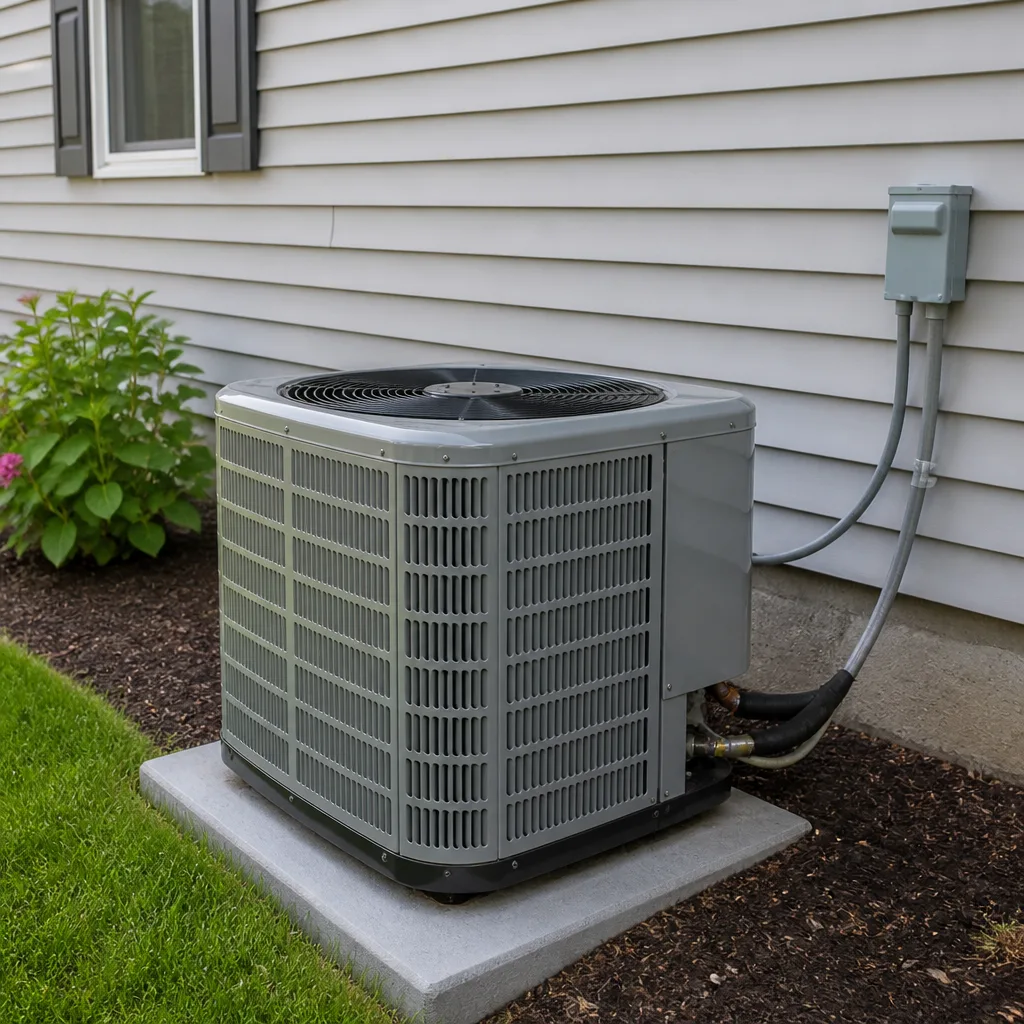 AC repair
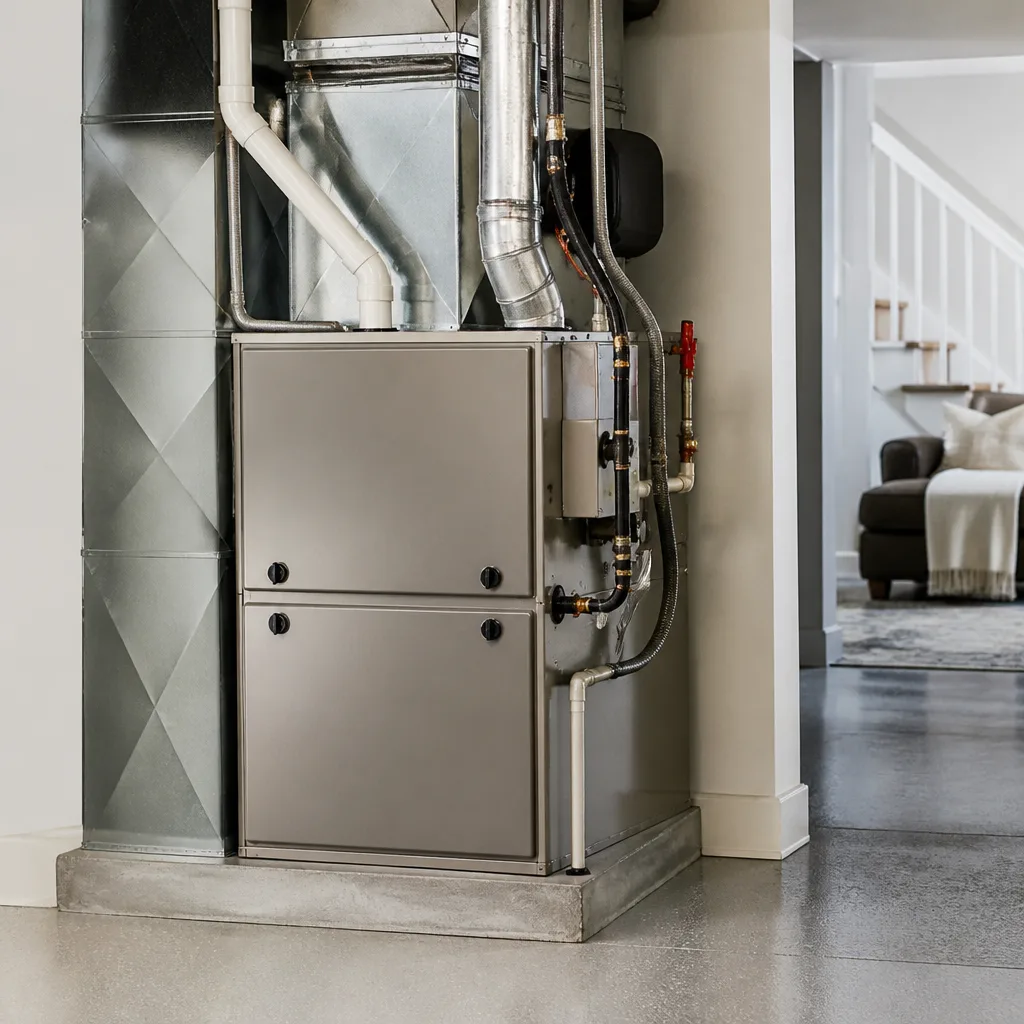 Furnace & heating
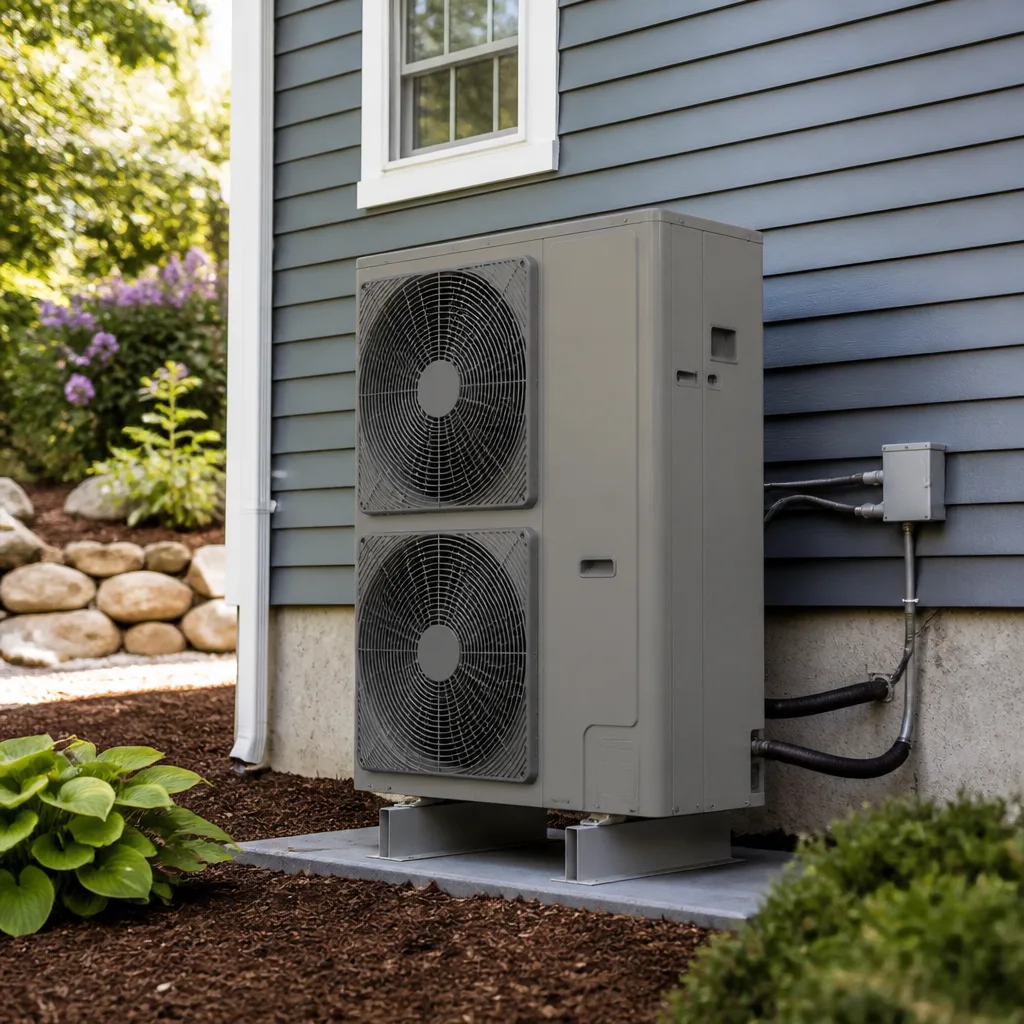 Heat pumps
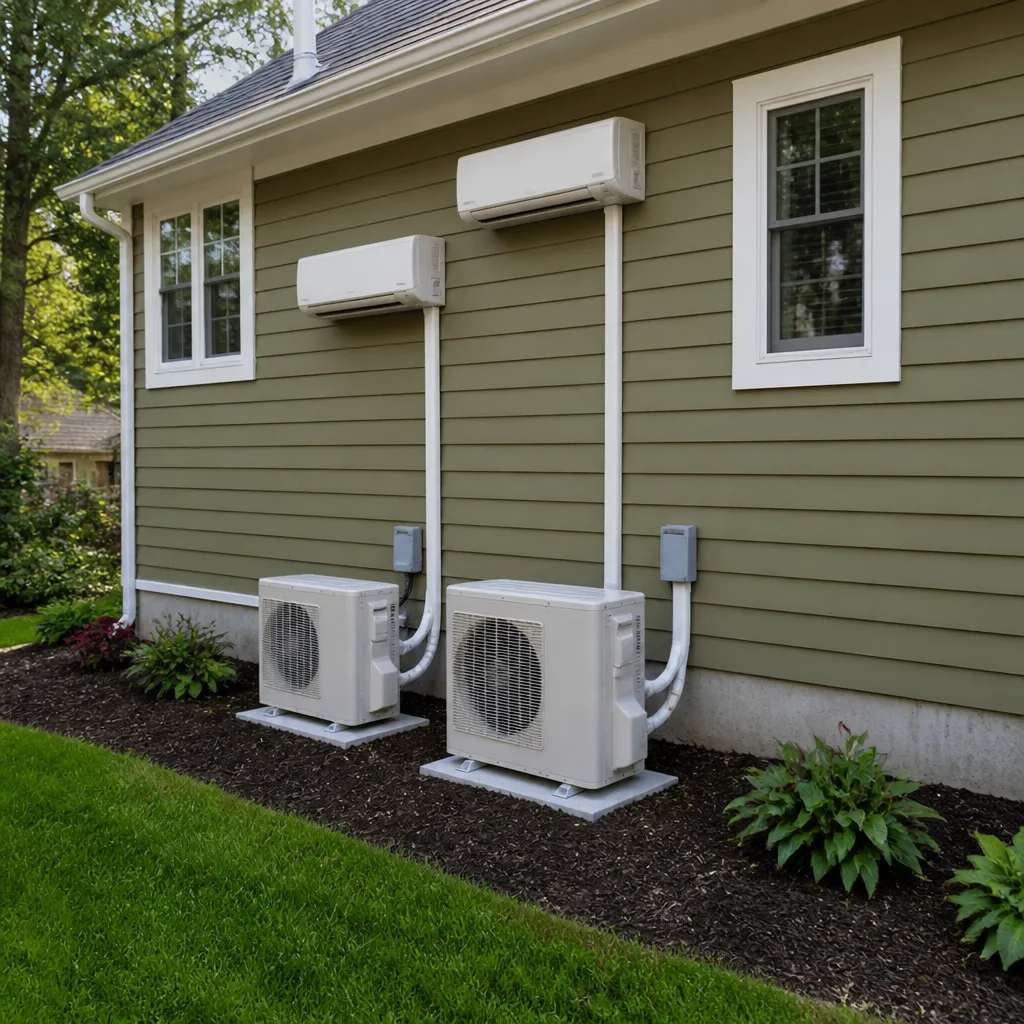 Ductless mini splits
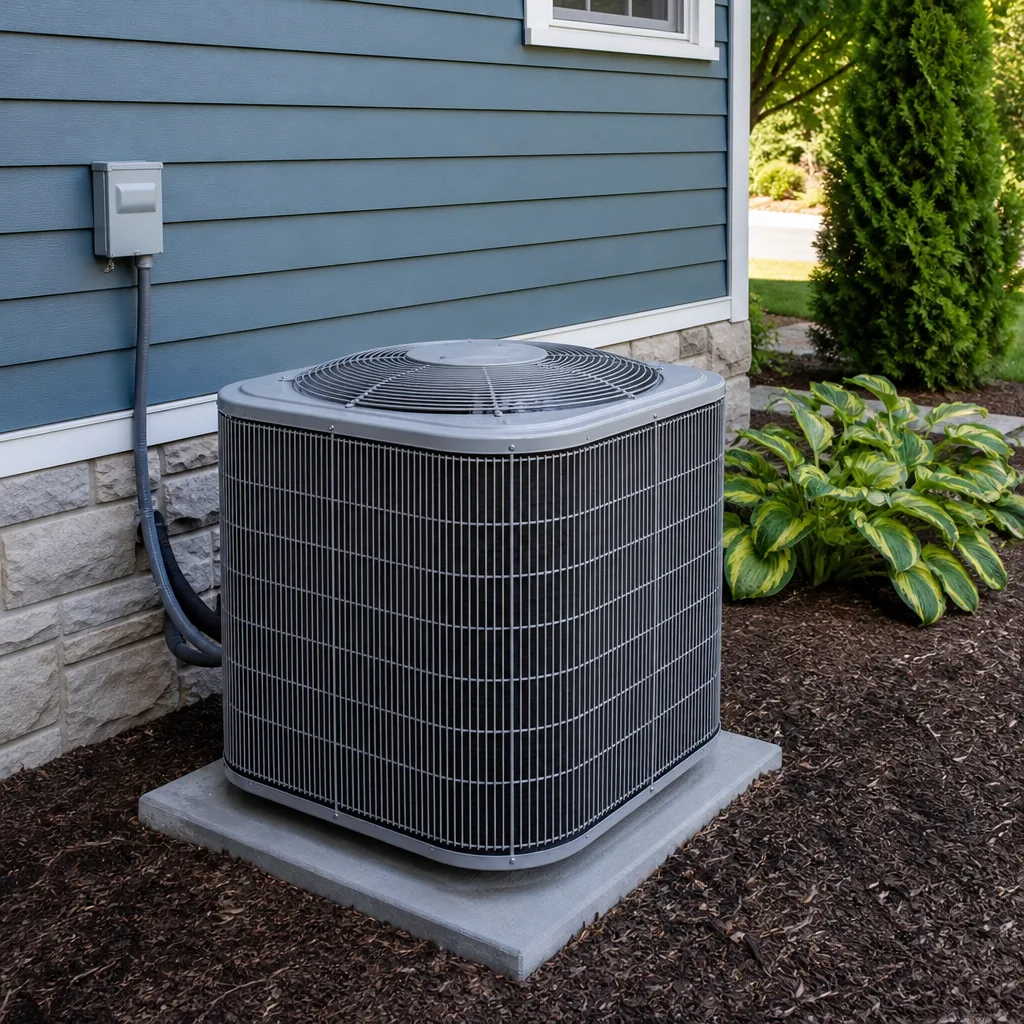 Carrier
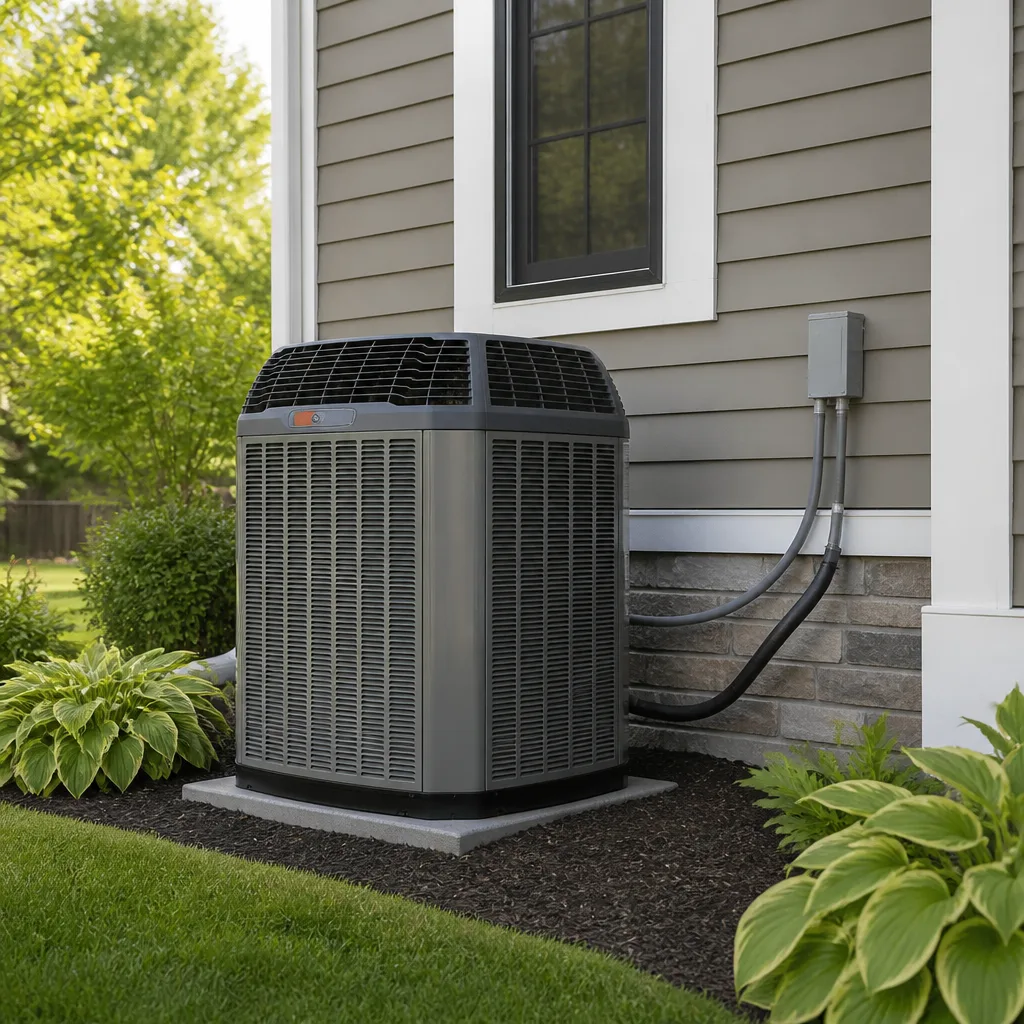 Trane
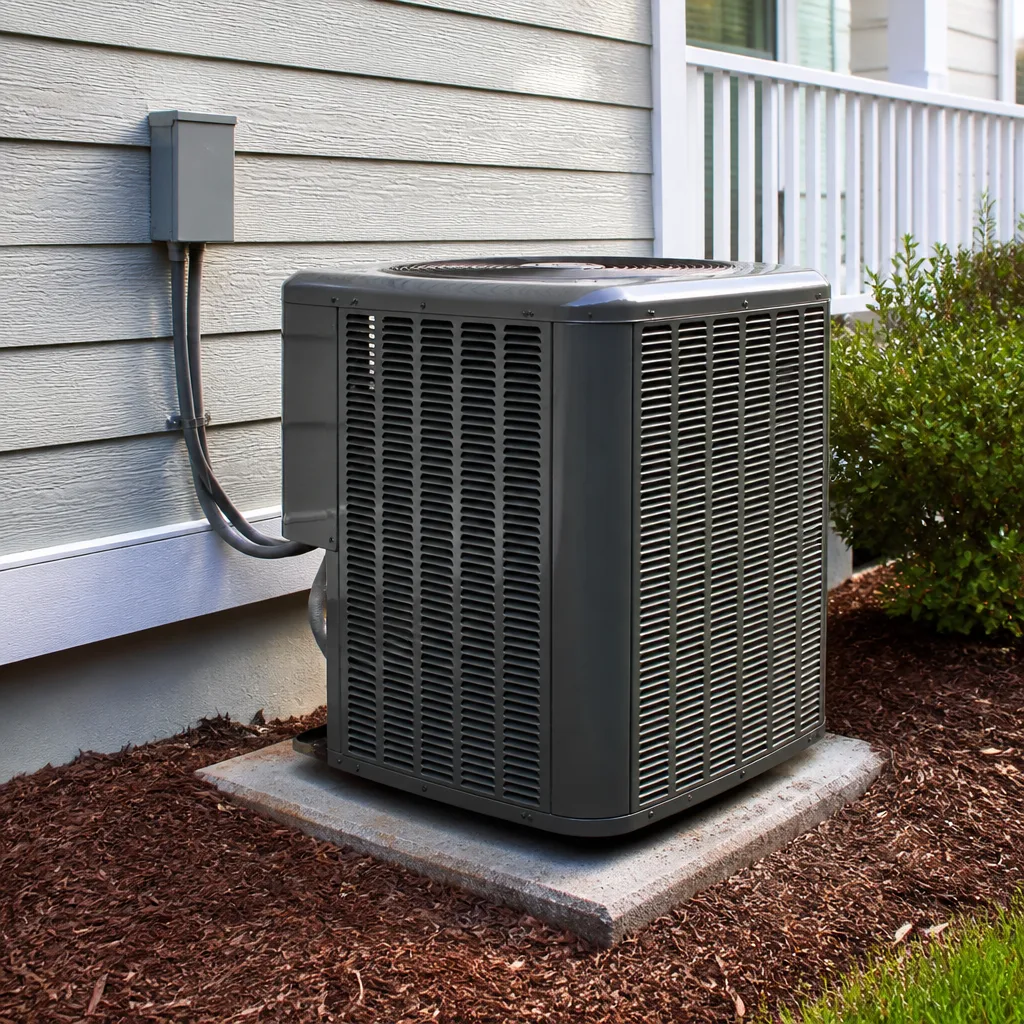 Goodman
Seasonal tune-up and full diagnostic on your Carrier, Trane, or Goodman system - readings shown to you before any repair is proposed
Diagnosis first, numbers second - you approve the repair price before a single part goes in.
Get your free estimateHVAC Warning Signs: A Sunrise Manor Homeowner’s Reference Guide
Short-cycling is the one most homeowners wave off, and it’s the one that costs the most. A system that runs four or five minutes, shuts off, then comes right back on isn’t being quirky. That pattern points to a refrigerant charge problem or an airflow restriction, and left alone it will cook your compressor inside a single Vegas summer. A new compressor runs $1,400 to $2,200. The diagnostic visit that catches it early runs $89. That gap is the whole reason this guide exists. Below, we’ve organized every warning sign by what you hear, see, smell, and feel, so you don’t need any technical background to read your own system in Sunrise Manor.
Quick Answer
The core warning signs of a failing HVAC system are short-cycling, grinding or screeching sounds, a musty or burning smell, rising electric bills in a month with steady use, and a house that won’t drop below 82 on a 110-degree day. Any one of these on its own is worth a service call; two or more together mean the system is already on its way to a breakdown. Catching them early is the difference between a repair and a replacement.
Styles & brands we work with
- AC repair
- Furnace & heating
- Heat pumps
- Ductless mini splits
- Carrier
- Trane
- Goodman
Table of Contents
- What Your System Is Telling You Through Sound
- What to Look For: The 15-Minute Outdoor Unit Check
- Smells That Mean Shut It Down Now vs. Call This Week
- What Rising Electric Bills Actually Tell You
- Why “It Seems Fine” Isn’t Fine on a 110-Degree Day
- Short-Cycling: The Sign Homeowners Miss Most
- Common Mistakes to Avoid
- When to Call a Professional
What Your System Is Telling You Through Sound
“Banging or rattling” is the lazy catch-all you’ll read on most sites. The truth is that each failing component has its own voice, and once you know which is which, you can tell us exactly what you’re hearing before we ever pull into the driveway. That saves time and, more to the point, it tells us what to bring.
Here’s how to sort the sounds:
- A hard clunk at startup, repeating every cycle. That’s often the contactor – the switch that fires the compressor – chattering or sticking. It’s a cheap part and an expensive thing to ignore, because a stuck contactor can short the compressor.
- A high-pitched squeal or screech while running. That’s usually the blower motor bearing or the indoor fan belt. It won’t fix itself and it gets louder before it stops.
- A low grinding rumble from the outdoor unit. Grinding points at the compressor itself or the fan motor. Shut it off and call.
- A gurgling or hissing from the refrigerant lines. That’s a charge problem – a leak in the line set or the coil. Hissing means you’re losing refrigerant right now.
In our experience across Sunrise Manor, the contactor chatter shows up most in July, when a system is running flat-out and the switch is cycling hard. If you hear it, don’t wait for it to “settle down.”
What to Look For: The 15-Minute Outdoor Unit Check
You can catch roughly 40% of developing problems with a fifteen-minute look at the outdoor unit, no tools and no technical background needed. Do this once a month from May through September. Do it in the morning before the sun cooks the pad, and not while the system is actively running.
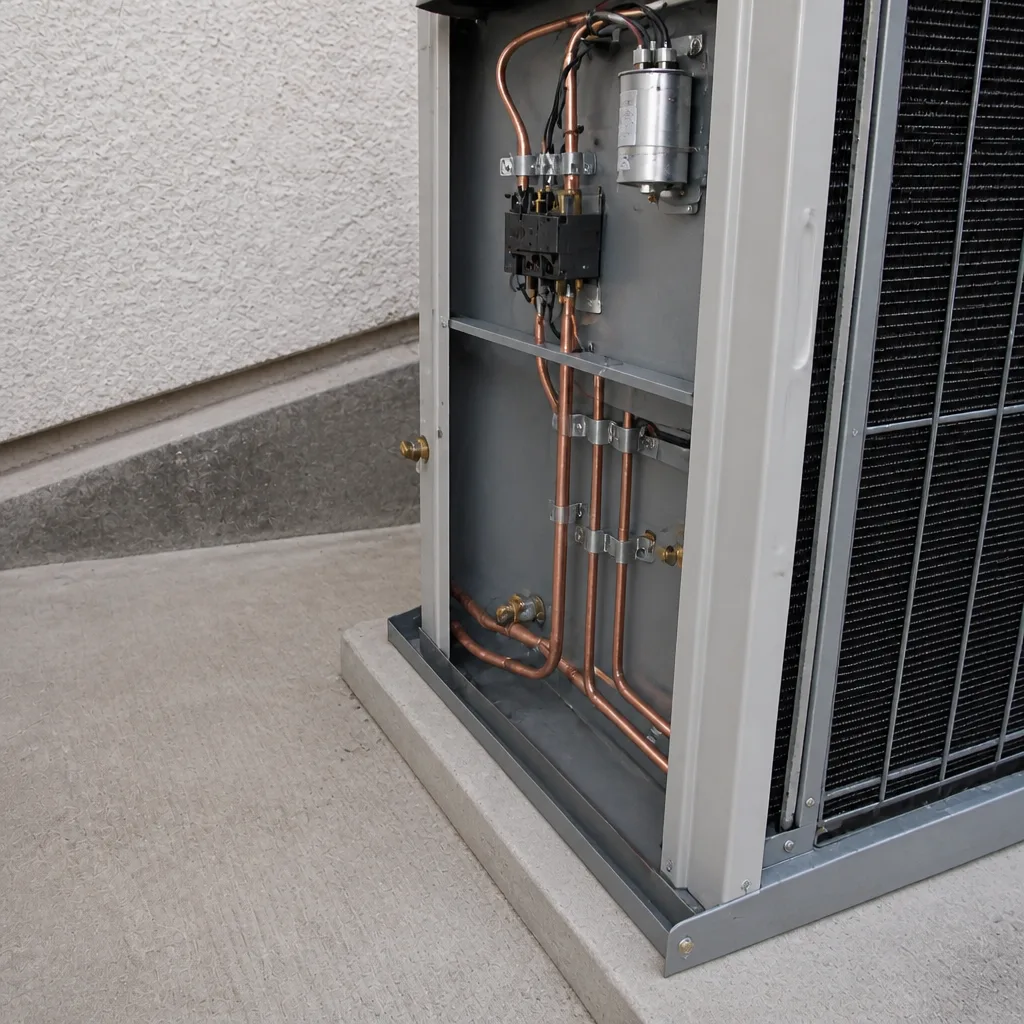
- Look at the pad and the coil. Is the condenser coil packed with cottonwood fluff, dust, or grass clippings? A dirty coil is the number one cause of a system that runs forever and never cools. If it looks fuzzy, it needs a rinse.
- Check the fan. With the unit off, spin the fan blade by hand. It should turn freely. If it feels stiff or wobbly, the motor bearing is going.
- Look at the refrigerant lines. The big insulated line should be cold and sweating. If it’s warm, or if you see frost on it, that’s a refrigerant problem.
- Look for oil stains or wet spots around the base and the copper connections. An oil stain often marks a refrigerant leak.
- Check the disconnect box for scorch marks, melted plastic, or a burning smell. That’s an electrical hazard – call us immediately.
- Clear the clearance. Two feet of open space around the unit, no weeds, no stored stuff leaning on it. A choked unit runs hot and dies young.
The cottonwood fluff is a real Sunrise Manor problem – it drifts off the trees and clogs coils fast in the spring. That’s a fifteen-minute rinse with a garden hose, not a service call.
Smells That Mean Shut It Down Now vs. Call This Week
Not every smell is an emergency, but two of them are, and getting this wrong is how people end up with real damage. Here’s the sort:
Shut it down and call immediately:
- Burning plastic or an acrid electrical smell. That’s a wire or a motor overheating. Cut the breaker at the panel and call. Don’t flip it back on to “see if it does it again.”
- A rotten-egg or gas smell near a gas furnace. That’s a gas leak. Get out of the house, don’t touch any switches, and call from outside – the gas company first, then us.
Call this week:
- A musty, wet-dishrag smell from the vents. That’s a mold or mildew problem in the ductwork or the drain pan. It’s not going to burn the house down, but it’s a health issue and it gets worse.
- A sweet, chemical smell. Often a refrigerant leak. Worth a call before it becomes a compressor.
- A faint dusty smell on the first run of the season. Usually harmless – dust burning off the heat exchanger. If it lasts more than a day, call.
We’ve walked into Sunrise Manor homes where the “weird smell” had been going for two weeks. By then the drain pan was soaked and the ductwork needed a real cleaning.
What Rising Electric Bills Actually Tell You
Your electric bill is the most honest diagnostic tool you own, if you read it right. The trick is comparing the same month year over year, not one month to the next. A July bill is always higher than a March bill. What you’re looking for is a July-to-July jump with no change in your habits.
Here’s what a jump of 15% to 25% in a consistent-use month usually means:
- A refrigerant charge that’s drifted low. The system runs longer to move the same heat, and the meter spins faster.
- A dirty condenser coil or a clogged filter. Same effect – the system works harder for less cooling.
- A failing blower motor or a capacitor that’s weakened. A weak capacitor makes the compressor work harder on every startup.
We test the capacitor before anyone says the word “compressor.” Nine times out of ten, a system that’s “running but not cooling well” has a weak capacitor or a low charge, not a dead compressor. A capacitor is a $150 to $250 repair. A compressor is $1,400 to $2,200. That’s the difference a conversation saves you.
If your bill jumped and you haven’t changed anything, pull the last twelve months of bills and call us before you sign anything with a company that showed up uninvited.
Why “It Seems Fine” Isn’t Fine on a 110-Degree Day
This is the one that tricks the most people. On a mild 95-degree day, a system with a 20% efficiency loss still keeps the house at 72. Everyone’s happy. Then the first real 110-degree day hits, and the house sits at 84 by four in the afternoon. The homeowner thinks the system “failed suddenly.” It didn’t. It’s been failing slowly for two seasons, and the heat wave just exposed it.
The test is simple. Set the thermostat to a number you know the system used to hit, and watch what happens on a hot afternoon:
- The house holds the setpoint through the hottest part of the day. The system is doing its job.
- The system runs nonstop and the house slips 2 to 4 degrees above setpoint. That’s a young efficiency problem – fixable with a charge and a cleaning.
- The system runs nonstop and the house sits 82 or higher. That’s a real problem. It could be a low charge, a bad blower, or a system that’s simply undersized for the house.
- The supply vents blow air that’s barely cool. That points at the refrigerant circuit or the indoor coil.
Sunrise Manor sits in the valley where afternoon temps climb past 110 regularly, and that heat is a stress test every system has to pass. A system that “seems fine” at 95 is a system you haven’t pushed yet. If your house can’t get below 82 on a 110-degree day, that’s a service call, not a wait-and-see.
Short-Cycling: The Sign Homeowners Miss Most
Short-cycling is a system that runs for four or five minutes, shuts off, then comes right back on. It’s easy to miss because it can look like nothing from inside the house. The room gets a little cool, the fan stops, then it starts again. Most homeowners shrug it off.
It’s the one you should watch for hardest. Short-cycling usually means one of two things:
- A refrigerant charge that’s low. The system hits its low-pressure limit and shuts off to protect the compressor, then tries again a few minutes later. It’ll do that all afternoon.
- An airflow restriction. A clogged filter, a blocked return, or a failing blower. The system overheats and shuts down on a safety.
Either way, every short cycle is a hard start on a compressor that wasn’t built for hard starts. Left alone, short-cycling will burn out a compressor inside of one summer. We’ve seen it in Sunrise Manor more than once – a homeowner calls in October about “no heat,” and we find a compressor that cooked in July.
The fix is usually a diagnostic visit: readings first, numbers second. We test the capacitor, check the charge, check the airflow, and tell you what the readings say. If you catch it early, it’s a repair – a charge, a filter, a capacitor. If you wait, it’s a compressor.
Common Mistakes to Avoid
- Waiting for a “bigger” sign. Short-cycling and a 15% bill jump are the bigger signs. The “bigger” sign people wait for is a dead system in July, which costs three to four times as much.
- Flipping the breaker back on to “test” it. If a breaker on the outdoor unit tripped, something is wrong. Flip it back and it’ll trip again – or worse, it won’t, and now the motor is frying. Call us.
- Hosing down the outdoor unit with the power on. The condenser coil, yes. The electrical panel and the disconnect, never. Cut the power at the breaker first.
- Calling a national company because the ad was the first one you saw. We’ve been to homes in Sunrise Manor where the previous company quoted one price on the phone and another at the door. Ask for the readings before you sign anything – a real company will show you the numbers.
- Ignoring a musty smell because “it’s just the desert.” Sunrise Manor is dry, but a leaking drain pan makes its own humidity. A musty smell from the vents is a mold problem, not the weather.
- Skipping the filter. A clogged filter is the cheapest warning sign you’ll ever fix and the most common cause of airflow problems we see.
- Assuming a new system won’t need attention. New isn’t permanent. A Rheem, York, or Daikin system still needs a check-up once a season and a filter every month or two. New systems fail too – we’ve seen it.
When to Call a Professional
Some things you can handle yourself: a filter, a rinse on the coil, clearing debris from around the pad. Everything else on this page is a call. Burning smells, gas smells, short-cycling, a compressor that won’t start, a contactor that chatters, a compressor that’s grinding – those all get a trained technician, not a Saturday project. High-voltage components and refrigerant circuits aren’t a homeowner repair, and a wrong turn there can injure you or void a warranty.
If you’re on the fence, the smart move is a diagnostic. We’ll take readings, show you the numbers, and tell you honestly whether it’s a repair, a watch item, or something that needs to go on the schedule. Ray’s Heating & Air Sunrise Manor home offers free estimates in Sunrise Manor – call (877) 311-5951. No trip charge inside the county, and no surprise.
See the difference
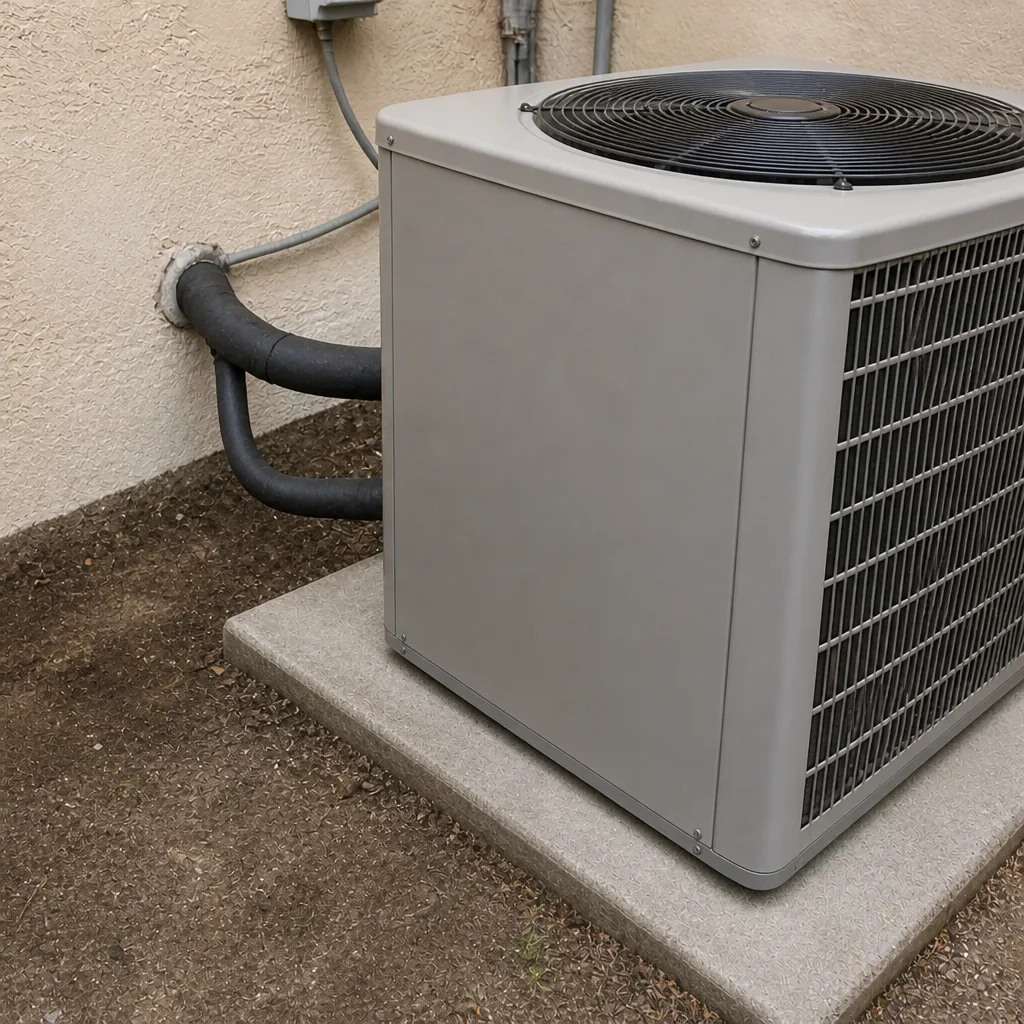
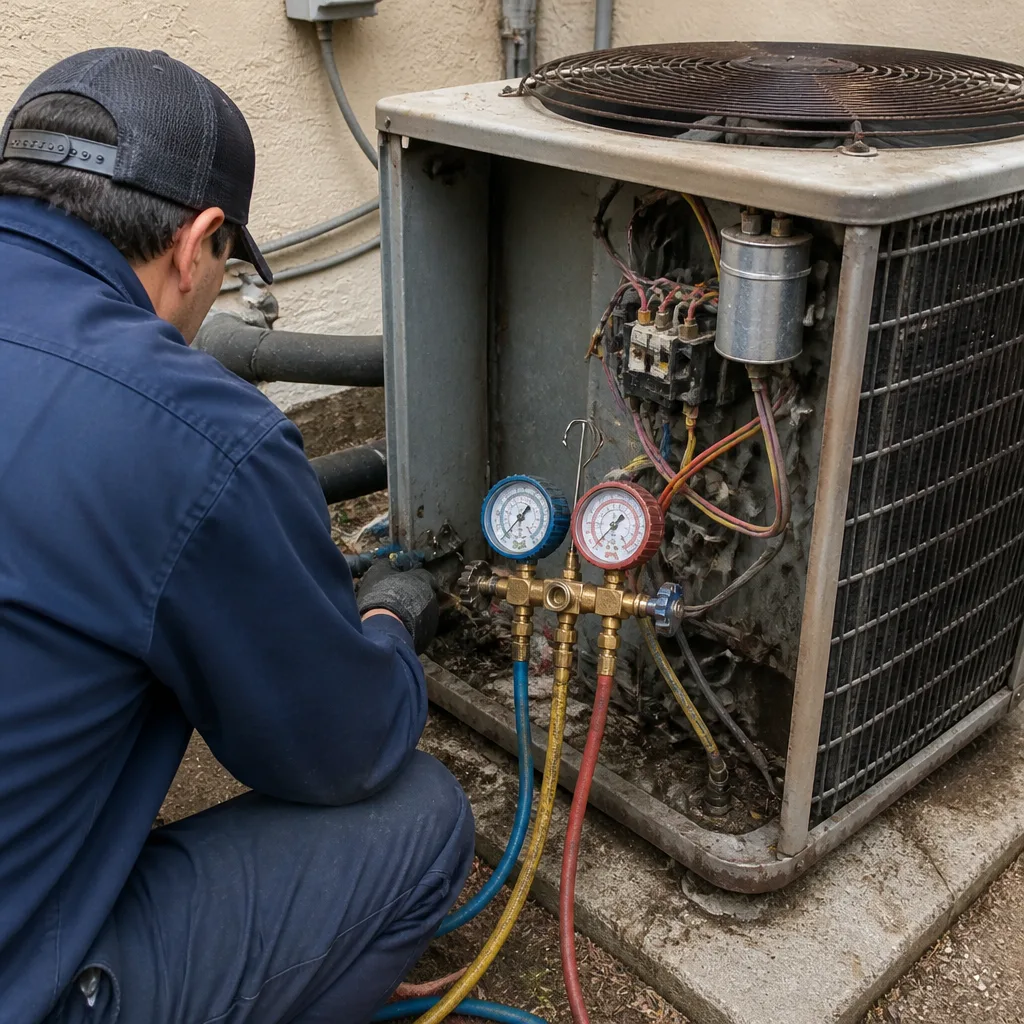 Before
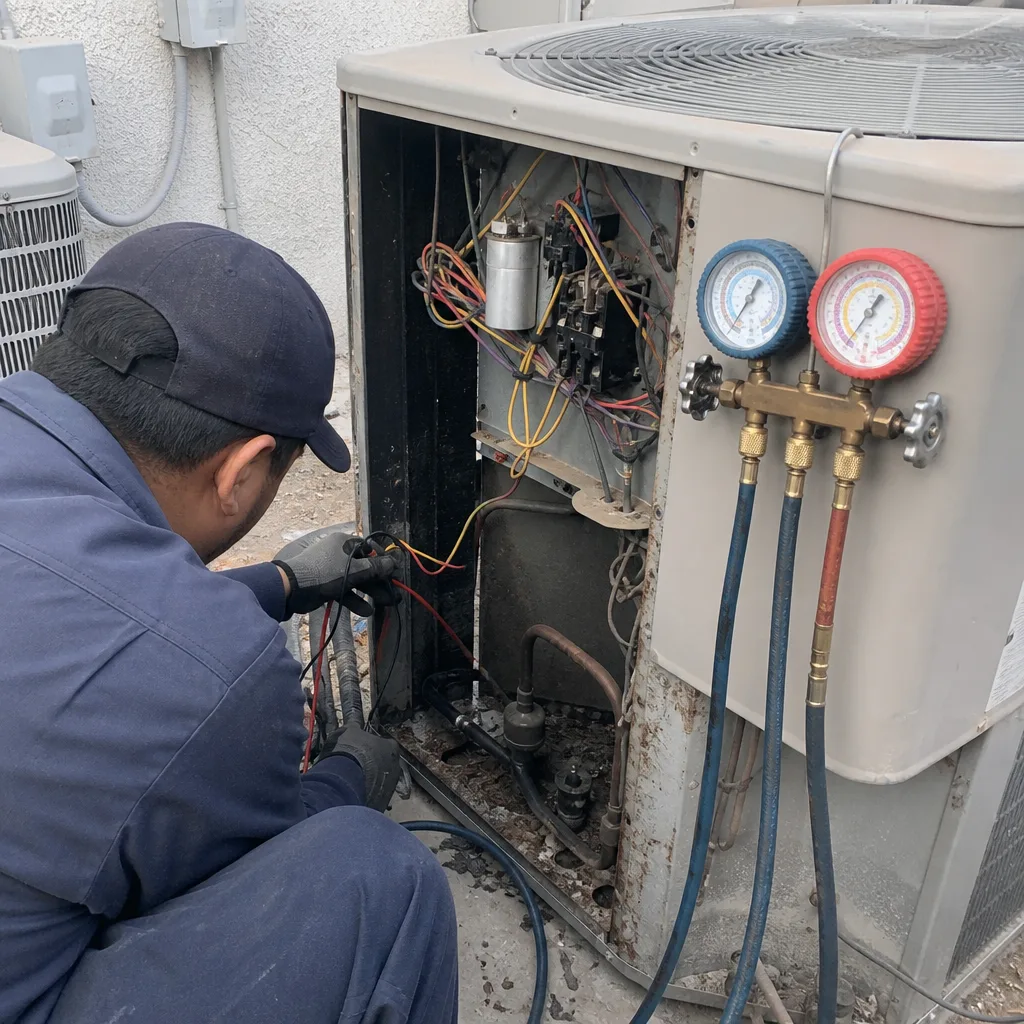
 After
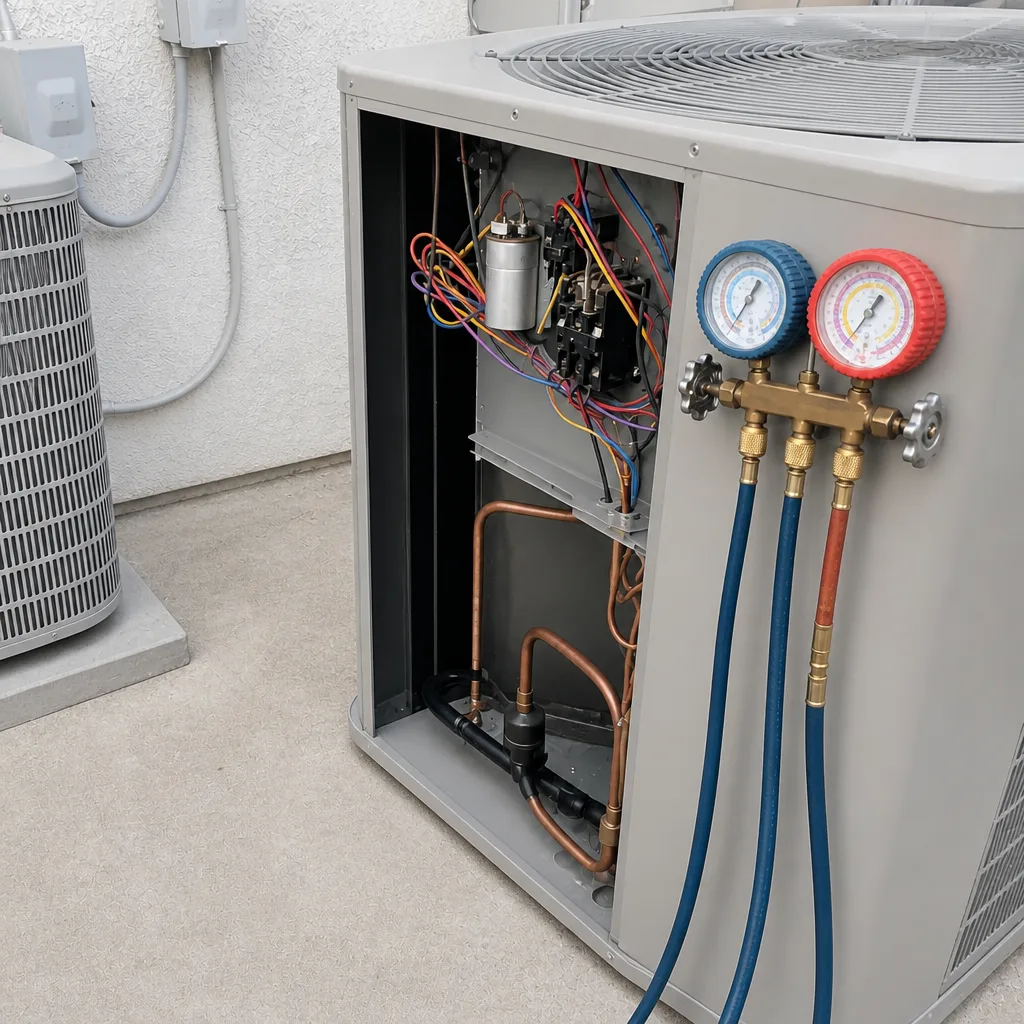
 Before
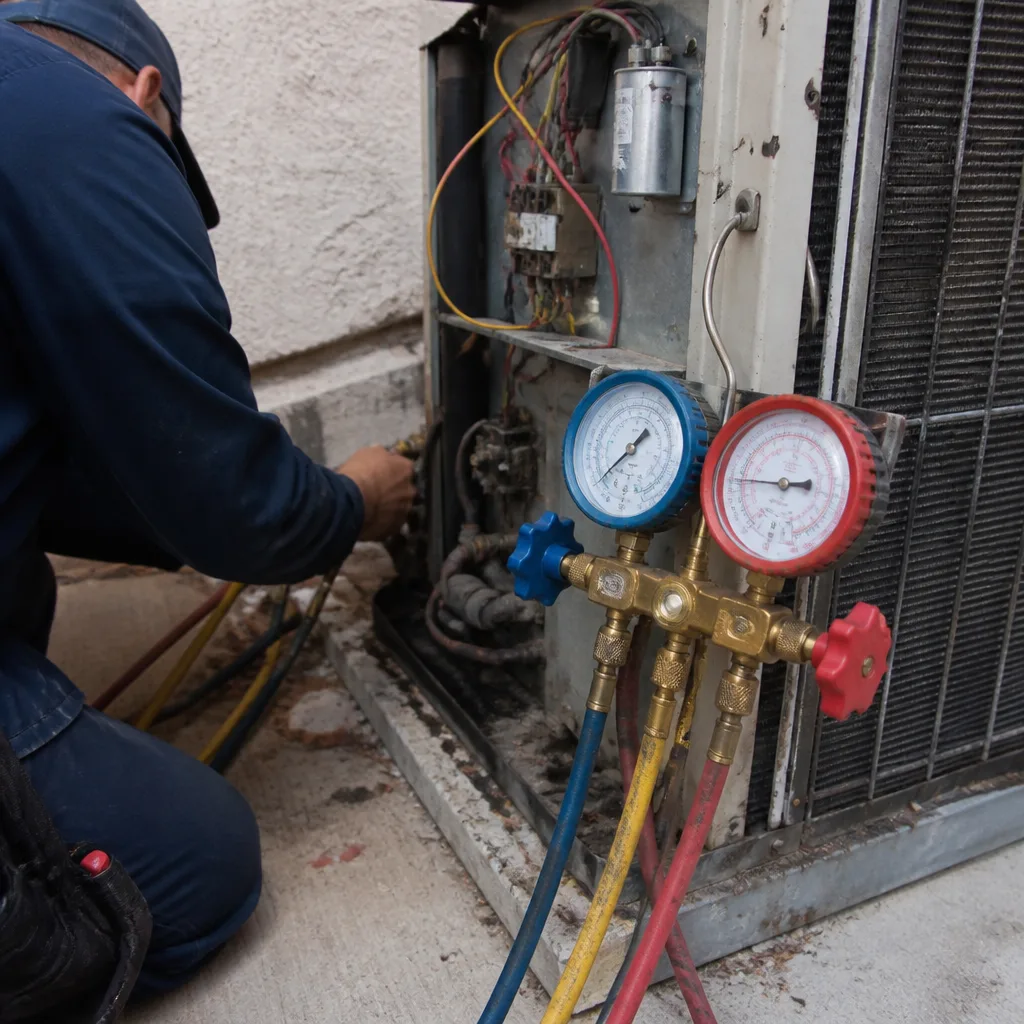
 After
 Before
 After
Frequently Asked Questions
Short-cycling – a system that runs a few minutes, shuts off, and comes right back on. It’s easy to miss because the house still gets cool, but it’s a refrigerant or airflow problem that will burn out a compressor inside of a summer. Call us for a diagnostic if you notice it.
Age isn’t the tell – the readings are. A ten-year-old system with good readings and a clean coil can outlast a six-year-old one that’s been short-cycling for two summers. We check the capacitor, the charge, and the airflow before anyone recommends replacement. Call (877) 311-5951 for an exact quote – estimates are free.
Not a fire hazard, but yes, it’s a health issue worth handling. A musty smell usually means mold or mildew in the ductwork or the drain pan, and it gets worse over time. It’s a “call this week,” not a “call now.” Call us to take a look.
If your habits haven’t changed and the month ran consistently, a 15% to 25% jump is often a low refrigerant charge, a dirty coil, or a weak capacitor. We test the cheap stuff first – the capacitor before the compressor. Call (877) 311-5951 to schedule a diagnostic.
Repair it first, almost always. Short-cycling is usually a charge, filter, or capacitor problem, and those are repairs you can make. Replacement comes into play when the compressor itself is failing or the system is undersized for the house. The diagnostic visit tells you which one you’re looking at – call us for a free second opinion on any written estimate.
Yes – we answer the phone live, around the clock, and same-day diagnostic visits are the standard when we can fit them. A no-cooling call on a 110-degree day gets priority. Call (877) 311-5951 and we’ll tell you the soonest we can be there.
The Bottom Line
Your system almost never fails without warning. It gives you three to six signals over weeks or months – a sound, a smell, a bill jump, a house that won’t cool – and the homeowners who act on the early signals spend a fraction of what the ones who wait until total failure pay. The signals are all in this guide: short-cycling, contactor chatter, grinding, a musty smell, a 20% bill jump, a house stuck at 82 on a hot day. If you’re seeing any of them in your Sunrise Manor home, don’t wait for it to get worse. Every job carries the 90-Day Done Right Promise, and a real person answers the phone when you call. For a free estimate or a second opinion on a written estimate, call (877) 311-5951 – Ray’s Heating & Air Sunrise Manor is ready to take a look.
When you’re ready to sit down with the numbers on a repair, a AC repair & installation in Sunrise Manor visit is the right place to start. If the problem turns out to be on the heating side, heating & furnace service in Sunrise Manor covers the furnace and the gas side. For heat pump and ductless work, heat pump & mini split in Sunrise Manor is the page to read.
Written by the team at Ray’s Heating & Air Sunrise Manor.