
Last updated November 18, 2026
 AC repair
 Furnace & heating
 Heat pumps
 Ductless mini splits
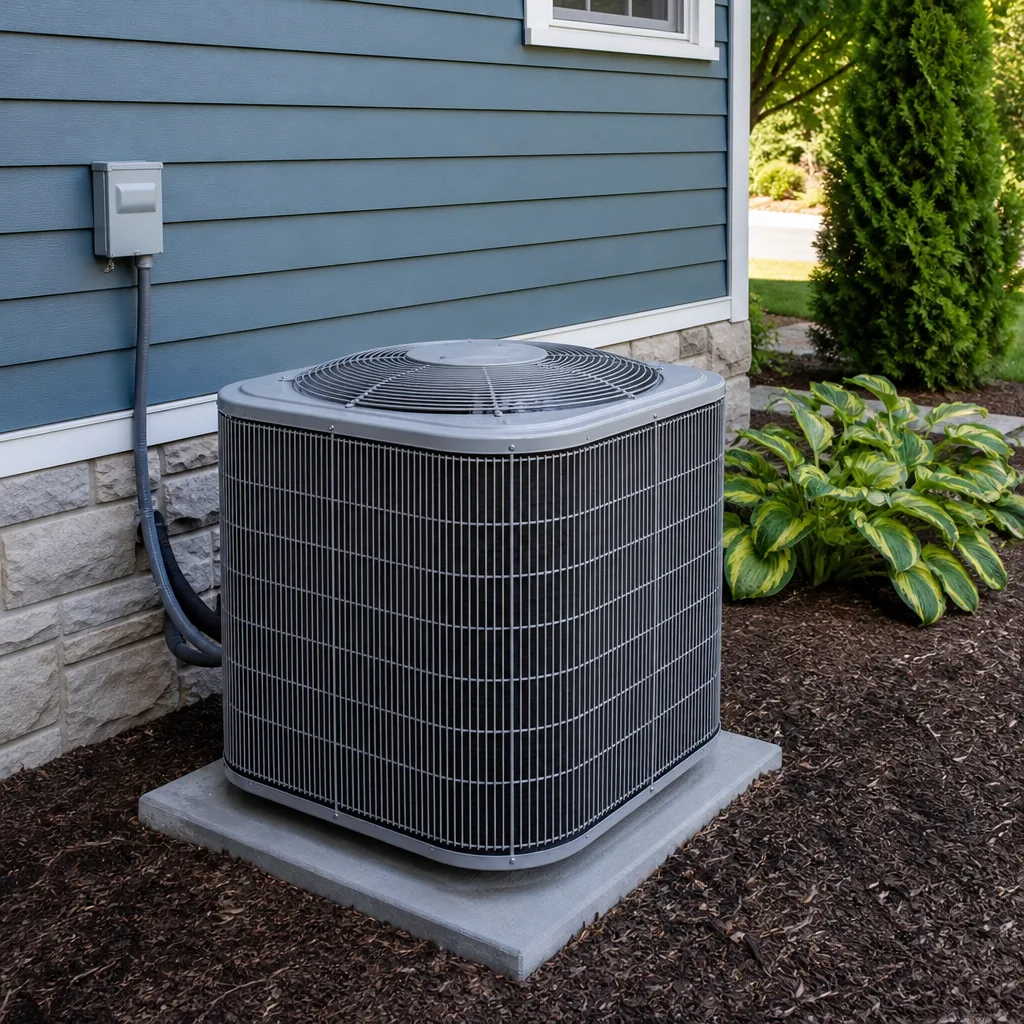 Carrier
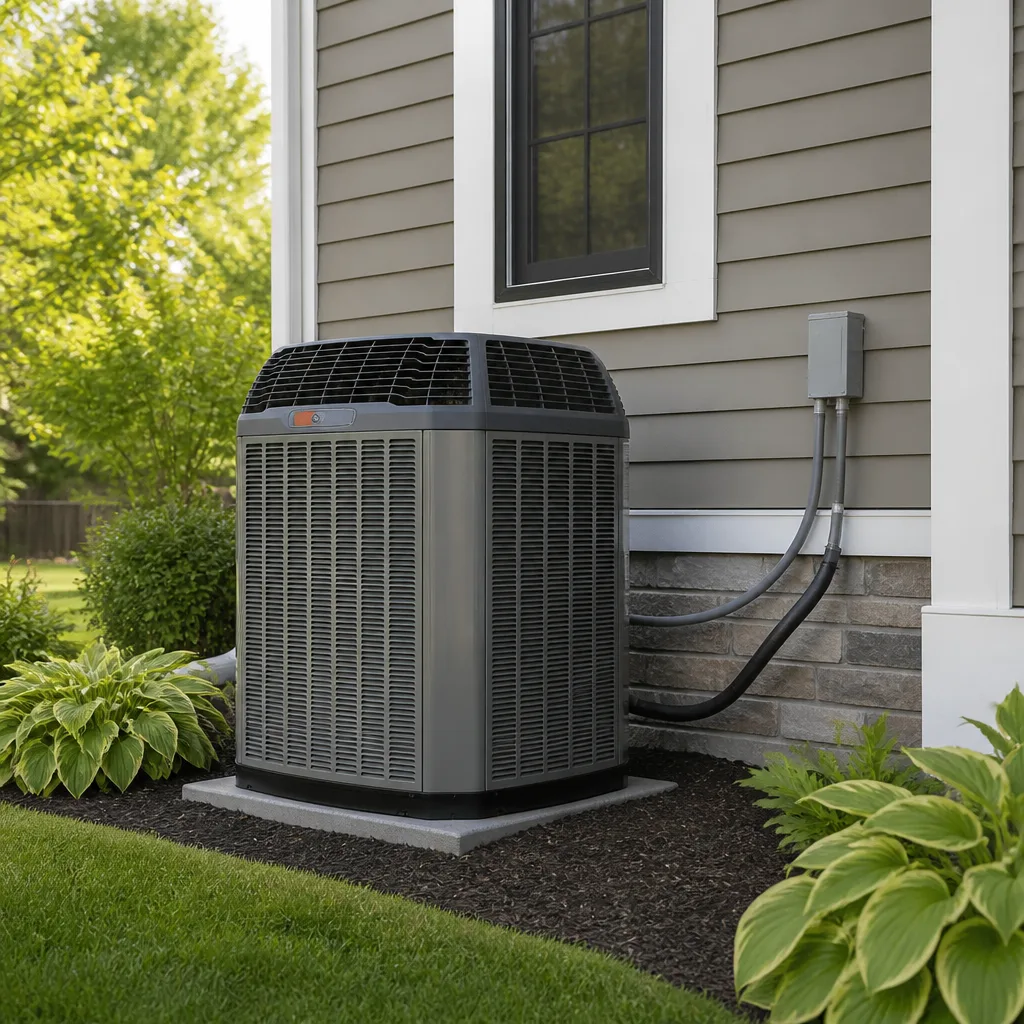 Trane
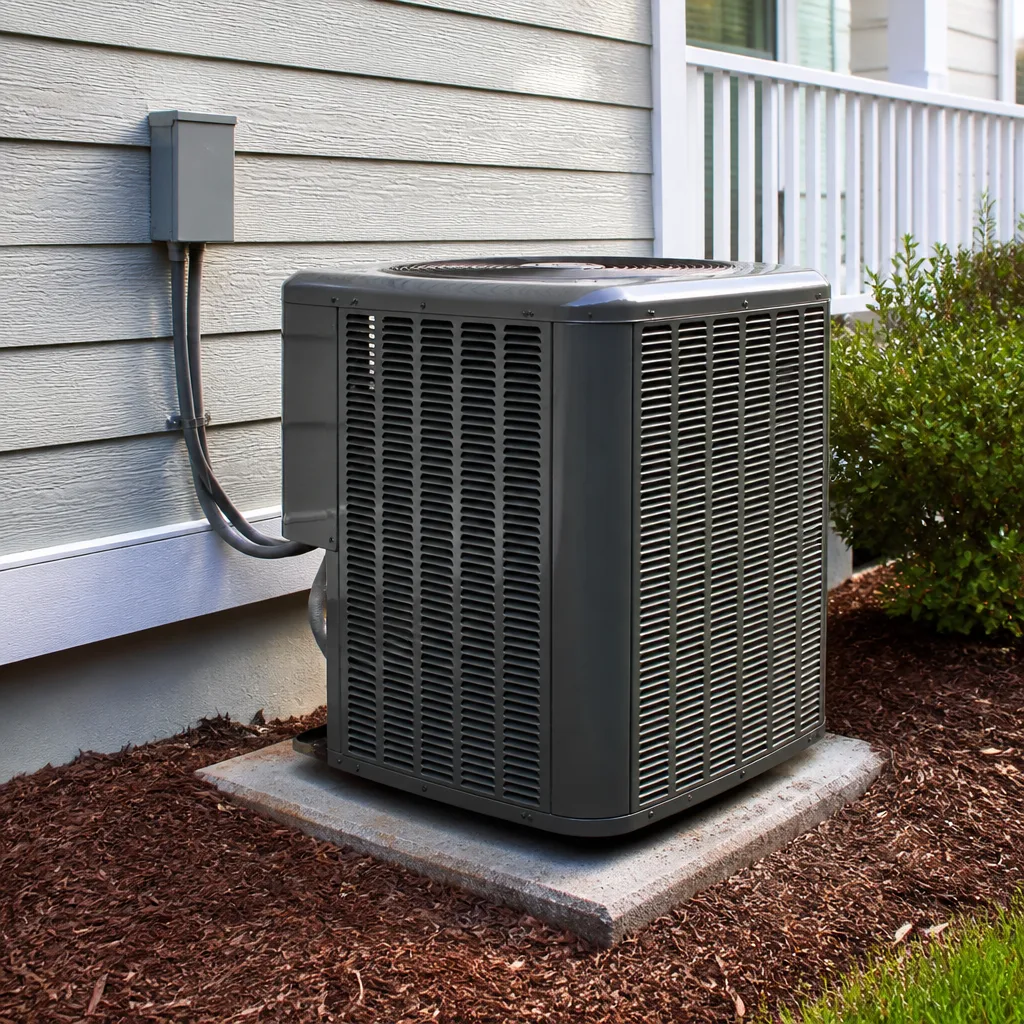 Goodman
Seasonal tune-up and full diagnostic on your Carrier, Trane, or Goodman system - readings shown to you before any repair is proposed
Diagnosis first, numbers second - you approve the repair price before a single part goes in.
Get your free estimateHVAC Permits, Codes & Inspections in NV: What You Need to Know
If a contractor tells you “we don’t need a permit for a straight swap” on a full system replacement in Clark County, they are wrong or lying. Either way, you’re the one holding the liability when escrow opens on your home sale. We’ve watched this play out more than once in Sunrise Manor: a homeowner saves a few hundred dollars on a permit, then loses a weekend and real money untangling it five years later. This guide covers exactly which jobs need a permit, what the inspection actually checks, how unpermitted work surfaces during a sale or an insurance claim, and how to pull the record yourself once the job is done. By the end, you’ll know what your contractor should be filing for and why it protects you, not the county.
Quick Answer
In Clark County, any HVAC work that replaces or alters equipment, refrigerant lines, electrical connections, or ductwork requires a permit and inspection under the Nevada building code. Genuine straight filter-and-thermostat maintenance does not. A passed inspection is the only proof your new system was installed to code and that your home sale or insurance claim won’t trip over it. Everything below is the long version.
Styles & brands we work with
- AC repair
- Furnace & heating
- Heat pumps
- Ductless mini splits
- Carrier
- Trane
- Goodman
Table of Contents
- Which HVAC jobs in Clark County actually need a permit
- What the inspection checks and why it’s worth more than a promise
- How unpermitted HVAC work shows up when you sell your home
- Nevada Energy Code and SEER2: how to verify your new unit meets it
- How to pull the permit record yourself
- Why this matters more in Sunrise Manor than most people think
- Common mistakes to avoid
Which HVAC Jobs in Clark County Actually Need a Permit
No hedging: if the job touches the gas line, the refrigerant circuit, the electrical supply, or the ductwork, it needs a permit in Clark County. That’s the line, and it’s not close to a gray area. A full system replacement, a new heat pump, a mini-split install, a furnace changeout, a duct redesign: all of these are permitted work under the county building code. The energy code has tightened too, and since 2023 the minimum efficiency standards (SEER2) have made a simple swap less “simple” than it used to be.
Here’s the breakdown that actually matters:
- Requires a permit: replacing a condenser or air handler, installing a new furnace, adding or relocating ductwork, installing a mini-split, running a new refrigerant line, upgrading the electrical disconnect, any work involving the gas line.
- Usually doesn’t require a permit: replacing a thermostat with the same wiring, swapping a filter, cleaning coils, minor electrical part replacements like a capacitor or contractor contactor that don’t change the circuit.
- Depends on scope: a full duct cleaning without modification usually doesn’t need a permit; any duct repair that alters the size or routing does.
Notice the pattern. If the work changes the physical system or its electrical load, the county wants to see it. In our experience, the biggest confusion comes from contractors who call a full system replacement a “straight swap.” There is no such thing in code terms. A 3-ton Carrier unit going in where a 2.5-ton Trane used to sit is a change to the system, the load, and the electrical draw. That’s a permitted job. We’ve seen it called in as a swap in Sunrise Manor more than once, and it never ends well for the homeowner.
What the Inspection Actually Checks and Why It’s Worth More Than a Verbal Assurance
A passed inspection is a written record from a third party that your system was installed to code on the day it was installed. A contractor’s word is not. That distinction matters most when you’re not the person reading the equipment label. Here’s what a Clark County mechanical inspector typically looks at:
- Equipment match and efficiency. The condenser, air handler, and coil have to be matched and rated to the SEER2 minimum for your climate zone. That label gets photographed.
- Electrical. Proper disconnect, correct wire gauge for the load, grounded, bonded, and labeled. A lot of “budget” installs fail here.
- Refrigerant lines and charge. Line size, insulation, and charge verification. This is where corners get cut when nobody’s checking.
- Condensate management. Drain line slope, trap, and termination. In Sunrise Manor’s dry heat, a bad drain is a slow leak that rots a ceiling frame over a year.
- Combustion and venting (gas furnaces). Flue connections, clearances, and gas piping. This is a safety check, not a formality.
- Ductwork. Sealing, support, and return air routing. Poor ductwork is the single biggest cause of a “new” system that still doesn’t keep up.
- Permit placard and final sign-off. The inspector stamps the job and the record is filed under your property address.
When you buy a new system for your home in Sunrise Manor, you’re buying a machine and a paper trail. The inspection is the paper. We’ve had more than a few homeowners call us for a second opinion after a cheap install, only to find the disconnect wired undersized and the line set kinked. A passed inspection is cheap insurance against that. Call (877) 311-5951 if you want a free second opinion on any written estimate before the work starts.
How Unpermitted HVAC Work Shows Up When You Sell Your Home
This is the part nobody thinks about until it’s too late. Unpermitted HVAC work follows the property, not the contractor. When you sell a house in Clark County, the appraiser, the buyer’s inspector, and the title company all look at the county records. If a new 3-ton system was installed in 2021 and there’s no permit on file, the buyer’s agent notices. Then the questions start.
Here’s the sequence we’ve watched happen:
- The buyer’s home inspector notes a newer condenser with no permit record.
- The buyer’s agent asks for documentation. You call the installer and get a voicemail.
- The title company will not clear the sale until the discrepancy is resolved, or the buyer escalates it into an escrow repair credit.
- You either pay for a retroactive permit and a code-correction inspection, or you credit the buyer, usually for more than the original install cost.
A retroactive permit is not the same as a permit pulled before the work. The county can require exposed work, meaning the inspector may want to see the electrical and refrigerant connections opened up. In our experience, remediating a skipped permit on a Sunrise Manor system costs between roughly $700 and $1,800 once you add the permit, the inspection, and any corrections. Doing it right the first time is a few hundred dollars. The math is not subtle. If you have a buyer in the wings and a system installed without a paper trail, call us at (877) 311-5951 and we can help you figure out what the county will want to see.
Nevada Energy Code and SEER2: How to Verify Your New Unit Meets It
Since January 2023, new residential HVAC equipment in Nevada has to meet the SEER2 (Seasonal Energy Efficiency Ratio 2) minimum, which is tested using a more realistic procedure than the old SEER rating. In Clark County’s climate zone, that means a new split system has to hit at least 14.3 SEER2, and heat pumps have their own minimum under the federal standard. The number looks small on paper, but a unit that misses it will fail inspection, and the contractor who installed it either knows that or doesn’t.
You can verify the number yourself. Here’s how:
- Ask for the AHRI certificate on the equipment being installed. Every qualifying system has one, and it lists the exact model numbers, capacity, and efficiency rating.
- Check the yellow EnergyGuide sticker on the condenser and the air handler. The SEER2 number appears there.
- Match the model numbers on the certificate to the model numbers on the equipment that actually gets delivered to your house. In our experience, this is where mismatches show up.
- Ask the installer to write the AHRI number on the permit application. A permit that lists the wrong equipment will fail the efficiency check.
A common issue in Sunrise Manor is a contractor quoting a Trane or American Standard unit and installing a lower-tier model with a similar name. They look the same from the street. The efficiency rating is not the same, and the county inspector checks. If your quote doesn’t list the specific model number, ask for it in writing before you sign. Our AC repair and installation in Sunrise Manor page carries that same advice and a lot of other local install guidance.
How to Pull the Permit Record Yourself
You don’t have to take anyone’s word for it. Clark County publishes its permit records through the county’s online permit portal, and you can search by address. Here’s the step-by-step:
- Go to the Clark County Department of Building & Fire Prevention permit search page.
- Enter your property address, no unit number. Use the street address as it appears on your tax bill.
- Search by permit type: “Mechanical” or “HVAC.” You’ll see any open, finaled, or expired permits tied to your address.
- Click the permit number to see the inspection history, the contractor of record, and the final inspection date.
- Take a screenshot of the final inspected permit and save it with your home records. You’ll need it if you ever sell.
If the record is there and it’s finaled, you’re covered. If it’s there but still open after 90 days, the contractor never finished the job, and that’s a phone call you should make. If there’s no record at all and you know a system was replaced, you have a problem to solve now rather than at escrow. We’ve fielded a lot of these calls from Sunrise Manor homeowners, and the pattern is almost always a contractor who was in a hurry or a homeowner who was told a permit “wasn’t needed.” Our heating and furnace page walks through what the gas-side permits cover, which is the part most people miss.
Why This Matters More in Sunrise Manor Than Most People Think
Sunrise Manor sees a lot of system replacement. The housing stock is older, the summers run above 110°F for weeks, and air conditioners here work harder than they do almost anywhere in the country. That means systems get replaced more often, which means more permit opportunities for someone to cut a corner. We’ve seen attics in Sunrise Manor where the original install was done in the 1980s with no record at all, and the next generation of equipment is stacked on top of it.
There’s a second reason. The neighborhoods here see a lot of real estate turnover, and Sunrise Manor buyers and their agents have gotten sharper about permit records. A missing HVAC permit on a house with a newer condenser is one of the first things an appraiser flags. It’s also an easy negotiating chip for a buyer. Our heat pump and mini-split page covers the permit side of those installs specifically, since mini-splits bring their own electrical and refrigerant scope. If you’re in the middle of a sale, or thinking about one, our Ray’s Heating & Air Sunrise Manor home page is the fastest way to reach us with a question about a specific address.
Common Mistakes to Avoid
- Believing “we don’t need a permit for a straight swap.” In Clark County, a full system replacement is a permitted job. A contractor who says otherwise is either wrong about the code or hoping you won’t check.
- Not asking for the AHRI certificate up front. It’s the only way to confirm the equipment quoted meets the SEER2 minimum before you sign, and it’s the first thing the inspector checks.
- Letting the contractor “handle the paperwork” with no follow-up. Pull the record yourself after the job and confirm the final inspection is signed off. An open permit is worse than no permit because it tells the county you knew.
- Assuming a permit means a good install. Inspectors check code compliance, not airflow or comfort. A passed inspection is necessary, not sufficient. Get the manual J load calculation in writing too.
- Paying cash to keep the price down and skipping the paper trail. In our experience, the price difference is a few hundred dollars and the escrow credit on the other side is often $1,500 or more. Do the math before you agree.
- Reusing an old permit on a new system. Permits are tied to a specific scope and a specific piece of equipment. A permit finaled in 2018 does not cover a 2024 install.
- Ignoring the ductwork permit on a replacement. If the ducts are being sealed or altered, that scope needs to be on the permit. A lot of installs quietly skip it.
See the difference
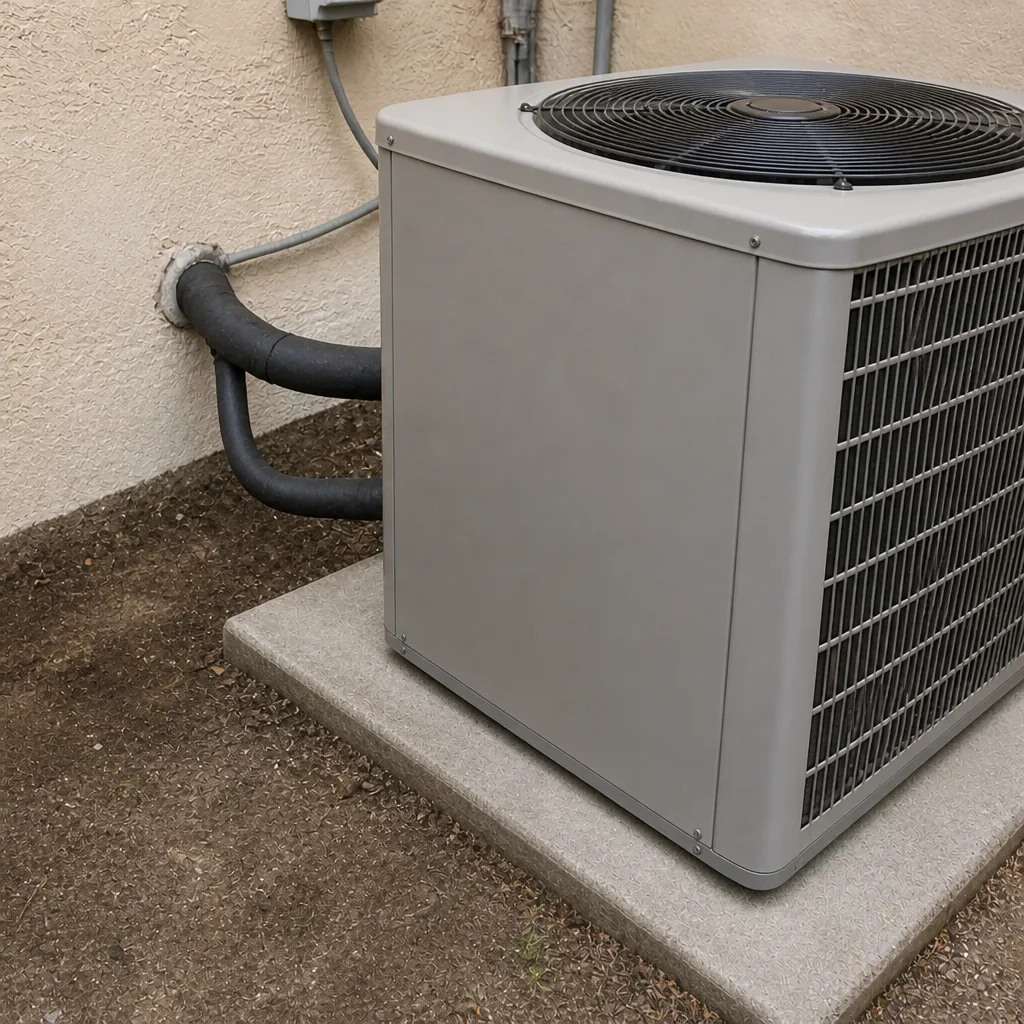
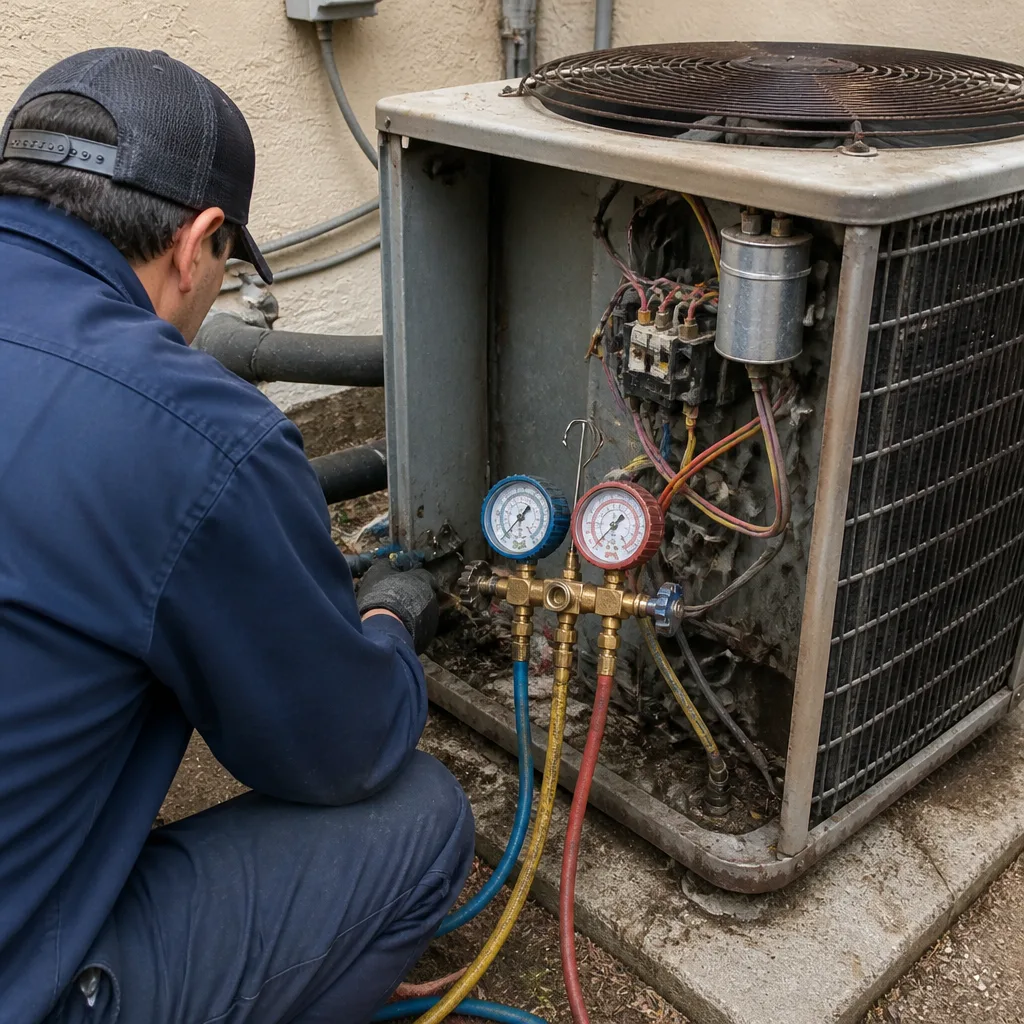 Before
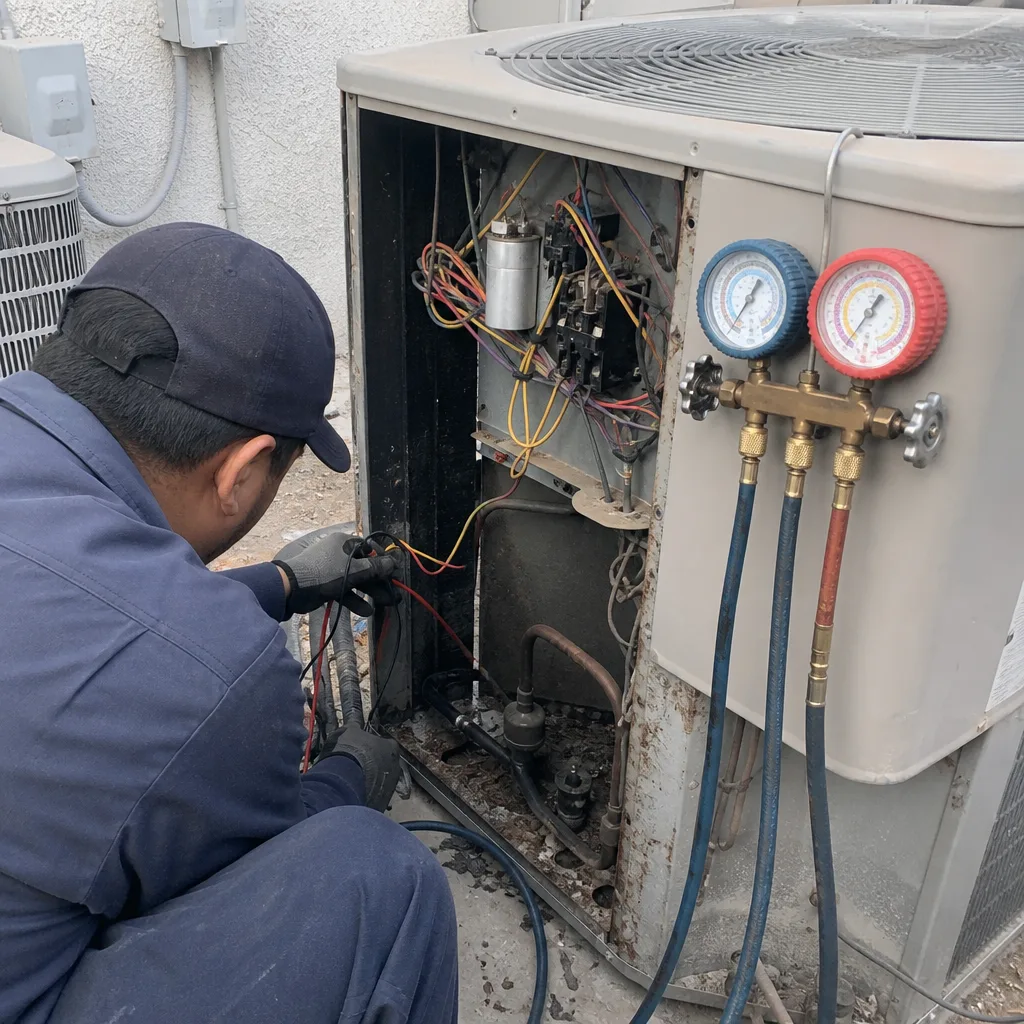
 After
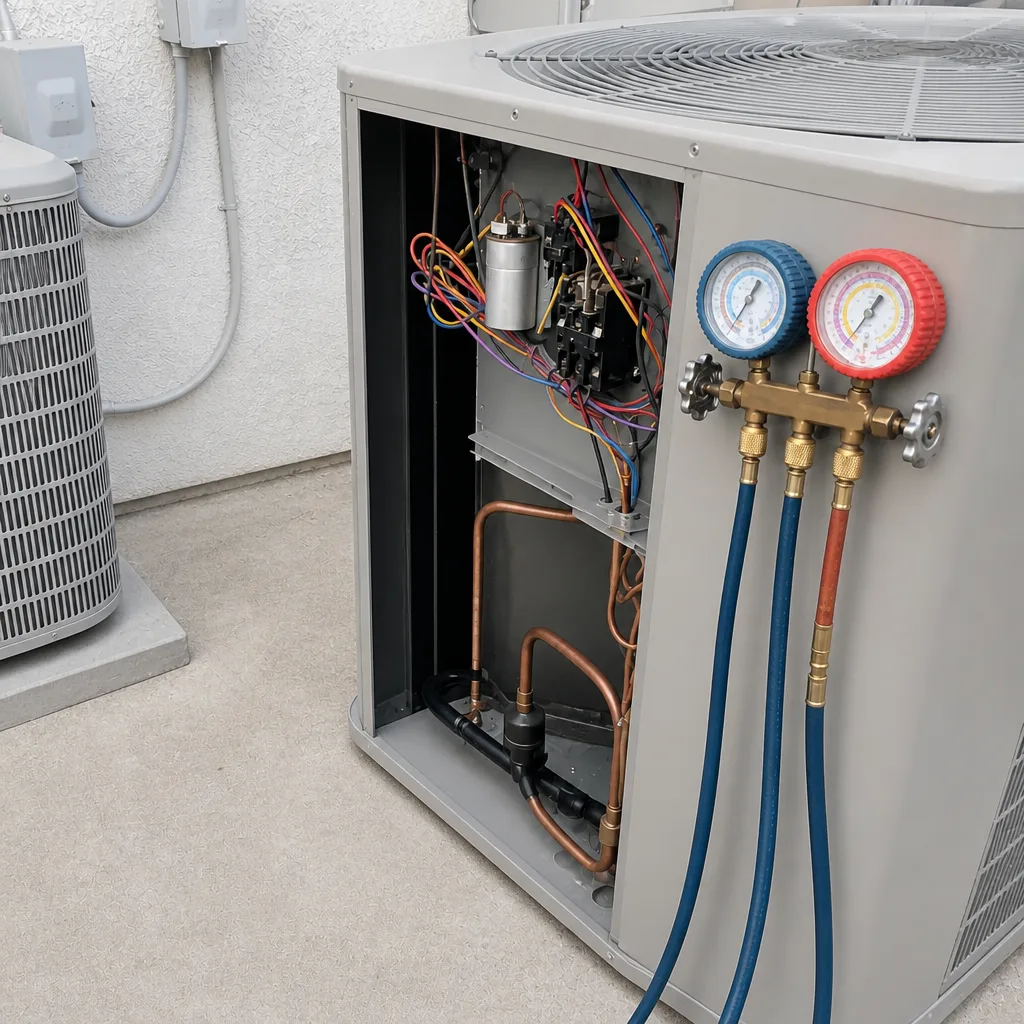
 Before
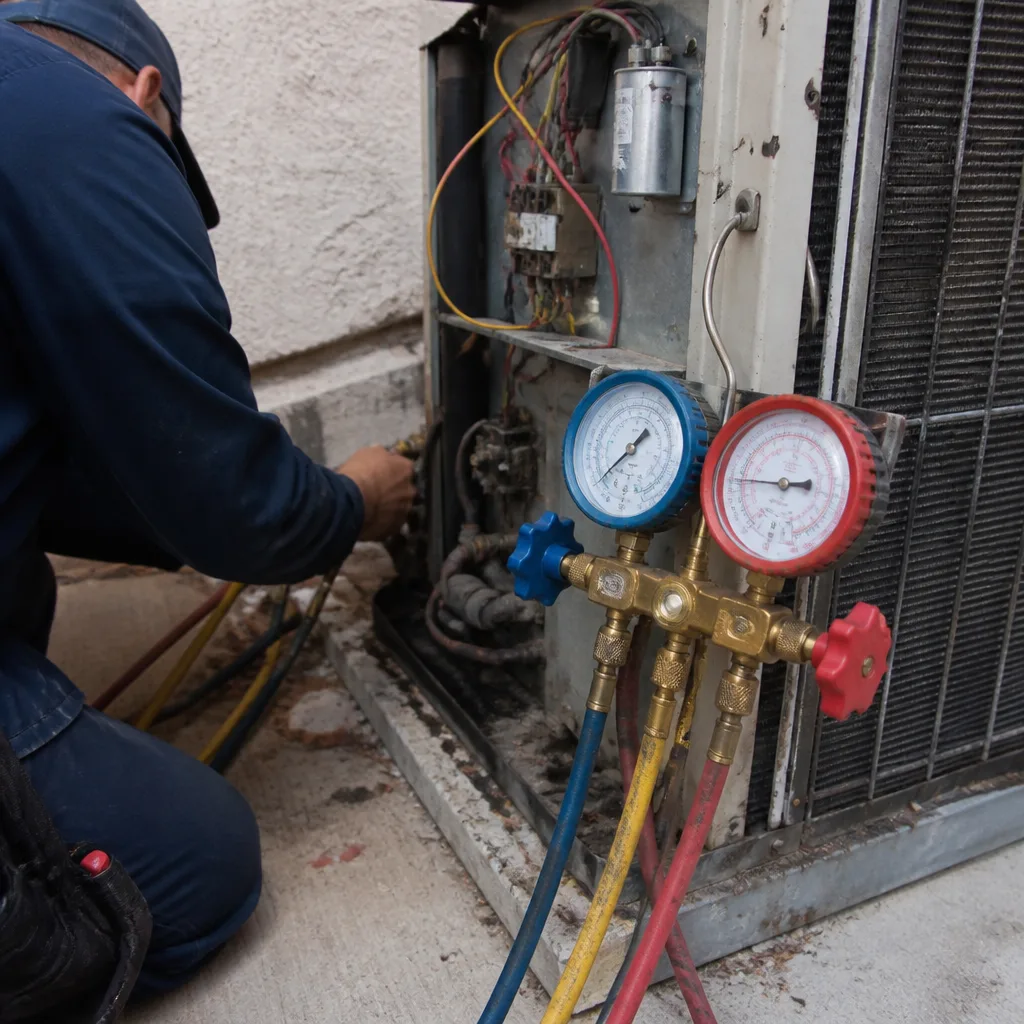
 After
 Before
 After
When to Call a Professional
Call a licensed HVAC contractor any time you’re replacing a system, adding a heat pump or mini-split, running new ductwork, or touching the gas line or electrical disconnect. Those are exactly the jobs where a permit is required and where a skipped permit costs you real money later. Call us too if you’ve bought a house and can’t find the permit record for the HVAC system, or if a contractor’s install failed inspection and you want a second set of eyes before it’s corrected. Ray’s Heating & Air Sunrise Manor offers free estimates in Sunrise Manor and a free second opinion on any written estimate, and a live person answers the phone around the clock. Call (877) 311-5951.
Frequently Asked Questions
Yes. Any HVAC replacement that changes the equipment, refrigerant lines, electrical connection, or ductwork requires a permit and inspection in Clark County. The only work that genuinely doesn’t is like-for-like maintenance such as filters, thermostats, and minor part swaps. If you’re unsure, the safe move is to ask the contractor to show you the permit application before the work starts. Call (877) 311-5951 for a free second opinion on any written estimate.
Unpermitted HVAC work follows the property and surfaces during a home sale, an insurance claim, or a county audit. In our experience, remediating it in Sunrise Manor costs between $700 and $1,800 once permit and correction fees are added. Doing it right the first time is a few hundred dollars. The earlier you fix it, the cheaper it is. Call (877) 311-5951 and we can help you figure out what the county will want.
Ask for the AHRI certificate that matches your equipment model numbers, then check the yellow EnergyGuide sticker on the condenser and air handler. In Clark County’s climate zone, the split-system minimum is 14.3 SEER2. If the model number on the AHRI certificate doesn’t match the unit delivered, the install will fail inspection. Call (877) 311-5951 and we’ll walk through the certificate with you before you sign anything.
A standard mechanical permit for a residential HVAC replacement is typically issued within a few business days of a complete application. The inspection is usually scheduled within another few days after install. If a contractor tells you the permit will hold up the job for a month, that’s a sign they don’t pull permits regularly.
Some Nevada jurisdictions allow a homeowner to pull a limited permit for work on their own primary residence, but it comes with real liability. You become the responsible party for the install, and if the inspection fails or the equipment is later found faulty, the warranty coverage can be affected. For a full system replacement, it’s almost always better to use a licensed contractor. Call (877) 311-5951 if you want to talk through the specific situation.
Yes. If a fire or water damage claim traces back to unpermitted or non-compliant HVAC work, the insurer can reduce or deny the claim. Nevada policies commonly exclude damage from work that wasn’t permitted or inspected. A passed final inspection is the only thing that will satisfy an adjuster if you ever need to file. Call (877) 311-5951 for a free estimate on doing it right.
The Bottom Line
In Clark County, an HVAC permit and final inspection are the homeowner’s proof that the job was done to code, and that proof is what carries you through a home sale, an insurance claim, or a future warranty issue. The permit itself is a few hundred dollars. The cost of skipping it shows up years later, usually at the worst possible moment. If you’re planning a system replacement in Sunrise Manor, ask for the permit application, the AHRI certificate, and the model numbers in writing before you sign. And if a contractor tells you a full replacement doesn’t need a permit, call us at (877) 311-5951 for a free estimate and a straight answer.
Written by the team at Ray’s Heating & Air Sunrise Manor.