
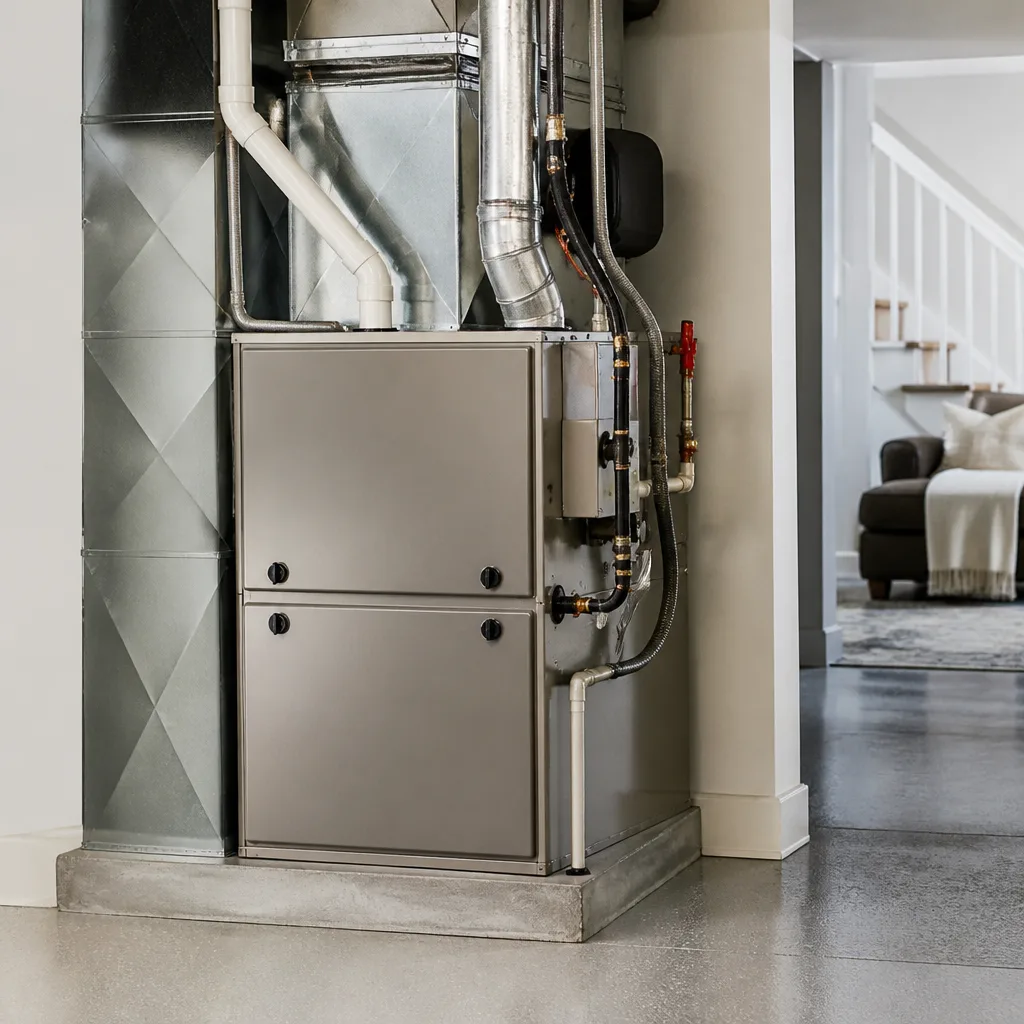
 Furnace & heating
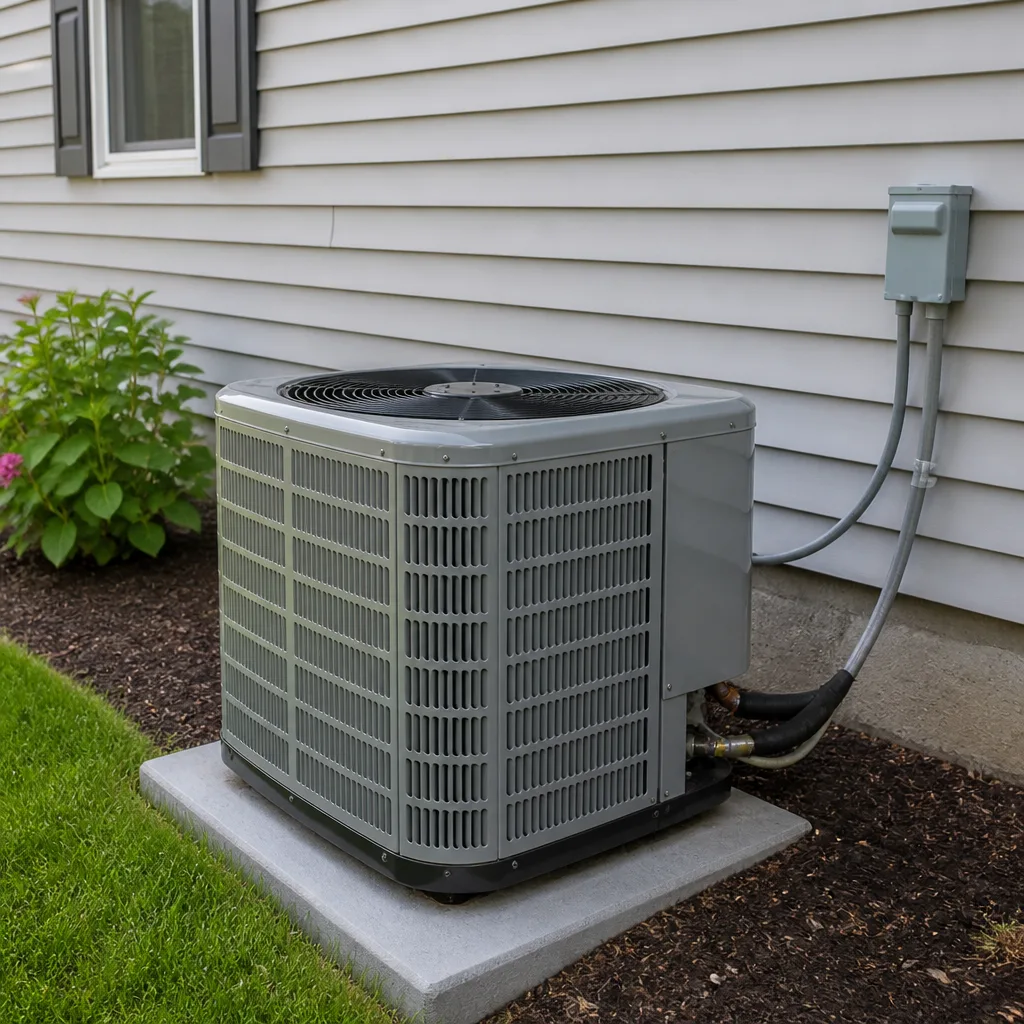 AC repair
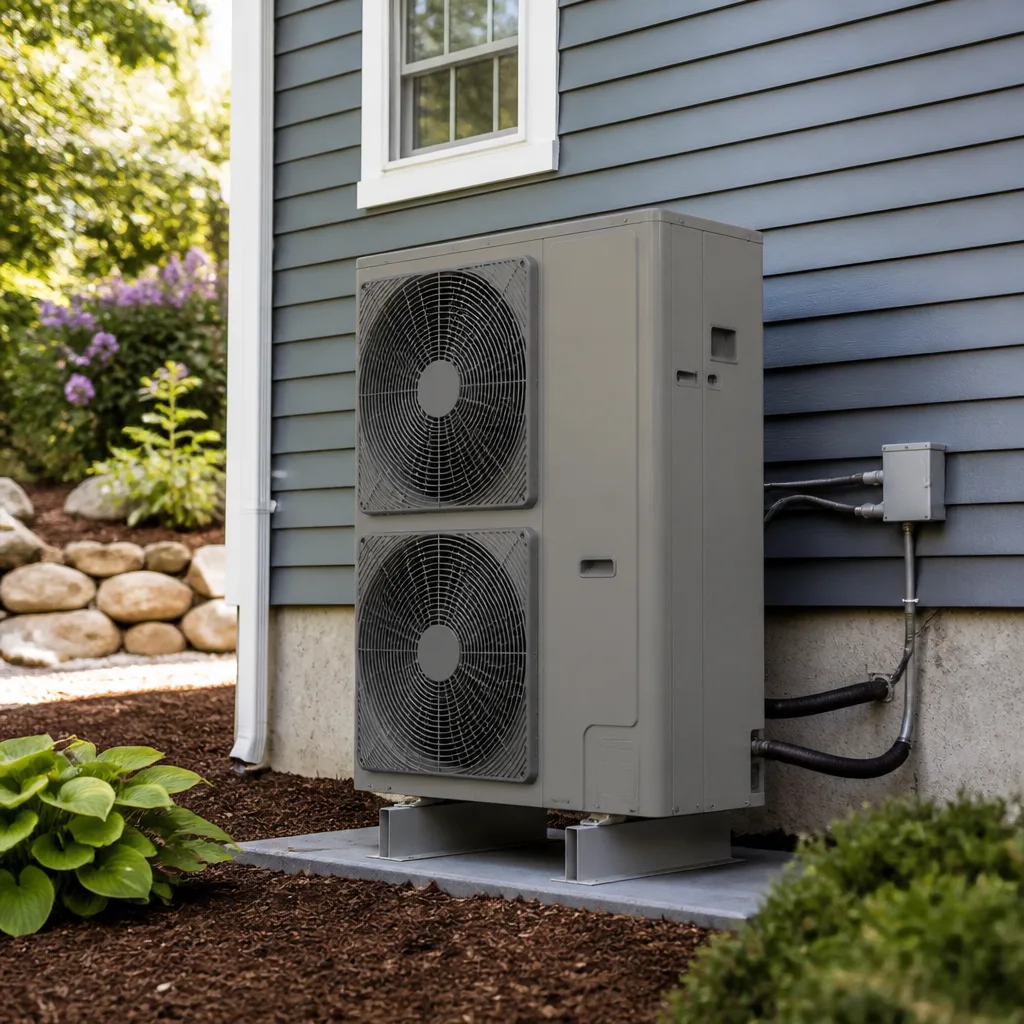 Heat pumps
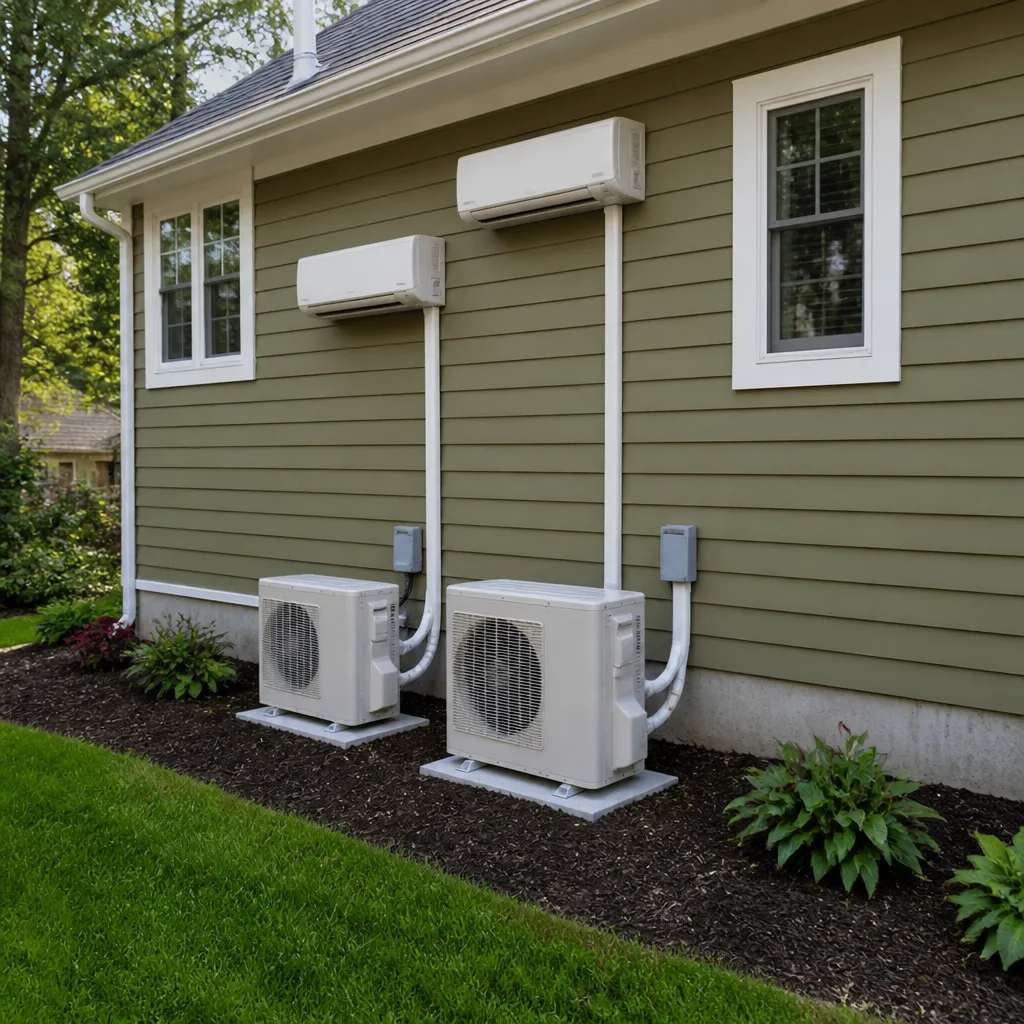 Ductless mini splits
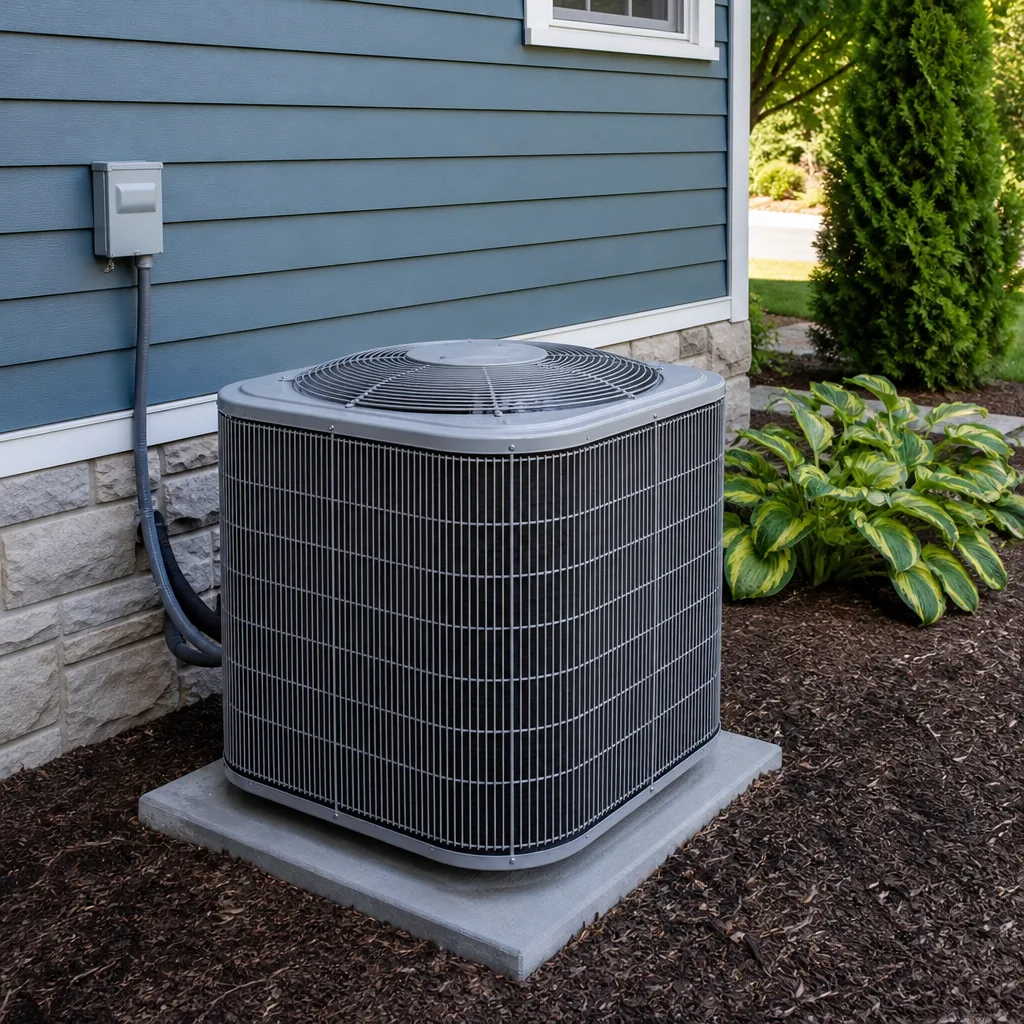 Carrier
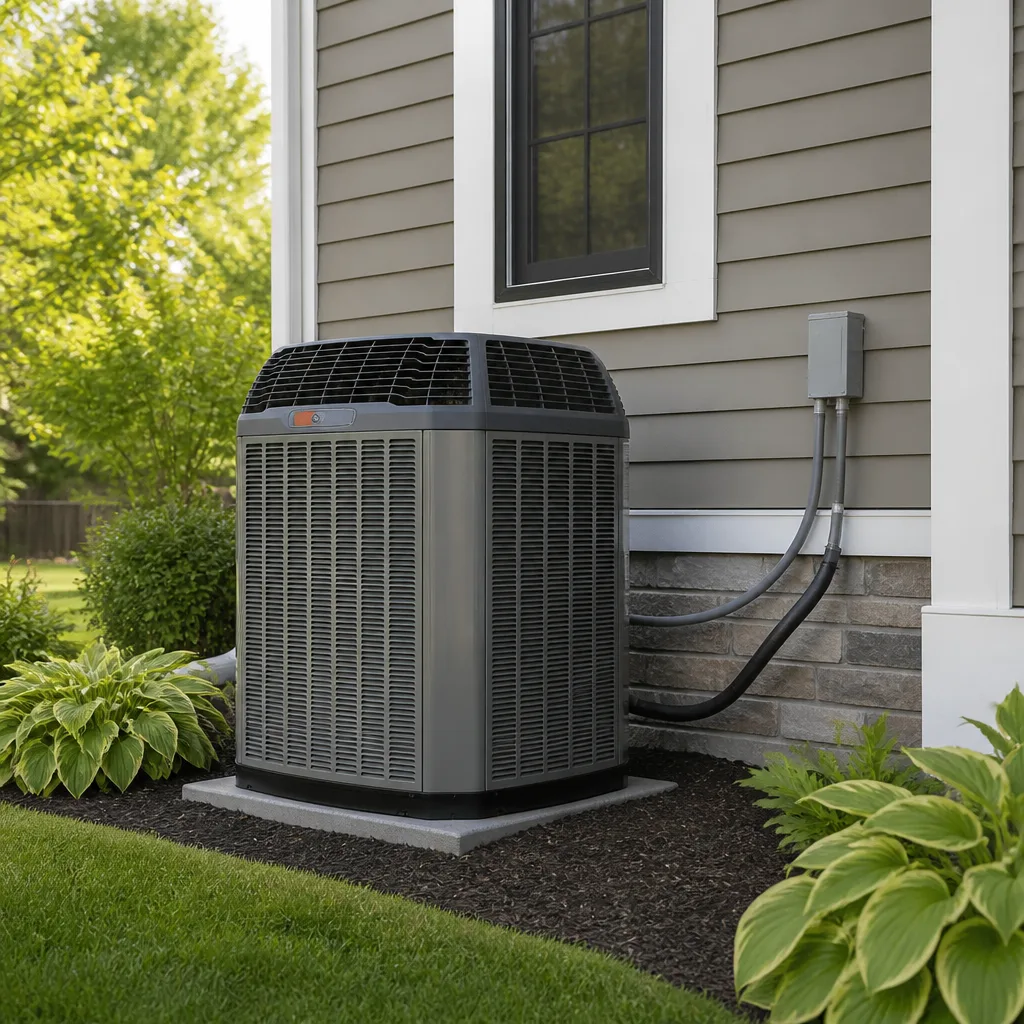 Trane
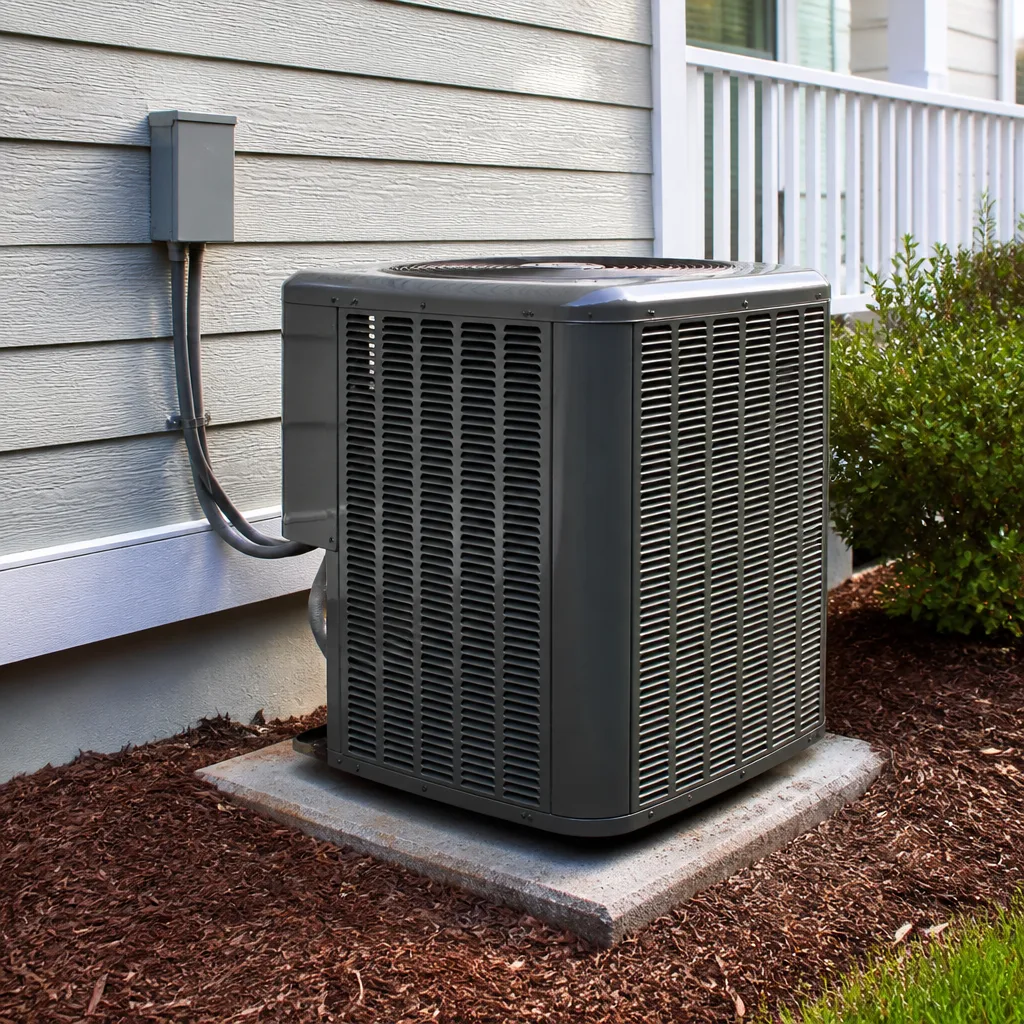 Goodman
Seasonal tune-up and full diagnostic on your Carrier, Trane, or Goodman system - readings shown to you before any repair is proposed
Diagnosis first, numbers second - you approve the repair price before a single part goes in.
Get your free estimateStyles & brands we work with
- AC repair
- Furnace & heating
- Heat pumps
- Ductless mini splits
- Carrier
- Trane
- Goodman
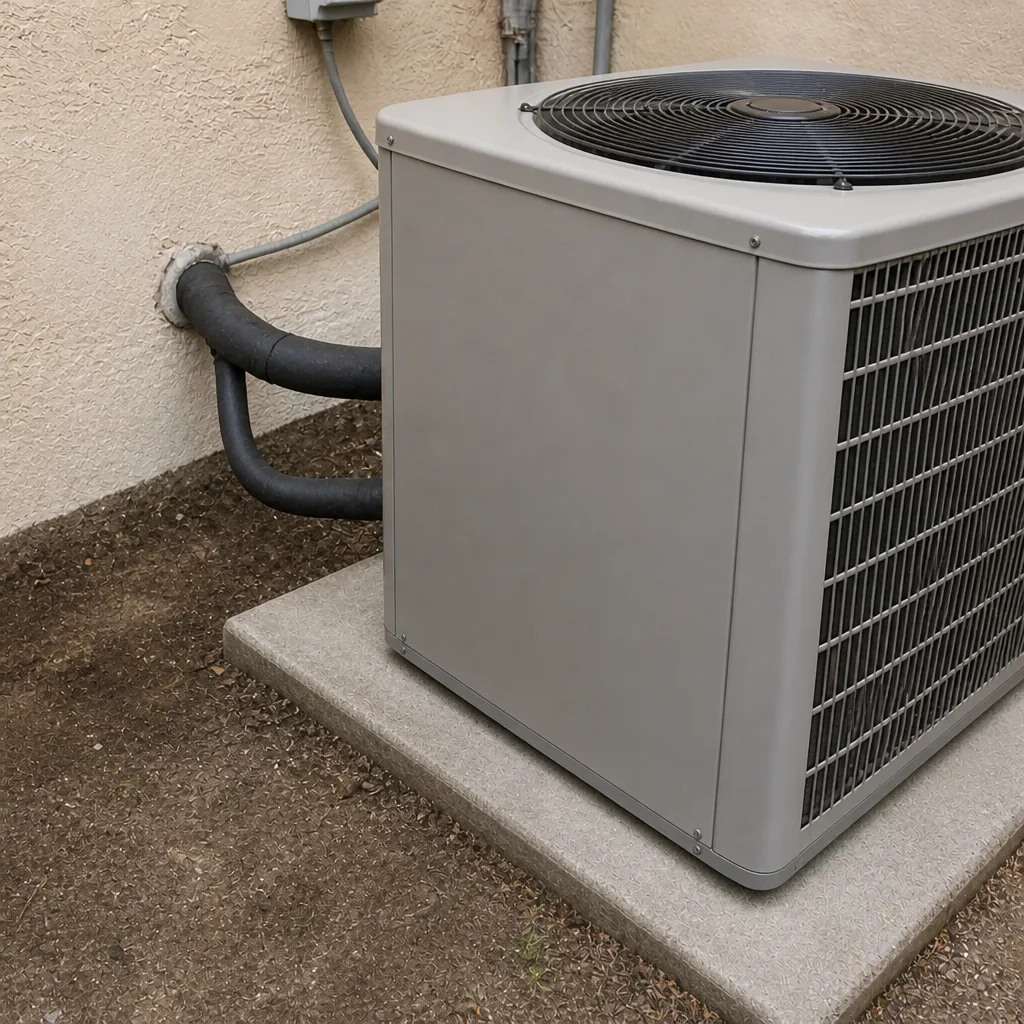
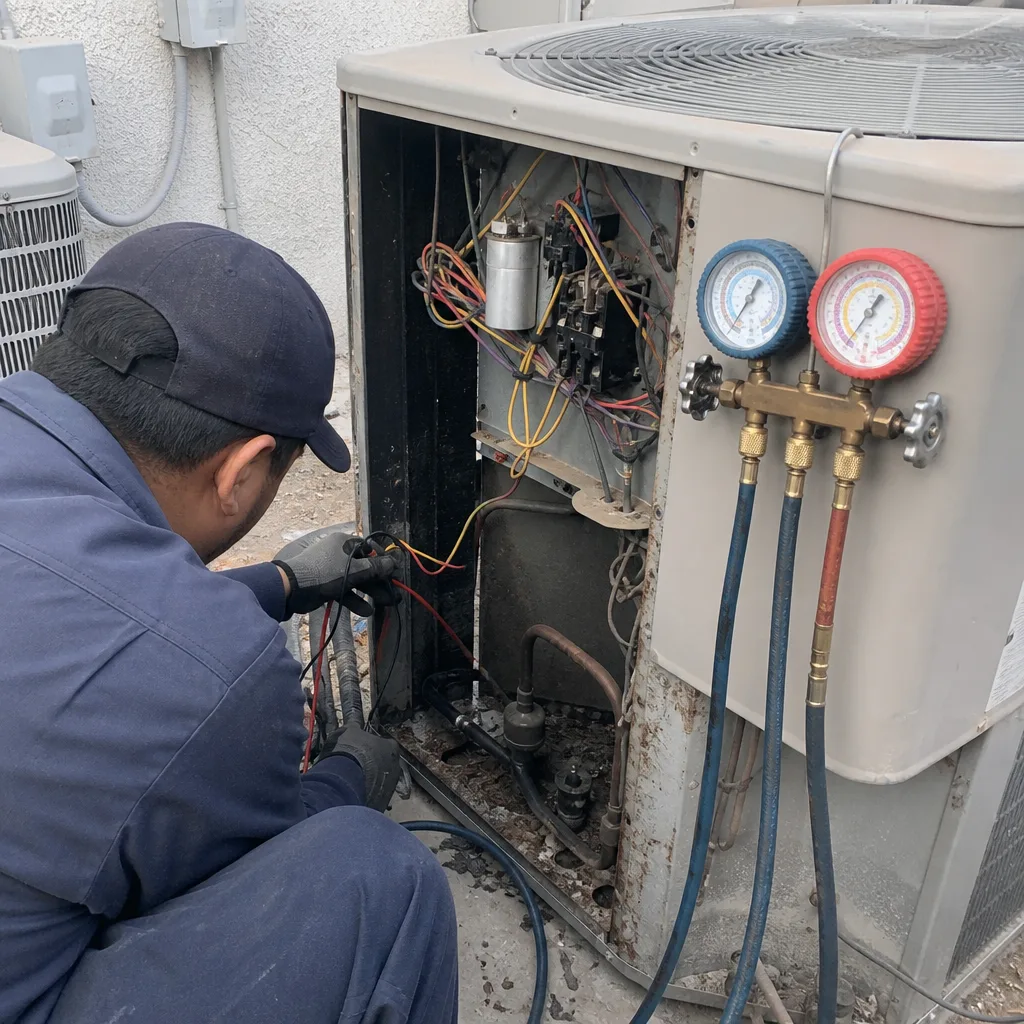
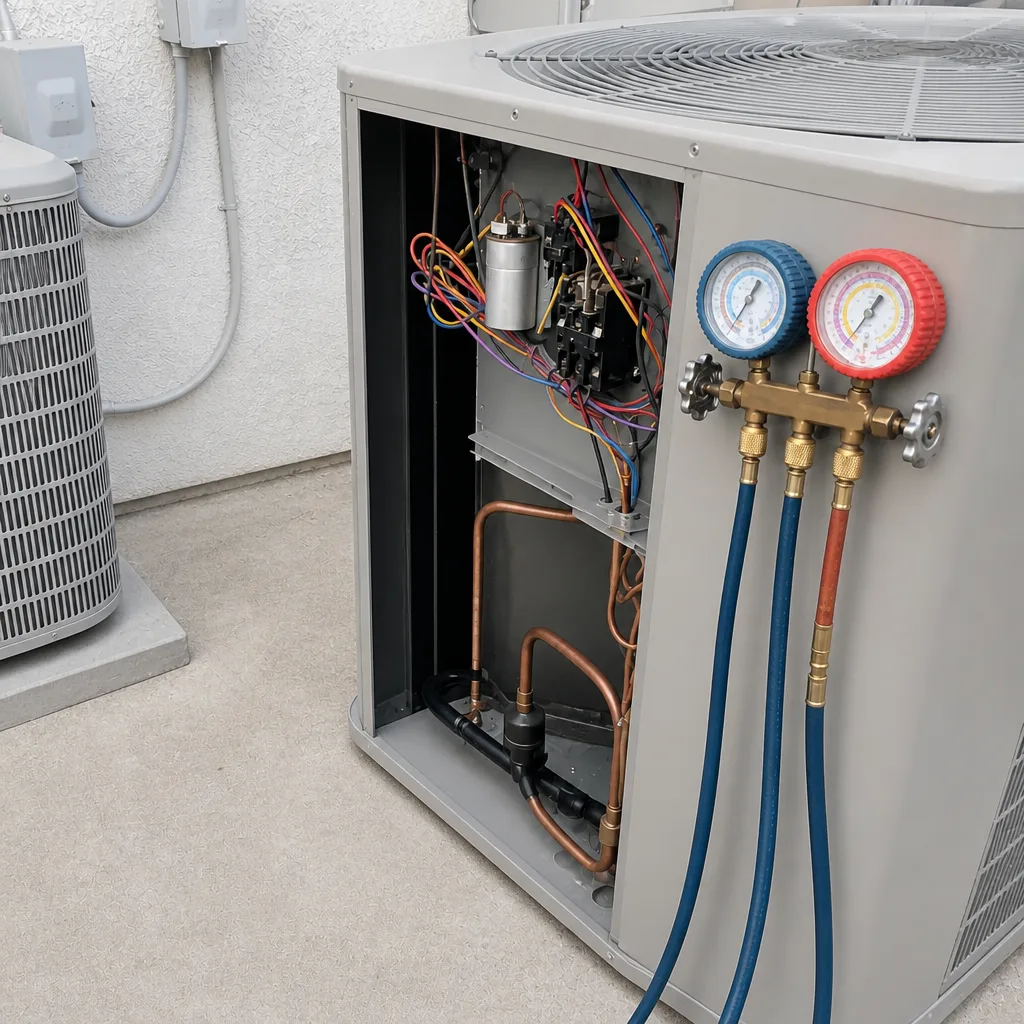
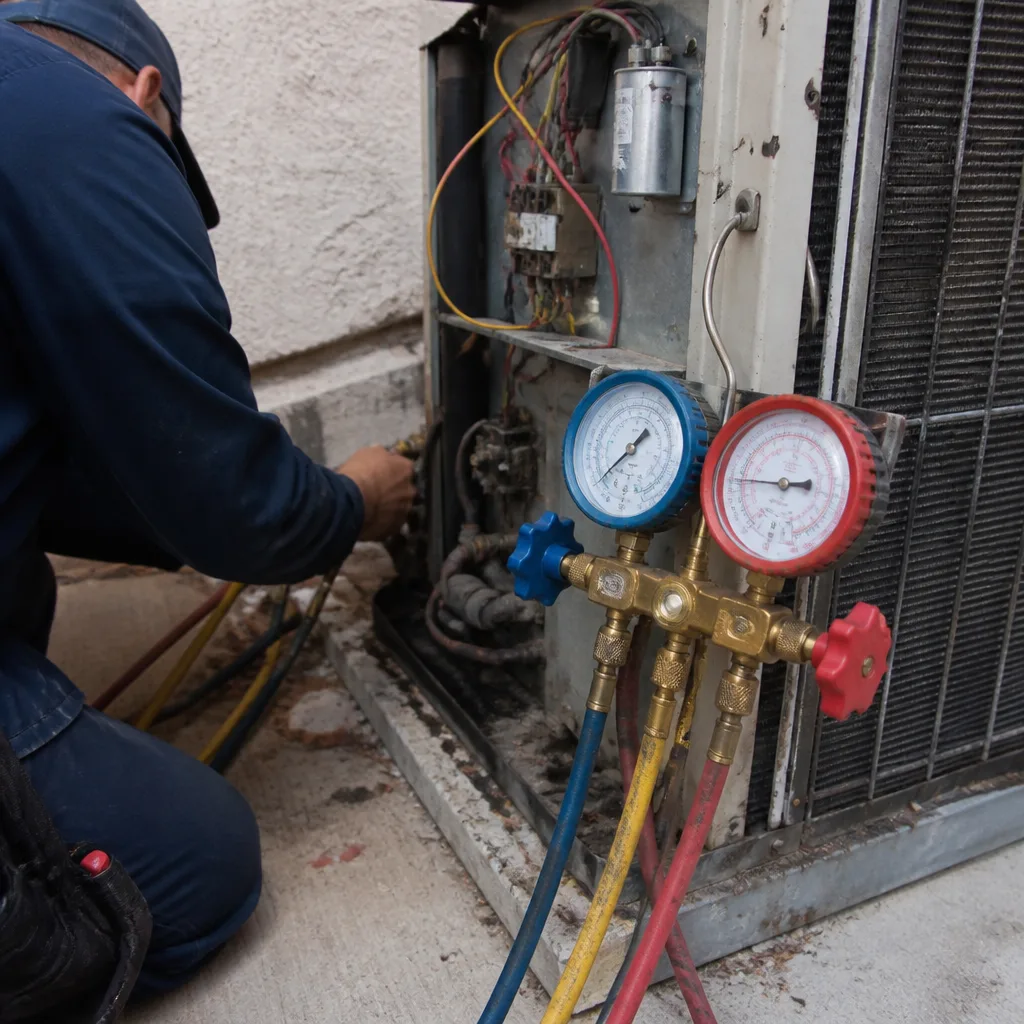
See the difference
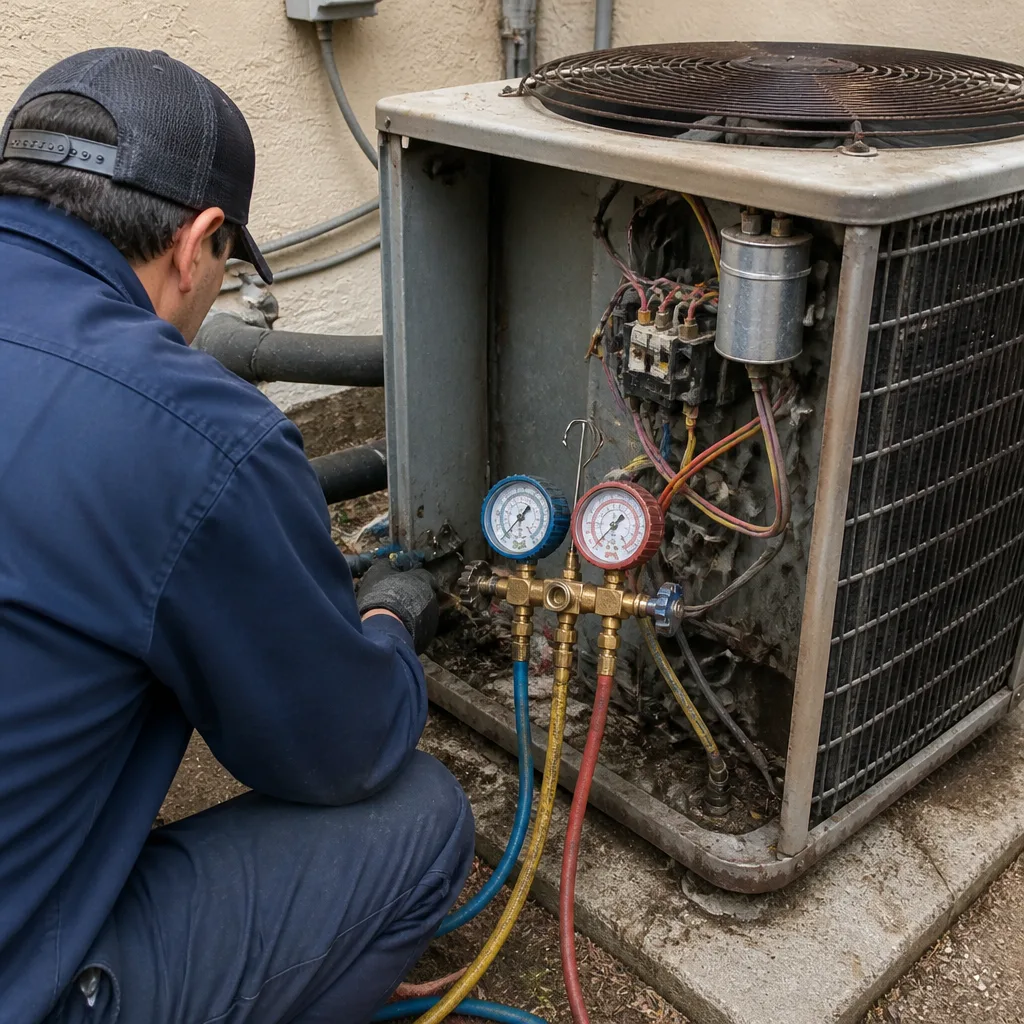 Before
 After
 Before
 After
 Before
 After
How to Improve Indoor Air Quality in Sunrise Manor, NV: Start With the Ducts, Not the Filter
The fastest way to improve indoor air quality in a Sunrise Manor home is to find and seal the unfiltered air pathways first, then upgrade filtration. In most of this neighborhood, that means the abandoned swamp cooler ducts still tied into the living space. A MERV 13 filter does nothing if the air is entering through a 30-year-old cooler duct that never had a filter to begin with. Ray’s Heating & Air Sunrise Manor starts every air quality call with a duct and airflow inspection, and you can reach us at (877) 311-5951 to set one up.
If your house was built before 1985 and somebody added AC later, there’s a decent chance you’ve got old swamp cooler ducts still connected to your living space. Every time the system kicks on, it’s pulling air through whatever settled in those ducts over the last three decades: desert dust, insect debris, and mold that found a foothold during the monsoon season.
Why Generic Air Quality Advice Misses the Sunrise Manor Problem
Most indoor air quality guides tell you to change your filter, add a purifier, and call it a day. That advice was written for tight modern houses with purpose-built ductwork. Sunrise Manor isn’t that. The older blocks here are unincorporated Clark County tract housing built largely in the 1960s-1980s, and a lot of it went up when evaporative cooling was the original plan. The swamp cooler came first. The refrigerated system got bolted on later, sometimes years later, sometimes by a different contractor who had no interest in removing what came before.
What that leaves behind is a house with two duct systems in the ceiling: the active one and the dead one. The dead one is connected to your rooms through a ceiling register someone forgot to seal. It’s maybe 8 inches wide and it opens into a duct run that has been sitting full of Mojave dust since the first Bush administration. When the return pulls a negative pressure on the house, air gets drawn through that opening. No filter anywhere in the chain. That’s a permanent unfiltered pathway and it doesn’t get better with time.
- What you’ll notice: dust settling on furniture within a day of cleaning, a musty smell when the AC first starts, allergy symptoms that get worse indoors in spring.
- What a standard filter upgrade won’t fix: the air isn’t going through the filter. Sealing or removing the abandoned duct has to happen first.
- What an inspection usually finds: one or more unsealed cooler registers, a roof penetration with failed flashing, and a duct run with visible debris.
The Mojave Heat Makes Every Dirty Coil a Bigger Deal
Summer highs here run over 105°F for weeks at a stretch, which means your system runs close to continuously from June through September. In a milder climate, a dirty evaporator coil costs you efficiency. Here, it also means the coil is wet for months while pulling air across it, and a wet, dust-loaded coil is a growth surface. The condenser coil outside is pulling in fine-grain silica dust all season, and silica doesn’t wash off with a garden hose the way people assume.
This is what a coil inspection actually catches. On the evaporator side, we’re looking for dust matting on the fins, standing moisture in the drain pan, and the beginnings of biological growth on the coil face. On the condenser side, we’re checking for a dust layer that’s cutting heat transfer, bent fins, and a fan that’s not moving the air it should. Those are the conditions that turn a minor filter issue into a full-season air quality problem.
Low humidity adds another wrinkle. Desert air holds very little moisture, and dust stays suspended in it longer than it would in a humid market. People in Houston run whole-home filtration mainly to deal with mold and humidity. Here, the payoff is different: it’s about catching the fine silica particles and keeping them out of the return before they reach the coil. That’s a different job, and it’s why a UV system or a high-MERV filtration setup earns its keep here for different reasons than it would in a wetter climate. Single-pane windows on the older stock let more of that outdoor dust in through infiltration, which makes the return side even more important.
What the Air Quality & Ventilation Inspection Actually Involves
We don’t start with a product. We start with numbers. Flow measurement first, static pressure second, then coil temps and a look at the return path. A homeowner deserves to know whether the fix is a $20 filter swap or a $400 duct seal job before anyone recommends an air purifier. Here’s the sequence, in order:
- Duct mapping. We trace every register back to its source and identify which runs belong to the dead swamp cooler system. On the older blocks, this often means getting into the attic and confirming what’s actually connected versus what’s just sitting there.
- Airflow measurement. We measure how much air is moving through the return and whether the system is starved. Low airflow combined with a dirty coil is a different fix than low airflow with a clean coil.
- Static pressure check. High static pressure tells us the duct system is fighting itself. It also tells us whether a high-MERV filter will actually work or just choke the system.
- Coil and drain inspection. Both coils, plus the drain pan and the condensate line. This is where we find the growth and the dust loading.
- Seal or remove the legacy ducting. Unsealed cooler registers get capped and sealed, or the dead run gets disconnected at the plenum. Roof penetrations get flashed correctly so monsoon rain doesn’t track in.
- Filtration recommendation. Only after the pathway is sealed do we talk about MERV ratings, whole-home filtration, or UV. The filter upgrade only makes sense once the air it’s filtering is actually air the system controls.
For the full scope of what we handle on this side of the business, including duct sealing and filtration, see our Air Quality & Ventilation service page. For the broader picture of how heating and cooling work together in these homes, the home page is a good starting point.
What It Costs to Fix Air Quality Problems in Sunrise Manor
Cost depends entirely on what the readings show. A filter and coil cleaning is a repair ticket. A duct seal job on the legacy cooler runs is a different scope. Here are the ranges we work within, and they don’t change based on who’s standing in your living room:
| Job | Typical Range |
|---|---|
| AC repair (includes coil cleaning, drain work) | $150-$650 |
| Furnace repair (heat exchanger and flue checks) | $150-$700 |
| Spring or fall tune-up (coil, filter, airflow) | $80-$200 |
| AC installation (if the legacy ducting has to be replaced with the system) | $3,500-$7,500 |
Duct sealing and filtration add-ons get quoted separately once we know the scope, and you’ll see the numbers before any work begins. Every job carries the 90-Day Done Right Promise: if it isn’t done right, one call brings us back. We also offer a Free Second Opinion on any written estimate and No Trip Charge inside the county.
The Clark County Permit Detail That Trips Up Out-of-Town Crews
Sunrise Manor is unincorporated Clark County, not the City of Las Vegas. That matters for permits. Any duct modification or new equipment addition requires a Clark County permit, not a city one. A rotating crew from a national outfit may not know the difference, and the homeowner ends up with an inspection problem down the road. When a changeout involves removing legacy cooler ductwork or adding filtration equipment, the permit has to be pulled correctly, and the work has to be inspected by the right jurisdiction. Ask who’s pulling the permit before anyone starts cutting into the ceiling.
Do You Need a Pro, or Can You Handle This Yourself?
Filter changes, register cleaning, and a visual check of the return grille are reasonable homeowner jobs. Anything that involves opening the duct system, working in the attic, or touching electrical connections on the air handler is not. We test the capacitor before anyone says the word compressor, and we measure static pressure before recommending a filter upgrade, because guessing at this stuff costs more than calling.
The person at your door has up to 24 years of experience with these systems, and the same face comes back if there’s a problem. We service all major brands, including Lennox, Goodman, Rheem, and York, and the diagnostic readings are yours to see before any work begins.
FAQs
Most air quality fixes in Sunrise Manor run $150-$650 for repair-level work like coil cleaning and duct sealing, and $80-$200 for a tune-up that includes filter and airflow checks. If the legacy swamp cooler ducting has to be removed alongside a system changeout, the scope goes up and gets quoted separately. Call (877) 311-5951 for an exact quote, and estimates are free.
Yes, and it’s worse here than most places. At 105°F+ the system runs near-continuously, so a clogged filter stays clogged for months while the coil pulls dust across a wet surface. The fix is a filter change plus a coil inspection, not just a filter change. Call (877) 311-5951 and we’ll check both.
The first thing to check is whether that duct is still connected to a ceiling register inside the living space. If it is, that’s an unfiltered pathway and it needs to be sealed or removed before any filter upgrade makes sense. We map the duct system as part of the inspection. Call (877) 311-5951 to schedule one.
It’s worth it when the duct system is sealed and the return is clean, because that’s when the filter is actually doing its job. In a humid market it’s a mold control tool; here it’s a fine-dust control tool, and it only pays off after the legacy cooler ductwork is handled. Free second opinion on any written estimate if you’ve been quoted one already.
If you’d rather have it looked at, Ray’s Heating & Air Sunrise Manor offers a no-pressure assessment in Sunrise Manor. We’ll measure the airflow, check the coils, and tell you straight whether it’s a filter swap or a duct seal job. Call (877) 311-5951 to get on the schedule.
Written by the team at Ray’s Heating & Air Sunrise Manor, serving Sunrise Manor, NV.