
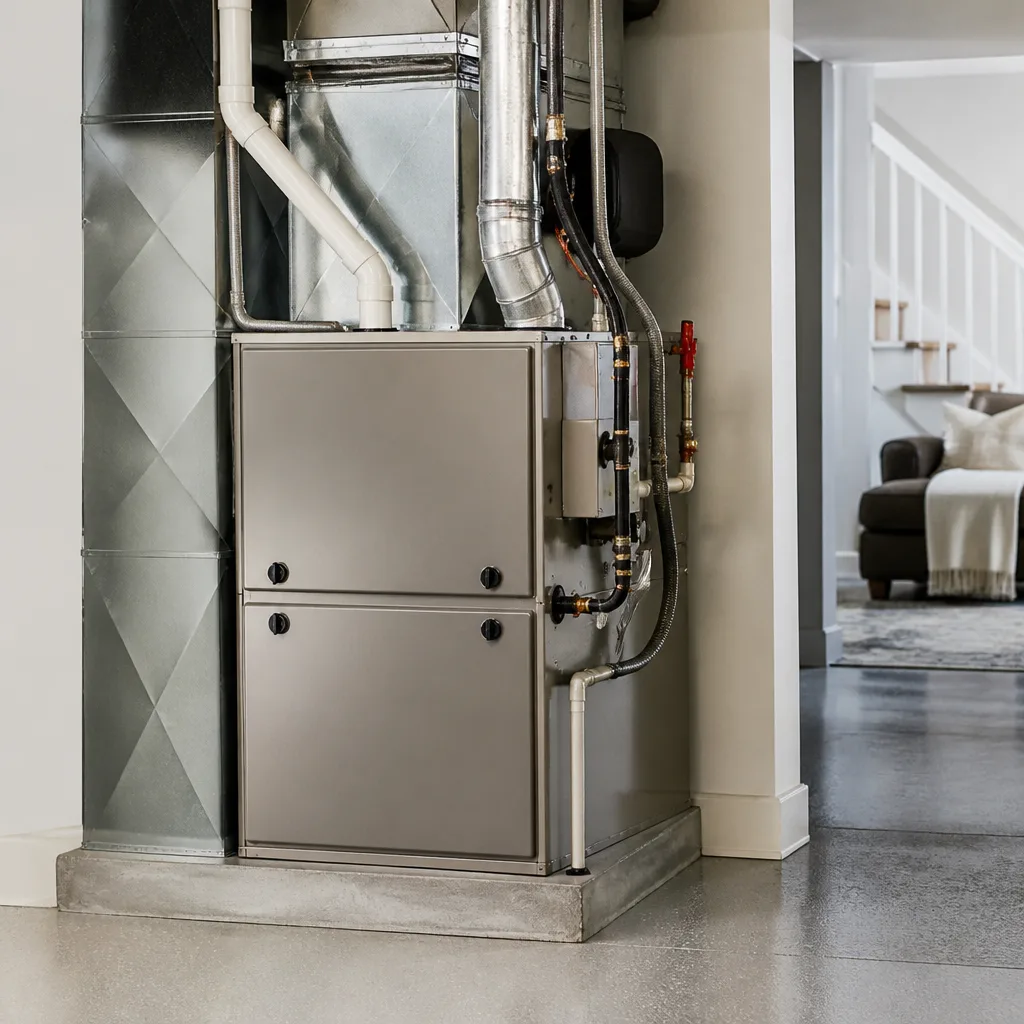
 Furnace & heating
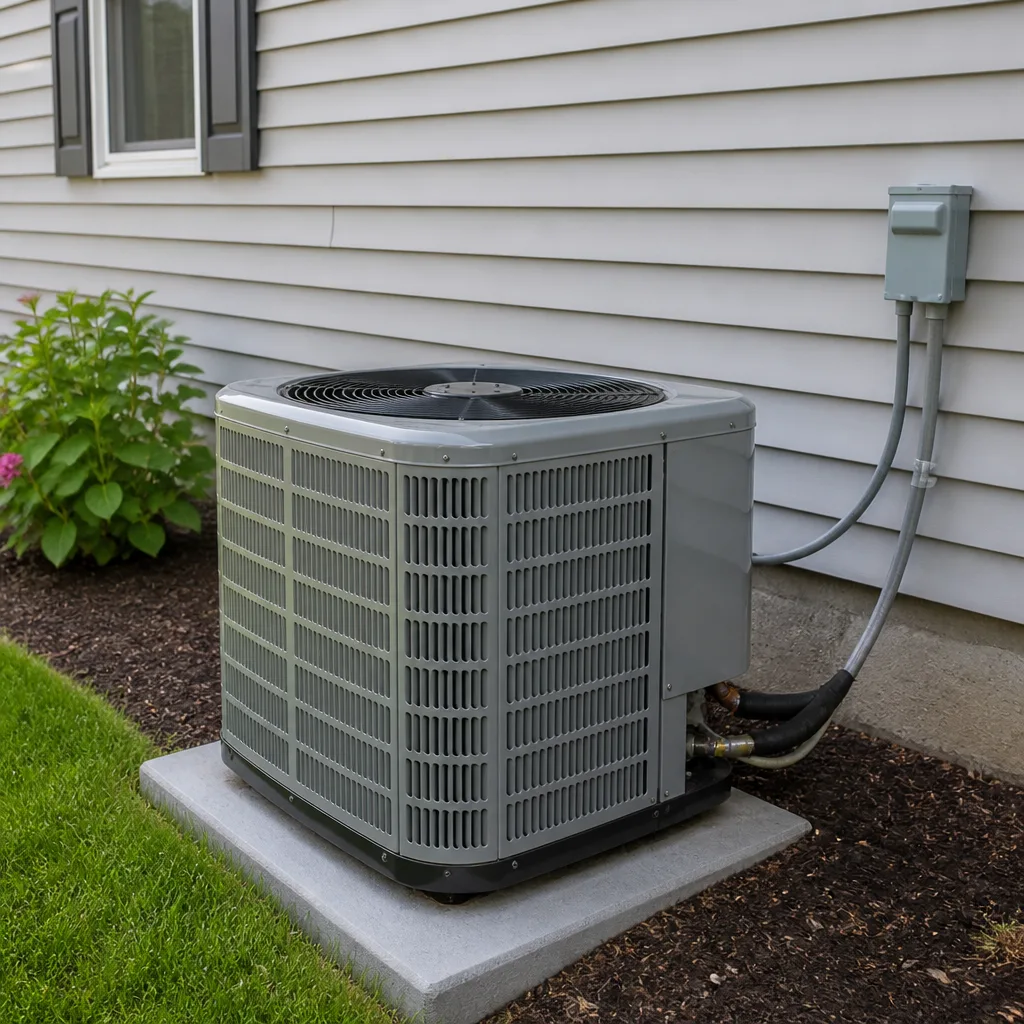 AC repair
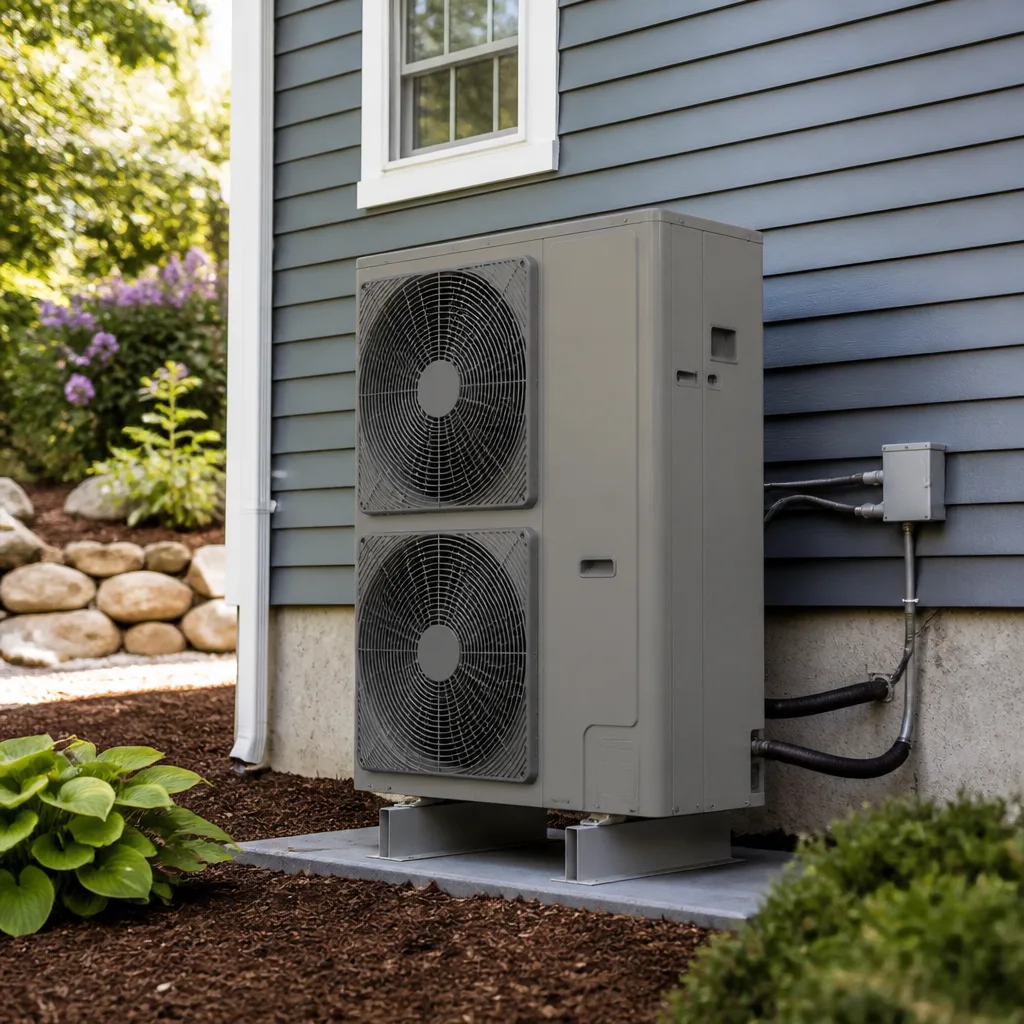 Heat pumps
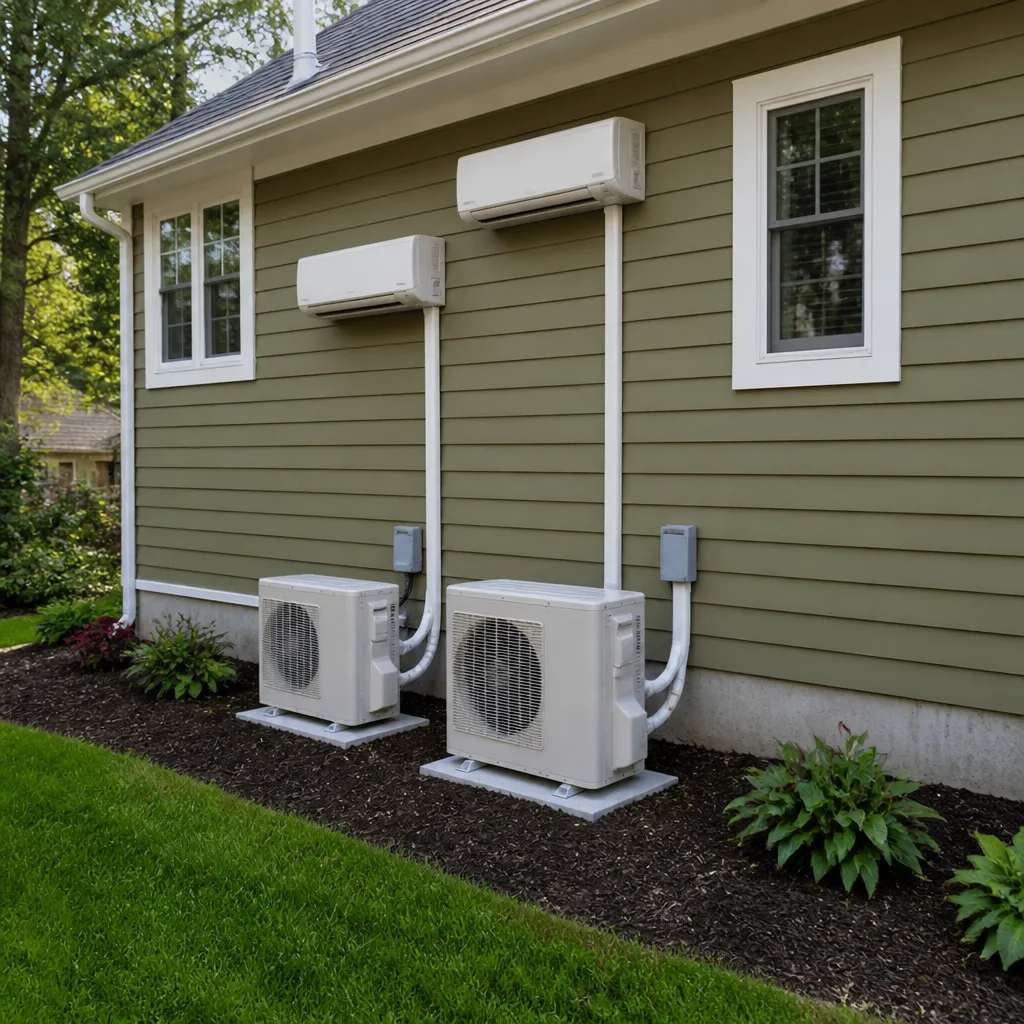 Ductless mini splits
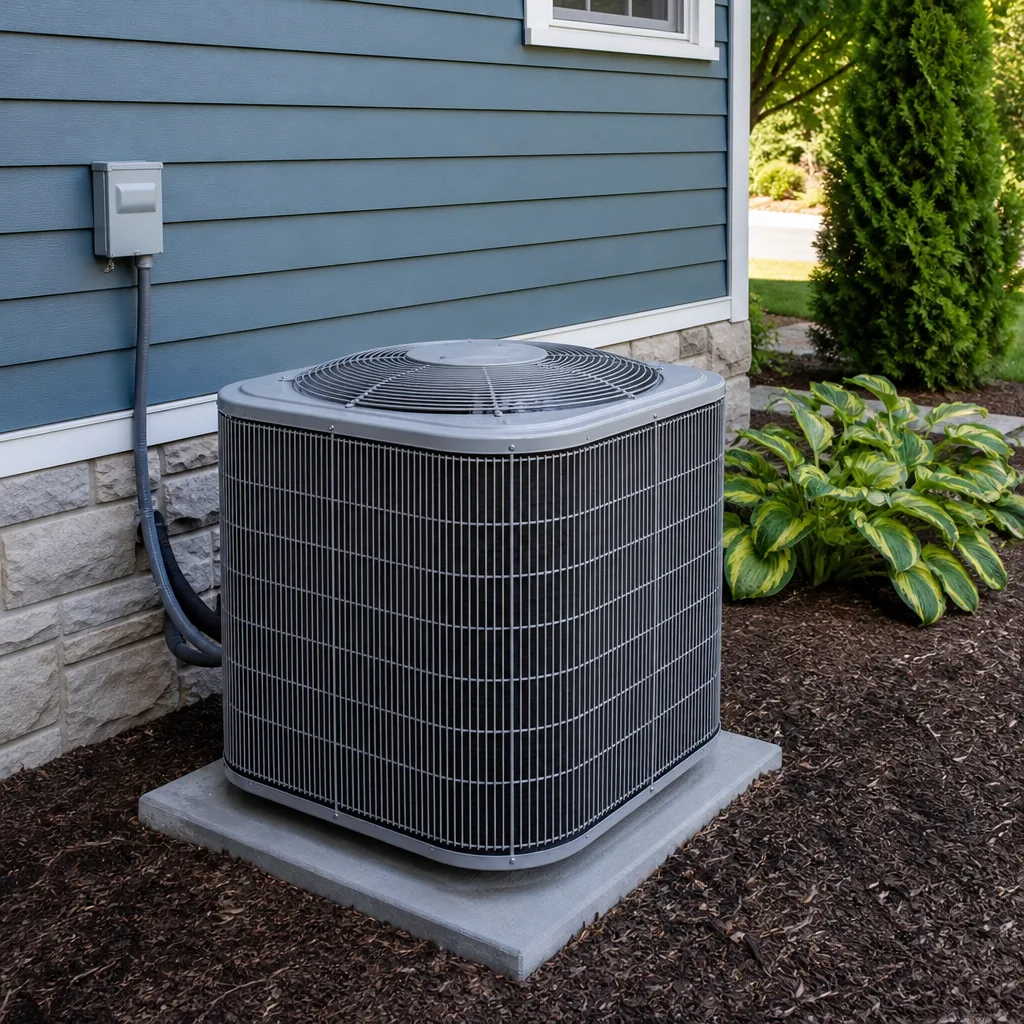 Carrier
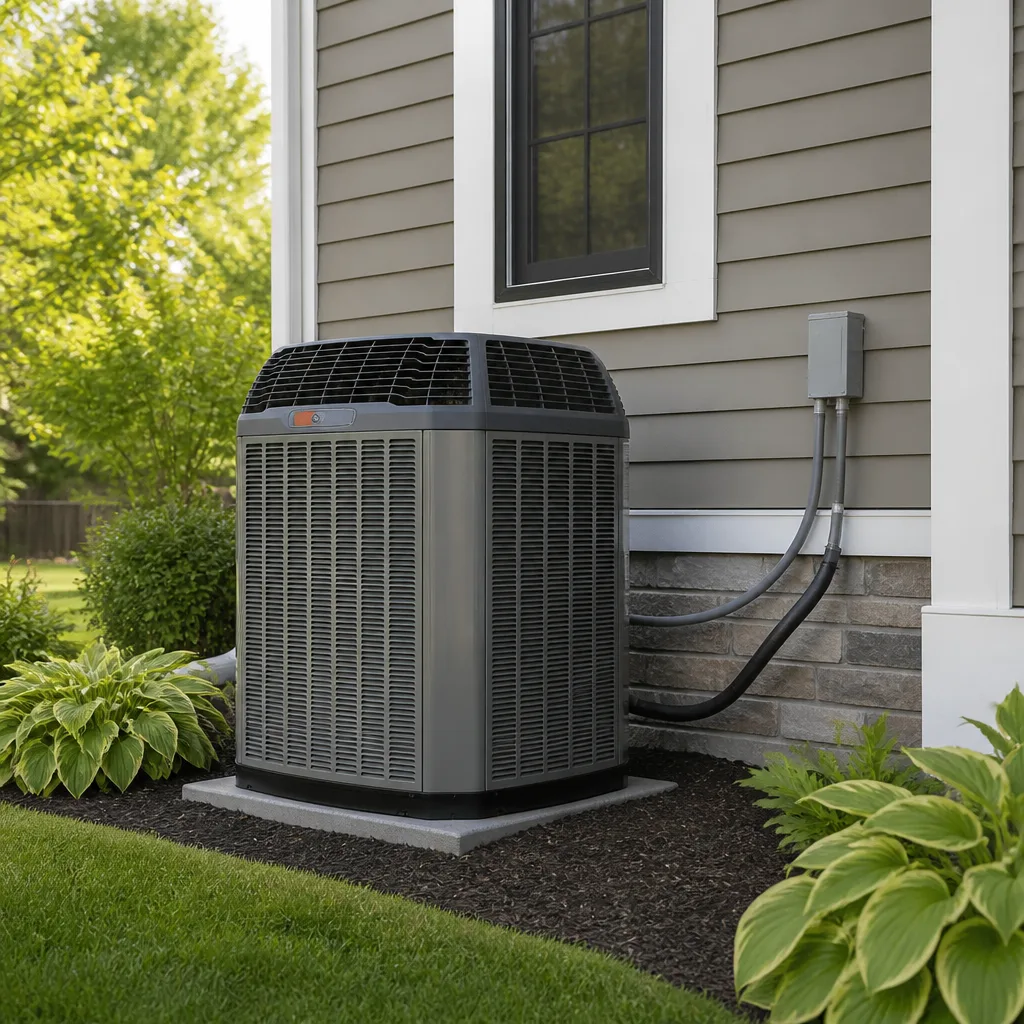 Trane
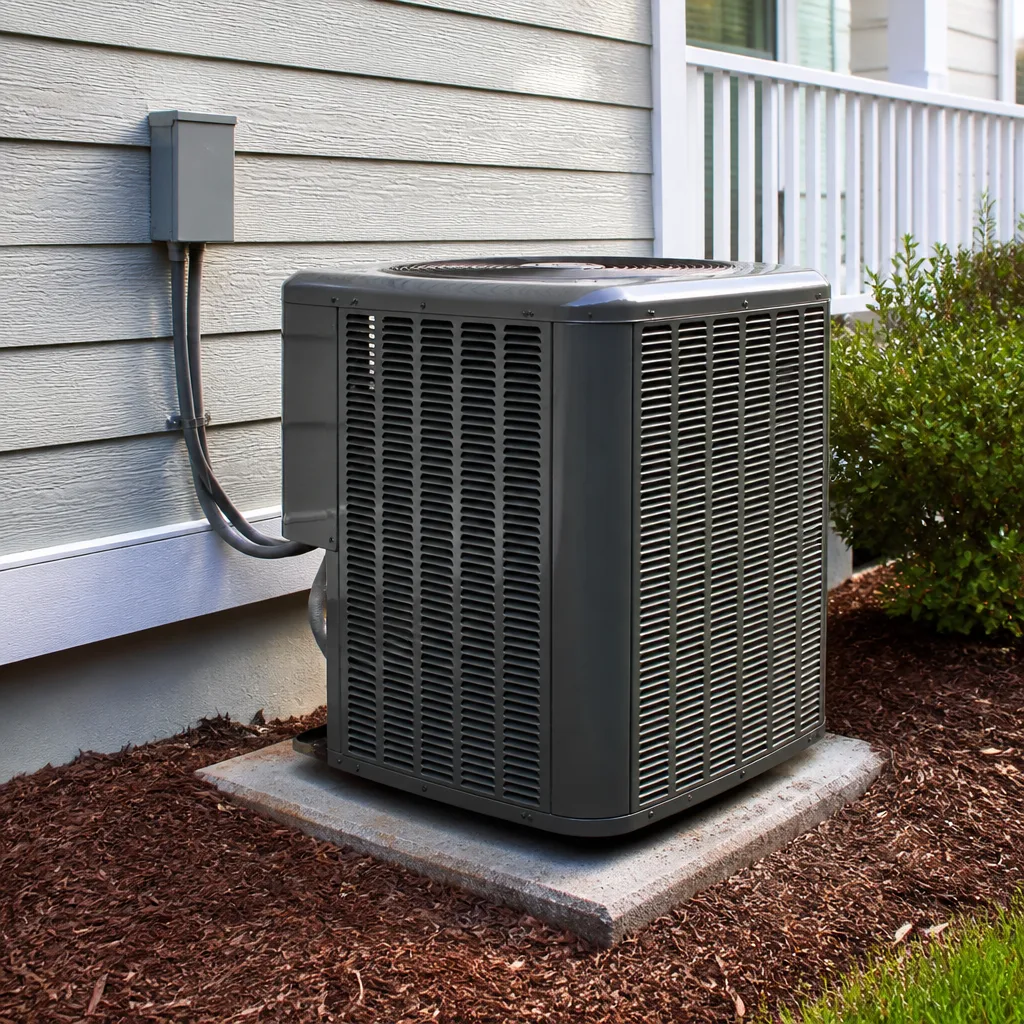 Goodman
Seasonal tune-up and full diagnostic on your Carrier, Trane, or Goodman system - readings shown to you before any repair is proposed
Diagnosis first, numbers second - you approve the repair price before a single part goes in.
Get your free estimateStyles & brands we work with
- AC repair
- Furnace & heating
- Heat pumps
- Ductless mini splits
- Carrier
- Trane
- Goodman
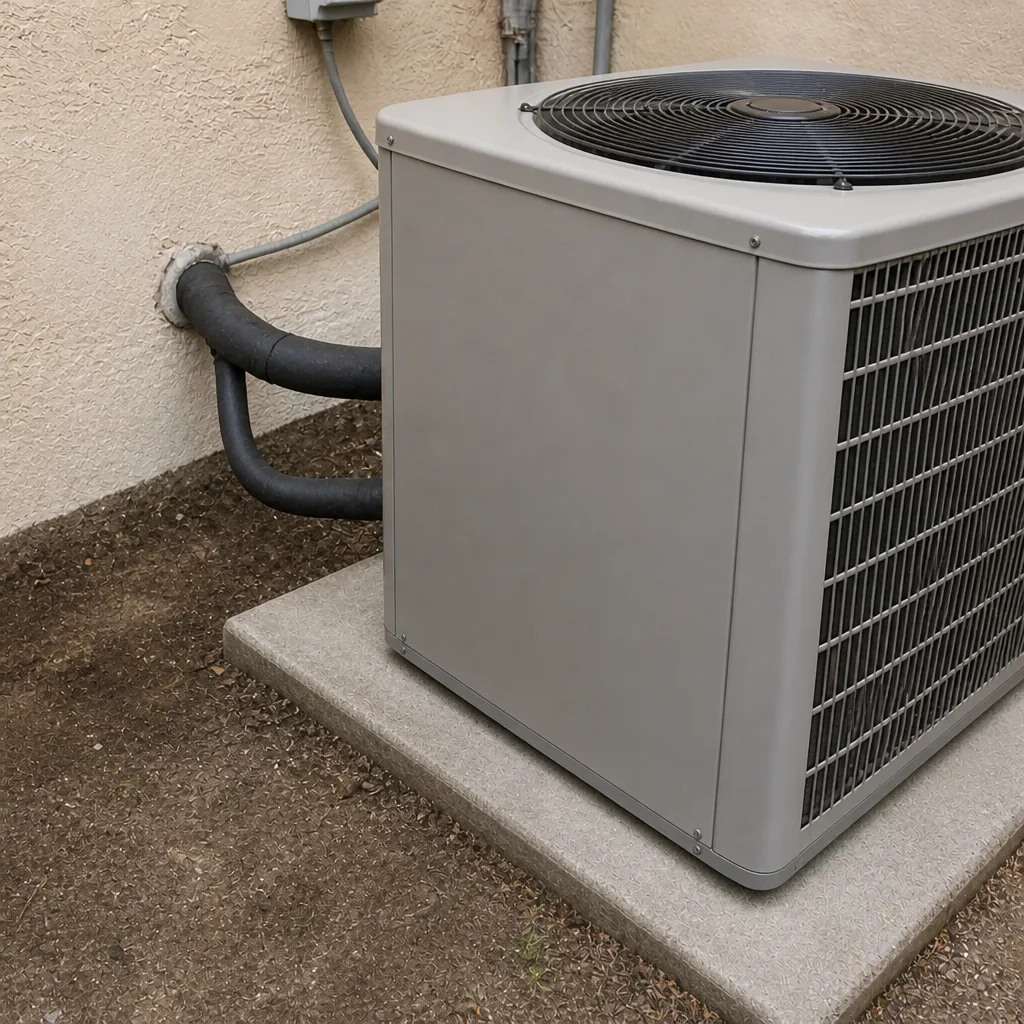
See the difference
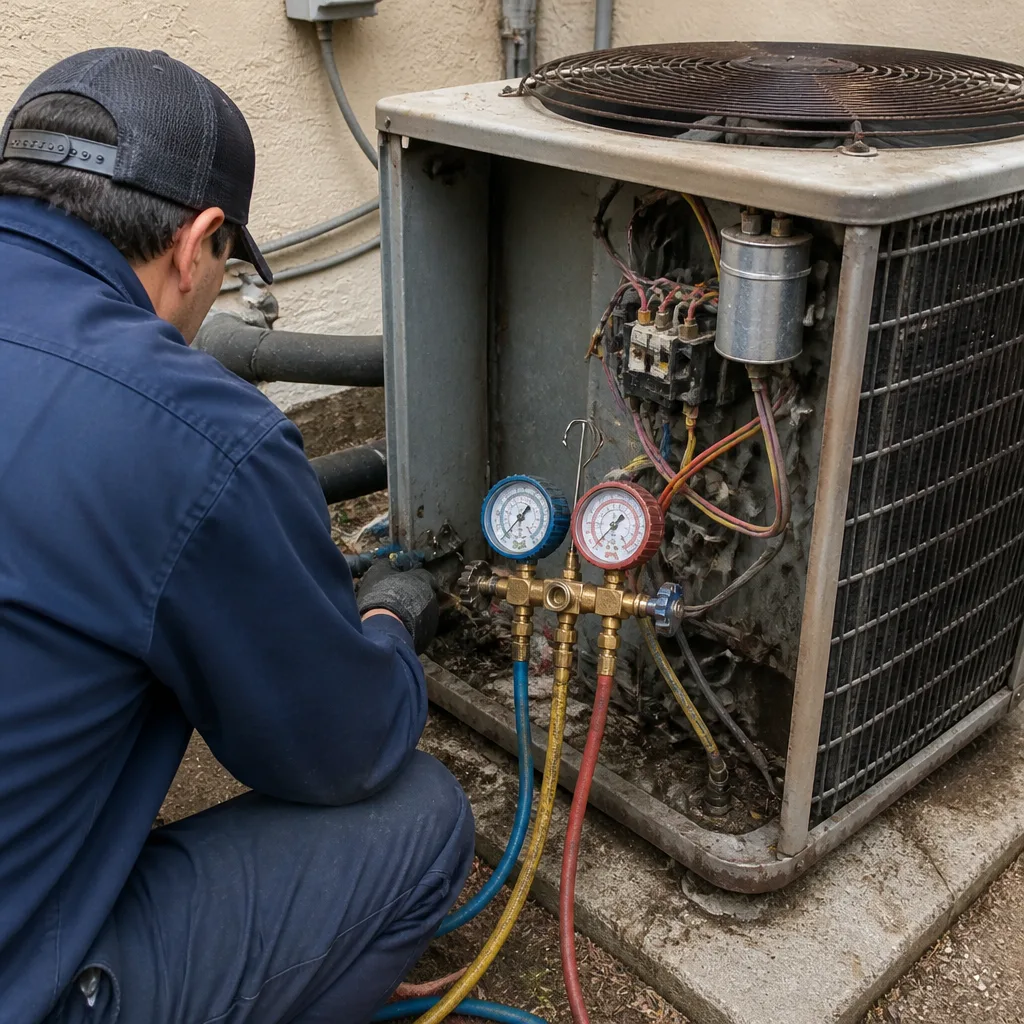 Before
 After
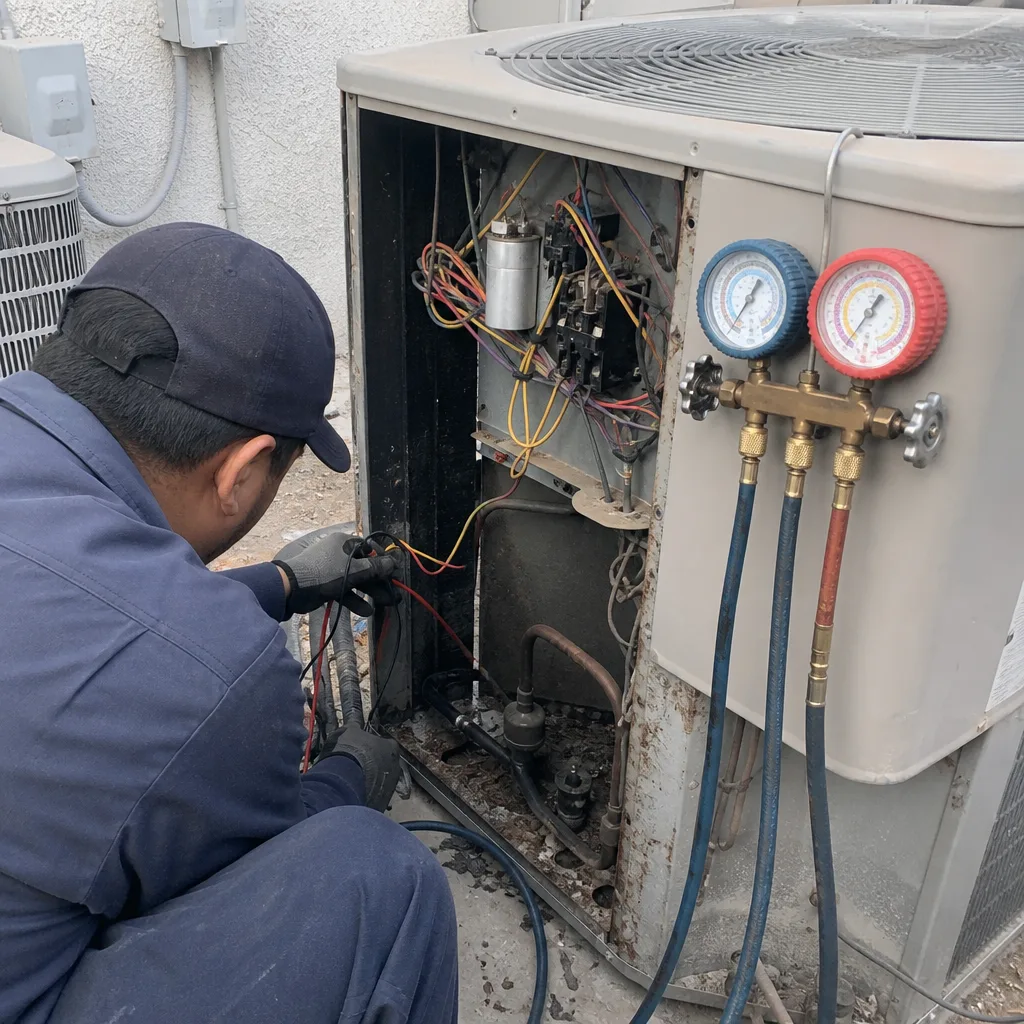 Before
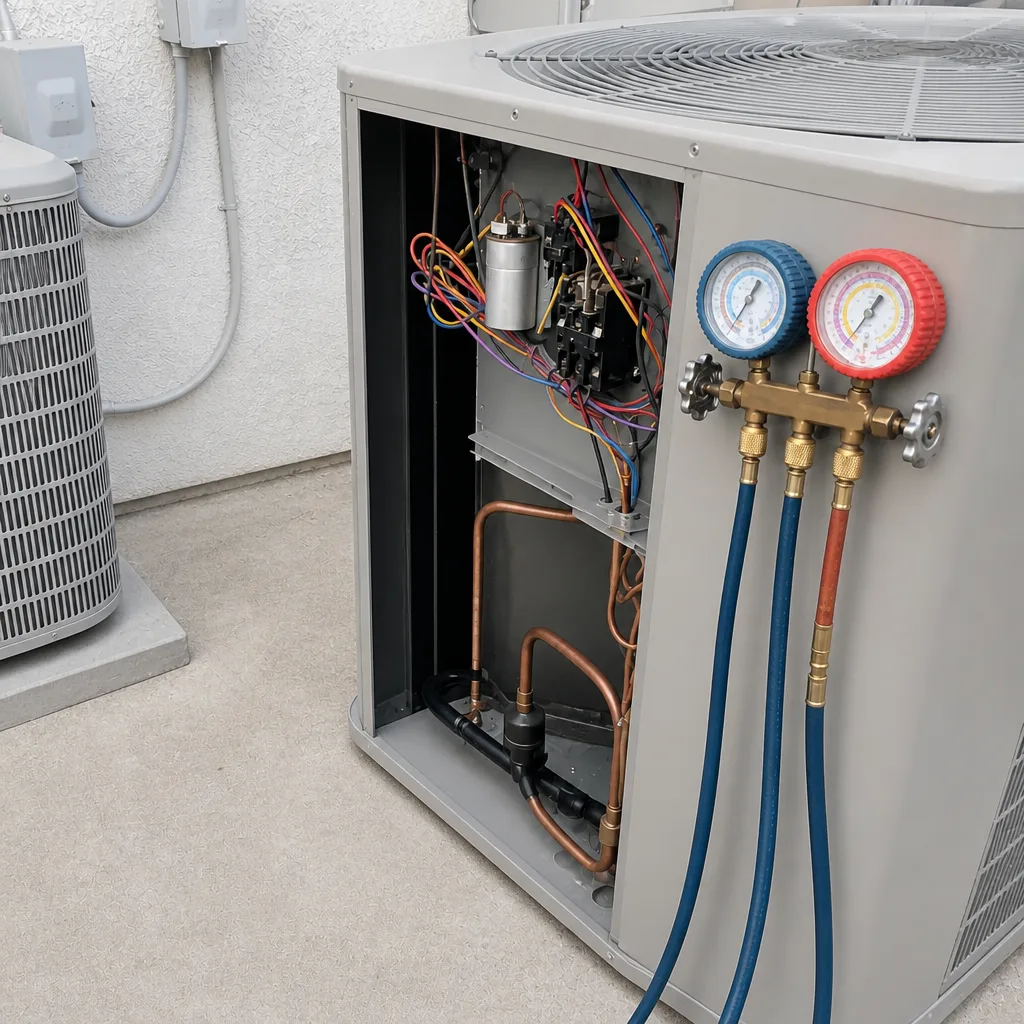 After
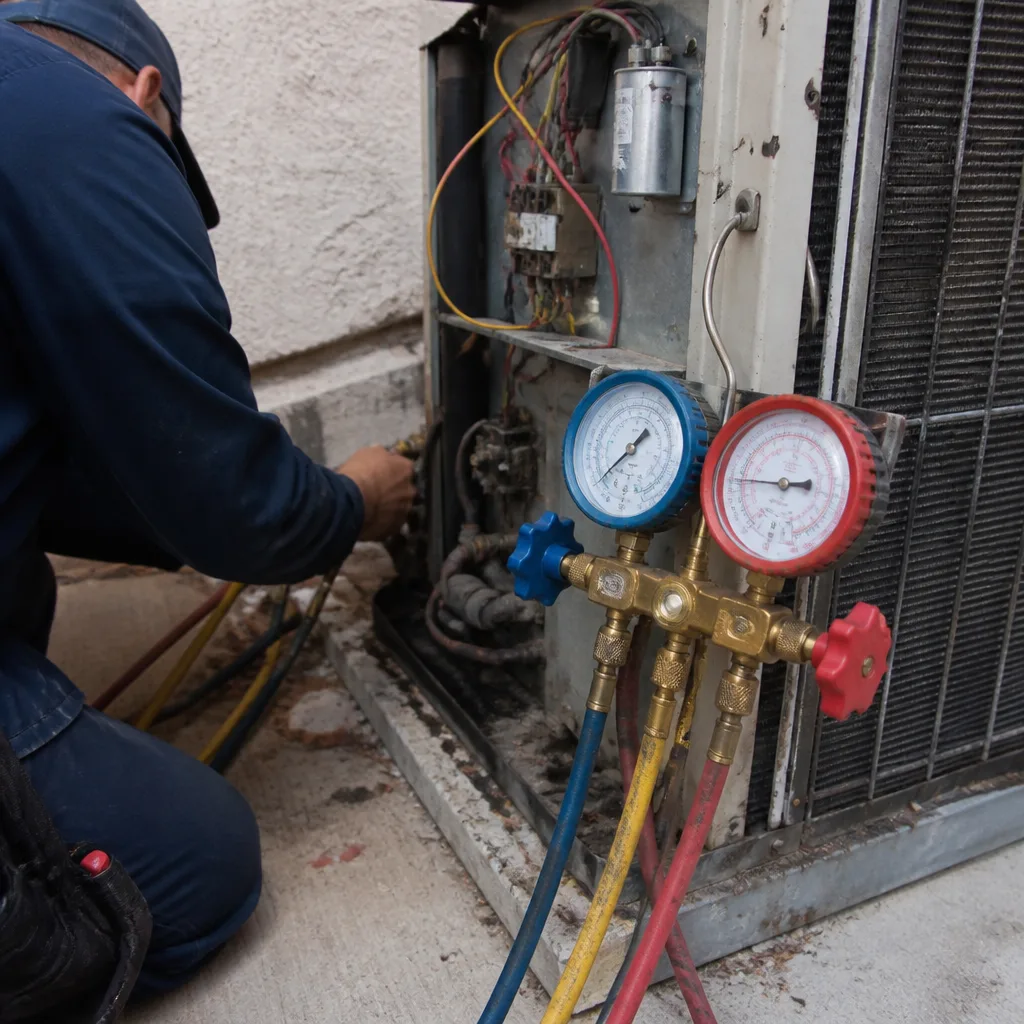 Before
 After
How Often to Replace an HVAC Air Filter in Sunrise Manor, NV: Check at 30 Days, Not 90
For most Sunrise Manor homes, the honest answer is every 30 to 60 days during cooling season, not the 90 days printed on the filter box. That 90-day number was written for a national average house running a few hours a day, and a 1970s Sunrise Manor tract home running AC 16 hours a day through June dust is not that house. If you want the short version: check it at 30 days the first time, look at what you find, and let that set your interval from there. If you’d rather have someone put eyes on it, call Ray’s Heating & Air Sunrise Manor at (877) 311-5951.
Key Takeaways
- Desert dust, long summer runtime, and attic-mounted duct systems make Sunrise Manor filters load faster than the packaging assumes.
- A 1-inch filter in an older air handler loads faster than a 4-inch media filter, so the interval isn’t the same for every house on your block.
- Runtime hours matter more than calendar days. One Sunrise Manor July can equal two or three months of a northern climate’s operation.
- Ray writes the actual filter condition on the work order, so you have a record instead of a guess.
Why the 90-Day Rule Breaks Down in Sunrise Manor
Filter manufacturers set replacement intervals against a baseline: moderate humidity, average runtime, filtered return air, typical dust load. Sunrise Manor doesn’t match any of that. We sit in the Mojave Desert, humidity stays very low, and frequent wind events move fine particulate across the valley all year. That dust has to go somewhere, and the cheapest place for it to land is your filter. Outdoor dust loads here run far above the national baselines those 90-day numbers were built on, which is why a filter that looks “fine” on a Phoenix friend’s calendar schedule can be gray and matted at four weeks in a Sunrise Manor hallway closet.
Then there’s the housing stock. Much of Sunrise Manor is older unincorporated Clark County tract housing built largely in the 1960s through the 1980s, with single-story stucco-on-frame construction, attic air handlers, and original or undersized ductwork. Older homes like this often have attic returns with leaky seams. That means the filter loads from two directions at once: outdoor dust coming through the return grille, and attic dust getting pulled in through gaps in the duct seams before the air ever reaches the filter. No calendar interval on any box accounts for that, and it’s the single biggest reason we see filters in this part of the valley stop being filters well before their printed due date.
Runtime Hours Beat Days on a Calendar
Here’s the number that changes the math. A typical central AC in a Sunrise Manor home in July runs 16 to 20 hours per day. Summer highs sit above 105°F for weeks, the equipment doesn’t get much rest, and moving air through a filter hour after hour is what loads it. Compare that to a house in a milder climate running 6 to 8 hours a day in the same month. One month of Sunrise Manor summer is genuinely two to three months of runtime in a northern climate. So if a manufacturer’s 90-day guidance assumes a lighter duty cycle, and your house is running double, the practical interval collapses to about 30 days in the thick of summer.
This is also why we tell people to throw out the calendar and track two things instead: how many hours a day the system runs, and what the filter looks like when you pull it. If you can’t see light through the media when you hold it up, or you can write your name in the dust on the pleats, it’s done. Interval by observation, not by the month printed on the cardboard.
What Ray Actually Checks, and Why Filter Size Matters
Filter thickness is the detail most homeowners never hear about. A 1-inch filter, which is common in older Sunrise Manor air handlers, has far less pleated surface area than a 4-inch media filter. Less surface area means the same dust load chokes it faster. On a first visit to an older home with a 1-inch filter running in desert conditions, Ray checks it at 3 to 4 weeks to establish that specific house’s loading rate rather than guessing. From there, the interval is set by what the filter actually did, not by a generic rule.
Here’s the sequence we follow on a filter and airflow check, step by step, so nothing gets skipped:
- Pull the filter and photograph the condition before anything else gets touched.
- Note the size, the pleat depth, and the style (1-inch, 4-inch media, washable) on the work order.
- Look at the return grille and the filter slot for dust bypass, which points to leaky seams or a badly sized filter.
- Check the return duct seams at the air handler for the attic-dust pull we described above.
- Measure static pressure across the filter to see how hard the blower is working against it.
- Test the capacitor and check the evaporator coil for the early signs of icing.
- Write the actual filter condition on the work order and set the next check date based on runtime, not a guess.
That last step matters. A lot of outfits just swap the filter and move on. We write down what it looked like, so next time you have a real record instead of a vague memory. It’s the sort of thing that comes up when a homeowner is trying to figure out why their electric bill climbed in August. Ray’s Heating & Air Sunrise Manor does this on every call, cooling or heating, because the filter is the cheapest part of the system and the first thing that tells us how the rest of it is breathing.
A Clogged Filter in a Sunrise Manor Summer Is Not a Small Skip
It’s tempting to treat a loaded filter as a minor maintenance item. In a Sunrise Manor summer it’s not. Restricted airflow drives up the temperature and pressure the system has to work against, and that’s a direct path to three failures:
- High-limit trip: the system shuts itself off to protect the equipment, and it doesn’t always come back cleanly.
- Frozen evaporator coil: reduced airflow over a cold coil lets it ice up, and the AC stops cooling even though it’s running.
- Compressor strain: the part nobody wants to pay for. We test the capacitor and check the coil before anyone says the word compressor, because a dirty filter and a weak capacitor can feel like the same problem from the thermostat.
The usual call comes at midnight, July, 108°F on the thermostat, and the house isn’t cooling. Nine times out of ten the first thing we ask is when the filter was last changed, and nine times out of ten the answer is “I don’t remember.” If you want to head that off before it happens, take a look at our Air Quality & Ventilation page for how filtration and airflow fit together in a home like yours.
Older Sunrise Manor Homes and Legacy Ductwork
The age of the house sets the tone for all of this. Sunrise Manor is older, unincorporated Clark County tract housing, and much of it sits in the transition zone where evaporative coolers were the original install. On the older blocks it’s common to find a rooftop or window swamp cooler still in place alongside a later-added AC, with abandoned cooler ducting and roof penetrations the system has to work around. Original homes weren’t built for refrigerated air, and when AC got added, the ductwork didn’t always get upgraded to match. Those undersized and attic-mounted ducts are part of why the filter on a 1975 Sunrise Manor home loads differently than the one on a 1995 infill house three streets over.
Because Sunrise Manor is unincorporated county jurisdiction rather than City of Las Vegas, equipment changeouts follow different permitting rules too. That’s a separate topic from filter changes, but it’s worth knowing if you’re weighing a filter upgrade against a larger system change. If a media filter cabinet retrofit or duct sealing is on your list, that’s a conversation we’re glad to have. The Air Quality & Ventilation in Sunrise Manor page covers the filtration side in more detail, and you can always start from our home page. We service all the major brands you’ll find in these homes, including Carrier, Trane, and Bryant, and a filter check plus a full system look runs within our tune-up range of $80 to $200.
What a Filter and Airflow Visit Runs
| Service | Typical Range in Sunrise Manor |
|---|---|
| Tune-up (includes filter check and airflow readings) | $80-$200 |
| AC repair (if the filter masked a real problem) | $150-$650 |
| Furnace repair | $150-$700 |
| AC installation (if the system is at end of life) | $3,500-$7,500 |
Readings first, numbers second. You’ll see both before any work begins.
FAQs
Every 30 to 60 days during cooling season for most Sunrise Manor homes, and every 30 days in the peak of summer if you have a 1-inch filter and attic-mounted ducts. Check at 30 days the first time and let what you find set your interval. If you’d rather have someone look, call Ray’s Heating & Air Sunrise Manor at (877) 311-5951 for a no-pressure assessment.
Because desert dust, near-continuous summer operation, and leaky attic return seams all load the filter at once. Outdoor particulate from wind events is high here, and attic dust gets pulled in through duct seams before the air ever reaches the filter. Runtime matters more than calendar days, so a Sunrise Manor July can equal two or three months of operation in a milder climate.
A 4-inch media filter holds more dust and lasts longer between changes, but a 1-inch filter is fine as long as you check it on the shorter interval your house actually needs. The right answer depends on your air handler and duct setup. Ray checks the filter size and loading rate on the first visit and writes the actual condition on the work order so you have a record.
Yes, and in a Sunrise Manor summer it’s one of the most common causes of a midnight emergency call. Restricted airflow can trip the high-limit switch, freeze the evaporator coil, and strain the compressor. We test the capacitor and check the coil before anyone says the word compressor, because a dirty filter and a weak capacitor can look the same from the thermostat. Call (877) 311-5951 if your system is already struggling.
If you’d rather have it looked at, Ray’s Heating & Air Sunrise Manor offers a no-pressure assessment in Sunrise Manor. We’ll pull the filter, write down what we find, and tell you the honest interval for your house. Call (877) 311-5951 for a free estimate. A free second opinion on any written estimate is always available.
Written by the team at Ray’s Heating & Air Sunrise Manor, serving Sunrise Manor, NV.