
Last updated November 18, 2026
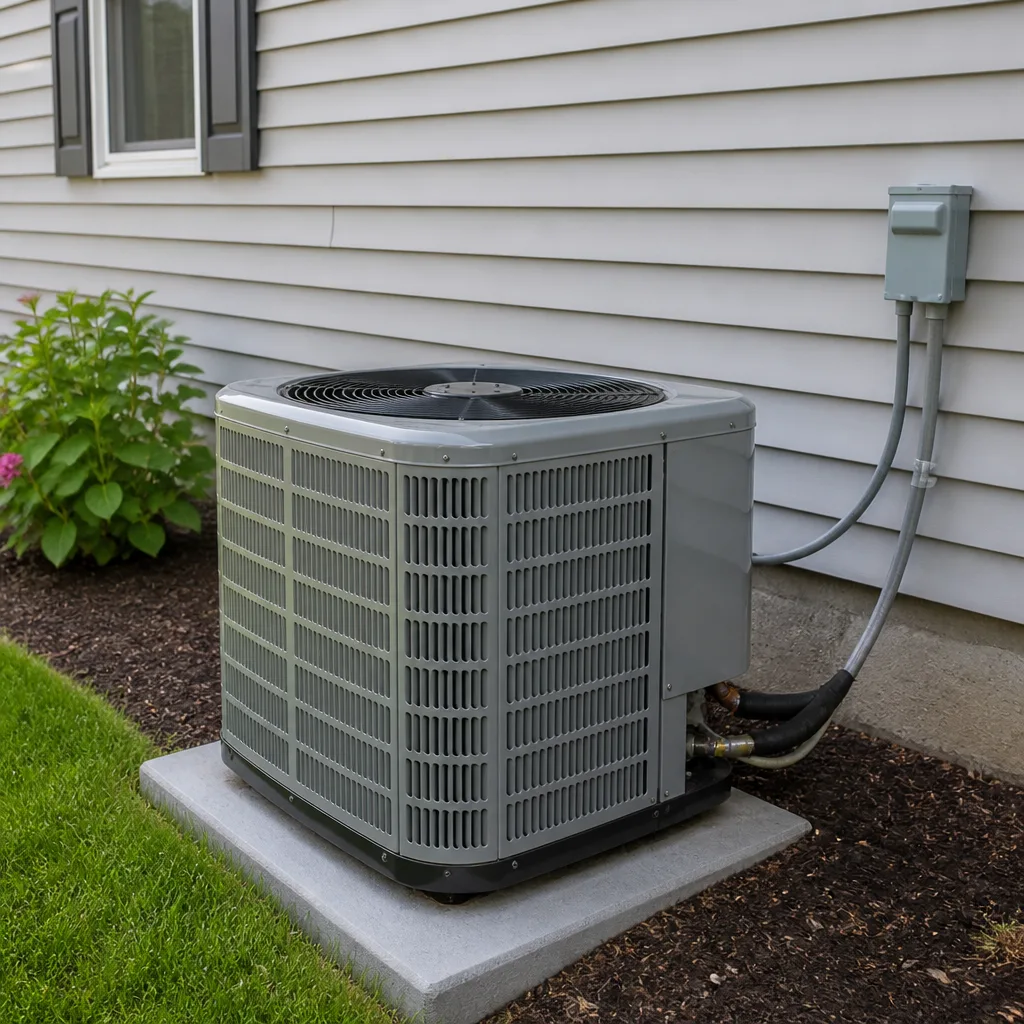 AC repair
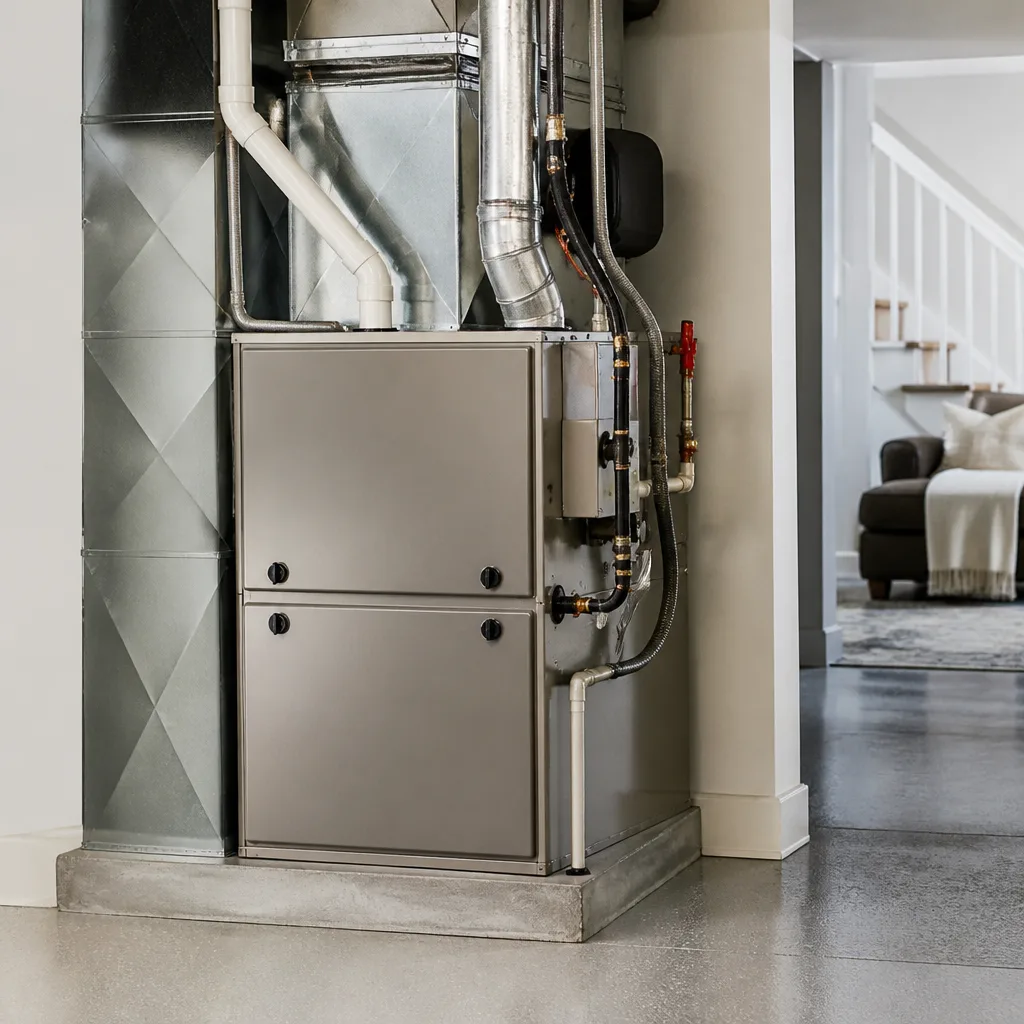 Furnace & heating
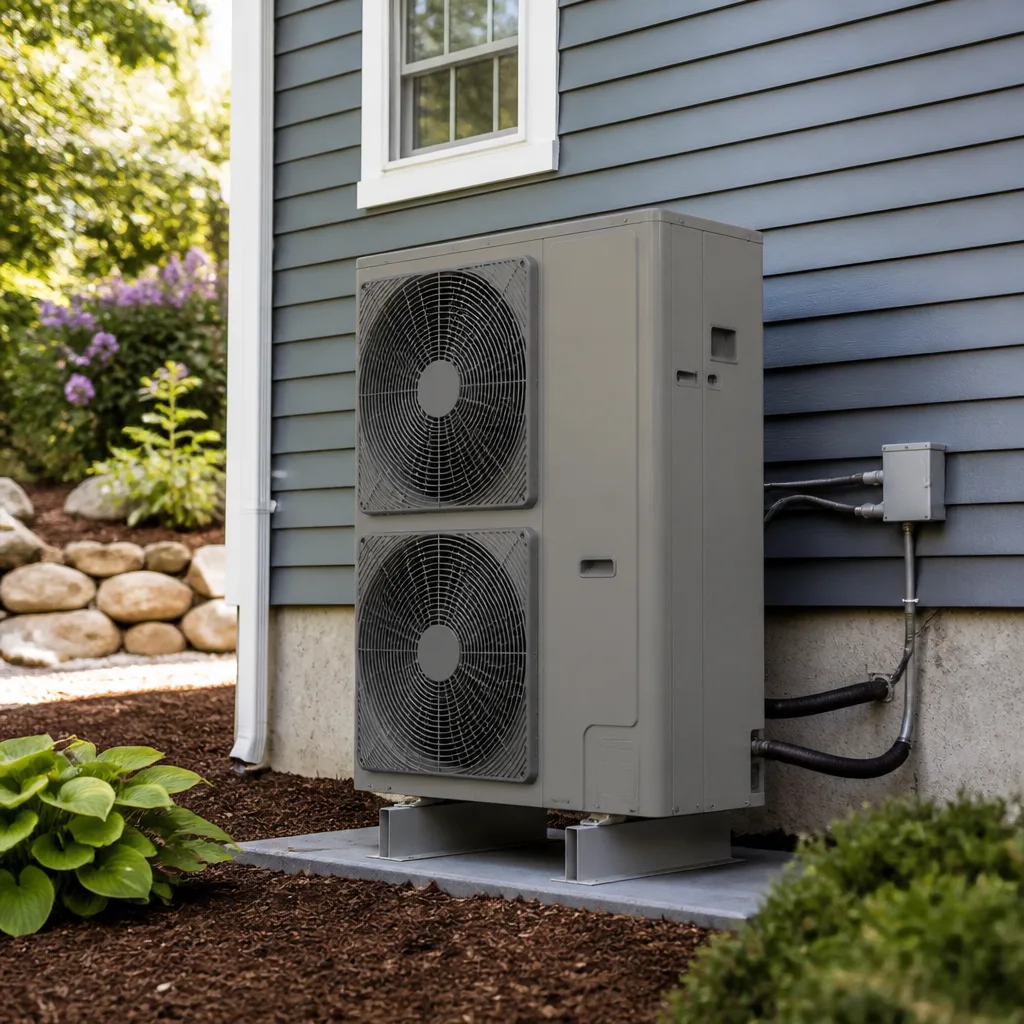 Heat pumps
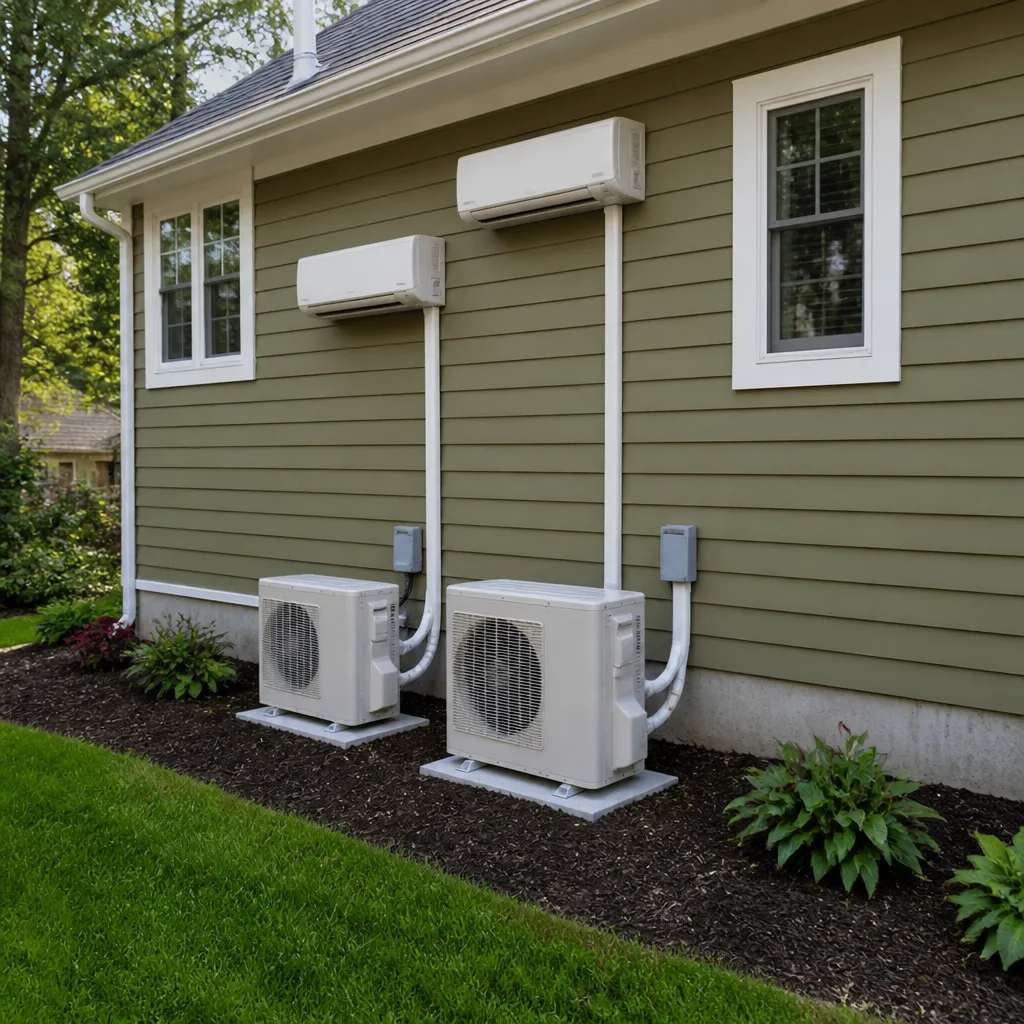 Ductless mini splits
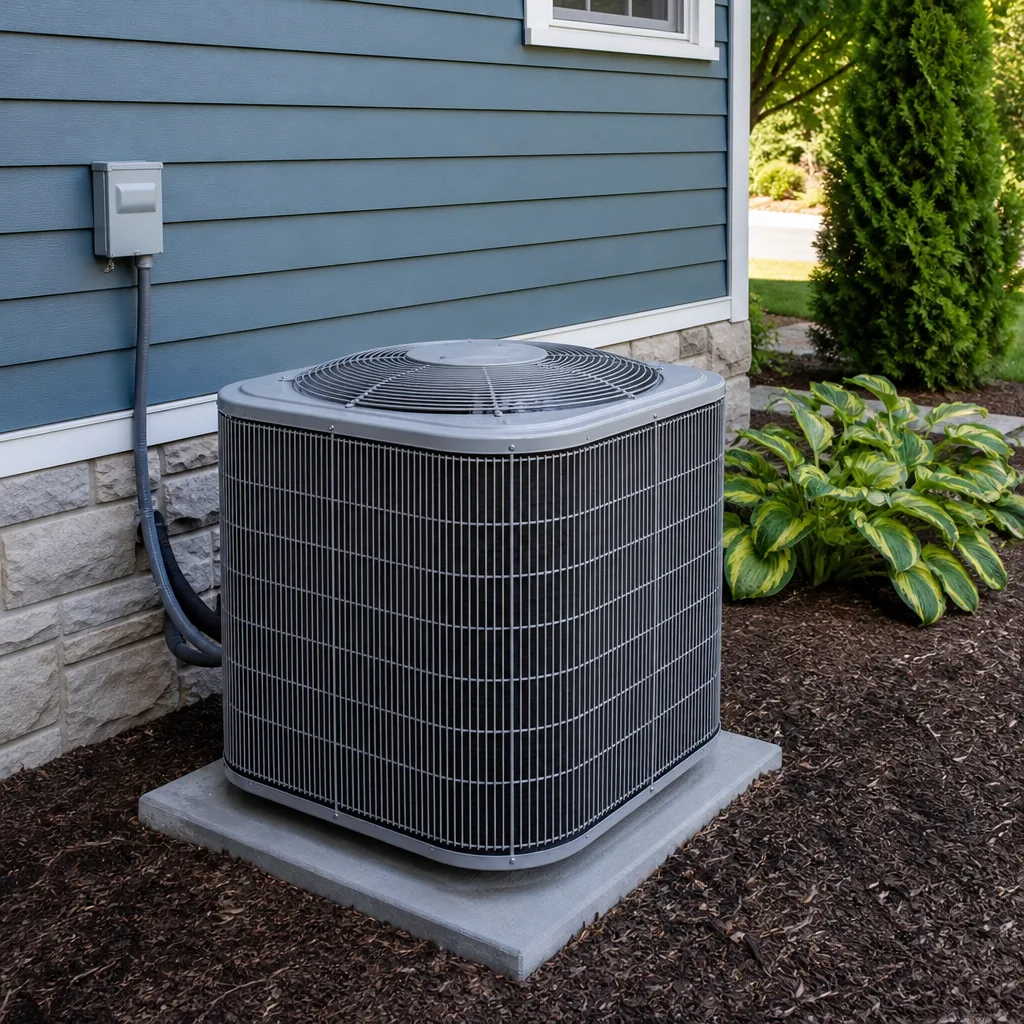 Carrier
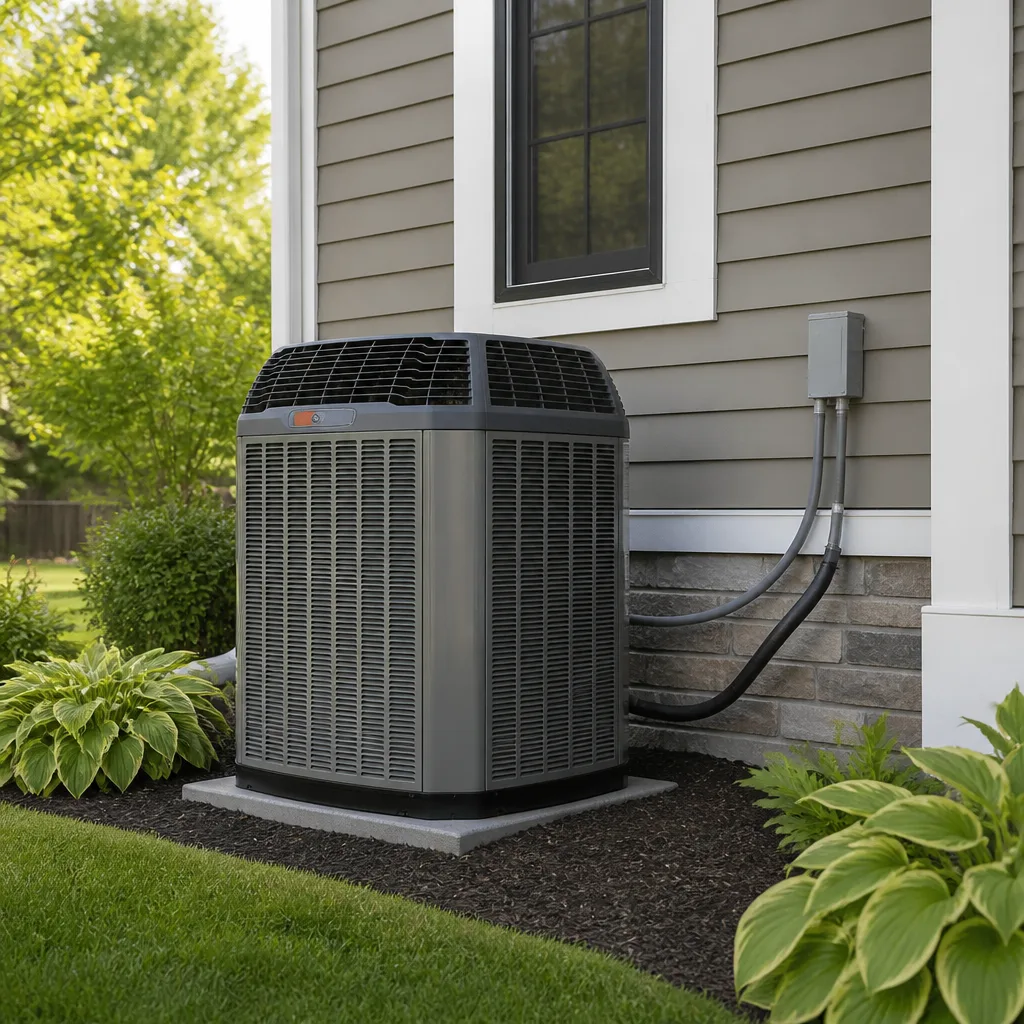 Trane
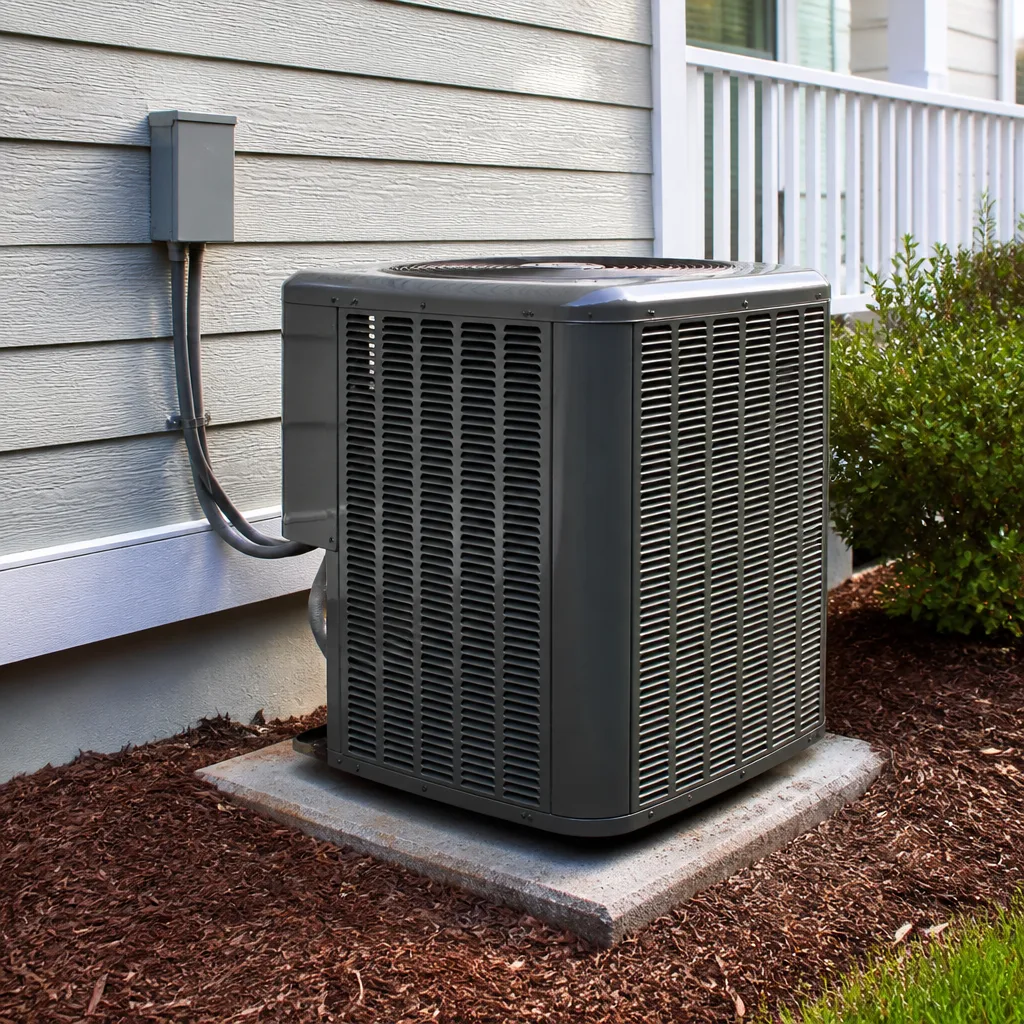 Goodman
Seasonal tune-up and full diagnostic on your Carrier, Trane, or Goodman system - readings shown to you before any repair is proposed
Diagnosis first, numbers second - you approve the repair price before a single part goes in.
Get your free estimateHow Long Does Emergency & Commercial HVAC Take? Timelines and What to Expect
Ray once had a commercial compressor sitting on a truck in Phoenix for 48 hours during a 110-degree week because the parts house wouldn’t cross-ship to a Nevada contractor without a specific account code. The business lost $11,000 in spoiled product and downtime. The part cost $900. That gap between the part price and the real cost is what this guide is about. Emergency commercial HVAC repair in the Las Vegas Valley usually runs 90 minutes to 3 days, and the wrench time is rarely the bottleneck. Parts availability is. Below, we walk through real timeline ranges by failure type, how the local parts network actually works around Sunrise Manor, and the exact questions that separate a crew that’s expediting your part from one that’s just waiting on it.
Quick Answer
Most emergency commercial HVAC repairs take between 90 minutes and 3 days, depending on the failure. A capacitor or contactor swap is typically same-day and done in about 90 minutes. A compressor replacement runs 1 to 3 days because it depends on whether a local parts house in the Las Vegas Valley stocks the unit. A full rooftop unit (RTU) replacement is 3 to 7 days minimum. Labor is predictable. Parts are not.
Styles & brands we work with
- AC repair
- Furnace & heating
- Heat pumps
- Ductless mini splits
- Carrier
- Trane
- Goodman
Table of Contents
- Real Timelines by Failure Type
- How the Las Vegas Valley Parts Network Works
- Why a 7 AM Call Beats a Midnight Call
- What “We Have to Order the Part” Should and Shouldn’t Mean
- Planning Business Continuity in the Gap
- Common Mistakes to Avoid
- When to Call a Professional
- Frequently Asked Questions
Real Timelines by Failure Type
When a commercial system goes down in Sunrise Manor in July, the first honest question isn’t “how long will the repair take.” It’s “which repair are we actually doing.” The timeline swings wildly by failure type, and knowing the range up front keeps you from being told “a couple hours” for a job that needs a compressor flown in from Los Angeles.
Here’s the range we see across Sunrise Manor and the surrounding valley:
- Capacitor or contactor swap: Same day, about 90 minutes on site. These are the small electrical components that fail most often on commercial equipment, and most crews keep them on the truck. This is the best-case emergency call.
- Refrigerant recharge and leak search: Same day if a certified tech is available, typically 2 to 4 hours. The catch is that a recharge fixes the symptom, not the leak. A proper leak search adds time and needs a follow-up.
- Fan motor or blower replacement: 1 to 2 days, parts dependent. Motors are common enough that some are stocked locally, but the exact model for your Bryant or American Standard rooftop often isn’t.
- Compressor replacement: 1 to 3 days. This is the parts-lottery job. If the compressor is sitting on a shelf in Las Vegas, you’re looking at a long day. If it has to ship from Phoenix or LA, add 24 to 72 hours.
- Full RTU replacement: 3 to 7 days minimum. That’s load calculation, ordering, crane scheduling, and electrical work. Nobody does this in a day, and anyone who says they will is selling you something.
The pattern to notice: the smaller the part, the more predictable the timeline. The bigger the part, the more the clock is run by the supply chain, not by the person holding the wrench.
How the Las Vegas Valley Parts Network Works
This is the part of the conversation almost no one has with a customer, and it’s the reason a four-hour fix turns into a three-day wait. Commercial HVAC parts in the Las Vegas Valley don’t all live here. Some do. Plenty don’t.
Here’s the rough picture of what’s actually local versus what ships:
- Locally stocked: Capacitors, contactors, relays, common thermostats, standard fan motors, filters, belts, and most refrigerant. These are the items a commercial parts house in North Las Vegas or near the Sunrise Manor corridor can hand you off the shelf the same morning.
- Sometimes local: Compressors for the most common commercial tonnages, certain control boards, and brand-specific motors. Whether it’s “sometimes” depends on the day and which account the contractor holds.
- Ships from Phoenix or LA: Larger compressors, uncommon RTU components, proprietary boards for Carrier or Trane equipment, and anything for older American Standard or Bryant units. Phoenix is typically a next-day ship. Los Angeles is often same-day if the order lands before the cutoff, otherwise next-day.
The pressure point is the account. Some parts houses won’t cross-ship to a contractor who doesn’t hold an account code with them, and that’s exactly the trap Ray hit in Phoenix. A crew without the right accounts gets told “it’ll be here Thursday” when a crew with the right accounts gets it Wednesday morning. If you’re managing a commercial property in Sunrise Manor, ask the contractor you call which parts houses they hold commercial accounts with before the emergency happens, not during one.
Why a 7 AM Call Beats a Midnight Call
This sounds backward for a 24-hour service, so let’s be clear about what we mean. A live person answering your call at 2 AM matters, and it should. What that 2 AM call can’t do is move a part that’s sitting behind a locked parts-house counter.
Here’s the sequence that actually gets a commercial system back online fastest:
- 7 AM weekday call: Someone picks up, diagnoses over the phone or on site before 9, confirms the part, and gets the order into the local parts house before the morning cutoff. If the part is local, it’s on site by early afternoon.
- Midnight call: Someone answers, but the parts house is closed. The best a good crew can do is stabilize the system (safe shutdown, temporary fan, whatever’s reasonable), schedule the diagnostic for morning, and place the parts call at opening. Same order, several hours later.
- Friday afternoon call: The worst window. Parts houses run shorter Friday hours and many don’t ship Saturday. A Friday 3 PM compressor call in Sunrise Manor can mean Tuesday before the part lands, even if the crew is there in an hour.
So a 24-hour answering service is a real safety net for no-heat, no-cool, or safety-shutdown situations. But if you can plan at all, call at the start of a business day. The phone call at 7 AM is what puts your part in line. The midnight call just tells us the building is down.
What “We Have to Order the Part” Should and Shouldn’t Mean
Every commercial HVAC contractor will eventually say “we have to order the part.” The question is whether they’re actually expediting it or sitting on the order until it’s convenient. You can usually tell within 24 hours which one it is.
What it should mean:
- You get the part number, the supplier, and a specific promised delivery window (for example, “Phoenix, arrives tomorrow by noon”).
- You get a confirmation number or a screenshot of the order.
- You’re told which shipping speed was chosen, and whether overnight was an option and what it would cost.
- You’re told who’s calling the parts house to confirm the order actually shipped, and when that call happens.
What it shouldn’t mean:
- “It’ll be a few days” with no part number and no supplier named.
- “Our warehouse is checking” when there is no warehouse (that’s a flag you’re talking to a national outfit with no local footprint).
- No follow-up call to confirm shipment left the parts house.
- Silence for 48 hours, then “still waiting.”
If you’re managing a property, ask once, plainly: “Can you send me the part number and the shipment confirmation when it goes out?” A crew that’s genuinely expediting will send it. A crew that’s waiting won’t have one to send.
Planning Business Continuity in the Gap
When the timeline stretches to two or three days, you need air in the building. In a Las Vegas Valley July, that’s not a comfort issue, it’s a health and safety issue, especially for a commercial space with employees or customers. Here’s what actually works and what makes things worse.
Realistic temporary cooling:
- Portable spot coolers: The best general option. Rolling units that vent out a window or wall opening. Rentals are available in the valley, they work well in a defined zone, and they don’t need a crane.
- Evaporative (swamp) coolers: Cheap and easy to rent, but they work by adding moisture to the air. In a commercial space with product, paper, electronics, or already-high humidity, that’s a problem. Use only if you’ve thought through the moisture.
- Isolating the hot zone: Sometimes the right move is to close off the hottest part of the building, drop the thermostat setpoints in the rest, and use fans to move air. Keeps the critical area livable while the part is en route.
What makes it worse:
- Pushing a broken system to keep running. Running a compressor with a bad capacitor or a refrigerant leak will turn a 90-minute fix into a full compressor replacement, and that multiplies your timeline by 3.
- Opening windows in a Sunrise Manor commercial building during a dust event. Our valley dust storms will coat every filter and coil in the building, and that’s a second job on top of the first.
- Renting window units and plugging them into overloaded circuits. If you haven’t checked the circuit capacity, you’re trading an HVAC problem for an electrical one.
While you’re planning the gap, it’s also worth resetting your filter and coil expectations for when the system comes back. If you want to get ahead of the next failure, our AC Repair & Installation in Sunrise Manor page covers the annual tune-up that catches most of these parts failures before they strand you.
Common Mistakes to Avoid
- Calling a national 1-800 number and assuming it’s faster. They don’t control the local parts network, and they can’t confirm a shipment with a supplier they’ve never held an account with. The crew on site in Sunrise Manor can.
- Accepting “a couple hours” for a compressor job. If the part isn’t already local, nobody is doing a compressor replacement in two hours. The honest answer is 1 to 3 days.
- Not asking for the part number and shipment confirmation. This is the single question that tells you whether the order is being expedited or sitting. Ask it early.
- Waiting until Friday afternoon to call about a failing system. Parts houses run shorter Friday hours and many don’t ship Saturdays. A Friday call can add two days to a repair that would have finished Friday afternoon.
- Running a failing unit to bridge the gap. Every hour a compressor runs with a bad capacitor or low refrigerant is an hour closer to a full replacement. Shut it down and get it diagnosed.
- Adding portable humidity before checking what’s in the building. Swamp coolers in a commercial space with paper, product, or electronics will cost you more than the HVAC repair.
- Not committing your contractor to a written timeline. “We’ll get back to you” isn’t a timeline. “Part arrives Wednesday noon, installed Wednesday afternoon” is.
When to Call a Professional
Call for a professional the moment a commercial system starts short-cycling, trips the breaker, blows warm air, or trips a safety switch. Call immediately if you see ice on an indoor coil, hear a compressor grinding, or smell refrigerant or burning. Commercial refrigerant work needs a certified tech, and compressor work needs someone who knows what they’re looking at. Don’t open panels, don’t reset a tripped breaker more than once, and don’t keep restarting a unit that’s clearly failing. That’s how a 90-minute fix becomes a three-day parts wait.
For no-heat situations in the colder months, the same logic applies: a failing furnace is a safety issue, not just a comfort issue. Our Heating & Furnace in Sunrise Manor page lays out what we check first. Ray’s Heating & Air Sunrise Manor offers free estimates in Sunrise Manor – call (877) 311-5951. Phones are answered by a live person around the clock, and Ray publishes his name, address, and license number so you know who’s behind the call.
Frequently Asked Questions
It depends on the failure. A capacitor or contactor swap is same-day, about 90 minutes. A refrigerant recharge is same-day if a certified tech is available, typically 2 to 4 hours. A compressor replacement is 1 to 3 days, entirely parts dependent. A full rooftop unit replacement is 3 to 7 days minimum. The variable that moves the timeline most is parts availability, not labor. Call (877) 311-5951 for an exact estimate on your system – estimates are free.
Because the parts house is the bottleneck, not the answering service. At 7 AM on a weekday, a diagnosis can get a part ordered before the parts house morning cutoff, and a local part is on site by afternoon. A midnight call gets a live person who can stabilize the system, but the part order waits until the parts house opens. Same repair, several hours later. The only thing a midnight call can’t do is move a part that’s behind a locked counter.
Capacitors, contactors, relays, standard fan motors, filters, belts, and most refrigerant are stocked locally at commercial parts houses in the valley. Compressors and proprietary control boards for Carrier, Trane, Bryant, and American Standard units are hit or miss. Larger compressors and uncommon RTU components typically ship from Phoenix (next-day) or Los Angeles (same-day if ordered before the cutoff, otherwise next-day). Ask your contractor which parts houses they hold commercial accounts with before an emergency.
Sometimes. If the compressor for your tonnage and brand is sitting on a local shelf, we can usually install the same day or next day. If it isn’t local, it ships from Phoenix or Los Angeles, and that’s 24 to 72 hours. Nobody can promise same-day on a compressor without checking local stock first. The honest answer is “we’ll know within a couple hours.” Call (877) 311-5951 so we can start the check.
Protect the building and don’t make it worse. Shut the failing unit down rather than running it. Rent portable spot coolers for the critical zones, avoid running evaporative coolers if the building has product, paper, or electronics, and isolate the hottest area. Don’t open windows during a dust event. And keep the part number and shipment confirmation in hand so you know the timeline is real. If the part is delayed past the promised window, that’s when to call and ask for the next option.
Establish the relationship before the emergency. Know which contractor holds commercial accounts at the local parts houses, and get a written quote and written timeline for repairs. Ask for the 90-Day Done Right Promise in writing, so if a repair fails you have one call and it’s made right. Regular maintenance catches failing capacitors, contactors, and fan motors before they strand you in July. Our Heat Pump & Mini Split in Sunrise Manor page covers maintenance for those systems, and our Ray’s Heating & Air Sunrise Manor home page has the full picture of what we do. Call (877) 311-5951 for a free estimate.
The Bottom Line
Emergency commercial HVAC timelines are driven by parts availability, not labor. That’s the whole story. A capacitor is 90 minutes. A refrigerant recharge is same-day if a certified tech is available. A compressor is 1 to 3 days, purely parts dependent. A full RTU replacement is 3 to 7 days minimum. In the Las Vegas Valley, local parts houses stock the small stuff and ship the big stuff from Phoenix or LA. The questions that protect you are simple: which parts houses does your contractor hold accounts with, what’s the part number, and when does the shipment land. If you get clear answers, you get a real timeline. If you don’t, you’re waiting. Call (877) 311-5951 for a free estimate in Sunrise Manor – we’ll tell you straight which timeline you’re on.
Written by the team at Ray’s Heating & Air Sunrise Manor.
See the difference
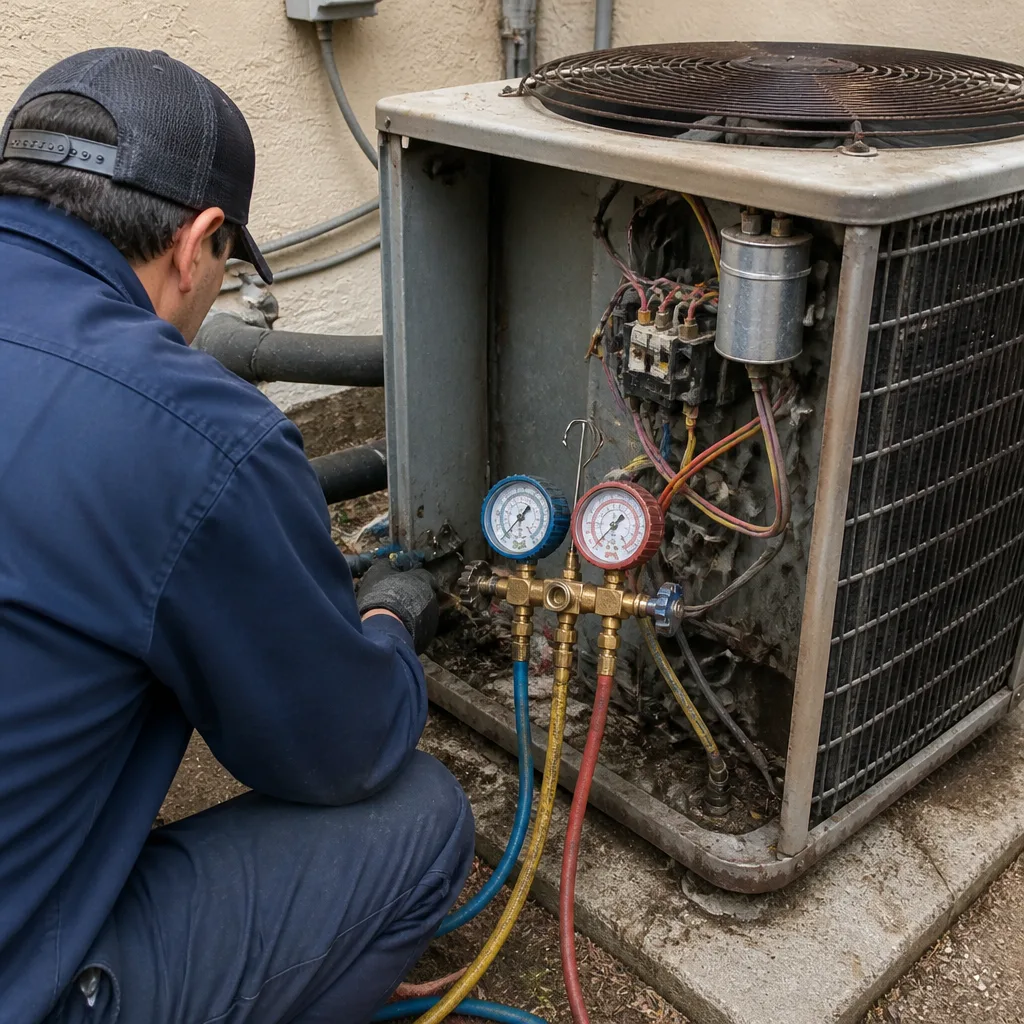 Before
 After
 Before
 After
 Before
 After