
Last updated November 18, 2026
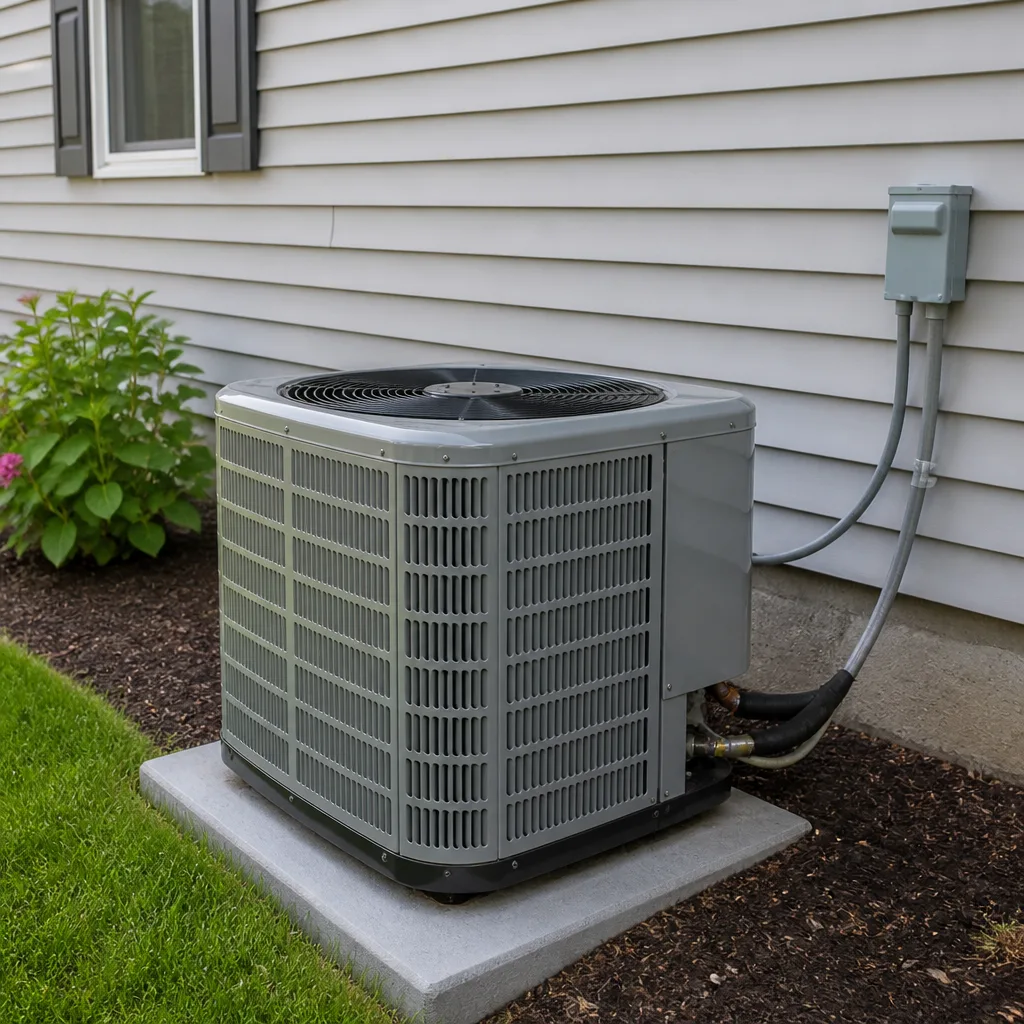 AC repair
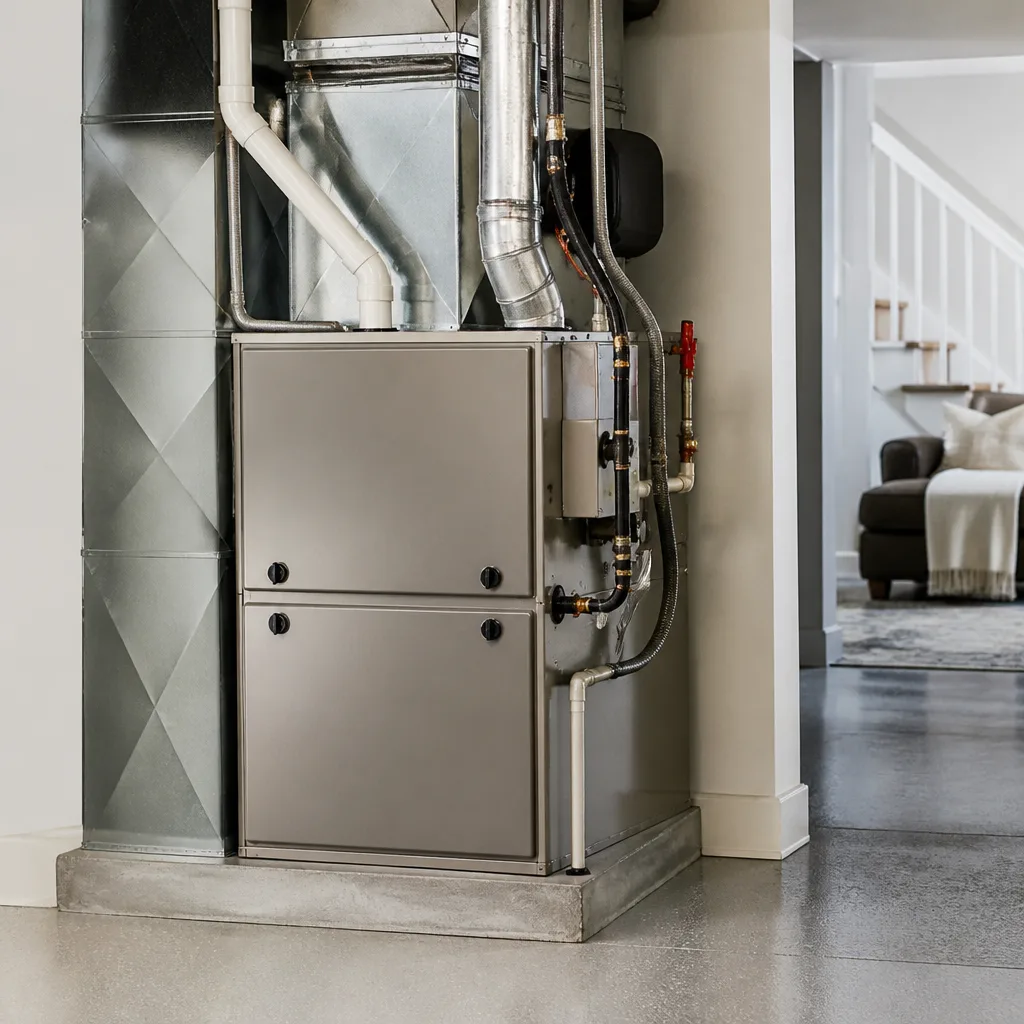 Furnace & heating
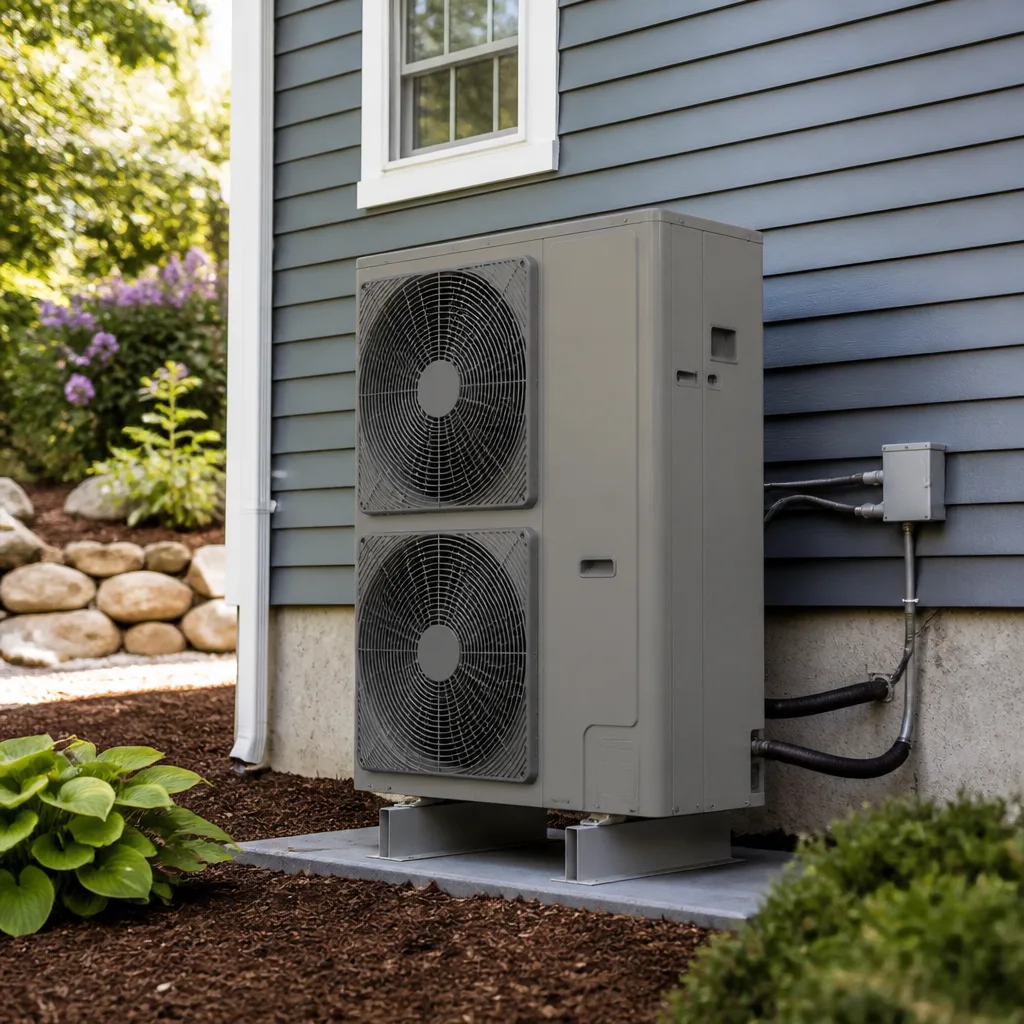 Heat pumps
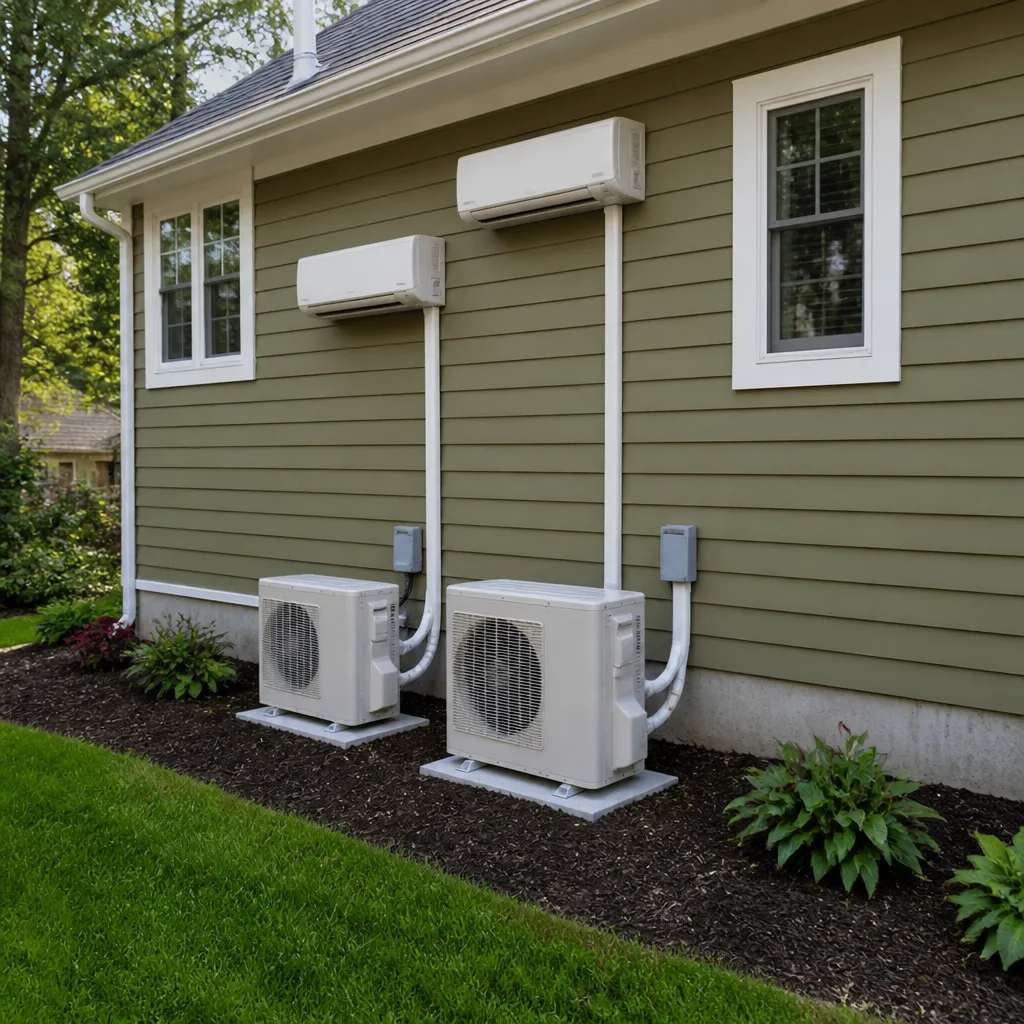 Ductless mini splits
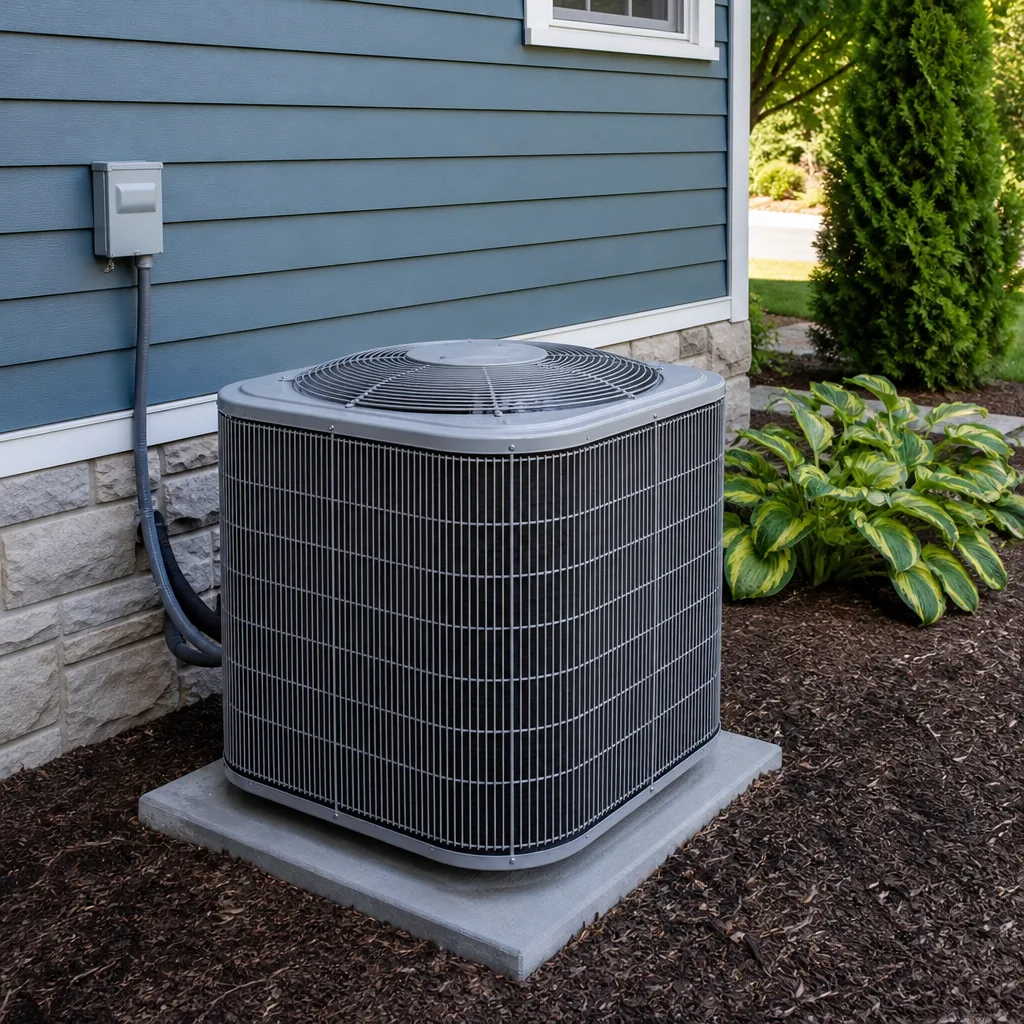 Carrier
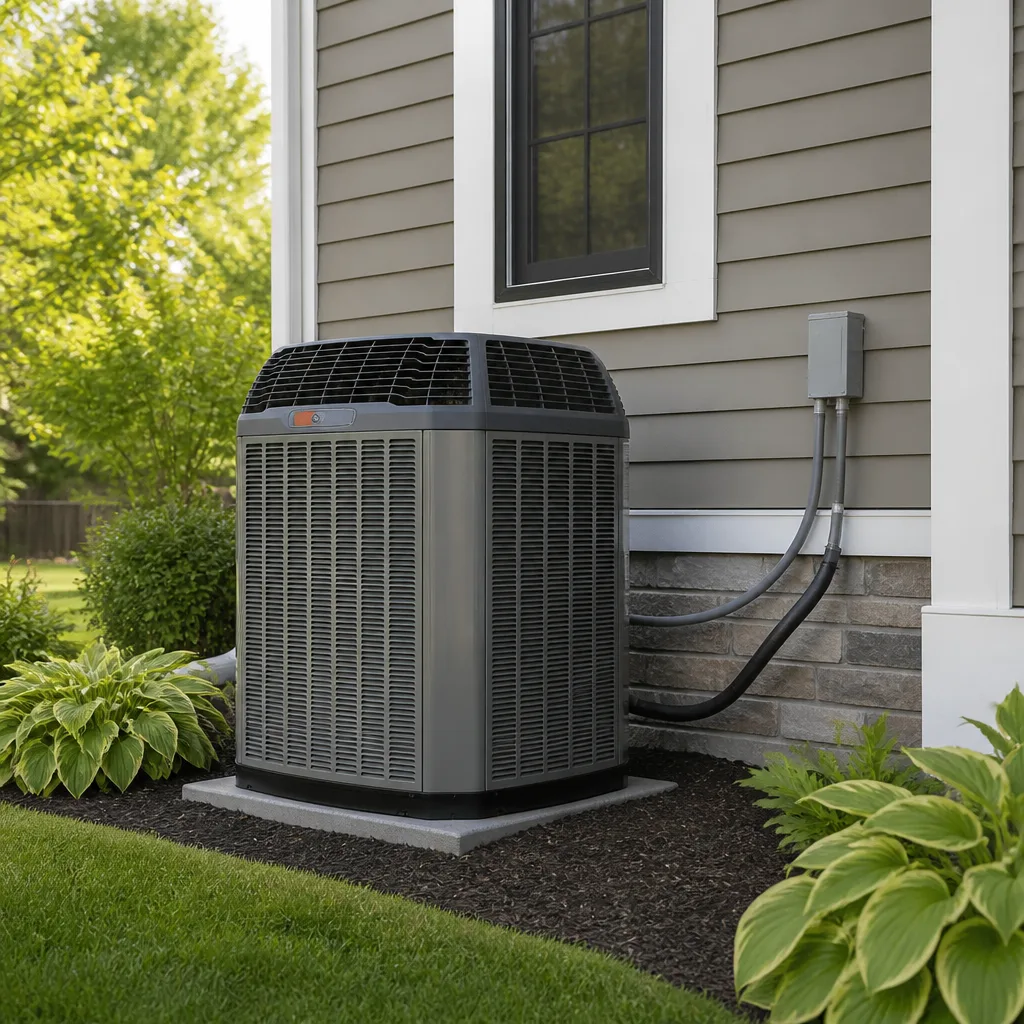 Trane
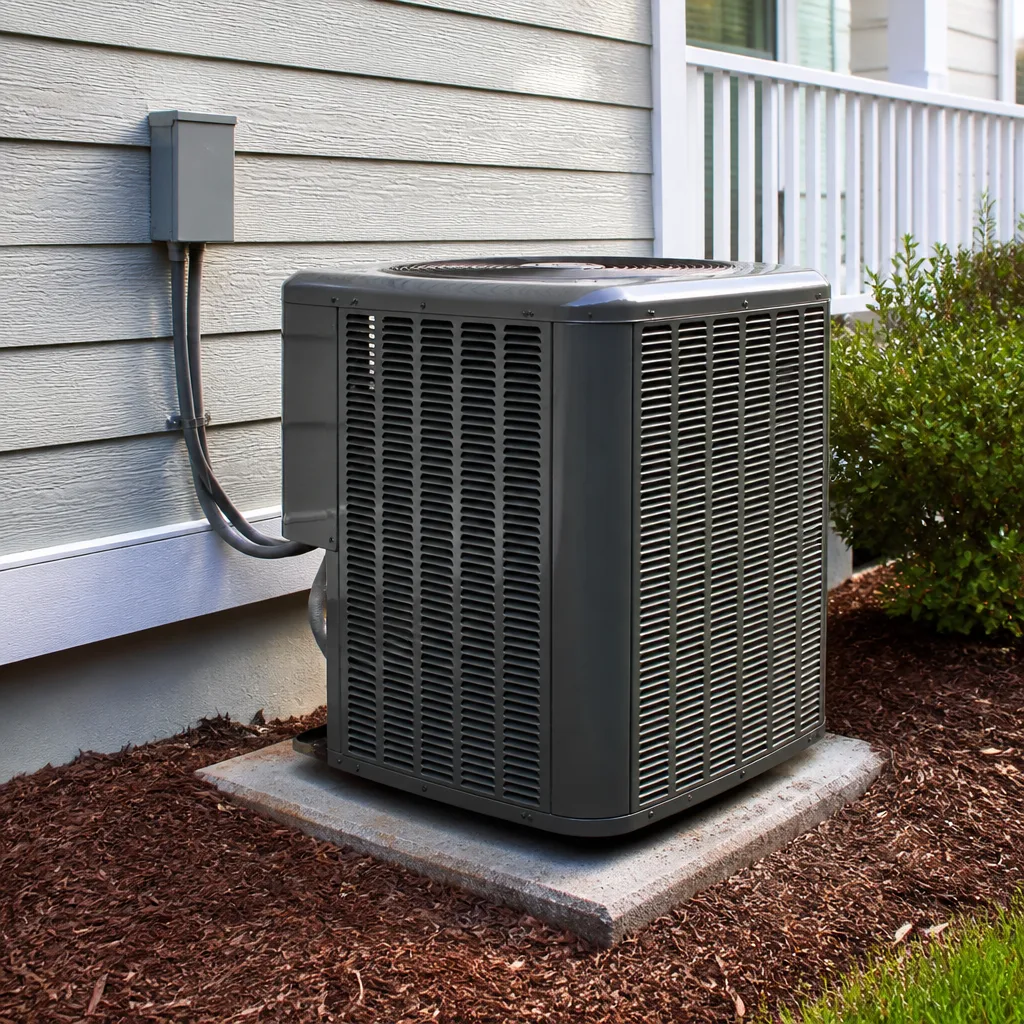 Goodman
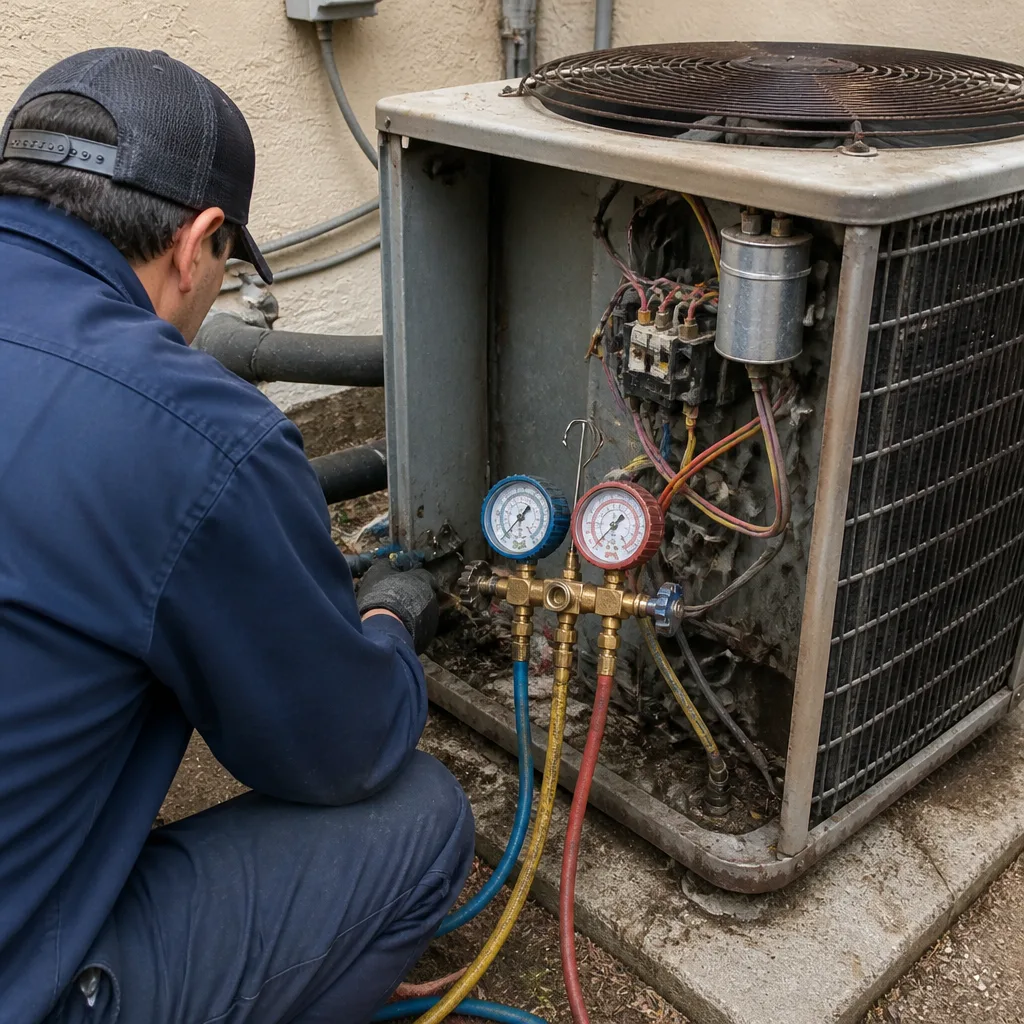
Seasonal tune-up and full diagnostic on your Carrier, Trane, or Goodman system - readings shown to you before any repair is proposed
Diagnosis first, numbers second - you approve the repair price before a single part goes in.
Get your free estimateAir Quality & Ventilation Warning Signs Every Homeowner Should Know
If everyone in your house feels better the day after a windy night with windows cracked, your ventilation system is not doing its job. The house just told you. That is the first warning sign, and most people miss it because they blame pollen, dry desert air, or allergies. In our experience, the real culprit is usually the building itself failing to move air the way it should. This guide teaches you to read the house, not just your symptoms: the smells, the condensation, the dust patterns, the headaches that hit around 3 p.m. If you live in Sunrise Manor, where the desert swings from 105 degrees in July to 30 in January, those signs show up faster and mean more.
Quick Answer
The main warning signs of poor air quality and bad ventilation are persistent musty or metallic smells, foggy condensation on interior windows, uneven dust patterns near certain vents, headaches or fatigue that build during the day, and dark staining around supply registers. Each one points to a specific airflow or duct problem, and each is worth a professional diagnosis rather than a guess. If you notice two or more, get the system checked.
Styles & brands we work with
- AC repair
- Furnace & heating
- Heat pumps
- Ductless mini splits
- Carrier
- Trane
- Goodman
Table of Contents
- The Smell Test: Musty, Metallic, and “Used” Air
- Why Interior Window Condensation Is a Red Flag in the Desert
- Reading Uneven Dust Patterns to Find Leaky Ducts
- The Headache and Fatigue Pattern That Points to CO2
- What Dark Staining Around Supply Vents Really Means
- A Simple Walk-Through to Check Your Own House
- Common Mistakes to Avoid
- When to Call a Professional
The Smell Test: Musty, Metallic, and “Used” Air
Your nose is the cheapest diagnostic tool you own, and it is usually right. The trick is not just noticing a smell but placing it. Each one tends to travel with a specific ventilation failure, and knowing which smell you are dealing with saves a lot of guessing before anyone opens a panel.
- Musty, damp-basement smell. This usually means moisture is sitting somewhere it should not: a wet evaporator coil, a clogged condensate drain, or ductwork pulling humid air from a crawlspace. In Sunrise Manor the outdoor air is dry, so a musty smell indoors almost always points to a moisture problem inside the system, not the weather.
- Metallic or “hot” smell. Often a sign of a motor or blower running hot, or debris and dust baking off a heat exchanger. If it shows up the first time you run the heat in the fall, watch it. If it lingers past a day, that is worth a look.
- “Used” or stale air. The smell of a room where people slept all night and the air never got replaced. That is inadequate fresh-air exchange, and it is one of the most common ventilation problems we see in tightly built homes around Sunrise Manor.
Smell is personal, so do this with someone else in the house. Two noses are better than one, and a smell you have gone nose-blind to is often obvious to your spouse. If a smell has been there for weeks and you have stopped noticing it, that does not mean it is gone. It means you got used to it.
Why Interior Window Condensation Is a Red Flag in the Desert
This one confuses people the most. In a humid climate, foggy windows are normal. In Sunrise Manor’s dry climate, they are a warning. When the outside air holds almost no moisture and you still get condensation on the inside of your windows, the moisture has to be coming from inside the house, and the ventilation is not clearing it.
Here is what that typically means:
- Your bathrooms and kitchen are not exhausting. A range hood that vents into the room instead of outside, or a bathroom fan that is undersized or clogged, dumps moisture and cooking byproducts straight back into your living space.
- Your system is short-cycling or running low airflow. A blower that is not moving enough air cannot dehumidify. Cooling the air is not the same as drying it.
- Your house is sealed tighter than it vents. Newer windows and weatherstripping are great for energy bills and terrible for fresh air if nothing replaces what gets sealed out.
We have walked into Sunrise Manor homes in February with water beaded on the inside of the north-facing windows and found a bathroom fan venting into the attic. That moisture does not just fog glass. It feeds mold in walls and attics, and it is the kind of thing you want caught before it becomes a bigger repair. If you are already thinking about your system’s airflow, our AC repair and installation services in Sunrise Manor start with readings, not guesses.
Reading Uneven Dust Patterns to Find Leaky Ducts
Dust is a map. If you learn to read it, it will tell you which ducts are leaking and which rooms are starved for air. The key is to look for unevenness. A house with good ductwork collects dust fairly evenly across a room. A house with a problem collects it in patterns.
- Dust streaks on the ceiling or wall near a register. That is air escaping a leaky joint and dragging dust with it. The streak is a picture of the leak.
- One room always dustier than the rest. That room is usually at the end of a run with low pressure, or it is pulling return air through gaps in the floor.
- Dust collecting on top of door frames and high shelves on one side of the house only. That often points to a return-air imbalance pushing unfiltered air through part of the home.
- Baseboards that go gray faster in one room. A restricted supply in that room means less air movement, so dust settles instead of circulating to the filter.
We have seen houses in Sunrise Manor where the master bedroom was dusty every single week no matter how often it was cleaned, and the cause was a single crushed flex duct in the attic pinching off half the airflow. Ten minutes with a flashlight found it. That is the difference between chasing dust for years and fixing it once. If your dust patterns are telling you something, a proper look at your heat pump and mini-split setup in Sunrise Manor is often where the answer hides, because those systems are especially sensitive to duct restrictions.
The Headache and Fatigue Pattern That Points to CO2
Here is a pattern we hear about constantly and almost nobody connects to their house: everyone feels fine in the morning, then foggy and tired by mid-afternoon, and a little better after they step outside. That is not stress. That is often carbon dioxide building up because fresh air is not getting in.
How to tell the difference:
- Timing. CO2 headaches show up after hours in the same closed space and ease when you leave it. Stress headaches do not usually clear the minute you walk to the mailbox.
- Group effect. If two or more people in the house feel it on the same schedule, suspect the air, not one person’s health.
- Worse in the newest room. That airtight addition you love in January is often the room with the least fresh air.
This is where a real diagnostic earns its keep. Readings first, numbers second. A technician can measure airflow and CO2 levels instead of eyeballing it, and that tells you whether you need a fresh-air intake, a better exhaust setup, or duct sealing. In Sunrise Manor, where homes close up tight against the heat for weeks at a stretch, this is one of the most commonly missed ventilation signs. Our heating and furnace work in Sunrise Manor includes combustion and airflow checks for exactly this reason, since a furnace that is not drafting right is a safety issue, not just a comfort one.
What Dark Staining Around Supply Vents Really Means
Dark staining around a supply register is the sign homeowners downplay the most, and it is often worse up close than it looks from across the room. That “black halo” around the vent frame is not just dust. It is usually a mix of dust, fine particles, and sometimes moisture or combustion residue getting pushed through a gap where the duct does not seal against the drywall.
Why it matters:
- It means air is bypassing the filter. If air leaks around the register boot, dust and particles never touch your filter and go straight into the room.
- It can point to moisture or combustion problems. A blackish stain that feels damp or smears is a different animal than dry dust. Never clean it and forget it; find out what is depositing it.
- It gets worse quietly. The gap does not heal. Every season it pulls a little more debris. A stain you can barely see now can be a real air-quality problem in two years.
We always check the supply boots and the duct connections behind them on any air quality call, because staining is a symptom of a gap, and gaps are fixable. On any written estimate, we will give you a free second opinion if you want one before you commit. That is a standing offer, not a sales speech.
A Simple Walk-Through to Check Your Own House
You do not need tools to spot most of these signs. Set aside a Saturday morning and work through this list. Write down what you find so you are not relying on memory when you call.
- Smell each room as you walk in from outside. Note any room that smells stale, musty, or metallic. Fresh air should hit you at the door, not the smell of last night’s dinner.
- Check the inside of every window. Any moisture, fog, or beading on interior glass in a dry climate is a data point.
- Look at your registers and supply vents. Note staining, streaks, or dust trails near the openings.
- Compare dust on high surfaces across rooms: door frames, ceiling fan blades, the tops of cabinets. Which rooms are worse?
- Run your bathroom and kitchen fans. Hold a tissue up to the grille. If it will not stay, the fan is not pulling.
- Note how the family feels at the same times of day. If the 3 p.m. slump hits everyone, write it down.
- Check for gaps where ducts meet drywall. With the system off, run a flashlight along the seam around each register.
Bring that list to whoever looks at your system. It saves time, and it helps the person at your door know exactly what you already noticed. If you want a starting place, our Ray’s Heating & Air Sunrise Manor home page lays out how we work.
Common Mistakes to Avoid
- Blaming allergies for everything. We see this constantly in Sunrise Manor. If the whole household feels off on the same schedule, allergies are the wrong suspect and the house is the right one.
- Treating desert condensation as normal. A little fog on the outside of a glass of iced tea is normal. Fog on the inside of a window is not. It almost always means moisture is trapped in the house.
- Buying a bigger filter instead of fixing the gap. A high-MERV filter does nothing if air is slipping around a loose register boot. Seal first, then filter.
- Ignoring a smell you have been living with. Nose-blindness is real. If a smell has been there a month, ask someone who does not live there.
- Assuming a new build vents itself. Tighter houses need more deliberate fresh-air planning. In the newer Sunrise Manor additions, this is a common blind spot.
- Running bathroom fans into the attic. It happens. A fan that vents into the attic is dumping moisture into your building, not out of it. Check where it goes.
- Cleaning dark staining instead of finding its source. The stain is the smoke, not the fire. Finding what is depositing it is the actual fix.
When to Call a Professional
You should call when you have two or more warning signs at once, when a smell or stain has been there longer than a couple of weeks, or when the family is feeling symptoms on the same schedule. Call immediately if you smell gas, if your carbon monoxide alarm goes off, or if combustion equipment is involved – those are emergencies, not next-week appointments. If you are unsure whether a sign is serious, it is worth a look, especially if you have aging ductwork or a system that has not been serviced in over a year. Ray’s Heating & Air Sunrise Manor offers free estimates in Sunrise Manor – call (877) 311-5951. Phones are answered by a live person around the clock, and no trip charge applies inside our own county.
See the difference
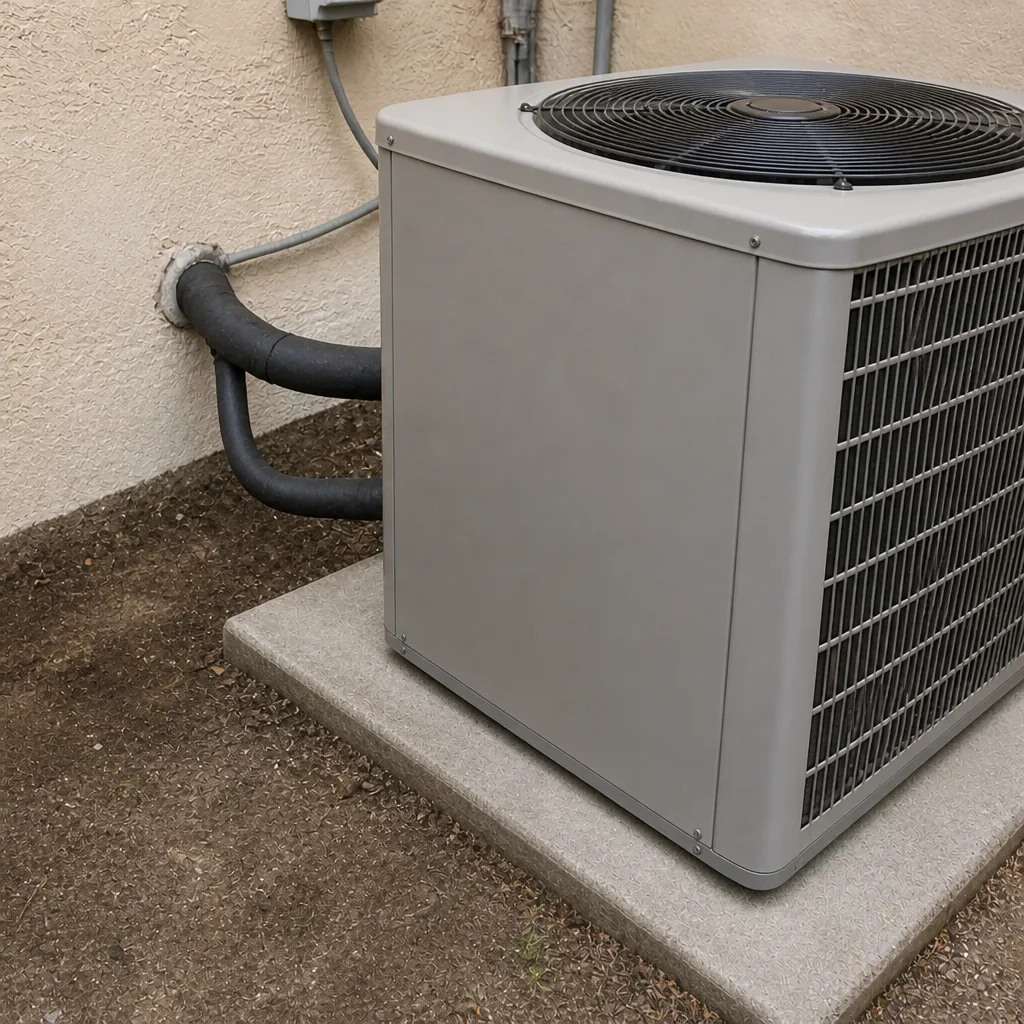
 Before
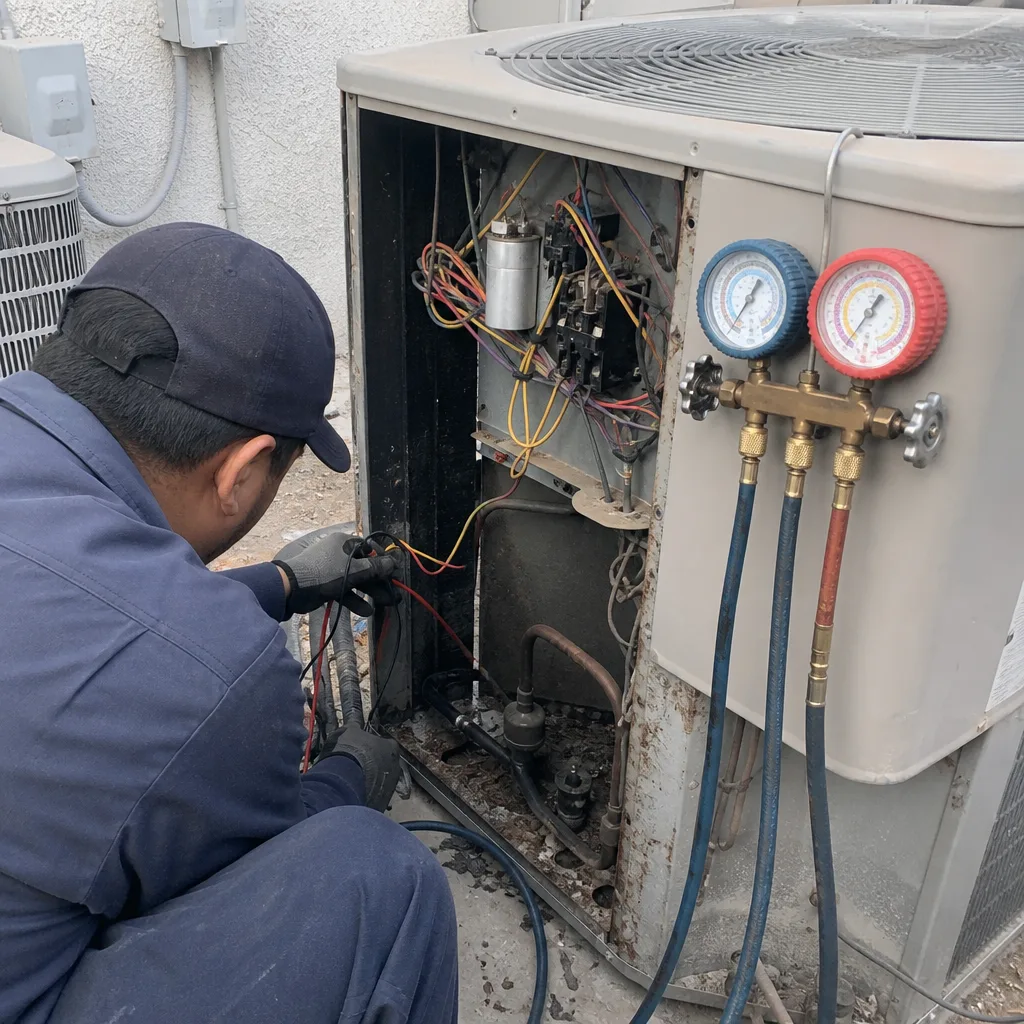
 After
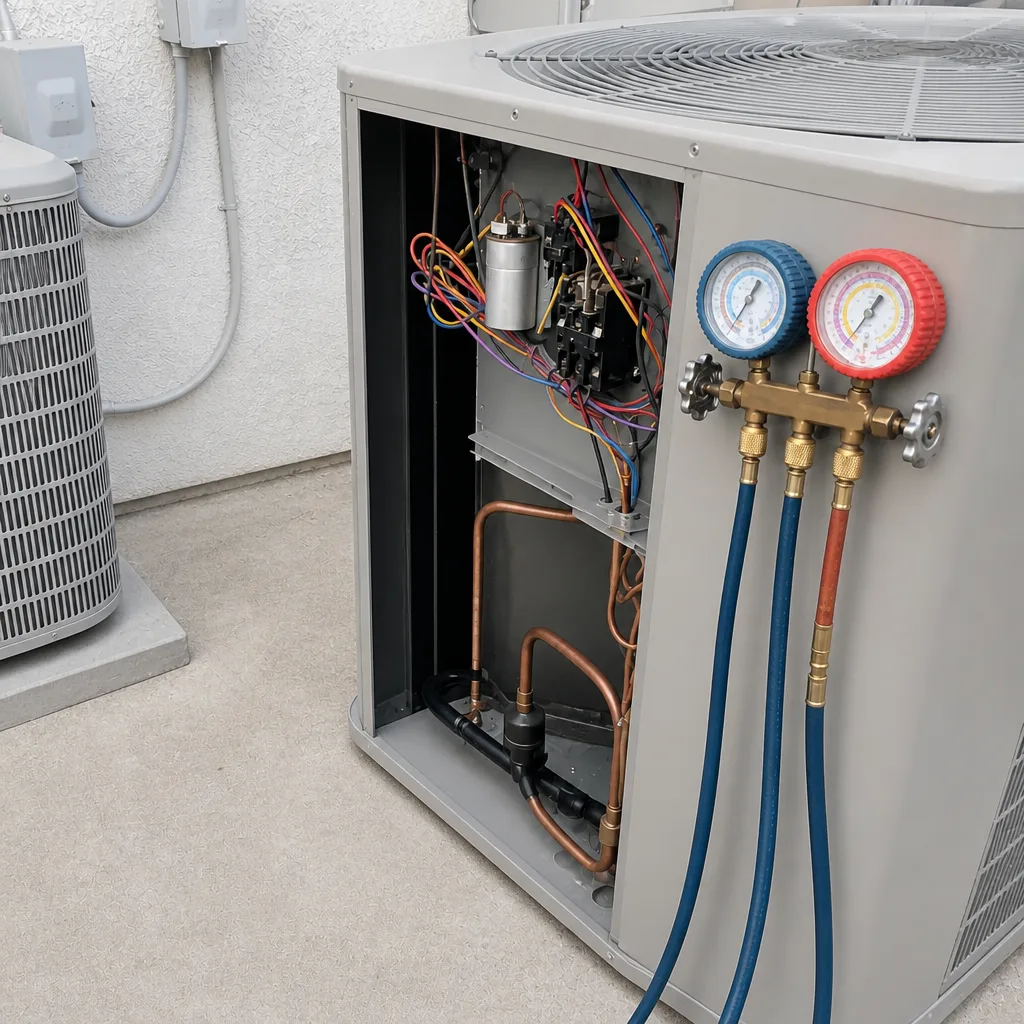
 Before
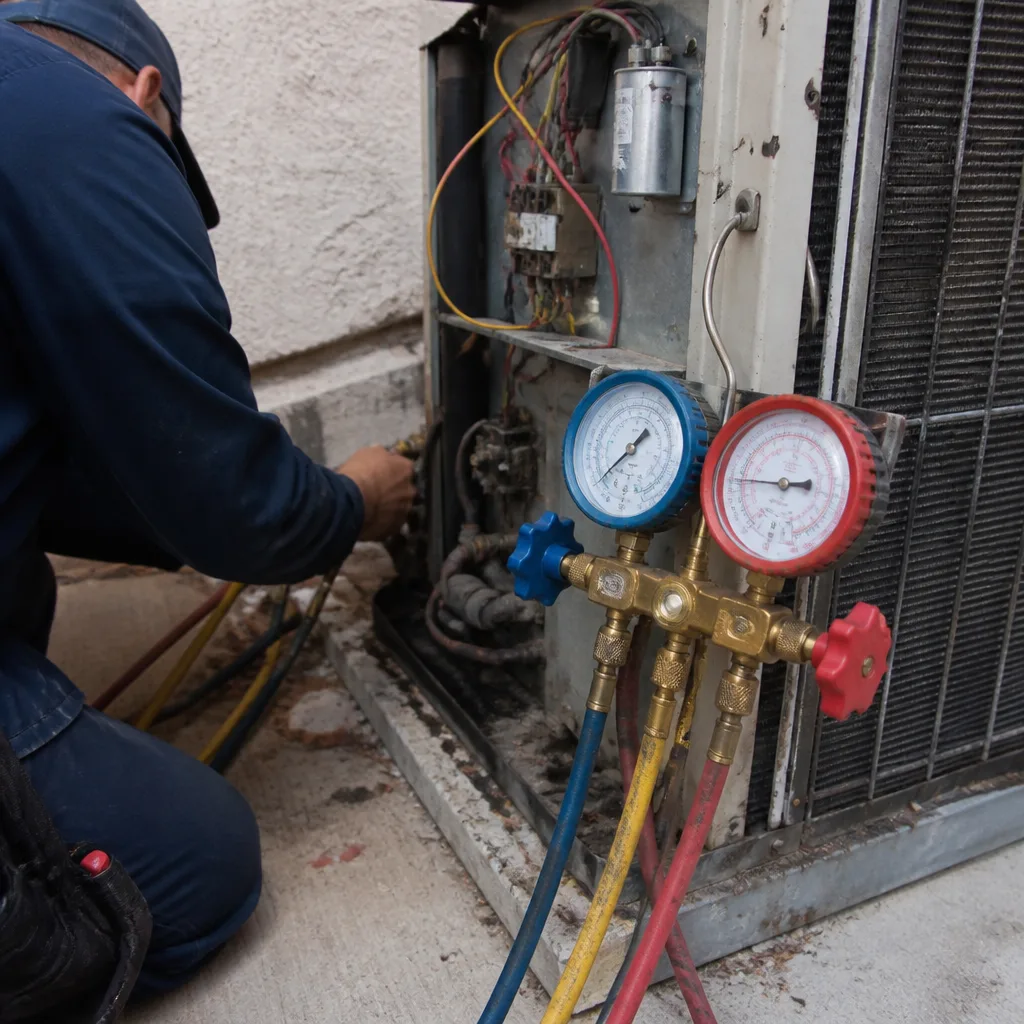
 After
 Before
 After
Frequently Asked Questions
Persistent stale or “used” air and daytime headaches that clear when you step outside are the two signs we see most. When they show up together, CO2 buildup from inadequate fresh-air exchange is a strong suspect. Call (877) 311-5951 and we will talk through what you are noticing.
Condensation on the inside of glass in a dry climate means moisture is coming from inside the house and the ventilation is not clearing it. Bathroom fans, range hoods, and system airflow are the usual places to look. In Sunrise Manor, that often comes down to fans that vent into the attic instead of outside.
Dusty vents and gaps around registers let particles bypass the filter and reach the room, which can bother breathing for some people. The fix is sealing and airflow, not just cleaning. A proper reading of the system tells you which. Call for a free estimate.
A dark ring usually means air is escaping a gap between the duct and the drywall and carrying dust and particles with it. It is often worse once you get up close. It is worth fixing because the gap does not heal on its own.
Seal leaky duct connections, make sure bathroom and kitchen fans actually vent outside, and check filter fit in the air handler. Those three steps fix the majority of air-quality complaints we hear. If you need the system looked at, call (877) 311-5951.
There are sometimes utility and efficiency programs for duct sealing and air-quality improvements, and they change often. We will tell you what applies when we look at your system. Call to get the details for your home.
The Bottom Line
Most of the air-quality signs in a Sunrise Manor house point at the building, not at your sinuses. Musty or metallic smells, condensation on interior windows, uneven dust patterns, a 3 p.m. headache that clears the minute you go outside, and dark stains around supply vents all tell the same story: air is not moving through the house the way it should. Read the signs early. Seal the gaps, vent the moisture, and let a real diagnostic do the talking. If two or more signs show up, call and we will take a look. Readings first, numbers second. You will see both.
Ray’s Heating & Air Sunrise Manor is locally owned and owner-operated, with a published name, address, and license number you can check. Every job carries the 90-Day Done Right Promise in writing: if it is not done right, one call brings Ray back. We service all major brands, including Carrier, Trane, and Lennox. Call (877) 311-5951 for a free estimate.
Written by the team at Ray’s Heating & Air Sunrise Manor.