
Last updated November 18, 2026
 AC repair
 Furnace & heating
 Heat pumps
 Ductless mini splits
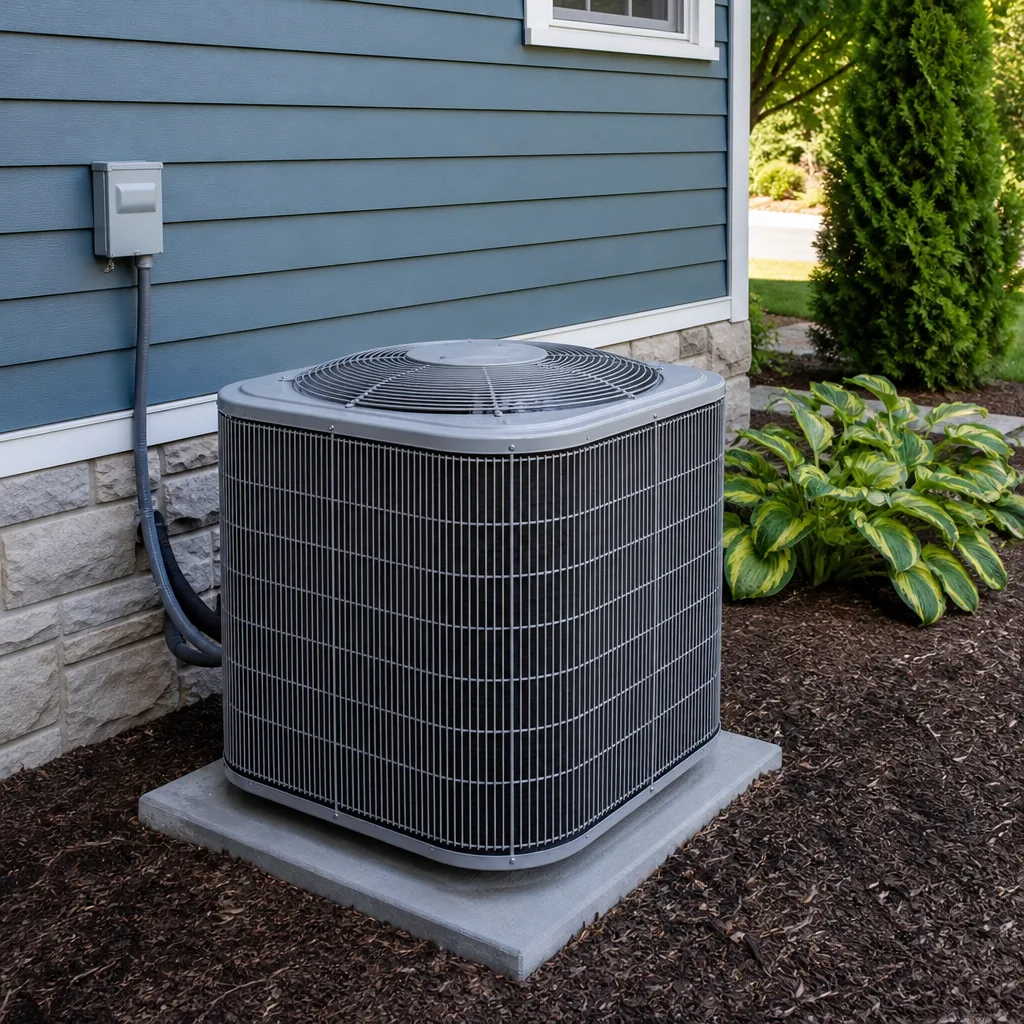 Carrier
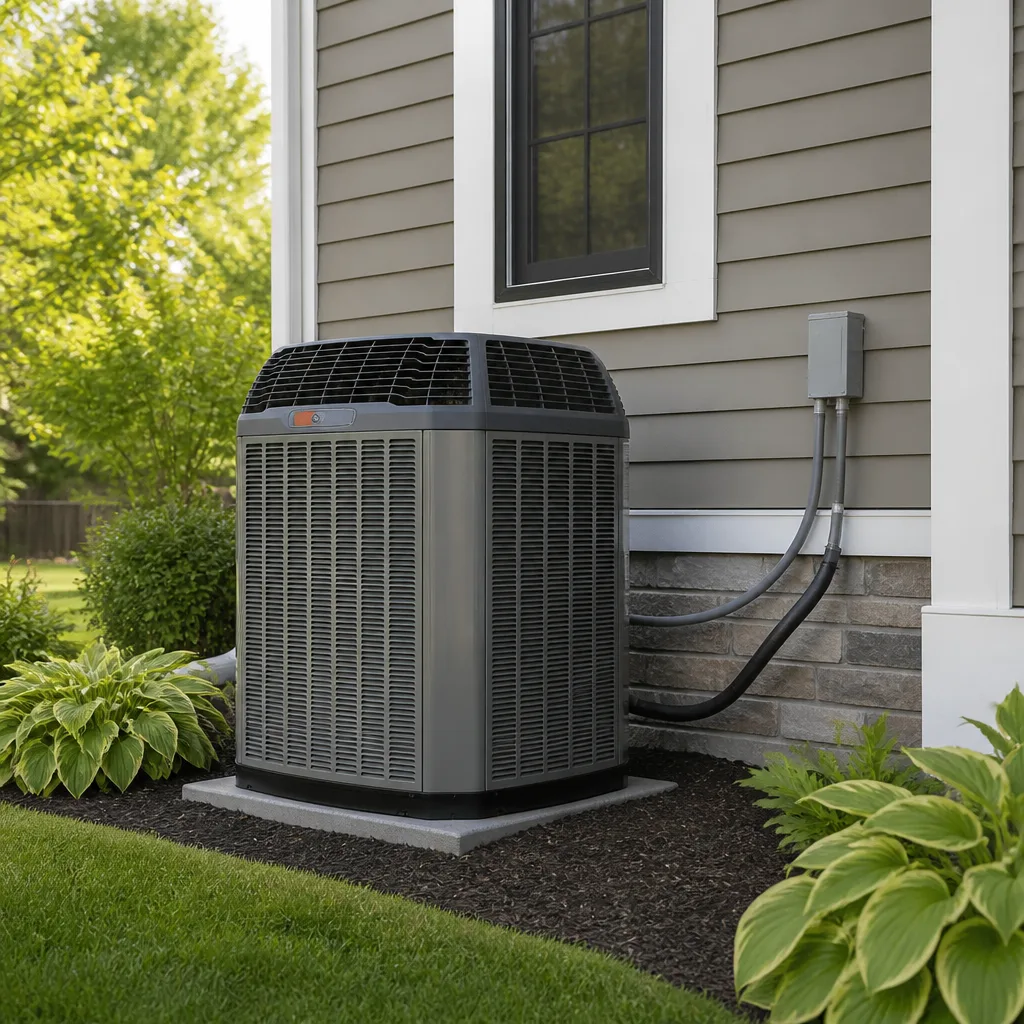 Trane
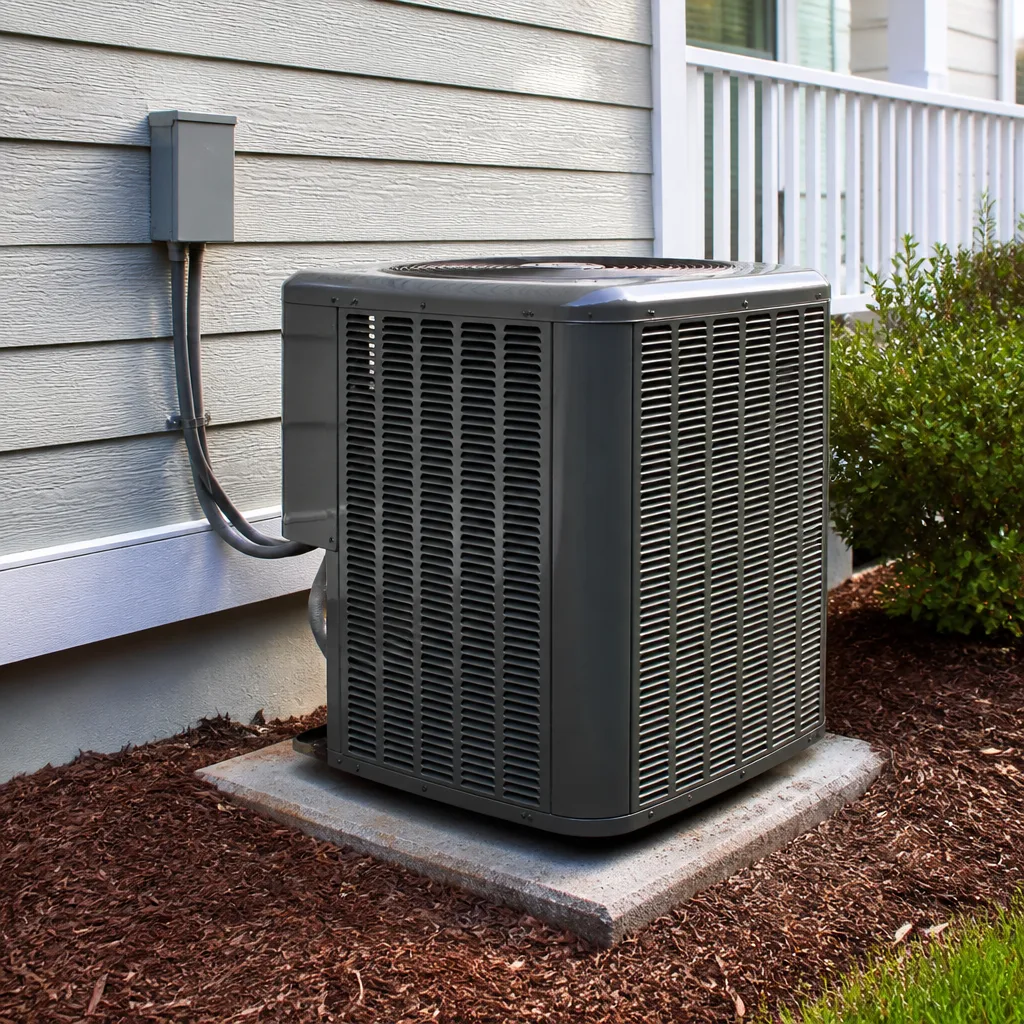 Goodman
Seasonal tune-up and full diagnostic on your Carrier, Trane, or Goodman system - readings shown to you before any repair is proposed
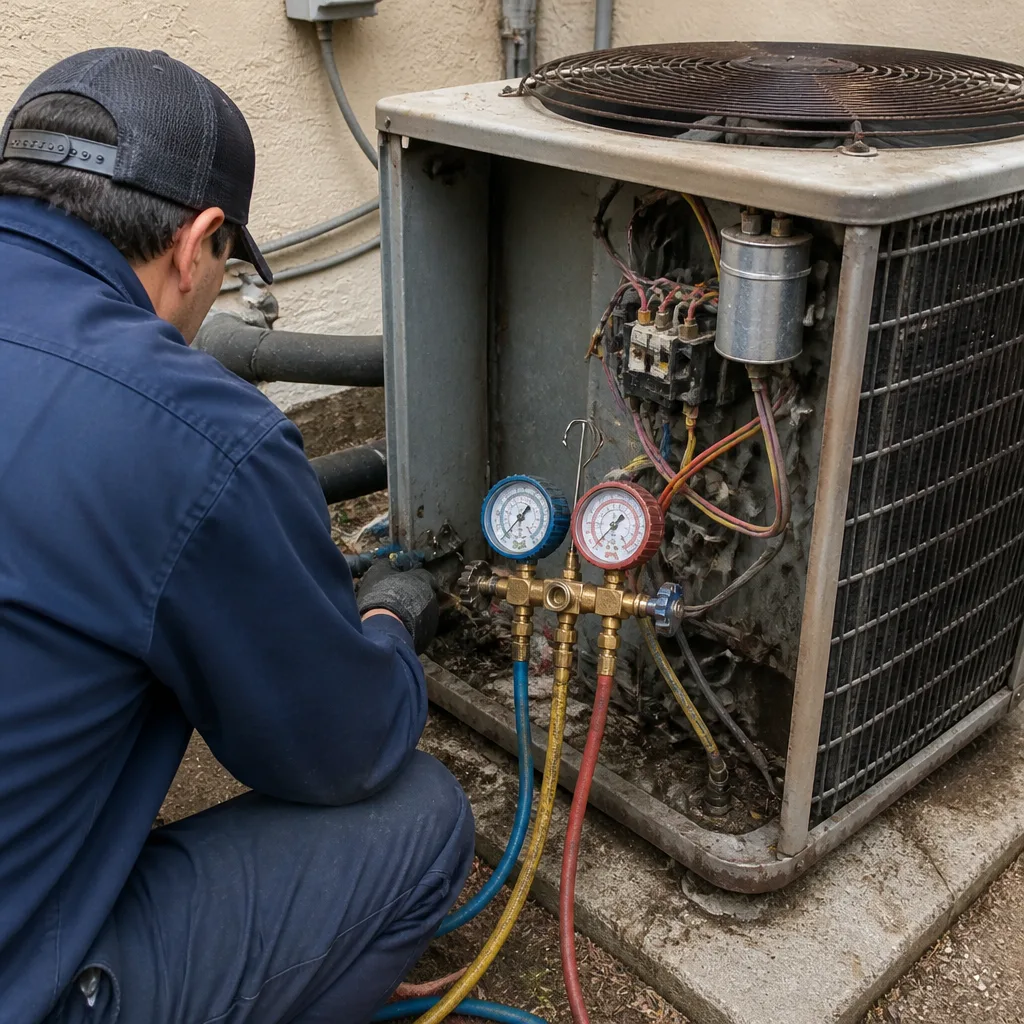
Diagnosis first, numbers second - you approve the repair price before a single part goes in.
Get your free estimateAir Quality & Ventilation Maintenance Schedule: What to Do and When
The national “90-day filter change” rule was written for climates that get 40 inches of rain a year. Sunrise Manor gets about 4. Your filter is choking at 45 days and nobody told you. That’s the whole problem in one sentence: we’ve been handed a maintenance calendar built for Ohio and told to run it in the Mojave. Desert dust, caliche grit, and 110-degree summers load a filter and a blower wheel on a completely different clock than the one printed on the box. What follows is a month-by-month schedule built for Sunrise Manor conditions specifically – what to check, when to check it, and what almost everyone gets wrong.
Styles & brands we work with
- AC repair
- Furnace & heating
- Heat pumps
- Ductless mini splits
- Carrier
- Trane
- Goodman
Quick Answer
In Sunrise Manor, NV, check or replace your HVAC filter every 30 to 45 days – not every 90 – and add three mandatory checkpoints to your year: a pre-summer inspection in April, a monsoon-dust check in July and August, and a post-summer coil and drain cleaning in October. Clean bathroom and kitchen exhaust fan blades twice a year, and if your home has an ERV or HRV, have its core cleaned annually.
Table of Contents
- Why Desert Dust Changes the Whole Schedule
- The Sunrise Manor Month-by-Month Calendar
- The 30-45 Day Filter Cycle (and How to Check It Right)
- Those Bathroom and Kitchen Fans Are Full of Caliche Dust
- The Task Almost Every Schedule Skips: ERV and HRV Cleaning
- What a Ventilation Maintenance Log Looks Like
- Air Quality Upgrades Worth the Money in Sunrise Manor
- Common Mistakes to Avoid
- When to Call a Professional
- Frequently Asked Questions
Why Desert Dust Changes the Whole Schedule
A rain-fed climate washes the air. Every storm pulls particulates out of the sky and drops them on the ground, and that natural rinse is a big reason a filter in a wet climate can last three months. Sunrise Manor does not get that rinse. Between May and October we can go months without measurable rain, and the wind off the open desert keeps moving fine particulate – everything from road dust to the powdery caliche that coats every dirt lot in the valley.
Here’s what that means in practical terms. A standard 1-inch pleated filter in a Sunrise Manor home loads up roughly twice as fast as the manufacturer’s recommendation assumes. Once it’s loaded, airflow through the system drops, and a system short on airflow works harder and runs hotter to move the same amount of air. We’ve seen blower wheels caked to the point of near-failure in homes where the homeowner was changing the filter like clockwork – on the 90-day clock. The calendar was never the problem. The clock was.
It gets worse in tight, newer construction. Houses built in the last 15 years in Sunrise Manor are sealed much tighter than the older housing stock. That’s good for your utility bill. It’s not good for indoor air, because there’s less random leakage pulling fresh air in. Those homes depend on mechanical ventilation to breathe, which means every filter in the chain matters more, not less.
If you want to go deep on how your specific system handles the load, our Sunrise Manor home comfort page covers the equipment side, and the AC repair and installation service for Sunrise Manor explains what dust load does to a condenser over a summer.
The Sunrise Manor Month-by-Month Calendar
This is the calendar we actually run on repeat customers in Sunrise Manor. It’s built around three weather transitions, not the four seasons printed on a calendar from somewhere else.
- March – pre-summer inspection. Before the first 100-degree week, get the system checked: filter, blower wheel, condenser coil, drain pan and drain line. This is the checkpoint that catches a dirty coil before it becomes a June breakdown.
- April through June – the 30-day filter stretch. During peak cooling season, check your filter every 30 days. It will be gray by day 30 in most Sunrise Manor homes.
- July and August – monsoon dust season. Winds pick up, dust storms roll through, and the filter takes on a visible load. Check at 30 days, and after any significant dust event, check again.
- September – the post-summer check. The system has just run flat-out for four months. Change the filter, inspect the coil, and clear the condensate drain.
- October – the deep clean and log entry. Coil cleaning, blower cleaning if needed, exhaust fan blade inspection, and a written record of what was found.
- November through February – the quiet stretch. Filters still load from general household dust and any heating use, but you can often stretch to 45 days. Check, don’t assume.
Notice what’s missing: a single annual “tune-up” somewhere in the spring and a prayer for the rest of the year. The desert runs a year-round particulate load. Your schedule should too.
The 30-45 Day Filter Cycle (and How to Check It Right)
Most homeowners check a filter by holding it up to the light and squinting. That tells you almost nothing. A pleated filter can look gray and be fine, or look normal and be packed solid deep between the pleats. Here’s the check that actually works:
- Mark the install date. Write it on the filter’s cardboard edge with a marker. No date, no schedule.
- Pull the filter and hold it up to a window. If you can’t see daylight through the pleats, it’s done regardless of what the calendar says.
- Touch the surface. Fine dust that wipes off is normal. Gritty, stuck-on dust that doesn’t wipe – that’s caliche load, and it’s time to change it.
- Check the blower and the return grille at the same time. If the return grille is visibly dusty, the filter has been overwhelmed.
- Write down the date and the condition. One line in a notebook or on the filter box. That’s the whole record-keeping burden.
The right filter matters as much as the right interval. A MERV 8 to MERV 11 pleated filter is the sweet spot for almost every Sunrise Manor home we look at. A MERV 16 hospital-grade filter sounds great until you realize your blower can’t push air through it, and the system starves. Choose a filter your equipment can actually breathe through, then change it on the desert clock. Our heat pump and mini split work in Sunrise Manor follows the same filter logic – mini-split heads load up fast in dusty months.
Those Bathroom and Kitchen Fans Are Full of Caliche Dust
Everyone checks the filter. Almost nobody looks at the exhaust fan blades. In Sunrise Manor, those blades collect a sticky coat of fine dust mixed with cooking grease in the kitchen and shower moisture in the bathroom. That coat is heavier than it looks, and it throws the fan blade off balance. The motor works harder, airflow drops, and eventually the fan is barely moving air while still making noise, which convinces you it’s working fine.
- Check the blade once in spring, once in fall. Turn the fan off at the switch, pop the grille down, and look at the blade edges. A gray crust along the leading edge means it’s time to clean it.
- Test actual airflow with a tissue. Hold a single tissue near the grille while the fan runs. If it barely lifts, the fan is failing to do its job even if the motor spins.
- Listen for wobble. A fan that rattles or sounds off-balance has a loaded blade or a worn bearing.
- Check the exterior vent flap. On the roof or wall, the flap should swing freely when the fan runs. A stuck flap turns your fan into a dead-end – and here the buildup is dust and heat, not snow.
A bathroom fan that isn’t moving air leaves moisture in the room, and over time that feeds mold. A kitchen fan that isn’t moving air leaves grease and cooking particulates floating through the house, straight into your HVAC return. Both problems start with a dusty blade nobody looked at. If the fan needs replacement or the ductwork has come loose, our AC and installation page for Sunrise Manor covers how ventilation ties into the rest of the system.
The Task Almost Every Schedule Skips: ERV and HRV Cleaning
If your house was built in the last 10 to 15 years in Sunrise Manor, there’s a decent chance it has an energy recovery ventilator (ERV) or heat recovery ventilator (HRV). These units pull stale indoor air out and bring fresh outdoor air in, and they’re the reason your tight new house doesn’t smell stale. They also have a core – usually a heat-exchange core or a filter – that collects dust, and it’s supposed to be cleaned on a schedule that almost no homeowner schedule includes.
Here’s the desert twist. That core is pulling in outdoor air from Sunrise Manor, which means it’s pulling in desert particulate. An ERV core that’s dirty in a wet climate gets grimy over a year. In our conditions it loads faster and can clog in a fraction of that time. When it clogs, your fresh-air supply drops to near zero, and you’re back to living in a sealed box.
The fix is simple: clean or replace the ERV/HRV filter or core at least once a year, and more often if your home sits near open desert or a dirt lot. Most units have an accessible core you can pull and rinse per the manufacturer’s instructions. If you’ve never had it done and your home is more than a few years old, that core is probably overdue. Ask us to look at it during a regular maintenance visit. If you’re on a heat pump or mini-split system, the heat pump and mini split service for Sunrise Manor is where ventilation and equipment meet, and it’s worth having both checked in the same visit.
What a Ventilation Maintenance Log Looks Like
We keep a written log for repeat customers. Not because the government requires it – because it’s the only way to actually see what’s happening to a system over time. A filter that loads fast in April and fast again in October tells you something about the return duct or the house. A log catches that pattern. Without one, every visit is a fresh guess.
Here’s the short version of what a useful log contains:
- Date of every filter check and change.
- Filter MERV rating and size – so you buy the same one every time instead of guessing at the store.
- Condition found – light dust, heavy dust, gritty caliche load, or clean.
- Airflow note – strong, weak, or weak at certain vents.
- Exhaust fan check – date cleaned, airflow test result.
- ERV/HRV core – cleaned or replaced, and when.
- Any unusual noise or symptom you noticed, even if you didn’t call anyone.
You can run this log yourself on a sheet of paper taped inside the closet door. Do it. When the system starts acting up, you’ll hand that sheet to the person at your door and save an hour of guessing. If you’d rather have someone keep it for you, that’s what our Sunrise Manor home page points to – the same person, the same log, year after year.
Air Quality Upgrades Worth the Money in Sunrise Manor
Not every air quality product is worth buying, and a lot of them are sold hard to homeowners who don’t need them. Here’s the honest short list for this climate, in order of what actually moves the needle:
- A properly sized MERV 8 to MERV 11 filter. The cheapest air quality upgrade there is. Get this right before anything else.
- Sealed return ducts. In a dusty climate, a leaky return duct in an attic pulls in unfiltered attic dust – the worst air in the house – and delivers it straight to your blower. Sealing it beats buying a purifier.
- A whole-home media filter cabinet if you have the space and the system can handle it. Larger filter, more surface area, longer interval – ideal for a home where the 1-inch filters load up in 30 days.
- ERV/HRV maintenance in a tight home. Not a purchase, just a routine. Most owners skip it and lose the fresh-air benefit they already paid for.
What we don’t recommend as a first step: ultraviolet lights, ozone generators, and high-MERV filters jammed into a system built for a lower rating. Ozone generators in particular are a bad idea in an occupied home. Get airflow, filtration, and duct sealing right first – everything else is a distant second. If your Carrier, Trane, Lennox, or Goodman system has been running on the wrong filter for a couple of years, our AC repair service for Sunrise Manor is the place to start.
Common Mistakes to Avoid
- Following the 90-day rule printed on the filter box. That rule assumes a wet climate. In Sunrise Manor, 90 days is 45 days past due by the middle of summer.
- Slapping in the highest-MERV filter you can find. A MERV 16 filter in a system that wasn’t designed for it starves the blower. Match the filter to the equipment, not to the marketing.
- Never checking bathroom and kitchen fan blades. A crusted blade looks fine and moves a fraction of the air it should. It’s one of the most common silent failures we find in Sunrise Manor homes.
- Skipping the ERV/HRV core in a newer home. The whole point of that unit is fresh air. A clogged core and a sealed house is just a sealed house.
- Waiting for a breakdown to schedule a check. A pre-summer inspection in April costs far less than a compressor that died in July because the coil was packed with dust.
- Changing the filter but never the return grille. The grille catches dust the filter misses. Wipe it down while you’ve got the filter out.
- No record of anything. Without dates and notes, you can’t tell whether a fast-loading filter is normal for your house or a sign of a duct problem.
When to Call a Professional
Some of this schedule you can run yourself. Some of it you shouldn’t. Call a professional when: your system makes a rattle, screech, or hum that wasn’t there before; airflow at the vents drops noticeably; the filter is loading in two weeks instead of 30 days; you see water near the indoor unit or in the drain pan; a bathroom fan runs but the tissue won’t lift; your ERV/HRV core is caked and you’ve never cleaned it; or you’re heading into summer and haven’t had the coil looked at. We come out with readings first, numbers second, so you see what’s actually wrong before anyone quotes a price.
Ray’s Heating & Air Sunrise Manor offers free estimates in Sunrise Manor – call (877) 311-5951. No trip charge inside the county, and if you’ve got a written estimate from someone else, we’ll give you a free second opinion on it.
Frequently Asked Questions
Every 30 to 45 days. The desert’s fine dust load means a filter that lasts 90 days in a wet climate is choked in half that time here. Check it at 30 days during peak cooling season, and stretch toward 45 in the cooler months.
A dusty, crusted blade is the usual reason. Fine caliche dust and grease coat the blade, throw it off balance, and cut its airflow without stopping the motor. Clean the blade and test with a tissue. If airflow doesn’t come back, the fan or duct needs a look.
Yes. Tighter homes leak less, so they depend on the ERV or HRV for fresh air. That core pulls in outdoor desert particulate and loads faster here than in wet climates. Plan on cleaning or replacing the core at least once a year.
MERV 8 to MERV 11 fits most Sunrise Manor homes. Higher ratings filter more but restrict airflow, and a filter your blower can’t push through is worse than a lower-MERV filter you change on time. Match the rating to your equipment.
In March or April, before the first 100-degree stretch. That gives us time to catch a dirty coil, clear the drain line, and change the filter before the system runs hard all summer – instead of finding the problem in July when everything is booked.
Yes. A dirty filter starves the blower, and a starved blower runs hotter. Over a summer that can mean a failed blower motor or a compressor working at the edge. It’s one of the cheapest failures to prevent and one of the most expensive to ignore. Call (877) 311-5951 if you’re not sure what your filter is doing to your system.
The Bottom Line
The schedule you run in Sunrise Manor has to match the desert, not the box. Check the filter every 30 to 45 days. Mark the calendar for an April pre-summer inspection, a July and August dust check, and an October deep clean. Clean the exhaust fan blades twice a year. Clean or replace the ERV/HRV core once a year in any tight new home. Keep a written log so you can see patterns instead of guessing. Do those five things and you’ll catch most problems before they turn into a July breakdown – and you’ll breathe easier inside your own house. When you’d rather have someone keep the log for you, we’re here.
Call (877) 311-5951 for a free estimate. A live person answers, every time, and readings come before numbers.
Written by the team at Ray’s Heating & Air Sunrise Manor.
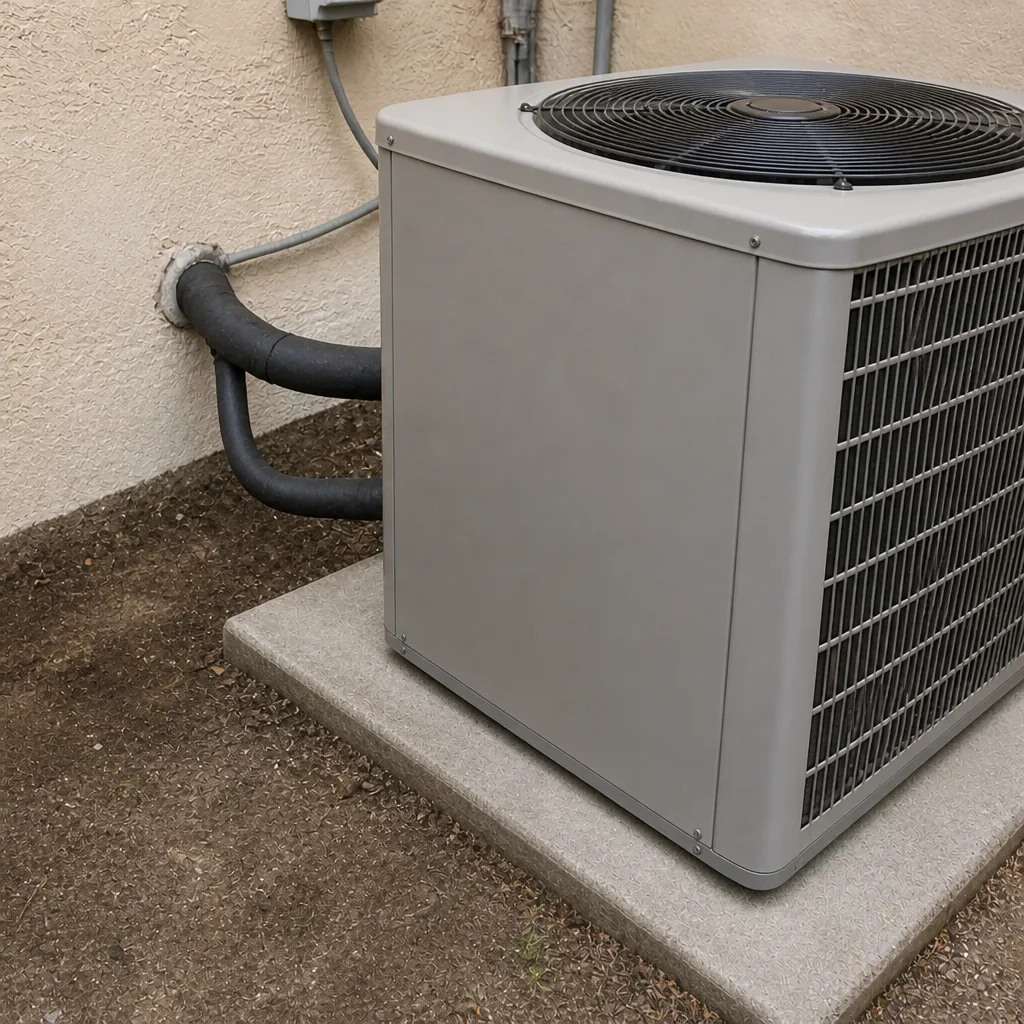
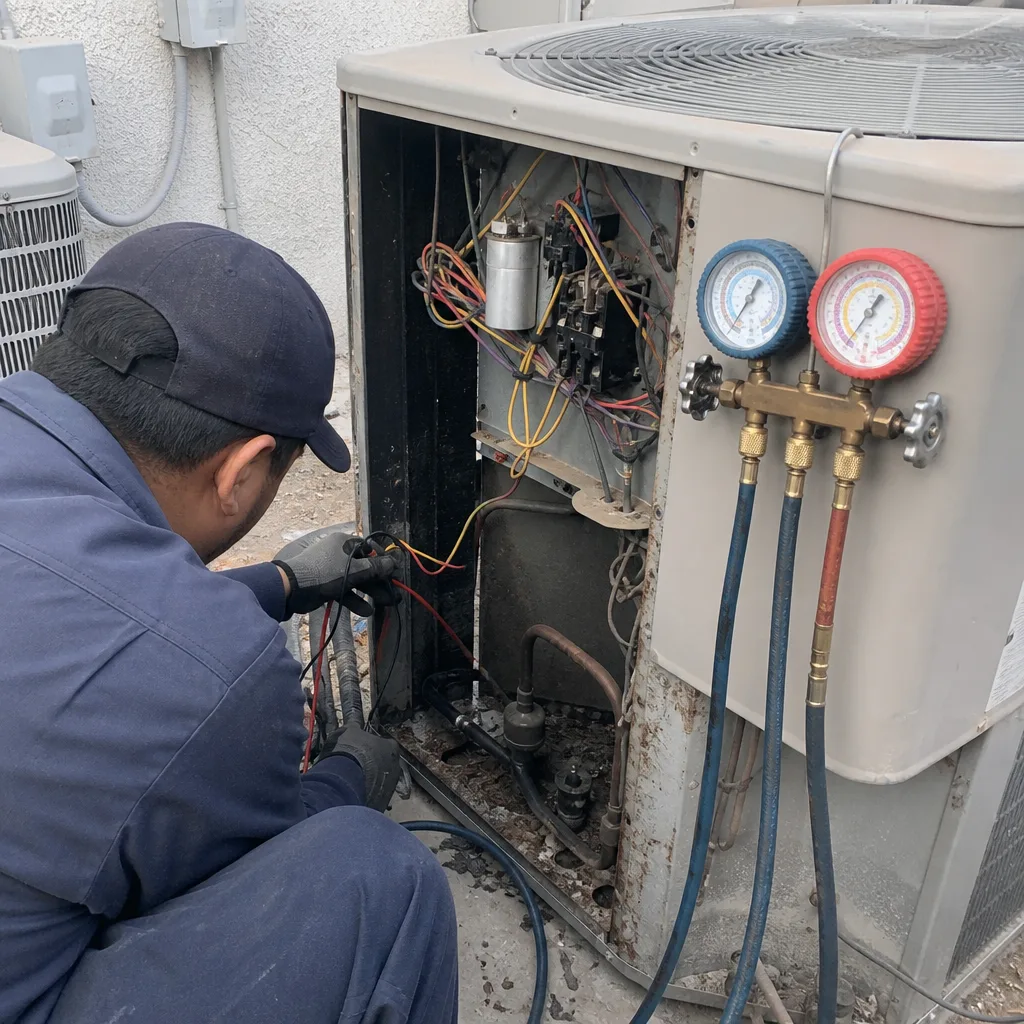
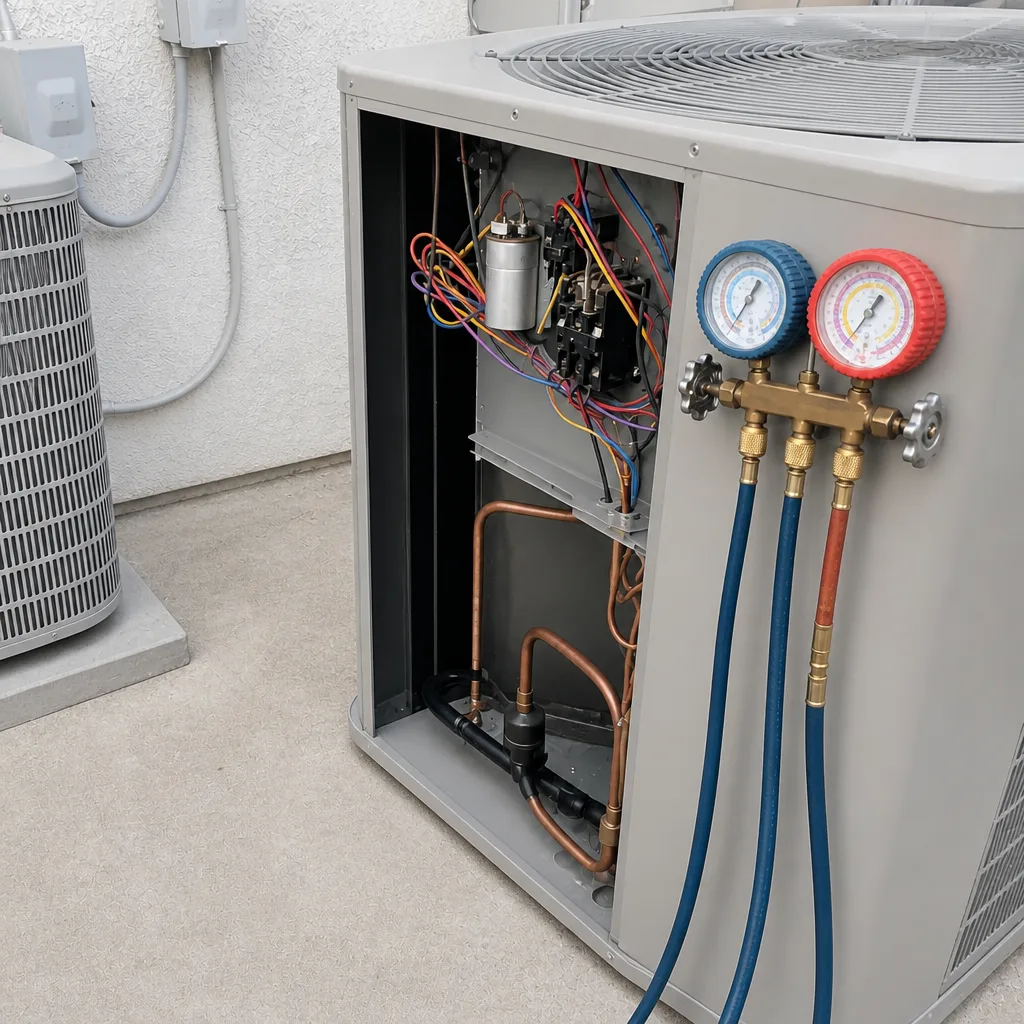
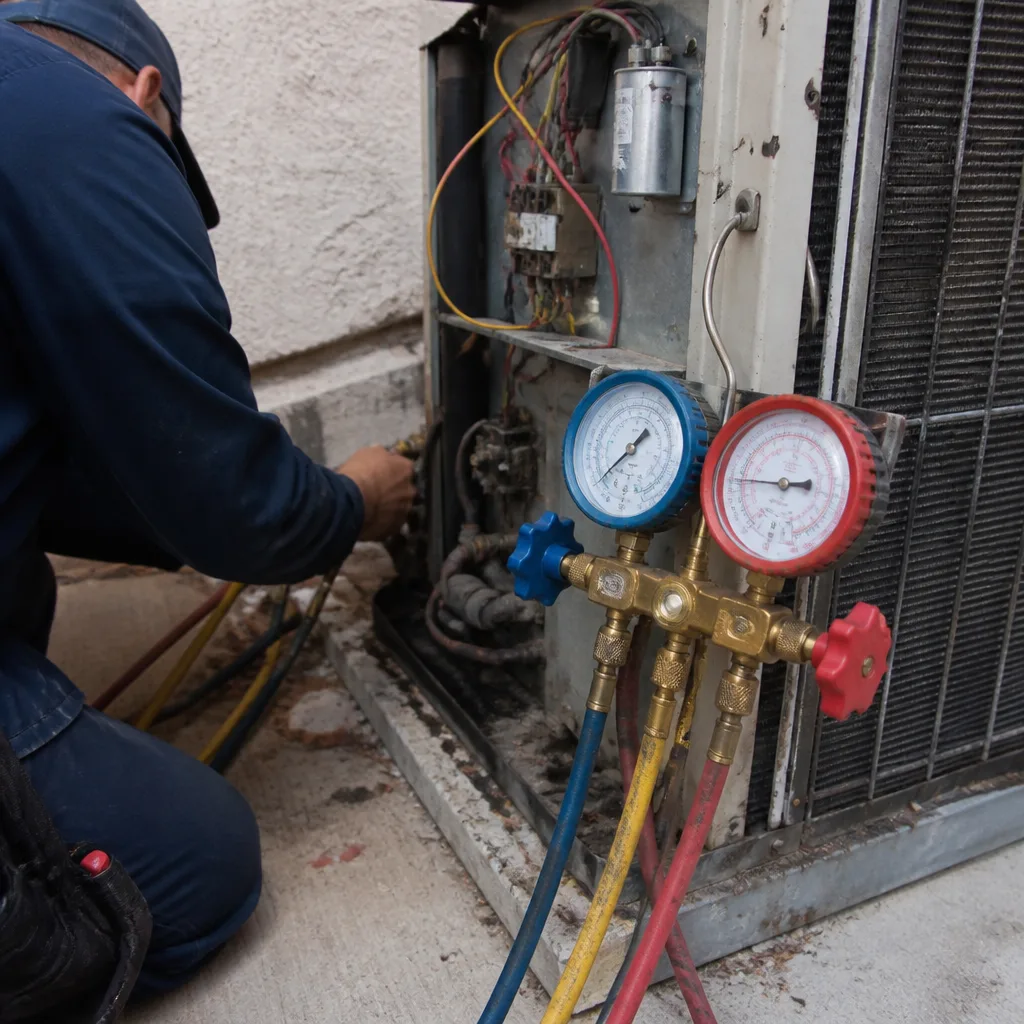
See the difference
 Before
 After
 Before
 After
 Before
 After