
Last updated November 18, 2026
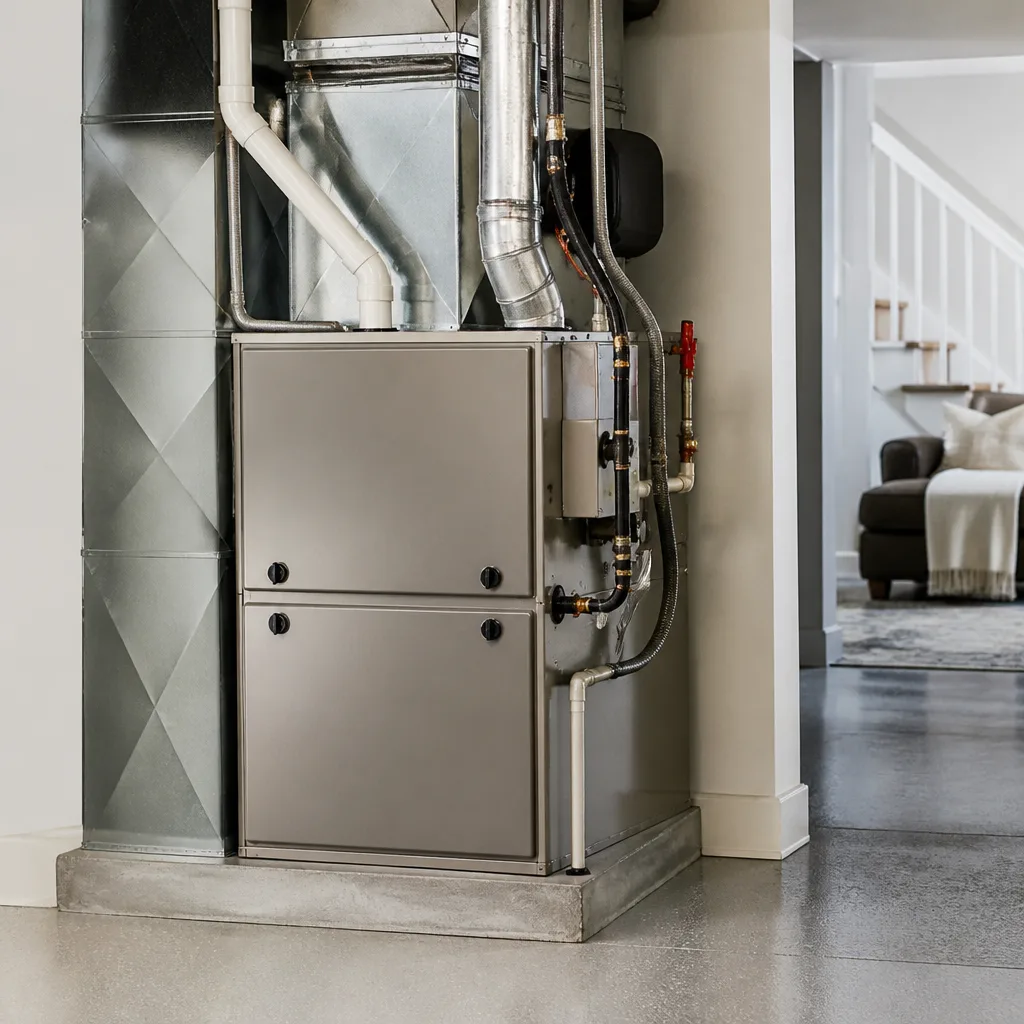 Furnace & heating
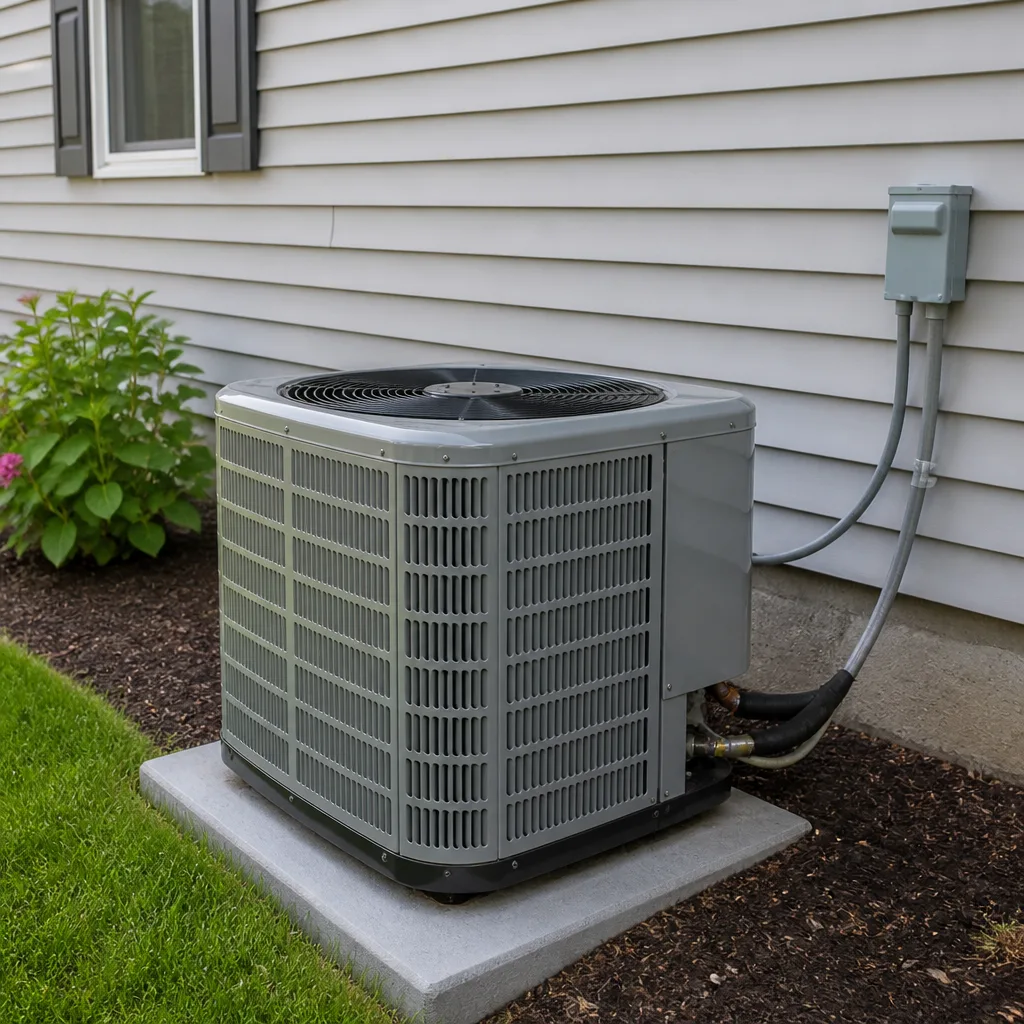 AC repair
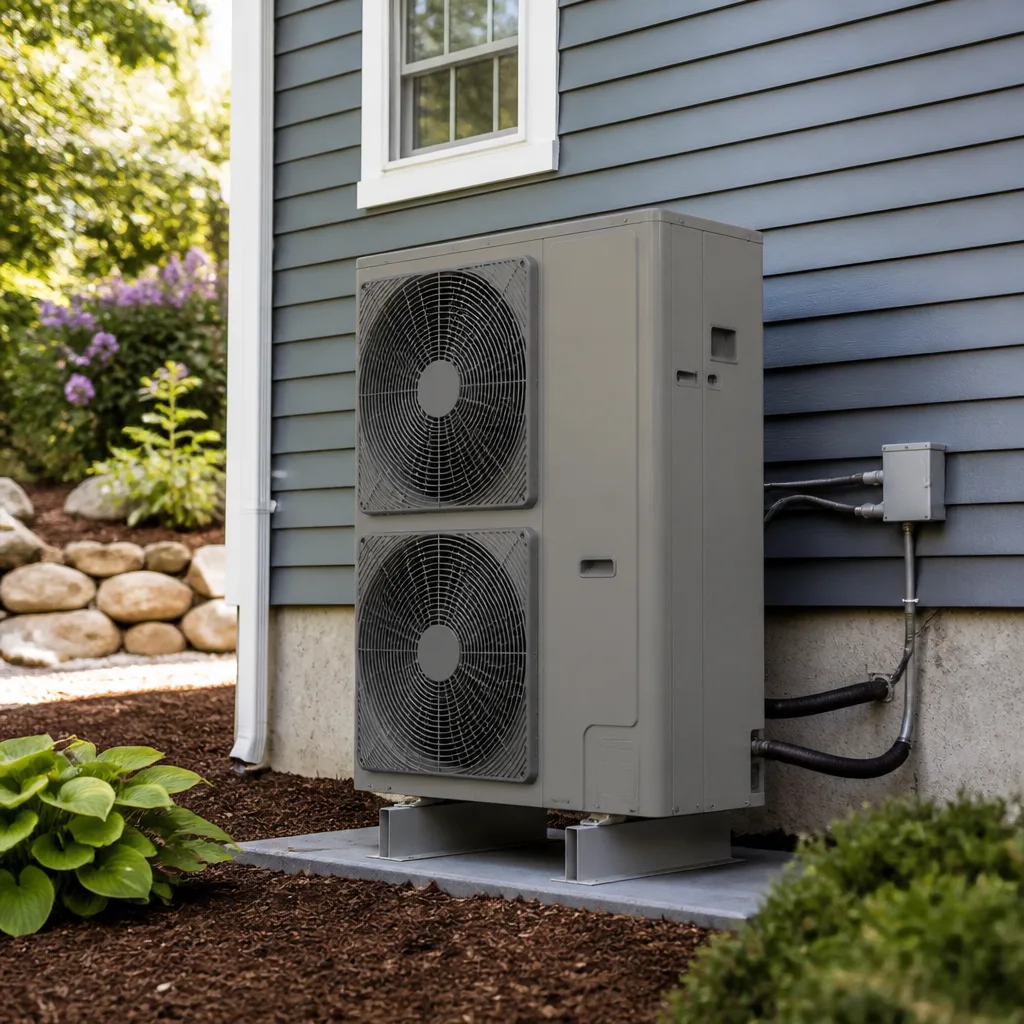 Heat pumps
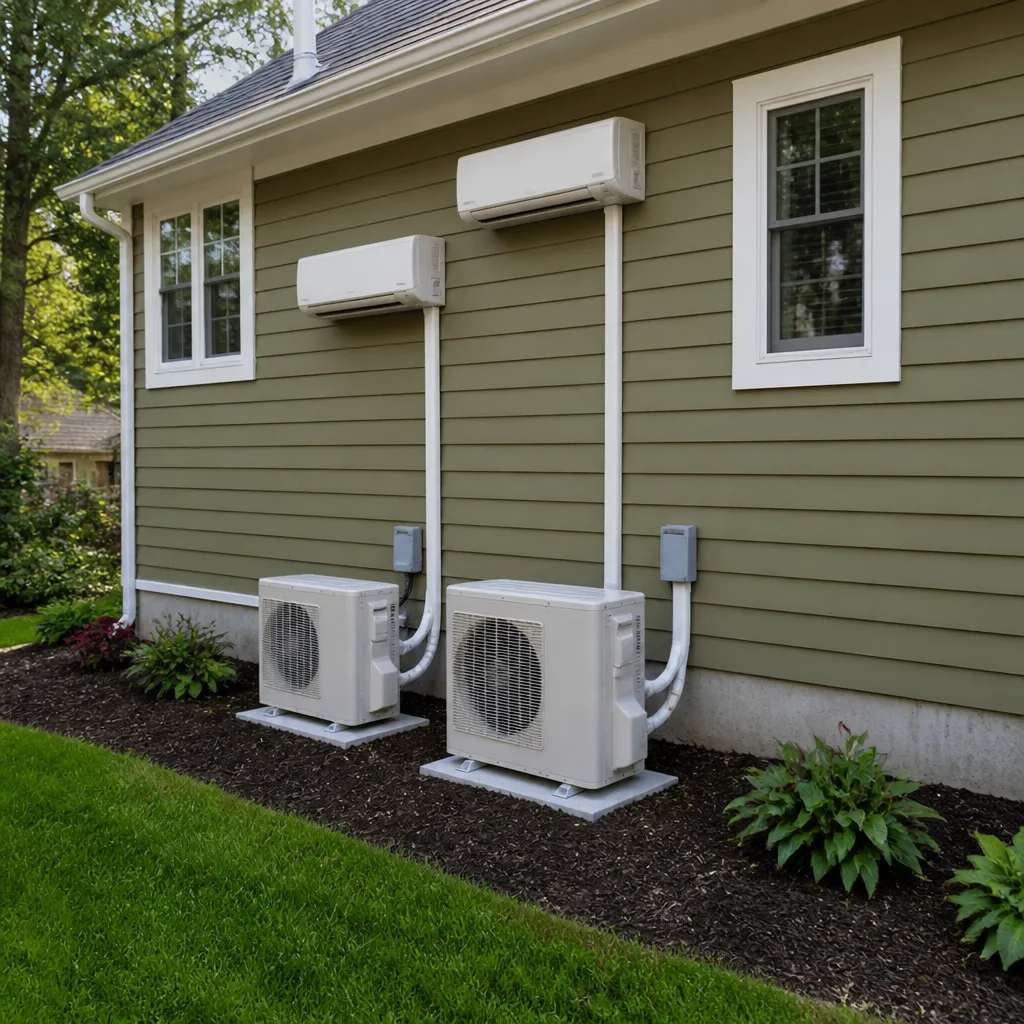 Ductless mini splits
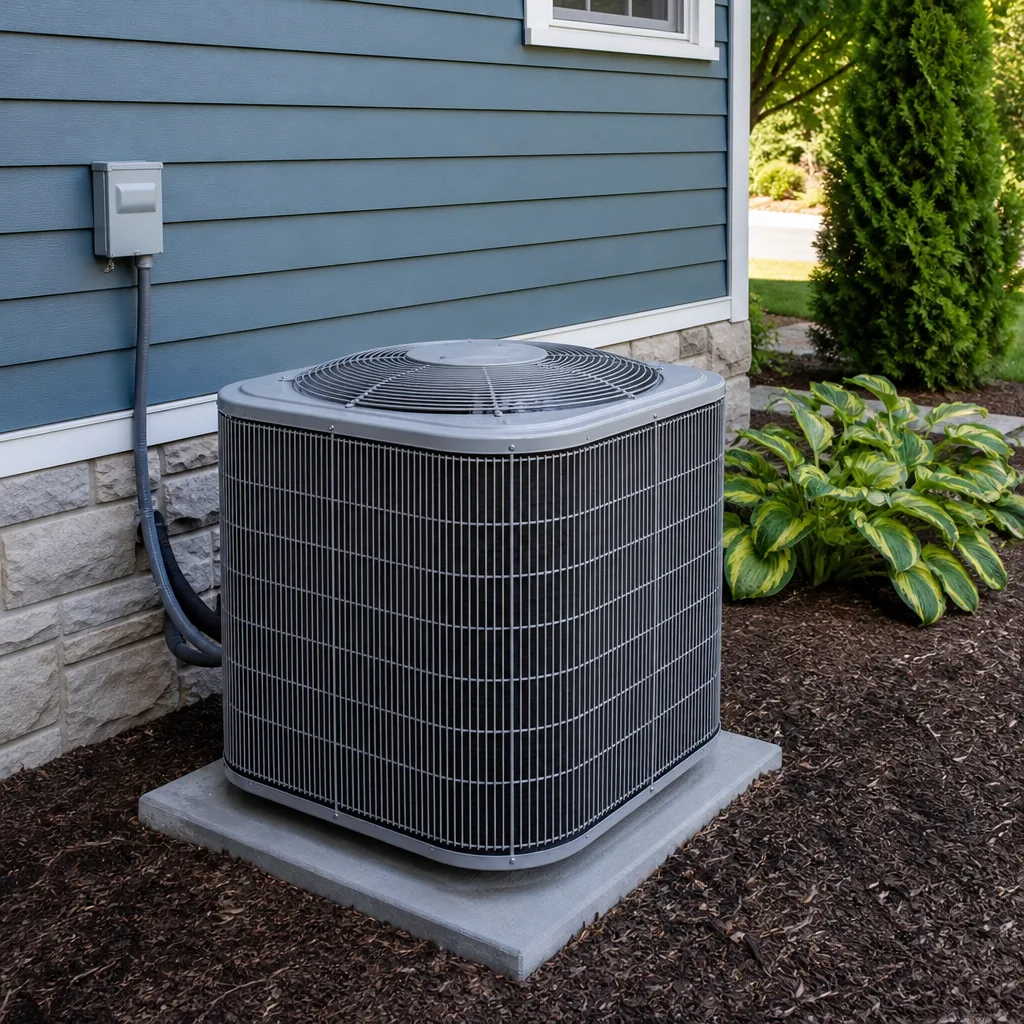 Carrier
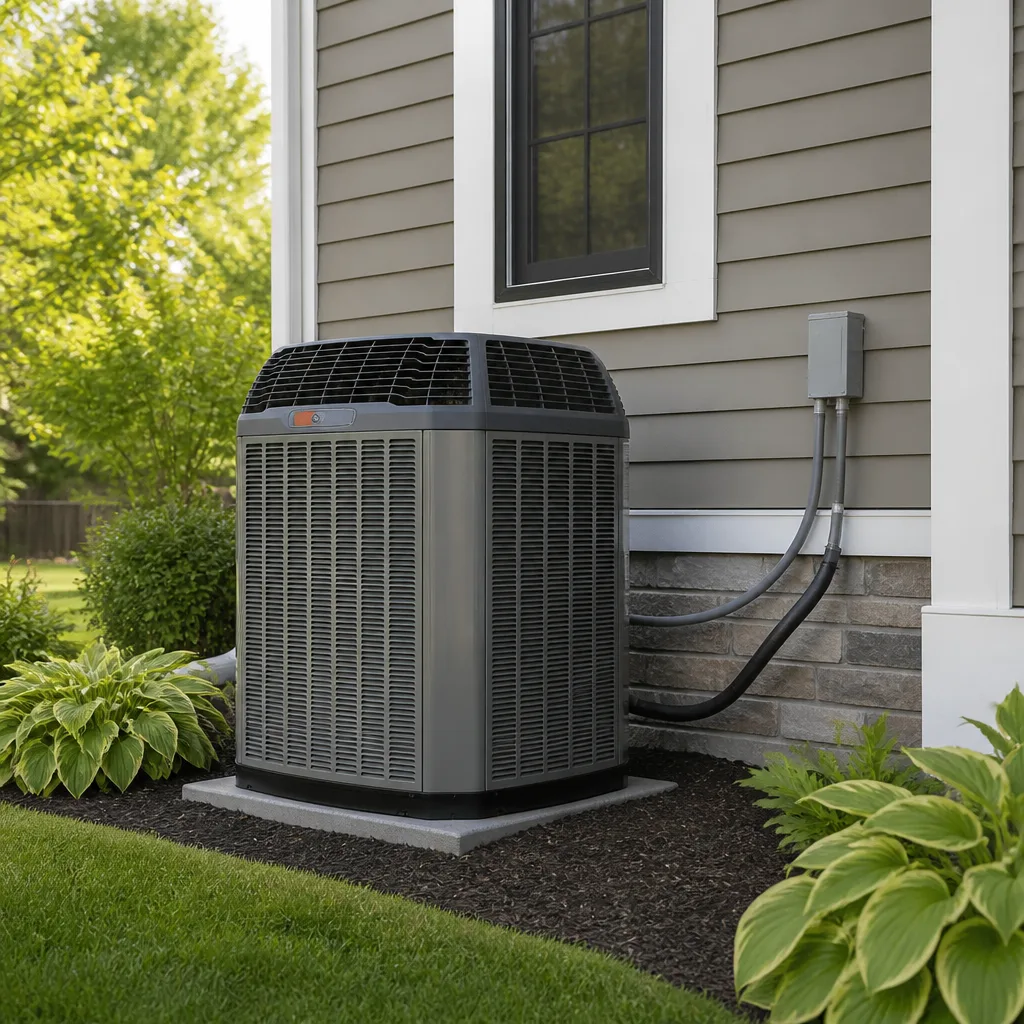 Trane
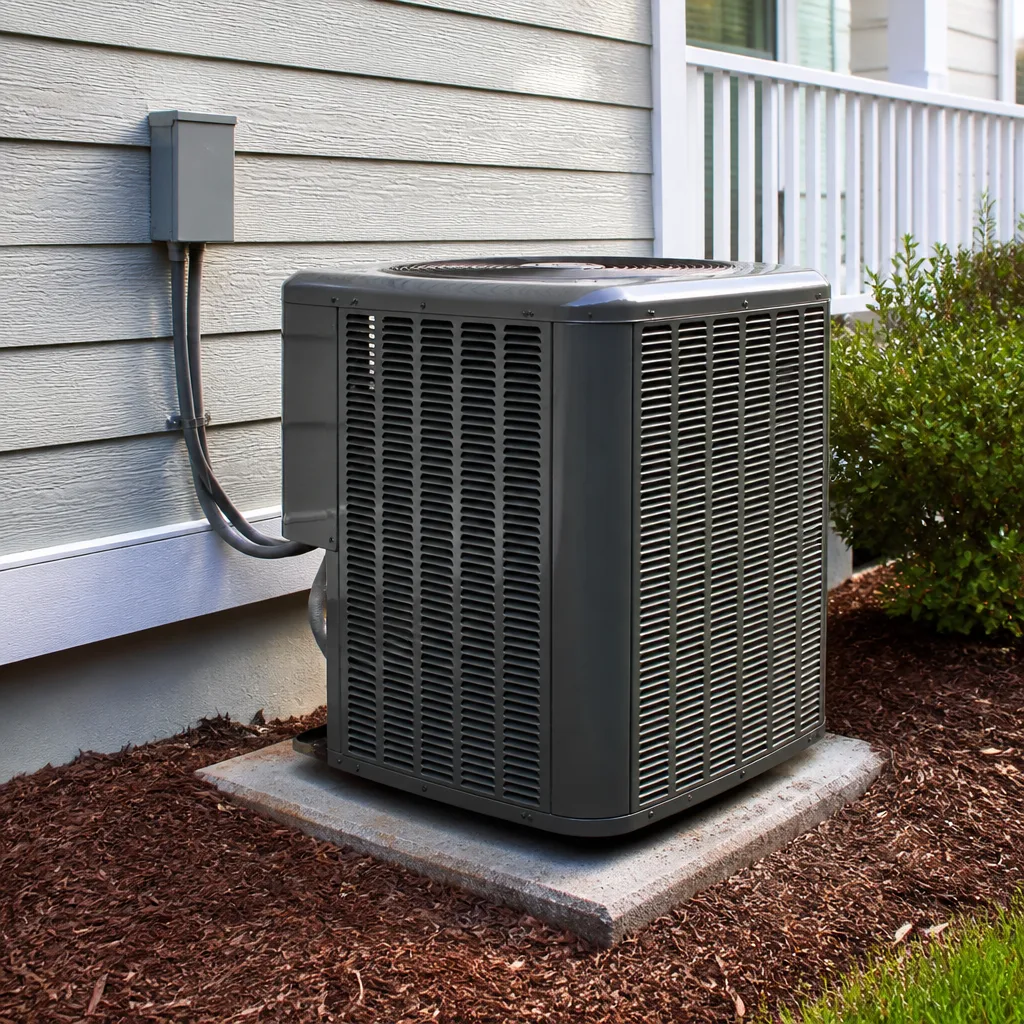 Goodman
Seasonal tune-up and full diagnostic on your Carrier, Trane, or Goodman system - readings shown to you before any repair is proposed
Diagnosis first, numbers second - you approve the repair price before a single part goes in.
Get your free estimateHow Long Does Heating & Furnace Take? Timelines and What to Expect
Here is the part nobody puts in the brochure: the “4 to 6 hours” on a furnace quote is the time it takes to hang the new unit on the wall. It is not the time the job takes. In Sunrise Manor houses, we regularly see a straightforward swap stretch to three days because the county permit office is backed up, the flue needs relining, or the old furnace was hiding a cracked heat exchanger that nobody could see from the outside. The real clock starts long before a wrench comes out, and it keeps running through parts sourcing, inspection, and the small decisions in between. This guide walks you through the actual timeline, phase by phase, so you know what you’re budgeting before you sign anything.
Quick Answer
A routine furnace repair usually takes 1 to 3 hours on site, and a full furnace replacement takes 4 to 8 hours of actual install time. But the total job – from first call to final inspection – commonly runs 1 to 5 days in Sunrise Manor once you factor in diagnosis, parts sourcing, the Clark County permit pull, and inspection scheduling. Emergency no-heat calls are the exception: those usually get a same-day or next-day visit, with the caveat that a part may still need to be ordered.
Styles & brands we work with
- AC repair
- Furnace & heating
- Heat pumps
- Ductless mini splits
- Carrier
- Trane
- Goodman
Table of Contents
- The Five Phases of a Heating Job (Each With Its Own Clock)
- Furnace Replacement vs. Furnace Repair: Two Very Different Timelines
- Why the Clark County Permit Clock Matters in Sunrise Manor
- What Happens When the Job Surprises You Mid-Stream
- Same-Day, Next-Day, or Multi-Day? An Honest Breakdown
- Questions to Ask Before Work Starts
- Sunrise Manor Winters and the Timing Squeeze
The Five Phases of a Heating Job (Each With Its Own Clock)
Most homeowners think of “the job” as one block of time. It is actually five separate clocks, and any one of them can hold up the others. Knowing which phase you’re in tells you why the tech is on his phone in the driveway or why your install date keeps sliding.
- Diagnosis. This is where we check readings first and quote numbers second. A no-heat call gets a meter on the igniter, a check on the flame sensor, and a look at the control board and pressure switch. This phase takes 30 to 90 minutes for a repair, longer if the problem is intermittent. We test the capacitor before anyone says the word compressor – that habit alone saves homeowners hundreds.
- Parts sourcing. If the fix needs a common part (igniter, flame sensor, capacitor, inducer motor), the person at your door may have it on hand or can grab it same-day from a Las Vegas supplier. Uncommon parts – a specific control board on an older York or Rheem, a heat exchanger for a discontinued model – can take 2 to 5 business days to order. This is usually the single biggest surprise on a repair.
- Permit pull. A full furnace replacement requires a mechanical permit in Clark County. That clock is separate from ours and can run 1 to 3 business days depending on workload at the office.
- Actual install. A straight swap on an accessible unit runs 4 to 8 hours. A heat pump or mini-split addition, a flue reline, or a plenum rebuild can push to a full day or more. We’ll get to those specifics below.
- Final inspection. The county inspects the permit work. Scheduling that inspection can add another day or two. We don’t consider the job finished until it passes – and the 90-Day Done Right Promise in writing is what holds us to that.
So the “4 to 6 hours” you see online is phase four only. The honest answer to “how long does a furnace replacement take” is the total across all five phases.
Furnace Replacement vs. Furnace Repair: Two Very Different Timelines
These two jobs get lumped together in search results, but they run on completely different clocks. A repair is a surgical visit. A replacement is a scheduled project. Mixing them up is how homeowners end up frustrated.
Furnace repair timeline
- Diagnosis on site: 30 to 90 minutes.
- Common parts: usually same-day, sometimes next-day if the supplier closes before we get there.
- Uncommon parts: 2 to 5 business days.
- Total for a repair: often 1 to 3 hours on site, and next-day for a straightforward part. Same-day if the diagnosis lands early and the part is on hand.
Furnace replacement timeline
- In-home assessment and written quote: 1 to 2 hours, done before a single permit is pulled.
- Permit pull: 1 to 3 business days with Clark County.
- Equipment order and delivery: 1 to 3 business days for a standard Goodman, Rheem, or York unit; longer for a special-order heat pump.
- Installation day: 4 to 8 hours for a like-for-like swap; a full day or more for a heat pump conversion, mini-split, or a job with a flue reline.
- Final inspection: 1 to 2 more business days.
- Total from signed quote to inspection passed: typically 3 to 7 business days.
If you’re weighing a repair against a full install, our guide to Heating & Furnace in Sunrise Manor walks through the decision in detail. Same for a heat pump or mini-split conversion, which has its own longer clock – see Heat Pump & Mini Split in Sunrise Manor.
Why the Clark County Permit Clock Matters in Sunrise Manor
Sunrise Manor is an unincorporated township east of Las Vegas, and most of its housing stock sits in the 1950s to 1980s range. That matters for scheduling because a large share of these homes still have original ductwork, original gas lines, and original flue venting – all things that need to be checked against current code before a new furnace goes in. The county permits the work and schedules an inspection, and the whole thing is outside our control on timing.
Here is the practical impact: a permit pull in early December, when half the valley is also replacing a furnace before the first real cold snap, can run longer than the same pull in June. We’ve seen a two-day permit turn into four when the county office is slammed. Sunrise Manor jobs feel this more than the newer master-planned parts of the valley because the older homes more often need a code-related correction once the inspector sees them.
You can’t skip the permit – and you shouldn’t want to. A permitted, inspected job protects you at resale and, more importantly, on a gas appliance it protects your family. What you can do is start the clock early. If you’re planning a replacement, get the quote and let the permit process run before you’re sitting in a 48-degree house waiting for a part.
What Happens When the Job Surprises You Mid-Stream
This is where most of the frustration in this trade actually lives. A tech pulls the old furnace, looks behind it, and finds something nobody could have seen from the outside. The honest answer to “who’s responsible for finding this” is: nobody – it’s a discovery, not a mistake. But the tech is responsible for telling you immediately, in plain language, with the numbers on the table before he touches anything.
The discoveries we regularly hit in Sunrise Manor houses:
- A cracked heat exchanger on the old unit. This one stops the job. A cracked heat exchanger means carbon monoxide can enter the living space, and it is not a “we’ll get to it” situation. We shut the unit off and tell you straight.
- An undersized gas line. Common in these older homes. A new furnace demands the right BTU supply, and if the existing line is undersized, the line has to be corrected before the unit runs safely. That’s a small plumbing project inside the larger one.
- A corroded or undersized plenum. The metal box the furnace sits on. If it’s rusted through or the wrong size for the new unit, it gets rebuilt. This is a couple of hours of sheet metal work.
- A flue that needs relining. If the existing vent doesn’t meet code for the new unit’s efficiency rating, it has to be relined. This alone can push a “same week” job by a couple of days.
- A return air problem hidden behind the unit. We see this regularly in Sunrise Manor – a return duct that was undersized from the start, now more obvious once the new unit is in.
What we tell you when this happens: the job stops, we get on the phone with you, and we don’t move forward until you’ve seen the readings and the numbers. Upfront pricing with no surprises is the whole point – if the price changes, it changes with your signature on the updated quote, not on the final invoice.
Same-Day, Next-Day, or Multi-Day? An Honest Breakdown
Marketers love “same-day service.” What they usually mean is “same-day visit.” Here is the real breakdown of what we can and can’t do same-day for a Sunrise Manor no-heat call.
- Same-day: No-heat diagnosis and repair when the diagnosis lands early and the part is on hand (igniter, flame sensor, capacitor, control board for a common model). Emergency visits get priority. Call early in the day if you can.
- Next-day: No-heat repair when the part has to be sourced from a supplier, or when the call comes in late in the afternoon and the diagnosis points to a nontrivial fix.
- Multi-day: Full furnace replacement – permit, equipment order, install, and inspection. This is the standard project timeline and it’s the same for us as for anyone else, permit clock and all.
On the coldest nights of the year, when half the valley is calling, we can’t promise a technician on your doorstep within an hour – nobody honestly can. What we can promise is a live person answering the phone at 2 a.m. when you call, and a straight answer about when the person at your door will actually arrive. If you’re stuck without heat right now, our emergency line at Ray’s Heating & Air Sunrise Manor home gets you to a human, not a voicemail maze.
For AC timing, the clock looks different – cooling season means more calls and longer parts lines. Our AC Repair & Installation in Sunrise Manor page covers that side.
Questions to Ask Before Work Starts
If you take one thing from this guide, make it this list. These five questions will save you a nasty surprise on install day.
- “Is the permit already pulled, and what’s the current wait in Clark County?” A company that can answer this without checking is guessing. The honest answer is a date, not a shrug.
- “Is the price fixed, and what could make it change?” You want to hear the specific discoveries (flue, plenum, gas line) that would move the number, and you want it in writing before work starts.
- “What parts are being ordered, and what’s the delivery date from the supplier?” Not “should be here soon.” A date.
- “Who’s inspecting this when it’s done, and who schedules the inspection?” The company should own the inspection scheduling and the follow-up if something fails.
- “Who do I call if it doesn’t work right next week?” A published name, address, and phone number – not a national hotline that routes you to a stranger in another state. At Ray’s the answer is one number and one person: Ray.
If you’ve already got a written estimate from another company, we’ll give you a free second opinion on it – line by line, no obligation. And if you’re inside the county, there’s no trip charge to come see it.
Sunrise Manor Winters and the Timing Squeeze
Sunrise Manor sits up against Frenchman Mountain and the Sheep Range foothills on the east side, which means a few nights each winter run colder than the Strip forecast suggests. When the first real cold snap hits – usually early to mid-December – the whole valley tries to buy a furnace on the same weekend. That’s when every timeline in this guide stretches by a day or two, the permit office backs up, and parts get scarce.
The practical play is to start the conversation in late October or the first half of November. Get the diagnosis out of the way while the weekday scheduling is wide open. If the answer is “yes, replace” rather than “repair,” the permit and equipment order can be lined up before the rush. Homeowners who do this almost always get their preferred install date; homeowners who call on the first freezing night of the year are working with whatever slot is left.
If your current system is more than 15 years old and starting to need regular service calls, that’s the point to get ahead of the clock. A 15-year-old Goodman will run on borrowed time through the first cold snap, and the last thing you want in the middle of a December cold snap is to hear “we have to order the part.”
Common Mistakes to Avoid
- Treating the quote as a scheduling estimate. The $ range is the price; the install day is separate. Budget the total job (permit, order, install, inspection) when you plan around it, not just the four to eight-hour block.
- Waiting for the first cold snap to call. In Sunrise Manor, the December rush stretches every timeline by 1 to 2 days. Late October is the sweet spot.
- Skipping the permit to save a week. It doesn’t save you anything real – unpermitted work can bite you at resale and on the safety side. On a gas appliance, the inspection is there for a reason.
- Saying yes to an on-the-spot “we can do it now” upgrade. If someone wants to swap a furnace without pulling a permit, without a written quote, or without insurance details in hand, walk away. Ask for the license number and address. A real contractor will give you both without hesitation.
- Not asking about parts availability. “We’ll get it ordered” is not a timeline. Push for a date from the supplier.
- Letting the tech leave without showing you the readings. Readings first, numbers second. If a company is quoting a compressor replacement without showing you the capacitor test first, ask for the readings before you say yes.
- Ignoring the mid-job “we found something” conversation. Don’t wave it off and don’t let the tech wave it off. Get the discovery, the number, and the fix in writing before the work continues.
See the difference
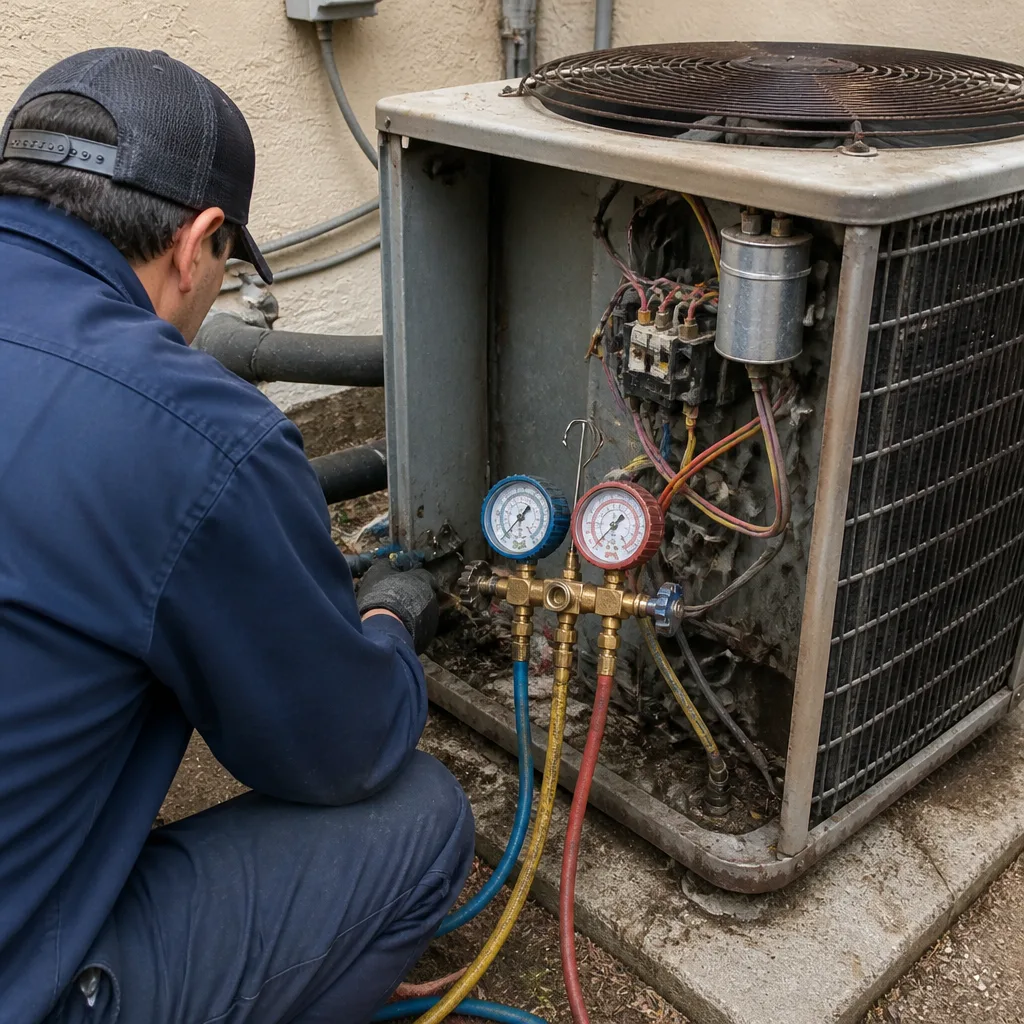 Before
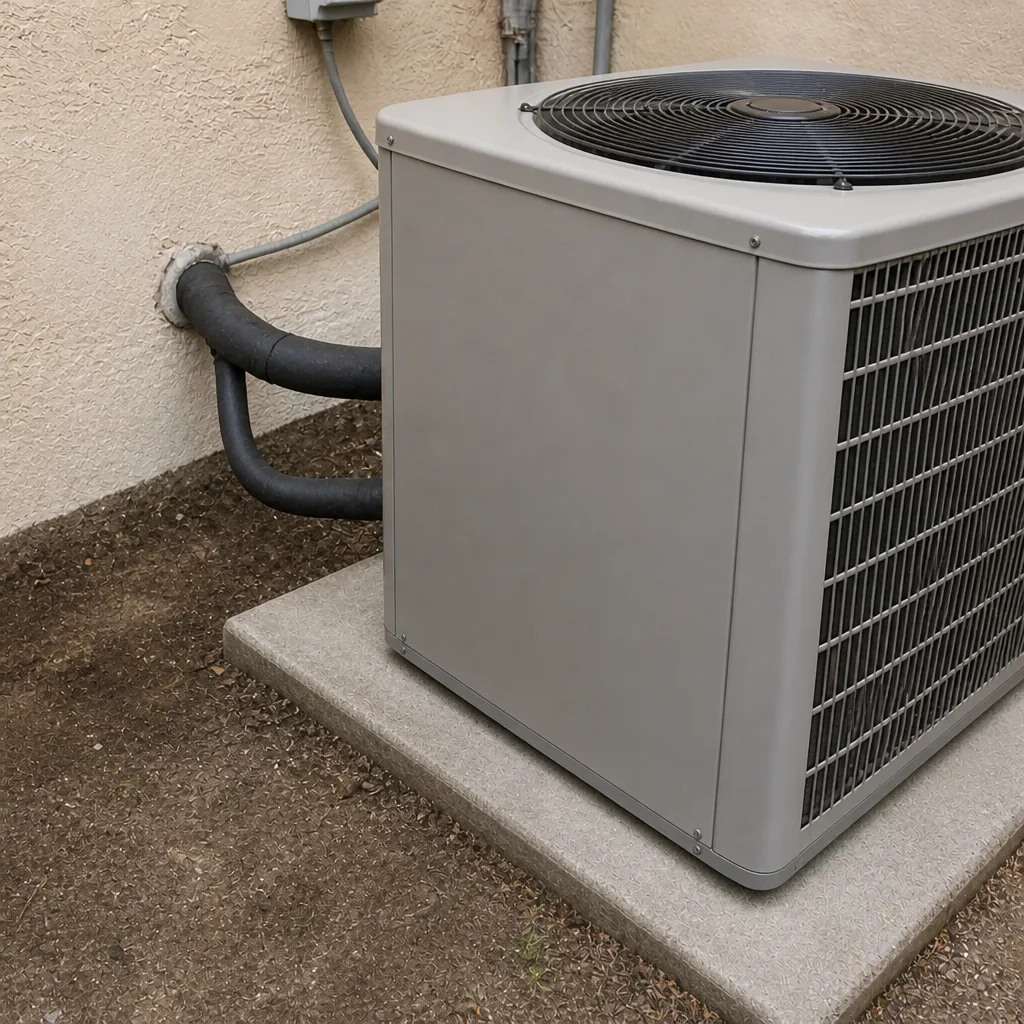 After
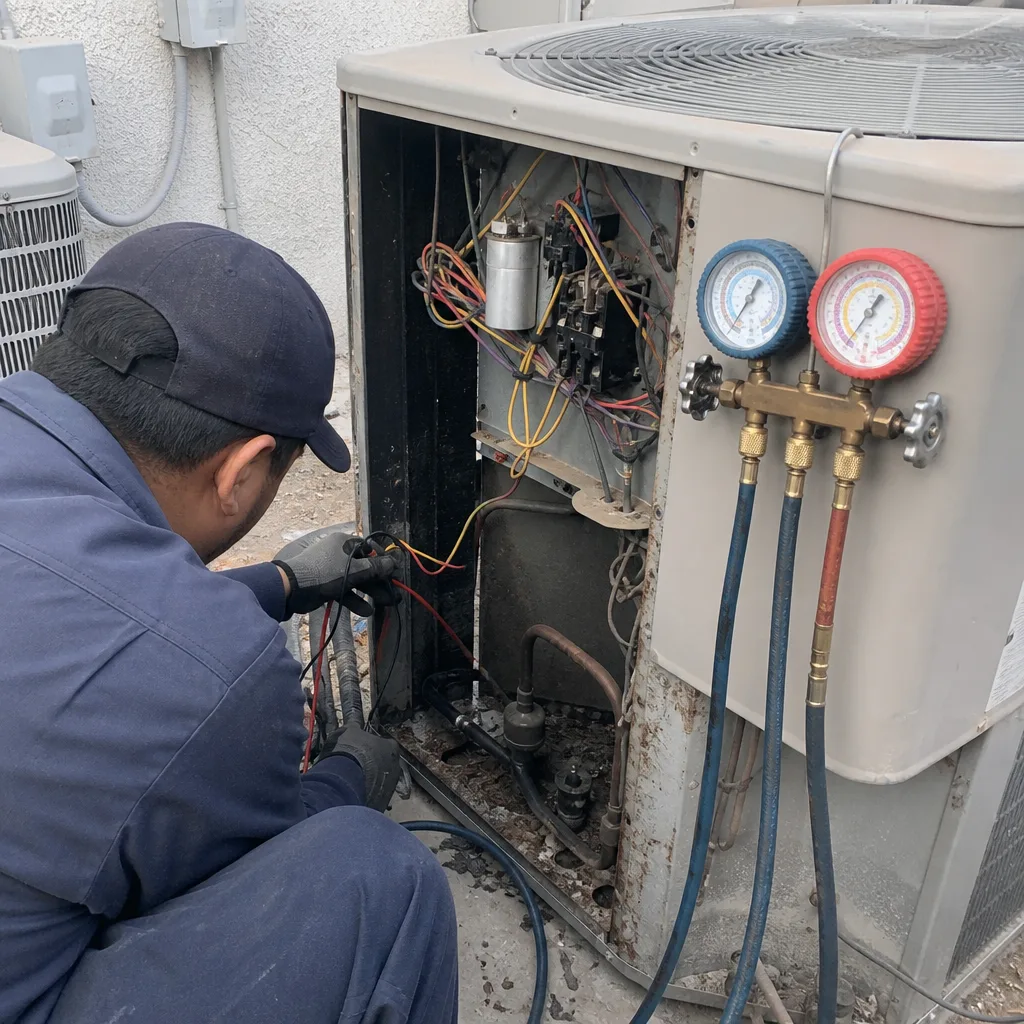 Before
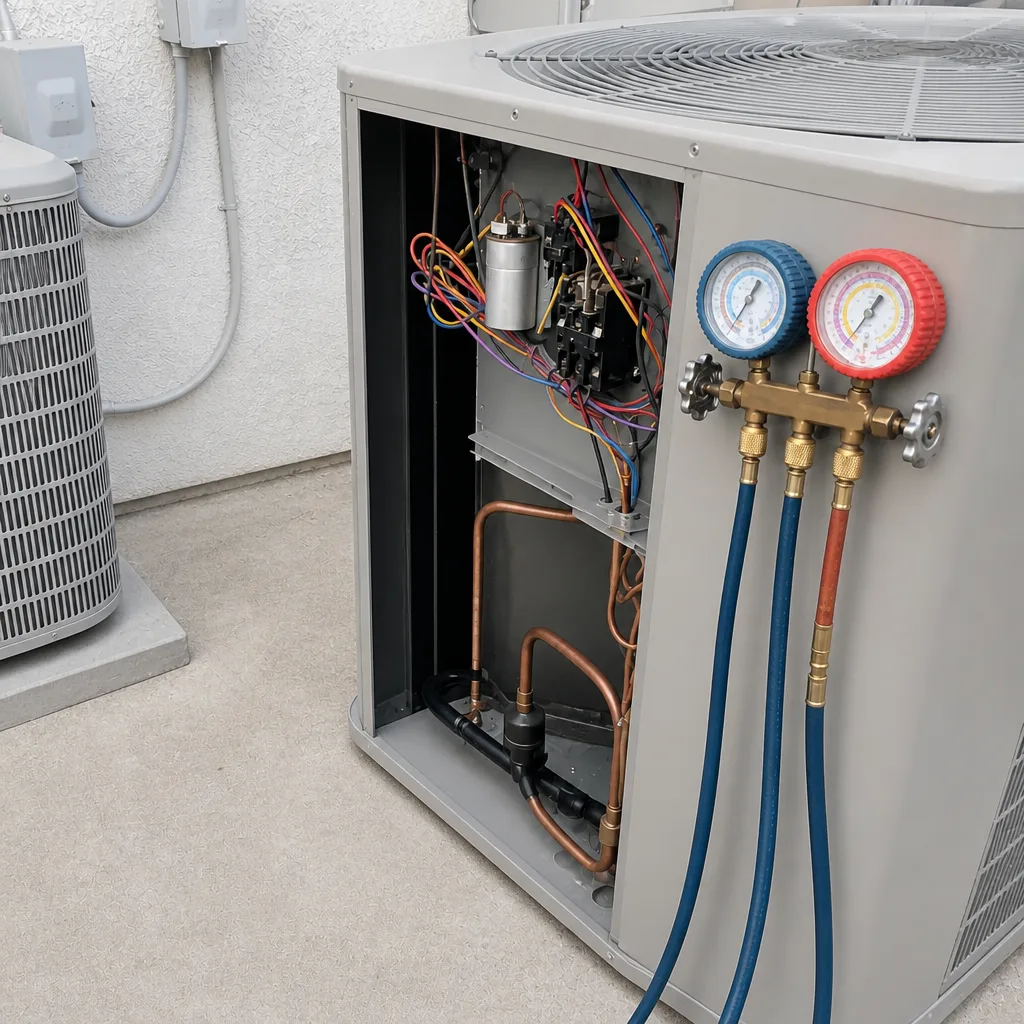 After
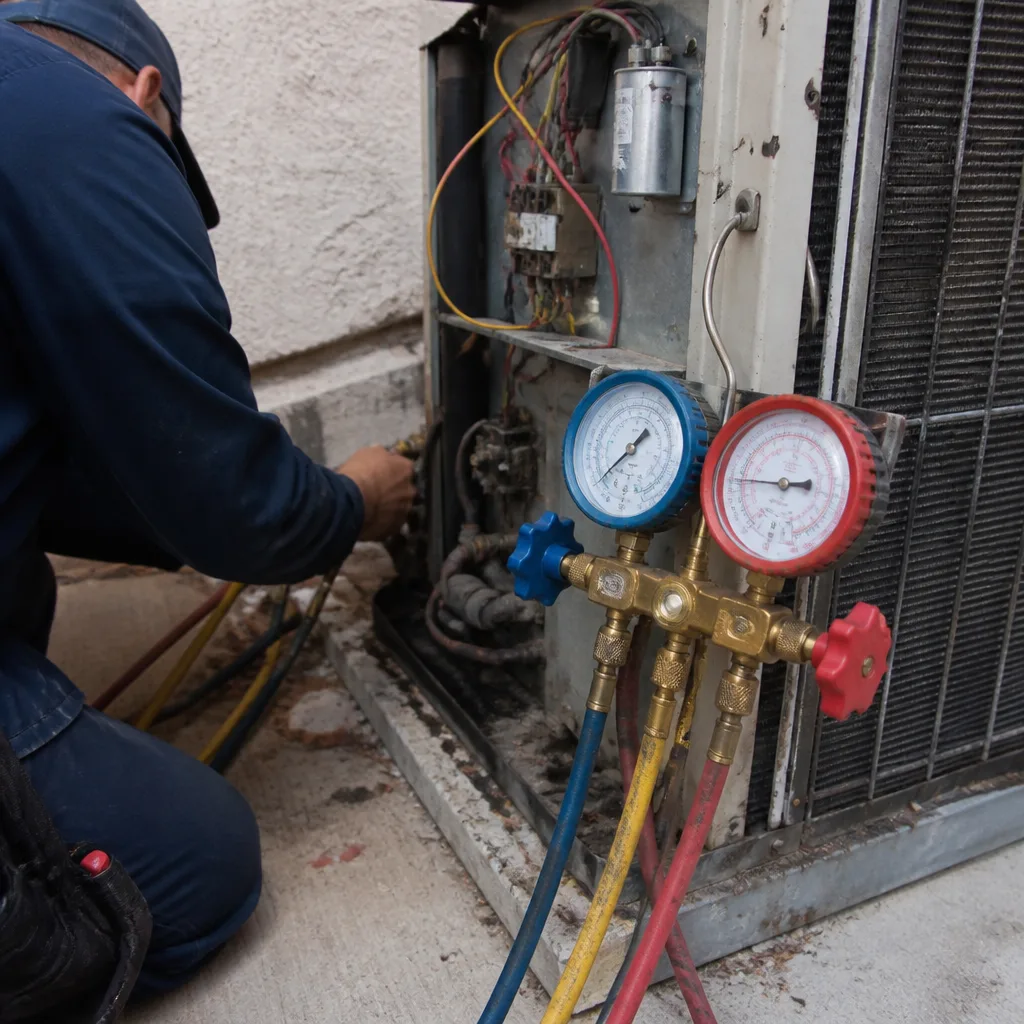 Before
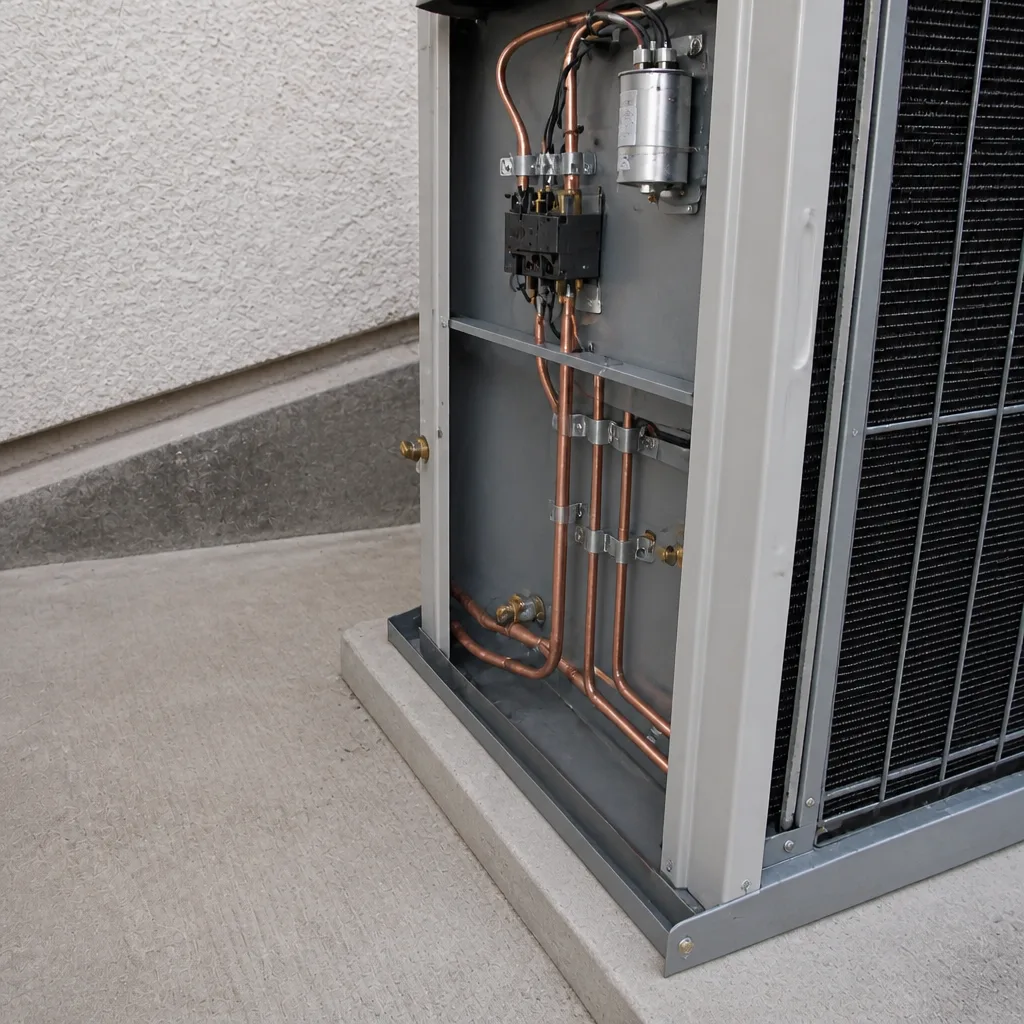 After
When to Call a Professional
If you smell gas, hear a rumbling or screeching from the furnace, see soot or a yellow flame where it should be blue, or your carbon monoxide alarm goes off, stop here and call from outside the house. Do not poke at the unit yourself – high-tension springs, gas lines, and combustion components aren’t DIY territory, and a cracked heat exchanger is a real health risk that wants a trained eye. Beyond emergencies, call if the furnace is short-cycling, won’t come on at all, is tripping the breaker, or is more than 15 years old and acting tired. Ray’s Heating & Air Sunrise Manor offers free estimates in Sunrise Manor for repairs and replacements, and a free second opinion on any written quote you’ve got from someone else – call (877) 311-5951. A live person answers, always.
Frequently Asked Questions
The install itself runs 4 to 8 hours on a like-for-like swap, and the full job from signed quote to passed inspection typically runs 3 to 7 business days in Sunrise Manor because of the Clark County permit pull, equipment order, and inspection scheduling. Plan on closer to 5 to 7 business days in December when the office and suppliers are busiest. Call (877) 311-5951 with your address and we’ll give you a real date, not a guess.
Sometimes, yes – if it’s a common part (igniter, flame sensor, capacitor, control board) and we diagnose early in the day. If the part needs ordering, it’s usually next-day or 2 to 5 business days. We’ll tell you honestly which one it is before we leave. Call (877) 311-5951 and we’ll get a real answer to you fast.
Rough rule: if the repair costs more than 40% of a new furnace and the unit is over 12 years old, replace it. If it’s a cracked heat exchanger, replace it – cracks are a safety issue and don’t get repaired. In Sunrise Manor’s older housing stock, we see undersized gas lines and corroded plenums more often, and those push the replacement math toward “do it right” faster than in newer homes. Get a written quote for both before you decide – we’ll give you one for free.
Late October or early November – before the first real cold snap hits and before the valley’s permit office and parts suppliers get busy. The install is the same either way, but scheduling gets much easier and the permit clock is faster in the shoulder season. Call early and get the timeline locked in.
Yes, for the install day – the furnace is off while the old unit comes out and the new one goes in, usually 4 to 8 hours. If your install falls on a genuinely cold day, we can talk through timing options, and the permit inspection usually happens the next business day. Call (877) 311-5951 to line up a date that works around your schedule.
It includes the actual install day only – removing the old unit, setting the new one, connecting gas and electrical, and running the vent. It doesn’t include the permit pull, the parts order, the in-home assessment, or the final inspection. Ask for the full timeline from “yes” to “passed” before you sign. Call us for a written quote with the phases laid out.
The Bottom Line
The honest answer to “how long does a furnace replacement take” depends on which clock you’re watching. The install block is 4 to 8 hours. The full project in Sunrise Manor is 3 to 7 business days once you add the Clark County permit, the equipment order, and the inspection. Furnace repair runs 1 to 3 hours on site, with next-day or multi-day depending on the part. The way to avoid the surprise isn’t to demand a faster time – it’s to start the conversation in the fall, ask for the permit status and the parts date before work starts, and make sure you’re shown the readings before the numbers. That’s the difference between a scheduled project and a scramble.
If you’re ready to know what your own job actually looks like, call (877) 311-5951 for a free estimate. We’ll give you an honest timeline, a written quote with no surprises, and if you’ve got a competing estimate, a free second opinion on it. Every job comes with the 90-Day Done Right Promise in writing – if it isn’t done right, one call brings us back.
Written by the team at Ray’s Heating & Air Sunrise Manor.